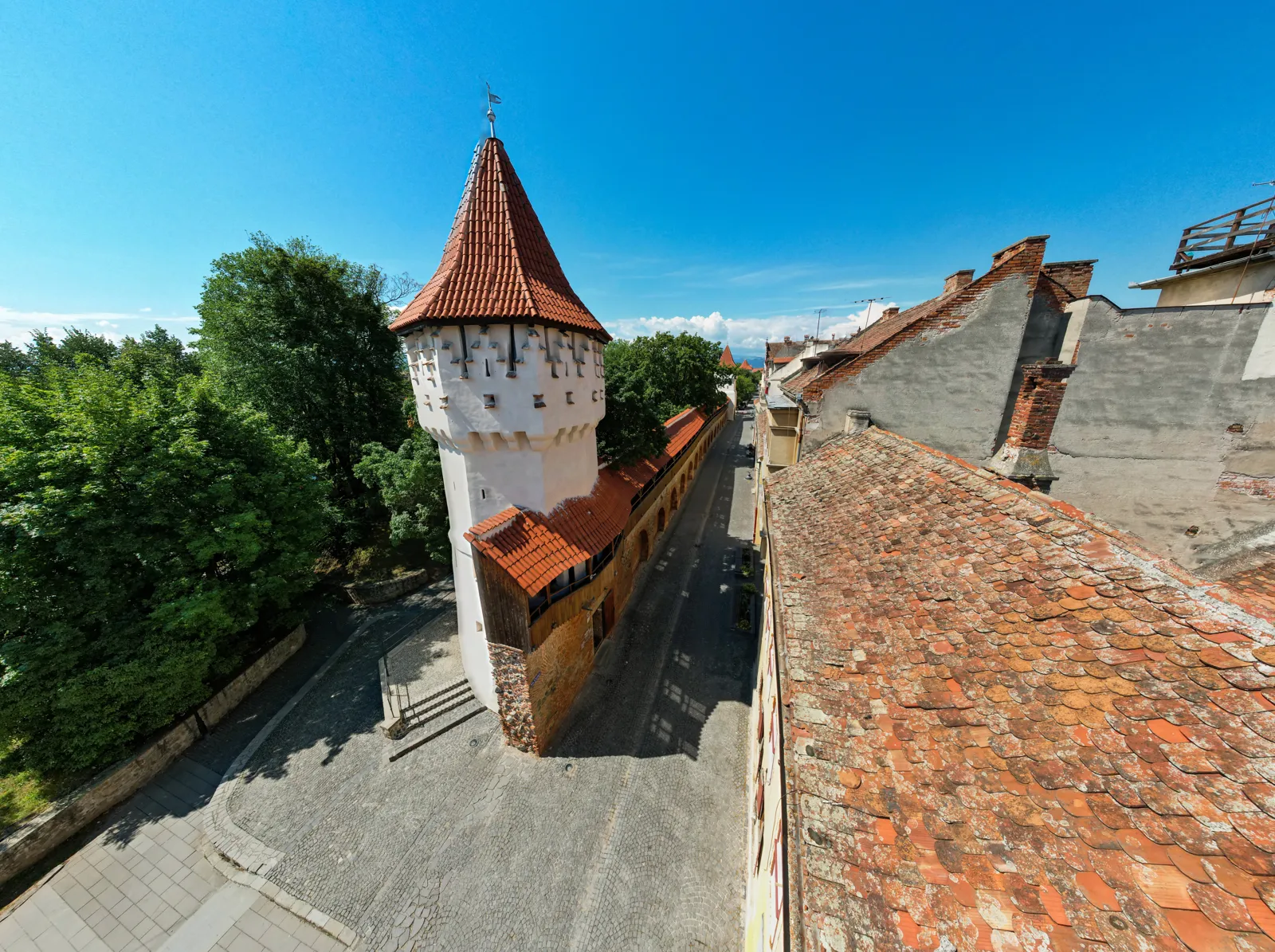
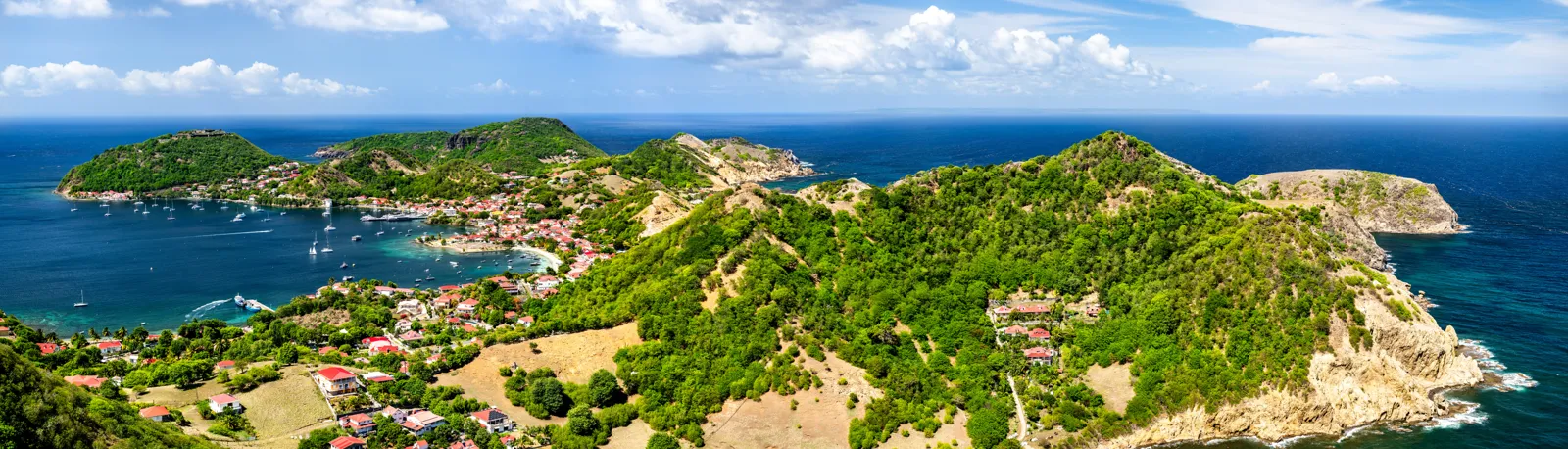
Gotland, the largest island in Sweden, in the middle of the Baltic Sea, is known for Visby, its fortified Hanseatic town on the UNESCO World Heritage List, its medieval churches and its limestone coasts. The island is a very popular summer destination for Swedes: people come for the walls and ruins of Visby, cycling on small roads, beaches and the islands of Fårö and the Karlsö. This guide to things to do in Gotland covers what to do, how to get there, the entry and safety information for US and UK travelers, and what weather to expect month by month, based on the official normals of the Swedish Meteorological and Hydrological Institute (SMHI).
For the full itinerary: our Sweden travel guide, the calendar when to go to Sweden and our guide to Stockholm.

Our travel deals for Gotland
Affiliate links: we earn a commission, at no extra cost to you.
 FlightsKiwi.comCompare flights and airline combinations to Gotland.Compare flights

Gotland at a glance
- Time zone UTC+1 (UTC+2 in summer): 1 hour ahead of London, 6 hours ahead of New York
- Climate average high of 21.6 °C (71 °F) in July and 1.8 °C (35 °F) in February; spring is the driest season (SMHI 1991–2020 normals, Visby)
- Getting there Destination Gotland ferry from Nynäshamn or Oskarshamn, or a flight to Visby
- Entry no visa for up to 90 days for US and UK citizens (Schengen rules); see travel.state.gov and GOV.UK
- Things to do walls and ruins of Visby, cathedral, Gotland Museum, medieval churches, Fårö, Karlsö
Things to do in Gotland: the highlights
Visby, a Hanseatic town
The island’s main town, Visby, is one of the best-preserved medieval towns in Scandinavia and has been on the UNESCO World Heritage List since 1995. Its old town is almost entirely surrounded by the wall, probably begun in the 12th century and raised around 1300, with its towers; it is still largely intact. To the west, the former medieval harbour has become Almedalen park. Its lanes running parallel to the shore and its ruined churches earned Visby the nicknames “city of roses” and “city of ruins”.
St Mary’s Cathedral and the medieval churches
Visby Cathedral, dedicated to the Virgin Mary, was built in the 12th century and altered in the 13th; it was consecrated in 1225. Across the island, Gotland has 94 medieval churches, most of them restored and still in use, in the Romanesque (1150–1250) or Gothic style. Touring them, by bike or by car, is one of the best ways to discover the countryside.
The Gotland Museum
In Visby, the Gotland Museum traces the history of the island, inhabited since prehistoric times. It shows in particular part of the Spillings hoard, a Viking-age deposit, and picture stones, the carved stelae typical of Gotland. Check opening hours on the museum’s official site.
Fårö, the rauks and the islands
To the north, the island of Fårö, which is part of the province, has no fixed link with Gotland: you cross by ferry. It is known for its rauks (raukar), limestone columns sculpted by erosion, such as at Langhammars, and for beaches such as Norsta Aurar. Farther out, Gotska Sandön is a national park; to the west, the islands of Stora and Lilla Karlsö complete the archipelago. Check boat connections, often seasonal, with the operators.
Cycling, beaches and countryside
In summer, renting a bike lets you link Visby to the beaches and neighbouring villages. The island’s coasts alternate between beaches and limestone cliffs. In summer, Visby also hosts Almedalen Week, a political event, and then, in August, Medieval Week, with costumes and entertainment: check dates on the official sites.
Gotland in 4 days
- Day 1: Visby, walls, ruins, cathedral, Almedalen park.
- Day 2: Gotland Museum in the morning, then a tour of the medieval churches in the middle of the island.
- Day 3: the north of the island and the ferry to Fårö (rauks, beaches).
- Day 4: the south of the island or a boat trip to Stora Karlsö in season.
When to go to Gotland: climate month by month
Gotland has a temperate climate shaped by the sea: mild, sunny summers and cool winters when the island is generally surrounded by ice-free water. The table combines the official normals of the Visby airport station with our astronomical calculations.
| Month | Avg. max | Avg. min | Rain | Rainy days (≥ 1 mm) | Day/night gap | Sunrise / sunset (15th) | Daylight |
|---|---|---|---|---|---|---|---|
| January | 2.0 °C (36 °F) | −1.9 °C (29 °F) | 43 mm (1.7 in) | 10.4 | 3.9 °C (7 °F) | 8:18 am / 3:34 pm | 7 h 16 min |
| February | 1.8 °C (35 °F) | −2.6 °C (27 °F) | 35 mm (1.4 in) | 8.8 | 4.4 °C (8 °F) | 7:17 am / 4:45 pm | 9 h 27 min |
| March | 4.4 °C (40 °F) | −1.8 °C (29 °F) | 28 mm (1.1 in) | 7.2 | 6.2 °C (11 °F) | 6:03 am / 5:49 pm | 11 h 45 min |
| April | 9.8 °C (50 °F) | 1.2 °C (34 °F) | 25 mm (1.0 in) | 5.8 | 8.6 °C (15 °F) | 5:38 am / 7:57 pm | 14 h 19 min |
| May | 15.0 °C (59 °F) | 5.3 °C (42 °F) | 29 mm (1.1 in) | 5.8 | 9.7 °C (17 °F) | 4:25 am / 9:02 pm | 16 h 37 min |
| June | 18.9 °C (66 °F) | 10.0 °C (50 °F) | 42 mm (1.7 in) | 6.8 | 8.9 °C (16 °F) | 3:46 am / 9:48 pm | 18 h 02 min |
| July | 21.6 °C (71 °F) | 13.2 °C (56 °F) | 61 mm (2.4 in) | 6.9 | 8.4 °C (15 °F) | 4:09 am / 9:34 pm | 17 h 25 min |
| August | 21.1 °C (70 °F) | 13.2 °C (56 °F) | 57 mm (2.2 in) | 8.6 | 7.9 °C (14 °F) | 5:10 am / 8:30 pm | 15 h 20 min |
| September | 16.6 °C (62 °F) | 9.6 °C (49 °F) | 48 mm (1.9 in) | 7.9 | 7.0 °C (13 °F) | 6:16 am / 7:06 pm | 12 h 51 min |
| October | 10.9 °C (52 °F) | 5.6 °C (42 °F) | 54 mm (2.1 in) | 10.2 | 5.3 °C (10 °F) | 7:20 am / 5:43 pm | 10 h 24 min |
| November | 6.3 °C (43 °F) | 2.5 °C (36 °F) | 56 mm (2.2 in) | 11.3 | 3.8 °C (7 °F) | 7:30 am / 3:31 pm | 8 h 01 min |
| December | 3.5 °C (38 °F) | −0.3 °C (31 °F) | 56 mm (2.2 in) | 11.7 | 3.8 °C (7 °F) | 8:23 am / 2:59 pm | 6 h 36 min |
Reading the table: July is the hottest month (21.6 °C / 71 °F average high) and also the wettest (61 mm / 2.4 in, often in showers), with August close behind (21.1 °C / 70 °F). April and May are the driest (25 and 29 mm / 1.0 and 1.1 in, 5.8 rainy days). In mid-June the sun rises at about 3:46 am and sets at about 9:48 pm, giving 18 h 02 min of daylight; in mid-December the day lasts only 6 h 36 min.
Heat, frost and rain: our cross-table
| Month | Days ≥ 25 °C (77 °F) | Frost days (min < 0 °C / 32 °F) | Rainy days (≥ 1 mm) | Our reading |
|---|---|---|---|---|
| January | 0.0 | 19.4 | 10.4 | Mild winter for Sweden, grey |
| February | 0.0 | 18.7 | 8.8 | Coldest month |
| March | 0.0 | 18.8 | 7.2 | Frequent night frost |
| April | 0.0 | 10.2 | 5.8 | Dry, cool nights |
| May | 0.6 | 2.0 | 5.8 | Dry and bright |
| June | 1.9 | 0.0 | 6.8 | Mild, long days |
| July | 5.6 | 0.0 | 6.9 | Hottest month, showers |
| August | 3.8 | 0.0 | 8.6 | Warm, Medieval Week |
| September | 0.2 | 0.2 | 7.9 | Mild, end of season |
| October | 0.0 | 2.8 | 10.2 | Cool and damp |
| November | 0.0 | 6.6 | 11.3 | Damp |
| December | 0.0 | 13.6 | 11.7 | Most rainy days |
Key points: from June to August it never freezes and days of 25 °C (77 °F) or more remain rare (5.6 on average in July): a mild summer, ideal for cycling. From November to March it freezes at night for part of the month, but average highs stay above zero. May is the best compromise for anyone who wants dry weather and light without the summer crowds.
Getting to Gotland and getting around
Visby is linked to the mainland by ferry and by air. Ferries leave from Oskarshamn, in Småland, and from Nynäshamn, near Stockholm; they are operated by Destination Gotland, the only operator on the route, with funding from the Swedish state. Visby airport is served from the mainland; check connections on the airport operator’s site. On the island, a car or bike lets you get around; for Fårö, you take the ferry.
Ferry, car and bike: how to book
In summer and during Medieval Week, crossings and accommodation fill up quickly: book the ferry as soon as your dates are fixed, especially with a vehicle. For a car or bike on site, compare the direct rental company and resellers: insurance, excess, cancellation terms, whether you can take the Fårö ferry.
Where to stay in Gotland
Visby, inside the walls or just beside them, lets you do everything on foot and reach the harbour. For the countryside and beaches, the villages offer more peace; Fårö suits nature stays. In high season, accommodation is in great demand: book early.
Entry requirements, health and safety
- US citizens: according to the U.S. Department of State (travel.state.gov, last updated July 2, 2026), Sweden is part of the Schengen area: short tourist stays are visa-free for up to 90 days. Your passport should be valid for at least three months beyond your stay, and you need proof of sufficient funds and a return plane ticket.
- UK citizens: according to the UK FCDO (GOV.UK, updated 11 August 2026), you can travel without a visa for up to 90 days in any 180-day period. Your passport must have been issued less than 10 years before you arrive and expire at least 3 months after the day you plan to leave the Schengen area. At the border you may need to show a return or onward ticket, and under the EU Entry/Exit System (EES) you may need to register your fingerprints and photo.
- The two sources agree on the 90-day visa-free stay. For anything else, check with the Swedish embassy in your country. See also our guide to entry requirements.
- Cash and cards: many shops, cafés and restaurants do not accept cash, so bring a debit or credit card (UK FCDO). The FCDO also asks you to declare cash or travellers’ cheques worth 10,000 euros or more.
- Crime: the State Department says Sweden has a low crime rate, with most crimes involving theft of personal property from vehicles, residences and public areas; the FCDO says pickpockets target tourists in major cities. The risks are much lower on Gotland than in the big cities, but do not leave valuables in vehicles, including motorhomes.
- Health: UK travelers need a GHIC or EHIC for medically necessary state healthcare; the FCDO flags biting insects and ticks, so check your skin after walking in the countryside. Take out travel insurance.
- Driving: the State Department says the maximum legal blood-alcohol level is 0.02%, much lower than in the United States, and that police often conduct alcohol tests on roads. Rural gas stations can be far apart and some are unattended and need a credit card with a chip.
- Emergencies: 112, with assistance in English (U.S. Department of State).
Staying connected and paying
Roaming charges in Sweden depend on your home plan and provider: check them before you leave. The currency is the Swedish krona: see our currency converter and our travel eSIM guide.
If you… then…
| If you… | Then… |
|---|---|
| Want summer warmth | July–August: 21 to 22 °C (70 to 72 °F) average highs (SMHI normals) |
| Want dry weather without the crowds | May: 29 mm (1.1 in) and fewer than 6 rainy days, more than 16 hours of daylight (calculation) |
| Come for Medieval Week | August: book the ferry and accommodation very early |
| Want to cycle around the island | June to August, with no frost and long days |
| Travel by motorhome | Do not leave anything of value on board, in line with the official advice on theft from vehicles |
| Have only a weekend | Stay in Visby: walls, ruins, cathedral and museum |
Frequently asked questions
What is there to do in Gotland?
Visit Visby, its walls, ruins and cathedral, the Gotland Museum, tour the medieval churches, see the rauks of Fårö and enjoy the beaches by bike.
How do you get to Gotland?
By Destination Gotland ferry from Nynäshamn (near Stockholm) or Oskarshamn, or by air to Visby airport.
When should you go to Gotland?
June to August for mild weather (21.6 °C / 71 °F average high in July) and long days; May for dry, calm weather.
How many days do you need in Gotland?
A weekend for Visby; four days or more to add the country churches, Fårö and the beaches.
Is Visby a UNESCO World Heritage Site?
Yes, the Hanseatic town of Visby has been on the World Heritage List since 1995.
Do US and UK citizens need a visa for Gotland?
No, not for up to 90 days in any 180-day period, according to the U.S. Department of State (July 2, 2026) and the UK FCDO (11 August 2026); your passport must meet Schengen validity rules.
Our sources
- UK FCDO, Sweden foreign travel advice (GOV.UK, updated 11 August 2026): entry requirements, safety and security, health; read 26 October 2026
- U.S. Department of State, Sweden country information (travel.state.gov, last updated July 2, 2026): entry and exit requirements, safety and security, transportation; read 26 October 2026
- World Meteorological Organization, 1991–2020 climate normals, Visby flygplats station (02590), SMHI (NOAA/NCEI archive)
- English Wikipedia articles “Gotland”, “Visby” and “Visby Airport”
- Astronomical calculations: NOAA solar algorithm, applied by Destination de Voyage to the coordinates of Visby (15th of each month, year 2027)
- Our methodology
Updated November 2026.