
Insurance, budget, itinerary: practical guides before you go
(69 guides) Airport transitGuide
 Altitude sicknessGuideBoarding passGuide
 Carry-on luggageGuide
 Checked baggageGuide
 Currency exchange1 guide
 DengueGuide
 Entry requirements32 guides
 Fear of flyingGuide
 Flying with a dogGuide
 GHICGuide
 HoneymoonGuide
 International phone plansGuide
 Jet lagGuide
 Language tripsGuide
 Liquids on planesGuideMalariaGuideMotion sicknessGuide
 Multi-stop travelGuide
 Plug adaptersGuide
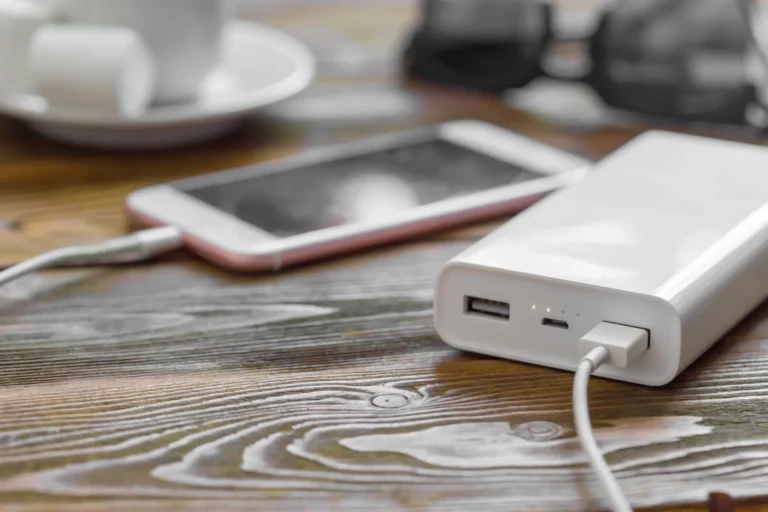 Power banks on planesGuide
 Prohibited itemsGuide
 Renting a car abroadGuide
 Road tripGuide
 Tax-free shoppingGuideTipping abroadGuide
 Travel backpackGuide
 Travel eSIMGuide
 Travel insurance1 guide
 Travel vaccinesGuide
 Traveler's diarrheaGuide
 Volunteering abroadGuide
 What to packGuide
 Working holiday visasGuide
 WWOOFingGuide
Planning a trip abroad comes down to five checks: valid documents for the country you visit, suitable health cover, payment methods that work there, insurance that covers what your card or policy does not, and a phone you can use on arrival. The rest (itinerary, accommodation, budget) depends on your plans.
These travel guides bring together our practical advice: a full departure checklist and packing list, written for US and UK travellers. Entry rules change often: the reference is always the official country page on travel.state.gov (US) or GOV.UK foreign travel advice (UK).
The essentials before you go
- Documents: passport with the validity the country requires, visa or electronic authorisation if needed; check on travel.state.gov or GOV.UK.
- Health: check what your health insurance covers abroad, and the vaccinations and treatments recommended for your destination.
- Money: at least two payment methods, card limits checked, a little local cash on arrival.
- Insurance: medical costs and evacuation first; some countries require insurance for entry.
- Phone: your home carrier’s roaming charges, a local SIM card or an eSIM, depending on the destination.
- Safety: US citizens can enrol in STEP (Smart Traveler Enrollment Program); UK travellers can sign up for GOV.UK travel advice email alerts.
Departure checklist
Work through these points in order, ideally two to three months before a long-haul trip. Some (visa, vaccinations, passport) take several weeks.
| When | What to do | Where to check |
|---|---|---|
| 3 months before | Check passport validity and entry requirements (visa, electronic authorisation) | Country page on travel.state.gov (US) or GOV.UK foreign travel advice (UK) |
| 2 months before | See a doctor or travel clinic if the destination warrants it | Health section of the country page |
| 1 month before | Choose insurance, check your health cover abroad, tell your bank | Your insurer, your card terms |
| 2 weeks before | Sort out your phone (roaming, SIM or eSIM), copy your documents | Your carrier, local operator app |
| Before departure | Enrol in STEP (US) or sign up for GOV.UK alerts (UK), print key bookings | travel.state.gov, GOV.UK |
Passports, visas and authorisations
Entry requirements depend on the country, the length of stay and sometimes the purpose of the trip. For the destinations in our English edition, as checked on 24 October 2026 on travel.state.gov and GOV.UK:
- Japan: visa-free tourist or business stays of up to 90 days for US and British citizens; all visitors are fingerprinted and photographed on arrival.
- Thailand: since 15 September 2026, US and British citizens can stay up to 30 days per entry without a visa, for tourism only (Tourism Authority of Thailand, 1 September 2026; GOV.UK, updated 12 October 2026). The U.S. State Department page (last updated August 20, 2026) still mentions 60 days, but it predates the change: under the Thai rules in force since 15 September 2026, US citizens are also limited to 30 days. Check with the Royal Thai Embassy in Washington before you travel. GOV.UK adds that all foreign nationals must complete a digital arrival card online before arrival.
- Portugal (Schengen area): up to 90 days without a visa for US and British citizens; passport valid at least three months beyond your stay. The EU Entry/Exit System (EES) records fingerprints and a photo at first entry.
Keep a digital copy of your passport and bookings available offline, and a paper copy stored separately from the original. If you lose your passport, contact your embassy or consulate.
Health: insurance, vaccinations and first-aid kit
Your usual health insurance may cover little or nothing abroad, and medical bills often have to be paid on the spot. Check your policy before you travel; it is one of the main reasons to take out travel insurance. For vaccinations and preventive treatment, the health section of the country page gives recommendations; a medical appointment a few weeks before departure is the rule for tropical destinations.
Money: cards, cash and fees
- Two cards, on two different networks if possible, kept separately.
- Limits: check your payment and withdrawal limits in your banking app; raise them temporarily for a long trip.
- Fees: your bank may charge a percentage on each payment or withdrawal abroad. Compare before you go.
- Pay in local currency: when a terminal offers to charge you in your home currency, choosing the local currency usually avoids an unfavourable conversion.
- Cash: essential in some countries (markets, transport, tips).
Travel insurance: what it should cover
Before buying a policy, check what your credit card already covers: benefits depend on the card and often only apply if the trip was paid with it. For long-haul trips, the priority is medical costs and evacuation. Some countries require insurance for entry, so check the country page.
Phone and internet abroad
Three options: your home carrier’s international plan (simple, often expensive), a local SIM card bought on arrival (a passport is often required) or an eSIM installed before departure, if your phone supports it. We have eSIM guides for Japan and Thailand. Also download offline maps of your stops and a translation app for the local language.
Safety: official travel advice
The U.S. Department of State (travel.state.gov) publishes a Travel Advisory level for each country, and the UK FCDO (GOV.UK foreign travel advice) flags areas it advises against visiting. Read them when choosing your destination, then again just before departure. These advisories can also affect your insurance: read your policy’s exclusions for areas advised against.
The days before departure
- Check flight times and the airline’s baggage rules (weight, size, liquids in the cabin).
- Pack medication, documents, chargers and a change of clothes in your carry-on.
- Note the address of your first night offline, and how to get there from the airport.
- Leave a copy of your documents and itinerary with someone at home.
- Withdraw or order a little local currency if exchange is difficult on arrival.
Once there, carry a single card and a little cash for the day, and keep the rest at your accommodation. Note the local emergency number and your embassy’s, listed on the official country page.
Choosing your destination and timing
Timing matters as much as the destination: rainy season, cyclones, heat, crowds and prices vary greatly from one month to the next. Our “when to go” pages for Japan, Thailand and Portugal give a month-by-month climate table based on official normals. How we build these pages is explained in our methodology.
Packing checklist: don’t forget anything
This list complements the paperwork checklist. Adapt it to the climate and length of your trip.
| Category | What to pack |
|---|---|
| Documents (carry-on) | Passport, visa or electronic authorisation, tickets, bookings, insurance certificate, digital copies |
| Money | Two bank cards kept separately, a little cash, card-blocking numbers noted outside your wallet |
| Health | Enough of any regular medication with the prescription, basic first-aid kit, sunscreen, insect repellent depending on the destination |
| Electronics | Phone, chargers, plug adapter, power bank (check the airline’s cabin rules) |
| Clothing | Clothes suited to the weather, a warm layer and a rain jacket, shoes already worn in, covering clothes for places of worship |
| Toiletries | Travel-size containers for your carry-on, compliant with the departure airport’s security rules |
Frequently asked questions
How far ahead should I start preparing a trip abroad?
For long-haul trips, allow two to three months: that is a safe lead time for a visa, a passport renewal or vaccinations. For shorter trips, a few weeks is usually enough, but always check the entry requirements first.
How long must my passport be valid?
It depends on the country. For example: Thailand, an expiry date at least 6 months after arrival (GOV.UK); Portugal and the Schengen area, at least three months beyond your stay (travel.state.gov); Japan, valid for the entire stay (travel.state.gov). Always check the country page on travel.state.gov or GOV.UK.
Does my health insurance cover me abroad?
Often only partly, or not at all. Check with your insurer what is covered outside your home country, including medical evacuation, before deciding on travel insurance.
How can I get official safety alerts while abroad?
US citizens can enrol in the State Department’s Smart Traveler Enrollment Program (STEP); UK travellers can sign up for email alerts on the GOV.UK foreign travel advice page of the country.
How do I avoid bank fees abroad?
Check your card’s foreign transaction fees, limit the number of ATM withdrawals and, when a card terminal offers to charge you in your home currency, choose the local currency instead.
What should I check the day before departure?
Your documents’ validity, online check-in, the airline’s baggage rules, the latest travel advice for your destination, and that your bank card and phone plan will work abroad.
Our sources
- Entry requirements checked on 24 October 2026: U.S. Department of State (travel.state.gov country pages for Japan, last updated August 11, 2025; Thailand, last updated August 20, 2026; Portugal, last updated December 11, 2025), UK FCDO (GOV.UK foreign travel advice for Japan, updated 28 August 2026; Thailand, updated 12 October 2026; Portugal, updated 11 August 2026) and Tourism Authority of Thailand, TAT Newsroom (1 September 2026).
- Our methodology
Updated October 2026.