Altitude sickness (acute mountain sickness, AMS) can affect anyone above about 2,500 m (8,200 ft), whatever their fitness. It shows up as headache, nausea, dizziness, fatigue or poor sleep, and in rare cases it becomes life-threatening. The core of prevention is to go up slowly: above 3,000 m (9,800 ft), the US CDC advises raising your sleeping altitude by no more than 500 m (1,650 ft) per night. If symptoms appear, do not go higher, and descend if they get worse.
This guide draws on the CDC Yellow Book and the NHS (both read on 12 November 2026). We add a table of altitudes for destinations covered on our site, and a calculation of our own: the minimum number of nights needed above 3,000 m to reach each altitude at 500 m per night. It does not replace advice from a doctor or travel clinic, which both the CDC and the NHS recommend before a high-altitude trip.
Altitude sickness: key facts
- Threshold: the NHS says it usually occurs above 2,500 m (8,200 ft); the CDC counts unacclimatized travelers sleeping at 2,450 m (8,000 ft) or more as at risk
- Symptoms: headache first, often with loss of appetite, dizziness, fatigue, nausea or vomiting; usually 2 to 12 hours after arrival or ascent (CDC)
- Prevention: go up gradually; above 3,000 m (9,800 ft), sleep no more than 500 m (1,650 ft) higher than the previous night, with an extra acclimatization night for every 1,000 m (3,300 ft) gained (CDC)
- If symptoms appear: do not ascend to a higher sleeping altitude; descend if they worsen, and treat confusion, loss of coordination or breathlessness at rest as an emergency
- Before you go: talk to a doctor, especially if you have a heart or lung condition, are pregnant, or are traveling with children
What is altitude sickness?
The NHS describes altitude sickness as a condition that can develop when you go to a high altitude too quickly, usually above 2,500 m (8,200 ft), with symptoms typically starting 6 to 10 hours after arrival and getting better within 1 to 3 days. The CDC Yellow Book (last reviewed April 23, 2025) distinguishes three forms. Acute mountain sickness is the common, milder one: a headache, often with nausea, dizziness or fatigue. High-altitude cerebral edema (confusion, poor coordination, drowsiness) and high-altitude pulmonary edema (chest congestion, cough, unusual breathlessness) are medical emergencies that require descent.
The CDC adds that acclimatization to a given altitude takes about 3 to 5 days, and that people at altitude should avoid alcohol and keep exertion mild for the first 48 hours. Because confusion is one of the warning signs, tell your group how you feel and never leave an unwell person alone.
Altitudes of popular destinations
| Place | Altitude | Above 2,500 m (8,200 ft) | Minimum nights above 3,000 m (500 m rule)* | Altitude source |
|---|---|---|---|---|
| Kilimanjaro (Uhuru Peak) | 5,895 m (19,341 ft) | Yes | 6 nights | Kilimanjaro National Park authority (TANAPA), via our guide |
| El Tatio geysers (Atacama) | 4,320 m (14,173 ft) (base: San Pedro, 2,407 m / 7,897 ft) | Yes | 3 nights | Our Atacama guide |
| El Alto airport, La Paz | 4,058 m (13,314 ft) (city: 3,300 to 3,800 m / 10,827 to 12,467 ft) | Yes | 3 nights | Our Bolivia guide |
| Bhutan, Chele La pass | 4,000 m (13,123 ft) (just under) | Yes | 2 nights | Our Bhutan guide |
| Aiguille du Midi (Chamonix) | 3,842 m (12,605 ft) (departure: 1,035 m / 3,396 ft) | Yes | 2 nights | Our Aiguille du Midi guide |
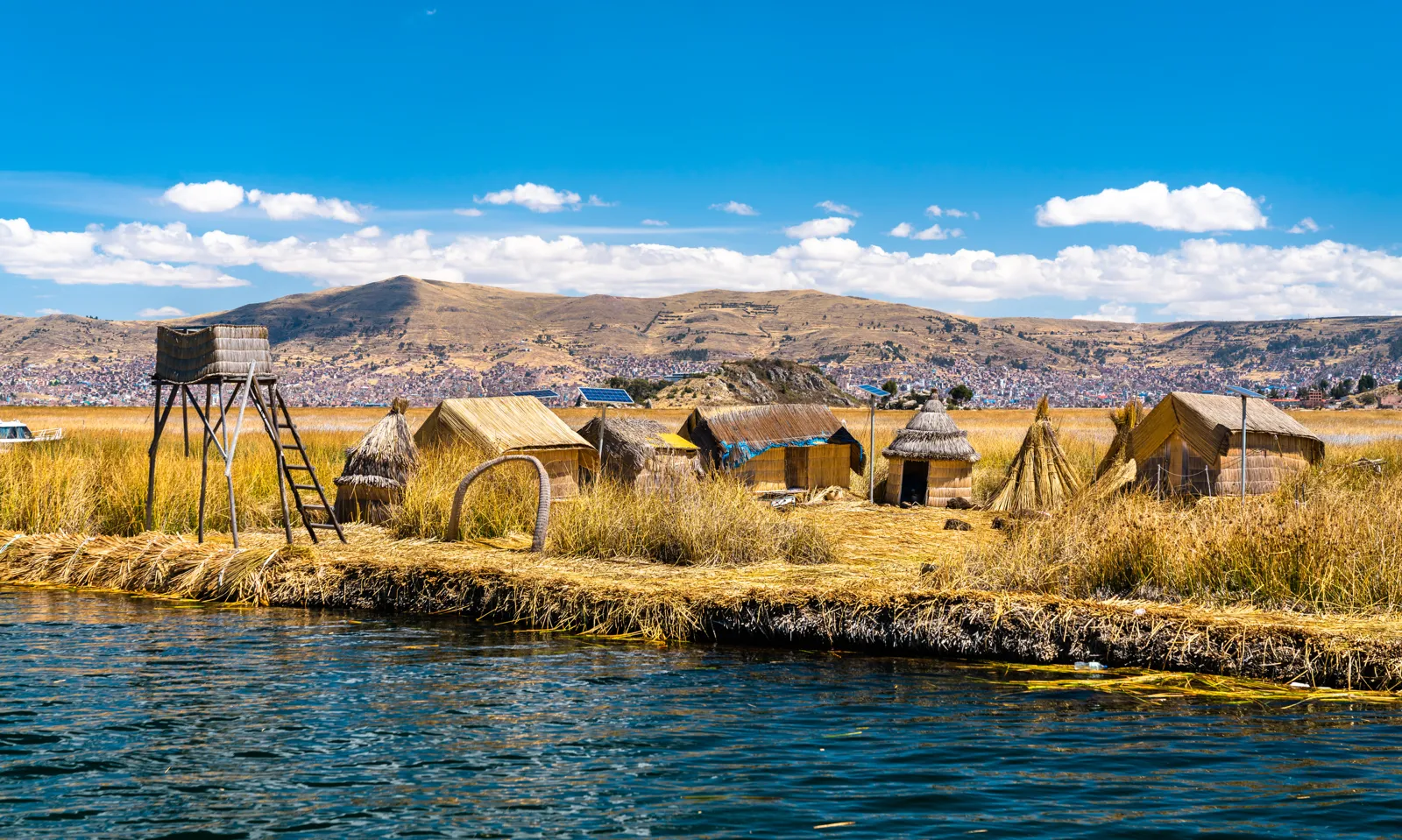
| Puno, Lake Titicaca | 3,825 m (12,549 ft) | Yes | 2 nights | Official weather station, via our guide |
| Uyuni salt flat | 3,650 m (11,975 ft) (about) | Yes | 2 nights | Our Bolivia guide |
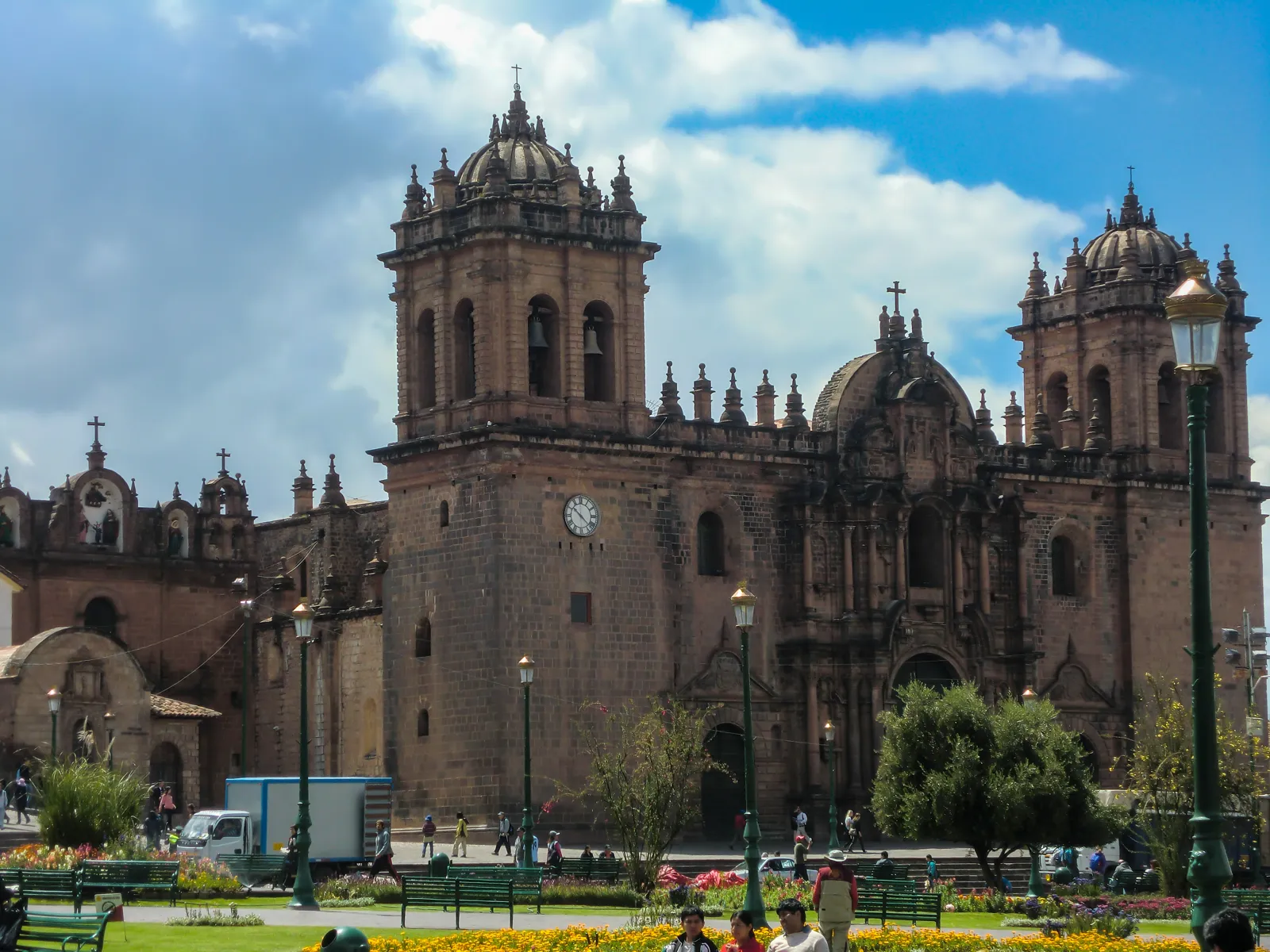
| Cusco | 3,400 m (11,155 ft) (about; airport: 3,249 m / 10,659 ft) | Yes | 1 night | Our Cusco guide |
| Quito | 2,800 m (9,186 ft) (about) | Yes | None above 3,000 m | Our Ecuador guide |
| Bogotá | 2,700 m (8,858 ft) (airport: 2,547 m / 8,356 ft) | Yes | None above 3,000 m | Our Bogotá guide |
| Machu Picchu | 2,400 m (7,874 ft) (about) | No (below the threshold) | — | Our Machu Picchu guide |
| Addis Ababa | 2,400 m (7,874 ft) (about) | No (below the threshold) | — | Our Ethiopia guide |
| Mexico City | 2,240 m (7,349 ft) (about) | No (below the threshold) | — | Our Mexico City guide |
The table highlights a trap: several destinations are reached by air, with no gradual climb. You land at El Alto (4,058 m / 13,314 ft) or Cusco (airport at 3,249 m / 10,659 ft) from sea level. The NHS advises that if you fly directly to high altitude, you should rest for one day before going higher, and the CDC advises against going from below 1,200 m (4,000 ft) straight to a sleeping altitude of 2,750 m (9,000 ft) in one day. Keep the first days quiet; our guides suggest, for example, starting in the Urubamba Valley, which is lower than Cusco. Mexico City, Machu Picchu and Addis Ababa, by contrast, stay below 2,500 m.
Preventing altitude sickness
The main rules, from the CDC and the NHS:
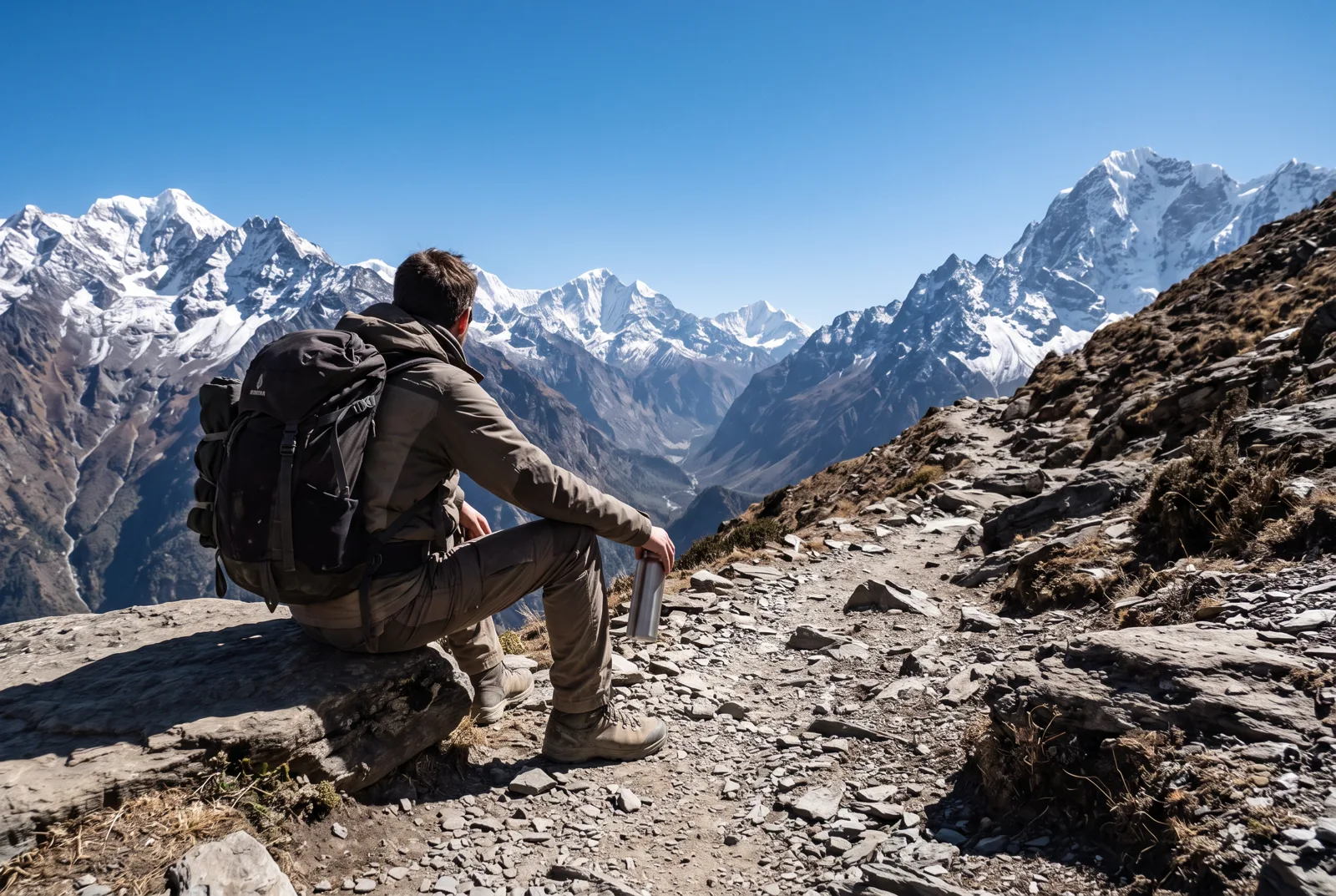
- spend a few days below 2,500 m (8,200 ft) before going higher (NHS), or acclimatize for 2 to 3 nights at about 2,450 to 2,750 m (8,000 to 9,000 ft) (CDC);
- above 3,000 m (9,800 ft), do not sleep more than 500 m (1,650 ft) higher than the previous night, and take a rest day every 3 to 4 days (NHS); the CDC adds an extra acclimatization night for every 1,000 m (3,300 ft) of sleeping altitude gained;
- do not travel from below 1,200 m (3,900 ft) to above 3,500 m (11,500 ft) in a single day (NHS);
- avoid alcohol and keep exertion mild for the first 48 hours (CDC).
What counts is the height gained between nights: you can climb higher during the day and come back down to sleep. This is the principle behind the acclimatization days on treks in Nepal or on Kilimanjaro. If you are heading for the Himalayas, our page on the Nepal visa covers entry requirements.
Some travelers at medium or high risk are prescribed a preventive drug, acetazolamide, according to the CDC; the NHS also notes that a GP or travel clinic may prescribe medicine to prevent altitude sickness. Only a doctor can decide this.
What to do if you have symptoms
The CDC says not to ascend to a higher sleeping altitude while symptoms are present, however mild they seem. Mild symptoms usually improve with rest at the same altitude, and descending 300 m (1,000 ft) or more typically brings rapid improvement; descend if symptoms worsen. The NHS gives similar advice: if you are not better after a day, descend about 300 to 1,000 m (1,000 to 3,300 ft). Confusion, loss of coordination or breathlessness at rest require urgent descent and medical help. Pain relievers such as ibuprofen or paracetamol can ease a headache, according to the NHS.
Who should get medical advice?
The CDC recommends medical advice before high-altitude travel if you have an existing condition. It specifically names heart and lung disease (for example coronary artery disease, chronic lung disease, pulmonary hypertension or heart failure), diabetes, sleep apnea and sickle cell trait. Children are as susceptible as adults, and the CDC lists infants under 6 weeks old as a contraindication to ascent. For pregnancy, the CDC advises against sleeping above 3,050 m (10,000 ft) and says a high-risk pregnancy is a contraindication. Use the same appointment to update your travel vaccines.
Insurance: check altitude limits and rescue cover
Mountain rescue is often paid for by the traveler, and many policies exclude trekking above a certain altitude or do not cover evacuation. Before you leave, read the altitude limits and exclusions of your travel insurance and check that it covers search, rescue and medical evacuation at the altitude you plan to reach.
Common mistakes
- Assuming that being fit protects you: altitude sickness can affect anyone.
- Flying to La Paz or Cusco and doing a strenuous excursion the same day.
- Putting a headache down to tiredness and carrying on upward.
- Descending alone: always go down with someone.
- Leaving without checking that your insurance covers your target altitude and evacuation.
Frequently asked questions
At what altitude does altitude sickness start?
According to the NHS it usually occurs above 2,500 m (8,200 ft). The CDC counts unacclimatized travelers sleeping at 2,450 m (8,000 ft) or more as at risk, and sometimes lower.
What are the symptoms of altitude sickness?
A headache, often with loss of appetite, dizziness, fatigue, nausea or vomiting, usually starting 2 to 12 hours after arrival (CDC). Confusion, poor coordination or breathlessness at rest signal an emergency: descend and get medical help.
How can I avoid altitude sickness?
By going up gradually: above 3,000 m (9,800 ft), no more than 500 m (1,650 ft) of extra sleeping altitude per night, with rest days, limited exertion for the first 48 hours and no alcohol (CDC, NHS).
Can I get altitude sickness in Cusco?
Yes: Cusco is at about 3,400 m (11,155 ft) and most travelers arrive by air. Plan quiet first days and ask a doctor about preventive medicine before hiking at altitude. For nausea caused by boat, car or plane travel, see our guide to motion sickness.
What should I do if I have altitude sickness?
Stop climbing, rest, and descend if symptoms worsen: a drop of 300 m (1,000 ft) or more typically brings rapid improvement (CDC). Get medical help for severe symptoms.
Can children go to high altitude?
Children are as susceptible as adults (CDC), and infants under 6 weeks old should not ascend. Ask a doctor before the trip.
Our sources
- US Centers for Disease Control and Prevention (CDC), Yellow Book 2026, « High-Altitude Travel and Altitude Illness » (last reviewed April 23, 2025), checked 12 November 2026.
- NHS, « Altitude sickness » (last reviewed 31 July 2023), checked 12 November 2026.
- Altitudes: our destination guides (Cusco, Lake Titicaca, Machu Picchu, Bolivia, Ecuador, Bogotá, Mexico City, Atacama, Kilimanjaro, Bhutan, Ethiopia, Aiguille du Midi), which cite their own sources, consulted 23 October 2026.
- Our methodology
Updated November 2026.