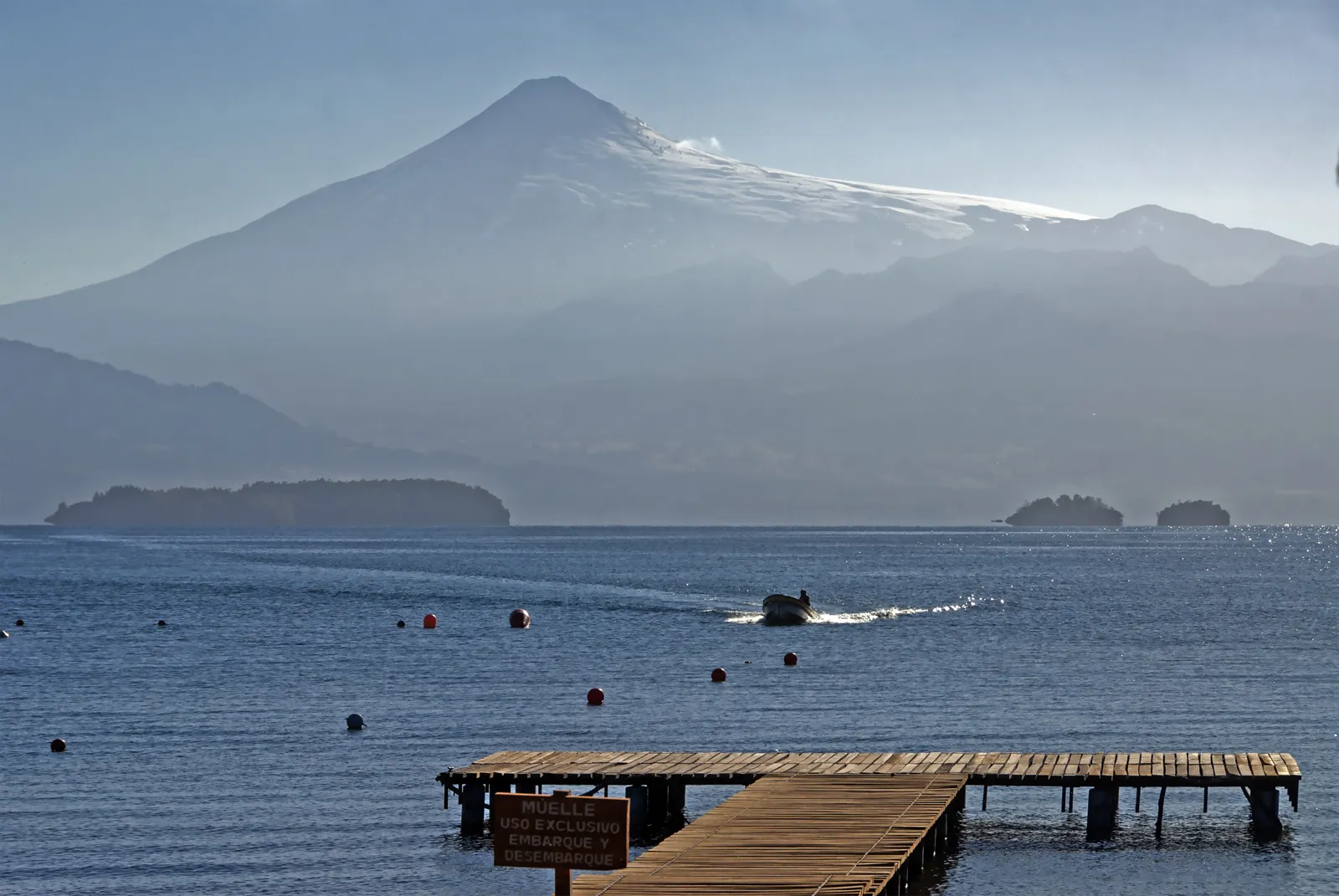
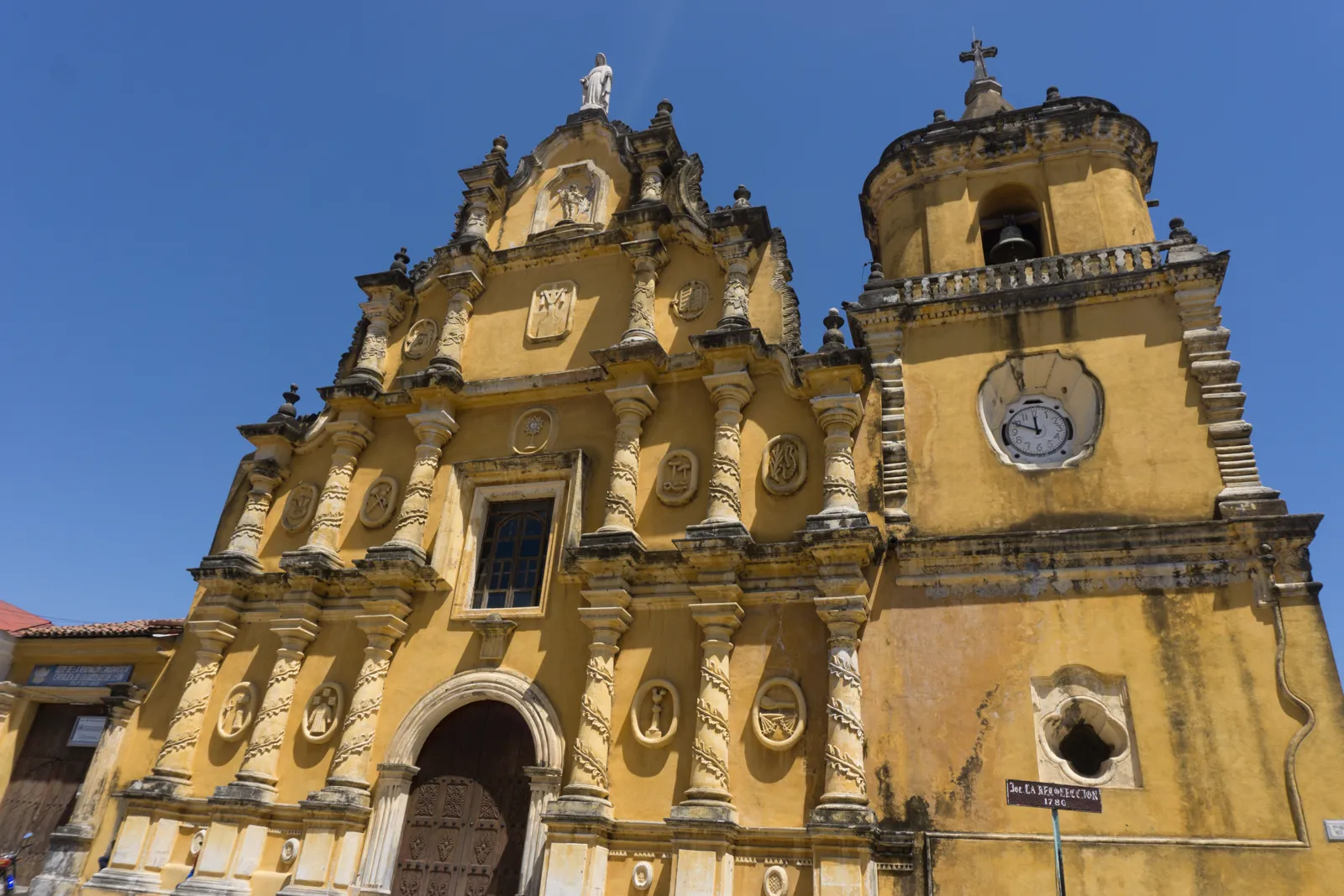
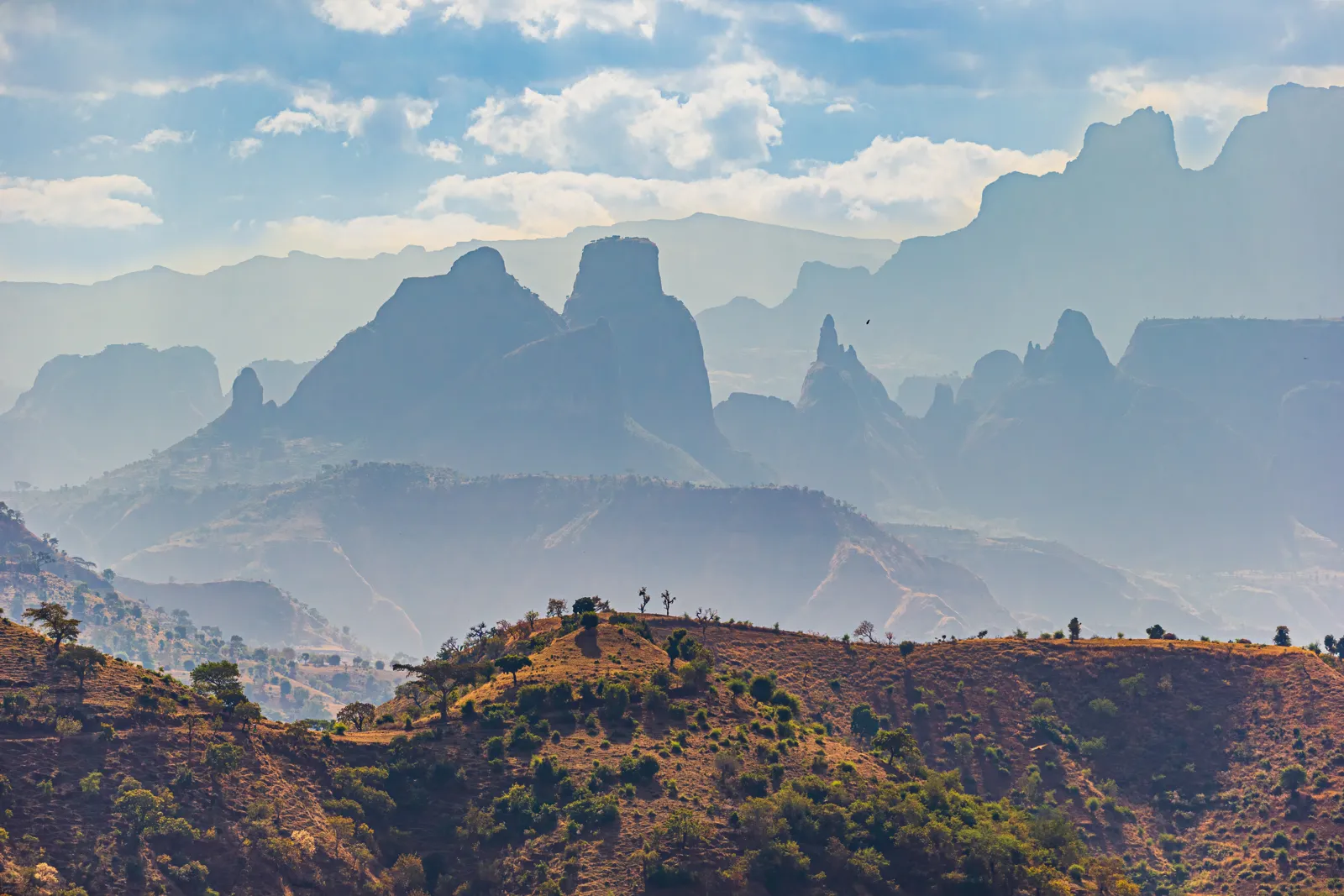
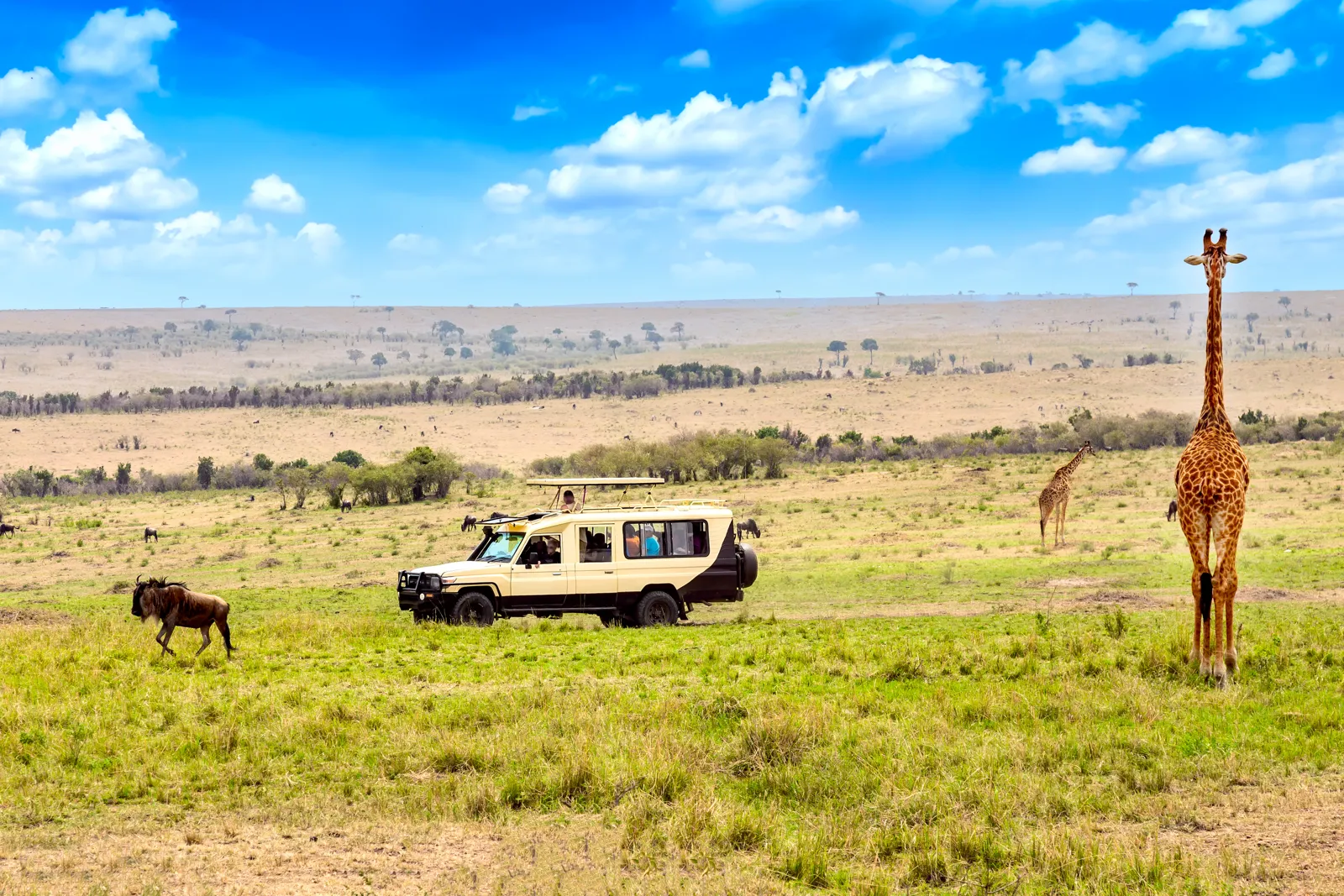
Snow-capped volcanoes, Andean markets, Amazon rainforest and the Galápagos Islands: Ecuador packs a great variety of landscapes into a small country. It can be visited well in two weeks, provided you take into account the security situation, which has deteriorated on the mainland coast. This Ecuador travel guide helps you choose what to see, which itinerary to follow and what budget to plan.
To locate cities, regions, terrain, national parks and airports, see our map of Ecuador.
Ecuador at a glance
CapitalQuito (about 2,800 m / 9,200 ft above sea level)
LanguagesSpanishKichwa and Shuar have official status for intercultural relations
The coastal provinces: the UK FCDO advises against all but essential travel to Esmeraldas, Manabí, Santa Elena, Guayas (including Guayaquil, except airside transit at the airport), El Oro, Los Ríos and Santo Domingo de los Tsáchilas, due to gang-related violence linked to drug trafficking (GOV.UK, updated 2 October 2026).
The Colombian border: all but essential travel is advised against within 20 km of the border, except El Ángel Ecological Reserve, the Rumichaca crossing, the town of Tulcán and the Pan-American Highway. Lago Agrio (Nueva Loja) is within this zone.
State of emergency: a 60-day state of emergency was declared from 15 September in eight provinces, including Pichincha (Quito), with a greater police and military presence.
Elsewhere: according to the U.S. Department of State, crime is a widespread problem throughout Ecuador, particularly in the coastal regions (travel.state.gov, last updated February 18, 2026).
The situation changes: check the latest advice before booking and during your trip.
When to go to Ecuador
In the Andes, the dry season runs from June to September: the best period for Quito, Cotopaxi or Cuenca. The Galápagos can be visited all year round, with warmer, calmer seas from December to May. Temperatures vary little from month to month; altitude makes the difference. All the details, with climate normals, are on our page best time to visit Ecuador.
What to see in Ecuador: the highlights
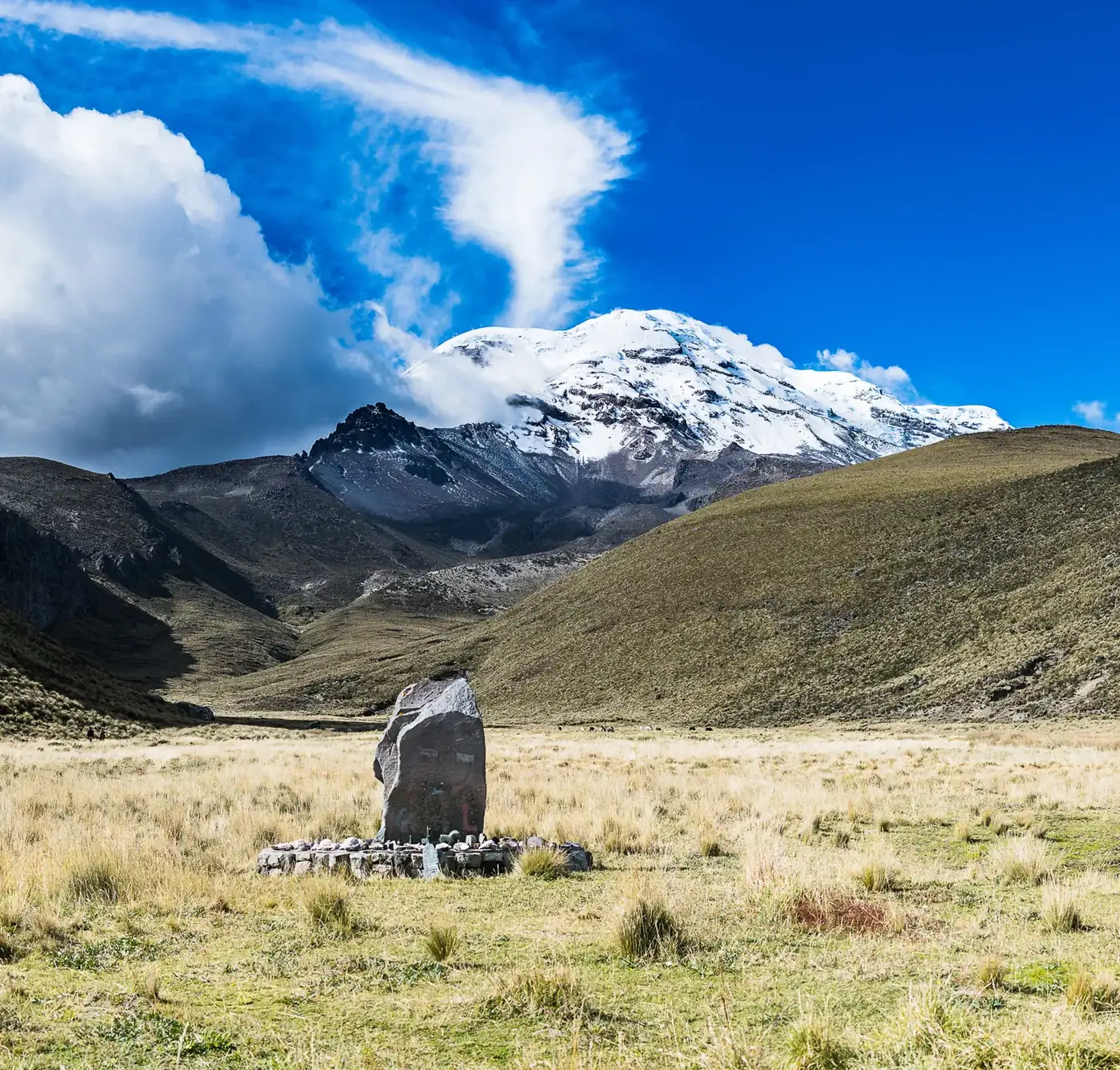
Chimborazo volcano in the Ecuadorian Andes
Quito
The capital stretches along an Andean valley at the foot of Pichincha volcano. Its historic center, a World Heritage Site, is lined with baroque churches, convents and colonial squares, including the Church of the Society of Jesus and the Basilica of the National Vow. The cable car (TelefériQo) climbs the slopes of Pichincha for a panoramic view; its arrival station is at 4,050 m (13,300 ft), and there have been fatal accidents on the route to Rucu Pichincha peak: go with an accredited guide (GOV.UK). North of the city, the Mitad del Mundo monument marks the equator. The UK FCDO advises taking care in Quito’s old town and at transport hubs, where mugging and pickpocketing are common.
Otavalo and Imbabura province
About two hours north of Quito, Otavalo is known for its large crafts market (textiles, weaving), especially lively on Saturdays. The surroundings offer crater lakes such as Cuicocha, weaving villages and haciendas converted into hotels. It is also the heart of the Inti Raymi festivities around the June solstice.
Cotopaxi National Park and the Avenue of the Volcanoes
South of Quito, the Pan-American Highway runs past a series of volcanoes nicknamed the Avenue of the Volcanoes. Cotopaxi (5,897 m / 19,347 ft), with its almost perfect cone, is explored on a day trip: high plateau, Limpiopungo lagoon, a walk toward the refuge depending on conditions. High mountaineering is subject to national park rules, and climbing a glaciated mountain without an accredited guide is illegal (GOV.UK). The UK FCDO notes a high risk of lahars around Cotopaxi, with Latacunga and the valley east of Quito particularly vulnerable: check volcano alerts before you go.
Quilotoa Lagoon
This emerald-green crater lake, at about 3,900 m (12,800 ft), is admired from the crater rim, then reached by a steep trail. The « Quilotoa Loop », a two- to four-day hike between Andean villages, is one of the finest walks in the country. Cold and altitude call for good acclimatization.
Baños
A small town at the foot of Tungurahua volcano, Baños is a base for outdoor activities: trails to the waterfalls along the Pailón del Diablo road, rafting, mountain biking and the hot springs that gave it its name. It is also the gateway to the Amazon via the Puyo road. The U.S. Department of State warns that mud or lava flows from Tungurahua could pose a significant threat in Baños: follow local instructions. The UK FCDO reports deaths of British nationals while rafting, kayaking and on zip-lines: use licensed operators.
Cuenca
The country’s third city, Cuenca has a colonial center listed as a World Heritage Site, with its blue-domed New Cathedral, the banks of the Tomebamba and its toquilla straw hat workshops (the famous « Panama hat », made in Ecuador). Thirty minutes away, El Cajas National Park offers hikes among high-altitude lagoons. Ingapirca, the country’s main Inca site, can be visited from Cuenca.
The Ecuadorian Amazon
The Cuyabeno reserve and Yasuní National Park protect forest of great biodiversity, where you stay in a lodge to watch birds, monkeys and river dolphins. These stays are organized with an operator, by canoe from the access towns. Tena and the Napo region, easier to reach from Baños or Quito, offer a shorter option. Lago Agrio (Nueva Loja) lies within the border zone the UK FCDO advises against; for Cuyabeno and the Napo River, it recommends traveling in daylight with a reputable official guide and being aware that some lodges are far from a major hospital.
The Galápagos Islands
A volcanic archipelago about 1,000 km (620 mi) off the coast, the Galápagos are a national park home to giant tortoises, marine iguanas, sea lions, blue-footed boobies and frigatebirds. You explore them either on a cruise (usually 4 to 8 days) or by staying on the inhabited islands: Santa Cruz (Puerto Ayora), San Cristóbal and Isabela, linked by boat. Visits to natural sites are made with a licensed guide. Medical facilities are limited: make sure your insurance covers air ambulance evacuation (GOV.UK); according to the U.S. Department of State, an evacuation can cost US$60,000 or more.
Things to do in Ecuador: experiences not to miss
Head for the volcanoes of the Avenue of the Volcanoes: Cotopaxi, the Quilotoa Loop
Browse the Otavalo market and the lakes of Imbabura
Visit the historic centers of Quito and Cuenca
Sleep in an Amazon lodge (Tena or Puyo area)
Watch the wildlife of the Galápagos, on a cruise or from the inhabited islands
Enjoy the waterfalls and hot springs of Baños
Itinerary ideas for Ecuador
10 days: the Andes and the Amazon
Days 1–2: Quito, the historic center and Mitad del Mundo, to acclimatize to the altitude
Day 3: Otavalo and Lake Cuicocha
Day 4: Cotopaxi National Park
Days 5–6: Quilotoa Lagoon and the villages of the loop
Days 7–8: Baños and its waterfalls
Days 9–10: an Amazon lodge (Tena or Puyo area), back to Quito
2 weeks: the Andes, Cuenca and the Galápagos
Days 1–3: Quito and Otavalo
Days 4–5: Cotopaxi and Quilotoa
Day 6: Baños
Days 7–8: Cuenca, El Cajas and Ingapirca (domestic flight or road through the Sierra)
Days 9–14: fly to the Galápagos: Santa Cruz, then Isabela or San Cristóbal staying on the islands, or a 5- to 6-day cruise
Flights to the Galápagos leave from Quito or Guayaquil, sometimes with a stop in Guayaquil. If your flight goes through Guayaquil, check with the airline that you will remain airside: the UK FCDO advises against all but essential travel to Guayaquil, except airside transit.
Budget for a trip to Ecuador
Indicative amounts per person per day, excluding international flights (converted from our euro estimates at the ECB rate of 23 October 2026, €1 = US$1.12):
roughly US$11–22 (entrance fees, group excursions)
roughly US$45–90 (private guide, Amazon lodge)
Indicative estimates excluding international flights. The Galápagos cost considerably more (flight from the mainland, entry fees, cruise or guided excursions).
The dollar makes budgeting easy, but prices vary a lot between Quito, tourist areas and villages. In the Galápagos, a cruise is the biggest expense; staying on the inhabited islands with day trips keeps the bill down. To convert your spending, use our currency converter.
Getting around Ecuador
Distances are short, but mountain roads are slow. According to the UK FCDO, Ecuador has one of the highest road accident rates in Latin America, and there is a risk of robbery on interstate transport and at bus stations (GOV.UK, updated 2 October 2026); the U.S. Department of State notes that bus passengers are often targets of crime and that many buses lack seatbelts. Safer options:
Private driver or organized transfer: the most comfortable solution for the Avenue of the Volcanoes, Quilotoa and Baños; book through an agency or your accommodation. Avoid road travel after dark (GOV.UK).
Taxis: book through your hotel or a known radio taxi service; in Quito and Guayaquil, registered yellow taxis have a municipal sticker, orange plates (or white with an orange strip) and cameras. Ride-hailing apps exist but are unregulated (GOV.UK).
Domestic flights: useful for Cuenca and essential for the Galápagos.
Car rental: UK visitors can use a UK photocard licence for 6 months (GOV.UK); US visitors can use their US license for up to 90 days (U.S. Department of State). If involved in an accident, you may be taken into police custody.
In the Galápagos: speedboats link Santa Cruz, San Cristóbal and Isabela; several serious accidents have involved inter-island boats: use reputable operators and check for life vests (GOV.UK).
Where to stay in Ecuador
In Quito, the historic center has the most charm, with hotels in restored colonial houses; take a taxi back after dark. The more residential northern neighborhoods (around La Carolina park, La Floresta) are an alternative. In the Sierra, old haciendas converted into hotels are a typical experience, especially around Cotopaxi and Otavalo. In Cuenca, stay in the colonial center. In the Amazon, lodges offer all-inclusive packages (meals, guide, excursions). In the Galápagos, accommodation is concentrated in Puerto Ayora (Santa Cruz), Puerto Baquerizo Moreno (San Cristóbal) and Puerto Villamil (Isabela). The U.S. Department of State lists hotel room theft among the most common crimes: use the safe.
Entry requirements for Ecuador
US citizens
According to the U.S. Department of State (travel.state.gov, last updated February 18, 2026), you do not need a visa for business or tourism stays of up to 90 days in any 12-month period; extensions can be requested at provincial migration offices. Carry ID and a photocopy of your passport with the entry stamp at all times.
If you enter by land from Colombia or Peru, you must present an apostilled criminal record check covering the past five years (or the immigration system will check electronically).
UK citizens
According to the UK FCDO (GOV.UK foreign travel advice, updated 2 October 2026), you can visit without a visa for up to 90 days in any 12-month period, extendable once by 90 days for a fee before the first period ends. Your passport must be valid for at least 6 months after your arrival date. At the border you may be asked your reason for travel and proof of a return or onward journey.
By land from Peru or Colombia: an apostilled criminal record certificate (or an immigration system check), and use an official checkpoint to get your entry stamp.
Galápagos: stays of up to 60 days, with proof of accommodation, a return flight to the mainland, a transit control card bought at the departure airport and mandatory travel health insurance.
Cash or taxable goods of US$10,000 or more must be declared online at least three days before travel; tax applies on cash over US$1,350 taken out of Ecuador.
Entry requirements checked on 24 October 2026; check them again before you travel. For customs allowances on your return, check your home country’s rules (e.g. CBP in the US, HMRC in the UK).
Health and safety
Health: the UK FCDO (GOV.UK, updated 2 October 2026) lists Oropouche virus, altitude sickness and high UV levels among the risks, and the U.S. Department of State lists yellow fever, malaria, dengue, chikungunya, Zika and Chagas disease among the diseases present. Check vaccine recommendations at least 8 weeks before your trip. Drink boiled, filtered or bottled water. Private treatment is very expensive and private hospitals require a credit card guarantee: insurance covering medical costs and evacuation is essential.
Altitude: Quito is at 9,400 ft (2,850 m) (U.S. Department of State): climb gradually, drink plenty and limit exertion for the first two days.
Crime: armed robbery is a risk throughout Ecuador; tourists have been robbed at gunpoint on beaches, on hiking trails and on arrival at Quito and Guayaquil airports (U.S. Department of State). Drugs such as scopolamine are used to rob victims: do not accept food, drinks, leaflets or samples from strangers (GOV.UK). Use ATMs inside banks or shopping centers and not after dark. Never resist an attacker.
Natural hazards: high risk of earthquakes and of tsunamis on the coast and in the Galápagos; several volcanoes are active (access to Reventador is restricted, and the authorities advise against approaching Sangay). Ecuador has issued a red alert ahead of the 2026–2027 El Niño (GOV.UK). Emergency number: 911; the ECU 911 app lets you request assistance.
Practical tips for Ecuador
Money: the US dollar and Ecuadorian centavo coins are the only legal currency; cards are generally accepted in cities but not elsewhere (GOV.UK). Bring small bills, as large notes can be hard to use. Do not let your card out of your sight (U.S. Department of State).
Documents: by law you must carry ID; carry a printed copy of your passport photo page and entry stamp (GOV.UK).
Internet: good mobile coverage in cities, much patchier in the Amazon and the Galápagos. An eSIM or local SIM lets you call a radio taxi or check routes. Offers, coverage and the Galápagos: see our page Ecuador eSIM.
Language: Spanish is essential outside very touristy circuits; a few basic phrases go a long way.
Galápagos: park rules are strict (distance from animals, marked trails, a guide required at natural sites, controls on imported products); the government restricts certain items (U.S. Department of State). Follow them scrupulously.
Etiquette: ask before photographing someone, especially at Andean markets.
Who is Ecuador for?
Our verdict by profile, based on the information in this guide:
Adventure and hiking: yes: the Avenue of the Volcanoes, Cotopaxi, the Quilotoa Loop, rafting and mountain biking in Baños, with good acclimatization to the altitude.
Nature and wildlife: yes: Amazon lodges (Cuyabeno, Yasuní, Tena area) and the Galápagos.
Culture: yes: the World Heritage historic centers of Quito and Cuenca, the Otavalo market, the Inca site of Ingapirca.
Budget travelers: yes on the mainland: roughly US$45–65 a day; the Galápagos cost considerably more.
Families: with care: a state of emergency covers several provinces, the coastal provinces are advised against, and long road journeys carry risks.
Beaches: not on the mainland, whose coast is advised against; for the sea, head for the Galápagos.
Not for a stay of up to 90 days in any 12-month period if you are a US or British citizen (travel.state.gov, GOV.UK). British citizens need a passport valid at least 6 months after arrival; a criminal record certificate is required if you enter by land from Colombia or Peru. Checked on 24 October 2026; check the latest rules before you leave.
Is Ecuador dangerous for tourists?
The situation has deteriorated sharply on the coast. The UK FCDO advises against all but essential travel to the coastal provinces, including Guayaquil, and to within 20 km of the Colombian border, and a state of emergency covers several provinces. A trip to the Andes and the Galápagos remains possible by strictly following official advice.
How many days do you need in Ecuador?
Ten days lets you see Quito, Otavalo, Cotopaxi, Quilotoa and Baños. Allow two weeks to add Cuenca or a stay in the Galápagos, and more for a cruise in the archipelago.
How do you get to the Galápagos?
By plane from Quito or Guayaquil, to Baltra (for Santa Cruz) or San Cristóbal. A transit control card bought at the departure airport, proof of accommodation, a return flight and travel health insurance are required (GOV.UK), plus a national park entry fee; check current amounts before you leave.
What currency is used in Ecuador?
The US dollar. Bring small bills, as large notes are often hard to use.
What budget for 2 weeks in Ecuador?
Excluding international flights and the Galápagos, allow roughly US$45–90 per person per day on a budget, or roughly US$625–1,255 for 14 days, and roughly US$180–345 per day in comfort (roughly US$2,505–4,860). The Galápagos add a domestic flight, entry fees and excursions or a cruise.
What should you see first in Ecuador?
For a first trip: Quito, the Otavalo market, Cotopaxi National Park, Quilotoa Lagoon, Baños, Cuenca, an Amazon lodge and, if your budget allows, the Galápagos Islands.
Our sources
Entry, health and safety information read on 24 October 2026: U.S. Department of State, Ecuador country information (travel.state.gov, last updated February 18, 2026), and UK FCDO, foreign travel advice for Ecuador (GOV.UK, updated 2 October 2026)
European Central Bank, euro reference rates of 23 October 2026: budget conversions
World Meteorological Organization (WMO): climate normals for Quito, Cuenca, Guayaquil and San Cristóbal
Transparency: this page contains affiliate links, labelled as such. If you book through them we may earn a commission at no extra cost to you; it does not influence our content or recommendations. How we fund the site.