Where to go in Latin America: our country guides
(15 countries · 0 guide)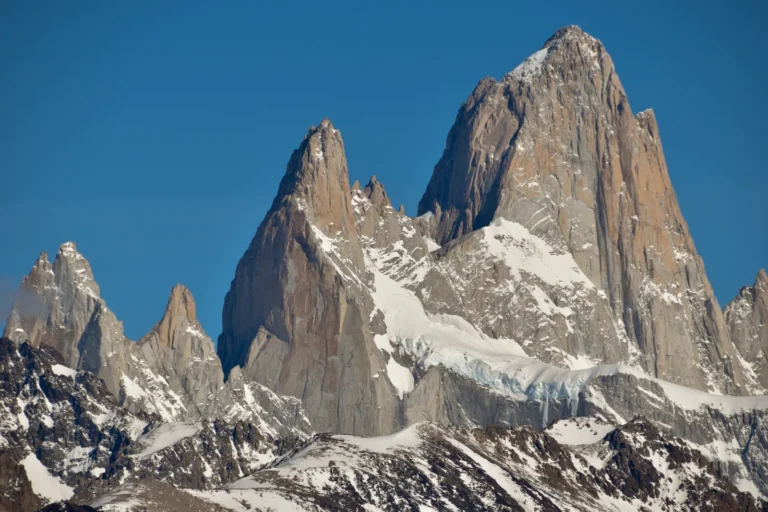 ArgentinaCountry guide
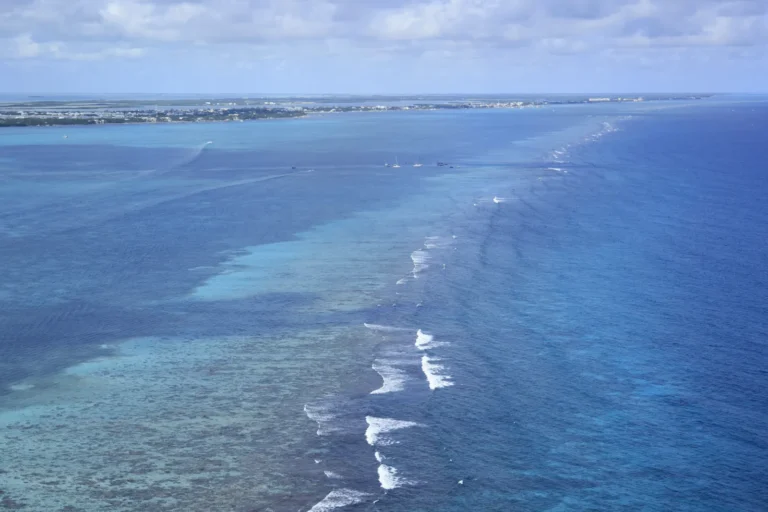 BelizeCountry guide
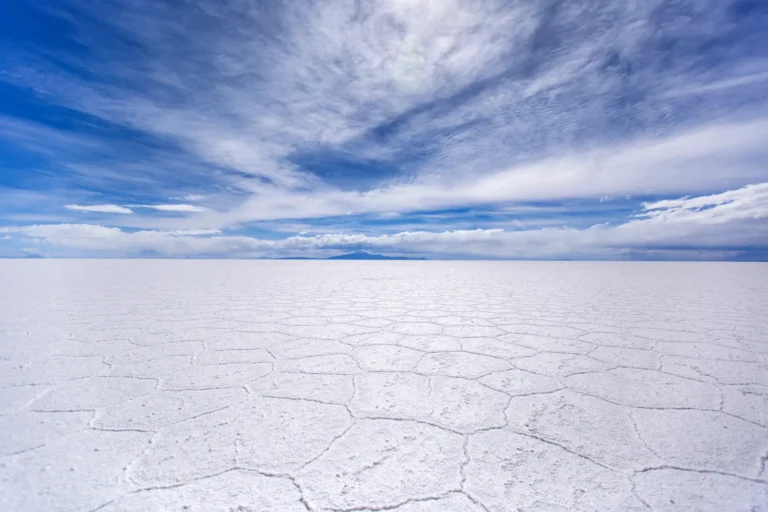 BoliviaCountry guide
 BrazilCountry guide
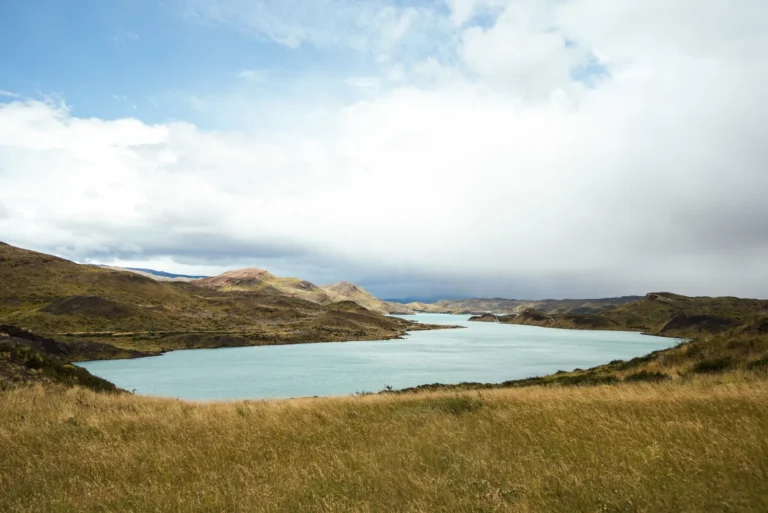 ChileCountry guide
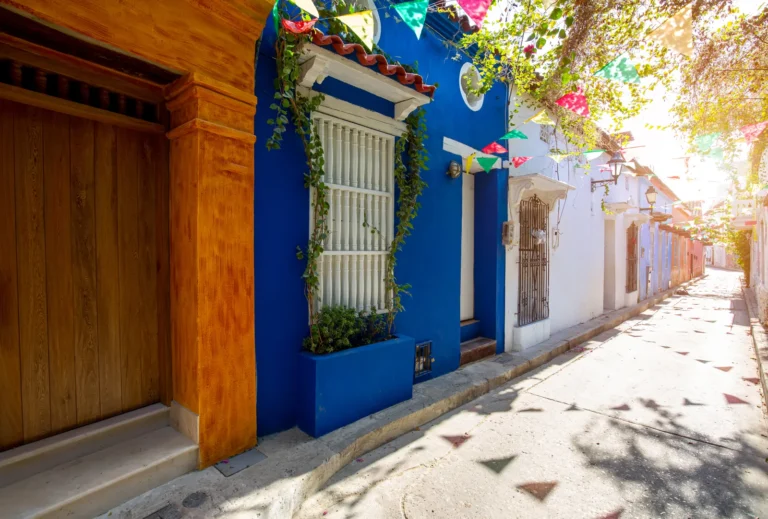 ColombiaCountry guide
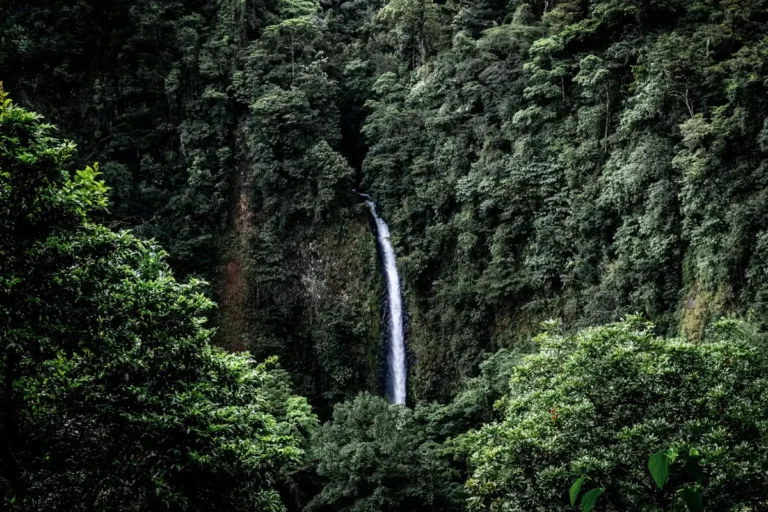 Costa RicaCountry guide
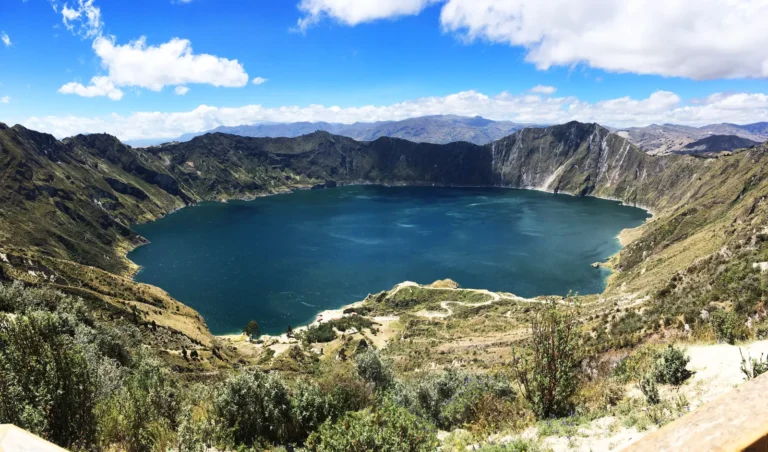 EcuadorCountry guide
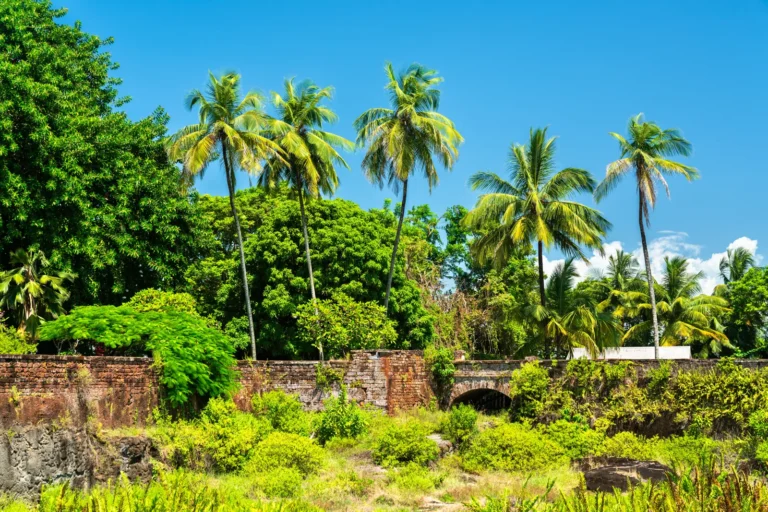 French GuianaCountry guide
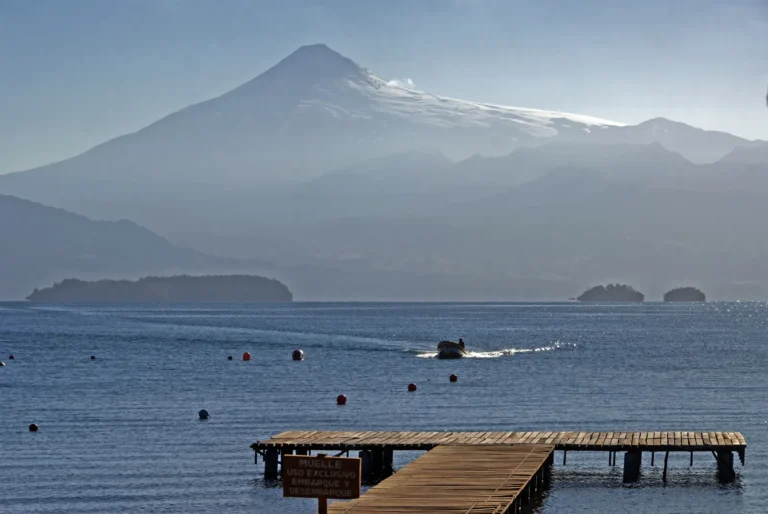 GuatemalaCountry guide
 MexicoCountry guide
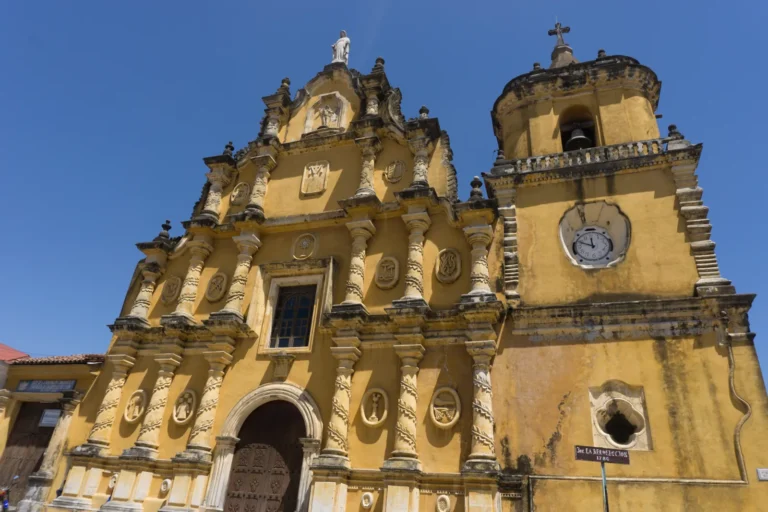 NicaraguaCountry guide
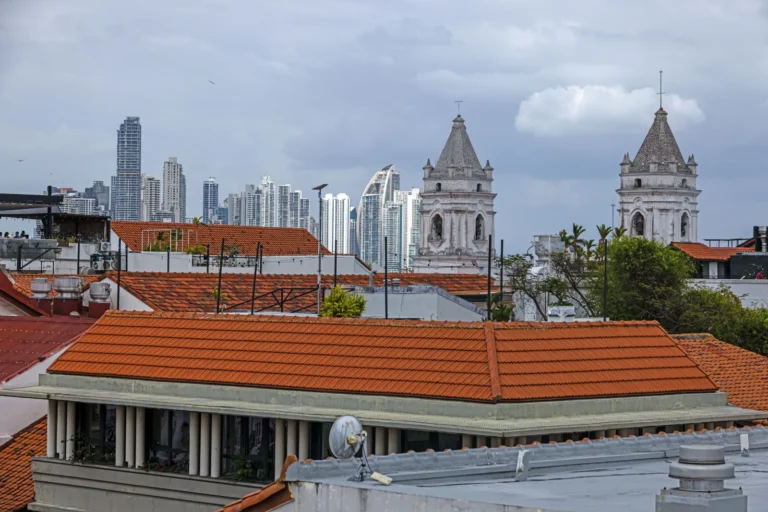 PanamaCountry guide
 PeruCountry guide
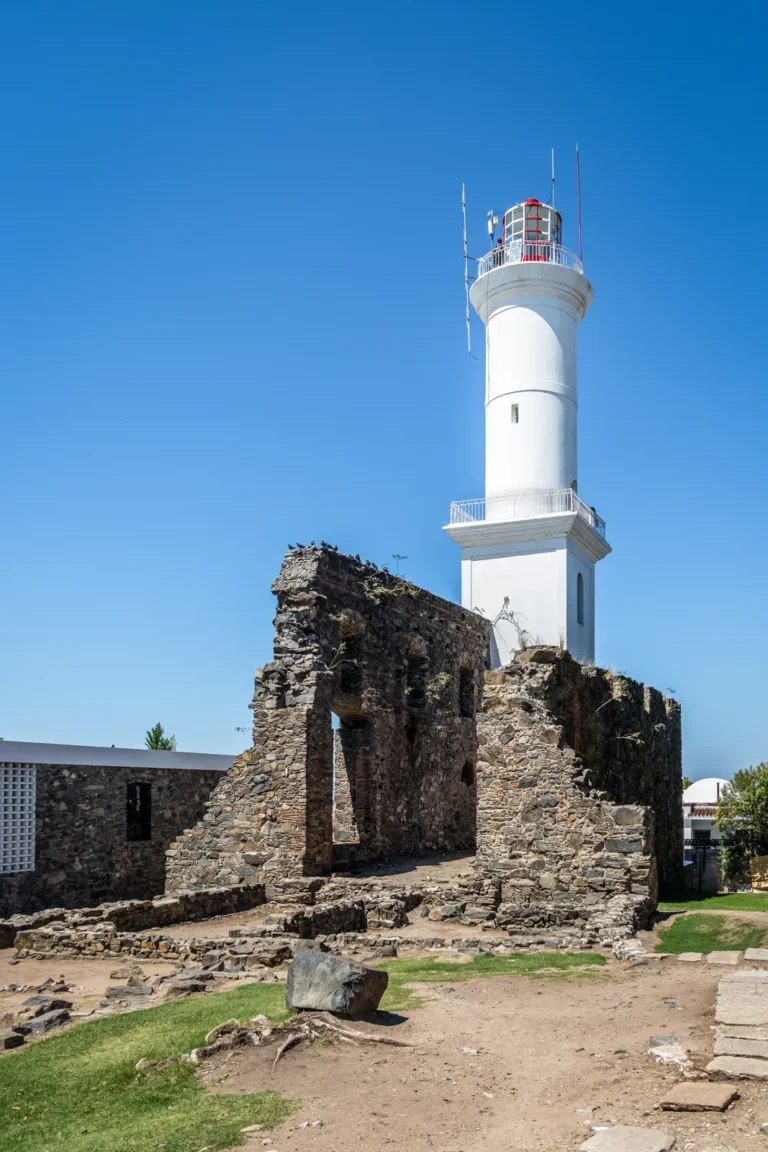 UruguayCountry guide
Travel in Latin America: what you need to know
Travel in Latin America takes you from Mexico to Tierra del Fuego. The region breaks down into Mexico, Central America (Costa Rica, Guatemala, Panama, Belize), the Andean countries (Colombia, Ecuador, Peru, Bolivia), Brazil and the Southern Cone (Argentina, Chile, Uruguay). Spanish is the most widely spoken language, and Portuguese in Brazil.
The climate depends on three factors: latitude, altitude and exposure to the oceans. In Mexico and Central America, think in terms of a dry season and a rainy season, and the Caribbean coast can follow a different calendar from the Pacific coast, as in Costa Rica. In the Andes, altitude keeps nights cool all year round. South of the equator, the seasons are reversed: Patagonia is visited during the southern summer, from December to February. The coasts of Mexico and Central America can be hit by hurricanes during the hot season. Since the southern summer is Patagonia’s season, our guide to things to do in Patagonia helps you choose between glaciers and hiking.
Which destination for which season?
The trends below are general. The table of countries by month, above, and our “when to go” guides give the detail destination by destination. Among these seasonal choices, the Ecuadorian islands have their own page: see things to do in the Galápagos and how to get there.
- December to April: dry season in Mexico and Central America; southern summer, a good time for Patagonia and southern Chile and Argentina.
- May to September: dry season in the central Andes (Peru, Bolivia), the usual period for the trek to Machu Picchu.
- May to November: rainy season in Mexico and on the Pacific side of Central America, often with afternoon showers. The Caribbean coast of Costa Rica has its own rhythm.
- All year, with nuances: Colombia and Ecuador, close to the equator, have little seasonal variation in temperature; altitude matters more.
Which destination for your kind of trip?
- Beaches: the Yucatán in Mexico, Belize, the Pacific coast of Costa Rica, northeastern Brazil.
- Culture: the Maya and Aztec sites of Mexico, Guatemala, Cusco and the Sacred Valley in Peru, Cartagena in Colombia.
- Hiking: Patagonia (Torres del Paine, Fitz Roy), the Cordillera Blanca in Peru, Ecuador’s volcanoes.
- Tight budget: once there, Bolivia, Peru, Guatemala or Colombia are generally more affordable than Costa Rica, Chile or Uruguay.
- Families: Costa Rica (wildlife, national parks, tourist infrastructure), the Yucatán in Mexico.
- Honeymoon: the Riviera Maya, a volcanoes-and-beaches combination in Costa Rica, Patagonia for lovers of wide open spaces.
Planning your trip
- Entry requirements: passport, visa, electronic authorisation: rules differ by country and change over time. Check them for each country on your route on travel.state.gov (US) or GOV.UK foreign travel advice (UK) before booking; our country guides summarise US and UK requirements with the date of the check. Also read the safety advice, which can vary considerably from one region to another within the same country.
- Health: depending on the country, yellow fever vaccination and protection against mosquitoes (dengue) may be recommended; some countries, such as Bolivia, require a yellow fever certificate from travellers arriving from a country with a transmission risk (UK FCDO, GOV.UK, updated 22 September 2026). See a doctor or travel clinic before departure.
- Altitude: in Cusco, La Paz or Quito, allow a few days to acclimatise before any strenuous activity.
- Rainy season and hurricanes: roads and tracks can become difficult in the wet season. Follow the National Hurricane Center and national weather services during hurricane season.
Our seasonal recommendations are based on climate normals published by national weather services. To see how we select and update them, read our methodology.