Bosnia and Herzegovina covers about 51,000 km² (19,700 sq mi), between Croatia, Serbia and Montenegro. This Bosnia and Herzegovina travel guide suggests 7 to 10 days to see Sarajevo, Mostar and a few waterfalls, ideally from April to June or in September–October. One rule to know from the start: landmines and unexploded weapons remain from the 1992–1995 war, so do not step off roads and paved areas without an experienced guide (UK FCDO, GOV.UK, updated 13 August 2026).
This guide brings together the entry rules actually in force (including mandatory police registration), the highlights, an itinerary and a climate comparison between Sarajevo, in the mountains, and Mostar, in Mediterranean Herzegovina.
Bosnia and Herzegovina at a glance
CapitalSarajevo
LanguagesBosnian, Croatian and Serbian; Latin and Cyrillic alphabets
Currencythe convertible mark · currencies(KM, code BAM), pegged to the euro at about 2 KM = €1 (see our currency converter)
Time zoneUTC+1 (Central European Time)1 h ahead of London and 6 h ahead of New York
AirportsSarajevo International Airport (SJJ) · detailsCheck current routes with the airlines
EntryUS and UK: visa-free up to 90 days in 6 months; police registration required · travel.state.gov · GOV.UK
When to go to Bosnia and Herzegovina
The country has two climates. Sarajevo, over 500 m (1,640 ft) up in a basin, has cold winters (4 °C, or 39 °F, in the afternoon in January, below freezing at night) and moderate summers (28 °C, or 82 °F, in August). Mostar, in Herzegovina, is much warmer: an average high of 33 °C (91 °F) in July and August, but also much wetter in autumn and winter. The best months to combine the two are May, June and September.
Month
Sarajevo high/low
Sarajevo rain
Mostar high/low
Mostar rain
Difference in highs, Mostar − Sarajevo
January
4.1 / −2.9 °C (39 / 27 °F)
68 mm (2.7 in)
9.3 / 2.7 °C (49 / 37 °F)
142 mm (5.6 in)
+5.2 °C (+9.4 °F)
February
6.6 / −1.9 °C (44 / 29 °F)
67 mm (2.6 in)
11.6 / 3.4 °C (53 / 38 °F)
125 mm (4.9 in)
+5.0 °C (+9.0 °F)
March
11.5 / 1.4 °C (53 / 35 °F)
67 mm (2.6 in)
15.8 / 6.2 °C (60 / 43 °F)
119 mm (4.7 in)
+4.3 °C (+7.7 °F)
April
16.5 / 5.1 °C (62 / 41 °F)
78 mm (3.1 in)
20.1 / 9.3 °C (68 / 49 °F)
123 mm (4.8 in)
+3.6 °C (+6.5 °F)
May
21.4 / 9.0 °C (71 / 48 °F)
89 mm (3.5 in)
25.1 / 13.5 °C (77 / 56 °F)
93 mm (3.7 in)
+3.7 °C (+6.7 °F)
June
25.4 / 12.6 °C (78 / 55 °F)
88 mm (3.5 in)
29.8 / 17.4 °C (86 / 63 °F)
71 mm (2.8 in)
+4.4 °C (+7.9 °F)
July
27.8 / 14.2 °C (82 / 58 °F)
75 mm (3.0 in)
33.0 / 20.0 °C (91 / 68 °F)
56 mm (2.2 in)
+5.2 °C (+9.4 °F)
August
28.3 / 14.3 °C (83 / 58 °F)
63 mm (2.5 in)
33.5 / 20.3 °C (92 / 69 °F)
58 mm (2.3 in)
+5.2 °C (+9.4 °F)
September
22.5 / 10.4 °C (72 / 51 °F)
89 mm (3.5 in)
27.2 / 15.8 °C (81 / 60 °F)
137 mm (5.4 in)
+4.7 °C (+8.5 °F)
October
17.3 / 6.5 °C (63 / 44 °F)
91 mm (3.6 in)
21.5 / 11.7 °C (71 / 53 °F)
151 mm (5.9 in)
+4.2 °C (+7.6 °F)
November
10.6 / 2.8 °C (51 / 37 °F)
85 mm (3.3 in)
15.1 / 7.5 °C (59 / 46 °F)
189 mm (7.4 in)
+4.5 °C (+8.1 °F)
December
4.3 / −1.7 °C (40 / 29 °F)
89 mm (3.5 in)
10.1 / 3.9 °C (50 / 39 °F)
181 mm (7.1 in)
+5.8 °C (+10.4 °F)
1991–2020 normals (WMO), Sarajevo and Mostar stations, archived by NOAA (NCEI). Last column: Destination de Voyage calculation (difference in average highs).
This comparison, missing from most guides, shows that Mostar is on average 5 to 6 °C (9 to 11 °F) warmer than Sarajevo from March to August: in July, visit Mostar early in the morning, and in winter, save Mostar for the mild days when Sarajevo is frozen. Air pollution is also a significant problem in most cities and is at its worst in winter, according to the U.S. Department of State (travel.state.gov, last updated August 27, 2026): one more reason to avoid winter if you are sensitive.
What to see in Bosnia and Herzegovina: the highlights
Sarajevo
The capital blends an Ottoman bazaar (Baščaršija), Austro-Hungarian avenues and memories of the 1992–1995 siege: the Latin Bridge, the former town hall (Vijećnica), the Tunnel of Hope and the Mount Trebević cable car. Allow 2 to 3 days.
Mostar and its Old Bridge
The Stari Most, a 16th-century Ottoman bridge destroyed in 1993 and then rebuilt, spans the Neretva at the heart of a UNESCO-listed old town. Come early or in the evening: during the day, excursions from the Croatian coast fill the lanes.
Blagaj and Počitelj
Near Mostar, the Blagaj tekke, a dervish house at the foot of a cliff where the Buna spring gushes out, and the fortified village of Počitelj, tiered above the Neretva, can be visited in the same half-day.
Kravica waterfalls
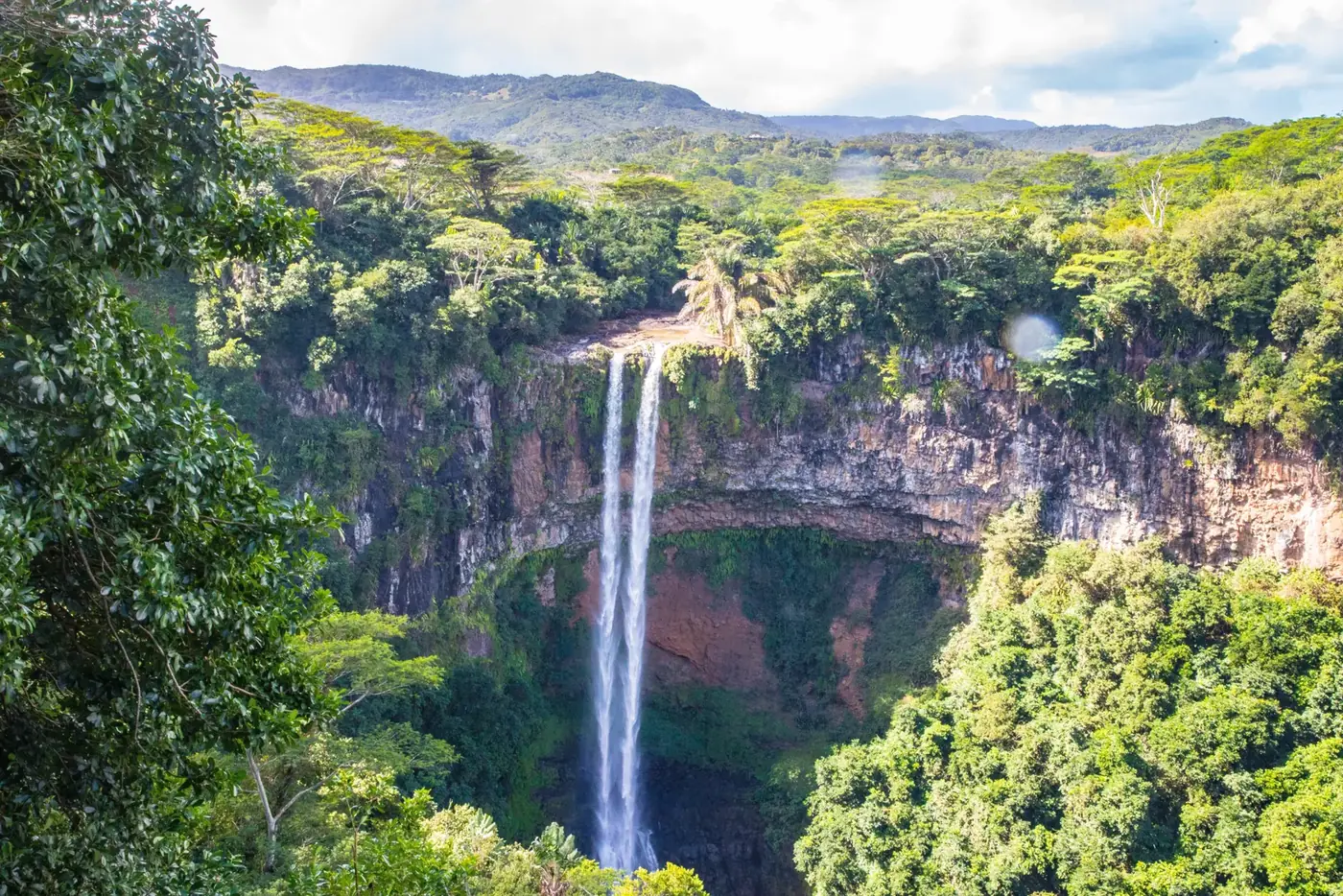
A wide, semicircular waterfall on the Trebižat river, in the Mostar region, where swimming is possible in summer depending on local conditions.
Jajce
The former capital of the Kingdom of Bosnia, with a waterfall that tumbles right in the town center, a fortress and water mills on the Pliva lakes.
Višegrad
The 16th-century Mehmed Paša Sokolović Bridge, a UNESCO World Heritage Site, is the bridge of Ivo Andrić’s novel The Bridge on the Drina.
The mountains around Sarajevo
The Bjelašnica and Jahorina ranges, venues of the 1984 Winter Olympics, are ski resorts in winter and hiking bases in summer. Lukomir, a high-altitude shepherds’ village, is mostly accessible in summer. Going with a guide is recommended (landmines, changeable weather).
Trebinje and southern Herzegovina
A small town on the Trebišnjica river, not far from Dubrovnik: plane trees, an old town and vineyards, ideal to extend a stay on the Croatian coast.
Itinerary ideas for Bosnia and Herzegovina
7 days (first trip)
Days 1 to 3: Sarajevo (old town, museums, Tunnel of Hope, Trebević)
Day 4: drive to Mostar, with an optional stop in Konjic and at the Neretva lakes
Day 5: Mostar
Day 6: Blagaj, Počitelj and the Kravica waterfalls
Day 7: back to Sarajevo or on to Dubrovnik
10 to 14 days (loop)
Sarajevo (3 days)
Višegrad (1 day)
Mostar and the surrounding area (3 days)
Trebinje (1 to 2 days), then Dubrovnik or Montenegro
Northern variant: Jajce and Una National Park, near Bihać (2 days)
Bosnia and Herzegovina combines well with the Croatian coast (Dubrovnik) and Montenegro.
Getting there and getting around
Getting there: Sarajevo International Airport is the main gateway; many visitors also arrive overland from Dubrovnik or Split in Croatia. Airlines may deny boarding to travelers on a one-way ticket or with a return date more than three months after arrival: check with your airline (U.S. Department of State).
Bus: the network covers the whole country; it is the easiest way to travel without a car.
Train: the Sarajevo–Konjic–Mostar line runs through the Neretva gorges; check the timetable, as departures are few.
Car: handy for the waterfalls and villages. According to the U.S. Department of State (travel.state.gov, last updated August 27, 2026), many roads are poorly maintained, two-lane roads are narrow and winding, winter driving is hazardous, snow tires are required from November through April and the alcohol limit is 0.03%. Avoid driving at night outside the cities, where streetlights are rare.
Driving licence and insurance: US drivers must have an International Driving Permit along with their US licence (U.S. Department of State). A UK licence is valid in your own car or one hired outside the country; if you rent locally, you also need the 1968 IDP, which can only be bought in the UK. Third-party insurance is compulsory, and « border insurance » can be bought at some crossings (UK FCDO, GOV.UK, updated 13 August 2026).
In cities: Sarajevo has a tram and bus network; the historic centers are best explored on foot.
Where to stay
City
Recommended area
Best for
Sarajevo
Baščaršija and the center (Ferhadija)
A first stay, everything on foot
Mostar
Either bank, near the Old Bridge
Early morning and evening visits, in peace
Trebinje
Old town
A stop on the way to Dubrovnik
Jajce
Center, near the waterfall
A stop on the northern route
Hotels and some hostels register your stay with the police for you; in private rentals, check with your host.
Entry requirements for Bosnia and Herzegovina
Bosnia and Herzegovina is not in the EU or the Schengen area. Entry requirements checked on 24 October 2026; check them again before you travel.
US citizens
According to the U.S. Department of State (travel.state.gov, last updated August 27, 2026), you do not need a visa for stays of up to 90 days in total within six months of your first entry; after 90 days, you must wait another 90 days before re-entering.
Your passport should be valid for at least three months past your planned departure date.
If you stay three or more days in a private residence, you or your host must register your stay with the local police or the Department for Foreigners within 48 hours of arrival.
UK citizens
According to the UK FCDO (GOV.UK, updated 13 August 2026), you can travel without a visa for up to 90 days within a 6-month period.
Your passport must have been issued less than 10 years before you arrive and be valid for at least 90 days after the date you plan to leave.
Make sure your passport is stamped on entry and exit: without a stamp, the Border Police may fine you when you leave.
All foreign nationals must register with the police within 72 hours of arrival; hotels and some hostels usually do it for their guests.
The two sources give different registration deadlines (48 hours for private stays according to the State Department, 72 hours according to the FCDO): register as soon as you arrive, or check with the embassy of Bosnia and Herzegovina.
Health and safety
Landmines: mines and unexploded ordnance remain a threat throughout the country, with deaths as recently as March 2023 (U.S. Department of State). Stay on hard-surfaced areas, keep out of abandoned buildings, observe warning signs and avoid unmarked trails; the Bosnia and Herzegovina Mine Action Center publishes maps.
Health insurance: the EHIC and GHIC do not cover Bosnia and Herzegovina: take out travel insurance covering treatment and medical evacuation (UK FCDO, GOV.UK, updated 13 August 2026). Health risks include biting insects and ticks; the State Department suggests considering pre-exposure rabies vaccination. See a travel health clinic before you go.
Crime: beware of pickpockets and bag snatchers on public transport and in the tourist areas of Sarajevo and other cities (UK FCDO); the State Department notes a high rate of property crime in Sarajevo.
ID: always carry your passport or official photo ID, including when checking into hotels (UK FCDO).
Money: the convertible mark (KM or BAM) is pegged to the euro at about 2 KM = €1. Some businesses accept credit cards, but do not expect to pay for everything by card; ATMs are available at banks in Sarajevo and other towns (U.S. Department of State).
Politics: the country is home to three main communities; be tactful in political discussions.
Places of worship: cover shoulders and knees in mosques, churches and monasteries.
Bosnian coffee: served in a small copper pot (džezva) and drunk slowly; it is a social moment.
Internet: Bosnia and Herzegovina is outside the EU: check your provider’s roaming rates, or see our eSIM guide.
Frequently asked questions
Is Bosnia and Herzegovina safe?
The main rule concerns landmines left from the 1992–1995 war: stay on roads and hard-surfaced areas and avoid unmarked trails (UK FCDO, U.S. Department of State). Pickpockets operate in Sarajevo and other tourist areas.
Do I need a visa for Bosnia and Herzegovina?
Not for a short stay if you are a US or British citizen: up to 90 days within six months without a visa (travel.state.gov, August 27, 2026; GOV.UK, 13 August 2026). Your passport must be valid at least three months (90 days) after you leave, and you must register with the police after arrival. Checked on 24 October 2026.
What currency is used in Bosnia and Herzegovina?
The convertible mark (KM or BAM), pegged to the euro at about 2 KM = €1. Withdraw cash from ATMs in towns, as cards are not accepted everywhere.
How many days do you need in Bosnia and Herzegovina?
A week for Sarajevo, Mostar and the surrounding area; 10 to 14 days to add Višegrad, Jajce or Trebinje.
What is the best time to visit Bosnia and Herzegovina?
May, June and September: mild weather in Sarajevo and bearable heat in Mostar. July and August are very hot in Herzegovina, and winter is cold and polluted in Sarajevo.
Climate: World Meteorological Organization (WMO) 1991–2020 normals, Sarajevo and Mostar stations, published by the hydrometeorological service of Bosnia and Herzegovina and archived by NOAA (NCEI)
Transparency: this page contains affiliate links, labelled as such. If you book through them we may earn a commission at no extra cost to you; it does not influence our content or recommendations. How we fund the site.