Where to go in Europe: our country guides
(1 country · 15 guides)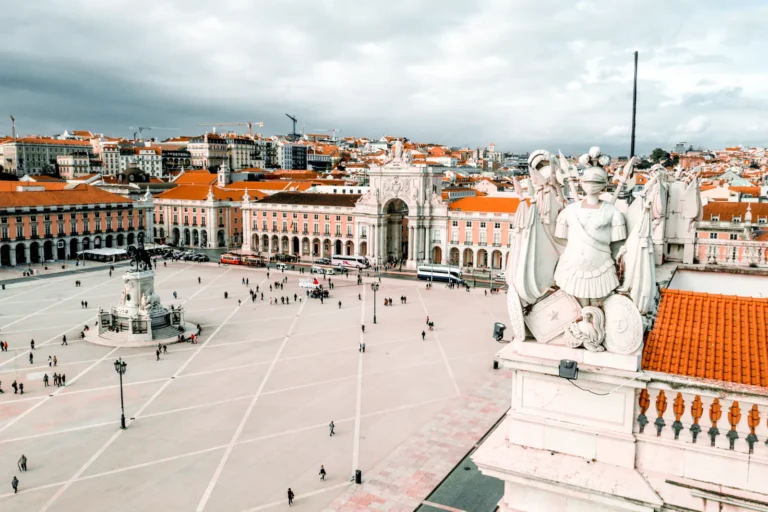
Travel in Europe: what you need to know
Travel in Europe is easy once you are there: short distances, plenty of train, air and ferry connections, and little or no time difference between most countries. Broadly, there is Northern Europe (Scandinavia, the British Isles, the Baltic states), Central and Eastern Europe, the Alpine countries and Mediterranean Europe (Spain, Portugal, Italy, Greece, Croatia, Malta). Atlantic islands such as the Canaries, Madeira or the Azores round out the picture. In English, our guides currently cover Portugal; other destinations will follow.
The climate depends mainly on latitude and distance from the sea. The Mediterranean rim has hot, dry summers and mild winters. The north and the interior of the continent have cold winters, with very short days in winter and very long ones in summer near the Arctic Circle. The Canaries stay mild all year thanks to their position off Africa. Crowds and prices follow European school holidays, especially July and August.
Which destination for which season?
The trends below are general. The table of countries by month, above, and our “when to go” guides give the detail destination by destination.
- Spring (April–June): a good time for the Mediterranean (Andalusia, Sicily, Greece, Portugal) before the heat, and for European capitals.
- Summer (July–August): the ideal season for the north (Scandinavia, Iceland, Scotland, the Baltic states) and the mountains. On the Mediterranean, heat and crowds peak.
- Autumn (September–October): the sea stays pleasant in the Mediterranean and crowds thin out. A good time for Croatia, Greece or southern Italy.
- Winter (November–March): skiing in the Alps, Christmas markets in Central Europe, northern lights in Lapland and Iceland, relative mildness in the Canaries and Madeira.
Which destination for your kind of trip?
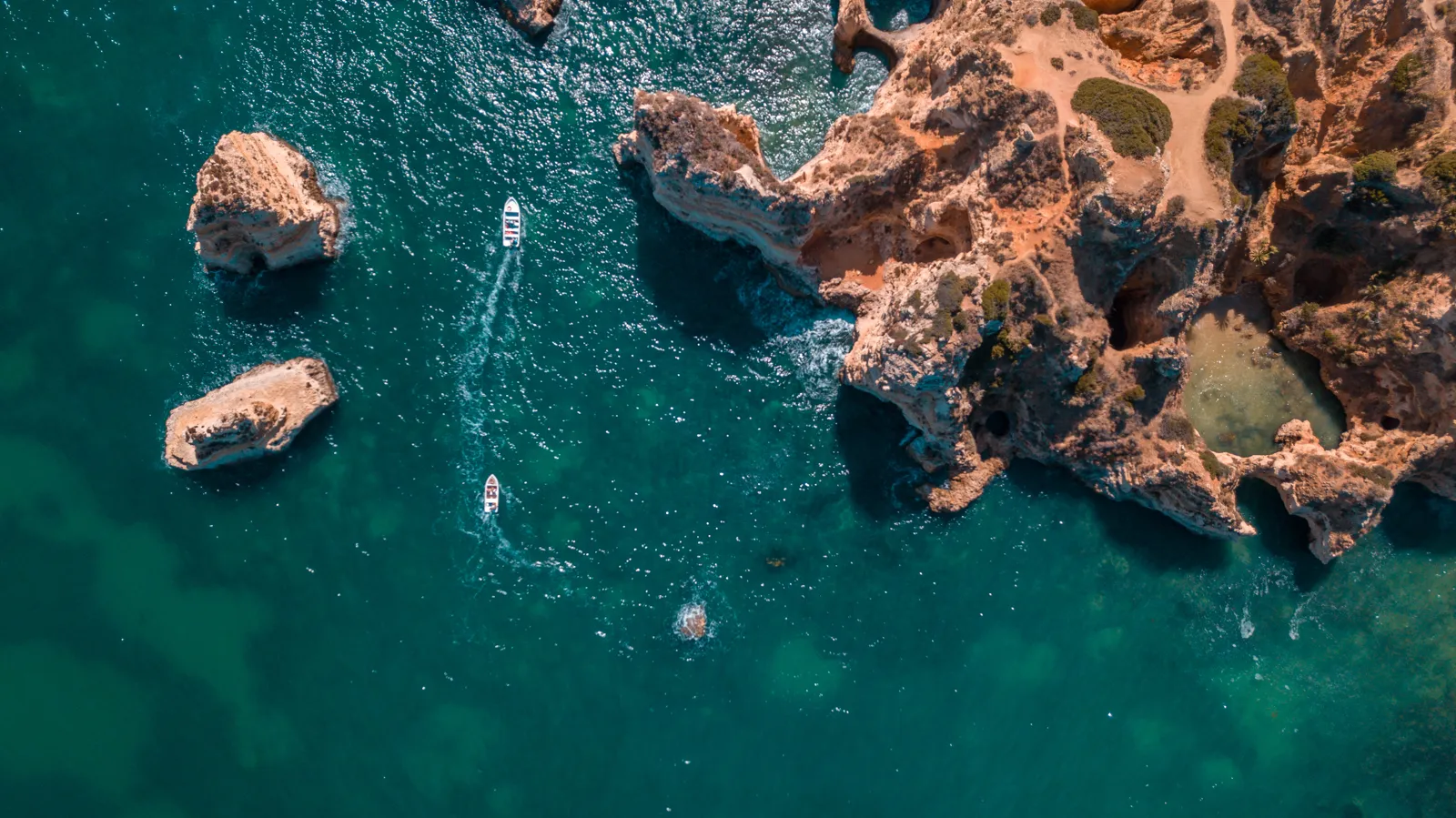
- Beaches: Greece, Croatia, Sardinia, Portugal’s Algarve, the Balearics, the Canaries outside summer.
- Culture and cities: Italy, Spain, Portugal (Lisbon, Porto), Central Europe (Prague, Vienna, Budapest), the Scandinavian capitals.
- Hiking and nature: the Alps, the Dolomites, Scotland, Norway, Iceland, Madeira, the Azores.
- Tight budget: inland Portugal, Eastern Europe and the Balkans, generally cheaper than Northern Europe.
- Families: countries well connected by train limit travel fatigue: Spain, Italy, Switzerland, the Netherlands.
- Honeymoon: the Greek islands, the Amalfi Coast, Tuscany, Madeira.
Planning your trip
- Entry requirements: rules differ by country and change over time. Check them on travel.state.gov (US) or GOV.UK foreign travel advice (UK) before booking. In the Schengen area, which includes Portugal, US and British citizens can stay up to 90 days without a visa, and the EU Entry/Exit System (EES) now records fingerprints and a photo at first entry; our Portugal guide details the requirements with the date of the check.
- Health: check what your health insurance covers in Europe; travel insurance remains useful for medical evacuation.
- Weather: heatwaves in summer in the south, mountain roads sometimes closed in winter. Check local weather services before you go.
- Booking: for July–August and public holiday weekends, book accommodation and trains early.
Our seasonal recommendations are based on climate normals published by national weather services. To see how we select and update them, read our methodology.