This Portugal travel guide covers a small country where you can see two very different big cities, Lisbon and Porto, the cliff-lined beaches of the Algarve, terraced vineyards and two Atlantic archipelagos. In the eurozone and the Schengen area, with no visa needed for short stays by US or UK citizens, it is an easy destination to organise, for a weekend or a longer tour. This guide answers the key questions: what to see, which itinerary to follow depending on how long you have, what budget to plan and how to get around.
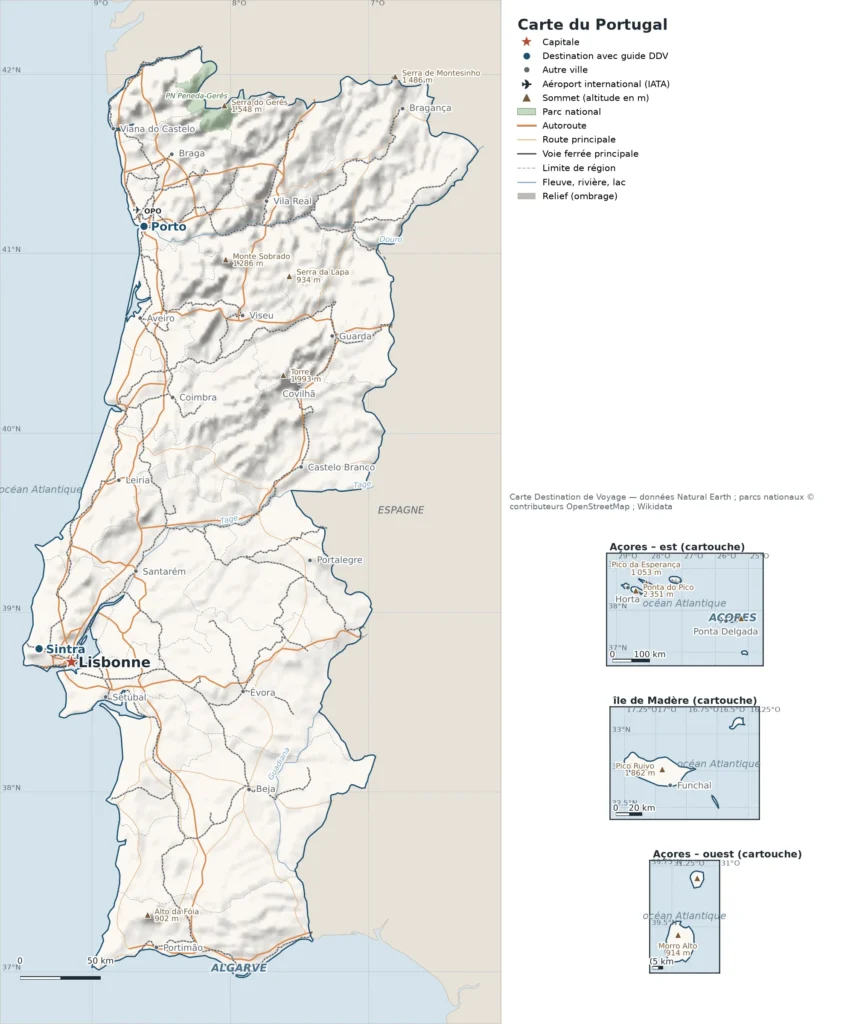
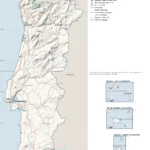
To locate the cities, regions, relief, national parks and airports, see our map of Portugal.
Portugal at a glance
CapitalLisbon
LanguagePortugueseEnglish is widely spoken in tourist areas
Time zoneUTC+0, UTC+1 in summer (Azores 1 hour behind); same time as London all year · detailsLocal time now: –:–
AirportsLisbon (LIS), Porto (OPO), Faro (FAO), Ponta Delgada (PDL, Azores)
EntrySchengen area: no visa for stays of up to 90 days for US and UK citizens · travel.state.gov · GOV.UKPassport valid at least 3 months beyond your stay (US) or after leaving the Schengen area (UK)
Electricity230 V, type C/F plugs (two round pins) · plugsUS and UK travellers need an adapter
✓ Ideal~ Good, with caveats✕ AvoidAverage max. temperature · click a month to see where to go
Jan15°C/59°F
Feb16°C/62°F
Mar19°C/66°F
Apr20°C/69°F
May23°C/74°F
Jun26°C/79°F
Jul28°C/83°F
Aug29°C/84°F
Sep27°C/80°F
Oct23°C/73°F
Nov18°C/65°F
Dec15°C/60°F
✅ Best months: April, may, June, September, October
❌ Period to avoid: November
The best time runs from May to June and from September to mid-October: warm without being too hot, little rain and manageable crowds. July and August are peak beach season in the Algarve, with prices at their highest, intense heat inland and a high wildfire risk. From November to March it is mild but rainy, especially in the north: this is city-break season for Lisbon and Porto. All the details, region by region, month by month and for the Azores, are in our article on the best time to visit Portugal. If the archipelago tempts you, the best time to visit the Azores does not quite follow the mainland’s.
What to see in Portugal: the highlights
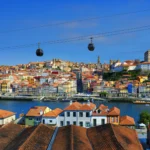
Porto and the Douro River, in northern Portugal
The country has 17 UNESCO World Heritage Sites. To choose where to go based on what you want:
What you want
Where to go
Suggested time
Cities and monuments
Lisbon, Sintra, Porto
2 to 4 days per city
Beaches and coves
Algarve (Lagos, Sagres, Tavira)
3 to 5 days
Vineyards and landscapes
Douro Valley
2 days
Heritage and villages
Évora, Alentejo, Coimbra, Óbidos
1 to 3 days
The authentic north and hiking
Braga, Guimarães, Peneda-Gerês
2 to 3 days
Volcanic landscapes
Azores, Madeira
1 week per archipelago
Suggested times for a first trip.
Lisbon
The capital is explored on foot and by tram, across its hills on the banks of the Tagus. Allow at least three days (see our Lisbon guide): Alfama and São Jorge Castle, the Baixa and Praça do Comércio, Chiado and Bairro Alto, then Belém, with Jerónimos Monastery and Belém Tower, both World Heritage-listed. The miradouros (viewpoints) offer the best views of the city. Watch out for pickpockets on trams 25 and 28. Viewpoints, Belém and trams are best enjoyed outside the hottest weeks: the Lisbon weather month by month page helps you set your dates.
Sintra and Cascais
Less than an hour by train from Lisbon, Sintra is a collection of palaces and gardens on a wooded hill: Pena Palace, Quinta da Regaleira, the Moorish Castle. Come early in the morning, as it gets very crowded. Cascais, a seaside resort also reached by train, combines well with Cabo da Roca, the westernmost point of mainland Europe.
Porto and the Douro Valley
Portugal’s second city, Porto stacks its colourful houses above the Douro: the Ribeira district, the Dom Luís I Bridge, the Lello bookshop, and the port wine cellars of Vila Nova de Gaia on the opposite bank (details in our Porto guide). Upstream, the Douro Valley and its World Heritage-listed terraced vineyards can be explored by car, train or boat, ideally in spring or during the grape harvest. Before heading up the Douro, check the Porto weather month by month to choose between spring and harvest time.
The Algarve
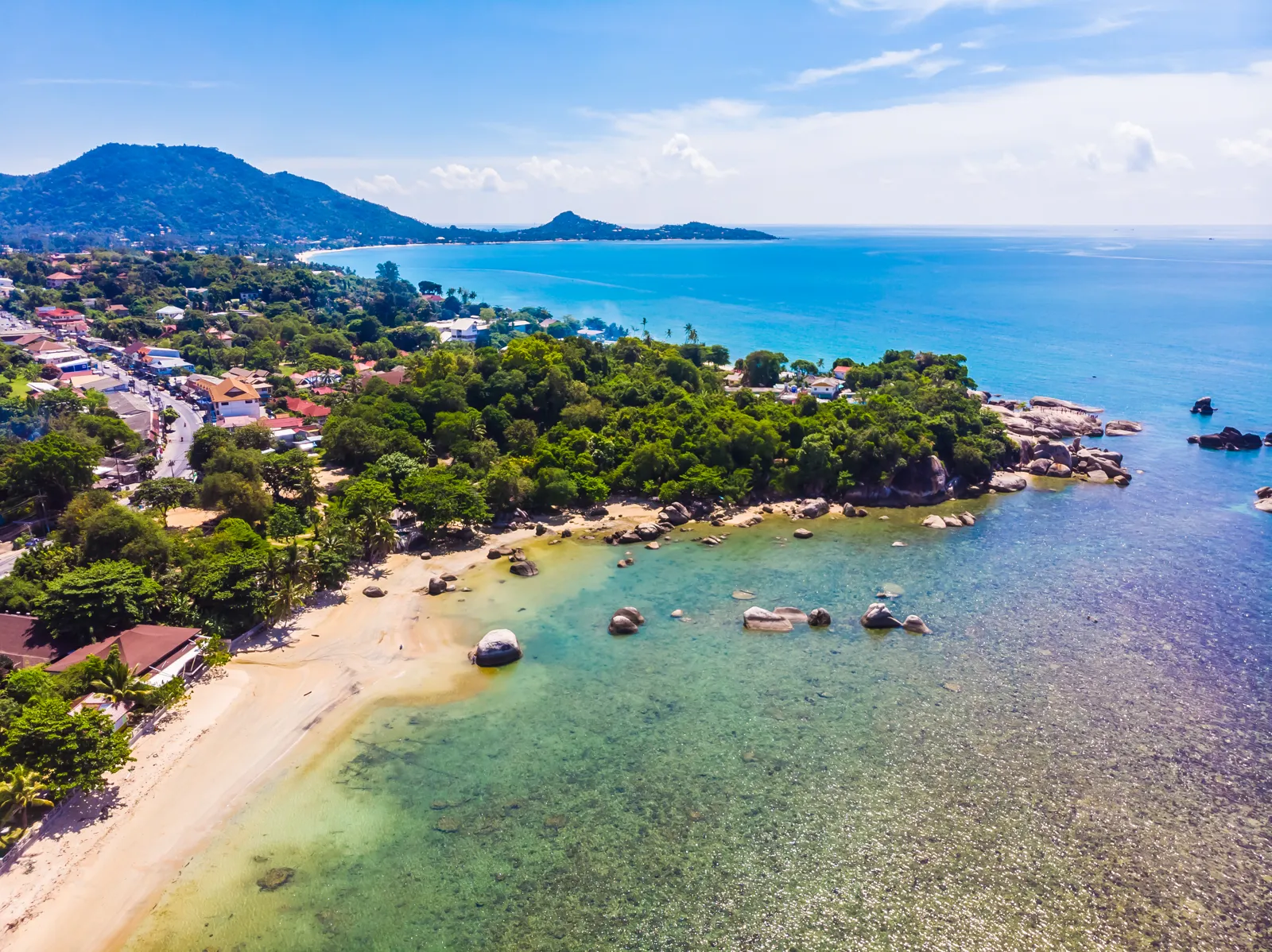
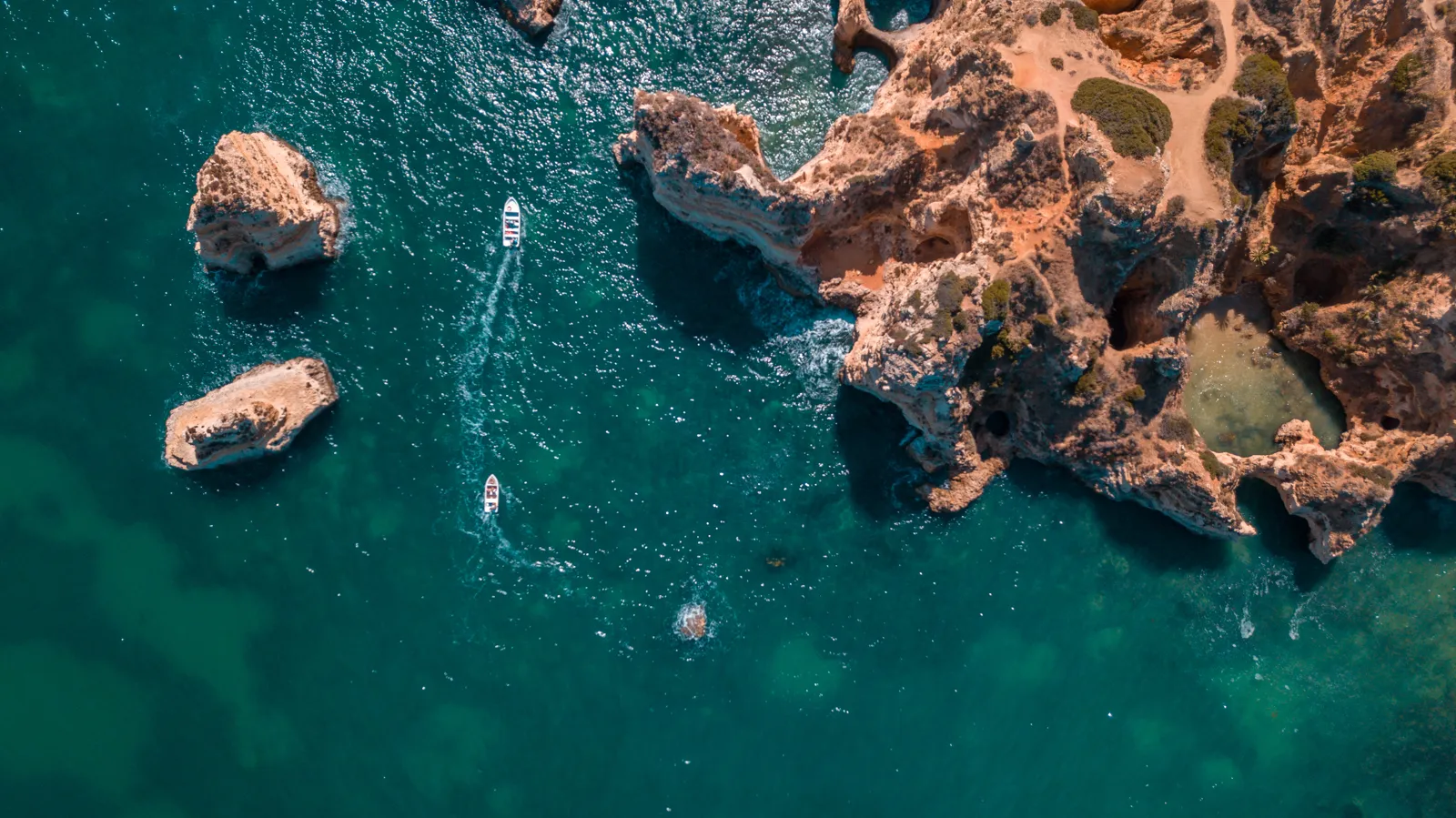
The south coast is the country’s main beach region. In the west, around Lagos and the Sagres headland, ochre cliffs, coves and sea caves dominate (Ponta da Piedade, Benagil). In the east, from Faro to Tavira, the beaches are longer and lined by the Ria Formosa lagoon. The Seven Hanging Valleys Trail, along the clifftops, is a very popular hike outside summer. Ponta da Piedade cliffs, Ria Formosa, Seven Hanging Valleys: our Algarve travel guide helps you choose your base.
Évora and the Alentejo
Between Lisbon and the Algarve, the Alentejo is a region of plains, cork oaks and whitewashed villages. Évora, whose historic centre is UNESCO-listed, has a Roman temple, a cathedral and the Chapel of Bones. The hilltop villages of Monsaraz and Marvão are well worth a detour. Avoid midsummer, when it is very hot.
Coimbra, Óbidos, Nazaré and central Portugal
Coimbra, a former capital, is known for its historic university and baroque library. Óbidos is a village enclosed by ramparts; take care if you walk along the top of the walls. Nazaré is famous for its giant winter waves: in rough seas, stay well back from the shore. The monasteries of Batalha and Alcobaça and the Sanctuary of Fátima are in the same region.
The north: Braga, Guimarães and Peneda-Gerês
Less visited than the south, the Minho region is easy to reach from Porto. Guimarães, considered the birthplace of the nation, has a UNESCO-listed medieval centre. In Braga, the Bom Jesus do Monte sanctuary and its great baroque staircase are also World Heritage-listed. Further north-east, Peneda-Gerês National Park, Portugal’s only national park, is explored on foot among granite, forests and mountain villages.
Aveiro and the Silver Coast
Between Porto and Coimbra, Aveiro is crossed by canals plied by colourful boats, the moliceiros. Nearby, the striped houses of Costa Nova line a long Atlantic beach. An easy stop on the north–south route, by train or by car.
The Azores
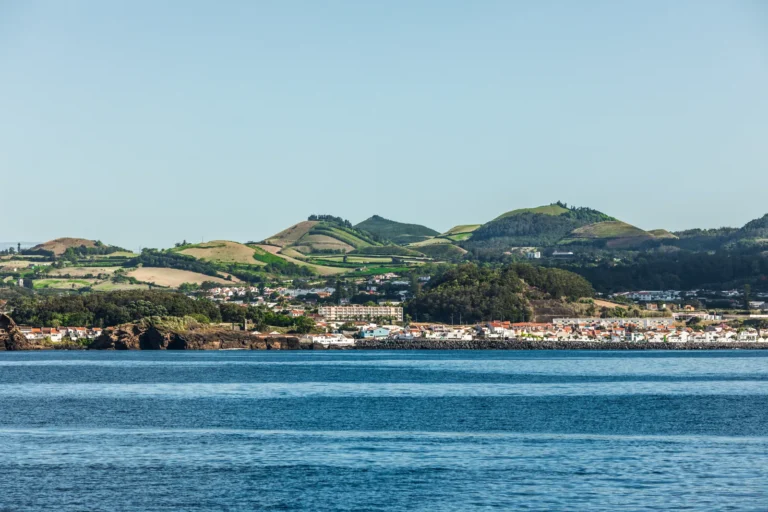
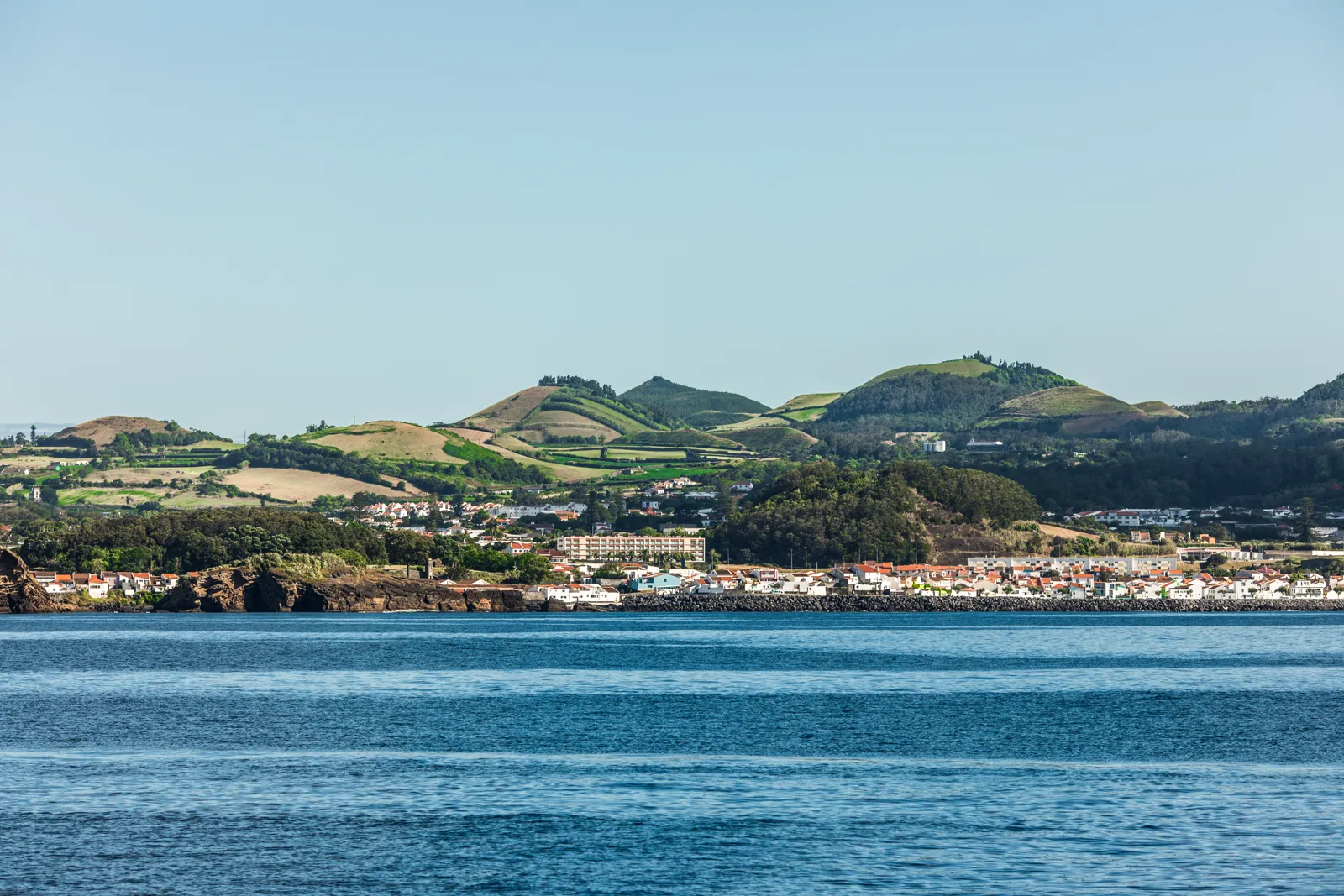
This archipelago of nine volcanic islands in the middle of the Atlantic is a nature destination: the crater lakes of Sete Cidades and Lagoa do Fogo on São Miguel, the hot springs of Furnas, the Pico volcano, whale- and dolphin-watching trips. The climate is mild but changeable, and the best time runs from June to September. For Portugal’s other archipelago, see our Madeira travel guide. Furnas, Pico, whale watching: our Azores travel guide helps you choose which islands to combine between June and September.
Things to do in Portugal
Explore the historic districts of Lisbon and Porto on foot, by tram or by funicular, and climb up to the viewpoints at sunset.
Listen to fado, Portugal’s traditional music, in a fado house in Lisbon’s Alfama or Mouraria, or in Coimbra.
Taste the local food: pastéis de nata, bacalhau (salt cod), grilled sardines in June, francesinha in Porto, wines from the Douro and the Alentejo.
Visit a port wine cellar in Vila Nova de Gaia or a quinta (wine estate) in the Douro Valley.
Explore the caves and coves of the Algarve by boat or kayak, and walk the Seven Hanging Valleys Trail.
Surf or learn to surf on the Atlantic coast (Ericeira, Peniche, the western Algarve).
Hike in Peneda-Gerês, on the coastal trails of the south-west or on the islands of the Azores.
Admire the azulejos, the glazed tiles that cover churches, stations and façades all over the country.
Day 10: fly home from Faro, or return to Lisbon by train
2 weeks: from north to south
Days 1 to 3: Porto
Days 4 and 5: the Douro Valley
Day 6: Coimbra
Day 7: Batalha, Alcobaça, Nazaré and Óbidos
Days 8 to 10: Lisbon and Sintra
Day 11: Évora
Days 12 to 14: the Algarve, then fly home from Faro
1-week road trip: Porto, the Douro and the north
Days 1 and 2: Porto, then pick up the rental car
Days 3 and 4: the Douro Valley (Peso da Régua, Pinhão)
Day 5: Guimarães and Braga
Day 6: Peneda-Gerês National Park
Day 7: back to Porto via Aveiro or along the coast
How many days do you need? A long weekend is enough for Lisbon or Porto. Allow a week for one city plus the Algarve or the Douro, and two weeks to cross the country from north to south without rushing. The Azores need at least a week on their own.
Budget for a trip to Portugal
Meals and transport in Portugal are generally reasonably priced by Western European standards, but accommodation has risen sharply in Lisbon, Porto and the Algarve in summer. Approximate amounts per person per day, excluding international flights:
Item
Tight budget
Comfortable
Accommodation (based on a shared double room)
about €25–45
about €60–130
Meals
about €20–30 (set lunch, simple cafés and restaurants)
about €40–60
Transport (train, bus, city transport)
about €8–15
about €20–35 (with car hire)
Activities and sightseeing
about €5–15
about €15–30
Total per day
about €60–90
about €130–220
Rough estimates that vary with the season and region. Expect to pay considerably more in the Algarve in July–August.
The dish of the day (prato do dia) served at lunchtime in simple restaurants is the best way to eat well for little money. The most visited monuments (Belém, Sintra) have admission fees that add up quickly: pick your visits.
Portugal: who is it for?
Our verdict depending on how you like to travel, based on the information in this guide:
Cities and culture: ideal: Lisbon, Porto, Sintra, Évora and 17 UNESCO World Heritage Sites.
Beach: yes: the coves of the Algarve, Atlantic beaches at Costa Nova or Cascais.
Families: yes: the euro, no visa for short stays and short journeys between stops.
Hiking and surfing: yes: Peneda-Gerês National Park, the Seven Hanging Valleys Trail, surfing in Ericeira or Peniche, the islands of the Azores.
Couples: yes: the Douro Valley, pousadas set in historic buildings, fado evenings.
Tight budget: yes: about €60–90 per person per day, with the prato do dia; the Algarve in July–August pushes the bill up.
Getting around Portugal
Train: trains run by the national operator (CP) link Porto, Coimbra, Lisbon and the Algarve; suburban trains serve Sintra and Cascais from Lisbon.
Bus: intercity buses complement the train, especially to the Alentejo and along the Algarve.
Car: the most practical option for the Douro Valley, the Alentejo and the western Algarve. UK photocard licences can be used in Portugal (GOV.UK, updated 11 August 2026); US licences are valid for up to six months, and for an International Driving Permit the State Department refers you to AAA or the National Auto Club (travel.state.gov, last updated December 11, 2025). The State Department notes that Portugal’s road-accident fatality rate is still high and that aggressive driving and high speeds are hazards. Some motorways have electronic-only tolls with no booths (Portugal Tolls portal, pttolls.com): ask your rental company. Leave nothing visible in the car.
In town: metro, tram, bus and funiculars in Lisbon; metro in Porto. Lisbon and Porto airports are linked to the city centre by metro.
Plane: essential to reach the Azores and Madeira from the mainland, and handy for hopping between the Azores islands.
Getting there
Portugal’s main international airports are Lisbon (LIS), Porto (OPO) and Faro (FAO) on the mainland, plus Ponta Delgada (PDL) for the Azores. Check current routes from your home airport with the airlines and the airports.
Where to stay in Portugal
In Lisbon, the Baixa, Chiado and Alfama let you do everything on foot, but the streets are steep and sometimes noisy; Príncipe Real and Campo de Ourique are quieter. In Porto, the Ribeira and the historic centre are convenient, and Vila Nova de Gaia has views over the city. In the Algarve, Lagos suits travellers who want to get around without a car, Tavira is quieter, and guesthouses inland are an alternative to the big beach resorts.
Options range from hostels, plentiful in Lisbon and Porto, to guesthouses, pousadas (hotels in historic buildings) and boutique hotels. In July–August and during the June festivals, book several months ahead.
Entry requirements, health and safety
US citizens: you may enter for up to 90 days for tourism or business without a visa. Your passport must be valid at least three months beyond the period of stay, and you need sufficient proof of funds and a return ticket (U.S. Department of State, travel.state.gov, page updated December 11, 2025).
UK citizens: Schengen rules apply, up to 90 days in any 180-day period without a visa. Your passport must have been issued less than 10 years before the day you arrive and be valid at least 3 months after the day you plan to leave the Schengen area. The EU Entry/Exit System (EES) is now in place: fingerprints and a photo are taken at your first entry, free of charge (GOV.UK, updated 11 August 2026).
Health: for vaccines, GOV.UK refers to TravelHealthPro’s Portugal guide and travel.state.gov advises being up to date on all CDC-recommended vaccinations. UK travellers can use a valid GHIC or EHIC for state healthcare; whatever your nationality, take out travel insurance that covers medical costs.
Wildfires: the UK FCDO warns of a high wildfire risk from April to October. GOV.UK adds that starting a fire, even by accident, is illegal and can lead to a fine or a prison sentence: check the fire risk index for your location, follow the advice of the Portuguese authorities and call 112 if you see a fire.
Earthquakes: earthquakes are a risk in Portugal according to the UK FCDO (GOV.UK, updated 11 August 2026); see the Portuguese Met Office (IPMA) for the mainland.
Swimming: waves can be unpredictable and some beaches have a strong undertow; respect the flags: according to the UK FCDO (GOV.UK, updated 11 August 2026), a red flag means you must not enter the water and a yellow flag means it is only safe to paddle at the water’s edge.
Theft: according to the U.S. Department of State (travel.state.gov, last updated December 11, 2025), pickpocketing is common at tourist sites, in restaurants and on public transport, including the popular tram 28. GOV.UK also warns of falling rocks near cliffs, particularly in the Algarve.
Practical tips for Portugal
Money: the euro. Cards are accepted almost everywhere, but keep a little cash for small cafés and markets. Use indoor bank ATMs where possible, as travel.state.gov advises, and never let your card out of sight when paying.
Mobile data: check your home carrier’s roaming charges before you leave. Wi-Fi is widespread, and an eSIM is a simple way to get local data.
At restaurants: the small starters placed on the table (bread, olives, cheese) are charged if you eat them; you can send them back. Tipping is not compulsory.
Language: a few words of Portuguese are appreciated; avoid defaulting to Spanish with Portuguese people.
Shoes: the cobbled pavements (calçada) of Lisbon and Porto are slippery, especially in the rain: wear suitable soles.
Nature: in summer, never light a fire outdoors and never throw away cigarette butts.
Not for short stays if you are a US or UK citizen. Portugal is in the Schengen area: you can stay up to 90 days (in any 180-day period for UK citizens) for tourism without a visa, with a passport valid at least 3 months beyond your stay. Check travel.state.gov or GOV.UK before you leave.
When is the best time to visit Portugal?
May to June and September to mid-October: pleasant warmth, little rain and fewer people than in summer. For the beach in the Algarve and for the Azores, aim for June to September.
How much does a week in Portugal cost?
Excluding flights, allow about €60–90 per person per day on a budget trip, and €130–220 for a comfortable one. Prices rise in July–August in the Algarve and during the June festivals in Lisbon and Porto.
Lisbon or Porto for a first trip?
Lisbon has more monuments and combines easily with Sintra and the coast; Porto is more compact and opens onto the Douro Valley. In a week you can see both, linked by train.
Do you need a car in Portugal?
Not for Lisbon and Porto, which are well served by public transport. A car is very useful, however, for the Douro Valley, the Alentejo and the western Algarve.
What should you see in Portugal on a first trip?
Lisbon and Sintra, Porto and the Douro Valley, then the Algarve for the coast. With more time, add Évora, Coimbra or the north (Braga, Guimarães).
How many days do you need to visit Portugal?
One week lets you combine a city and a region (Lisbon and the Algarve, or Porto and the Douro). Two weeks are enough for a tour from north to south.
Transparency: this page contains affiliate links, labelled as such. If you book through them we may earn a commission at no extra cost to you; it does not influence our content or recommendations. How we fund the site.