Reunion is a volcanic French island in the Indian Ocean, east of Madagascar. On about 2,500 km² (965 sq mi) it packs mountain cirques, one of the world’s most active volcanoes, tropical forests, a lagoon on the west coast and a mixed Creole culture. This Reunion Island travel guide covers what to see, 10-day and 2-week itineraries, budget, getting around and entry requirements for US and UK travelers. It is above all a hiking and nature destination.
To locate towns, regions, terrain, national parks and airports, see our map of Reunion.
The best period is May to November, during the southern winter: this is the dry season, the most favorable for hiking, and humpback whale season (roughly June to October). September and October are often the most balanced months. From December to April, the southern summer is hot and rainy; according to the UK FCDO (GOV.UK, updated 22 October 2026), the cyclone season normally runs from December to April. The west coast stays the driest all year, the east coast the wettest. All the details, month by month with Météo-France normals, are in our article best time to visit Reunion.
What to see and do in Reunion: the highlights
Piton de la Fournaise
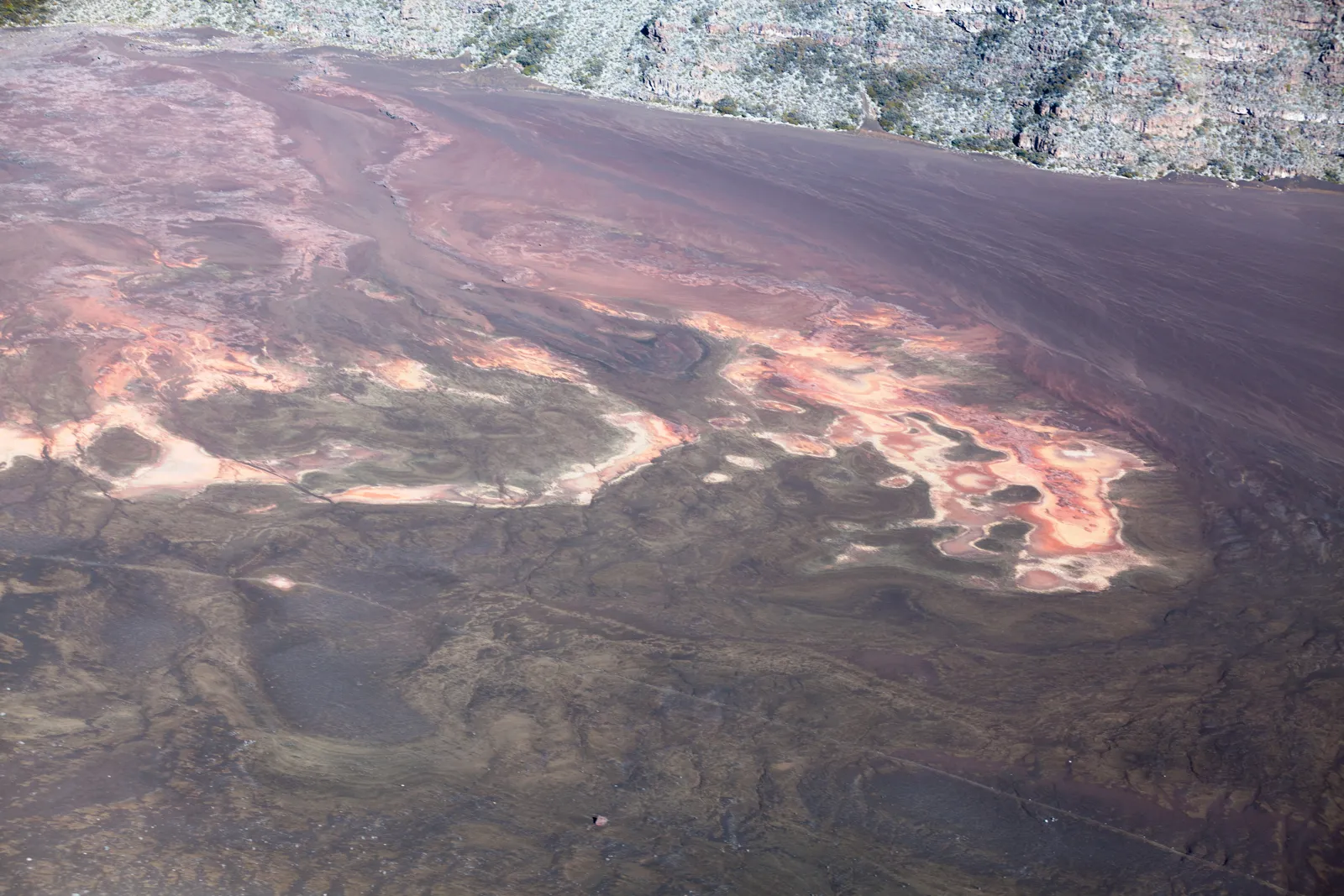
Piton de la Fournaise volcano on Reunion Island
The island’s active volcano is reached by the Route du Volcan, which crosses the Plaine des Cafres and then the Plaine des Sables, a red and black mineral landscape. From Pas de Bellecombe, a trail descends into the caldera floor and leads to the rim of Dolomieu crater: allow a full day’s walk. Access to the caldera is closed by the authorities during an eruption or when there is a risk: check before you go, and set off early, before the clouds roll in.
Cirque de Mafate
Mafate can only be reached on foot (or by helicopter). Its inhabited hamlets (îlets), gîtes and trails make it the heart of hiking on Reunion. Allow two to four days for a loop, with nights in gîtes booked in advance. The Maïdo viewpoint, above the cirque, can be reached by car.
With no roads at all, the Cirque de Mafate is explored on foot: entry points, gîtes and checklist.
Cirque de Cilaos
It is reached by a very winding mountain road from Saint-Louis. Cilaos is a village known for its hot springs, lentils and wine. It is the classic starting point for climbing Piton des Neiges (3,070 m / 10,072 ft), the highest point in the Indian Ocean, usually done over two days with a night at the Caverne Dufour refuge to see sunrise from the summit.
Cirque de Salazie and Hell-Bourg
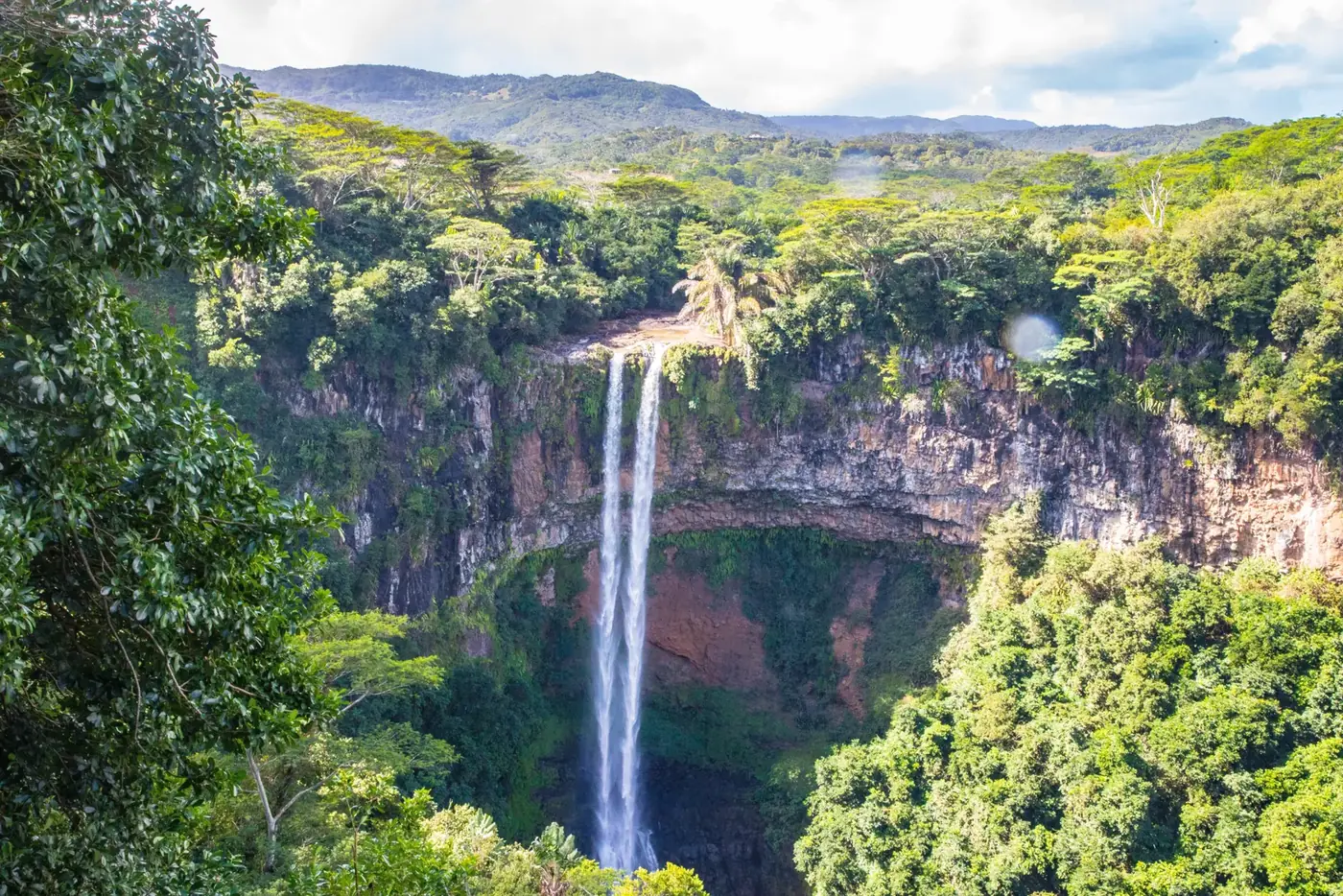
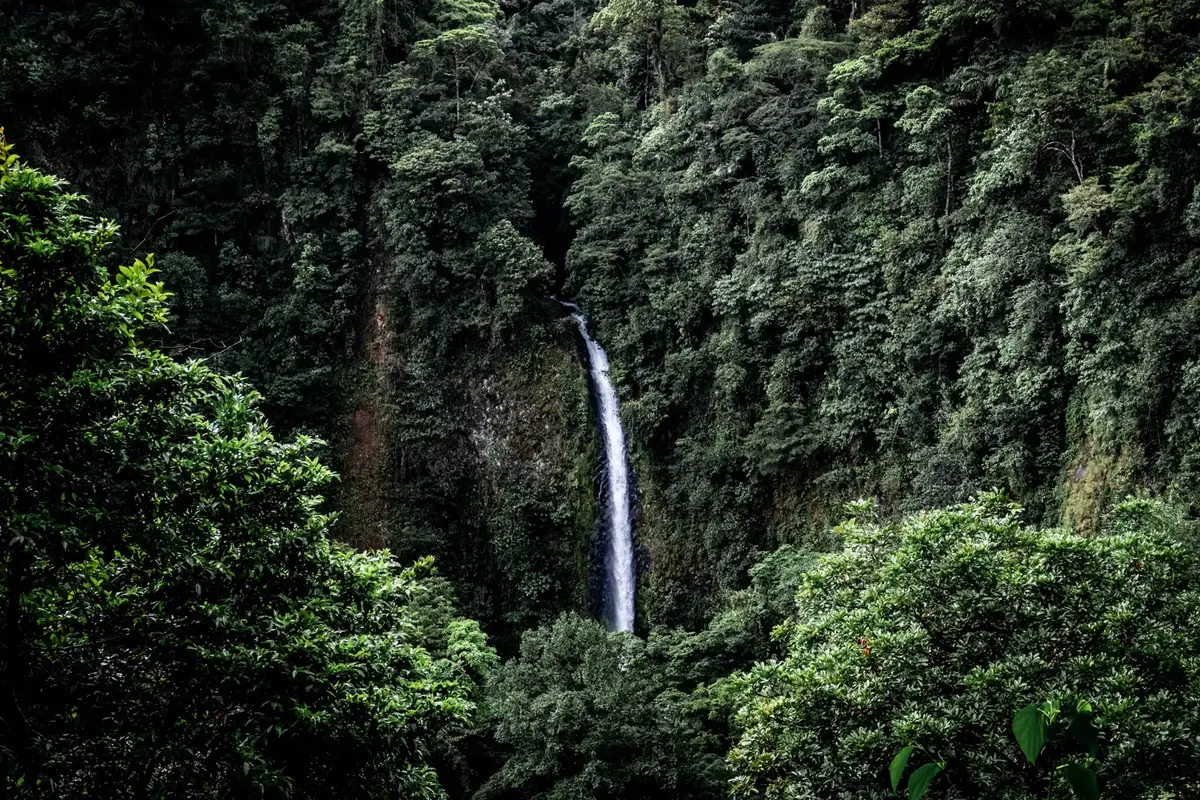
The greenest and wettest of the three cirques, covered in waterfalls, including the Voile de la Mariée (Bridal Veil). Hell-Bourg, a member of the “Most Beautiful Villages of France” association, has kept its Creole houses and the remains of a former spa resort. It is also a gateway to the Bélouve forest.
The west coast: Saint-Gilles, L’Hermitage and Saint-Leu
This is the beach coast, with a lagoon protected by a coral reef between L’Hermitage, La Saline and Saint-Leu. Saint-Gilles has most of the restaurants, accommodation and boat trips (whales in season, dolphins). Saint-Leu is known for paragliding and for Kélonia, the sea turtle observatory.
Saint-Pierre and the wild south
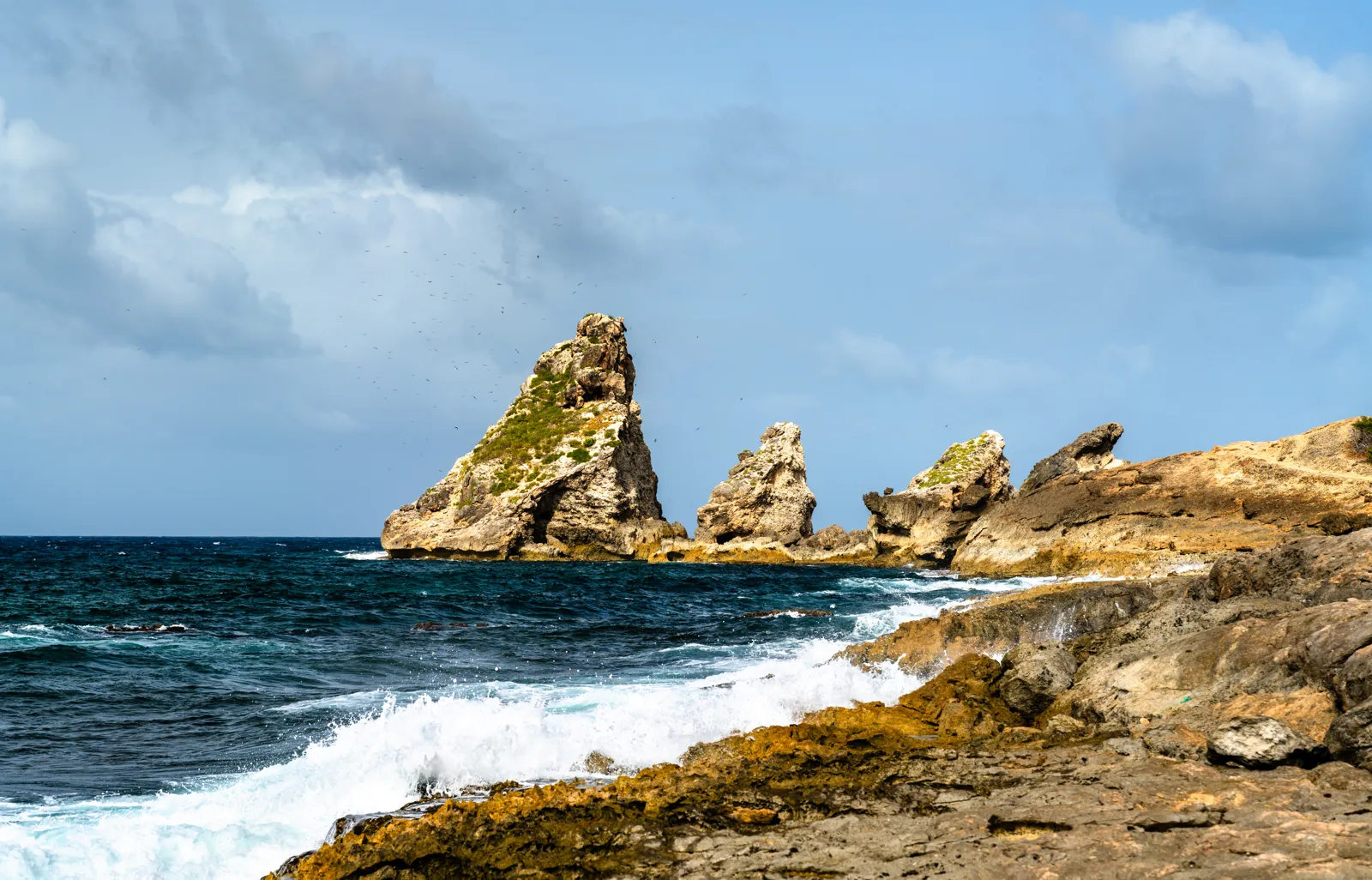
Saint-Pierre is the main town in the south, with a lively market, a seafront and nightlife. Further east, the “wild south” (Saint-Joseph, Saint-Philippe) has basalt coastlines battered by waves, as at Cap Méchant, forests and recent lava flows running down to the sea.
Saint-Denis
The capital can be seen in a day: Rue de Paris and its Creole villas, the Jardin de l’État botanical garden, the Barachois seafront, and places of worship for all the island’s religions (cathedral, mosque, Tamil and Chinese temples), a few streets apart.
The east coast and the Bélouve forest
Wetter, the east coast has very green scenery: pools and waterfalls, sugar cane fields, vanilla. Above Salazie, the Bélouve forest leads to Trou de Fer, a chasm into which several waterfalls plunge, visible from a viewpoint after a hike.
Itinerary ideas: 10 days and 2 weeks in Reunion
7 to 10 days: the essentials
Days 1 and 2: west coast (Saint-Gilles, L’Hermitage lagoon, Maïdo viewpoint)
Days 3 and 4: Cilaos and a day hike
Day 5: Saint-Pierre and the wild south
Day 6: Piton de la Fournaise from the Plaine des Cafres
Days 7 and 8: Salazie and Hell-Bourg, east coast waterfalls
Days 9 and 10: Saint-Denis, then back to the west coast depending on your flights
2 weeks: hiking and a tour of the island
Days 1 to 3: west coast, Saint-Leu, boat trip (whales roughly June to October)
Days 4 to 6: Mafate on foot with two nights in gîtes
Days 7 and 8: Cilaos, then the climb up Piton des Neiges with a night at the refuge
Days 9 and 10: Saint-Pierre, the wild south, Piton de la Fournaise
Days 11 and 12: east coast, Bélouve forest and Trou de Fer, Hell-Bourg
Days 13 and 14: Saint-Denis and rest on the west coast
Budget for a trip to Reunion
Prices are similar to mainland France, often slightly higher for food. After the flight, the biggest cost is usually the rental car, which is almost essential. Indicative amounts per person per day, excluding flights (Reunion uses the euro):
Item
Budget
Comfort
Accommodation (based on a shared double room)
roughly €25–45 (gîte, guesthouse)
roughly €60–120
Meals
roughly €20–30 (snack bars, takeaway curry)
roughly €40–70
Transport (shared rental car, fuel)
roughly €15–25
roughly €30–40
Activities
roughly €5–15 (free hikes)
roughly €20–60 (boat trip, paragliding)
Total per day
roughly €70–110
roughly €150–250
Indicative estimates, varying by season. Prices rise during French school holidays.
The international flight is a large share of the budget and varies widely by season and booking date: it is noticeably more expensive during French school holidays.
Getting around Reunion
Rental car: the most practical way to reach trailheads, the cirques and the volcano. Mountain roads are winding: allow more time than the distance suggests. Avoid rush hour around Saint-Denis. French driving rules apply; UK licence holders should check with the local authorities or their car hire company whether they need an International Driving Permit as well as their UK licence (UK FCDO, GOV.UK, updated 22 October 2026). For US licences, the U.S. Department of State refers drivers to the Embassy of France’s guidance on driving in France.
Bus: the Car Jaune intercity network links the main coastal towns, and some lines serve the cirques. It is cheap but not well suited to reaching trailheads early in the morning.
On foot: Mafate can only be explored on foot. Check trail conditions (closures after heavy rain) with the National Forestry Office (ONF) or the National Park.
Helicopter: scenic flights over the island are available. They are expensive but let you see Trou de Fer and the cirques from above.
Where to stay in Reunion
To cut down on driving, change base as you go. On the west coast, Saint-Gilles, L’Hermitage and Saint-Leu have most of the hotels, apartment residences and rentals. Saint-Pierre is handy for the south and the volcano. In the uplands (les Hauts), stay in Cilaos, Hell-Bourg or the Plaine des Cafres to start hikes early. In Mafate and on Piton des Neiges, gîtes and the refuge are the only accommodation and must be booked in advance.
Guesthouses (chambres d’hôtes) and rural gîtes, often run by Reunionese families, are a way to discover Creole cooking, with a shared evening meal (table d’hôtes).
Entry requirements for Reunion
Reunion is an Overseas Department of France and part of the EU; the French authorities set and enforce entry rules (UK FCDO, GOV.UK, updated 22 October 2026).
US citizens
According to the U.S. Department of State (travel.state.gov, France page, last updated August 11, 2025), France’s overseas departments and territories outside Europe are not included in the Schengen Agreement, and for departments such as Reunion travelers should check the Embassy of France website for current visa and entry requirements. The same page notes that France does not recognize the 12-page U.S. emergency passport for visa-free entry. Check with the Embassy of France before you book.
UK citizens
According to the UK FCDO (GOV.UK foreign travel advice, updated 22 October 2026), you can visit Reunion without a visa for up to 90 days for tourism or business. Your passport must have an expiry date at least 3 months after the date you plan to leave Reunion. You cannot bring meat, milk or products containing them into the EU (with some exceptions such as powdered baby milk), and you must declare goods that may be prohibited or subject to duty.
Entry requirements checked on 24 October 2026; check them again before you travel. For what you can bring home, check your home country’s customs allowances (e.g. CBP in the US, HMRC in the UK).
Health and safety in Reunion
Health: according to the UK FCDO (GOV.UK, updated 22 October 2026), check vaccine recommendations at least 8 weeks before your trip (TravelHealthPro); health risks include chikungunya and dengue, so use insect repellent, and altitude sickness is a risk in parts of the island. The U.S. Department of State advises being up to date on CDC-recommended vaccinations.
Healthcare and insurance: general healthcare facilities, including emergency services, are good (UK FCDO, GOV.UK, updated 22 October 2026). UK travelers need a GHIC or EHIC for medically necessary state healthcare, which is not a substitute for travel insurance. US health insurance and Medicare generally do not apply abroad: take insurance covering medical costs and evacuation (U.S. Department of State).
Emergencies: 112 (ambulance, fire, police), or 15 for an ambulance, 18 for fire and 17 for police (UK FCDO, GOV.UK, updated 22 October 2026).
Hiking: set off early, carry water, warm and waterproof clothing, and check the Météo-France forecast. After heavy rain some trails are closed. Never cross a ravine in flood.
Swimming: according to the UK FCDO (GOV.UK, updated 22 October 2026), there have been shark attacks in Reunion: follow local authorities’ advice on which beaches are safe. In practice, swim in the lagoon and in designated, supervised areas.
Cyclones and volcano: the cyclone season normally runs from December to April, and there are active volcanoes including Piton de la Fournaise (UK FCDO, GOV.UK, updated 22 October 2026). Monitor local news and Météo-France, and follow instructions from the local authorities.
Demonstrations: the UK FCDO (GOV.UK, updated 22 October 2026) reports an increased likelihood of demonstrations, sometimes at short notice, which may disrupt transport: avoid crowds and follow local media.
Practical tips for Reunion
Money: the currency is the euro. Carry some cash for Mafate, where you cannot count on paying by card in every gîte.
Internet: check your roaming terms before you leave, or get a local SIM or eSIM. Coverage can be patchy in the cirques and on trails.
Etiquette: Reunion is a mixed society where several religions coexist. Dress modestly and remove your shoes in Tamil temples and mosques. A few words of Creole are always appreciated.
Food: try carry (chicken, pork or fish curry), rougail saucisse, samosas and bonbons piment (chili fritters), and local fruit (lychees in December–January, Victoria pineapple, mangoes).
Environment: a large part of the island is a national park, and the “Pitons, cirques and remparts” are a UNESCO World Heritage Site. Stay on the trails and take your trash with you.
Who is Reunion for?
Hikers: yes, it is the heart of the trip: Mafate reachable only on foot, Piton des Neiges over two days, Dolomieu crater, the Bélouve forest. Trails close after heavy rain.
Nature lovers: yes: cirques, an active volcano, the waterfalls of Salazie, humpback whales roughly June to October.
Beach lovers: limited: because of the shark risk, swimming is mainly in the west coast lagoon and supervised areas.
Budget travelers: fair: roughly €70–110 per person per day including car rental, with prices similar to mainland France; flights are expensive during French school holidays.
Car-free travel: difficult: the Car Jaune network links the coast but does not suit early-morning hikes.
Reunion is an Overseas Department of France. British citizens can visit without a visa for up to 90 days, with a passport valid at least 3 months beyond their departure date (UK FCDO, GOV.UK, updated 22 October 2026). US citizens should check the Embassy of France website, as the U.S. Department of State notes that France’s overseas departments are outside the Schengen Agreement (travel.state.gov, last updated August 11, 2025). Checked on 24 October 2026.
How many days do you need in Reunion?
About ten days lets you see the west coast, one or two cirques and the volcano. Two weeks leaves time for a multi-day hike in Mafate and the climb up Piton des Neiges.
What is the best time to visit Reunion?
May to November, during the southern winter, which is drier and better for hiking. September and October are often the most balanced months. From December to April it is hot and humid, and the cyclone season normally runs from December to April (UK FCDO).
Do you need to rent a car in Reunion?
It is strongly recommended. The bus network serves the towns and some cirques, but a car is almost essential to reach trailheads early in the morning and the volcano.
Can you swim in Reunion?
Yes, but stick to safe areas: the west coast lagoon (L’Hermitage, La Saline, Saint-Leu) and supervised zones. There have been shark attacks in Reunion, and the UK FCDO advises following local authorities on which beaches are safe.
What is there to do in Reunion?
Hike in the cirques of Mafate, Cilaos and Salazie, drive the Route du Volcan up to Piton de la Fournaise, climb Piton des Neiges over two days, swim in the west coast lagoon (Saint-Gilles, L’Hermitage, Saint-Leu), and explore Saint-Pierre and the wild south, Saint-Denis and the Bélouve forest in the east.
Entry, health and safety information read on 24 October 2026: UK FCDO, foreign travel advice for Réunion (GOV.UK, updated 22 October 2026), and U.S. Department of State, France country information (travel.state.gov, last updated August 11, 2025)
Météo-France: 1991–2020 climate normals and the cyclone season in the southwest Indian Ocean
Transparency: this page contains affiliate links, labelled as such. If you book through them we may earn a commission at no extra cost to you; it does not influence our content or recommendations. How we fund the site.