This Brazil travel guide in short: allow at least 10 days to combine Rio, the Costa Verde and the Iguaçu Falls, and two weeks to add Bahia or the Amazon, with a budget of roughly R$280–450 per person per day on a budget trip (excluding flights). Brazil covers almost half of South America: the beaches of Rio and Bahia, the Amazon rainforest, the Iguaçu Falls, the Pantanal wetlands, the colonial towns of Minas Gerais. Distances mean choosing two or three regions per trip and flying between them. This guide brings together the essentials to plan your stay. Further south, our page best time to visit Uruguay describes a temperate climate very different from tropical Brazil.
To locate cities, regions, terrain, national parks and airports, see our map of Brazil.
Safety warning (UK FCDO, GOV.UK, updated 29 September 2026; U.S. Department of State, travel.state.gov, last updated August 6, 2026). The UK FCDO advises against all but essential travel to several river areas in the west of Amazonas State (along the Amazon west of Codajás, the Itaquaí and Japurá rivers, and the Rio Negro north or west of Barcelos). The U.S. Department of State advises not to travel within 160 km (100 mi) of Brazil’s land borders (except Foz do Iguaçu and Pantanal national parks) or into favelas, even on a guided tour. Violent crime is high in most urban centers, including Rio de Janeiro and São Paulo. Check the latest advice before finalizing your itinerary.
Brazil at a glance
CapitalBrasília
LanguagePortugueseEnglish is little spoken outside hotels and very touristy places
Time zoneUTC−3 in Rio, Salvador and São Paulo · detailsOne hour more behind in the Amazon (Manaus); 3 h behind London in winter, 2 h ahead of New York in winter
AirportsRio de Janeiro Galeão (GIG), São Paulo Guarulhos (GRU)Check current routes with the airlines
EntryUS: visa or e-visa required; UK: visa-free up to 90 days · travel.state.gov · GOV.UK
Electricityvoltage varies between cities: check with your accommodation before you travel · plugs
The best compromise for a tour runs from August to November: fairly dry weather in Rio, dry season on the northern Nordeste coast and in the Amazon, end of the rains in Salvador. The southern summer (December to March) is beach and carnival season, but also the most expensive and stormiest in Rio. Watch the regional calendars: Salvador is rainy from April to July, Fortaleza from February to May, the Amazon from December to May. All the details, month by month and with official INMET normals, are in our article best time to visit Brazil.
What to see in Brazil: the highlights
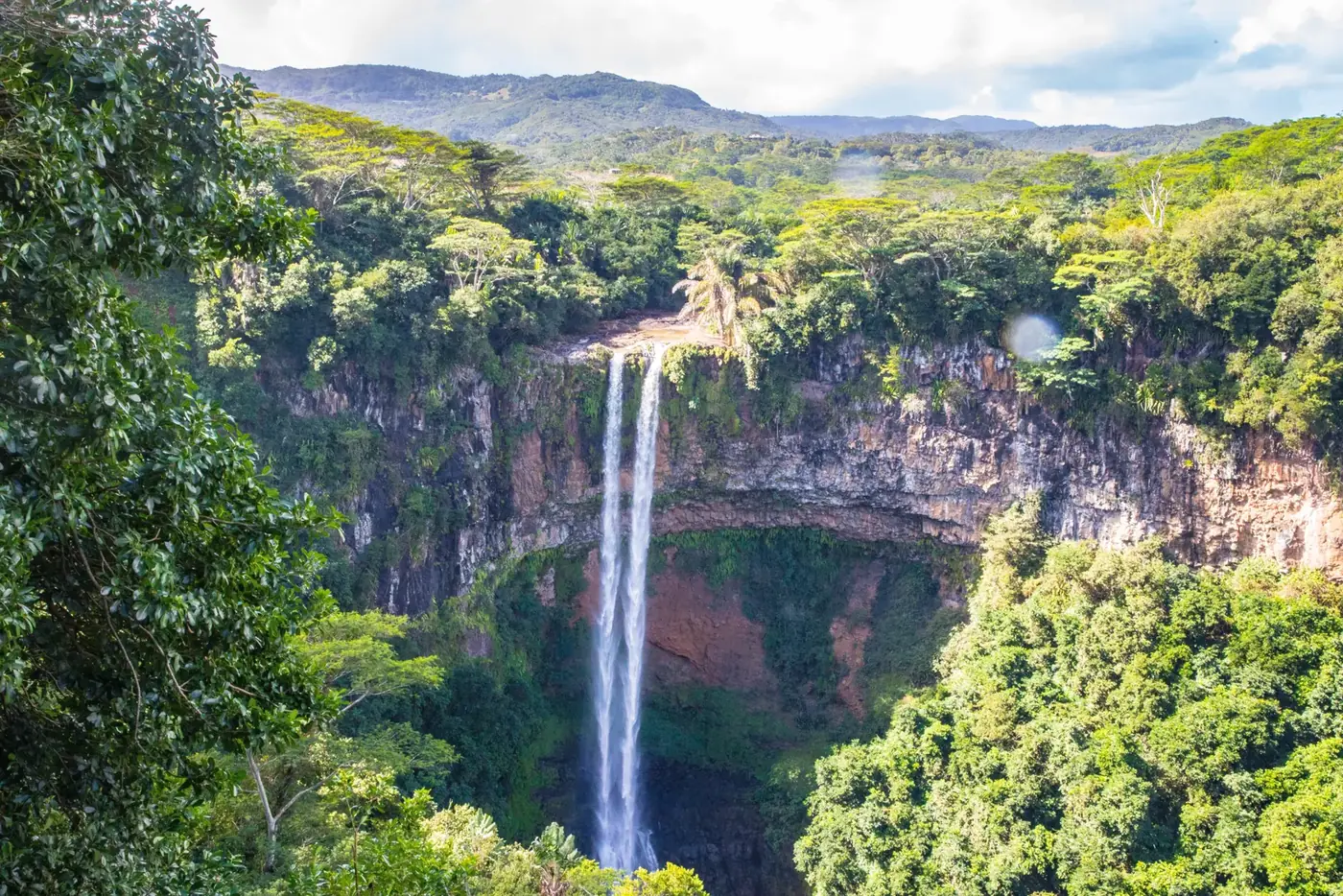
Rainbow over the Iguaçu Falls on the Brazilian side, at Foz do Iguaçu
Rio de Janeiro
Allow at least four days for Christ the Redeemer on Corcovado, Sugarloaf Mountain by cable car, the beaches of Copacabana, Ipanema and Leblon, the botanical garden, the Selarón Steps and the Lapa Arches. The UK FCDO reports armed robberies on the Corcovado walking trail and frequent thefts around Copacabana, Ipanema, Lapa and Santa Teresa (GOV.UK): go up by train or organized transport rather than on foot. The Zona Sul neighborhoods (Copacabana, Ipanema, Leblon, Botafogo, Flamengo) are the most convenient places to stay.
Paraty and Ilha Grande (Costa Verde)
Between Rio and São Paulo, the Costa Verde alternates Atlantic forest and coves. Paraty is a small colonial town with cobbled streets, the starting point for boat trips in the bay. Car-free Ilha Grande is explored on foot along trails linking its beaches, including Lopes Mendes. Allow a few hours by road from Rio, then a boat to Ilha Grande.
Salvador de Bahia
Brazil’s first capital, Salvador is the center of Afro-Brazilian culture: capoeira, music, food cooked with palm oil (acarajé, moqueca). Its historic center, the Pelourinho, is a UNESCO World Heritage Site. In northeast Brazil, the UK FCDO advises avoiding quiet or deserted areas and using taxis after sunset rather than walking (GOV.UK). From Salvador, you can reach the beaches of Morro de São Paulo and the plateaus of the Chapada Diamantina. Sights and neighborhoods are covered in our guide things to do in Salvador de Bahia.
Iguaçu Falls
On the border with Argentina, some 275 waterfalls form one of the largest systems of falls in the world. The Brazilian side, at Foz do Iguaçu, offers the panoramic view; the Argentine side lets you walk above the Garganta del Diablo. Allow two days for both sides, with your passport to cross the border. The Itaipu Dam can also be visited. Crossing to the Argentine side invites you to go further: the best time to visit Argentina varies greatly from the north to Patagonia.
The Amazon from Manaus
Manaus, in the heart of the forest, is the gateway to the Brazilian Amazon. Visit the Teatro Amazonas and see the Meeting of the Waters, where the dark Rio Negro and the sand-colored Solimões flow side by side without mixing. Most travelers then spend two to four nights in a forest lodge on the Rio Negro. The UK FCDO advises against all but essential travel to certain river areas in western Amazonas State, including the Rio Negro north or west of Barcelos: choose an established agency and check where your lodge is.
The Pantanal
This vast wetland in the center-west is one of the best places in South America to see wildlife: caimans, capybaras, birds and, with luck, jaguars. It is reached from Cuiabá (north) or Campo Grande (south), staying on a fazenda or in a lodge. The dry season, roughly May to October, makes wildlife viewing easier, but forest fires are common from May to September, especially in July and August (GOV.UK).
Fortaleza, Jericoacoara and the Lençóis Maranhenses
The northern Nordeste coast is the driest part of the country from August to December. Jericoacoara, a sandy village between dunes and lagoons, is known for kitesurfing. Further west, Lençóis Maranhenses National Park forms a desert of white dunes dotted with rainwater lagoons, reached from Barreirinhas or Atins. According to the UK FCDO, theft from hotel rooms and muggings are the most common incidents in northeast Brazil.
Ouro Preto and Minas Gerais
North of Rio, the former mining town of Ouro Preto, a UNESCO World Heritage Site, has kept its baroque churches and steep streets. The nearby towns of Mariana, Tiradentes and Congonhas complete the tour. Minas Gerais is also known for its food.
Things to do in Brazil: 10 experiences for a first trip
To sum up what to see and do in Brazil, here are the experiences described above, to choose according to the season and the length of your trip:
Go up Corcovado and Sugarloaf Mountain, then end the day on the Zona Sul beaches in Rio
Stroll through the colonial center of Paraty and reach the beaches of Ilha Grande by boat
Discover the Pelourinho in Salvador de Bahia
See the Iguaçu Falls from both sides of the border, Brazilian and Argentine
Stay in an Amazon forest lodge from Manaus
Watch the wildlife of the Pantanal during the dry season
Walk between the dunes and lagoons of the Lençóis Maranhenses, and continue to Jericoacoara
Visit Ouro Preto and the colonial towns of Minas Gerais
Join carnival or the Festas Juninas in the Nordeste, depending on when you travel
Have lunch in a « por quilo » restaurant, the budget lunchtime option where you pay by weight
Itinerary ideas: how many days in Brazil?
10 days: Rio, the Costa Verde and Iguaçu
Days 1 to 4: Rio de Janeiro (Corcovado, Sugarloaf, beaches, historic center)
Days 5 to 7: Paraty or Ilha Grande
Day 8: back to Rio, flight to Foz do Iguaçu
Days 9 and 10: the falls on the Brazilian and Argentine sides, then return flight
2 weeks: Rio, Iguaçu, Bahia and the Amazon
Days 1 to 4: Rio de Janeiro
Days 5 and 6: Foz do Iguaçu (by plane)
Days 7 to 10: Salvador, then Morro de São Paulo or the Chapada Diamantina
Days 11 to 14: Manaus and a forest lodge in the Amazon (preferably from June to October)
Variant from September to December: replace the Amazon with Fortaleza, Jericoacoara and the Lençóis Maranhenses, then in the middle of the dry season.
Budget for a trip to Brazil
Brazil is more expensive than most Latin American countries, especially in Rio and during the southern summer. Domestic flights and excursions in the Amazon or the Pantanal weigh heavily. Indicative amounts per person per day, excluding international flights (converted from our euro estimates at the ECB rate of 23 October 2026, €1 = R$5.65):
Item
Budget
Comfort
Accommodation (based on a shared double room)
roughly R$85–170 (hostel, simple pousada)
roughly R$340–735
Meals
roughly R$85–140 (por quilo restaurants, snacks)
roughly R$200–340
Local transport
roughly R$30–55
roughly R$85–170
Activities and sightseeing
roughly R$55–115
roughly R$140–280
Total per day
roughly R$280–450
roughly R$735–1,410
Indicative estimates, excluding domestic flights and lodge stays. Prices rise sharply over the year-end holidays and carnival.
Who is Brazil for?
Our verdicts by traveler profile, based on the places, conditions and budget ranges in this guide:
Beaches: ideal: Copacabana and Ipanema, Ilha Grande and Lopes Mendes, Morro de São Paulo, Jericoacoara, bearing in mind each region’s rainy season.
Nature and wildlife: excellent: the Iguaçu Falls, Amazon forest lodges from Manaus, Pantanal wildlife in the dry season, the dunes and lagoons of the Lençóis Maranhenses.
Culture and festivals: a very good choice: Salvador’s Pelourinho and Afro-Brazilian culture, Ouro Preto and the baroque towns of Minas Gerais, carnival or the Festas Juninas depending on the date.
Couples: yes: Paraty and its cobbled lanes, car-free Ilha Grande, coastal pousadas.
Families: possible with preparation: the Zona Sul beaches, the Iguaçu Falls, a fazenda in the Pantanal. Long distances, vigilance against theft and yellow fever vaccination advice need to be planned for.
Budget travelers: yes, with limits: roughly R$280–450 a day in simple pousadas and por quilo restaurants, but domestic flights and lodge stays come on top.
Getting around Brazil
Plane: the only reasonable way to link distant regions (Rio–Salvador, Rio–Manaus, Rio–Foz do Iguaçu). Domestic airlines (LATAM, Gol, Azul) offer lower fares when booked ahead.
Buses: the long-distance bus network is dense, useful for journeys of a few hours (Rio–Paraty, Salvador–Chapada Diamantina); quality ranges from well maintained to basic. The U.S. Department of State advises avoiding public municipal buses at any time, especially at night (travel.state.gov, last updated August 6, 2026), and the UK FCDO notes that robberies are common on buses.
Car: possible, but the U.S. Department of State describes road travel as more hazardous than in the United States and encourages traveling outside metropolitan areas in daylight. UK visitors can drive with a UK photocard licence (a paper licence may need the 1968 IDP) (UK FCDO, GOV.UK, updated 29 September 2026); US drivers staying more than 180 days should carry an Inter-American Driving Permit. Brazil has zero tolerance for alcohol at the wheel. Make sure GPS routes do not take you into a favela (GOV.UK).
In the city: in Rio, the metro is practical; watch for petty crime. Do not hail taxis in the street: use authorized taxi booths at airports or ride-hailing apps booked through the official app, checking the plate and driver (GOV.UK).
Boats: essential for Ilha Grande and in the Amazon, where rivers serve as roads.
Where to stay in Brazil
In Rio, stay in the Zona Sul: Copacabana and Botafogo for value, Ipanema and Leblon for calm and the beach. In Salvador, many travelers choose Barra or Rio Vermelho and visit the Pelourinho by day. In the Amazon and the Pantanal, you stay in a lodge or on a fazenda, on an all-inclusive basis with excursions. The UK FCDO advises avoiding any accommodation advertised as being within a favela.
Options range from youth hostels to pousadas (small family-run hotels, very common on the coast) and upscale hotels. Do not leave valuables in dorms, and book well ahead for holidays and carnival.
Mistakes to avoid on a trip to Brazil
Trying to see everything in two weeks: distances mean flying between regions; stick to two or three stops.
Ignoring each region’s season: the northern Nordeste, Salvador and the Amazon do not get their rain in the same months as Rio (see our page best time to visit Brazil).
Walking around with your phone in your hand or valuables: thieves target phones, particularly between 4 p.m. and 9 p.m., and thefts are common on beaches (GOV.UK).
Hailing a taxi in the street or going to the beach after dark: use ride-hailing apps or authorized taxis, and do not go on city beaches after dark.
Visiting a favela, even with a guide: the UK FCDO and the U.S. Department of State both advise against it.
Forgetting insect repellent: dengue, chikungunya and Oropouche are among the health risks listed by GOV.UK.
Booking late for the holidays and carnival: prices soar and well-located accommodation goes fast.
Taking your eyes off your drink: drink spiking is reported, including via dating apps.
Entry requirements for Brazil
US citizens
According to the U.S. Department of State (travel.state.gov, last updated August 6, 2026), a visa is required for US citizens regardless of the purpose of travel: you must obtain a Brazilian visa or e-visa before leaving, and you need a valid US passport.
The yellow fever vaccine is not required for entry, but some other countries (including Colombia and Bolivia) require proof of vaccination from travelers who have recently been in Brazil.
UK citizens
According to the UK FCDO (GOV.UK foreign travel advice, updated 29 September 2026), you can visit Brazil without a visa for up to 90 days for tourism; to extend, contact the Federal Police before your visa expires. Your passport must be valid for at least 6 months after your arrival date. Make sure your passport is stamped, or you may be fined when you leave.
Cash or travellers’ cheques worth US$10,000 or more must be declared online. E-cigarettes and vapes are illegal and can be confiscated.
Minors traveling without one or both parents should carry written authorizations and the original or a notarized copy of their birth certificate (travel.state.gov, GOV.UK). Entry requirements checked on 24 October 2026; check them again before you travel. For customs allowances on your return, check your home country’s rules (e.g. CBP in the US, HMRC in the UK).
Health and safety
Health: the UK FCDO (GOV.UK, updated 29 September 2026) lists yellow fever, dengue, chikungunya, Oropouche and high UV levels among the health risks; check vaccine recommendations at least 8 weeks before your trip. If you want the yellow fever vaccine, get it before travel at least 10 days ahead, as local supplies are limited (U.S. Department of State). Private hospitals require payment up front: insurance covering medical costs and evacuation is essential. Tap water is not drinkable in many areas.
Safety: violent crime is high in most urban centers (U.S. Department of State). Carry the bare minimum, leave your passport and jewelry in the safe, do not go on city beaches after dark and never resist an attacker. Favelas should be avoided, including tours (GOV.UK, travel.state.gov). Drinks are spiked to rob victims: never leave your drink unattended and be careful with dating apps. Methanol poisoning from spirit-based drinks has caused deaths (GOV.UK). Emergency numbers: police 190, ambulance 192, fire 193.
Areas to avoid: the UK FCDO advises against all but essential travel to river areas in the west of Amazonas State; the U.S. Department of State advises not to travel within 160 km (100 mi) of the land borders, except Foz do Iguaçu and Pantanal national parks.
Swimming: strong currents and riptides are a danger off some beaches; follow warning flags and lifeguards. Shark attacks are a danger, particularly on the beaches around Recife (GOV.UK).
Practical tips for Brazil
Money: cards are accepted almost everywhere, but card cloning and payment-terminal scams are common: always keep your card in sight and check the amount before paying (GOV.UK). Use ATMs inside a secure facility such as an airport, hospital or bank (U.S. Department of State), and carry only small amounts. Our currency converter helps you estimate your spending.
Internet: the mobile network is good in cities and along the coast, but large areas have limited or no coverage (U.S. Department of State). An eSIM or local SIM is useful for ride-hailing and maps; preferably use your phone inside a shop.
Language: a few words of Portuguese make a big difference; Spanish is often understood, but it is not the country’s language.
In restaurants: a 10% service charge is usually added to the bill. Por quilo restaurants, where you pay by the weight of your plate, are a budget option at lunchtime.
Etiquette: Brazilians are warm and tactile; beachwear stays at the beach. Timekeeping is often flexible.
It depends on your nationality. US citizens need a Brazilian visa or e-visa obtained before departure (travel.state.gov). British citizens can visit visa-free for up to 90 days for tourism, with a passport valid at least 6 months after arrival (GOV.UK). Checked on 24 October 2026; check the latest rules before you leave.
What is the best time to visit Brazil?
The best compromise runs from August to November, when there is little rain in Rio, the northern Nordeste and the Amazon. December to March is beach and carnival season, more expensive. Avoid Salvador from April to July and Fortaleza from February to May.
How much does a two-week trip to Brazil cost?
Excluding international flights, allow roughly R$280–450 per person per day on a budget, and R$735–1,410 in comfort, plus domestic flights and lodge stays in the Amazon or the Pantanal.
Is Brazil dangerous for tourists?
Violent crime is high in most cities and tourists are regularly victims of theft, sometimes violent. By following official advice (no valuables, ride-hailing apps rather than walking at night, no favela visits, no beaches after dark), most trips go without incident. Some border and river areas are advised against.
Do I need a yellow fever vaccine for Brazil?
It is not required for entry (U.S. Department of State), but yellow fever is among the health risks listed by the UK FCDO, and some neighboring countries require proof of vaccination after a stay in Brazil. If you get it, do so at least 10 days before travel; ask a travel health clinic.
How many days do you need in Brazil?
Allow at least 10 days for a first trip focused on Rio, the Costa Verde and the Iguaçu Falls, and two weeks or more to add Bahia, the Amazon or the Nordeste. Distances require domestic flights between regions.
What should you see first in Brazil?
For a first trip: Rio de Janeiro, Paraty and Ilha Grande, the Iguaçu Falls and Salvador de Bahia. Depending on the season and time available, add the Amazon from Manaus, the Pantanal, the Lençóis Maranhenses or the colonial towns of Minas Gerais.
Our sources
Entry, health and safety information read on 24 October 2026: U.S. Department of State, Brazil country information (travel.state.gov, last updated August 6, 2026), and UK FCDO, foreign travel advice for Brazil (GOV.UK, updated 29 September 2026)
European Central Bank, euro reference rates of 23 October 2026: budget conversions
Instituto Nacional de Meteorologia (INMET), Brazil’s climate normals
Transparency: this page contains affiliate links, labelled as such. If you book through them we may earn a commission at no extra cost to you; it does not influence our content or recommendations. How we fund the site.