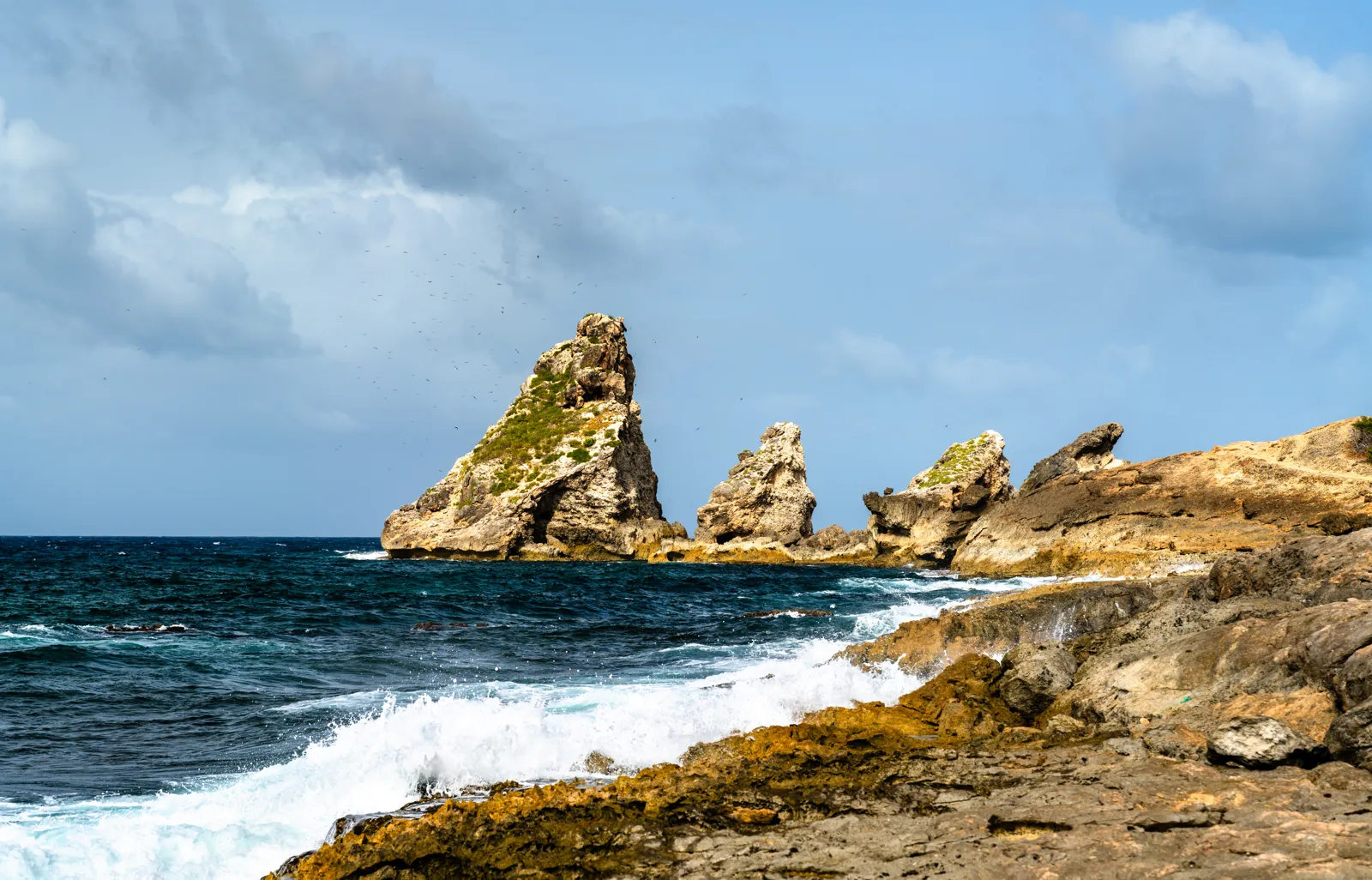
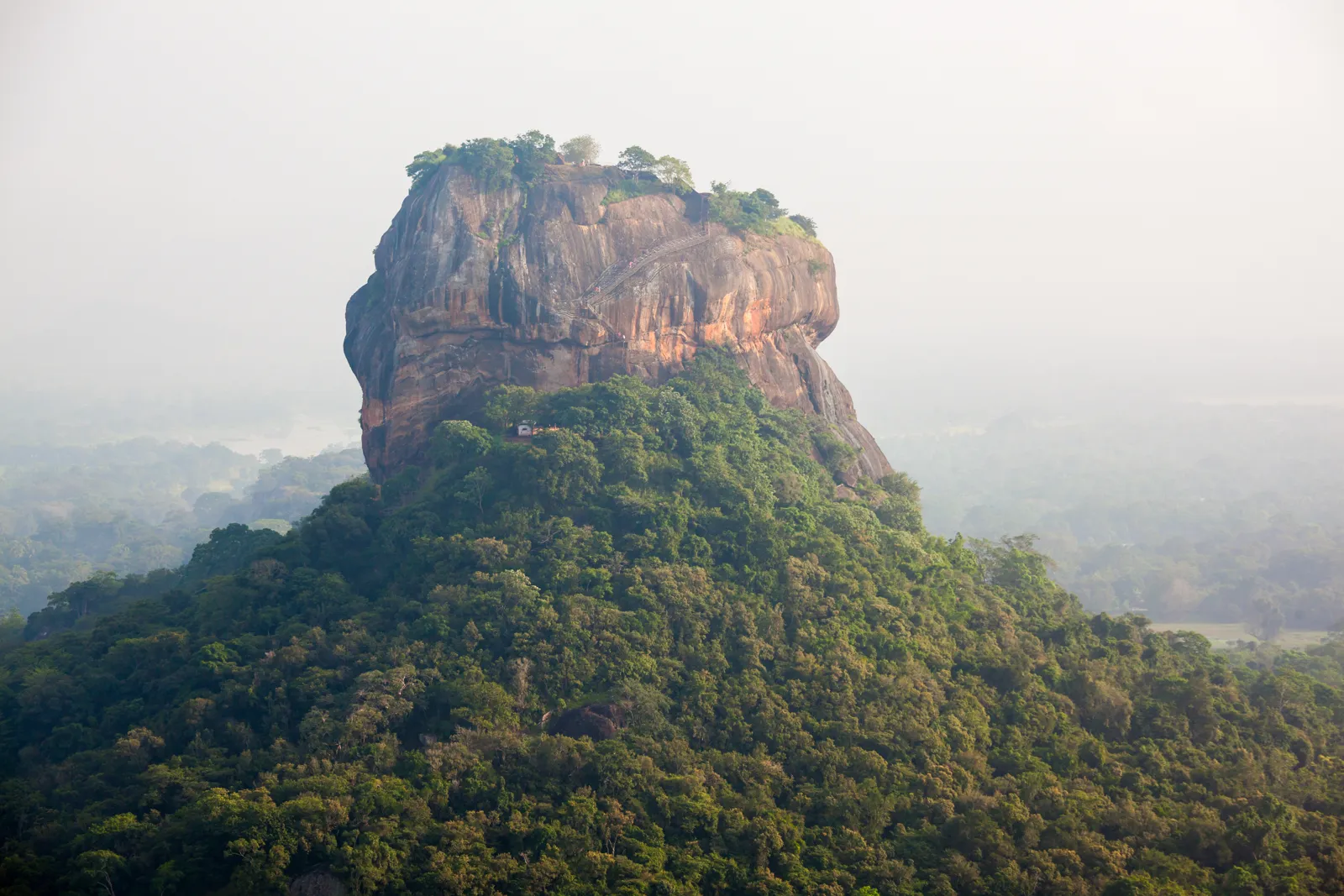
The Philippines is an archipelago of more than 7,000 islands between the South China Sea and the Pacific. Travelers come for the lagoons of Palawan, diving in the Visayas, the rice terraces of northern Luzon and a culture shaped by centuries of Spanish and then American influence. This Philippines travel guide covers what to see and do, itineraries from 10 days to 3 weeks, budget, transport and entry requirements to help you plan your trip.
To locate cities, regions, terrain, national parks and airports, see our map of the Philippines.
Philippines at a glance
CapitalManila
LanguagesFilipino and English (official languages)English is widely spoken
The best period is December to April, during the dry season: there is very little rain in Manila and Palawan from January to April, and the typhoon risk is low. From June to November, the rainy and typhoon season can disrupt domestic flights and ferries, with peak rainfall in July and August in Manila. Cebu and Mindanao get rain spread more evenly over the year. All the details, month by month and with official climate data, are in our article best time to visit the Philippines.
What to see and do in the Philippines: the highlights
Manila
The capital is above all a gateway. If you spend a day there, visit Intramuros, the walled city of the Spanish era, San Agustin Church, a World Heritage Site, and Rizal Park. Traffic is very heavy: allow plenty of time to get to the airport. The U.S. Department of State (travel.state.gov, last updated August 13, 2026) warns that solo travelers have been drugged and robbed after accepting invitations from strangers, and that travelers have been robbed shortly after leaving Manila airport in a taxi: stay alert, especially in the evening.
El Nido (Palawan)
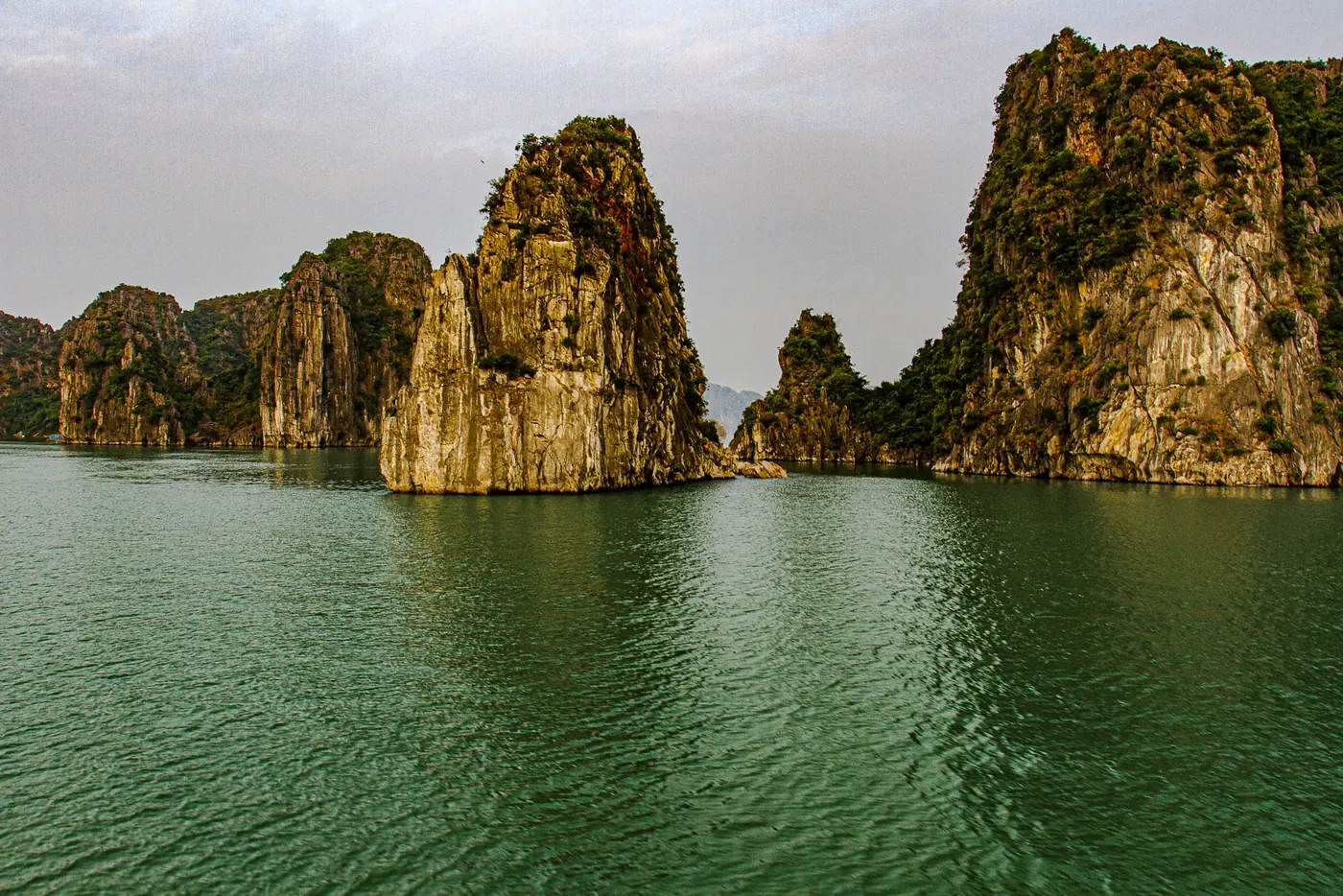
Emerald water and limestone cliffs at El Nido, on the island of Palawan
In northern Palawan, Bacuit Bay is lined with limestone cliffs, lagoons and beaches reached by boat. Trips by bangka (outrigger boat) are organized as tours identified by letters. El Nido is reached by road from Puerto Princesa (about 5 to 6 hours) or by plane to its small airport, served from Manila.
Coron (Palawan)
Further north, Coron is known for its lakes set between cliffs, such as Kayangan Lake, and for diving on Japanese World War II wrecks. Ferries link Coron and El Nido, so you can combine the two in a single loop.
In northern Palawan, our page on El Nido covers safety, entry requirements and boat trips in the Bacuit archipelago.
Puerto Princesa and the Underground River
Palawan’s capital is the access point for the Puerto Princesa Subterranean River National Park, a UNESCO World Heritage Site. A visitor permit is required: ask locally or at your accommodation as soon as you arrive.
Cebu and Moalboal
Cebu is the country’s second gateway, with an international airport. In the southwest of the island, Moalboal is known for its sardine runs visible a few meters from the shore. In the north, Malapascua Island draws divers.
Bohol
Linked to Cebu by ferry, Bohol is the island of the Chocolate Hills, more than a thousand rounded hills that turn brown in the dry season, and of the tarsiers, tiny primates to be observed in a supervised sanctuary. Panglao Island, in the southwest, has most of the beaches and dive centers.
Banaue, Batad and Sagada
In the Cordillera of northern Luzon, the Ifugao rice terraces are a World Heritage Site. Batad is explored on foot, after a walk from the road. Nearby Sagada is known for its caves and hanging coffins. Expect a long drive or a night bus from Manila.
Siargao
Off northeastern Mindanao, Siargao is the surfing capital of the Philippines, with the Cloud 9 break, and a quieter destination for lagoons and coconut groves. The UK FCDO (GOV.UK, updated 15 July 2026) advises against all travel to western and central Mindanao and the Sulu archipelago, and against all but essential travel to the rest of Mindanao, with the exception of Siargao, Camiguin and Dinagat islands. Check the latest advice before you go.
Itinerary ideas for the Philippines (10 days to 3 weeks)
7 to 10 days: Palawan
Day 1: arrive in Manila, overnight there or connect directly
Days 2 to 5: fly to El Nido, boat trips in Bacuit Bay
Days 6 to 8: ferry to Coron, lakes, beaches and wreck diving
Days 9 and 10: fly back to Manila
2 weeks: Palawan and the Visayas
Day 1: arrive in Manila
Days 2 to 5: El Nido
Days 6 and 7: Coron
Day 8: fly to Cebu
Days 9 and 10: Moalboal (sardines, turtles)
Days 11 to 13: ferry to Bohol (Chocolate Hills, tarsiers, Panglao)
Day 14: return via Cebu or Manila
3 weeks: add four or five days in northern Luzon (Banaue, Batad, Sagada), reached by bus from Manila, or a few days on Siquijor or Siargao depending on the season and the security situation.
Distances are long and connections depend on the weather: avoid packing too much into your schedule, especially outside the dry season.
✅ Roughly ₱2,500–4,300 a day; El Nido, Coron and boat trips push up the bill.
Nature and adventure
✅ Chocolate Hills, tarsiers, the Batad rice terraces on foot, surfing in Siargao.
Culture
⚠️ Intramuros and the Ifugao rice terraces, but most travelers come for the sea.
Independent travelers
✅ English is widely spoken; build in buffer days, as flights and ferries depend on the weather.
Budget for a trip to the Philippines
Once there, the Philippines is affordable, but El Nido, Coron and boat trips quickly push up the bill. Indicative amounts per person per day, excluding international flights (converted from our euro estimates at the ECB rate of 23 October 2026, €1 = ₱71):
Item
Budget
Comfort
Accommodation (based on a shared double room)
roughly ₱850–1,800
roughly ₱3,600–8,500
Meals
roughly ₱550–1,100 (canteens, small restaurants)
roughly ₱1,800–3,200
Local transport
roughly ₱350–700
roughly ₱1,100–2,100
Activities and boat trips
roughly ₱700–1,400
roughly ₱1,800–4,300
Total per day
roughly ₱2,500–4,300
roughly ₱7,100–14,200
Indicative estimates, varying by season and island. Prices rise over the year-end holidays and Holy Week.
Add domestic flights, often essential for island hopping. Booked ahead, they are generally inexpensive, but checked baggage is often charged extra. Environmental or entrance fees are also charged at some sites, such as El Nido. According to the UK FCDO (GOV.UK, updated 15 July 2026), a departure tax of 850 pesos is charged when leaving from Cebu Mactan airport, but no longer at Manila airport: check with your airline.
Getting around the Philippines
Plane: the most practical way to link Manila and Cebu with Palawan, Bohol or Siargao. Delays and cancellations are frequent during the typhoon season.
Ferries and bangkas: essential between islands (Cebu to Bohol, El Nido to Coron). Departures are suspended during storm warnings or rough seas. According to the UK FCDO, the ferry network has a poor maritime safety record and boats sometimes lack lifesaving equipment: avoid overcrowded boats. The U.S. Department of State also urges caution on inter-island ferries.
Buses and vans: they link towns on the same island, for example Puerto Princesa to El Nido. Vans often leave once full.
In town: jeepneys (shared minibuses), tricycles (motorbikes with sidecars, agree the fare before setting off) and ride-hailing apps such as Grab in Manila and Cebu. The U.S. Department of State advises asking your hotel or restaurant to call a reliable taxi, or using a ride-hailing app, and insisting on the meter.
Driving and scooters: handy on the islands, but take care: road accidents are frequent, mainly due to poor roads and dangerous driving, and the FCDO advises avoiding driving at night. UK licence holders can drive on their UK licence for up to 90 days (GOV.UK). Check that your insurance covers riding a scooter.
Where to stay in the Philippines
In Manila, Makati and Bonifacio Global City (BGC) are the most convenient and quietest districts, while Malate and Ermita are closer to Intramuros. For a single night, a hotel near the airport avoids the traffic jams. In El Nido, choose between the lively, central town and more remote beaches such as Corong-Corong or Nacpan. In Bohol, most travelers stay on Panglao.
Options range from family guesthouses and hostels to beachfront resorts. On the small islands, electricity and Wi-Fi can be unreliable in the cheapest places. In high season, book early in El Nido and Coron.
Entry requirements for the Philippines
US citizens
The U.S. Department of State (travel.state.gov, last updated August 13, 2026) refers US citizens to the Embassy of the Philippines in Washington, D.C. for current visa information. Staying beyond the « admit until » date stamped in your passport can lead to fines or detention by the Philippine Bureau of Immigration. Do not carry firearms, ammunition or anything resembling them, even as souvenirs, and note that medical marijuana and cannabis products, including vape cartridges, are illegal, even with a US prescription.
UK citizens
According to the UK FCDO (GOV.UK foreign travel advice, updated 15 July 2026), British citizens can visit without a visa for tourism or business for up to 30 days, and can apply for an extension once in the country. Your passport must be valid for at least 6 months after the date you arrive. Most visitors are expected to have proof of return or onward travel.
eTravel: according to GOV.UK, you must show a QR code proving you have registered on the free e-travel system within the 72 hours before arrival; some airlines will not let you board without it.
Vaccines: a yellow fever certificate is required if you arrive from a country with a transmission risk, and a polio certificate if you come from certain countries (GOV.UK).
Money: you cannot bring in more than 50,000 pesos, and foreign currency worth more than US$10,000 must be declared on arrival (GOV.UK).
Medication: carry prescription medication in its original packaging with your doctor’s prescription, and check with the Philippine Bureau of Customs that it is legal (U.S. Department of State).
Entry requirements checked on 24 October 2026; check them again before you travel.
Health and safety
Health: check vaccine recommendations at least 8 weeks before your trip (TravelHealthPro for UK travelers, CDC for US travelers). According to GOV.UK, health risks include dengue, with a higher risk in the rainy season from June to October, and Zika; the U.S. Department of State also lists malaria among prevalent diseases. Do not drink tap water; bottled water is generally safe (U.S. Department of State).
Medical care: it may not meet UK standards, particularly in rural and remote areas, and private hospital treatment is expensive (GOV.UK). Take out insurance that covers medical costs and evacuation.
Areas to avoid: the UK FCDO (GOV.UK, updated 15 July 2026) advises against all travel to western and central Mindanao and the Sulu archipelago, and against all but essential travel to the rest of Mindanao (including Davao), except Camiguin, Dinagat and Siargao islands, because of terrorism and kidnapping risks. It also reports piracy in the Sulu and Celebes seas.
Crime: street crime and robberies are common (GOV.UK). The U.S. Department of State warns about con games, card fraud and online scams.
Natural hazards: around 20 typhoons hit the Philippines each year, mostly between June and November; earthquakes and volcanic eruptions are also a risk (GOV.UK). Follow PAGASA bulletins, PHIVOLCS alerts and the instructions of the authorities.
Local laws: drug penalties are very severe (GOV.UK); carry identification or a copy of your passport; foreign nationals who join demonstrations or political rallies may be detained and deported (GOV.UK and U.S. Department of State). Emergency number: 911.
Practical tips for the Philippines
Money: ATMs are plentiful in cities, much rarer on the small islands, and fees apply to withdrawals with a foreign card. Bring cash before heading to El Nido, Coron or Siargao. The U.S. Department of State warns of card skimming at ATMs. Our currency converter helps you estimate your spending.
Internet: mobile coverage is decent in cities and patchy on remote islands. A local SIM card or an eSIM is useful for maps and transport apps.
Language: English is understood almost everywhere, which makes things easier.
Etiquette: Filipinos are overwhelmingly Catholic; dress modestly in churches. Stay calm and polite in a disagreement: raising your voice is frowned upon.
Tipping: not compulsory, but appreciated by guides and boat crews.
Water activities: beaches rarely have lifeguards, and dive operators do not always meet safety standards: check their credentials and your insurance (GOV.UK). Do not touch the coral and respect the rules of marine protected areas.
Mistakes to avoid on a trip to the Philippines
Forgetting eTravel: registration within the 72 hours before arrival is required, and airlines may check the QR code at boarding (GOV.UK).
Arriving without an onward ticket: most UK visitors are expected to show proof of return or onward travel (GOV.UK).
Island hopping without a buffer: domestic flights and ferries can be cancelled in bad weather, especially from June to November; keep a spare day before your international flight.
Heading to the small islands without cash: ATMs are rare in El Nido, Coron or Siargao.
Ignoring travel advice: the UK FCDO advises against travel to large parts of Mindanao and the Sulu archipelago.
Booking late in high season: at Christmas, New Year and Holy Week, accommodation and flights to Palawan fill up quickly.
British citizens can visit visa-free for up to 30 days, with a passport valid 6 months after arrival, proof of onward travel and eTravel registration within 72 hours before arrival (GOV.UK, updated 15 July 2026). US citizens should check current visa rules with the Embassy of the Philippines, as advised by travel.state.gov. Checked on 24 October 2026.
What is the best time to visit the Philippines?
December to April, during the dry season. February to April are the driest months in Manila and Palawan. From June to November, the rainy and typhoon season can disrupt travel.
How much does a two-week trip to the Philippines cost?
Excluding international flights, allow roughly ₱2,500–4,300 per person per day on a budget and ₱7,100–14,200 in comfort, plus domestic flights. Boat trips in El Nido and Coron weigh on the budget.
How many days do you need in the Philippines?
Ten days lets you discover Palawan (El Nido and Coron). Two weeks leaves time to add Cebu and Bohol. With three weeks, you can also add the rice terraces of northern Luzon.
Is the Philippines safe to visit?
The UK FCDO advises against all travel to western and central Mindanao and the Sulu archipelago, and against all but essential travel to the rest of Mindanao except Camiguin, Dinagat and Siargao (GOV.UK, updated 15 July 2026). Street crime, scams and natural hazards (typhoons, earthquakes) also need to be taken into account.
Which airports serve the Philippines?
Most international flights land at Manila (Ninoy Aquino) or Cebu (Mactan). Flight times depend on your departure city and connections: check current routes with the airlines. The Philippines is on UTC+8, with no daylight saving.
Which route is best for a first trip to the Philippines?
In 10 days, focus on Palawan (El Nido then Coron). In two weeks, add Cebu (Moalboal) and Bohol. With three weeks, add the rice terraces of northern Luzon (Banaue, Batad, Sagada). Aim for the dry season, from December to April.
Transparency: this page contains affiliate links, labelled as such. If you book through them we may earn a commission at no extra cost to you; it does not influence our content or recommendations. How we fund the site.