
When is the best time to visit Tokyo? From late March to May and from October to early December: afternoons are mild (14 to 24 °C, 57 to 75 °F), skies are often clear, and the city has two highlights, the cherry blossoms in late March and early April, then the autumn leaves in November. Winter, cold but dry and sunny, is the cheapest season. Summer, between the rainy season and the humid heat, is the least comfortable period.
Tokyo has a humid subtropical climate: cool, very sunny winters (less than 60 mm, 2.4 in, of rain a month from December to February), a mild spring, a rainy season (tsuyu) in June and early July, then a hot, sticky summer, with an average high above 31 °C (88 °F) in August. September and October are the wettest months, mainly because of typhoons and heavy autumn rain. In a capital where much of the sightseeing happens indoors and on public transport, the weather almost never stops a trip, but it makes a big difference to comfort. Japanese holidays (Golden Week, Obon, New Year) also weigh heavily on prices. Here is how to choose, based on the official normals of the Japan Meteorological Agency (JMA).
When to go to Tokyo: key facts
- Best periods: late March to May (outside Golden Week) and October to early December
- Cherry blossoms (sakura): usually late March to early April; the date changes every year
- Autumn leaves: usually mid-November to early December in the city
- Hottest month: August, with an average high of 31.3 °C (88 °F)
- Driest month: February (57 mm, 2.2 in), followed by December and January
- Wettest month: October (235 mm, 9.3 in), just ahead of September (225 mm, 8.9 in)
- Periods to avoid for prices: Golden Week (late April to early May), Obon (mid-August), New Year
- Cheapest period: January-February, except the first days of January
When to go to Tokyo, depending on your priority
- Best weather: late March to May and October to early December; November is one of the best months
- Cheapest: January-February, except the first days of January, and June
- Fewest crowds: January, February and the first half of December; avoid Golden Week (late April to early May) and Obon (mid-August)
- Events: cherry blossoms in late March and early April, Sanja Matsuri in May (usually the third weekend), Sumida River fireworks in late July, autumn leaves from mid-November to early December
To compare with other destinations, see our selection where to go in November.
Tokyo: the calendar at a glance
✅ Best months: January, February, March, April, may, October, November, December
❌ Period to avoid: August
Tokyo climate month by month
The table below uses the normals of the Japan Meteorological Agency’s Tokyo station, located in Kitanomaru Park, next to the Imperial Palace. It is the reference station for central Tokyo.
| Month | Avg max | Avg min | Rain | Crowds | Prices | Verdict |
|---|---|---|---|---|---|---|
| January | 9.8 °C (50 °F) | 1.2 °C (34 °F) | 60 mm (2.4 in) | Low (high 1-3 Jan.) | Low (except New Year) | Cold, dry and very sunny ✅ |
| February | 10.9 °C (52 °F) | 2.1 °C (36 °F) | 57 mm (2.2 in) | Low | Low | The driest month, plum blossoms ✅ |
| March | 14.2 °C (58 °F) | 5.0 °C (41 °F) | 116 mm (4.6 in) | Moderate → high | Moderate → high | Late March: first cherry blossoms ✅ |
| April | 19.4 °C (67 °F) | 9.8 °C (50 °F) | 134 mm (5.3 in) | High | High | Cherry blossoms in early April, very mild ✅ |
| May | 23.6 °C (74 °F) | 14.6 °C (58 °F) | 140 mm (5.5 in) | High (Golden Week), then moderate | High, then moderate | Excellent after Golden Week ✅ |
| June | 26.1 °C (79 °F) | 18.5 °C (65 °F) | 168 mm (6.6 in) | Moderate | Moderate | Rainy season (tsuyu) ⚠️ |
| July | 29.9 °C (86 °F) | 22.4 °C (72 °F) | 156 mm (6.1 in) | High | High | End of the rains, then humid heat ⚠️ |
| August | 31.3 °C (88 °F) | 23.5 °C (74 °F) | 155 mm (6.1 in) | Very high (Obon) | Very high | The hottest, sticky, typhoons possible ❌ |
| September | 27.5 °C (82 °F) | 20.3 °C (69 °F) | 225 mm (8.9 in) | Moderate | Moderate | Still hot, heavy rain and typhoons ⚠️ |
| October | 22.0 °C (72 °F) | 14.8 °C (59 °F) | 235 mm (9.3 in) | Moderate | Moderate | Mild; rain mostly early in the month ✅ |
| November | 16.7 °C (62 °F) | 8.8 °C (48 °F) | 96 mm (3.8 in) | High | High | Clear skies, autumn leaves ✅ |
| December | 12.0 °C (54 °F) | 3.8 °C (39 °F) | 58 mm (2.3 in) | Low (high late Dec.) | Low, then high | Dry, sunny, illuminations ✅ |
Note: according to the same normals, Tokyo averages about 5 days of rain (at least 0.5 mm, 0.02 in) in January, against 12 to 13 in June, July and September. Sunshine peaks in winter: about 190 hours in January, against only 124 hours in June, in the middle of the rainy season. The large totals of September and October often fall in a few intense episodes, linked to typhoons and autumn low-pressure systems.
Seasons in Tokyo: pros and cons
Spring (March to May): cherry blossoms and mild weather
March warms up quickly (14 °C, 57 °F, in the afternoon) and the cherry trees usually bloom from the last week of the month. In early April, full bloom draws crowds to Ueno Park, Shinjuku Gyoen, along the Chidorigafuchi moat or the Meguro River. April is mild (19 °C, 66 °F), May even more pleasant (24 °C, 75 °F). The blossoms last about a week in any one place, and the date varies from year to year: forecasts are published from late winter.
- Pros: ideal temperatures for walking, parks in bloom, pleasant terraces and gardens
- Cons: expensive hotels that fill up quickly during sakura, crowded parks, Golden Week in late April and early May
- Our advice: the second half of May offers pleasant weather and prices back to normal
Summer (June to August): rain, heat and festivals
June is dominated by the rainy season: it does not rain non-stop, but skies are often grey and the air humid (168 mm, 6.6 in). The rains usually end around mid-July, then the heat sets in: average highs of 30 to 31 °C (86 to 88 °F) in July and August, with nights above 22 °C (72 °F) and a « feels like » temperature that is much higher. The Obon holidays in mid-August push up transport prices. It is also the season of neighbourhood festivals and fireworks, such as the Sumida River display in late July.
- Pros: summer festivals, fireworks, Mount Fuji climbing season (July to early September), long days
- Cons: sticky heat, risk of heatstroke, typhoons from summer onwards, high prices around Obon
- Who is it for? Travellers with no other dates, who plan sightseeing early in the morning and late in the day
Autumn (September to November): clear skies and autumn leaves
September is still hot (27.5 °C, 82 °F) and rainy: typhoons can disrupt transport at this time. October turns mild (22 °C, 72 °F) and the weather often settles in the second half of the month. November is one of the best months: clear skies, 17 °C (63 °F) in the afternoon, and ginkgo trees turning yellow in parks and avenues, such as the one at Meiji Jingu Gaien, usually from mid-November.
- Pros: pleasant temperatures, dry air in November, autumn leaves in the gardens (Rikugien, Koishikawa Korakuen, Shinjuku Gyoen)
- Cons: typhoons and heavy rain possible in September and early October, crowds in November
- Our advice: late October and November are the best choices in autumn
Winter (December to February): sunshine and low prices
Tokyo’s winter is cold (10 to 12 °C, 50 to 54 °F, in the afternoon, 1 to 4 °C, 34 to 39 °F, at night) but dry and sunny. Snow rarely falls in the city centre. On clear days, Mount Fuji is visible more often from the city’s observatories, such as the Tokyo Skytree. Year-end illuminations light up Marunouchi, Roppongi and Shibuya. From about 29 December to 3 January, many shops, museums and restaurants close or reduce their hours.
- Pros: low prices in January-February, clear skies, better visibility of Mount Fuji, fewer visitors at the sights
- Cons: short days, cold evenings, closures around New Year
- Who is it for? Budget travellers, photographers and those combining Tokyo with skiing or onsen
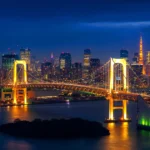
When to go to Tokyo, by type of trip
| Trip type | Best period | Where? |
|---|---|---|
| Seeing the cherry blossoms | Late March to early April (date varies) | Ueno, Shinjuku Gyoen, Chidorigafuchi, Meguro River |
| Autumn leaves | Mid-November to early December | Meiji Jingu Gaien, Rikugien, Mount Takao |
| First cultural visit | May, October-November | Asakusa, Shibuya, Shinjuku, Ueno, Harajuku |
| Seeing Mount Fuji from the city | December to February, on clear days | Observatories in Shinjuku, Shibuya, Skytree |
| Tight budget | January-February, June | Everywhere |
| Festivals and fireworks | May (Sanja Matsuri), July-August | Asakusa, Sumida River |
| With children | Late May, October | Ueno, Odaiba, theme parks in the region |
Major events in Tokyo
| Date | Event | Where |
|---|---|---|
| 1-3 January | Hatsumode, the first shrine visit of the year | Meiji Jingu, Senso-ji |
| Late March to early April | Hanami, picnics under the cherry trees | City parks |
| Late April to early May | Golden Week (national holidays) | Nationwide |
| May (usually the third weekend) | Sanja Matsuri | Asakusa Shrine |
| Late July | Sumida River fireworks | Asakusa, Sumida |
| Mid-August | Obon (holidays, higher prices) | Nationwide |
| November-December | Year-end illuminations | Marunouchi, Roppongi, Shibuya |
Tokyo weather month by month
Tokyo in January: Cold (10 °C, 50 °F, in the afternoon) but very sunny and dry. Avoid the first few days (closures, crowded shrines), then enjoy low prices.
Tokyo in February: The driest month (57 mm, 2.2 in). Plum blossoms in some gardens. A good month for a budget trip.
Tokyo in March: Spring arrives (14 °C, 57 °F). Cherry blossoms usually from the end of the month; Japanese school holidays increase crowds.
Tokyo in April: Cherry blossom month, early in the month. Mild (19 °C, 66 °F) and in high demand: book early. Golden Week starts in late April.
Tokyo in May: Excellent after Golden Week: 24 °C (75 °F), greenery, falling prices. Sanja Matsuri in Asakusa.
Tokyo in June: Rainy season: grey skies and humidity (168 mm, 6.6 in), but moderate prices and hydrangeas in the gardens.
Tokyo in July: The rains end around mid-July, then strong heat (30 °C, 86 °F). Sumida River fireworks at the end of the month.
Tokyo in August: The hottest month (31.3 °C, 88 °F), humid, with the Obon holidays. Go out early and make the most of air-conditioned museums.
Tokyo in September: Still hot and often rainy (225 mm, 8.9 in); risk of typhoons. Fewer people than in August.
Tokyo in October: Mild (22 °C, 72 °F); the wettest month by total rainfall, but the weather often settles at the end of the month.
Tokyo in November: Clear skies, 17 °C (63 °F), yellow ginkgos from mid-November. One of the best months.
Tokyo in December: Dry and sunny (12 °C, 54 °F), illuminations. Low prices until about mid-December, then a rise before New Year.
When to book your trip to Tokyo
For the cherry blossoms, Golden Week, Obon, November and New Year, book your accommodation 3 to 6 months ahead: well-located hotels near Yamanote Line stations go fast. In January-February and June, a few weeks is often enough. Tokyo has two international airports: Haneda, close to the centre, and Narita, further out. Check current routes with the airlines when you book.
Entry requirements and practical tips
- Entry requirements: US citizens can stay visa-free for tourism or business for up to 90 days, with a passport valid for the entire stay, and should have proof of a return or onward ticket (travel.state.gov). British citizens get a visa on arrival for up to 90 days, with no need to apply before travel; the passport must be valid for the length of the stay, with one blank page (GOV.UK). All visitors are fingerprinted and photographed on arrival.
- Time difference: Japan is on UTC+9 and does not change its clocks: it is 8 hours ahead of London in summer (BST) and 9 hours in winter (GMT), and 13 hours ahead of New York in summer (EDT) and 14 hours in winter (EST).
- Currency: the yen. Cards are accepted in many places, but Japan is still largely cash-based and some foreign cards are not accepted: carry cash for small restaurants and temples (7-Eleven and Japan Post ATMs accept some foreign cards) (GOV.UK). See our currency converter.
- Health: medical care is of a high quality but expensive (GOV.UK): make sure you have insurance covering medical costs and repatriation.
- Customs: it is illegal to bring in meat products (sausages, bacon, ham) without permission from the Animal Quarantine Service (GOV.UK).
To plan your visit, see our Tokyo travel guide. For a wider trip, see the best time to visit Japan, the best time to visit Kyoto and our Japan travel guide.
Frequently asked questions
What is the best month to visit Tokyo?
May (after Golden Week) and November are the most balanced: 17 to 24 °C (63 to 75 °F) in the afternoon, moderate rain and little risk of typhoons. April is ideal for the cherry blossoms, but more expensive and busier.
When can you see cherry blossoms in Tokyo?
Usually from the last week of March to early April. The date changes every year depending on the winter weather: follow the forecasts published in late winter and keep a few days’ leeway.
Is Tokyo too hot in summer?
July and August have average highs of 30 to 31 °C (86 to 88 °F) according to the JMA, with high humidity and warm nights. Go out early in the morning, stay hydrated and alternate with air-conditioned places.
What is the wettest month in Tokyo?
October (235 mm, 9.3 in) and September (225 mm, 8.9 in), according to the JMA’s 1991-2020 normals. Much of this total comes from a few episodes of heavy rain and typhoons. June, in the rainy season, has more grey days.
What is the weather like in Tokyo in October?
Mild: 22 °C (72 °F) in the afternoon and 14.8 °C (59 °F) at night on average, according to the JMA’s 1991-2020 normals. It is the wettest month by total (235 mm, 9.3 in), especially early in the month; late October is often more settled.
What is the cheapest time to visit Tokyo?
January-February, except the first days of January, as well as June and the first half of December. Prices are highest during cherry blossom season, Golden Week, Obon and New Year.
Is Tokyo worth visiting in winter?
Yes: it is cold but the sky is often blue, prices are low and Mount Fuji is visible more often from the city. Just avoid the first days of January, when many places close.
When should you visit Tokyo to avoid the crowds?
In January-February (outside New Year), June and September. Avoid Golden Week, cherry blossom season, Obon and late December.
Our sources
- Japan Meteorological Agency (JMA): 1991-2020 normals for the Tokyo station (Kitanomaru Park, Chiyoda)
- Entry, health and safety information read on 24 October 2026: U.S. Department of State, Japan country information (travel.state.gov, last updated August 11, 2025), and UK FCDO, foreign travel advice for Japan (GOV.UK, updated 28 August 2026)
- Our methodology
Updated October 2026.
Other destinations: when to go?


Transparency: this page contains affiliate links, labelled as such. If you book through them we may earn a commission at no extra cost to you; it does not influence our content or recommendations. How we fund the site.