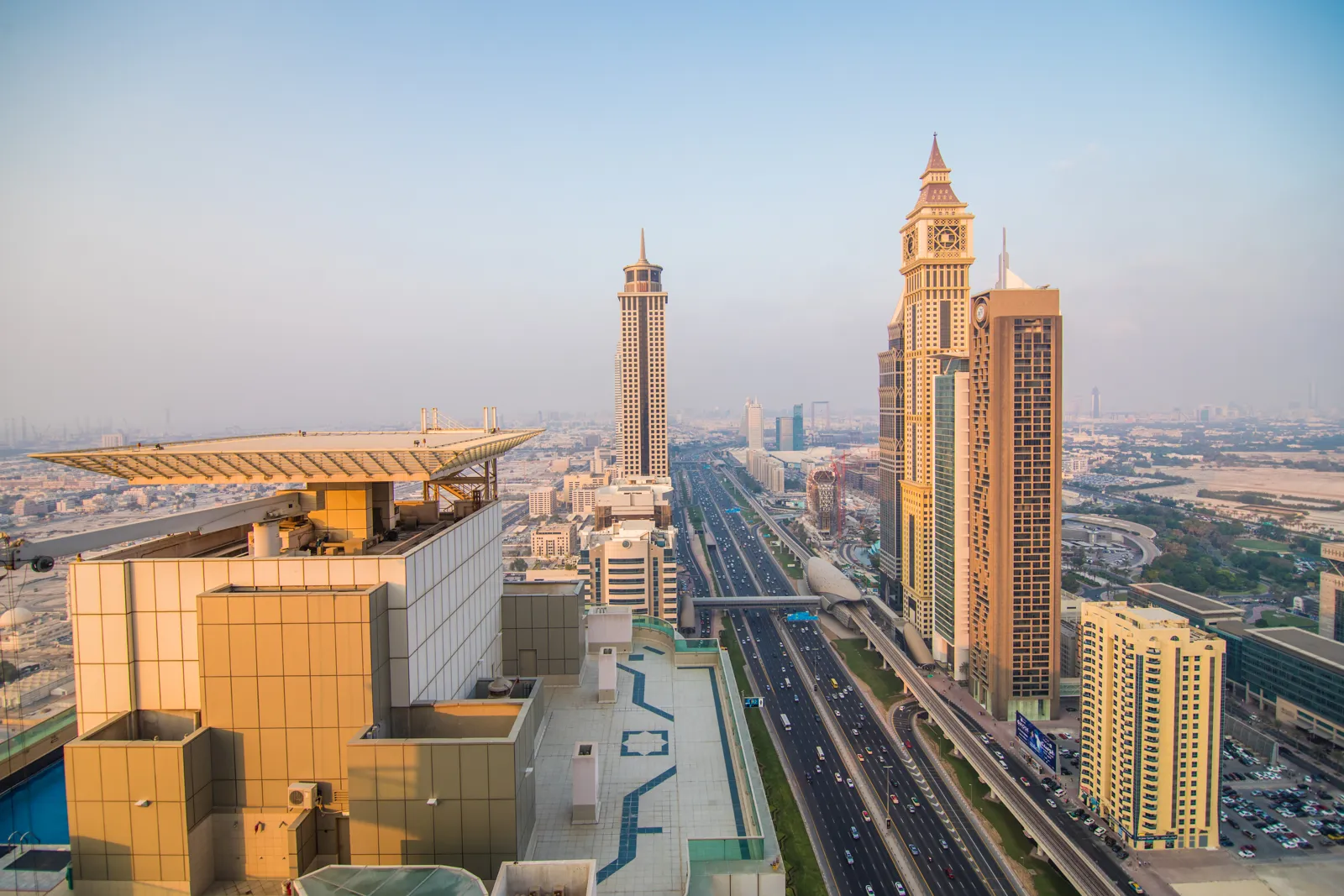
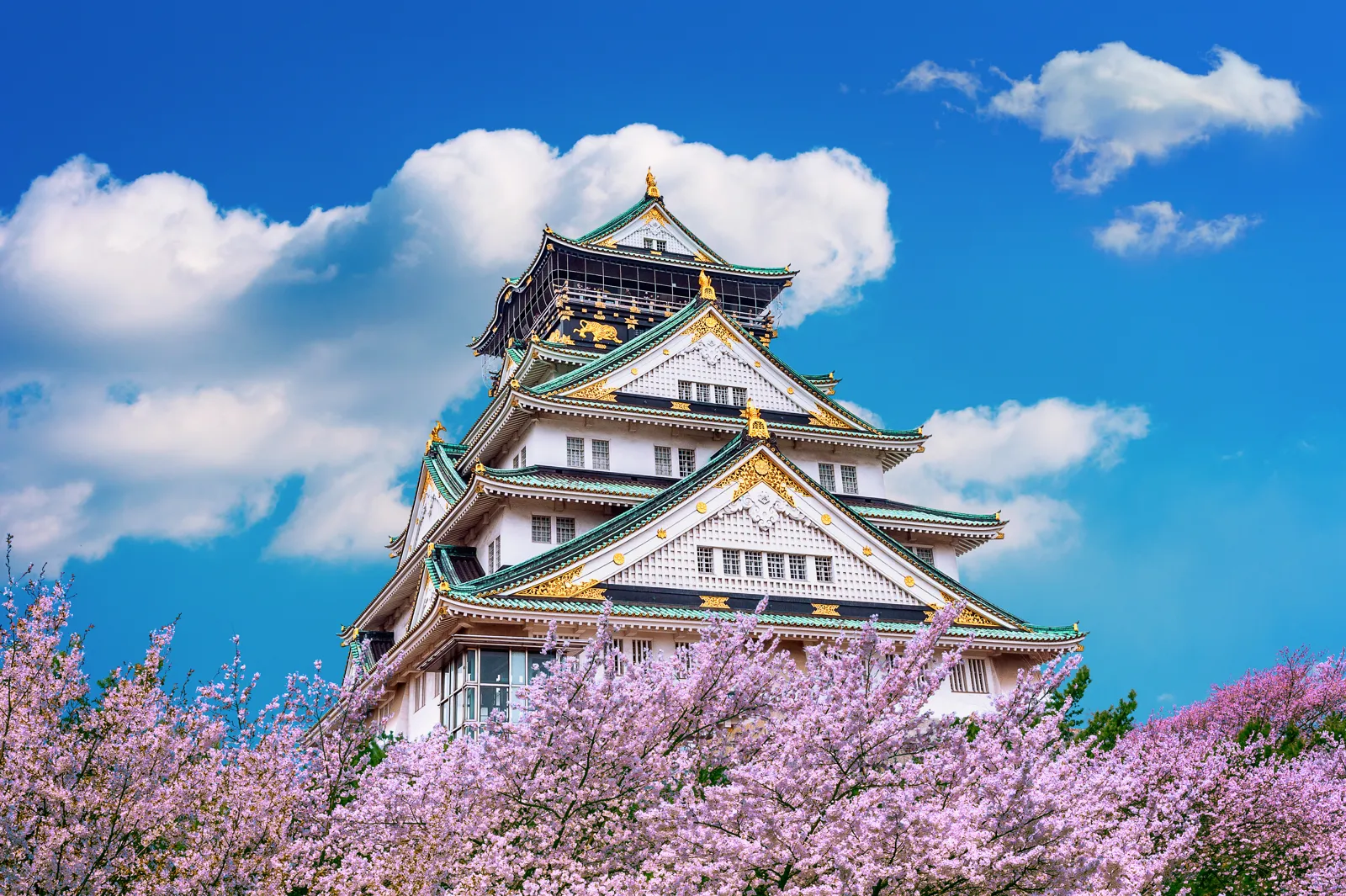
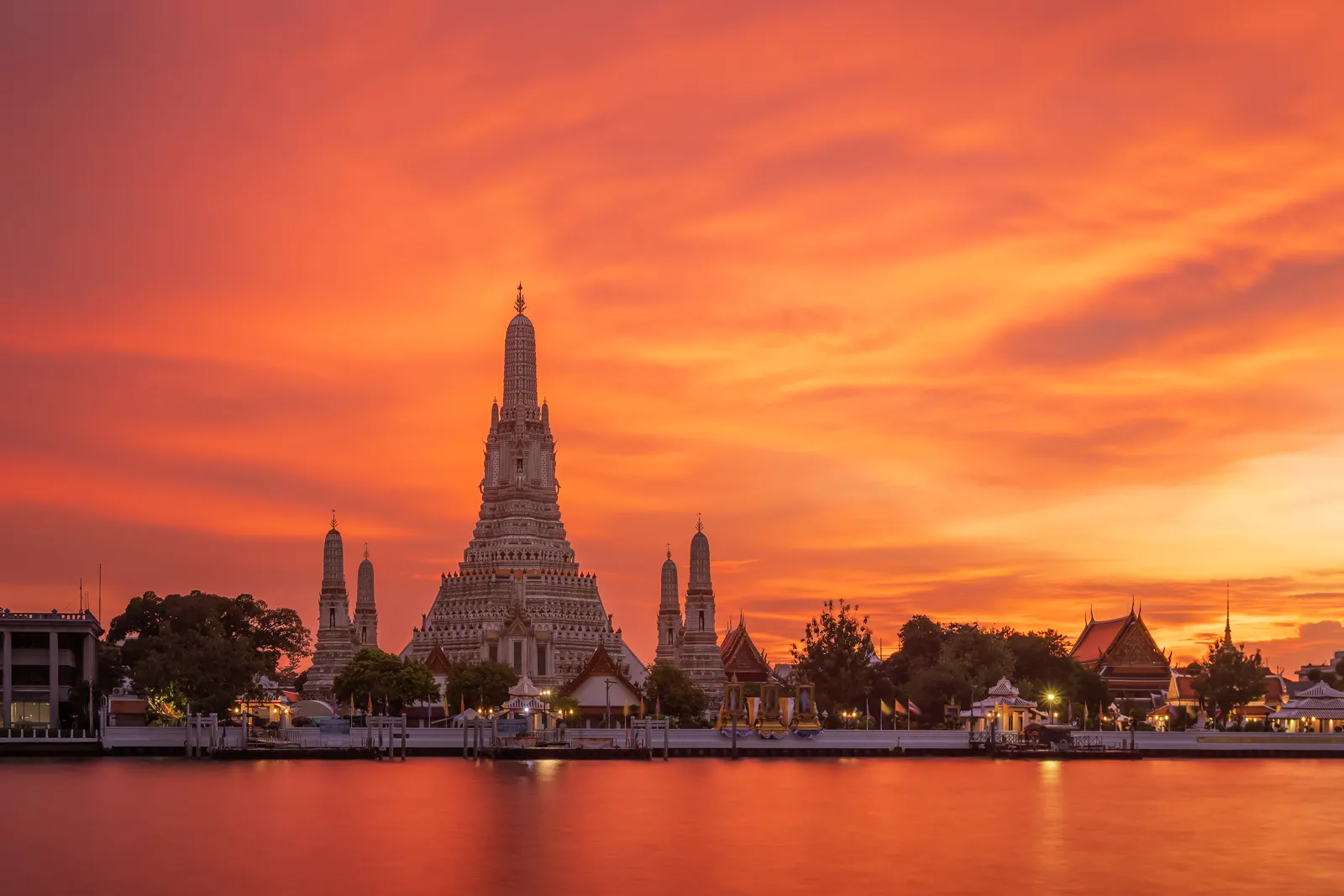
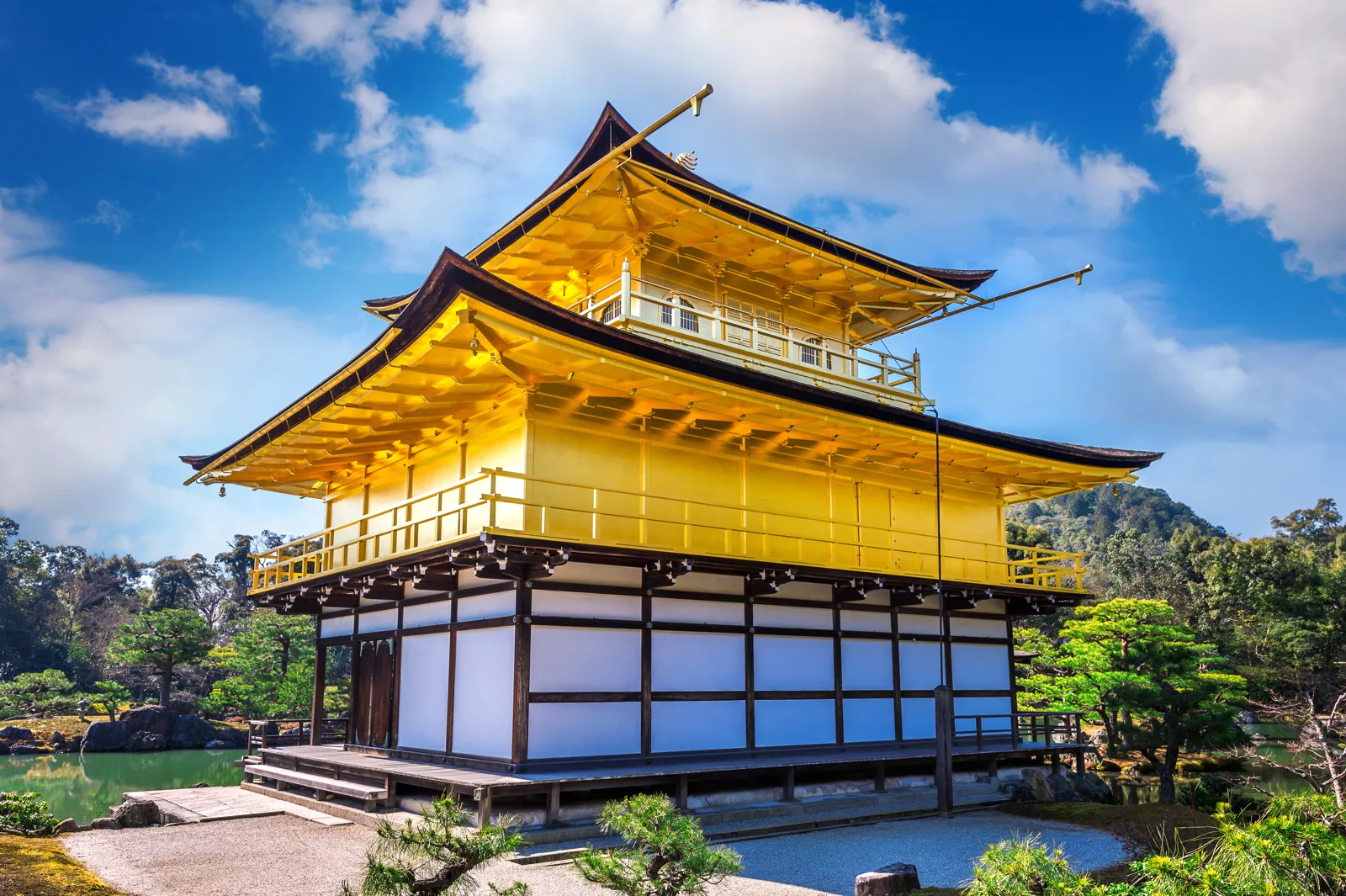
What should you do in Tokyo, and what can you see in a few days? This Tokyo travel guide starts from a simple point: the city is huge, but it is easy to get around, with a very dense rail and subway network linking neighbourhoods that feel completely different. You move from the temples of Asakusa to the crossings of Shibuya, from the Imperial Palace gardens to the towers of Shinjuku. This guide helps you choose your neighbourhoods, sights and day trips for a stay of 3 to 6 days. Among the longer trips from the capital, our Hiroshima travel guide covers the memorial, Miyajima and how much time to allow.
In the west of the city, our guide to visiting Shibuya covers the crossing, Shibuya Sky tickets and the best time slot at sunset.
Flights London → Tokyo
“From” fare provided by Kiwi.com (affiliate link), seen in recent searches; it varies with dates.
Our travel deals for Tokyo
Affiliate links: we earn a commission, at no extra cost to you.
Learn the languageTargumiLearn a few words of Japanese before you go — 30% off via our link.
AirportsHaneda, close to the centre, and Narita, further out, both linked by trainCheck current routes with the airlines
Ideal length4 to 5 days, plus one or two day trips (Nikko, Kamakura, Hakone)
Best timelate March to May and October-November · when to go
Time zoneUTC+9, no daylight saving · details8 or 9 hours ahead of London, 13 or 14 hours ahead of New York, depending on the seasonLocal time now: –:–
EntryUS citizens: visa-free up to 90 days; British citizens: visa on arrival up to 90 days · US · UK
CurrencyJapanese yen (JPY)Cards are accepted in most hotels and chains, but carry some cash
Electricity100 V, type A/B plugs (two flat pins) · plugsUS plugs fit; UK travellers need an adapter
Budgetroughly ¥14,000–23,000 per person per day on a budget, ¥31,000–56,000 in comfort · details
Things to do in Tokyo: the top sights
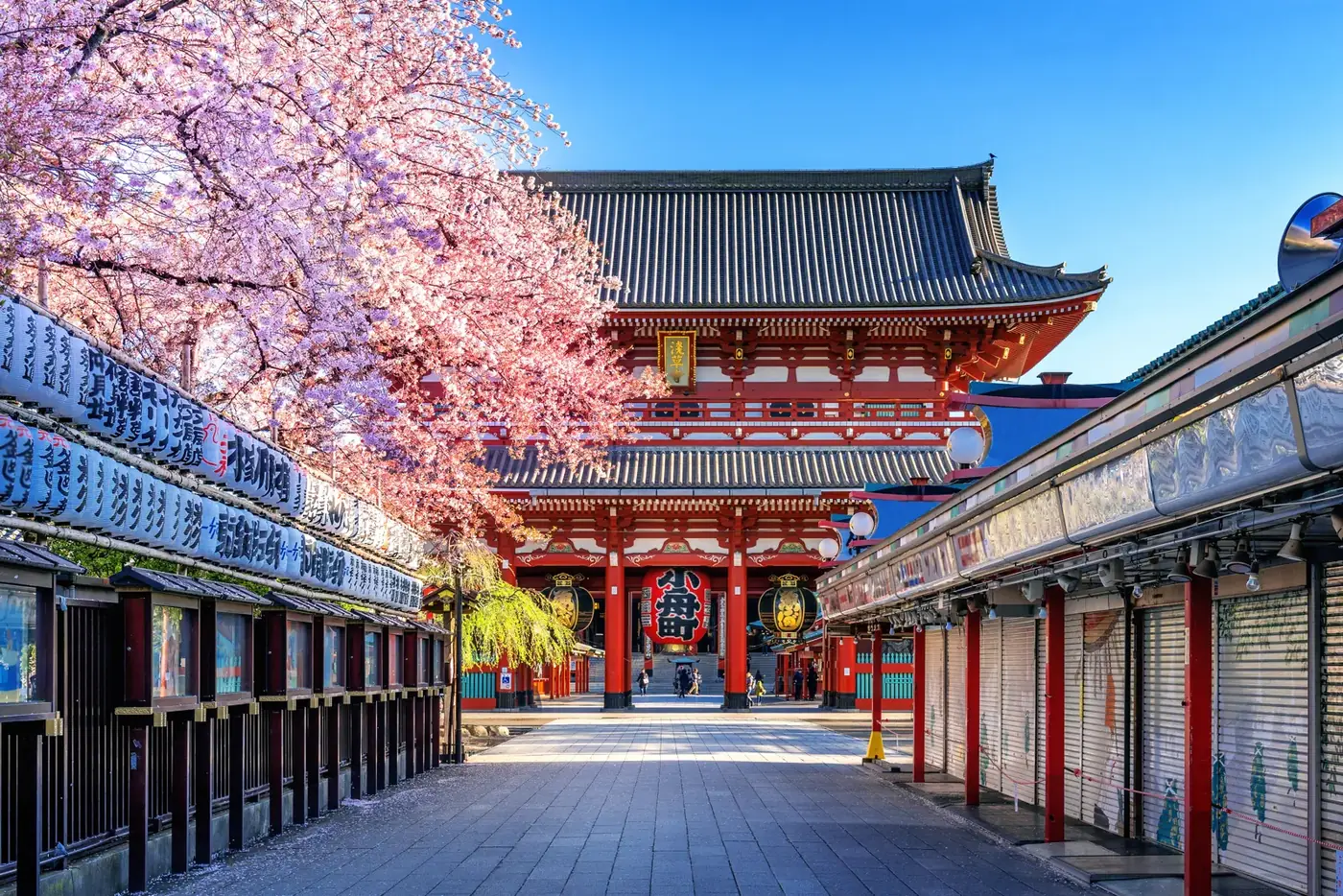
Senso-ji temple in Asakusa and cherry blossoms in Tokyo
Asakusa and Senso-ji temple
Tokyo’s oldest temple, Senso-ji, stands at the end of Nakamise-dori, a street of shops that starts at the Kaminarimon gate and its large red lantern. The Asakusa district keeps a more traditional atmosphere than the rest of the city, with its narrow streets and long-established restaurants. Come early in the morning or in the evening, when the buildings are lit up and the crowds are thinner. Across the Sumida River, the Tokyo Skytree offers a view over the whole Kanto plain.
The Shibuya crossing, where thousands of pedestrians cross at every green light, is one of the best-known images of Tokyo. Around it, department stores and new towers have rooftop observation decks. On foot, you reach Harajuku and Takeshita Street, popular with young Tokyoites, then Omotesando avenue, lined with shops in contemporary architecture.
Meiji Shrine and Yoyogi Park
Right next to Harajuku, Meiji Shrine (Meiji Jingu) is surrounded by a forest planted in the early 20th century. You enter through large wooden torii gates, and you may come across Shinto wedding ceremonies. Neighbouring Yoyogi Park is a place for walks and picnics, very lively at weekends.
Shinjuku
Shinjuku has the world’s busiest railway station, office towers and streets full of bars and restaurants. The free observatory at the Tokyo Metropolitan Government Building offers a wide view, as far as Mount Fuji on clear days. Shinjuku Gyoen National Garden is one of the city’s finest green spaces. In the evening, the alleys of Omoide Yokocho and Golden Gai are home to tiny bars and counters. Kabukicho is the nightlife district: see our safety advice below.
The Imperial Palace, Marunouchi and Ginza
The Imperial Palace stands on the site of the former Edo Castle. The East Gardens are open to the public, except on closing days. All around, you can walk along the moats; those at Chidorigafuchi are famous for their cherry trees. To the east, the Marunouchi business district surrounds Tokyo Station and its brick building, and Ginza is lined with department stores and luxury boutiques.
Ueno and its museums
Ueno Park brings together several major museums, including the Tokyo National Museum, devoted to the art and archaeology of Japan and Asia, as well as a zoo and temples. It is one of the busiest spots during cherry blossom season. Close by, Ameyoko market, under the railway tracks, is lively and down-to-earth.
Akihabara, Odaiba and Toyosu
Akihabara is the district of electronics, manga and video games. On the bay, Odaiba is an artificial island of shopping malls and waterfront walks, popular with families. The fish market moved from Tsukiji to Toyosu in 2018; Tsukiji Outer Market is still a lively place to taste seafood.
Tokyo Tower, Ghibli Museum and teamLab
Tokyo Tower, 333 m (1,093 ft) tall, stands near Roppongi and Zojo-ji temple; its Main Deck is at 150 m (492 ft), and a guided tour takes you up to the Top Deck at 250 m (820 ft). In Mitaka, west of the city, the Ghibli Museum can only be visited with a reservation: no tickets are sold on site, and each month’s tickets go on sale on the 10th of the previous month. In Toyosu, on the bay, teamLab Planets offers immersive digital installations: book tickets online, especially for weekends.
Day trips from Tokyo
Several places can be visited in a day. Nikko, to the north, has richly decorated shrines and temples in a mountain setting. Kamakura, to the south, is known for its great bronze Buddha and its Zen temples, and combines well with the coast. Hakone, in a national park, has hot springs, a lake and, on clear days, views of Mount Fuji; it is worth a night in a ryokan. The Fuji Five Lakes area (Kawaguchiko) offers the most direct views of the volcano.
Tokyo neighbourhoods
Shinjuku: excellent transport links, lots of hotels in every category, lively until late
Shibuya: central and lively, handy for Harajuku and the west of the city
Ginza and Tokyo Station: upscale hotels, direct access to the Shinkansen
Asakusa: traditional atmosphere, more affordable accommodation, quieter in the evening
Ueno: convenient for Narita, moderate prices
Roppongi: museums and nightlife; take care in the evening (see below)
Itinerary: 3 to 6 days in Tokyo
Day 1: Asakusa and Senso-ji in the morning, a cruise or walk along the Sumida, Tokyo Skytree; in the evening, Ueno and Ameyoko
Day 2: Meiji Shrine, Harajuku, Omotesando, then Shibuya and its crossing at sunset
Day 3: Imperial Palace East Gardens, Tokyo Station and Marunouchi, Ginza; in the evening, Shinjuku and its observatory
Day 4: Tsukiji Outer Market in the morning, then Akihabara or Odaiba depending on your interests
Day 5: day trip to Nikko or Kamakura
Day 6: Hakone or the Fuji Five Lakes, ideally with a night there
A weekend in Tokyo: a 2-day plan
With only two days, focus on neighbourhoods close to each other, linked by the Yamanote Line or the subway:
Saturday: Asakusa and Senso-ji early in the morning, Ueno and Ameyoko, then Akihabara; in the evening, Shinjuku, the Metropolitan Government observatory and the alleys of Omoide Yokocho
Sunday: Meiji Shrine early in the morning, Harajuku and Omotesando, then the Shibuya crossing and a rooftop deck at sunset
At weekends, Yoyogi Park, Harajuku and the department stores are very busy: visit the best-known sights early in the morning. To continue to Kyoto or Osaka, the Shinkansen leaves from Tokyo and Shinagawa stations.
Airport transfer in Tokyo (Haneda, Narita): train, bus, taxi and private transfer
From Haneda, the Tokyo Monorail reaches Hamamatsucho in 13 minutes for ¥260 (¥259 with an IC card); from Narita, the Keisei Skyliner reaches central Tokyo in about 40 minutes according to Keisei, and taxis offer official flat fares to Tokyo’s 23 wards.
From Haneda
Haneda is served by the Tokyo Monorail (to Hamamatsucho, with JR connections) and the Keikyu Line (to Shinagawa). Adult monorail fare published by Tokyo Monorail: ¥260 for a ticket, ¥259 with an IC card, the same from Terminals 1, 2 and 3. For Keikyu, use the airport’s route planner. Limousine buses also link Haneda with many hotels and stations. By taxi, the airport lists flat fares between Haneda, Tokyo and Kanagawa Prefecture, approved by Japan’s Ministry of Land, Infrastructure, Transport and Tourism, with tolls extra; the amounts are published by the Tokyo taxi association.
From Narita
Three rail lines serve Narita: the Keisei Skyliner (to Nippori and Keisei Ueno), the Access Express (Keisei) and JR East’s Narita Express (to Tokyo, Shinagawa, Shibuya, Shinjuku, Yokohama). The stations are a 5-minute walk from Terminal 1 and Terminals 2 and 3 (10 minutes from Terminal 3), according to the airport. For taxis, Narita Airport publishes flat fares to the 23 wards, tolls extra: from ¥23,500 (zone A: Edogawa, Katsushika, Adachi) to ¥31,500 (zone D: Shinjuku, Shibuya, Minato, etc.) and ¥35,500 (zone F), via the Keiyo Road; a surcharge applies from 10 pm to 5 am.
Option
Where to catch it
Official fare
Source
Tokyo Monorail (Haneda)
Terminal 1, 2 and 3 stations
¥260 (¥259 with an IC card)
Tokyo Monorail
Keikyu (Haneda)
Terminal stations
Airport route planner
Haneda Airport
Keisei Skyliner (Narita)
Stations below the terminals
On the Keisei website
Keisei, Narita Airport
Flat-fare taxi (Narita)
Taxi ranks
¥23,500 to ¥35,500 depending on the zone, tolls extra
Narita Airport
Flat-fare taxi (Haneda)
Taxi ranks, level 1
Official flat fare, tolls extra
Haneda Airport
Private transfer
Provider’s meeting point
Price fixed at booking
–
Booking a private transfer in Tokyo
A private transfer (a driver waiting for you on arrival, price agreed at booking) makes most sense if you arrive late at night, travel as a family or group, have a lot of luggage, or are staying somewhere poorly served by public transport. From Narita, compare its price with the official taxi flat fare. Before booking, check what the price includes (luggage, child seats, tolls, night surcharges), the free waiting time if your flight is late, flight tracking, the exact meeting point in the terminal and the cancellation terms.
Sources: Tokyo Monorail, « Fares » page; Keisei Electric Railway, Skyliner page; Narita Airport, « Rail » and « Taxi » pages; Haneda Airport, « Access » and « Taxi » pages (checked on 24 October 2026).
Where to stay in Tokyo
The most important thing is to be near a station on the Yamanote Line, the rail loop serving Shinjuku, Shibuya, Ueno, Akihabara and Tokyo Station. Shinjuku and Shibuya work well for a first visit; Asakusa and Ueno are more affordable; Ginza and Marunouchi suit upscale hotels and travellers who often take the Shinkansen.
Rooms are often small, even in good hotels: check the floor area listed. Options range from hostels and capsule hotels to functional business hotels, ryokan and large hotels. A local accommodation tax may be added to the room rate.
Getting around Tokyo
Trains and subway: JR lines (including the Yamanote) and two subway networks (Tokyo Metro and Toei) cover the whole city. Signs and announcements are also in English.
Transport cards: a rechargeable IC card (Suica or Pasmo) works on trains, subways, buses and in many shops. Subway passes for 24 to 72 hours are available for visitors.
From the airport: Haneda is linked to the centre by the monorail and Keikyu trains; Narita by the Narita Express and the Keisei Skyliner, as well as by buses.
Shinkansen: bullet trains link Tokyo with Kyoto, Osaka and Kanazawa. The Japan Rail Pass only pays off for some itineraries: compare with individual tickets.
On foot: distances are large, but neighbourhoods are best explored on foot once you are there.
Taxi: clean and safe, but expensive; useful at night, when trains stop around midnight.
When to go to Tokyo
✓ Ideal~ Good, with caveats✕ AvoidAverage max. temperature · click a month to see where to go
✅ Best months: January, February, March, April, may, October, November, December
❌ Period to avoid: August
The best periods are late March to May and October to early December: 14 to 24 °C (57 to 75 °F) in the afternoon according to JMA normals, with cherry blossoms in early April and autumn leaves in November. Winter is cold but dry and bright; June is rainy, July and August hot and humid. Month-by-month climate and events: see our article on the best time to visit Tokyo.
Budget for a trip to Tokyo
Meals and transport in Tokyo are often more affordable than visitors expect, but accommodation weighs heavily at peak times. Indicative amounts per person per day, excluding flights:
Item
Budget
Comfort
Accommodation (based on a shared double room)
roughly ¥6,000–10,500
roughly ¥16,000–31,500
Meals
roughly ¥3,500–6,000
roughly ¥9,000–16,000
Local transport
roughly ¥900–1,800
roughly ¥1,800–3,500
Sights and activities
roughly ¥1,800–4,500
roughly ¥5,000–9,000
Total per day
roughly ¥14,000–23,000
roughly ¥31,000–56,000
Indicative estimates (converted at an indicative rate, October 2026), varying with the season. Accommodation prices peak during cherry blossom season, Golden Week, Obon and New Year.
To cut costs: have a set lunch menu, try the rice-bowl and noodle chains and the ready-meal counters of convenience stores (konbini) and department stores, and make the most of free or cheap observatories and gardens.
Entry requirements, health and safety
Entry requirements: US citizens can stay visa-free for tourism or business for up to 90 days, with a passport valid for the entire stay, and should have proof of a return or onward ticket (travel.state.gov). British citizens get a visa on arrival for tourism or business for up to 90 days, with no need to apply before travel; the passport must be valid for the length of the stay, with one blank page (GOV.UK). All visitors are fingerprinted and photographed on arrival. Bringing in meat products (sausages, bacon, ham) without permission from the Animal Quarantine Service is illegal (GOV.UK).
Health: check vaccine recommendations at least 8 weeks before your trip (GOV.UK). Carry prescription medication in its original packaging with your doctor’s prescription (U.S. Department of State); the UK FCDO warns that some common medicines, including cold medication containing pseudoephedrine, are illegal in Japan (GOV.UK).
Crime: according to the U.S. Department of State, crime against US citizens in Japan is low, but pickpocketing can occur in crowded shopping areas, on trains and at airports. Both the U.S. Department of State and the UK FCDO report spiked drinks followed by robbery or credit card fraud in nightlife districts such as Kabukicho, Roppongi, Shibuya and Ikebukuro: do not follow street touts into bars and never leave your drink unattended.
Earthquakes and typhoons: Japan is a very active seismic zone, and typhoons can occur from June to December, peaking from July to September (UK FCDO, GOV.UK, updated 28 August 2026). Check your hotel’s evacuation instructions and follow the authorities’ directions.
Help on the spot: dial 110 for the police and 119 for an ambulance or fire (GOV.UK). During natural disasters, the Japan National Tourism Organization’s Japan Visitor Hotline offers English-language assistance 24 hours a day: +81 50 3816 2787 (GOV.UK).
Practical tips for Tokyo
Money: cards are accepted in most hotels, shops and chains, but Japan is still largely cash-based and some foreign cards are not accepted; 7-Eleven and Japan Post ATMs accept some foreign cards (GOV.UK).
Internet: a data SIM or eSIM, or a pocket Wi-Fi router, makes it easier to use maps and train timetables.
Etiquette: people do not talk loudly on the phone on trains, they queue on platforms, and eating while walking is frowned upon in most shopping streets.
Tipping: it is not customary in Japan.
Bins: they are rare in the street; carry a small bag for your rubbish.
Luggage: hotel-to-hotel luggage forwarding services let you travel light on trains.
Language: Before you leave, you can pick up some basic Japanese with Targumi’s online lessons, with 30% off via our link.
Tokyo: who is it for?
Our verdict by traveller profile, based on the information in this guide:
First trip to Asia: yes: very dense transport, signs and announcements also in English, assaults are rare.
Couples: yes: Asakusa in the evening, Shinjuku Gyoen gardens, a night in a ryokan in Hakone.
Families: yes: Odaiba, Ueno’s zoo and museums, the Ghibli Museum with a reservation, teamLab Planets.
Tight budget: fair: roughly ¥14,000–23,000 per day, staying in Asakusa or Ueno and eating at noodle chains and konbini.
Culture: yes: Senso-ji, Meiji Shrine, Tokyo National Museum, day trips to Nikko and Kamakura.
Nature and beaches: secondary in the city; Hakone and the Fuji Five Lakes offer nature on a day trip.
Three days are enough to see the main districts (Asakusa, Shibuya, Harajuku, Shinjuku). Allow five to six days to add the museums, Akihabara or Odaiba and one or two day trips (Nikko, Kamakura, Hakone).
Which area should you stay in in Tokyo?
Shinjuku or Shibuya for a first visit, near a Yamanote Line station. Asakusa and Ueno are more affordable and quieter; Ginza and Tokyo Station suit you if you often take the Shinkansen.
Haneda or Narita: which airport should you choose?
Haneda is much closer to the centre, which saves time on arrival. Narita is further out but well connected by the Narita Express and the Keisei Skyliner. The choice mainly depends on the flights available.
Is the Japan Rail Pass worth it for Tokyo?
Not for Tokyo alone: an IC card (Suica or Pasmo) or a subway pass is enough. The Japan Rail Pass can pay off for a trip with several long Shinkansen journeys; compare with individual tickets.
What can you do in Tokyo in a weekend?
On Saturday, Asakusa, Ueno, Akihabara, then Shinjuku in the evening; on Sunday, Meiji Shrine, Harajuku, Omotesando and Shibuya. These districts are linked by the Yamanote Line or the subway.
Do you need to book the Ghibli Museum in advance?
Yes. The Ghibli Museum in Mitaka sells no tickets on site: entry is by reservation only, opening on the 10th of each month for the following month.
Is Tokyo a safe city?
Yes, overall: the U.S. Department of State describes crime against US citizens in Japan as low. Stay alert in crowded stations, and in the evening in nightlife districts such as Kabukicho, Roppongi, Shibuya and Ikebukuro, where the U.S. and UK governments report spiked drinks and robberies.
Our sources
Entry, health and safety information read on 24 October 2026: U.S. Department of State, Japan country information (travel.state.gov, last updated August 11, 2025), and UK FCDO, foreign travel advice for Japan (GOV.UK, updated 28 August 2026)
Tokyo climate normals: 1991-2020 normals for the Tokyo station (Kitanomaru Park, Chiyoda), Japan Meteorological Agency (JMA)
Official websites of Tokyo Tower, the Ghibli Museum (ticketing) and teamLab Planets, accessed October 2026


 Learn the languageTargumiLearn a few words of Japanese before you go — 30% off via our link.See the course





 When to go
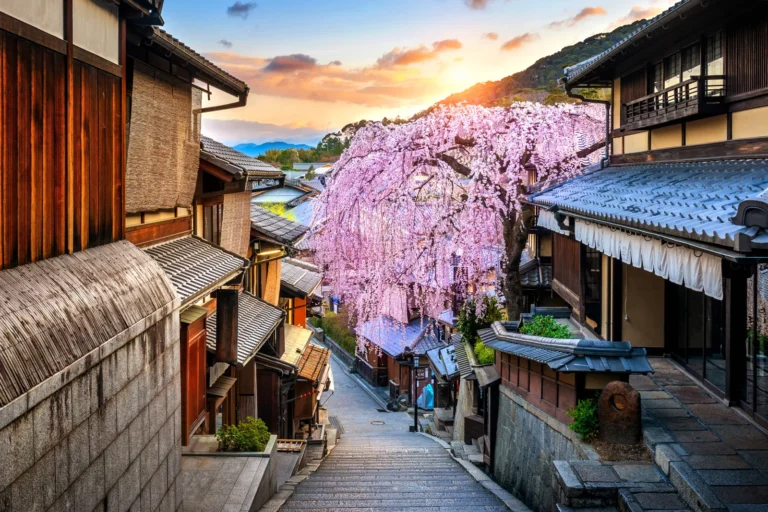 Hanami
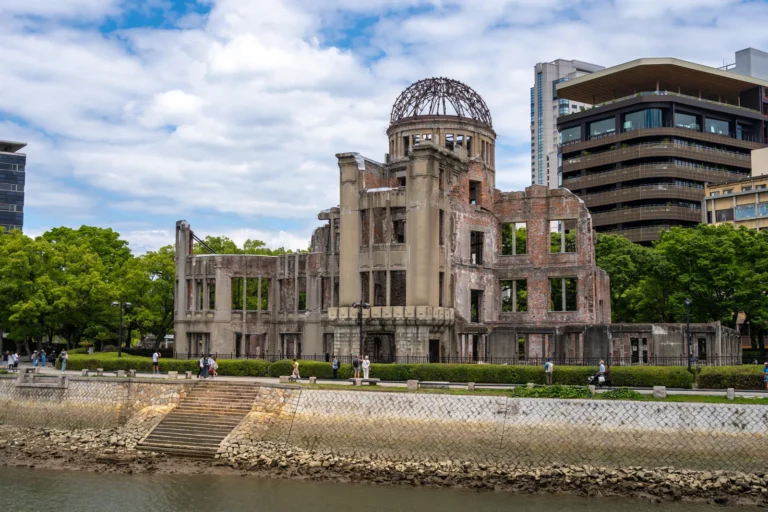 Hiroshima
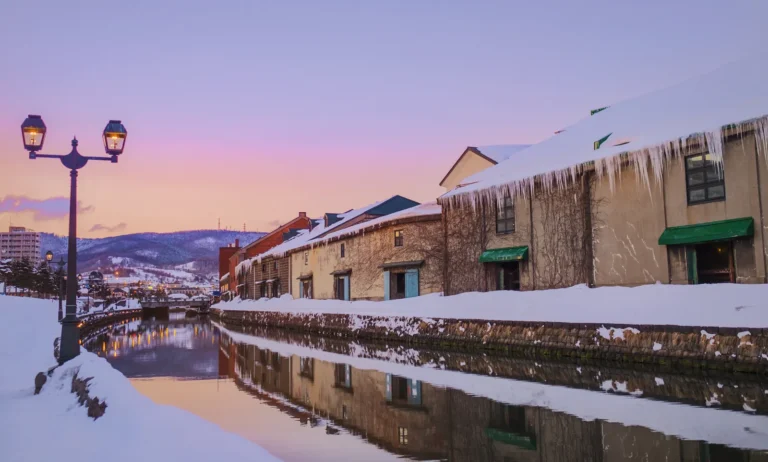 Hokkaido
 eSIM
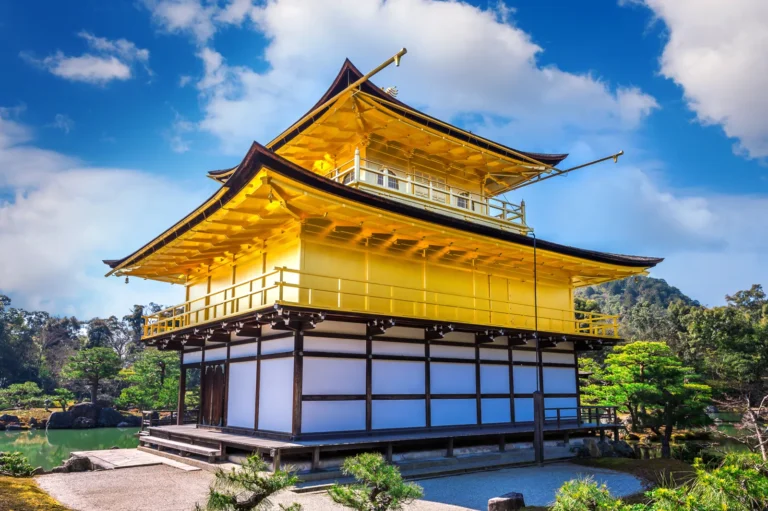 Kyoto
 Map
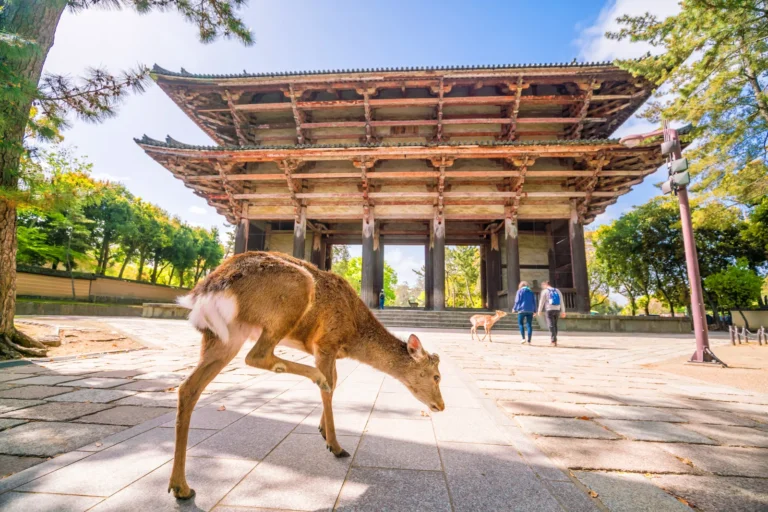 Nara
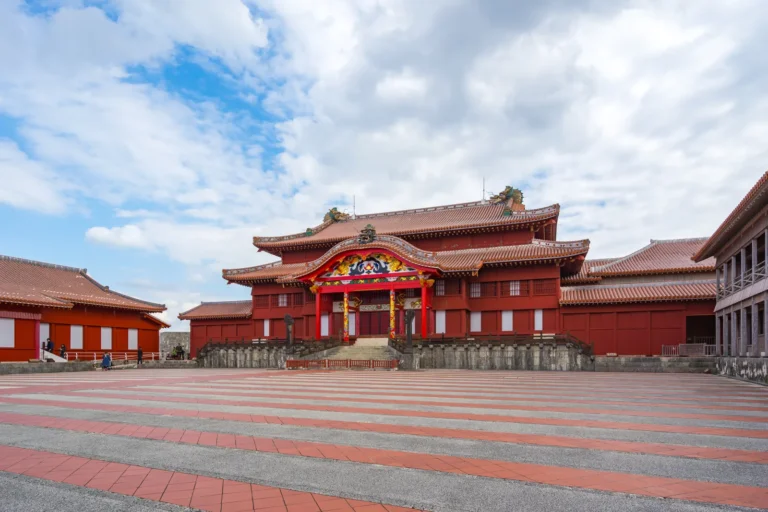 Okinawa
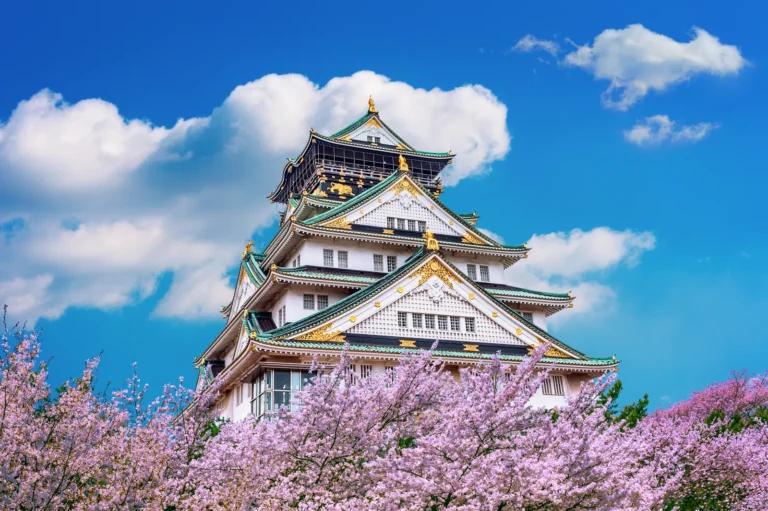 Osaka
 Fukuoka
 Kanazawa
 Mount Fuji
 Souvenirs