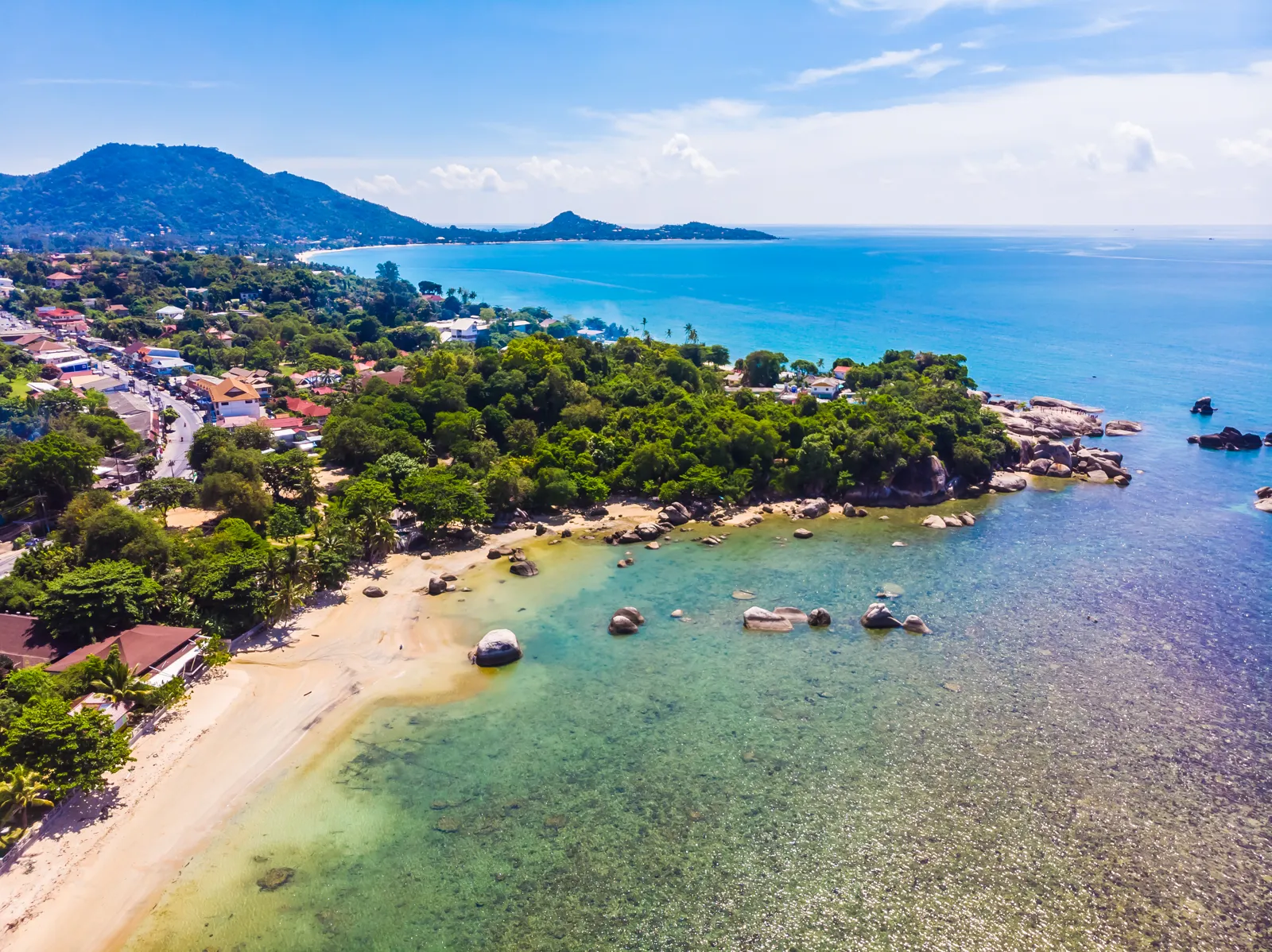
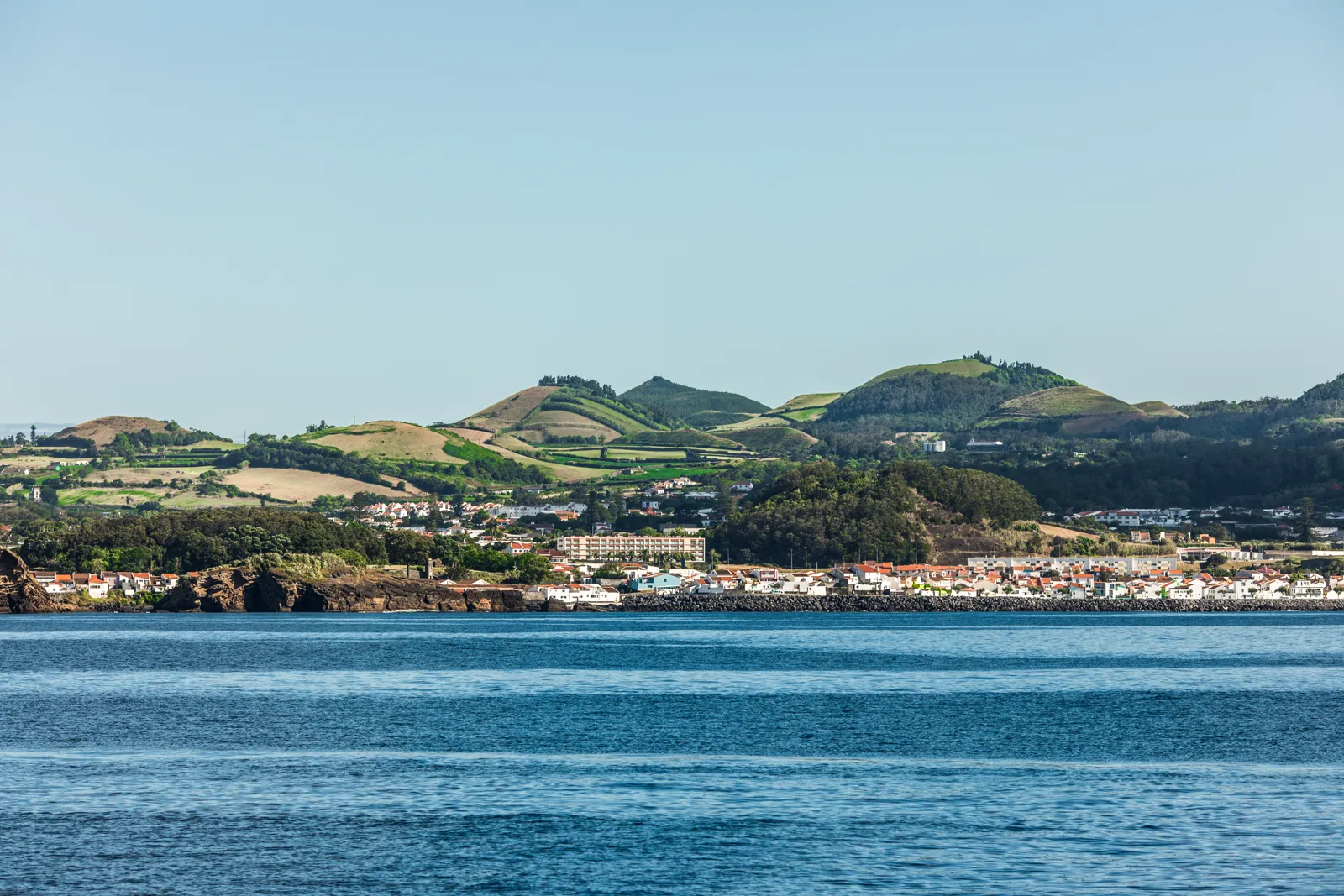
Hokkaido, the large island in Japan’s far north, is the region of snowy winters and mild summers. People come for the powder snow of Niseko and the Sapporo Snow Festival in February, the lavender fields of Furano in July, the Shiretoko and Daisetsuzan national parks, onsen hot springs and Ainu culture. Distances are much greater than on Honshū, so the first decision in any Hokkaido travel guide is your season and your region.
This guide presents the island’s highlights and how to get there from Tokyo, and compares Sapporo, Hakodate and Asahikawa month by month using Japan Meteorological Agency (JMA) normals, with a calculation of our own: the number of snow days to expect over a one-week stay.
Hokkaido at a glance
LocationJapan’s northernmost main island; capital Sapporo
LanguageJapanese; Ainu culture is presented at the Upopoy National Ainu Museum
Airportsinternational flights land mainly in Tokyo (Narita, Haneda) or Osaka (Kansai); then a domestic flight to New Chitose Airport (Sapporo) or the Hokkaido Shinkansen to Shin-Hakodate-Hokuto
Entryvisa-free for up to 90 days for US and UK citizens, passport valid for the whole stay (travel.state.gov, GOV.UK)
Electricity100 V, type A/B plugs (two flat pins); US plugs fit, UK travelers need an adapter
Climateaverage high of −0.4 °C (31 °F) in January in Sapporo, 26.4 °C (80 °F) in August (JMA)
Good to knowbear sightings and attacks have increased in mountainous and forested areas (GOV.UK)
Things to do in Hokkaido: the highlights
Sapporo
The regional capital is a modern city laid out on a grid. Ōdōri Park hosts the Snow Festival and its giant sculptures in early February; the Susukino district is packed with miso ramen restaurants and bars. The Sapporo Beer Museum and Nijō Market round off a two-day stay. Jōzankei Onsen, a hot spring resort in the mountains, can be reached by bus.
Otaru
West of Sapporo, Otaru is a former trading port known for its canal lined with stone warehouses, its glass workshops and its music boxes. It is the easiest side trip from Sapporo, by train.
Niseko and skiing
Niseko, at the foot of Mount Yōtei, is the island’s best-known ski resort for its powder snow. Rusutsu and Furano are other well-regarded ski areas. Off-piste skiing kills people in Hokkaido every year: do not leave the marked runs without preparation, avalanche equipment and a check of conditions.
Furano and Biei
In the center of the island, Furano and Biei are famous for their farmed hills and, in July, their lavender fields. In winter, Furano becomes a ski resort. Nearby Asahikawa makes a good base, with its Asahiyama Zoo and access to Daisetsuzan National Park.
Hakodate
In the south, Hakodate was one of the first ports opened to foreign trade in the 19th century. Sights include the star-shaped Goryōkaku fort, the Motomachi district and its churches, the morning market, and the night view from Mount Hakodate. It is the gateway by shinkansen from Honshū.
Shiretoko, Akan and the wild east
The Shiretoko Peninsula, a World Heritage Site, is the wildest region in Japan: cliffs, forests, brown bears. Akan-Mashū National Park combines volcanic lakes and hot springs, and the Kushiro Marsh is home to red-crowned cranes, best seen in winter. On the Sea of Okhotsk, drift ice usually arrives in February. These areas require a car and time.
Noboribetsu, Tōya, Shikotsu and Upopoy
Southwest of Sapporo, Noboribetsu’s Hell Valley with its fumaroles and onsen, the volcanic lakes of Tōya and Shikotsu, and the Upopoy National Ainu Museum in Shiraoi, devoted to Ainu culture, can be combined over two or three days.
When to go to Hokkaido
Two seasons stand out: winter, from December to February, for snow and skiing, and summer, from June to September, for nature and hiking. In Sapporo, the JMA records an average high of −0.4 °C (31 °F) in January and 29 snow days; in August, 26.4 °C (80 °F), a much cooler summer than in Tokyo (31.3 °C (88 °F)). Autumn (late September–October) brings fall colors, first in the Daisetsuzan mountains. April and November are less appealing shoulder seasons: snowmelt or gray skies.
Month
Avg. max
Avg. min
Rain
Rainy days
Sunset
Snow days
Verdict
January
−0.4 °C (31 °F)
−6.4 °C (20 °F)
108 mm (4.3 in)
22.1
4:24 pm
29.1
✅ Snow, skiing (very cold)
February
0.4 °C (33 °F)
−6.2 °C (21 °F)
92 mm (3.6 in)
19.2
5:05 pm
25.2
✅ Snow Festival, skiing
March
4.5 °C (40 °F)
−2.4 °C (28 °F)
78 mm (3.1 in)
18.3
5:40 pm
22.5
⚠️ End of ski season, thaw
April
11.7 °C (53 °F)
3.4 °C (38 °F)
55 mm (2.2 in)
12.3
6:16 pm
6.7
⚠️ Slush, landscape still brown
May
17.9 °C (64 °F)
9.0 °C (48 °F)
56 mm (2.2 in)
10.2
6:50 pm
0.1
✅ Spring, late cherry blossoms
June
21.8 °C (71 °F)
13.4 °C (56 °F)
60 mm (2.4 in)
9.3
7:15 pm
0.0
✅ Cool, little rain
July
25.4 °C (78 °F)
17.9 °C (64 °F)
91 mm (3.6 in)
9.4
7:12 pm
0.0
✅ Lavender, mild summer
August
26.4 °C (80 °F)
19.1 °C (66 °F)
127 mm (5.0 in)
10.5
6:37 pm
0.0
✅ Summer, busier
September
22.8 °C (73 °F)
14.8 °C (59 °F)
142 mm (5.6 in)
11.7
5:45 pm
0.0
✅ Fall colors begin
October
16.4 °C (62 °F)
8.0 °C (46 °F)
110 mm (4.3 in)
14.0
4:52 pm
0.9
✅ Autumn foliage
November
8.7 °C (48 °F)
1.6 °C (35 °F)
114 mm (4.5 in)
18.3
4:11 pm
13.5
⚠️ Gray, between seasons
December
2.0 °C (36 °F)
−4.0 °C (25 °F)
114 mm (4.5 in)
19.9
4:00 pm
26.8
✅ Snow returns
Temperatures, precipitation and days with precipitation (at least 0.5 mm / 0.02 in): 1991–2020 normals for Sapporo station, Japan Meteorological Agency (JMA). Snow days: same source. Sunset on the 15th of the month: Destination de Voyage calculation (NOAA solar algorithm, Japan time). Verdicts: our assessment.
Snow days over a one-week stay
For a winter trip, the question is not just the cold, but the likelihood of seeing snow fall during your stay.
Month
Snow days per month in Sapporo
Over a 7-day stay
November
13.5
3.1
December
26.8
6.1
January
29.1
6.6
February
25.2
6.3
March
22.5
5.1
April
6.7
1.6
Destination de Voyage calculation: expected snow days over 7 days = snow days in the month × 7 / number of days in the month, based on 1991–2020 JMA normals (Sapporo). A statistical average, not a forecast.
In January, it snows almost every day in Sapporo according to these normals; in March, still about 5 days out of 7; in November, snow returns but remains irregular.
Sapporo, Hakodate or Asahikawa: climate compared
Month
Sapporo max/min
Hakodate max/min
Asahikawa max/min
January
−0.4 / −6.4 °C (31 / 20 °F)
0.9 / −6.0 °C (34 / 21 °F)
−3.3 / −11.7 °C (26 / 11 °F)
February
0.4 / −6.2 °C (33 / 21 °F)
1.8 / −5.7 °C (35 / 22 °F)
−1.7 / −11.8 °C (29 / 11 °F)
March
4.5 / −2.4 °C (40 / 28 °F)
5.8 / −2.2 °C (42 / 28 °F)
3.0 / −6.1 °C (37 / 21 °F)
April
11.7 / 3.4 °C (53 / 38 °F)
12.0 / 2.8 °C (54 / 37 °F)
11.2 / 0.2 °C (52 / 32 °F)
May
17.9 / 9.0 °C (64 / 48 °F)
17.0 / 8.0 °C (63 / 46 °F)
18.8 / 6.1 °C (66 / 43 °F)
June
21.8 / 13.4 °C (71 / 56 °F)
20.4 / 12.6 °C (69 / 55 °F)
22.8 / 12.0 °C (73 / 54 °F)
July
25.4 / 17.9 °C (78 / 64 °F)
24.1 / 17.3 °C (75 / 63 °F)
26.2 / 16.4 °C (79 / 62 °F)
August
26.4 / 19.1 °C (80 / 66 °F)
25.9 / 18.9 °C (79 / 66 °F)
26.6 / 16.9 °C (80 / 62 °F)
September
22.8 / 14.8 °C (73 / 59 °F)
23.2 / 14.6 °C (74 / 58 °F)
21.9 / 11.7 °C (71 / 53 °F)
October
16.4 / 8.0 °C (62 / 46 °F)
17.1 / 7.8 °C (63 / 46 °F)
14.9 / 4.4 °C (59 / 40 °F)
November
8.7 / 1.6 °C (48 / 35 °F)
10.0 / 1.8 °C (50 / 35 °F)
6.2 / −1.5 °C (43 / 29 °F)
December
2.0 / −4.0 °C (36 / 25 °F)
3.2 / −3.6 °C (38 / 26 °F)
−0.8 / −8.0 °C (31 / 18 °F)
1991–2020 normals from the Japan Meteorological Agency (JMA), in °C with °F in brackets.
Hakodate, in the south and by the sea, has the mildest winters. Asahikawa, inland, is the coldest: an average low of −11.8 °C (11 °F) in February. Pack serious cold-weather clothing if you visit the center of the island in winter. For the rest of the country, see the best time to visit Japan.
Itinerary ideas for Hokkaido
Winter, 5 days: Sapporo (Snow Festival in February), Otaru, then 2 to 3 days of skiing in Niseko or Furano.
Summer, 7 days: Sapporo, Otaru, Furano and Biei, Asahikawa and Daisetsuzan, returning via Noboribetsu and Lake Tōya.
10 to 14 days by car: add the east (Akan-Mashū, Kushiro, Shiretoko), or the south with Hakodate.
From Tokyo by rail: shinkansen to Shin-Hakodate-Hokuto, visit Hakodate, then train to Sapporo.
Getting around Hokkaido
Train: JR lines link Sapporo with Otaru, Asahikawa, Hakodate and Noboribetsu; service is sparser in the east.
Car: essential for Shiretoko, Akan or Biei. Traffic drives on the left. UK licence holders need the 1949 International Driving Permit plus their UK licence, and must get the IDP in the UK before travel (UK FCDO, GOV.UK, updated 28 August 2026); US drivers need an IDP from AAA obtained before arriving, as permits issued online are not valid in Japan (U.S. Department of State). In winter, driving on snow requires experience.
Bus: shuttles to ski resorts and onsen in season.
Plane: domestic flights to Kushiro, Memanbetsu or Wakkanai save time.
Where to stay in Hokkaido
Area
Best for
Strengths
Sapporo (Ōdōri, Susukino, station)
First visit, no car
Transportation, restaurants, base for Otaru
Niseko
Skiing
Ski-in accommodation; in high demand in peak season
Furano / Biei
Summer, lavender, skiing
Guesthouses and hotels in the heart of the scenery
Hakodate
Arriving by shinkansen
Port, morning market, night view
Ryokan in Noboribetsu or Tōya
Onsen
Hot spring baths, traditional dinner
In February (Snow Festival) and July (lavender), book well in advance.
Entry requirements, health and safety
US citizens: according to the U.S. Department of State (travel.state.gov, Japan page updated August 11, 2025), US citizens can make visa-free tourist or business stays of up to 90 days. Your passport must be valid for the entire stay, and you should have proof of a return or onward ticket.
UK citizens: according to the FCDO (GOV.UK, updated 28 August 2026), British citizens get a visa on arrival for tourism or business for up to 90 days and do not need to apply before travel. Your passport must be valid for the length of your stay and have one blank page for the visa stamp.
On arrival: all visitors are fingerprinted and photographed (U.S. Department of State).
Food imports: it is illegal to bring meat products (sausages, bacon, ham) into Japan without permission from the Animal Quarantine Service (GOV.UK).
Bears: according to the UK FCDO (GOV.UK, updated 28 August 2026), bear sightings and attacks have increased in parts of Japan, especially in mountainous and forested areas. Follow local alerts, avoid walking alone where bears have been sighted and take all rubbish, including food waste, with you.
Mountains and skiing: off-piste skiing is strongly discouraged without preparation.
Health: medical care is of a high quality but expensive (GOV.UK), so insurance covering medical costs and repatriation is essential; some common medicines, such as Vicks inhalers and cold medication containing pseudoephedrine, are illegal in Japan (GOV.UK).
Internet: an eSIM is useful for navigation when driving (our eSIM guide).
Frequently asked questions
What is the best season for Hokkaido?
Winter (December–February) for snow, skiing and the Sapporo Snow Festival; summer (June–September) for hiking and the Furano lavender in July.
Is Hokkaido very cold in winter?
Yes: an average high of −0.4 °C (31 °F) in January in Sapporo and an average low of −11.7 °C (11 °F) in Asahikawa, according to JMA normals.
How do you get from Tokyo to Hokkaido?
By domestic flight to New Chitose (Sapporo), or by shinkansen to Shin-Hakodate-Hokuto, then by train to Sapporo.
When is the Sapporo Snow Festival?
In early February, in Ōdōri Park and at other sites around the city. Check the dates of each year’s edition on the official website before booking.
How many days do you need in Hokkaido?
Five days for Sapporo, Otaru and a ski resort; ten to fourteen days for a road trip as far as Shiretoko.
Our sources
Japan Meteorological Agency (JMA): 1991–2020 normals for the Sapporo, Hakodate, Asahikawa and Tokyo stations, via the Wikipedia climate tables
Destination de Voyage calculation: expected snow days over a 7-day stay, sunset on the 15th of each month (NOAA solar algorithm)
Entry, health and safety information read on 24 October 2026: U.S. Department of State, Japan country information (travel.state.gov, last updated August 11, 2025), and UK FCDO, foreign travel advice for Japan (GOV.UK, updated 28 August 2026)
Japan National Tourism Organization (japan.travel): Hokkaido page
To plan the rest of your trip, see our Japan travel guide and our other destinations in Asia.
Transparency: this page contains affiliate links, labelled as such. If you book through them we may earn a commission at no extra cost to you; it does not influence our content or recommendations. How we fund the site.