Japan’s imperial capital for more than a thousand years, Kyoto is home to hundreds of temples and shrines, gardens and neighborhoods of wooden houses. Several of its monuments are UNESCO World Heritage Sites. The city is spread out and the sights are scattered, so it pays to group them by area. This Kyoto travel guide helps you choose what to see, where to stay and which day trips to take for a stay of 2 to 5 days. One of them, Nara and its deer, has its own guide.
Kyoto at a glance
Getting thereno airport; Kansai International Airport (Osaka) is linked by train, and the Shinkansen runs from Tokyo
AirportsOsaka Kansai (KIX) is the closest international airport; Tokyo Narita and Haneda also work if you start in Tokyo
Ideal length3 days, plus a day in Nara
Best timeApril to mid-May and late October to early December
Time zoneUTC+9, no daylight saving: 9 hours ahead of London in winter (8 in summer), 14 hours ahead of New York in winter (13 in summer) (details)
EntryUS and UK citizens can visit visa-free for up to 90 days for tourism; check travel.state.gov or GOV.UK before you go
Currencythe yen; keep cash for small temples
Electricity100 V, type A/B plugs (two flat pins); US plugs fit, UK travellers need an adapter
Budgetroughly ¥14,000–23,000 per person per day on a budget, ¥31,000–61,000 for a comfortable trip
Things to do in Kyoto: the highlights
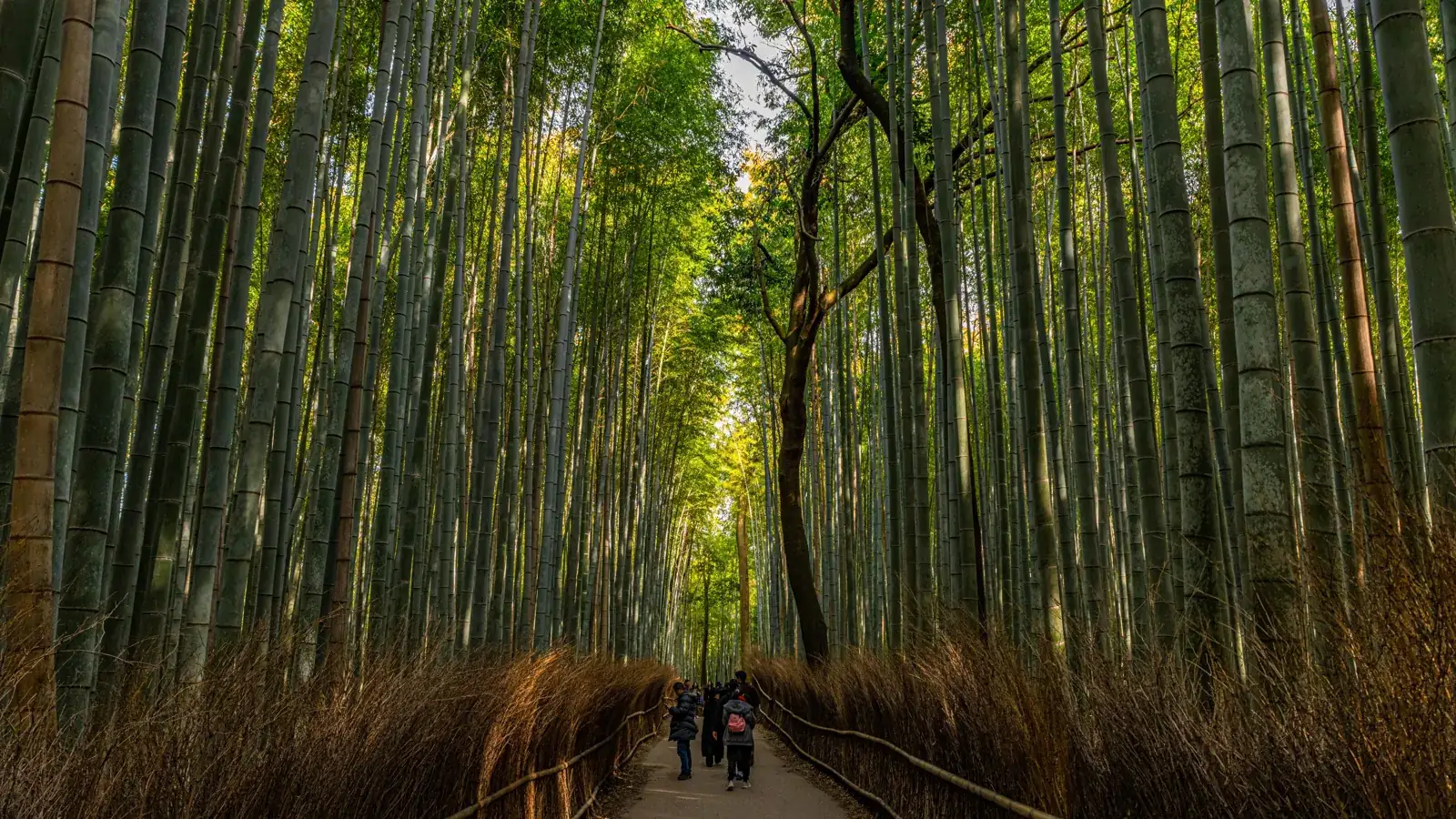
The Arashiyama bamboo grove in Kyoto
Fushimi Inari-taisha
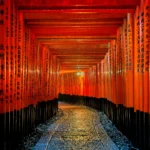
This shrine dedicated to Inari is famous for its thousands of vermilion torii gates, which form tunnels up the slopes of Mount Inari. The start of the trail is very busy; the crowds thin out as you climb. The full loop to the summit takes about two to three hours on foot. The site is open around the clock: come early in the morning or late in the day to avoid the crush.
To start your day, our guide to visiting Fushimi Inari covers getting there by train, the route to the summit and sunrise times month by month.
Kiyomizu-dera and the lanes of Higashiyama
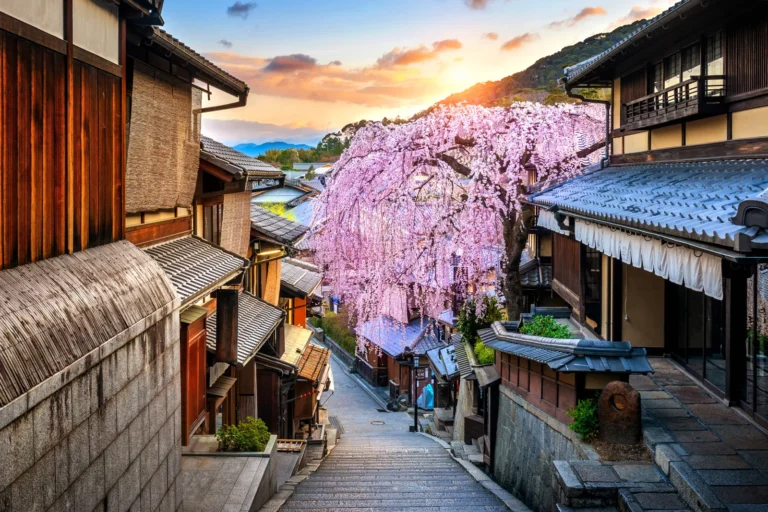
Set in the eastern hills, Kiyomizu-dera is known for its large wooden terrace built on stilts, overlooking the city. You walk up through the sloping lanes of Sannenzaka and Ninenzaka, lined with traditional houses, shops and tea houses. Continue north to reach the Yasaka pagoda, Kodai-ji temple and Maruyama Park.
Gion and Pontocho
Gion is the teahouse district, where you may see geiko and maiko (apprentices) heading to their evening engagements. Hanamikoji Street and the banks of the Shirakawa canal are the most photographed spots. Be respectful of people and places: some private lanes in Gion are off-limits to visitors, and you should never follow or photograph geiko without their consent. Across the Kamo River, the narrow Pontocho alley is lined with restaurants and bars. On the Shinkansen route to Tokyo, our guide to things to do in Nagoya may justify a one-day stopover.
The Golden Pavilion (Kinkaku-ji)
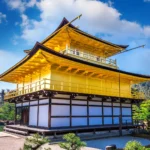
In the northwest of the city, this pavilion covered in gold leaf is reflected in a pond surrounded by a garden. It is one of the most visited sites in Kyoto. Combine it with Ryoan-ji temple, known for its dry garden of fifteen stones, and with Ninna-ji temple.
The Philosopher’s Path and the Silver Pavilion
The Philosopher’s Path follows a small cherry-lined canal for about 2 km (1 mi), between Ginkaku-ji (the Silver Pavilion), with its moss and sand garden, and the Nanzen-ji area. Along the way, Honen-in and Eikan-do are two popular stops, the latter especially in autumn.
Arashiyama and the bamboo forest
West of the city, Arashiyama combines a bamboo forest, Tenryu-ji temple and its garden, the Togetsukyo bridge over the river and, on a hill, a park where monkeys roam free. The area fills up very quickly: arrive at opening time, especially for the bamboo grove. Further north, the Sagano area is quieter.
Nijo Castle and downtown
Nijo Castle, built for the Tokugawa shoguns, is known for its decorated rooms and its « nightingale » floors, which squeak underfoot. Downtown, Nishiki Market, a covered street of food stalls, is the place to taste local specialties. The Imperial Palace and its large park lie a little further north.
Sanjūsangen-dō and Tōfuku-ji
Southeast of downtown, Sanjūsangen-dō houses 1,001 statues of the thousand-armed goddess Kannon in a very long wooden hall. Further south, on the way to Fushimi Inari, Tōfuku-ji, a large Zen monastery founded in the 13th century, is known for its gardens and maples: it is one of Kyoto’s busiest sites in autumn.
Nishiki Market and Kyoto food
Nishiki Market, a covered street downtown, is lined with stalls selling pickles, tofu, fish and sweets: it is the place to try local food on a budget. Kyoto is also the city of kaiseki, a multi-course meal prepared according to the season, and of tofu dishes (yudōfu), especially around the temples.
Kurama and Kibune
North of the city, reached by the Eizan railway, the mountain villages of Kurama and Kibune are linked by a forest trail. Kurama-dera temple, founded in the 8th century according to tradition, can be reached on foot or partly by a small funicular. It makes a cool half-day out, popular in summer.
Go early to beat the crowds
The best-known sites (Fushimi Inari, the Arashiyama bamboo grove, Kiyomizu-dera) are packed in the middle of the day. Visit them at opening time or late in the day, save the lesser-known temples for the afternoon, and avoid weekends when you can.
Day trips: Nara, Uji and Osaka
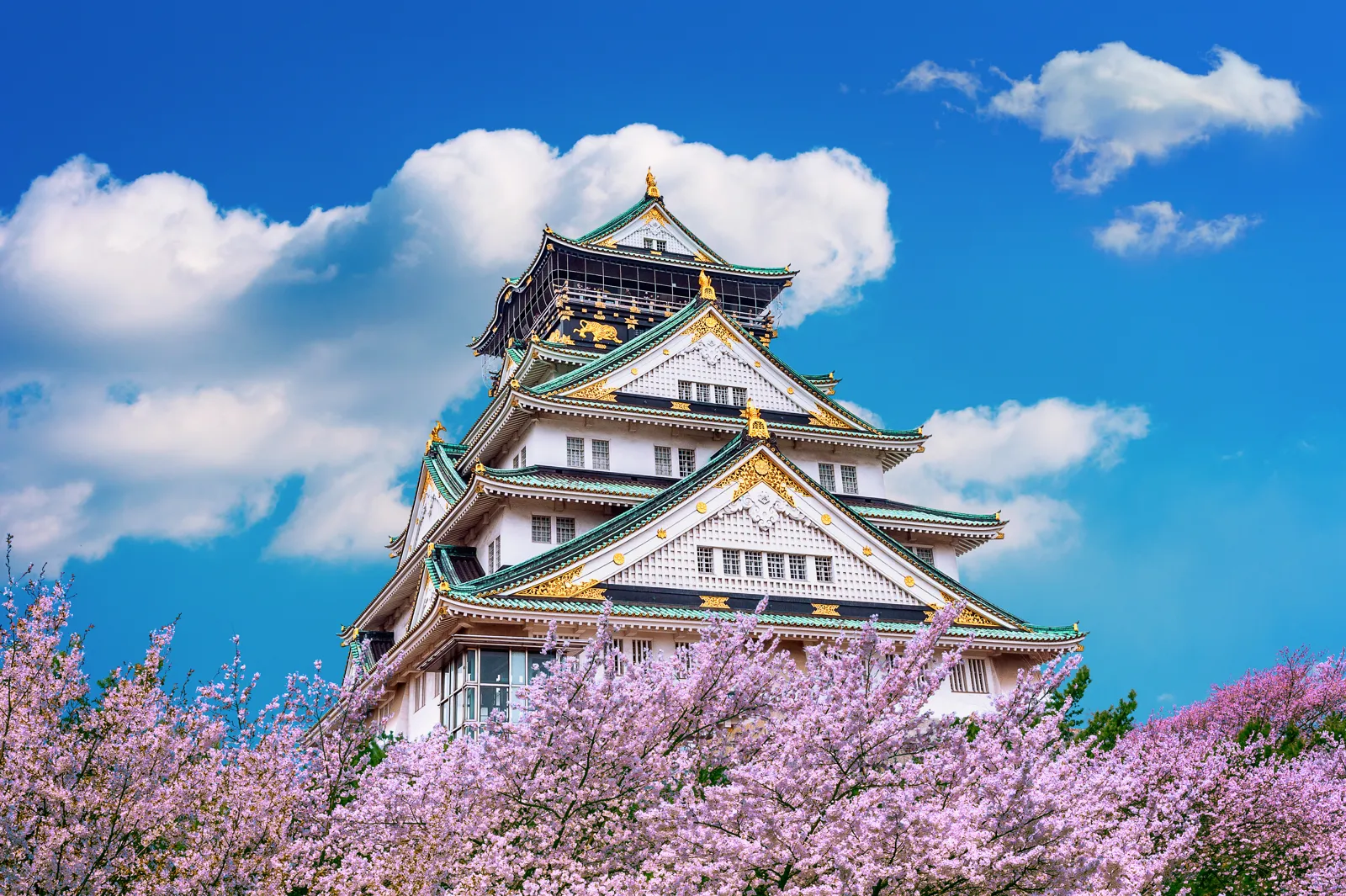
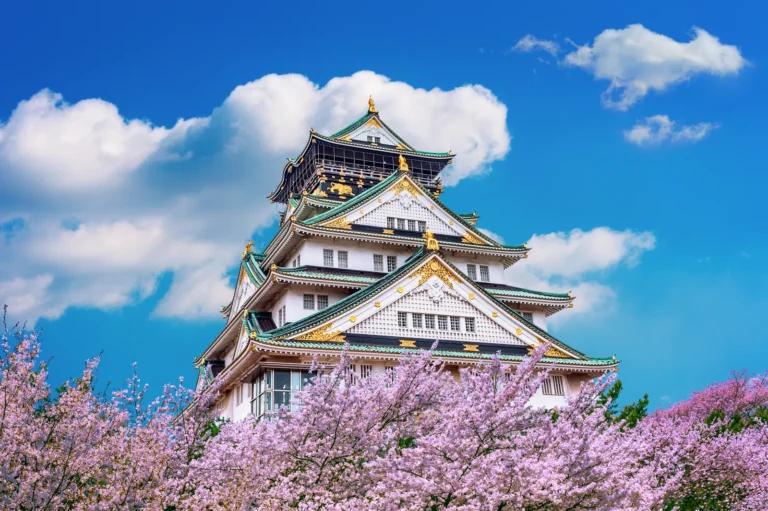
Nara, a former capital less than an hour away by train, is the classic day trip: its large park is home to free-roaming deer and to Todai-ji, which houses a huge bronze Buddha. Uji, south of Kyoto, is known for its green tea and for Byodo-in temple. Osaka, a short train ride away, is worth a visit for its castle, lively districts such as Dotonbori and its street food. If Osaka deserves more than a day, see when to go to Osaka to time the detour from Kyoto.
Kyoto’s neighborhoods
Around Kyoto Station: very convenient for arriving and for day trips, but less charm
Downtown (Kawaramachi, Karasuma): shops and restaurants, well served by buses and the subway
Gion and Higashiyama: the most atmosphere, close to the eastern temples, but pricier and busier
Arashiyama: quiet in the evening, a few ryokan, but out of the way
North (Kinkaku-ji, Ginkaku-ji): residential, few hotels
Itinerary: 2 to 5 days in Kyoto
Day 1: Fushimi Inari early in the morning, then Kiyomizu-dera, Sannenzaka, Ninenzaka and the Yasaka pagoda; in the evening, Gion and Pontocho
Day 2: Arashiyama at opening time (bamboo forest, Tenryu-ji, Togetsukyo bridge), then Kinkaku-ji and Ryoan-ji in the afternoon
Day 3: Nijo Castle and Nishiki Market in the morning, then Ginkaku-ji, the Philosopher’s Path, Eikan-do and Nanzen-ji
Day 4: day trip to Nara (park, Todai-ji, Kasuga shrine)
Day 5: Uji and Byodo-in temple, or a day in Osaka
With only two days, follow days 1 and 2. Kyoto pairs well with Tokyo: the Shinkansen links the two cities in just over two hours on the fastest trains.
Where to stay in Kyoto
For a first visit, the area around Kyoto Station is the most convenient, especially if you take day trips or change cities often. Downtown (Kawaramachi, Karasuma) offers a good balance between access and atmosphere. Gion and Higashiyama win on atmosphere, but rooms there are pricier and harder to find.
Kyoto is one of the best cities in Japan to stay in a ryokan (a traditional inn with tatami mats, futons and often dinner) or in a machiya, a renovated wooden townhouse. A municipal accommodation tax is added to the room rate. For November and April, book several months ahead.
Getting around Kyoto
Bus: the network covers most temples, but routes to the best-known sites are often overcrowded in high season.
Subway and trains: two subway lines, plus trains (JR, Keihan, Hankyu, Randen) that are handy for Fushimi Inari, Arashiyama, Uji and Nara. Combining train and walking is often faster than the bus.
IC card: a rechargeable card (ICOCA, Suica, Pasmo) works on trains, subways and buses.
Bike: the city is fairly flat; renting a bike is a good option, as long as you use designated parking areas.
From Kansai Airport: the Haruka limited express to Kyoto Station, or a bus.
From Tokyo: Shinkansen to Kyoto Station, just over two hours on the fastest trains.
When to go to Kyoto
✓ Ideal~ Good, with caveats✕ AvoidAverage max. temperature · click a month to see where to go
Jan9°C/48°F
Feb10°C/50°F
Mar14°C/57°F
Apr20°C/68°F
May25°C/77°F
Jun28°C/83°F
Jul32°C/90°F
Aug34°C/93°F
Sep29°C/85°F
Oct23°C/74°F
Nov17°C/63°F
Dec12°C/53°F
✅ Best months: January, February, March, April, may, October, November, December
❌ Period to avoid: August
The best times are April to mid-May and late October to early December: 17 to 25 °C (63 to 77 °F) in the afternoon according to JMA normals, with cherry blossoms in early April and autumn maples in mid-November. June and July are rainy, August very hot; winter is cold but quiet. For month-by-month weather and festivals, see the best time to visit Kyoto.
Budget for a trip to Kyoto
Meals and transportation remain affordable, but accommodation is expensive in high season, especially in ryokan. Most temples charge a modest entry fee, which adds up if you visit several a day. Indicative amounts per person per day, excluding flights (converted at roughly €1 = ¥175, October 2026):
Item
Budget
Comfort
Accommodation (sharing a double room)
roughly ¥6,000–10,500
roughly ¥17,500–38,500
Meals
roughly ¥3,500–6,000
roughly ¥9,000–16,000
Local transportation
roughly ¥1,000–2,000
roughly ¥2,000–3,500
Temple fees and activities
roughly ¥2,000–4,500
roughly ¥4,500–9,000
Total per day
roughly ¥14,000–23,000
roughly ¥31,000–61,000
Indicative estimates that vary with the season and the yen exchange rate. A night in a ryokan with dinner can far exceed these amounts.
To keep costs down: stay near the station or in Osaka in high season, have a set lunch or eat at Nishiki Market, and alternate the big paid temples with free shrines and walks.
Kyoto: who is it for?
Our verdict by travel style, based on the information in this guide:
Culture: ideal: UNESCO-listed temples and shrines, Gion, Nijo Castle, day trips to Nara and Uji.
Couples: yes: a night in a ryokan or machiya, the lanes of Higashiyama, the Philosopher’s Path.
Families: yes: free-roaming deer in Nara, the monkeys of Arashiyama’s park, Nishiki Market; avoid the big sites in the middle of the day.
Hiking: yes: the Fushimi Inari loop (two to three hours), the trail between Kurama and Kibune.
Food: yes: kaiseki cuisine, yudōfu around the temples, the stalls of Nishiki Market.
Budget travel: fair: roughly ¥14,000–23,000 per person per day; staying near the station or in Osaka cuts costs in high season.
Entry requirements, health and safety
US citizens: according to the U.S. Department of State (travel.state.gov, page updated August 11, 2025), visa-free tourist or business stays of up to 90 days; your passport must be valid for the entire stay and you should have proof of a return or onward ticket.
UK citizens: according to GOV.UK (updated 28 August 2026), British citizens get a visa on arrival for tourism or business for up to 90 days, with no need to apply before travel; your passport must be valid for the length of your stay, with one blank page for the visa stamp.
On arrival: all visitors are fingerprinted and photographed (U.S. Department of State). Bringing in meat products (sausages, bacon, ham) without permission from the Animal Quarantine Service is illegal (GOV.UK).
Health: in summer, the humid heat brings a risk of heatstroke: drink often and take breaks in the shade.
Crime: according to the U.S. Department of State, crime against US citizens in Japan is low, but pickpocketing can occur in crowded shopping areas, on trains and at airports.
Natural hazards: earthquakes can occur anywhere in Japan, and typhoons from June to December, peaking from July to September (UK FCDO, GOV.UK, updated 28 August 2026). Follow the instructions of your accommodation and the authorities.
Wildlife: monkeys looking for food may approach people, even in town: do not feed them or eat in front of them.
Help on the ground: dial 110 for the police and 119 for an ambulance (GOV.UK); for consular assistance, contact your country’s embassy or consulate.
Practical tips for Kyoto
Opening hours: most temples open early and close in the late afternoon; plan your days starting with the most popular sites.
Money: cards are accepted in hotels and shops, but carry cash for small temples, stalls and markets. Japan is still largely cash-based and some foreign cards are not accepted; 7-Eleven and Japan Post ATMs accept some foreign cards (GOV.UK).
Etiquette: take your shoes off where indicated, respect photography bans inside some buildings and keep your voice down in temples.
Gion: don’t block the lanes, don’t follow geiko and respect the signs for private streets.
Internet: an eSIM or pocket Wi-Fi is useful for checking bus and train times.
Luggage: stations have lockers, and luggage delivery services let you travel light between Tokyo and Kyoto.
Two days are enough to see the major sights (Fushimi Inari, Kiyomizu-dera, Gion, Arashiyama, Kinkaku-ji). Allow three days to visit without rushing, and a fourth for Nara.
How do you get from Tokyo to Kyoto?
By Shinkansen from Tokyo or Shinagawa stations: just over two hours on the fastest trains. The Japan Rail Pass can be worthwhile if you take several long journeys; compare it with single tickets.
Which area should you stay in in Kyoto?
Around the station for convenience, downtown (Kawaramachi, Karasuma) for balance, Gion and Higashiyama for atmosphere, at a higher price.
Can you visit Kyoto and Nara in the same day?
It is possible but very rushed. Better to spend a full day in Nara, less than an hour by train from Kyoto, to see the park, Todai-ji and Kasuga shrine without hurrying.
How do you avoid the crowds in Kyoto?
Visit the best-known sites at opening time (Fushimi Inari, Arashiyama, Kiyomizu-dera), favor weekdays, and explore lesser-known temples in the afternoon. Outside cherry blossom and autumn leaf season, the city is much quieter.
What to do in Kyoto in 2 days?
Day 1: Fushimi Inari early in the morning, then Kiyomizu-dera, the lanes of Higashiyama and Gion in the evening. Day 2: the Golden Pavilion, then Arashiyama and its bamboo grove. With an extra day, add the Philosopher’s Path and the Silver Pavilion, or Nara.
What to do in Kyoto in the evening?
Stroll through Gion and the Pontocho alley along the Kamo River, and have dinner in an izakaya or a kaiseki restaurant. Fushimi Inari, open around the clock, can also be visited at dusk.
Our sources
Entry, health and safety information read on 24 October 2026: U.S. Department of State, Japan country information (travel.state.gov, last updated August 11, 2025), and UK FCDO, foreign travel advice for Japan (GOV.UK, updated 28 August 2026)
Kyoto climate normals: 1991–2020 normals for the Kyoto station, Japan Meteorological Agency (JMA)
Wikipedia (accessed 5 October 2026): articles on Sanjūsangen-dō, Tōfuku-ji and Kurama-dera
Transparency: this page contains affiliate links, labelled as such. If you book through them we may earn a commission at no extra cost to you; it does not influence our content or recommendations. How we fund the site.

 When to go
 Hanami
 Hiroshima
 Hokkaido
 eSIM
 Map
 Nara
 Okinawa
 Osaka
 Tokyo
 Mount Fuji
 Souvenirs