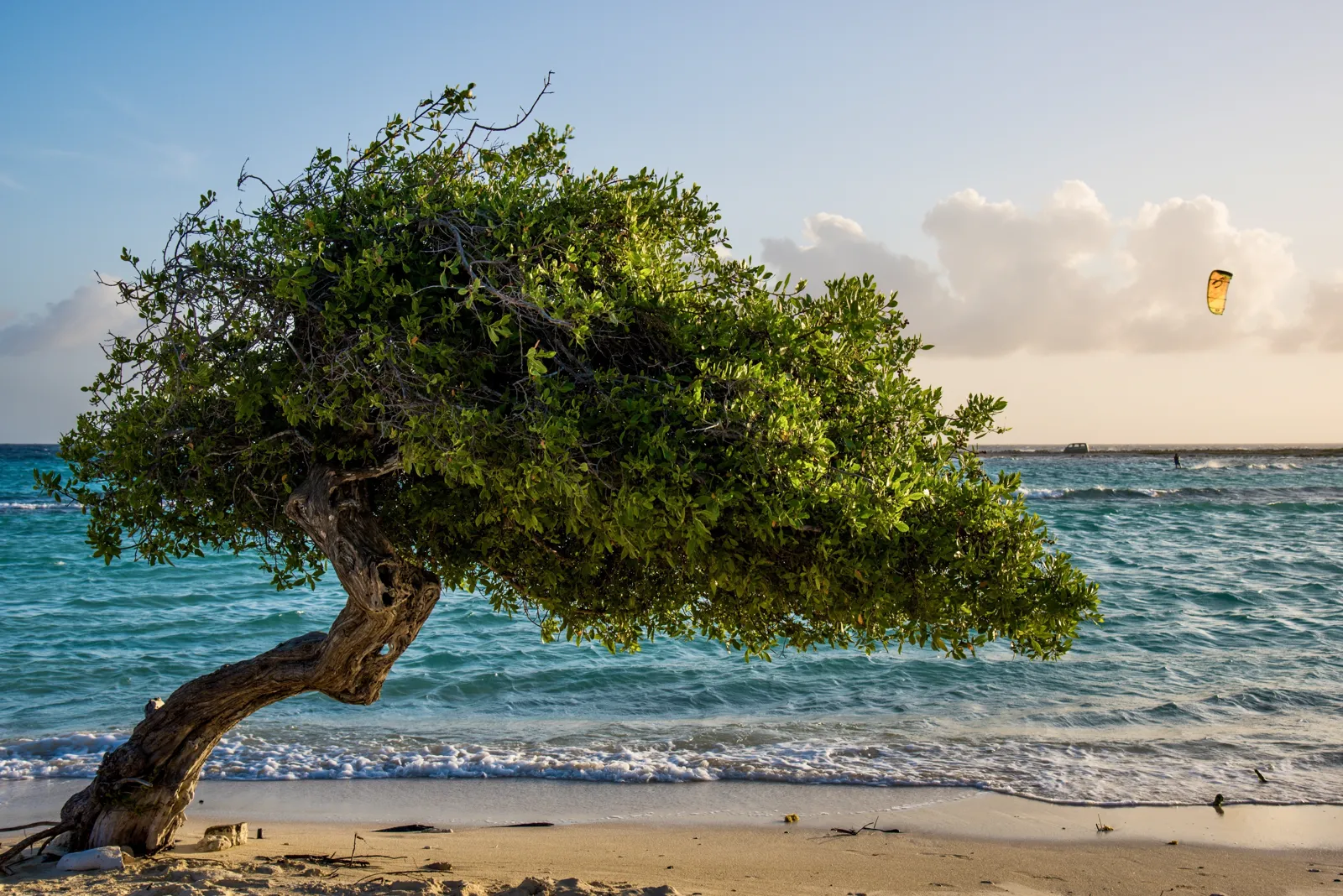
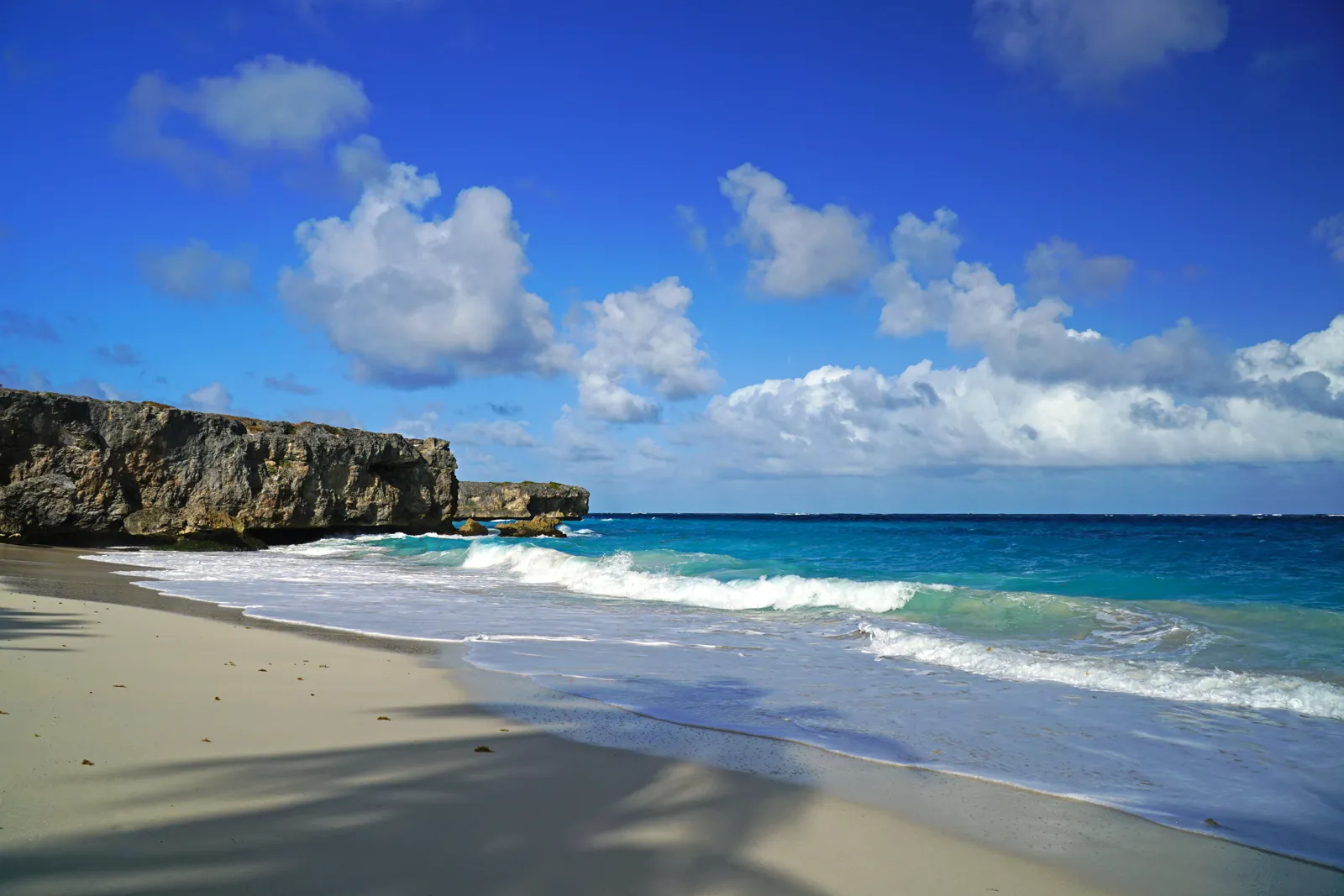
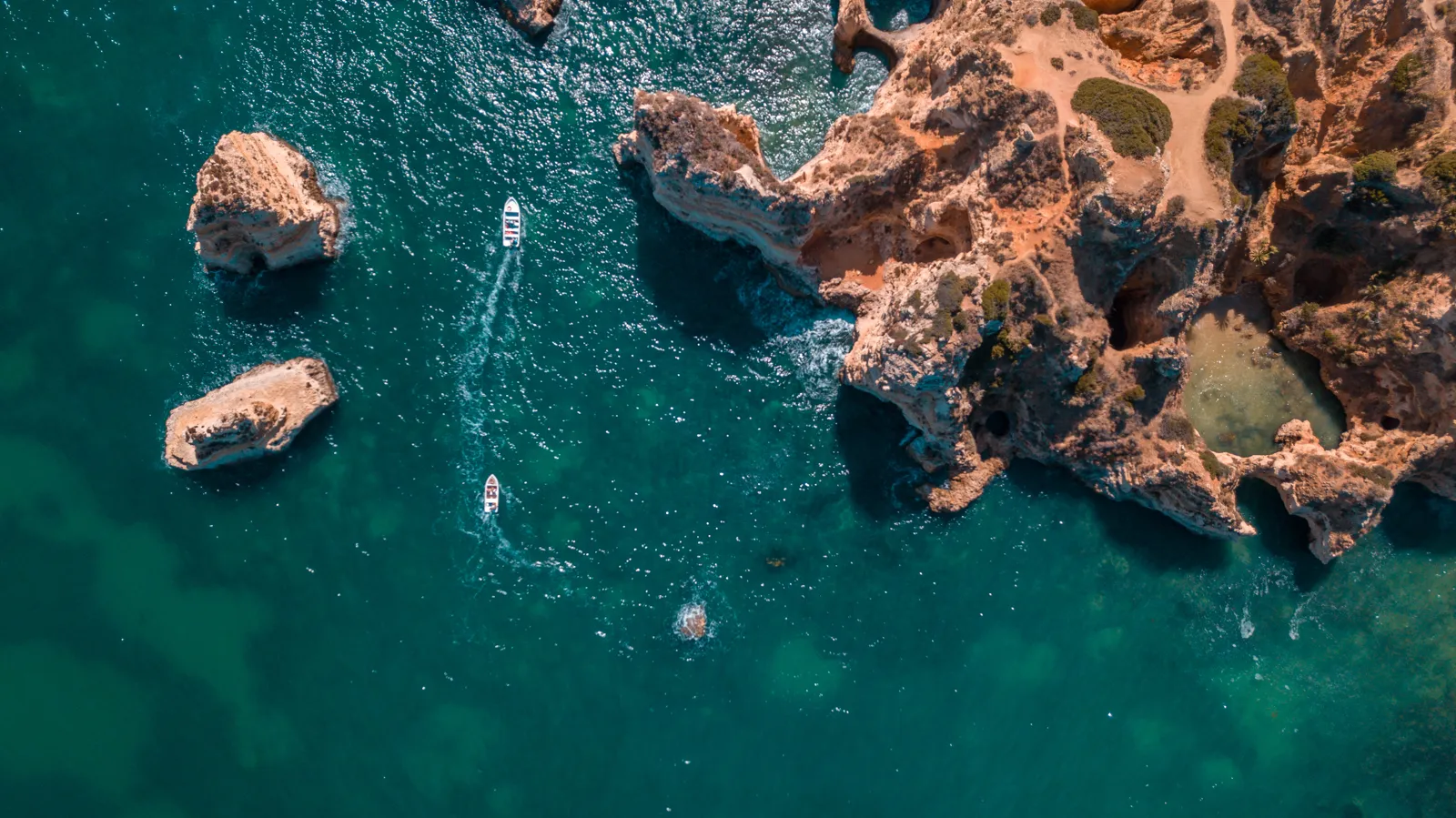
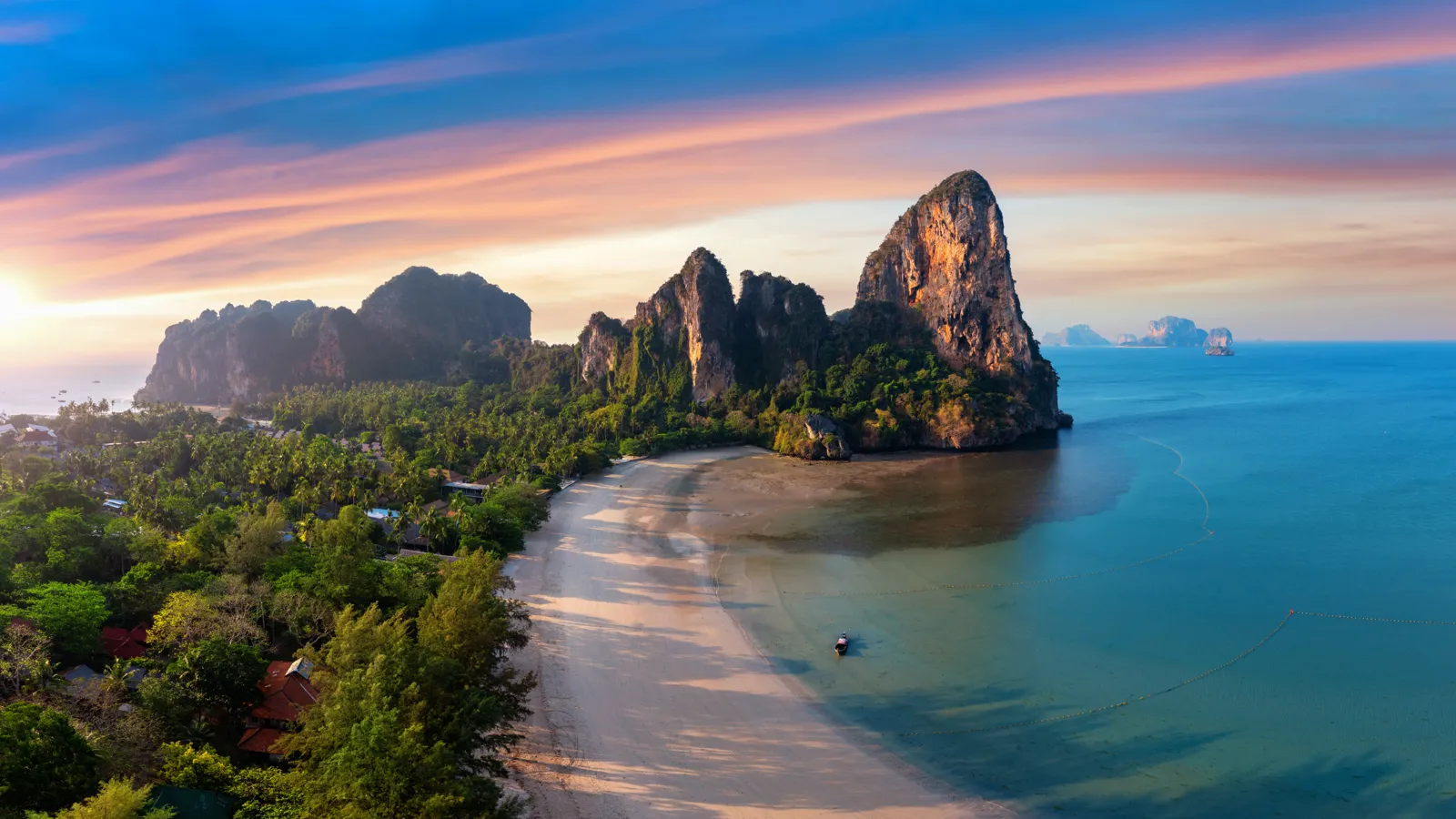
Okinawa, in Japan’s far southwest, is the prefecture of the Ryūkyū Islands: a subtropical climate, white-sand beaches, coral reefs and a culture inherited from the former Ryūkyū Kingdom, distinct from that of Honshū. The main island, Okinawa Hontō, is home to the capital Naha, Shuri Castle and the large Churaumi Aquarium; the Kerama, Miyako and Yaeyama island groups (Ishigaki, Iriomote) extend the trip toward Taiwan. This Okinawa travel guide starts with the essentials.
It explains what to do in Okinawa, how to get there from Tokyo or Osaka and, above all, when to go, with a calculation other guides do not give: the month-by-month temperature gap with Tokyo, based on Japan Meteorological Agency (JMA) normals.
Okinawa at a glance
LocationOkinawa Prefecture, Japan; capital Naha, on the main island (Okinawa Hontō)
LanguageJapanese; English is less widely spoken than in Tokyo outside tourist areas
AirportsNaha Airport; most international travelers fly into Tokyo (Narita, Haneda) or Osaka (Kansai), then take a domestic flight to Naha (there is no shinkansen to the islands)
Entryvisa-free for up to 90 days for US and UK citizens, passport valid for the whole stay (travel.state.gov, GOV.UK)
Electricity100 V, type A/B plugs (two flat pins); US plugs fit, UK travelers need an adapter
Climatesubtropical; average high of 19.8 °C (68 °F) in January in Naha, 31.9 °C (89 °F) in July (JMA)
Typhoonsseason from June to December, peaking from July to September (UK FCDO, GOV.UK, updated 28 August 2026)
Things to do in Okinawa: the highlights
Naha: Kokusai-dōri and Makishi Market
The capital is where almost every traveler arrives. Kokusai-dōri street is lined with shops, restaurants and Okinawan music venues; Makishi Public Market, right next to it, is the place to discover tropical fish, fruit and local specialties. The Yui Rail monorail links the airport to the center and to Shuri.
Shuri Castle
The former palace of the Ryūkyū kings, a World Heritage Site along with Okinawa’s other gusuku sites, Shuri Castle was largely destroyed by fire in 2019. Reconstruction is under way: part of the site is open, with the ramparts, the gates and the restoration work visible to visitors. Check on site what is accessible.
Churaumi Aquarium and the Motobu Peninsula
In the north of the island, in Ocean Expo Park, Churaumi Aquarium is famous for its huge tank with whale sharks and manta rays. The visit is often combined with Kōri Island, reached by a long bridge, and the cliffs of Cape Manzamo.
The south: Sēfa-utaki and the memory of the Battle of Okinawa
Sēfa-utaki, a sacred site of the former kingdom and a World Heritage Site, lies in the southeast of the island. The south also preserves the memory of the 1945 Battle of Okinawa: the Peace Memorial Park in Itoman and the Himeyuri Memorial are important visits for understanding the island’s history and today’s American military presence.
The Kerama Islands, for beaches and snorkeling
West of Naha, the Kerama Islands (Tokashiki, Zamami, Aka) form a national park known for the clarity of its water. Ferries leave from Tomari port in Naha: it is the easiest beach escape from the capital, possible as a day trip. From January to March, humpback whale-watching trips are offered there.
Yanbaru, the northern forest
The northern tip of Okinawa Hontō, Yanbaru, is covered in subtropical forest. It was inscribed as a World Heritage Site in 2021 together with Amami-Ōshima, Tokunoshima and Iriomote. People come to hike, watch endemic birds and kayak through the mangroves.
Ishigaki, Miyako and Iriomote
Farther south, the Yaeyama Islands (Ishigaki, Iriomote, Taketomi) and Miyako are reached by plane from Naha, or from Tokyo and Osaka on some routes. Ishigaki is the base for Taketomi and its traditional houses, and for Iriomote, almost entirely covered in jungle. Miyako is known for its beaches and the bridges linking it to neighboring islets.
Okinawa or Tokyo: the temperature gap month by month
Okinawa does not share the climate of the rest of Japan: when Tokyo is in winter, Naha stays mild. To measure the gap, we compared the average highs of the two cities.
Month
Naha avg. max
Tokyo avg. max
Gap
January
19.8 °C (68 °F)
9.8 °C (50 °F)
+10.0 °C (+18 °F)
February
20.2 °C (68 °F)
10.9 °C (52 °F)
+9.3 °C (+17 °F)
March
21.9 °C (71 °F)
14.2 °C (58 °F)
+7.7 °C (+14 °F)
April
24.3 °C (76 °F)
19.4 °C (67 °F)
+4.9 °C (+9 °F)
May
27.0 °C (81 °F)
23.6 °C (74 °F)
+3.4 °C (+6 °F)
June
29.8 °C (86 °F)
26.1 °C (79 °F)
+3.7 °C (+7 °F)
July
31.9 °C (89 °F)
29.9 °C (86 °F)
+2.0 °C (+4 °F)
August
31.8 °C (89 °F)
31.3 °C (88 °F)
+0.5 °C (+1 °F)
September
30.6 °C (87 °F)
27.5 °C (82 °F)
+3.1 °C (+6 °F)
October
28.1 °C (83 °F)
22.0 °C (72 °F)
+6.1 °C (+11 °F)
November
25.0 °C (77 °F)
16.7 °C (62 °F)
+8.3 °C (+15 °F)
December
21.5 °C (71 °F)
12.0 °C (54 °F)
+9.5 °C (+17 °F)
Destination de Voyage calculation: gap = Naha average high − Tokyo average high (Kitanomaru station), 1991–2020 normals from the Japan Meteorological Agency (JMA).
The gap is largest in January (+10.0 °C (+18 °F)) and smallest in August (+0.5 °C (+1 °F)). In practice, a winter trip to Japan can end with a few days in Okinawa, though it is not beach weather out of season and you will need two sets of clothes. In summer, the advantage disappears: Naha and Tokyo are both hot and humid.
When to go to Okinawa
The best times are April, then July to early August for the beach, and October–November for warm but drier weather. May and June are the rainy season, which starts earlier than in Tokyo: June is the wettest month in Naha (284 mm (11.2 in) on average). From August to September, typhoons are the main risk: they can cancel flights and ferries for several days. Winter is mild (about 20 °C (68 °F) in the afternoon) but often cloudy, and the sea is too cool for many swimmers.
Month
Avg. max
Avg. min
Rain
Rainy days
Sunset
Sunshine (h/month)
Verdict
January
19.8 °C (68 °F)
14.9 °C (59 °F)
102 mm (4.0 in)
12.2
5:59 pm
93
⚠️ Mild, cool sea, whales
February
20.2 °C (68 °F)
15.1 °C (59 °F)
114 mm (4.5 in)
11.3
6:22 pm
93
⚠️ Mild, early cherry blossoms
March
21.9 °C (71 °F)
16.7 °C (62 °F)
143 mm (5.6 in)
12.6
6:37 pm
115
✅ Mild, few visitors
April
24.3 °C (76 °F)
19.1 °C (66 °F)
161 mm (6.3 in)
11.6
6:52 pm
121
✅ Pleasant, sea warming up
May
27.0 °C (81 °F)
22.1 °C (72 °F)
245 mm (9.6 in)
13.1
7:08 pm
138
⚠️ Rains begin, Golden Week
June
29.8 °C (86 °F)
25.2 °C (77 °F)
284 mm (11.2 in)
12.4
7:22 pm
160
❌ Rainy season
July
31.9 °C (89 °F)
27.0 °C (81 °F)
188 mm (7.4 in)
11.0
7:24 pm
227
✅ High summer, beaches (typhoons possible)
August
31.8 °C (89 °F)
26.8 °C (80 °F)
240 mm (9.4 in)
13.9
7:05 pm
206
⚠️ Hot, typhoon risk
September
30.6 °C (87 °F)
25.8 °C (78 °F)
275 mm (10.8 in)
13.3
6:33 pm
181
⚠️ Peak typhoon season
October
28.1 °C (83 °F)
23.5 °C (74 °F)
179 mm (7.0 in)
10.6
6:01 pm
163
✅ Warm and drier
November
25.0 °C (77 °F)
20.4 °C (69 °F)
119 mm (4.7 in)
9.6
5:39 pm
122
✅ Mild and dry
December
21.5 °C (71 °F)
16.8 °C (62 °F)
110 mm (4.3 in)
10.7
5:39 pm
107
⚠️ Mild, cool sea
Temperatures, rain and rainy days (at least 0.5 mm / 0.02 in): 1991–2020 normals for Naha station, Japan Meteorological Agency (JMA). Sunset on the 15th of the month: Destination de Voyage calculation (NOAA solar algorithm, Japan time). Verdicts: our assessment.
Sunshine: according to the JMA, Naha gets about 227 hours of sunshine in July, compared with 93 in January and February: winter is mild but gray.
Typhoons: the season runs from June to December, peaking from July to September (UK FCDO, GOV.UK, updated 28 August 2026); leave a margin of a day or two before your international flight if you visit the outer islands.
Golden Week (late April to early May): domestic flights and hotels are in heavy demand from Japanese travelers.
3 days: Naha and Shuri; a day in the north (Churaumi, Kōri, Cape Manzamo); the south (Sēfa-utaki, Peace Memorial Park).
5 days: the above, plus one or two days in the Kerama Islands and half a day in Yanbaru.
8 to 10 days: Okinawa Hontō, then a flight to Ishigaki for Taketomi and Iriomote, or to Miyako for the beaches.
At the end of a Japan trip: after Tokyo, Kyoto or Osaka, a domestic flight takes you to Naha.
Getting around Okinawa
Rental car: the most practical way to explore the north and south of the island, as public transportation is limited outside Naha. Traffic drives on the left. UK licence holders need the 1949 International Driving Permit plus their UK licence, and must get the IDP in the UK before travel (UK FCDO, GOV.UK, updated 28 August 2026); US drivers need an IDP from AAA obtained before arriving, as permits issued online are not valid in Japan (U.S. Department of State).
Yui Rail: Naha’s monorail links the airport, the center (Kokusai-dōri) and Shuri.
Bus: routes serve the north, including the Churaumi area, but they are slow; day bus tours run from Naha.
Ferries: from Tomari port to the Kerama Islands; booking is recommended in summer.
Flights: to Ishigaki, Miyako and the more distant islands.
Where to stay in Okinawa
Area
Best for
Strengths
Naha (Kokusai-dōri, Asahibashi)
No car, short stay
Monorail, restaurants, ferry departures
Central west coast (Onna, Chatan)
Beach and car
Beach resorts, sunsets over the sea
Motobu Peninsula
Families, Churaumi
Close to the aquarium and Kōri
Kerama Islands
Snorkeling, peace and quiet
Small guesthouses, limited choice
Ishigaki
Base for the Yaeyama Islands
Ferries to Taketomi and Iriomote
Book early for Golden Week, summer and Japanese school holidays.
Entry requirements, health and safety
US citizens: according to the U.S. Department of State (travel.state.gov, Japan page updated August 11, 2025), US citizens can make visa-free tourist or business stays of up to 90 days. Your passport must be valid for the entire stay, and you should have proof of a return or onward ticket.
UK citizens: according to the FCDO (GOV.UK, updated 28 August 2026), British citizens get a visa on arrival for tourism or business for up to 90 days and do not need to apply before travel. Your passport must be valid for the length of your stay and have one blank page for the visa stamp.
On arrival: all visitors are fingerprinted and photographed (U.S. Department of State).
Food imports: it is illegal to bring meat products (sausages, bacon, ham) into Japan without permission from the Animal Quarantine Service (GOV.UK).
Medication: according to the UK FCDO (GOV.UK, updated 28 August 2026), some common prescription and over-the-counter medicines are illegal in Japan, including Vicks inhalers, cold and flu medication containing pseudoephedrine and some painkillers containing codeine: check the status of your medication with the Japanese embassy. The U.S. Department of State advises carrying prescription medication in its original packaging with your doctor’s prescription.
Health: medical care is of a high quality but expensive (GOV.UK); insurance covering medical costs and repatriation is essential. Protect yourself from the sun and heat in summer.
Safety: there is a risk of earthquakes throughout Japan, and the typhoon season runs from June to December, peaking from July to September (UK FCDO, GOV.UK, updated 28 August 2026). Follow local instructions if an alert is issued.
Sea: stick to supervised swimming areas and respect the flags; some beaches put up jellyfish nets in season.
Coral: do not walk on the reefs, and wear water shoes.
Food: try gōya chanpurū, Okinawa soba and awamori, the local spirit.
Internet: an eSIM makes navigation easier when driving (our eSIM guide).
Frequently asked questions
Are there direct international flights to Okinawa?
Most travelers from Europe or North America connect through Tokyo or Osaka (or another major Asian hub), then fly on to Naha Airport. Check current routes when you book.
What is the best time to visit Okinawa?
April and October–November for pleasant, drier weather, July for the beach. June (rainy season) and August–September (typhoons) are the riskiest periods.
Can you swim in Okinawa in winter?
The air stays mild (about 20 °C (68 °F) in the afternoon in Naha in January, according to the JMA), but the sea is cool for many swimmers. Winter is better suited to walks and whale watching.
Do you need a car in Okinawa?
For Naha and Shuri, no: the monorail is enough. For the north (Churaumi, Yanbaru) and the south, a car is much more practical.
How many days do you need in Okinawa?
Three days for the main island, five with the Kerama Islands, around ten to add Ishigaki or Miyako.
Our sources
Japan Meteorological Agency (JMA): 1991–2020 normals for the Naha and Tokyo stations, via the Wikipedia climate tables
Destination de Voyage calculation: Naha–Tokyo temperature gap, sunset on the 15th of each month (NOAA solar algorithm)
Entry, health and safety information read on 24 October 2026: U.S. Department of State, Japan country information (travel.state.gov, last updated August 11, 2025), and UK FCDO, foreign travel advice for Japan (GOV.UK, updated 28 August 2026)
Japan National Tourism Organization (japan.travel): Okinawa page
To plan the rest of your trip, see our Japan travel guide and our other destinations in Asia.
Transparency: this page contains affiliate links, labelled as such. If you book through them we may earn a commission at no extra cost to you; it does not influence our content or recommendations. How we fund the site.