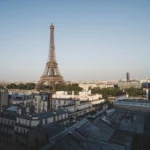
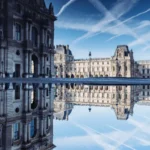
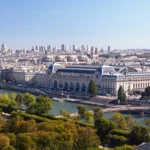
Visiting Paris starts with choosing: in three days you can see the Eiffel Tower, the Louvre or the Musée d’Orsay, the Île de la Cité and Notre-Dame, the Marais, Montmartre and a Seine cruise; in five days you can add Versailles and less-visited districts. The best times are May-June and September: long days, mild temperatures and fewer crowds than in July and August.
This guide is organised like a sightseeing plan: the districts one by one, the must-sees and their closing days, itineraries from 1 to 5 days, transport and the month-by-month climate based on Météo-France. It also contains data we calculated ourselves: sunset time on the 15th of each month, the number of rainy days over a one-week stay, and a decision guide for choosing your museums.

Our travel deals for Paris
Affiliate links: we earn a commission, at no extra cost to you.
 FlightsKiwi.comCompare flights and airline combinations to Paris.Compare flights
- Airport transferKiwitaxiPrivate driver booked in advance at a fixed price.Book a transfer
- City passGo CityMulti-attraction pass at a fixed price: worth it only if you visit a lot.See passes



Paris at a glance
- Location capital of FranceÎle-de-France region, 20 arrondissements on either side of the Seine
- Airports Paris-Charles-de-Gaulle(Roissy) and Paris-Orly, linked to the centre by RER, metro (Orly) and bus
- Stations six main railway stations(Nord, Est, Lyon, Austerlitz, Montparnasse, Saint-Lazare) linked to the metro
- Ideal length 3 days for the essentials, 4 to 5 days with Versailles
- Best time May-June and September; December for the lights
- Entry US and UK citizens: no visa for up to 90 days in the Schengen area · travel.state.gov · GOV.UK
- Currency the euro · currencies
- Emergencies 11215 for medical emergencies (travel.state.gov, GOV.UK)
Visiting Paris: the city in 5 minutes
Paris is divided into 20 arrondissements (districts) numbered in a spiral from the centre (the 1st, around the Louvre) out to the east (the 20th). The Seine separates the Right Bank (to the north: the Louvre, the Champs-Élysées, the Marais, Montmartre) from the Left Bank (to the south: Saint-Germain-des-Prés, the Latin Quarter, the Eiffel Tower, the Musée d’Orsay). In the middle, the Île de la Cité and the Île Saint-Louis form the historic heart. The banks of the Seine between the Pont de Sully and the Pont d’Iéna are a UNESCO World Heritage Site.
In the 14th arrondissement, our page on visiting the Paris Catacombs explains online booking and the visiting rules.
Opposite the Eiffel Tower, our guide to visiting the Aquarium de Paris gives opening hours, prices and Saturday late opening.
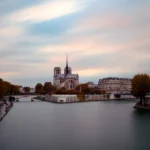
On the Île de la Cité, our guide to visiting Notre-Dame de Paris distinguishes between the cathedral, which is free, and the towers, which must be booked online.
For a family day out of the city, our guide Disneyland Paris: tickets, prices and opening hours shows the cheapest months and days based on official prices.
Most of the major monuments lie within an hour’s walk of each other along the river: this is the route to follow on a first visit. Outlying districts (Montmartre, Belleville, La Villette) are reached by metro.
Paris districts to visit
Île de la Cité and Île Saint-Louis
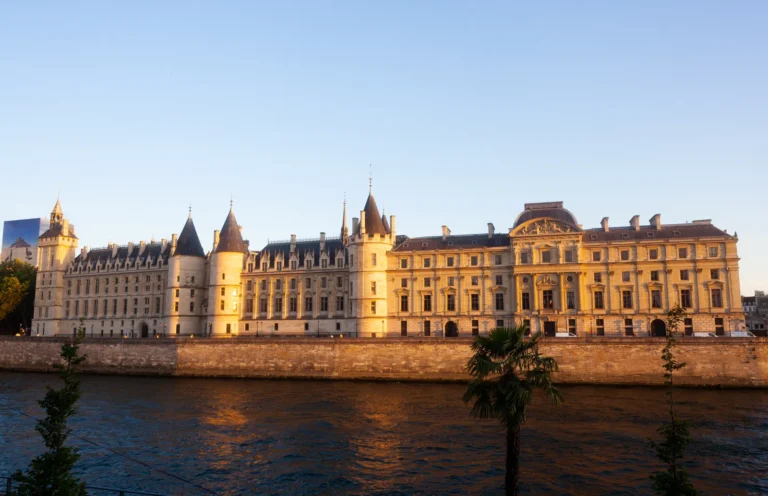
The birthplace of Paris, the Île de la Cité brings together Notre-Dame cathedral, reopened to the public in December 2024 after the 2019 fire, the Sainte-Chapelle and its 13th-century stained glass, and the Conciergerie, a former revolutionary prison. The Square du Vert-Galant, at the western tip, is one of the loveliest spots down by the Seine. A bridge leads to the Île Saint-Louis, residential and quiet, with its 17th-century mansions.
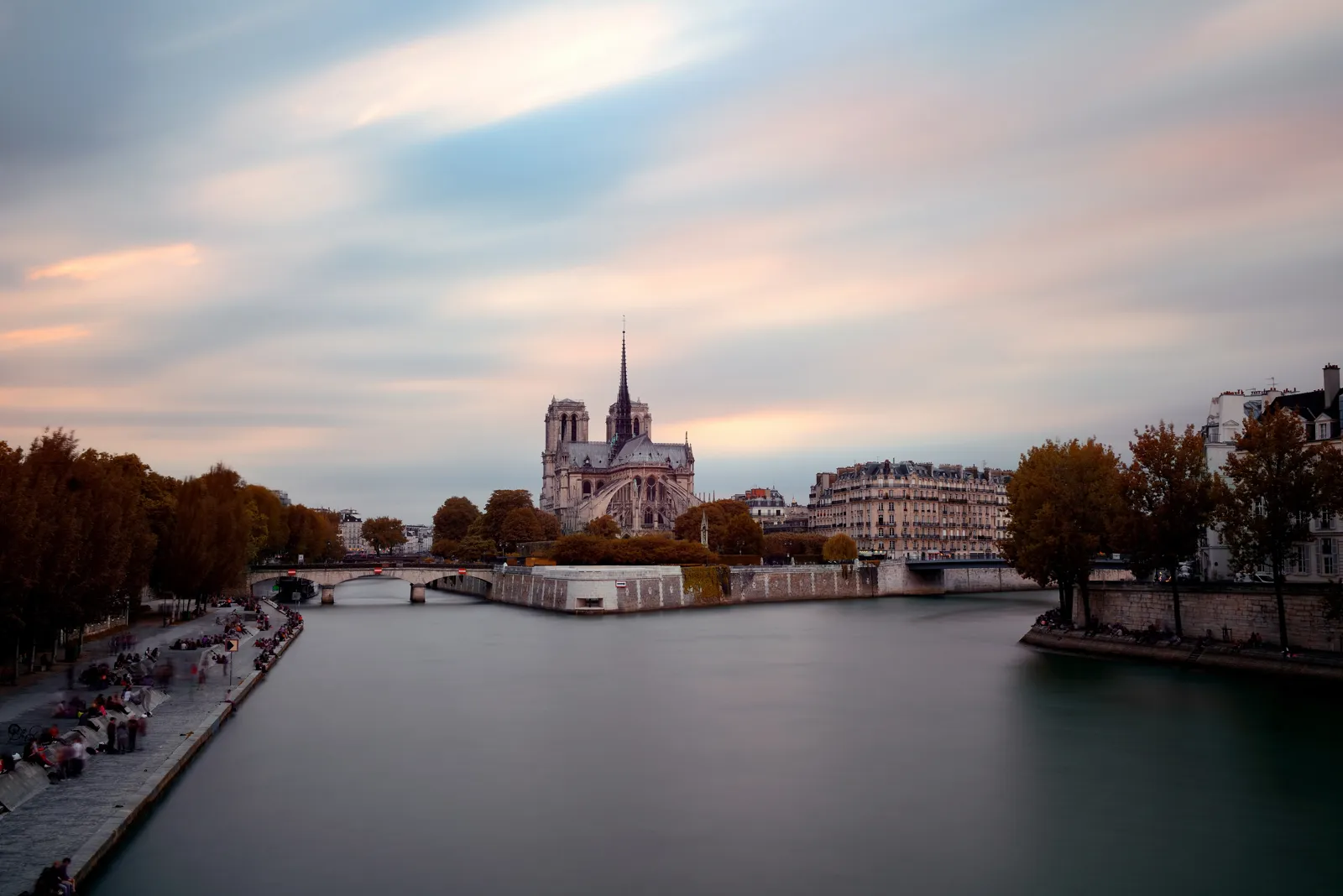
For the stained glass of the Île de la Cité, our guide to visiting the Sainte-Chapelle covers prices, recommended booking and the best time of day for the light.
The Louvre, the Tuileries and Concorde
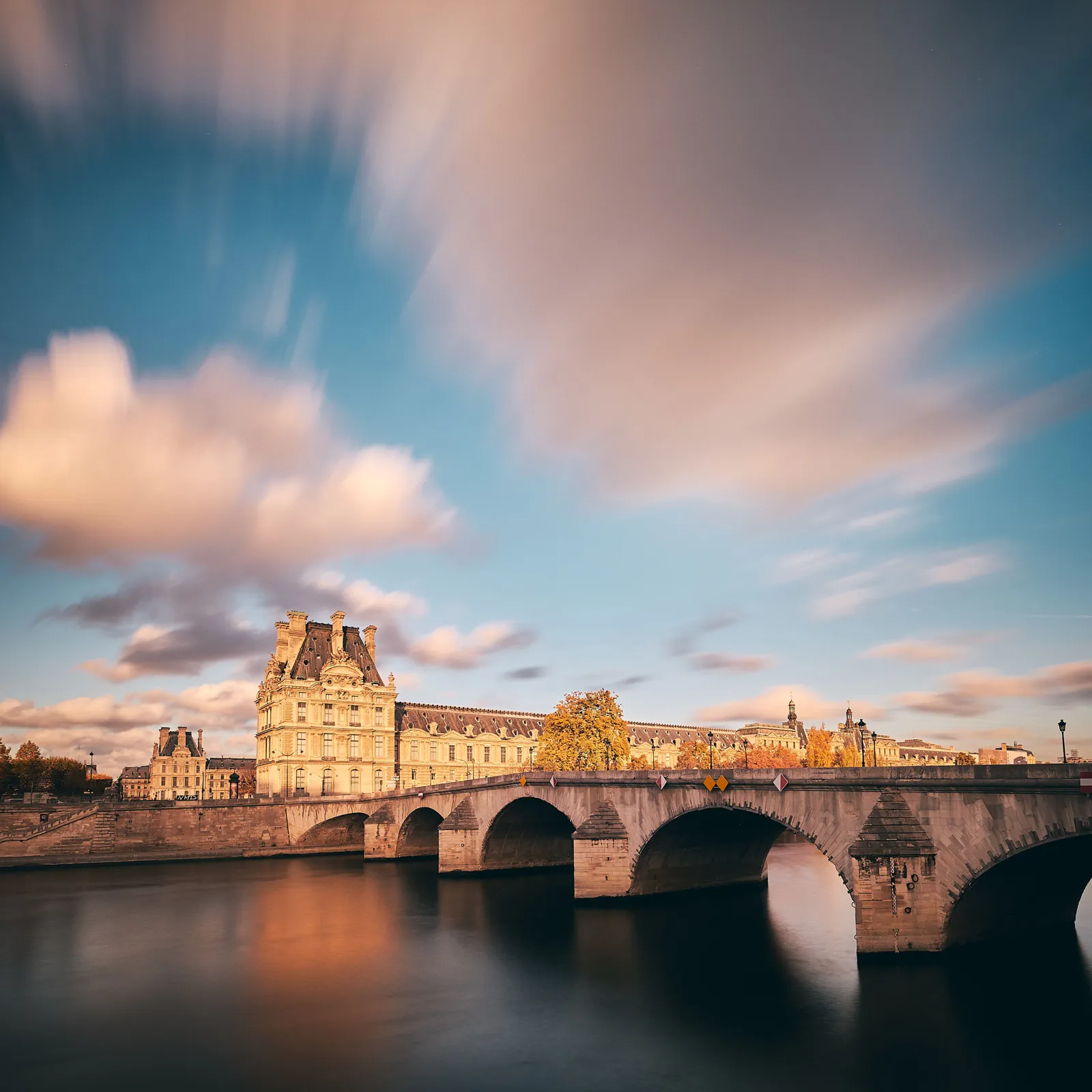
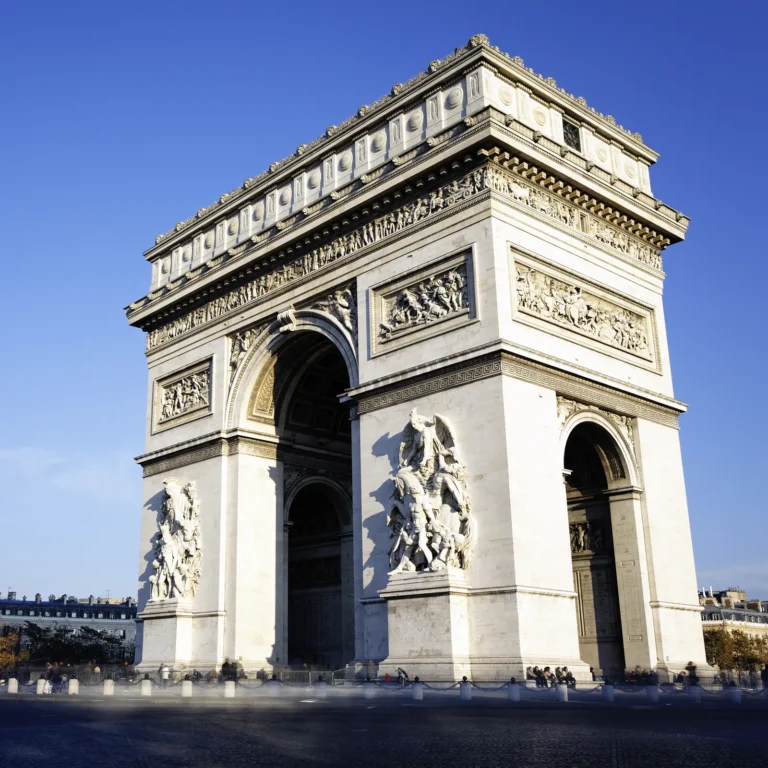
The Louvre museum, a former royal palace, stands on the Right Bank opposite the Île de la Cité. Its garden, the Tuileries, leads to Place de la Concorde and its obelisk, then to the Avenue des Champs-Élysées, which climbs to the Arc de Triomphe. The nearby Palais-Royal and its arcaded gardens make a quiet stop.
For the view over the Champs-Élysées, our guide to visiting the Arc de Triomphe gives official prices, evening opening hours and sunset times for each month.
The Marais
An aristocratic district in the 17th century, the Marais is lined with mansions, shops and galleries between the Hôtel de Ville and Place des Vosges, the oldest planned square in Paris. Here you will find the Musée Carnavalet (history of Paris), the Musée Picasso and, on its edge, the Centre Pompidou. Rue des Rosiers recalls the history of the Jewish quarter.
The Latin Quarter and Saint-Germain-des-Prés
On the Left Bank, the Latin Quarter is organised around the Sorbonne, the Panthéon and the Luxembourg Gardens. The Musée de Cluny displays medieval art, including « The Lady and the Unicorn » tapestries. Further west, Saint-Germain-des-Prés and its Romanesque church keep the literary cafés and bookshops that made its name.
On the Left Bank, our guide to visiting the Luxembourg Gardens gives the official opening hours month by month and family activities.
In the Latin Quarter, our guide to visiting the Panthéon gives official prices, late-opening days and the facts and figures of Foucault’s pendulum.
The Eiffel Tower, the Champ-de-Mars and the Trocadéro
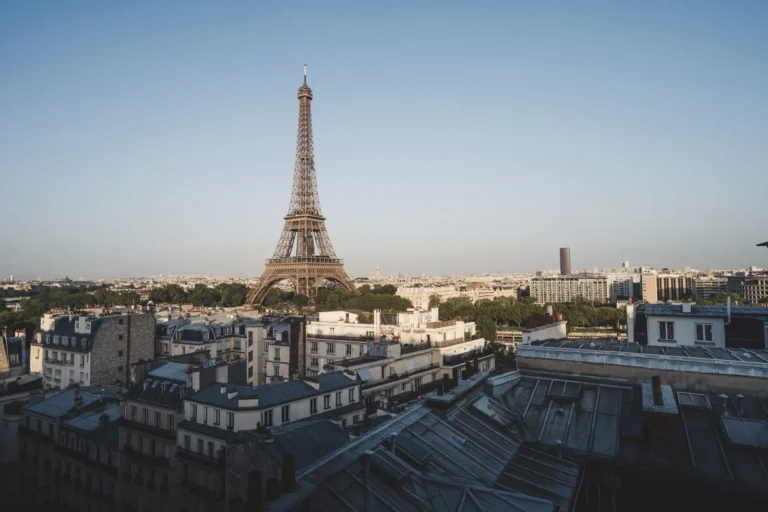
The Eiffel Tower, built for the 1889 World’s Fair, towers over the Champ-de-Mars. Opposite, on the other bank, the Trocadéro esplanade offers the best-known view of the tower. The district also has the Musée du Quai Branly – Jacques Chirac (arts of Africa, Asia, Oceania and the Americas) and Les Invalides, with Napoleon’s tomb and the Army Museum.
Near the Eiffel Tower, our guide to visiting the Musée du Quai Branly covers opening hours, prices and free admission.
Montmartre
To the north, the hill of Montmartre is crowned by the Sacré-Cœur basilica, with views over the whole of Paris. Place du Tertre and its painters, the vineyard on Rue des Saules and the Musée de Montmartre recall the late 19th-century artists’ village. Walk up the steps or take the funicular.
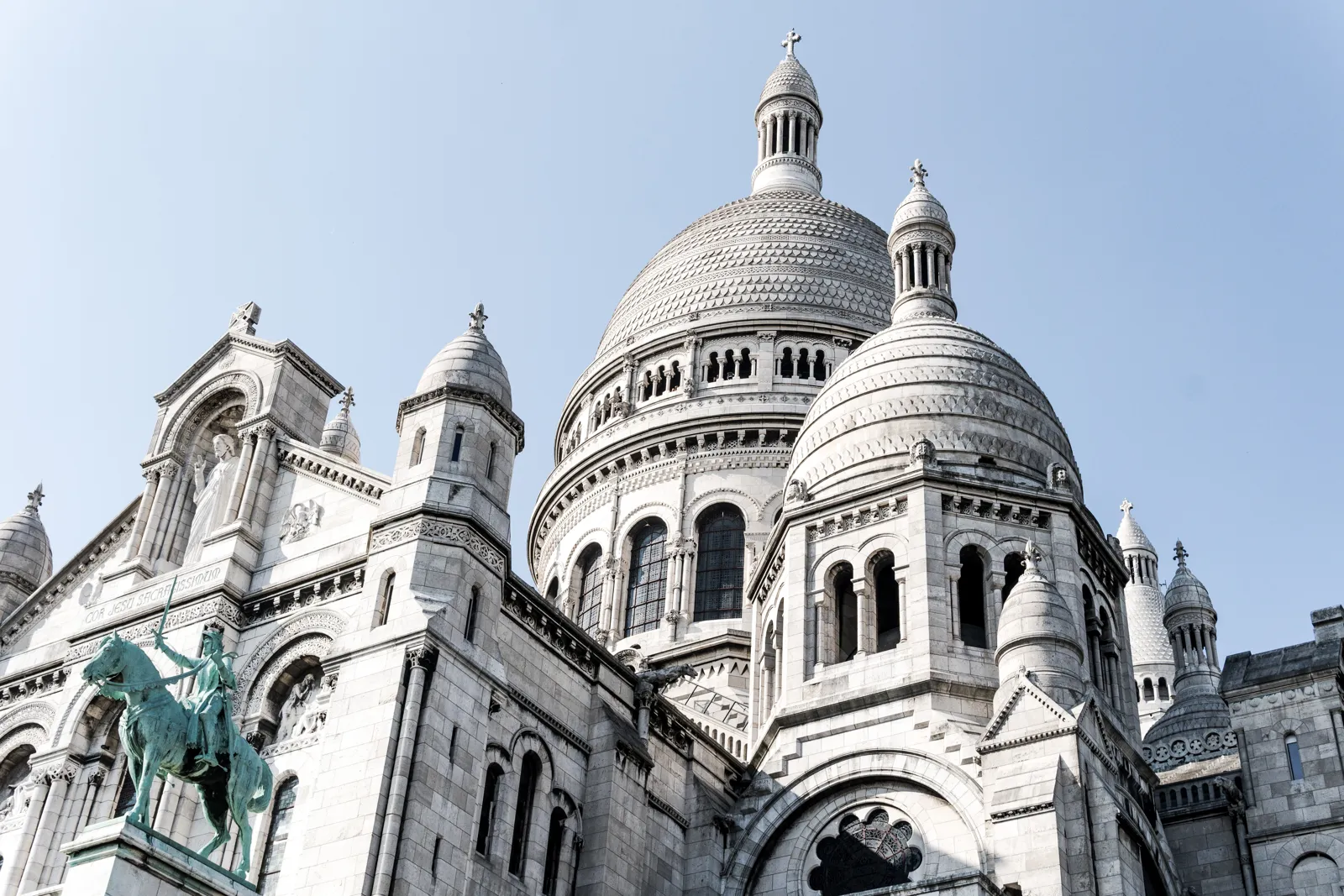
At the top of Montmartre, our guide to visiting the Sacré-Cœur gives the official opening hours of the basilica and the dome, and sunset times from the hill.
Canal Saint-Martin, Belleville and eastern Paris
For a more everyday Paris, follow the Canal Saint-Martin and its locks, then climb to Belleville and the Parc des Buttes-Chaumont. Père-Lachaise, the city’s most visited cemetery, holds the graves of many famous people.
La Défense and La Villette
For contemporary architecture, the Grande Arche at La Défense extends the historic Louvre-Concorde-Étoile axis. To the north-east, the Parc de la Villette brings together the Cité des Sciences and the Philharmonie de Paris, good for a family outing.
At La Villette, our guide to visiting the Cité des Sciences covers prices, sessions and the Cité des Enfants.
What to see in Paris: the must-sees
Four sites account for most visits. Here is what you need to know to plan your days.
| Site | District | Weekly closing day | Booking | Recommended time |
|---|---|---|---|---|
| Eiffel Tower | 7th, Left Bank | Check the official website | Timed ticket recommended | 2 to 3 hours |
| Louvre museum | 1st, Right Bank | Tuesday | Time slot recommended | 3 hours to a full day |
| Musée d’Orsay | 7th, Left Bank | One day a week: check the official website | Time slot recommended | 2 to 3 hours |
| Palace of Versailles | Yvelines (about 20 km (12 mi)) | One day a week: check the official website | Timed ticket for the palace | A full day |
- The Eiffel Tower: three levels open to visitors, by lift or by the stairs up to the 2nd floor. After dark the tower is lit up.
- The Louvre: one of the largest museums in the world (the Mona Lisa, the Venus de Milo, the Winged Victory of Samothrace, the Napoleon III apartments). Choose one or two wings rather than trying to see everything. According to its official website (checked 26 October 2026), it is closed on Tuesdays and open until 9 pm on Wednesdays and Fridays.
- The Musée d’Orsay: housed in a former railway station, it covers art from 1848 to 1914, including the world’s largest collection of Impressionist works (Monet, Renoir, Degas, Van Gogh).
- The Palace of Versailles: the Hall of Mirrors, the State Apartments, the gardens and the Trianon estate. Reached by RER C (Versailles Château Rive Gauche station) or by train from Saint-Lazare and Montparnasse.
Our decision guide: which museum, which day?
- In Paris on a Tuesday? The Louvre is closed: visit another museum in the morning (check its closing day), then the Île de la Cité.
- On a Monday? Many museums close on Monday, but the Louvre is open: make it your museum of the day.
- Only want to see one museum? Impressionist painting: Orsay. Antiquities, old masters and a royal palace: the Louvre.
- Want the Louvre and Orsay on the same day? They face each other across the Seine, linked by the Léopold-Sédar-Senghor footbridge; plan one in the morning and the other in the afternoon, on a day when both are open.
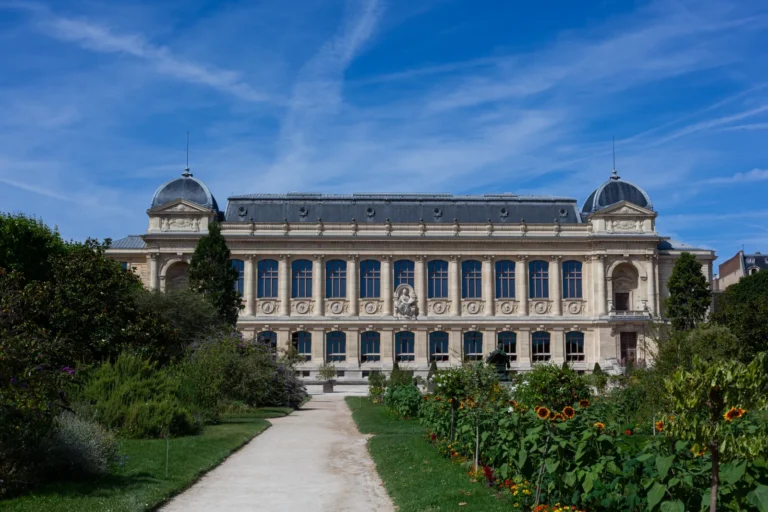
- Travelling with children? Choose the Eiffel Tower, the Cité des Sciences, the Jardin d’Acclimatation or the Jardin des Plantes and its Grand Gallery of Evolution. See also our ideas for travelling in Europe with children.
- Raining? The covered passages of the Right Bank (Galerie Vivienne, Passage des Panoramas), museums, the Sainte-Chapelle, a covered Seine cruise.
Good to know: the permanent collections of the City of Paris museums (Carnavalet, Petit Palais, Musée d’Art Moderne, Maison de Victor Hugo…) are free; only temporary exhibitions are charged.
Itinerary: how many days do you need in Paris?
Paris in 1 day
- Morning: the Île de la Cité (Notre-Dame, Sainte-Chapelle)
- Midday: the Latin Quarter, then a walk along the quays to the Louvre (outside and the pyramid)
- Afternoon: the Tuileries, Concorde, the Champs-Élysées up to the Arc de Triomphe
- Evening: the Trocadéro and the illuminated Eiffel Tower
Paris in 3 days
- Day 1: the Île de la Cité, the Marais, Place des Vosges, the Hôtel de Ville
- Day 2: the Louvre or Orsay in the morning, the Tuileries, Saint-Germain-des-Prés, the Luxembourg Gardens
- Day 3: the Eiffel Tower and Les Invalides in the morning, a Seine cruise, Montmartre and the Sacré-Cœur at sunset
Paris in 4 or 5 days: add a day at Versailles (check its closing day), a « Parisians’ Paris » day (Canal Saint-Martin, Belleville, Père-Lachaise) and a second museum. For a short stay, see also our weekend ideas and our selection for a romantic weekend.
When to go to Paris
The best months are May, June and September. Paris has a modified oceanic climate: cool but rarely freezing winters (average low of 3.2 °C (38 °F) in January), warm summers (average high of 25.7 °C (78 °F) in July) and regular but moderate rain, 634 mm (25.0 in) a year according to Météo-France, spread throughout the year. July and August are the sunniest months but also the busiest, with a few hot days (an average of 5.5 days at 30 °C (86 °F) or more in July).
| Month | Avg max | Avg min | Rain | Rainy days | Sunshine (h) | Crowds | Prices | Verdict |
|---|---|---|---|---|---|---|---|---|
| January | 7.6 °C (46 °F) | 3.2 °C (38 °F) | 47.6 mm (1.9 in) | 9.9 | 59.0 | Low | Low | ⚠️ Cold and grey, quiet museums |
| February | 8.8 °C (48 °F) | 3.3 °C (38 °F) | 41.8 mm (1.6 in) | 9.1 | 83.7 | Low | Low | ⚠️ Cold, short days |
| March | 12.8 °C (55 °F) | 5.6 °C (42 °F) | 45.2 mm (1.8 in) | 9.5 | 134.9 | Moderate | Moderate | ⚠️ Early spring, changeable |
| April | 16.6 °C (62 °F) | 7.9 °C (46 °F) | 45.8 mm (1.8 in) | 8.6 | 177.3 | High (Easter holidays) | High | ✅ Parks in bloom, cool mornings |
| May | 20.2 °C (68 °F) | 11.1 °C (52 °F) | 69.0 mm (2.7 in) | 9.2 | 201.0 | High | High | ✅ Mild; wettest month by volume |
| June | 23.4 °C (74 °F) | 14.2 °C (58 °F) | 51.3 mm (2.0 in) | 8.3 | 203.5 | High | High | ✅ Longest days, café terraces |
| July | 25.7 °C (78 °F) | 16.2 °C (61 °F) | 59.4 mm (2.3 in) | 7.4 | 222.4 | Very high | Very high | ⚠️ Hot, very busy |
| August | 25.6 °C (78 °F) | 16.0 °C (61 °F) | 58.0 mm (2.3 in) | 8.1 | 215.3 | Very high | High | ⚠️ Hot; fewer locals in town |
| September | 21.5 °C (71 °F) | 13.0 °C (55 °F) | 44.7 mm (1.8 in) | 7.5 | 174.7 | High | High | ✅ Mild, golden light |
| October | 16.5 °C (62 °F) | 9.9 °C (50 °F) | 55.2 mm (2.2 in) | 9.5 | 118.6 | Moderate to high | Moderate | ✅ Autumn colours |
| November | 11.1 °C (52 °F) | 6.2 °C (43 °F) | 54.3 mm (2.1 in) | 10.4 | 69.8 | Moderate | Moderate | ⚠️ Grey, wet |
| December | 8.0 °C (46 °F) | 3.8 °C (39 °F) | 62.0 mm (2.4 in) | 11.4 | 56.9 | High (holidays) | High | ⚠️ Christmas lights, but cold and crowded |
- Spring (April-June): the most pleasant season for walking; gardens and terraces reopen and the days lengthen quickly. Holiday weekends in May are busy.
- Summer (July-August): very busy monuments, but long evenings on the quays; book your visits and carry water during hot spells.
- Autumn (September-October): mild in September, a new cultural season, colours in the parks; October gets wetter.
- Winter (November-March): damp cold and short days, but quieter museums and lower prices in January-February; festive lights in December.
Sunset and daylight: our month-by-month calculations
To photograph the Seine at golden hour or watch the Eiffel Tower light up, the sunset time is useful. We calculated it for the 15th of each month, together with day length and the average number of rainy days over a 7-day stay.
| Month | Sunrise (15th) | Sunset (15th) | Day length | Rainy days over 7 days |
|---|---|---|---|---|
| January | 8:38 am | 5:21 pm | 8 h 43 min | about 2 |
| February | 7:58 am | 6:10 pm | 10 h 12 min | about 2 |
| March | 7:03 am | 6:55 pm | 11 h 52 min | about 2 |
| April | 6:59 am | 8:41 pm | 13 h 42 min | about 2 |
| May | 6:08 am | 9:25 pm | 15 h 17 min | about 2 |
| June | 5:46 am | 9:55 pm | 16 h 09 min | about 2 |
| July | 6:03 am | 9:49 pm | 15 h 46 min | about 2 |
| August | 6:43 am | 9:06 pm | 14 h 23 min | about 2 |
| September | 7:27 am | 8:04 pm | 12 h 37 min | about 2 |
| October | 8:11 am | 7:01 pm | 10 h 50 min | about 2 |
| November | 7:59 am | 5:10 pm | 9 h 11 min | about 2 |
| December | 8:37 am | 4:54 pm | 8 h 17 min | about 3 |
- June has nearly 7 hours 53 minutes more daylight than December (16 h 09 against 8 h 17 on the 15th): in summer the sun sets after 9:50 pm and the Eiffel Tower lights come on late.
- In winter it is dark by about 4:54 pm in mid-December: ideal for seeing the lights without staying up late, but start your sightseeing early.
- The risk of rain varies little: between 2 and 3 rainy days per week depending on the month. A compact umbrella is useful all year round; to compare with other cities, see our rankings of the rainiest cities in France and the sunniest cities.
Getting around Paris
- Metro: 16 lines (including 3bis and 7bis) cover the whole city with closely spaced stations; it is the fastest way to cross Paris.
- RER: five lines (A to E) cross Paris and serve the suburbs, the airports (RER B to Charles-de-Gaulle), Versailles (RER C) and Disneyland Paris (RER A).
- Buses and trams: slower but good for seeing the city; bus routes along the Seine make a cheap sightseeing tour.
- Tickets: tickets and passes are sold on the Île-de-France Mobilités app and website and at ticket offices; check fares on the official website.
- Bike: Vélib’ bike sharing and a fast-growing network of cycle lanes.
- On foot: the best way to link the central districts along the Seine.
- Car: not recommended; parking is expensive and scarce, and there is a low-emission zone (Crit’Air sticker).
Getting to Paris: Paris-Charles-de-Gaulle and Paris-Orly are the main international airports; TGV high-speed trains link Paris with Lyon, Strasbourg and many other cities. See our tips for cheap train travel.
Where to stay in Paris
| District | Best for | Highlights |
|---|---|---|
| 1st-4th (Louvre, Marais, islands) | First visit | Everything on foot, historic heart; high prices |
| 5th-6th (Latin Quarter, Saint-Germain) | Couples, strollers | Cafés, bookshops, Luxembourg Gardens |
| 7th (Eiffel Tower, Invalides) | A quiet stay | Views of the tower, residential area |
| 9th-10th (Opéra, Gare du Nord and Gare de l’Est) | Arriving by train, mid-range budget | Well connected, more affordable |
| 11th (Bastille, Oberkampf) | Nightlife, tight budget | Bars and restaurants, direct metro |
| 18th (Montmartre) | Village atmosphere | Views, charm; hills and steps |
Entry requirements, health and safety
- US citizens: you may enter the Schengen area, including France, for up to 90 days for tourism or business without a visa; your passport should be valid at least three months beyond your period of stay (six months recommended), and immigration officers may ask for proof of sufficient funds and a return ticket (U.S. Department of State, travel.state.gov, last updated August 11, 2025).
- UK citizens: no visa for up to 90 days in any 180-day period as a tourist; your passport must have been issued less than 10 years before you arrive and be valid at least 3 months after the day you plan to leave the Schengen area. The EU Entry/Exit System (EES) is being implemented: fingerprints and a photo may be taken at the border, free of charge (UK FCDO, GOV.UK, updated 22 October 2026).
- Health and emergencies: UK travellers need a GHIC or valid EHIC for medically necessary state healthcare; everyone should have travel insurance covering medical costs. Emergency numbers: 112 (European emergency number, with some English-speaking staff) and 15 (medical emergencies) (GOV.UK; travel.state.gov).
- Safety: the UK FCDO (GOV.UK, updated 22 October 2026) considers that terrorists are very likely to try to carry out attacks in France: stay vigilant in public places. Thieves and pickpockets operate on the Paris Métro, on RER lines and at mainline stations, and GOV.UK reports serious assaults on RER line B, which serves the CDG and Orly airports and Gare du Nord. The U.S. State Department (travel.state.gov) advises reporting crimes on 112 or 17.
Practical tips for visiting Paris
- Book the major sites (Eiffel Tower, Louvre, Orsay, Versailles, Sainte-Chapelle) on their official websites: time slots cut down waiting.
- Check closing days: many national museums close on Monday or Tuesday, and on some public holidays.
- Belongings: stay alert on the metro, in queues and around the major monuments.
- Mobile data: check your home carrier’s roaming charges before you go.
Frequently asked questions
How many days do you need in Paris?
Three days let you see the essentials: the Île de la Cité, a major museum, the Eiffel Tower, the Marais and Montmartre. Allow four to five days to add Versailles and lesser-known districts.
What is the best month to visit Paris?
May, June and September: 20 to 23 °C (68 to 73 °F) in the afternoon according to Météo-France 1991-2020 normals, long days and fewer crowds than in July and August.
Which Paris museums are closed on Monday or Tuesday?
The Louvre is closed on Tuesdays, according to its official website. Many other museums close one day a week, often Monday: check the closing day and any exceptional closures on each official website.
What to do in Paris when it rains?
The museums (Louvre, Orsay, Carnavalet, free for its permanent collections), the Sainte-Chapelle, the covered passages of the Right Bank and a covered Seine cruise.
What time is sunset in Paris?
Around 5 pm on 15 December and around 10 pm on 15 June, according to our calculation (NOAA solar algorithm, Paris local time). The table above gives the time for each month.
Which area should you stay in in Paris?
For a first visit, the centre (1st to 7th arrondissements) lets you do everything on foot. The 9th, 10th and 11th are more affordable and well connected.
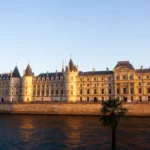
Right next door, our guide to visiting the Conciergerie compares free days and closing days with the Sainte-Chapelle and works out the saving on the combined ticket.
For a theme park day north of Paris, our guide Parc Astérix: tickets and opening calendar counts the opening days and compares official prices.
On a rainy day or with children, our guide to visiting the Musée Grévin compares official prices and gives opening hours.
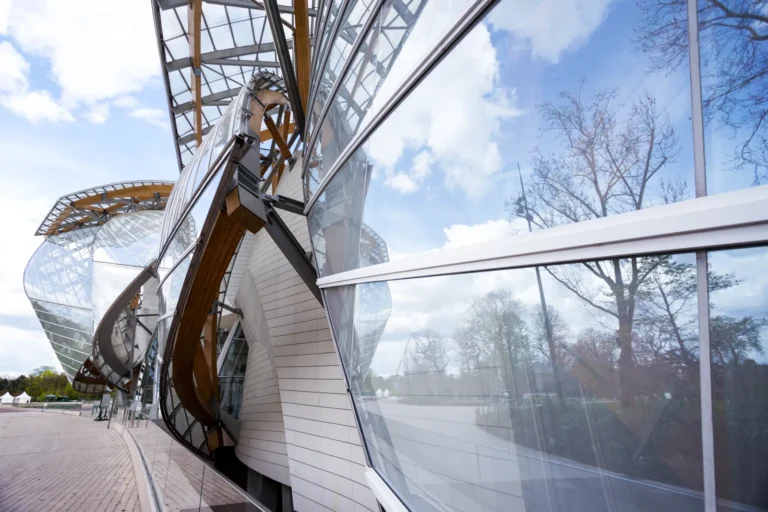
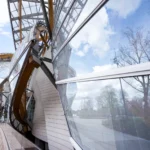
For contemporary art, our guide Fondation Louis Vuitton: tickets, opening hours and late openings gives official prices, the closing day and shuttle access.
For the grand staircase and foyers, our guide visiting the Opéra Garnier: tickets and opening hours explains compulsory booking and closures for rehearsals.
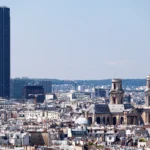
The Tour Montparnasse observation deck has been closed since March 2026: our page Tour Montparnasse closed: what to do instead suggests other viewpoints over Paris.
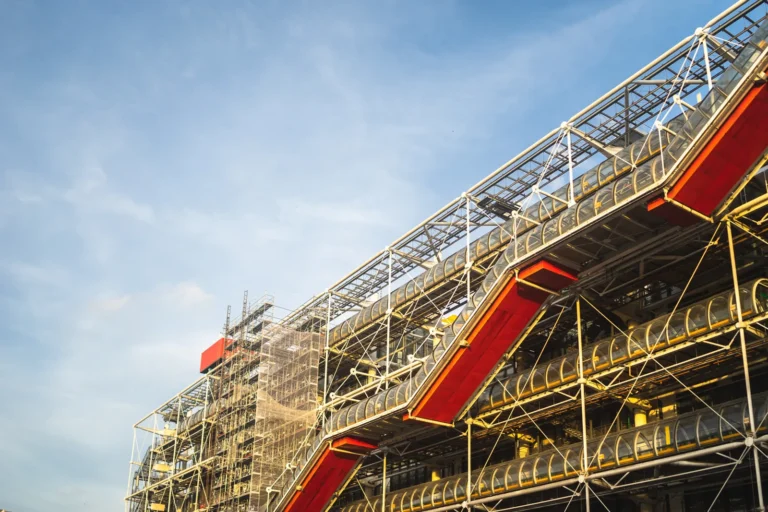
The Centre Pompidou is closed until 2030: our page Centre Pompidou closed: where to see its works lists its off-site exhibitions in Paris.
In the Tuileries, our guide to visiting the Musée de l’Orangerie covers tickets, free admission and the best time for the Water Lilies.
In the 5th arrondissement, our page on visiting the Jardin des Plantes brings together opening hours and prices for the Grand Gallery, the Ménagerie and the Greenhouses.
In eastern Paris, our Vincennes zoo page gives opening hours, official prices and access to the Paris Zoological Park.
For families, our guide to visiting the Jardin d’Acclimatation compares the simple entry ticket and the unlimited pass.
In the 7th arrondissement, our page on visiting the Musée Rodin covers opening hours, tickets and the sculpture garden.
Our sources
- Météo-France: climate sheet, 1991-2020 statistics, Paris-Montsouris station (temperatures, rainfall, rainy days, sunshine, days at 30 °C (86 °F) or more), accessed 15 October 2026
- Destination de Voyage calculation: sunrise and sunset (NOAA solar algorithm, IANA Europe/Paris time zone), rainy days scaled to a 7-day stay
- Musée du Louvre, hours and admission, checked 26 October 2026
- Entry requirements, health and safety checked on 26 October 2026: U.S. Department of State, France country information (last updated August 11, 2025) and UK FCDO, GOV.UK foreign travel advice for France (updated 22 October 2026)
- Our methodology
Updated October 2026.
To extend your trip, discover Mont-Saint-Michel, our guide to things to do in Lyon, our page on visiting Strasbourg, our France travel guide and all our destinations in Europe.
Our guides: Paris (28 guides)
Cities, islands and regions
Aquarium de Paris Arc de Triomphe
 Centre PompidouCité des sciences
 Conciergerie
 Fondation Louis VuittonJardin d'Acclimatation
 Jardin des Plantes
 Luxembourg Gardens
 Montparnasse TowerMusée de l'OrangerieMusée du quai BranlyMusée Grévin
 Notre-Dame de Paris
 Opéra Garnier
 PanthéonParc Astérix
 Paris CatacombsParis PassRodin Museum
 Sacré-Cœur
 Sainte-ChapelleVincennes Zoo