What are the best things to do in Strasbourg? Climb to the cathedral platform and see the astronomical clock, wander through Petite France and over the Ponts Couverts, take in the view from the Barrage Vauban, visit the Palais Rohan museums and the Alsatian Museum, take a boat trip on the Ill, discover the Neustadt and the European quarter, then try choucroute (sauerkraut with meats) in a winstub. Allow 2 days to visit Strasbourg; the best times are May-June, September and the Christmas market season.
Capital of Alsace and seat of the European Parliament, Strasbourg has its historic centre, the Grande Île, on the UNESCO World Heritage List, joined in 2017 by the Neustadt, the district built under German rule. This guide brings together the highlights, two itineraries, the 2026 Christmas market, budget, where to stay and the month-by-month climate according to Météo-France, with figures we calculated ourselves: daylight and cold during the Christmas market, and a side-by-side comparison with Colmar.

Our travel deals for Strasbourg
Affiliate links: we earn a commission, at no extra cost to you.
 FlightsKiwi.comCompare flights and airline combinations to Strasbourg.Compare flights

Strasbourg at a glance
- Location Bas-Rhin(Alsace, Grand Est region), on the Rhine, facing Kehl in Germany
- Airports Strasbourg-Entzheim, linked to the main station by regional train; EuroAirport Basel-Mulhouse further south · details
- Ideal length 1 day for the essentials, 2 to 3 days with the museums and Kehl
- Best time May-June and SeptemberLate November-December for the Christmas market
- Entry US citizens: no visa for up to 90 days in the Schengen area; UK citizens: no visa for up to 90 days in 180, EES registration · travel.state.gov · GOV.UK
- Currency the euro · currencies
- Budget see our budget section
Things to do in Strasbourg: the highlights
Notre-Dame cathedral and its platform
A masterpiece of Gothic art in pink Vosges sandstone, Strasbourg cathedral dominates the city with its single 142-metre (466 ft) spire. Inside, don’t miss the stained glass, the Angels’ Pillar and the astronomical clock, whose automata come to life every day around midday (time and tickets on the cathedral website). A staircase of 332 steps leads to the platform, 66 m (217 ft) up, with views over the city, the Black Forest and the Vosges on a clear day.
The Grande Île and Place Kléber
Encircled by the Ill and its canals, the Grande Île is home to the cathedral, Maison Kammerzell with its carved facades, Place Gutenberg and Place Kléber, the largest square in the centre. Its lanes are easy to explore on foot in half a day. For a family day out, our page on Europa-Park: tickets, opening hours and access covers the big theme park in Rust, across the Rhine.
Petite France
Once the district of tanners, millers and fishermen, Petite France lines up half-timbered houses, locks and swing bridges along the branches of the Ill. Early in the morning and late in the day the area is quieter; Rue du Bain-aux-Plantes and Place Benjamin-Zix are the most photographed spots.
The Ponts Couverts and the Barrage Vauban
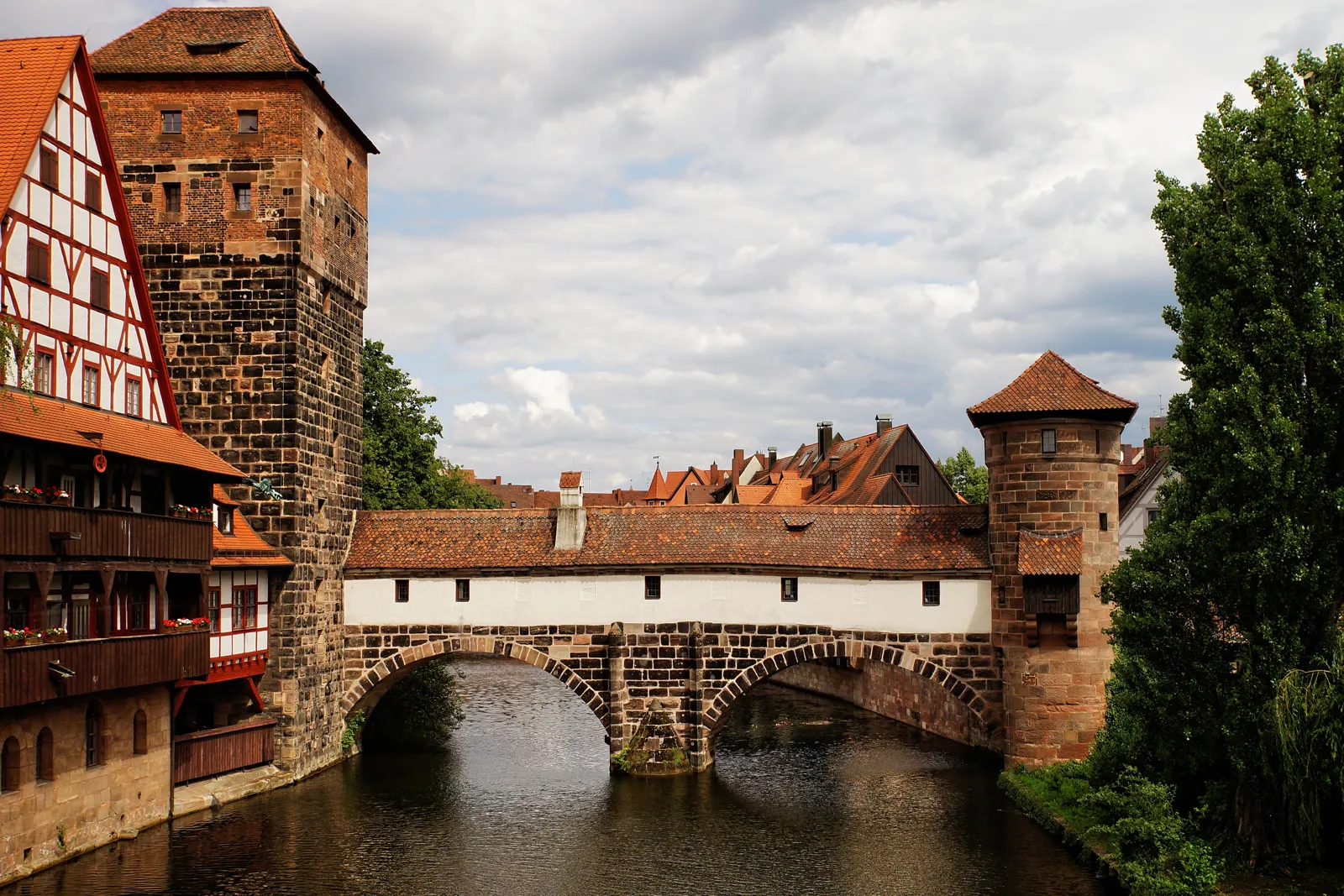
At the end of Petite France, the Ponts Couverts (covered bridges) are guarded by three medieval towers. Just behind them, the Barrage Vauban, a 17th-century defensive dam, has a panoramic terrace: it is the best viewpoint over Petite France and the towers.
The Palais Rohan museums and the Alsatian Museum
The Palais Rohan, former residence of the prince-bishops, houses three museums: Decorative Arts, Fine Arts and Archaeology. Across the Ill, the Alsatian Museum presents traditional life in the region in a set of old houses. The Musée de l’Œuvre Notre-Dame (sculptures from the cathedral), the Museum of Modern and Contemporary Art and the Tomi Ungerer Museum complete the offering. A museum pass exists; check the city museums’ website.
The Neustadt
Built after 1871, when Strasbourg was German, the Neustadt is a set of avenues, squares and monumental buildings: Place de la République, the Palais du Rhin, the National and University Library and the University Palace. A one- or two-hour walk covers the essentials.
The European quarter and the Orangerie park
To the north-east, the European Parliament, the Council of Europe and the European Court of Human Rights form the European quarter; the Parliament can be visited (registration and conditions on its website, ID required). Nearby, the Orangerie park, the oldest in the city, is known for its storks.
A boat trip on the Ill and the Hospices cellar
Batorama boats circle the Grande Île and pass through Petite France and the European quarter, with an audio commentary: handy for a first overview. Beneath the civil hospital, the historic Hospices cellar keeps century-old barrels and one of the oldest wines in the world still kept in a cask; check the opening hours before you go.
Kehl, across the Rhine
Tram line D crosses the Rhine to Kehl, in Germany. The Garden of the Two Banks (Jardin des Deux Rives), straddling the border, is crossed on foot by a footbridge. Carry your passport: the U.S. State Department notes that France has temporarily reintroduced controls at its borders with Schengen neighbours (travel.state.gov, last updated August 11, 2025).
Itinerary: Strasbourg in 1 or 2 days
Strasbourg in 1 day
- Morning: cathedral, astronomical clock and platform, Maison Kammerzell
- Late morning: Place Gutenberg and Place Kléber
- Lunch: tarte flambée or choucroute in a winstub
- Afternoon: Petite France, Ponts Couverts and the Barrage Vauban terrace
- Evening: a boat trip on the Ill or a drink in the Krutenau district
Strasbourg in 2 days
- Day 1: as above
- Day 2: Palais Rohan or the Alsatian Museum in the morning, the Neustadt on foot, then the European quarter and the Orangerie park; in the evening, tram D to Kehl or the Hospices cellar
With an extra day, head to Colmar (about 30 minutes by TER regional train) and the Wine Route; our page on visiting Alsace covers the other stops. For a short break, see also our weekend ideas.
The Strasbourg Christmas market 2026
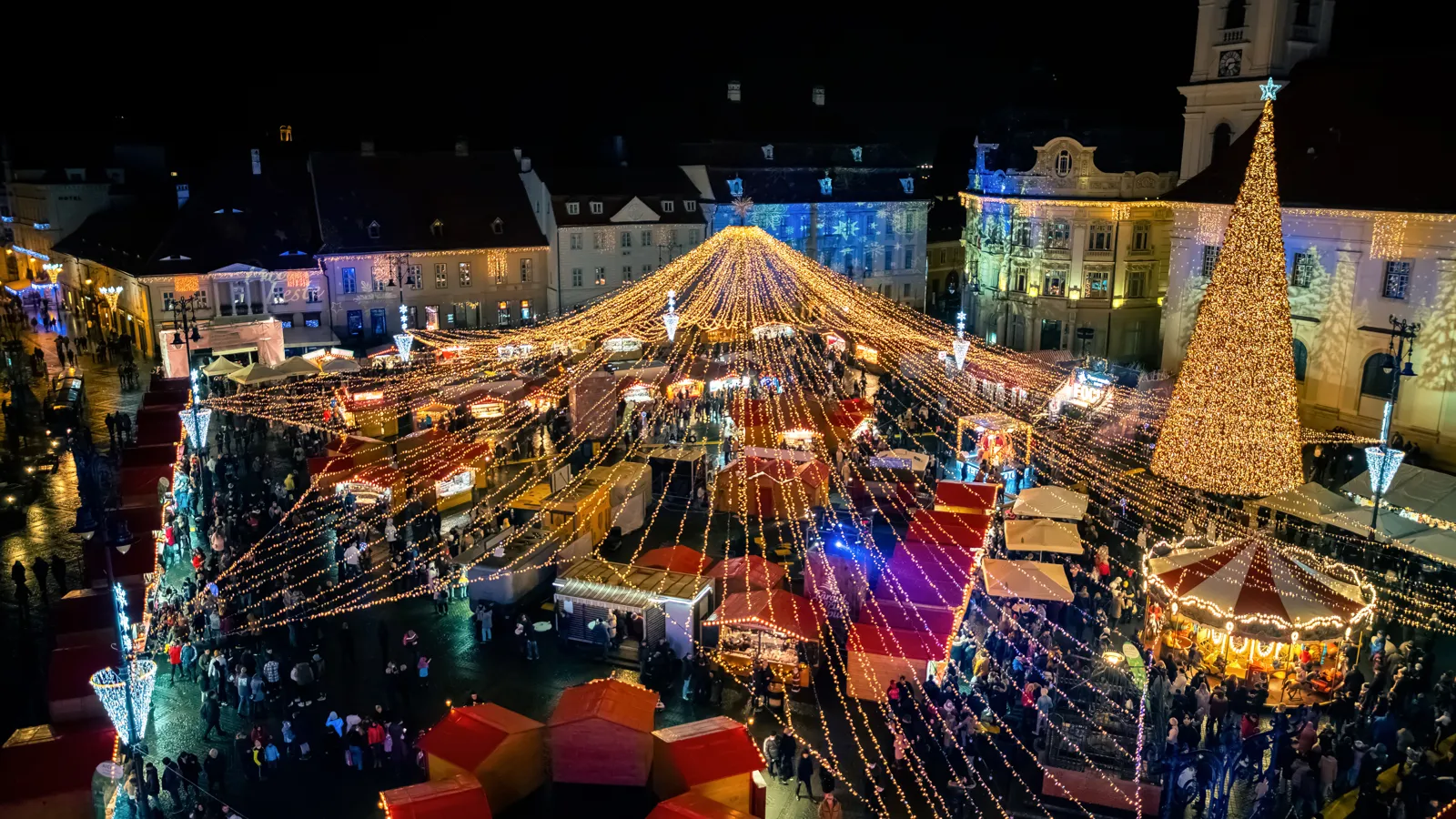
The Christkindelsmärik on Place Broglie is one of the oldest Christmas markets in France. According to the official « Strasbourg, Capitale de Noël » website (checked 26 October 2026), the 2026 market runs from Friday 27 November to 24 December 2026. The chalets are spread over several sites in the centre: Place Broglie, Place Kléber and its giant tree, around the cathedral, Petite France, the Carré d’Or, Terrasse Rohan, Square Louise-Weiss and Place Grimmeissen (the « OFF » market).
During the market, access checks are set up around the Grande Île and car traffic is restricted: come by train or use the tram park-and-ride car parks. Weekends and afternoons are very busy; weekday mornings are calmer. For other cities, see our selection of Christmas markets in Europe and our ideas for where to go in December.
Daylight and cold during the market: our calculations
| Date 2026 | Sunrise | Sunset | Day length |
|---|---|---|---|
| 27 November (opening) | 07:54 | 16:38 | 8 h 44 |
| 1 December | 08:00 | 16:35 | 8 h 36 |
| 15 December | 08:14 | 16:33 | 8 h 19 |
| 21 December (solstice) | 08:18 | 16:35 | 8 h 17 |
| 24 December | 08:19 | 16:37 | 8 h 17 |
- It’s dark by about 4:30 pm: sunset is around 16:33 in mid-December, so the lights can be enjoyed from late afternoon without staying up late.
- Less than 8 h 30 of daylight: 8 h 17 on the solstice. Plan your day around the light: start early and keep indoor visits (museums, cathedral) flexible.
- The cold: according to Météo-France, the average December low is 0.8 °C (33 °F), with an average of 12.8 frost days (low ≤ 0 °C / 32 °F) in the month, or about 3 nights out of 7 during a one-week stay (Destination de Voyage calculation). The average high is just 5.9 °C (43 °F): pack a hat, gloves and warm shoes.
- Rain: 10.2 rainy days (≥ 1 mm) on average in December, or about 2 days over a 7-day stay: an umbrella is still useful.
When to go to Strasbourg
The best months are May, June and September. Strasbourg has one of the most continental climates of any large French city: cold winters (lows close to 0 °C / 32 °F from December to February), hot summers (average July high of 26.4 °C / 80 °F) and moderate rainfall, 636 mm (25.0 in) a year according to Météo-France, mostly from May to August, often as thunderstorms.
| Month | High | Low | Rain | Rainy days | Crowds | Prices | Verdict |
|---|---|---|---|---|---|---|---|
| January | 5.2 °C (41 °F) | -0.2 °C (32 °F) | 35.4 mm (1.4 in) | 9.1 | Low | Low | ❌ Cold, frequent frost |
| February | 7.3 °C (45 °F) | 0.0 °C (32 °F) | 34.1 mm (1.3 in) | 8.3 | Low | Low | ❌ Cold, grey |
| March | 12.1 °C (54 °F) | 2.6 °C (37 °F) | 38.6 mm (1.5 in) | 8.5 | Low | Low | ⚠️ End of winter, days getting longer |
| April | 17.0 °C (63 °F) | 5.7 °C (42 °F) | 41.8 mm (1.6 in) | 8.6 | Medium | Medium | ✅ Spring, parks in bloom |
| May | 20.9 °C (70 °F) | 10.1 °C (50 °F) | 77.2 mm (3.0 in) | 10.8 | Medium to high | Medium | ✅ Mild; the wettest month |
| June | 24.4 °C (76 °F) | 13.4 °C (56 °F) | 68.5 mm (2.7 in) | 10.2 | Medium | Medium | ✅ Long days, terraces |
| July | 26.4 °C (80 °F) | 14.9 °C (59 °F) | 71.9 mm (2.8 in) | 10.4 | High | High | ⚠️ Hot, stormy, very busy |
| August | 26.1 °C (79 °F) | 14.5 °C (58 °F) | 61.3 mm (2.4 in) | 9.5 | High | High | ⚠️ Hot, summer holidays |
| September | 21.6 °C (71 °F) | 10.7 °C (51 °F) | 54.6 mm (2.1 in) | 8.0 | Medium | Medium | ✅ Mild, new cultural season |
| October | 15.8 °C (60 °F) | 7.2 °C (45 °F) | 59.5 mm (2.3 in) | 9.6 | Medium | Medium | ✅ Autumn colours, quiet |
| November | 9.4 °C (49 °F) | 3.3 °C (38 °F) | 47.6 mm (1.9 in) | 9.2 | Low, then very high | Medium to very high | ⚠️ Quiet until the Christmas market |
| December | 5.9 °C (43 °F) | 0.8 °C (33 °F) | 45.2 mm (1.8 in) | 10.2 | Very high | Very high | ⚠️ Christmas market: magical but packed |
- Spring (April-June): the best season for walking around the city; May is the wettest month (77 mm / 3.0 in), mostly as showers.
- Summer (July-August): hot and lively, with terraces along the Ill and evening events; a few days top 30 °C / 86 °F (6 to 7 days a month on average according to Météo-France).
- Autumn (September-October): mild temperatures in September and a calmer atmosphere; ideal for combining Strasbourg with the Wine Route during the grape harvest.
- Winter (November-March): cold and grey, but the Christmas market period is the busiest of the year. Outside that period, prices are low.
Strasbourg or Colmar? The figures compared
The two Alsatian cities are about thirty minutes apart by train. Strasbourg is a big city with museums, a university and European institutions; Colmar, smaller, has a compact centre right next to the wine villages. For the weather, we compared the Météo-France normals of both. In Lorraine, our guide to Metz: things to do and when to go rounds off a stay in the Grand Est.
| Month | High °C (Strasbourg / Colmar) | Low °C (Strasbourg / Colmar) | Rain mm (Strasbourg / Colmar) |
|---|---|---|---|
| January | 5.2 / 5.6 | -0.2 / -0.8 | 35.4 / 33.1 |
| February | 7.3 / 7.6 | 0.0 / -0.7 | 34.1 / 30.6 |
| March | 12.1 / 12.6 | 2.6 / 1.9 | 38.6 / 34.0 |
| April | 17.0 / 17.1 | 5.7 / 5.1 | 41.8 / 42.8 |
| May | 20.9 / 21.0 | 10.1 / 9.4 | 77.2 / 69.8 |
| June | 24.4 / 24.7 | 13.4 / 12.9 | 68.5 / 66.2 |
| July | 26.4 / 26.7 | 14.9 / 14.4 | 71.9 / 62.8 |
| August | 26.1 / 26.5 | 14.5 / 14.0 | 61.3 / 60.8 |
| September | 21.6 / 22.0 | 10.7 / 10.2 | 54.6 / 51.3 |
| October | 15.8 / 16.3 | 7.2 / 6.7 | 59.5 / 56.8 |
| November | 9.4 / 9.8 | 3.3 / 2.7 | 47.6 / 43.6 |
| December | 5.9 / 6.3 | 0.8 / 0.2 | 45.2 / 43.2 |
- Colmar is drier: 595 mm (23.4 in) a year against 636 mm (25.0 in) in Strasbourg, about 6% less rain, thanks to the shelter of the Vosges.
- Colmar is slightly warmer in the afternoon (by 0.1 to 0.5 °C depending on the month), but its winter nights are colder: −0.8 °C (31 °F) in January against −0.2 °C (32 °F).
- Day length: almost identical (a few minutes’ difference), as the two cities are at the same latitude.
- In practice: choose Strasbourg for a city and culture break, Colmar for the Wine Route; at Christmas, the two are easy to combine by train.
Where to stay in Strasbourg
| Area | For whom? | Pluses |
|---|---|---|
| Grande Île and Petite France | First visit | Everything on foot, historic setting; high prices, restricted car access |
| Around the station | Without a car, short stay | Plenty of more affordable hotels, 10 minutes’ walk from the centre |
| Krutenau | Atmosphere, nightlife | Bars, restaurants, by the Ill, close to the centre |
| Neustadt and Orangerie | A quiet stay | Residential areas, close to the European quarter |
| Kehl (Germany) or the outskirts | Tight budget, Christmas market | Lower prices, linked by tram |
How much does a trip to Strasbourg cost?
| Item (per person per day) | Budget | Comfort |
|---|---|---|
| Accommodation (sharing a double room) | about €35 to €55 (hostel, simple hotel) | about €80 to €150 |
| Food | about €25 to €35 (tarte flambée, pretzels, markets) | about €50 to €80 (winstub, brasserie) |
| Transport | about €0 to €5 (on foot, tram) | about €5 to €20 (tram pass, taxi) |
| Sightseeing | about €5 to €15 (cathedral, platform, free Barrage Vauban) | about €20 to €40 (museums, boat trip) |
| Total | roughly €70 to €110 per person per day | roughly €150 to €250 per person per day |
Getting there and getting around Strasbourg
- By train: Strasbourg’s main station is served by TGV high-speed trains and regional TER trains. See our tips for travelling cheaply by train.
- From the airport: a regional train links Entzheim airport and the main station.
- In the city: trams and buses (CTS network); the centre is best explored on foot.
- By bike: Strasbourg has one of the densest cycle networks in France and a bike rental service.
- By car: best avoided in the centre; use the tram park-and-ride car parks, especially in December.
Entry requirements, health and safety
- US citizens (travel.state.gov, last updated August 11, 2025): you may enter the Schengen area, including France, for up to 90 days for tourism or business without a visa; your passport should be valid at least three months beyond your stay, and officers may ask for proof of sufficient funds and a return ticket.
- UK citizens (GOV.UK, updated 22 October 2026): no visa for up to 90 days in any 180-day period as a tourist; your passport must have been issued less than 10 years before you arrive and be valid at least 3 months after you leave the Schengen area. The EU Entry/Exit System (EES) is being implemented: fingerprints and a photo may be taken at your first entry, free of charge.
- Health: take out travel insurance that covers medical costs; UK residents can also use a GHIC or a valid EHIC (GOV.UK).
- Safety: the UK FCDO considers that terrorists are very likely to try to carry out attacks in France; stay alert in crowded places such as the Christmas market (GOV.UK).
- Crossing to Germany: France has temporarily reintroduced border controls with its Schengen neighbours, so carry your passport when going to Kehl or the Black Forest (travel.state.gov).
- Emergencies: 112 (European emergency number), 15 for medical emergencies (travel.state.gov, GOV.UK).
Practical tips for Strasbourg
- Cathedral: entry to the nave is free outside services; the platform and the astronomical clock are ticketed, with times to check.
- Museums: most close one day a week; check before you go.
- When it rains: the Palais Rohan museums, Alsatian Museum, Musée de l’Œuvre Notre-Dame, Hospices cellar, covered boat trip on the Ill.
- Food: choucroute, tarte flambée, baeckeoffe, pretzels, kougelhopf, bredele (Christmas biscuits), Alsace wines and local beers.
- Time: France is one hour ahead of London and usually six hours ahead of New York.
Frequently asked questions
What can you do in Strasbourg in one day?
The cathedral and its platform, the Grande Île, Petite France, the Ponts Couverts and the Barrage Vauban, then a boat trip on the Ill at the end of the day. Everything can be done on foot from the station.
How many days do you need in Strasbourg?
One day for the essentials, two to add the museums, the Neustadt and the European quarter, three with Kehl or a trip to Colmar.
When is the Strasbourg Christmas market in 2026?
From Friday 27 November to 24 December 2026, according to the official Strasbourg, Capitale de Noël website (checked 26 October 2026).
What is the best time to visit Strasbourg?
May, June and September: afternoon highs of 20 to 24 °C (68 to 75 °F) according to Météo-France 1991-2020 normals, and fewer crowds than in July-August or December.
What can you do in Strasbourg when it rains?
The Palais Rohan museums, the Alsatian Museum, the Musée de l’Œuvre Notre-Dame, the historic Hospices cellar, the inside of the cathedral and the boat trip on the Ill.
Strasbourg or Colmar: which should you choose?
Strasbourg for a big city and its museums, Colmar for a more compact centre and the Wine Route. Colmar gets about 6% less rain according to Météo-France normals. The two are about 30 minutes apart by train.
Our sources
- Météo-France: climate data sheets, 1991-2020 statistics, Strasbourg-Entzheim station; Colmar-Meyenheim sheet (same statistics)
- Destination de Voyage calculations: sunrise and sunset (NOAA solar algorithm, IANA time zone Europe/Paris), frost nights and rainy days over a 7-day stay
- Official « Strasbourg, Capitale de Noël » website (noel.strasbourg.eu): 2026 dates and market sites, checked 26 October 2026
- Entry requirements, health and safety checked on 26 October 2026: U.S. Department of State, France country information (last updated August 11, 2025) and UK FCDO, GOV.UK foreign travel advice for France (updated 22 October 2026).
- Our methodology
Updated October 2026.
To go further, see our page on visiting Alsace, our guide to things to do in Colmar, our page on Lyon, our France travel guide and our destinations in Europe.