Europe’s best-known Christmas markets are in Germany (Nuremberg, Munich, Cologne, Berlin), Austria (Vienna), central Europe (Prague, Budapest, Krakow), Alsace (Strasbourg) and Scandinavia (Copenhagen, Stockholm). Most open in late November and close around 24 December; some stay open until early January. If both Prague and Budapest tempt you, our comparison to choose between Prague and Budapest helps you decide for a stay outside the holidays.
This guide helps you choose a city according to the atmosphere you want and your budget, then plan the weekend: when to go, how to avoid the crowds, where to stay. Dates change every year: we give only those we have checked on official websites, and point you to them for the others.

Our travel deals for Christmas markets
Affiliate links: we earn a commission, at no extra cost to you.
 FlightsKiwi.comCompare flights and airline combinations to Christmas markets.Compare flights

Christmas markets in Europe: key facts
- Season: late November to Christmas for most markets; a few extend to New Year or Epiphany.
- Nuremberg 2026: 27 November to 24 December, daily from 10 am to 9 pm (official Christkindlesmarkt site).
- Strasbourg 2026: opening on Friday 27 November (official “Strasbourg, capitale de Noël” site).
- Fewer crowds: on weekdays and in the daytime, in early December rather than the last weekend before Christmas.
- Book accommodation early: December weekends are the most in demand in market cities.
Europe’s best Christmas markets, city by city
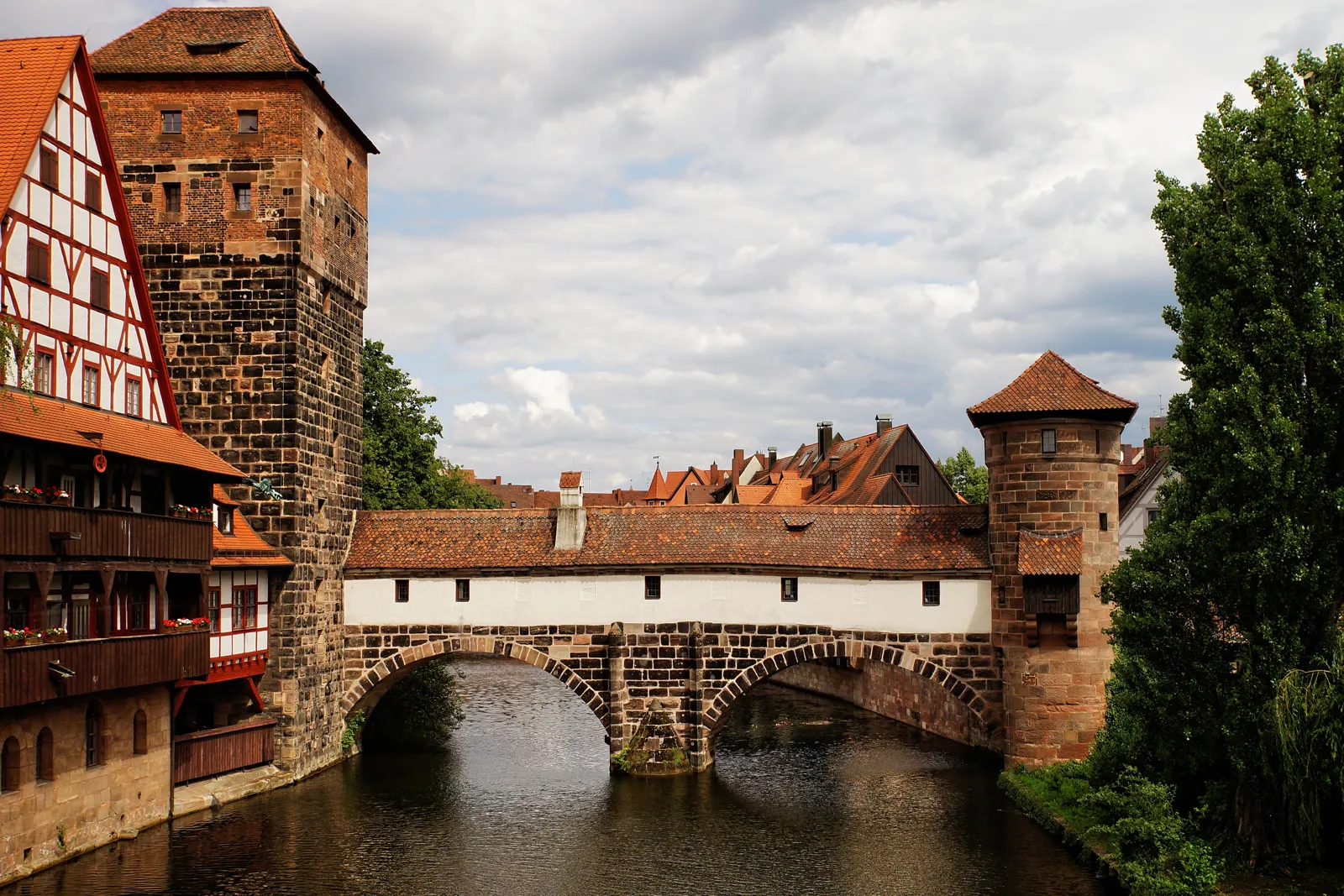
Nuremberg (Germany): the historic market
Nuremberg’s Christkindlesmarkt presents itself as one of the oldest and most famous Christmas markets in the world. It sets up on the central square of the old town, with stalls of traditional decorations, gingerbread (Lebkuchen) and Spekulatius biscuits. In 2026, the opening ceremony takes place on 27 November at 5:30 pm, and the market stays open until 24 December.
Munich, Cologne and Berlin: Germany’s big markets
Each of the big German cities has several markets spread across its districts. In Munich, the main market occupies Marienplatz; in Berlin, each district has its own, from the most traditional to the most alternative. For a multi-city trip, our Germany guide gives rail journey times.
Strasbourg and Alsace: the Christmas market in France
Strasbourg runs several markets in the centre: the Christkindelsmärik, Place de la Cathédrale, Petite France, the Grand Sapin, the Carré d’Or, the Quai des Délices, the Irréductibles Petits Producteurs d’Alsace and an “OFF” market. The neighbouring villages (Colmar, Kaysersberg, Riquewihr…) also have their markets: our Alsace page helps you combine stops. For Colmar and its Little Venice, our Colmar travel guide details the visits and the atmosphere of the Advent markets.
Vienna: Baroque markets and music
In Vienna, the markets set up in front of the town hall (Rathausplatz), at Schönbrunn Palace or in the Spittelberg district. Advent concerts in the churches round off a weekend well. Check the Vienna tourist office website for the dates of each market.
Prague, Budapest and Krakow: central Europe
In Prague, the main market occupies Old Town Square, at the foot of the astronomical clock. In Budapest, the two big markets are held on Vörösmarty Square and in front of St Stephen’s Basilica. In Krakow, the market sets up on the Main Square (Rynek Główny). These cities are generally cheaper than Germany or Austria for accommodation and meals.
Copenhagen and Stockholm: Scandinavian Christmas
In Copenhagen, the Tivoli Gardens host a market inside the amusement park (paid entry), in addition to the markets at Nyhavn and Kongens Nytorv. In Stockholm, the Gamla Stan (old town) market and the one at the Skansen open-air museum are the busiest. Days are short in December: plan outdoor visits before 3 pm.
Brussels, Bruges and Amsterdam: markets close to each other
Brussels and Bruges, close to each other, run markets with ice rinks and lights; Amsterdam relies more on its festival of lights along the canals. London mainly offers Christmas “villages”, some with paid entry.
Comparison: which Christmas market to choose?
| City | Atmosphere | Currency | Budget on the spot |
|---|---|---|---|
| Strasbourg | Traditional, very busy | Euro | Medium to high in December |
| Nuremberg | Historic, crafts | Euro | Medium |
| Vienna | Elegant, music | Euro | High |
| Prague | Old town, lights | Local currency | Moderate |
| Budapest | Food, thermal baths | Local currency | Moderate |
| Krakow | Main Square, crafts | Local currency | Rather low |
| Copenhagen | Tivoli, design | Local currency | High |
| Brussels / Bruges | Close together, ice rinks | Euro | Medium |
When to go to avoid the crowds
- Late November and early December: the markets have just opened, and crowds are lighter than in mid-December.
- On weekdays: from Monday to Thursday, the aisles are clearly quieter than on Saturday night.
- In the daytime: come in the morning for shopping, return after dark for the lights.
- After Christmas: only some markets stay open; check the dates before booking.
- For other trip ideas at this time of year, see where to go in December.
Planning your Christmas markets weekend
Transport
The train is the simplest option for Strasbourg, Brussels or Bruges, and for several German cities. For central Europe and Scandinavia, flying is generally quickest. Our Europe page presents destinations that suit a weekend trip.
Accommodation
Stay in the centre or near a public transport stop: the markets are visited on foot, often in the evening. Central hotels fill up quickly for December weekends; book as soon as your dates are fixed and prefer free cancellation.
Budget and payment
Outside the eurozone (Prague, Budapest, Krakow, Copenhagen, Stockholm, London), pay in the local currency rather than in your home currency when the card terminal offers the choice: our guide to changing money when travelling explains why. In many markets, hot drinks are served in deposit mugs: keep yours as a souvenir or return it to get the deposit back.
Clothing
Temperatures are often close to 0 °C (32 °F) in the evening in December in central and northern Europe. Pack warm layers, a hat, gloves and waterproof shoes. Our what to pack list helps you forget nothing.
Frequently asked questions
What is the most beautiful Christmas market in Europe?
There is no official ranking. Nuremberg and Strasbourg are among the oldest and best known; Vienna and Prague are often chosen for the setting of their historic centres; Krakow and Budapest for their gentler budgets.
When do Christmas markets open?
Most open in late November. In 2026, the Nuremberg market opens on 27 November and so does Strasbourg’s. Check each city on its official website.
Which Christmas markets are best for a short rail trip?
Brussels and Bruges are close to each other, and several German cities are linked by rail; our Germany guide gives rail journey times.
Are Christmas markets open on 25 December?
Many close on 24 December (Nuremberg closes on the 24th in 2026). Some markets stay open after Christmas, notably in capital cities: check before you go.
How many days should I allow?
A two-day weekend is enough for one city. Allow three to four days to combine two nearby cities, for example Strasbourg and Colmar, or Vienna and Bratislava.
Our sources
- Nuremberg Christkindlesmarkt, official website (christkindlesmarkt.de), 2026 dates, read 14 October 2026.
- Strasbourg, capitale de Noël, official website (noel.strasbourg.eu), read 14 October 2026.
- Our methodology
Updated October 2026. Opening dates change every year: check each market’s official website.