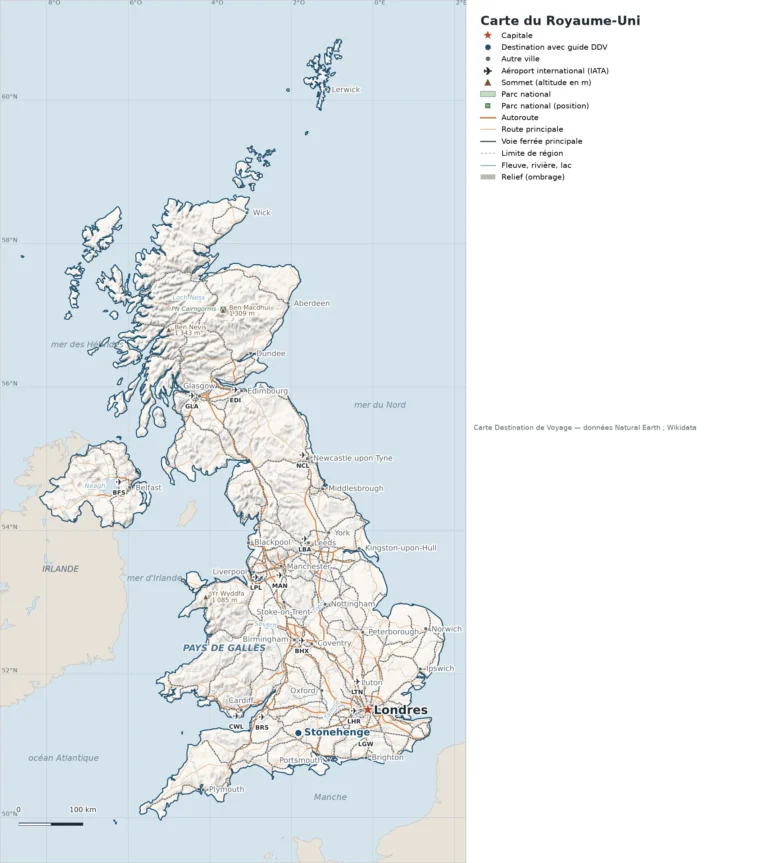
What are the best things to do in London? The city works like several cities in one: royal London around Westminster and Buckingham, the medieval and financial City around the Tower of London, the great free museums of Bloomsbury and South Kensington, and neighbourhood markets and pubs. London is vast and expensive, but very well served by the Underground. This guide helps you decide what to see and do, which neighbourhood to choose and how to build a 3- to 5-day stay, with a day trip to Windsor Castle. Windsor and the other day trips appear on our map of the United Kingdom.

Our travel deals for London
Affiliate links: we earn a commission, at no extra cost to you.
 FlightsKiwi.comCompare flights and airline combinations to London.Compare flights
- Airport transferKiwitaxiPrivate driver booked in advance at a fixed price.Book a transfer
- Tickets and toursTiqetsEntry tickets and guided tours to book online; compare with the official price.See tickets
- City passGo CityMulti-attraction pass at a fixed price: worth it only if you visit a lot.See passes
- eSIMAiraloData plan to install before you leave (eSIM-compatible phone).See plans





London at a glance
- Airports Heathrow, Gatwick, London City, Stansted and Luton; Eurostar trains from mainland Europe arrive at St Pancras
- Ideal length 3 to 5 days for a first visit
- Best time May to September; December for the Christmas atmosphere
- Time zone UTC+0 (GMT), UTC+1 in summer (BST); 5 h ahead of New York
- Entry US citizens need a valid passport and an Electronic Travel Authorisation (ETA); UK citizens: no formalities
- Budget one of the most expensive cities in Europe for hotels; many major museums are free
- Currency pound sterling (GBP); contactless payment accepted almost everywhere, including on public transport
What to see in London: the highlights
The Tower of London
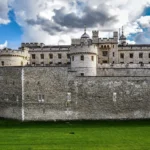
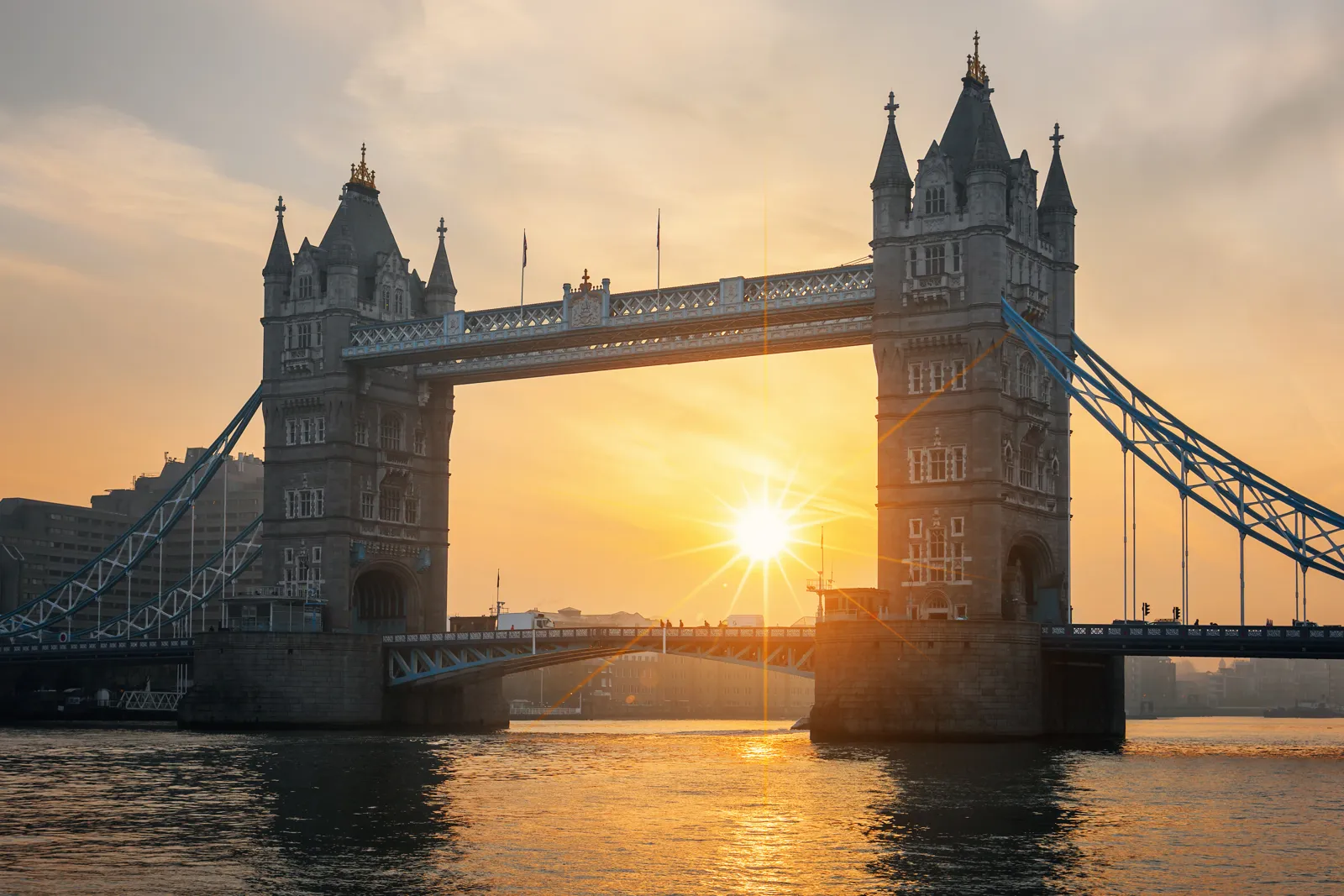
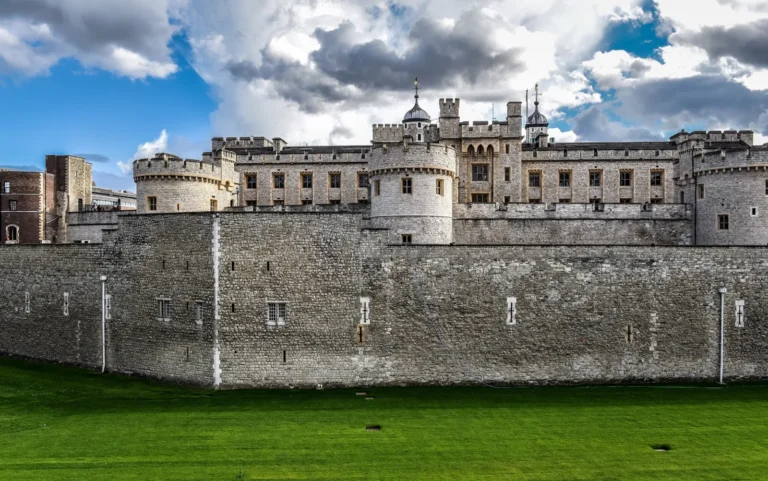
On the bank of the Thames, the Tower of London is a fortress founded by William the Conqueror after the Norman Conquest of 1066. Its keep, the White Tower, was begun around 1078. Over the centuries it has served as a royal palace, armoury, treasury and state prison: Anne Boleyn was executed there in 1536, and it was there that Richard III’s two young nephews, the « Princes in the Tower », disappeared in 1483. It is a UNESCO World Heritage Site. To see whether a sightseeing pass pays off, see our London Pass page.
- The Crown Jewels: crowns, sceptres and orbs used at coronations, including St Edward’s Crown and the Imperial State Crown. Arrive at opening time: the Jewel House queue grows fast
- The White Tower: the Norman keep houses part of the Royal Armouries collections
- The Yeoman Warders (« Beefeaters »): the uniformed guards lead guided tours included in the ticket, full of anecdotes
- The ravens: legend says the kingdom will fall if they leave the Tower; several are still kept there
- The Ceremony of the Keys: the ritual locking of the gates each evening can be attended by reservation, often months ahead
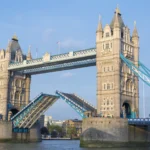
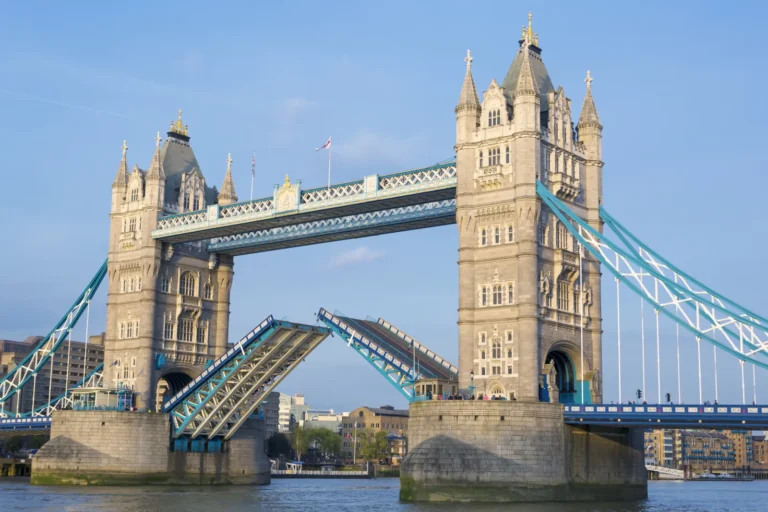
Allow half a day. Buy your ticket online and check opening hours, which change with the season. Right next door, Tower Bridge, a bascule bridge completed in 1894, is also open to visitors: its high-level walkways have a glass floor.
For the neighbouring bridge, our guide visiting Tower Bridge: tickets, hours and bridge lifts gives the official prices and lift schedule.
Westminster: Big Ben, Parliament and the Abbey
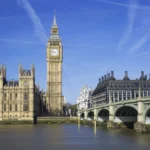
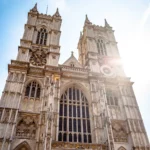
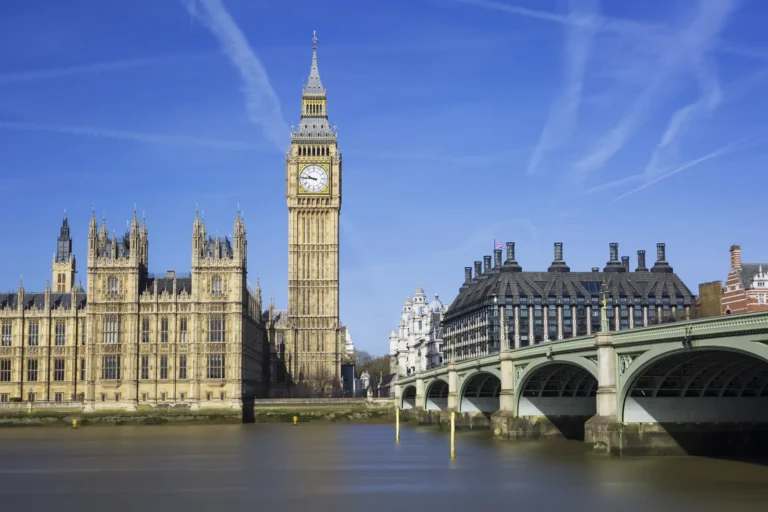
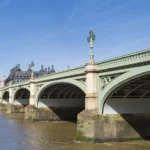
The Palace of Westminster, seat of Parliament, runs along the Thames. Its clock tower, renamed Elizabeth Tower in 2012, houses the great bell nicknamed Big Ben. Opposite, Westminster Abbey has hosted coronations since 1066 and holds many royal tombs; there is an admission charge, and the Abbey is closed to sightseers on Sundays, which are reserved for services. For the best view of Parliament, cross Westminster Bridge to the South Bank.
Buckingham Palace and the royal parks
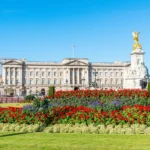
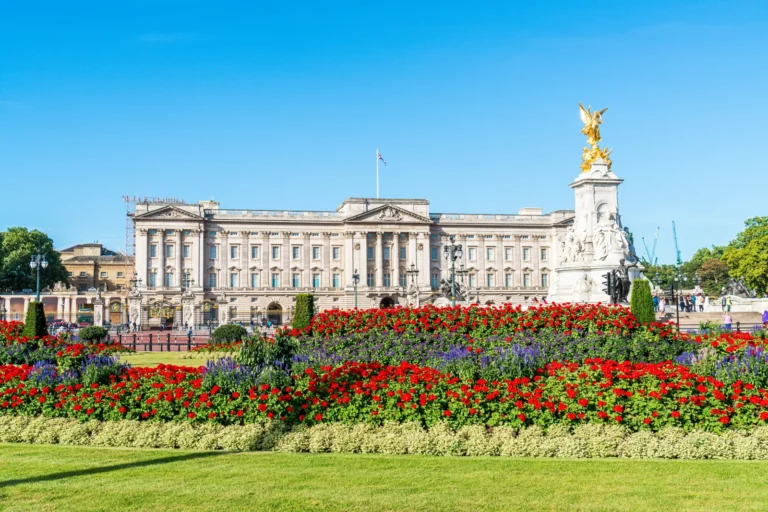
The sovereign’s official residence is seen from the railings at the end of the Mall. The Changing of the Guard always draws a dense crowd: its days and times vary by season, so check the official schedule before you go and arrive early. The State Rooms open only for part of the summer. Around the palace, St James’s Park, Green Park and Hyde Park form a long ribbon of green, ideal for linking sights on foot.
The British Museum
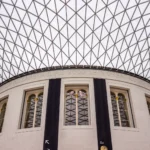
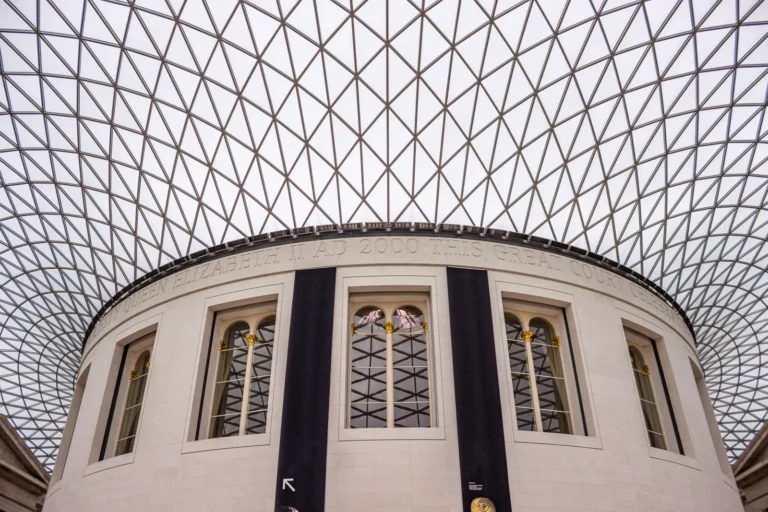
Free for its permanent collections, the British Museum in Bloomsbury covers two million years of human history. Its most famous pieces are the Rosetta Stone, the Parthenon sculptures, the Egyptian mummies and the Anglo-Saxon treasures of Sutton Hoo. You cannot see everything: pick three or four galleries and allow at least three hours. Weekday mornings are the quietest time.
For the city’s largest museum, our guide British Museum: free entry, opening hours and tips explains how to book the free ticket and the Friday late opening.
Trafalgar Square and the National Gallery
Dominated by Nelson’s Column, Trafalgar Square is the heart of London. The free National Gallery displays European painting from the 13th to the 19th century, from Van Eyck to Van Gogh by way of Turner. Next door, the National Portrait Gallery presents the great figures of British history. Covent Garden, with its covered market and street performers, is a few minutes’ walk away.
The South Bank: London Eye, Tate Modern and Borough Market
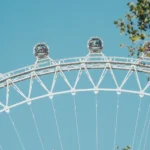
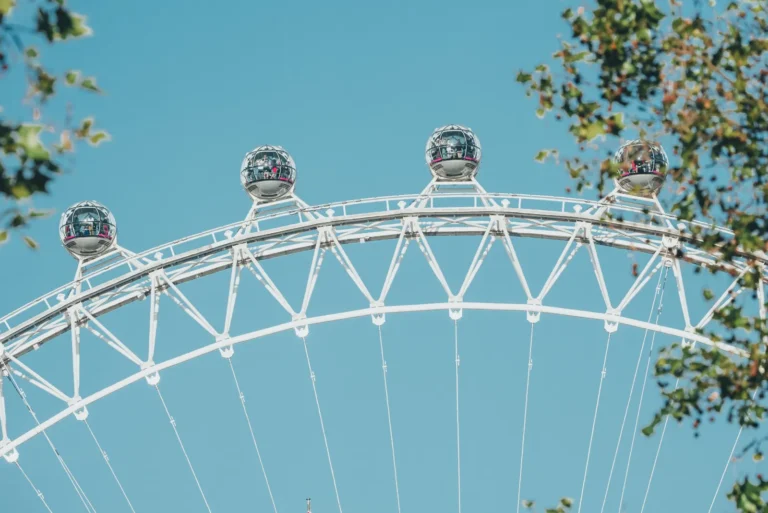
The South Bank promenade links Westminster to Tower Bridge along the Thames. It passes the London Eye, a 135 m (443 ft) observation wheel that gives an overview of the city in about thirty minutes, the Southbank Centre, Tate Modern, a free modern art museum in a former power station, and Shakespeare’s Globe, a reconstruction of Shakespeare’s theatre. Borough Market, one of London’s oldest food markets, is the ideal place for lunch.
St Paul’s Cathedral and the City
Rebuilt by Christopher Wren after the Great Fire of 1666, St Paul’s Cathedral is crowned by a huge dome whose galleries look out over the City. Around it, the financial district mixes old churches and skyscrapers. The Sky Garden, an indoor garden at the top of a City tower, is free to visit by reservation; the Shard, across the river, has a paid viewing platform.
South Kensington: the free museums
Three major national museums line Exhibition Road: the Natural History Museum and its dinosaur skeletons, the Science Museum, a favourite with children, and the Victoria and Albert Museum (V&A), devoted to decorative arts and design. Permanent collections are free; some temporary exhibitions charge admission. The Royal Albert Hall and Hyde Park are close by.
Greenwich
By boat on the Thames or by DLR, Greenwich offers a different half-day: the Royal Observatory and the Prime Meridian, the National Maritime Museum (free), the clipper Cutty Sark and Greenwich Park, with a fine view of the Canary Wharf towers. Maritime Greenwich is a UNESCO World Heritage Site.
Day trip to Windsor Castle
About 40 km (25 mi) west of London, Windsor Castle is the oldest and largest occupied royal residence in the world. Founded in the 11th century by William the Conqueror, it has been altered by almost every monarch, and the King stays there regularly. It takes half a day to visit, and the small town of Windsor, with Eton College across the Thames, is worth a stroll.
- The State Apartments: ceremonial rooms decorated with works from the Royal Collection (Rubens, Van Dyck, Rembrandt), used for official receptions
- St George’s Chapel: a masterpiece of Perpendicular Gothic, where ten monarchs are buried, including Henry VIII and Elizabeth II. It is closed to visitors on Sundays, when services are held
- Queen Mary’s Dolls’ House: a miniature house made in the 1920s, with running water and electricity
- The Changing of the Guard: it takes place on certain days only; check the schedule before you go
- The Long Walk: a straight avenue of about 4 km (2.5 mi) in the Great Park, with the most famous view of the castle
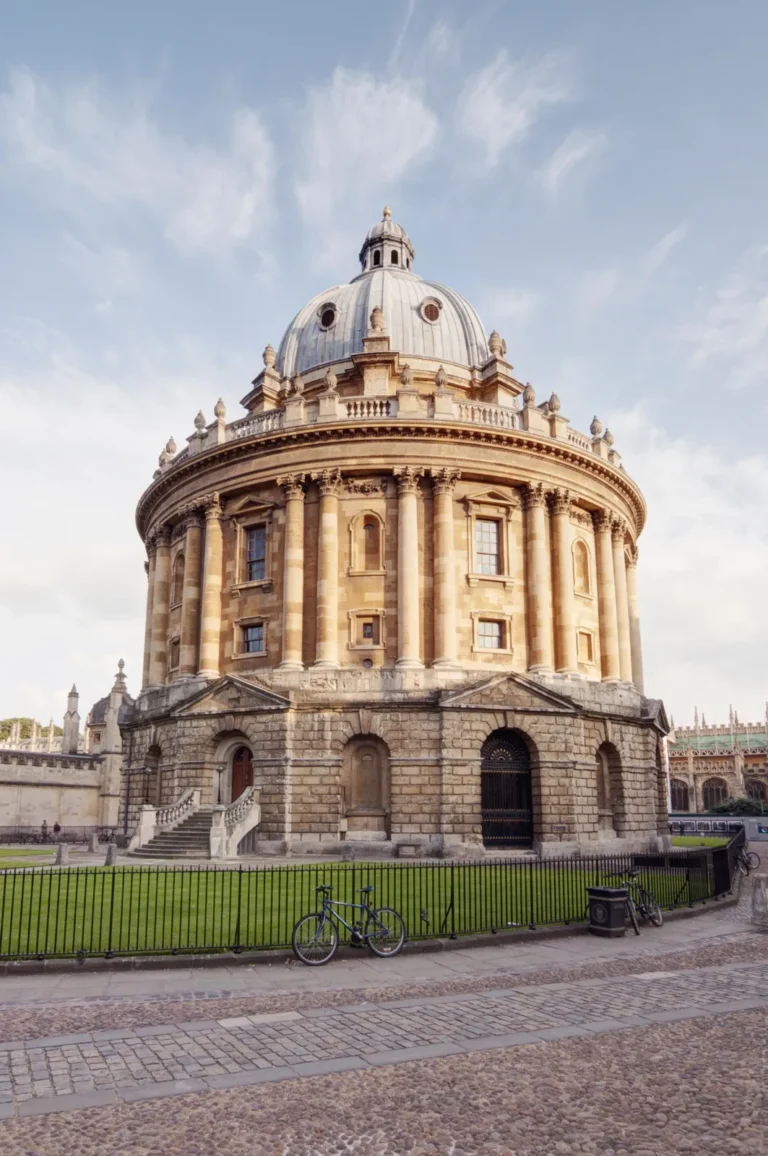
Getting there: trains from Paddington (change at Slough) or direct from Waterloo to Windsor & Eton Riverside. The castle can close at short notice for official events: check opening days on the Royal Collection Trust website and book your ticket online. Allow a full day including the journey. Another classic day trip from London, Oxford and its colleges, has its own full guide.
What to do in London: activity ideas
Between sights, here are the most popular activities on a trip:
- Take a Thames cruise between Westminster, the Tower of London and Greenwich.
- Watch the Changing of the Guard at Buckingham Palace (check the schedule: it does not take place every day).
- Visit the free museums: the British Museum, the National Gallery, Tate Modern, the South Kensington museums.
- Have lunch at Borough Market and stroll along the South Bank.
- Browse the markets in Camden or on Portobello Road in Notting Hill.
- Picnic in Hyde Park or another royal park.
- See a musical in a West End theatre.
- Visit the Harry Potter studios (Warner Bros. Studio Tour, northwest of London), by reservation.
- Have afternoon tea or a pint in a neighbourhood pub.
London neighbourhoods
London has no single centre but a succession of neighbourhoods. Most sights are in Underground zones 1 and 2.
Westminster and St James’s
Monumental and royal London: Parliament, the Abbey, Buckingham Palace, Downing Street and the parks. Very busy by day, quiet in the evening.
Covent Garden, Soho and the West End
The district of theatres, musicals, restaurants and bars. Soho stays lively late, Covent Garden is more touristy, and Chinatown lies between the two.
The City and Shoreditch
The City, the historic and financial heart, empties at weekends. Just to the northeast, Shoreditch and Spitalfields are full of street art, cafés, covered markets and nightlife; Brick Lane is famous for its Bangladeshi restaurants and vintage shops.
South Bank and Southwark
The south bank of the Thames, pedestrian along the river: museums, theatres, Borough Market and views of the City. A good starting point for walks.
Kensington, Chelsea and Notting Hill
The smart western districts: the South Kensington museums, the Knightsbridge department stores, colourful houses and the Portobello Road market in Notting Hill, especially on Saturdays.
Camden and Hampstead
In the north, Camden mixes alternative markets, street-food stalls and music venues along the canal. Further on, the vast heath of Hampstead Heath offers one of the best views of the city from Parliament Hill.
Itinerary: London in 3, 4 or 5 days
3 days: the essentials
- Day 1: the Tower of London at opening time, Tower Bridge, then the South Bank on foot (Borough Market, Tate Modern, the Globe) and the London Eye late in the day
- Day 2: Westminster (Abbey, Parliament), the Changing of the Guard at Buckingham if it is on, St James’s Park, Trafalgar Square and the National Gallery; evening in Covent Garden or the West End
- Day 3: the British Museum in the morning, then Hyde Park and the South Kensington museums; dinner in Soho
5 days: with Windsor and the neighbourhoods
- Days 1 to 3: the programme above
- Day 4: day trip to Windsor Castle, or Greenwich by boat on the Thames
- Day 5: St Paul’s Cathedral and the Sky Garden (by reservation), then Shoreditch and Spitalfields, or Camden and Notting Hill depending on market days
Group your sights by area and book paid attractions ahead (the Tower of London, the Abbey, Windsor): morning slots go fast in high season. Sightseeing passes only pay off if you visit many paid sites in a row; with the free museums, that is often not the case.
London airport transfer: Heathrow Express, Underground, train and taxi
London has several airports (Heathrow, Gatwick, Stansted, Luton, London City). Heathrow, the closest of the large ones to the centre, offers the most options; for the others, the train is generally the standard choice.
Heathrow Express
The Heathrow Express runs non-stop between Heathrow and Paddington station. According to its official site (checked 26 October 2026), there is a train every 15 minutes and the journey takes about 15 minutes from Terminals 2 and 3 (about 6 minutes more from Terminal 5; Terminal 4 is reached by a free connection). Fares start at £10 one way for an Advance Discounted Single booked 30 or more days ahead; children aged 15 and under travel free in Standard Class with a paying adult.
Underground and Elizabeth line
Slower but generally cheaper, the Piccadilly line and the Elizabeth line also serve Heathrow and can be used with an Oyster card or a contactless bank card. The fare depends on the time of day and the line: check the Transport for London (TfL) fare finder.
Black cab
TfL regulates metered black cab fares. According to TfL (checked 26 October 2026), typical fares between Heathrow and central London are £70 to £120 for 30 to 60 minutes. A £1.60 charge applies to journeys starting at a Heathrow taxi rank, with no extra charge for luggage or additional passengers. For airports outside London (Gatwick, Stansted, Luton), the fare is negotiated with the driver before the journey.
| Option | Where to catch it | Official fare | Source |
|---|---|---|---|
| Heathrow Express | Heathrow T2–T3, T5 | From £10 (Advance fare) | heathrowexpress.com |
| Piccadilly line / Elizabeth line | Heathrow stations | Oyster/contactless fare (TfL fare finder) | tfl.gov.uk |
| Black cab | Heathrow taxi ranks | £70 to £120 (TfL guide) + £1.60 rank charge | tfl.gov.uk |
| Gatwick, Stansted, Luton | Trains and shuttles from each airport | See the operator | — |
Booking a transfer in London
A private transfer booked in advance (a driver waiting on arrival, price fixed at booking) mainly makes sense for late arrivals, bulky luggage, families with young children or groups sharing the cost. Before booking, check what the price includes (tolls, luggage, waiting time if your flight is delayed), the exact meeting point in the terminal, the cancellation terms and the name of the company actually doing the trip.
Sources: Heathrow Express (heathrowexpress.com); Transport for London, « Taxi fares » page (tfl.gov.uk), checked 26 October 2026.
Where to stay in London
| Neighbourhood | Best for | Good to know |
|---|---|---|
| Westminster, Victoria | First visit, royal sights | Central, quiet in the evening, Victoria station |
| Covent Garden, Soho | Nightlife, theatres | Very central, expensive, noisy |
| South Bank, Southwark | Walks along the Thames | Good value for the location |
| King’s Cross, Bloomsbury | Eurostar arrivals, British Museum | Convenient, many chain hotels |
| Kensington, Paddington | Families, museums, Heathrow Express | More residential, well connected |
| Shoreditch, Whitechapel | Trendy vibe, mid-range budget | Lively at night, quick access to the City |
Rooms are often small and, in budget hotels, sometimes windowless: read the description carefully. A hotel near an Underground station served by several lines saves a lot of time. Check whether taxes and breakfast are included in the price shown.
Getting around London
- Underground (the Tube): the fastest option. Pay by tapping your contactless bank card or phone on the gates on entry and exit: fares are capped daily and weekly, and are always cheaper than a paper ticket. Use the same card for all your journeys. Some lines run all night on Fridays and Saturdays.
- Bus: the red double-deckers offer a cheap tour; you also pay contactless, and cash is not accepted. The front seats upstairs are the best.
- From the airports: Heathrow is linked to the centre by the Underground (Piccadilly line), the Elizabeth line and the Heathrow Express to Paddington; Gatwick by the Gatwick Express or other trains; Stansted by the Stansted Express; Luton by a shuttle to the station. London City is served by the DLR. Eurostar arrives directly at St Pancras, in the heart of the city.
- Boats: river buses on the Thames link Westminster, the Tower and Greenwich; you can also pay contactless.
- Taxis and ride-hailing: black cabs can be hailed in the street. The U.S. Department of State advises using only licensed black taxis or pre-booked minicabs: unlicensed taxis or private cars can be dangerous.
- On foot: many central sights are closer than they look on the Tube map. Look right first when crossing: UK traffic drives on the left.
When to go to London
✅ Best months: April, may, June, July, September, October, December
The best time is May to September: average afternoon highs of 18 to 24 °C (64 to 75 °F) at Heathrow and very long days. April, May, September and early October offer the best balance of weather, prices and crowds. Winter is cool and damp (8 to 9 °C, 46 to 48 °F, in the afternoon) but rarely freezing; December draws visitors for Christmas, and January and February are the cheapest months. Month-by-month climate, events and tips: our article when to go to London.
Budget for a trip to London
Accommodation is the biggest expense. Indicative amounts per person per day, excluding travel to London, converted at the European Central Bank rate of 23 October 2026:
| Item | Budget | Comfort |
|---|---|---|
| Accommodation (shared double room) | about £50 to 85 | about £125 to 235 |
| Meals | about £25 to 40 | about £60 to 100 |
| Transport (Tube, bus) | about £8 to 13 | about £13 to 35 |
| Sights and outings | about £0 to 35 | about £40 to 100 |
| Total per day | roughly £85 to 170 per person per day | roughly £240 to 470 per person per day |
To cut costs: make the most of the free national museums (the British Museum, the National Gallery, Tate Modern, the South Kensington museums, Greenwich), the parks, the Changing of the Guard and the Sky Garden; eat lunch in covered markets or pubs; and pay for journeys contactless to benefit from the daily cap. In restaurants, a service charge is often added to the bill: check before leaving a tip.
Entry requirements, health and safety
- US citizens: according to the U.S. Department of State (travel.state.gov, last updated August 11, 2025), all US citizens travelling to the UK for tourism, family visits, business meetings or short-term study of 6 months or less must have an Electronic Travel Authorization (ETA) before travel, and the passport must be valid for the entire stay. According to GOV.UK (Apply for an electronic travel authorisation, read on 26 October 2026), an ETA costs £20 and lets you travel to the UK for up to 6 months; other websites may charge more, so apply through the official service. An ETA does not guarantee entry. US passport holders can use the ePassport gates on arrival.
- UK citizens: travel within the UK is domestic: no entry formalities apply.
- Prohibited items and medication: according to the U.S. Department of State, you will be arrested if you bring pocket knives, blades, mace, tasers or pepper spray into the UK. Some US-approved medications are controlled in the UK: carry them in their original labelled packaging with a copy of your prescription.
- Safety: violent crime is rare, but the U.S. Department of State warns of pickpocketing, mugging and « snatch and grab » thefts of mobile phones, watches and jewellery; do not leave bags unattended in restaurants, pubs or hotel lobbies, and use ATMs inside bank branches.
- Emergencies: dial 999 for all emergencies (travel.state.gov). Take out insurance covering medical costs (see our travel insurance guide).
Practical tips for London
- Phones on the street: limit phone use on the pavement, given the risk of snatch thefts reported by the State Department.
- Pubs: order and pay at the bar. You may be asked for ID when buying alcohol.
- Bookings: book ahead for the Tower of London, Westminster Abbey, Windsor, the Sky Garden and the most popular musicals.
- Sunday: shops open later and close earlier; it is market day (Columbia Road, Brick Lane, Camden).
London: who is it for?
Our view by traveller profile, based on the information in this guide (places, budget, seasons).
| Profile | Our view | Why |
|---|---|---|
| Couples | Suitable | A West End musical, a Thames cruise, afternoon tea. |
| Families | Very suitable | Free Natural History Museum and Science Museum, the Tower of London, the Harry Potter studios. |
| Low budget | With reservations | Expensive accommodation (roughly £85 to 170 per person per day on a budget), but free national museums. |
| Culture | Very suitable | The British Museum, the National Gallery, Tate Modern, Westminster, Windsor. |
| Shopping and nightlife | Very suitable | Soho, Camden, Portobello Road, Shoreditch, Borough Market. |
Frequently asked questions
How many days do you need in London?
Three days cover the essentials: the Tower of London, Westminster, Buckingham Palace, the British Museum, the South Bank and a South Kensington museum. With 4 to 5 days, you can add Windsor or Greenwich, Shoreditch, Camden and a musical without rushing.
Where should you stay in London on a first visit?
Westminster, the South Bank, Covent Garden or Bloomsbury are the most convenient, as most sightseeing can be done on foot. King’s Cross is ideal if you arrive by Eurostar. For a lower budget, look at Shoreditch or well-connected zone 2 neighbourhoods.
How should you visit the Tower of London?
Book your ticket online and arrive at opening time to see the Crown Jewels before the crowds. Yeoman Warder tours are included. Allow half a day, and plan to cross Tower Bridge afterwards.
How do you get to Windsor Castle from London?
By train from Paddington (change at Slough) or direct from Waterloo. The castle can close for official events and St George’s Chapel is closed to visitors on Sundays: check opening days before you go.
Do you need an ETA to visit London?
US citizens need a valid passport and an Electronic Travel Authorisation (ETA, £20) before travel, according to travel.state.gov and GOV.UK. UK citizens need no formalities.
What can you do in London in 3 days?
Day 1: Westminster, Buckingham Palace, Trafalgar Square and the National Gallery. Day 2: the Tower of London, the City, St Paul’s Cathedral and the South Bank to Tate Modern. Day 3: the British Museum or the South Kensington museums, then Camden or Notting Hill.
For the palace and the Changing of the Guard, our guide visiting Buckingham Palace: tickets and opening hours covers the summer opening and ceremony times.
Read also: to choose your season, read when to go to London and check the time in the UK. To extend your trip, see our UK travel guide and our Scotland guide.
In Leavesden, our guide to visiting the Harry Potter studio gathers official prices and access from Euston.
Our sources
- London climate: 1991–2020 normals for the London Heathrow station, Met Office
- Entry, health and safety information read on 26 October 2026: U.S. Department of State, United Kingdom country information (travel.state.gov, last updated August 11, 2025), and GOV.UK, Apply for an electronic travel authorisation (ETA)
- Heathrow Express (heathrowexpress.com) and Transport for London, « Taxi fares » (tfl.gov.uk), checked 26 October 2026
- European Central Bank reference rates of 23 October 2026 (budget conversion)
- Our methodology
Updated October 2026.
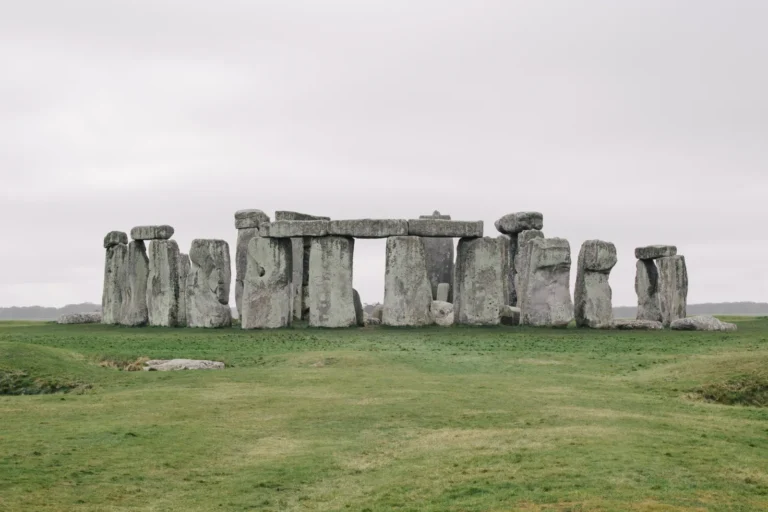
To combine London with Stonehenge, Bath or Wales, see our guides to Scotland, Ireland and the United Kingdom.