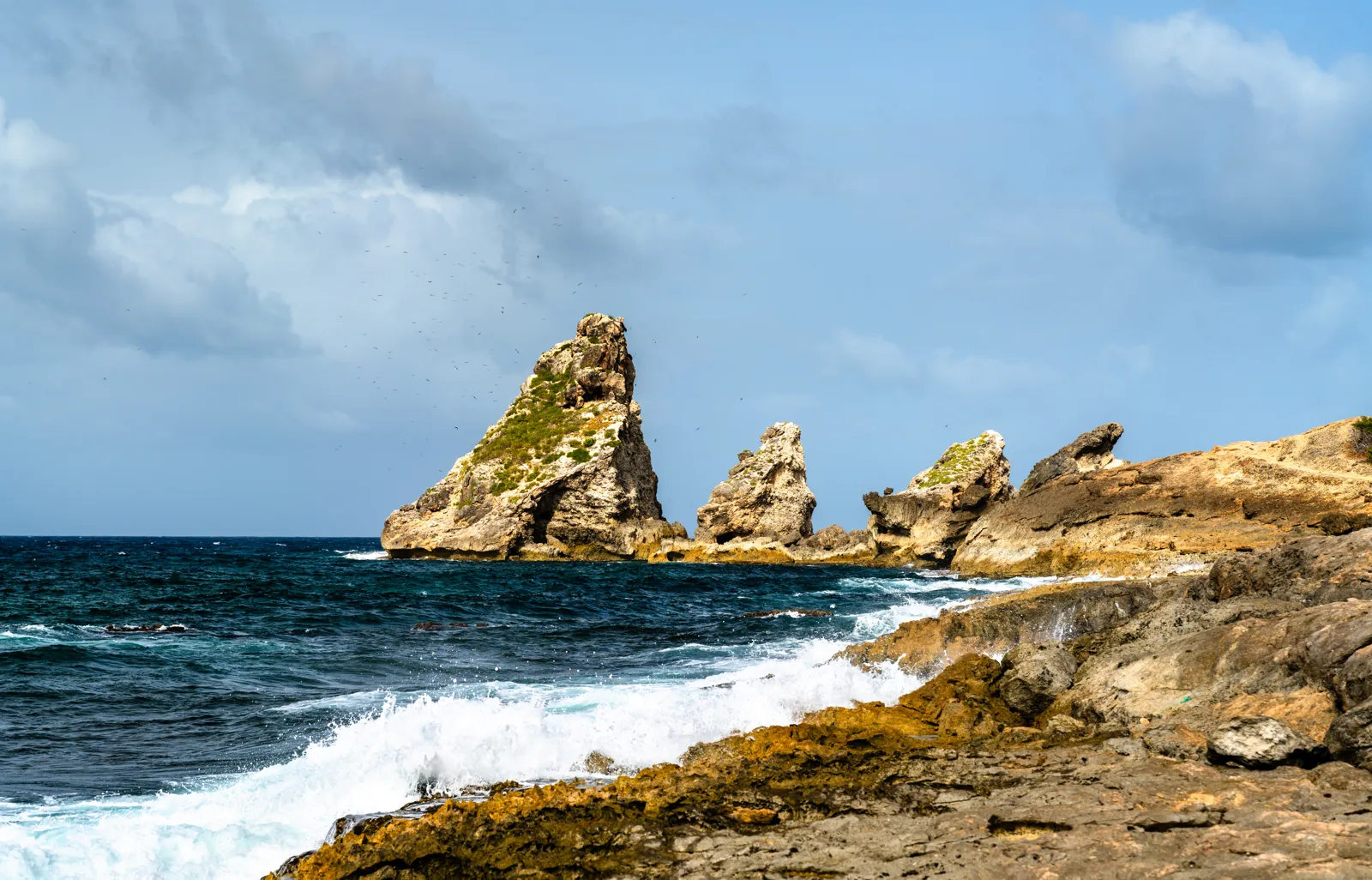
This Ireland travel guide starts with the landscapes: Atlantic cliffs, peninsulas, lakes, bogs and small villages, a few hours’ drive from Dublin. In the eurozone, with no visa needed for short stays by US citizens and free movement for UK citizens under the Common Travel Area, it is an easy destination to organise and ideal for a road trip. For a first trip to Ireland, allow 7 to 10 days for Dublin and the west coast (Galway, Connemara, the Cliffs of Moher, Kerry) and two weeks to go around the island, with a budget of roughly €80–120 per day on a budget trip. If the Highlands tempt you as much as Kerry, our Scotland or Ireland comparison helps you choose according to your wishes and budget.
To locate the cities, regions, relief, national parks and airports, see our map of Ireland.
Ireland at a glance
CapitalDublin
LanguagesEnglish and Irish (Gaelic)English is spoken everywhere
Currencythe euro (€) · currenciesPound sterling in Northern Ireland, which is part of the UK
Time zoneUTC+0, UTC+1 in summer: same time as London, 5 hours ahead of New York · details
EntryUS citizens: valid passport, no visa for up to 90 days; UK citizens: Common Travel Area, no passport legally required · travel.state.gov · GOV.UKIreland is not in the Schengen area
Electricitycheck voltage and plug types before you go · plugsReference: IEC World Plugs
The best time runs from May to September: temperatures are mildest (17 to 20 °C, 63 to 68 °F, in the afternoon in summer), days are very long and all excursions run. May, June and September offer the best balance between weather, crowds and prices; July and August are the busiest. It rains all year round, but much more on the west coast than in Dublin. Winter, mild but dark and windy, is best for a city break. All the details, region by region and month by month, are in our article on the best time to visit Ireland.
What to see in Ireland: the highlights
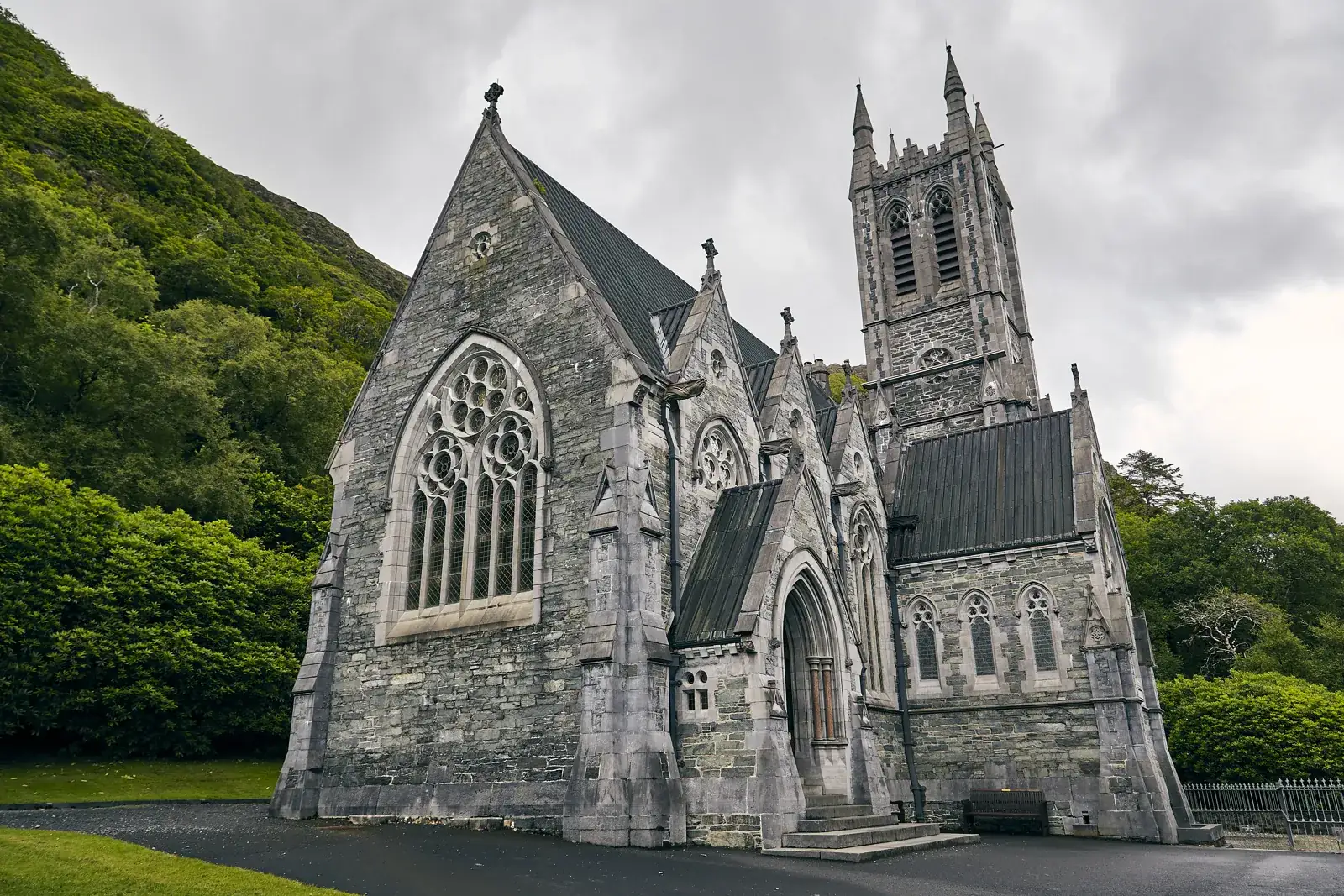
Kylemore Abbey in Connemara, Ireland
Dublin
The capital deserves two or three days. Trinity College and its Old Library, where the Book of Kells is displayed, Dublin Castle, St Patrick’s Cathedral, the National Museum and the Guinness Storehouse are the classic visits. Temple Bar is packed with music pubs, but it is expensive and very busy at night: pubs in other districts are often more authentic. For fresh air, the Howth peninsula, reached by suburban train, offers a fine clifftop walk. To get away from Temple Bar, our page to plan your trip to Dublin also covers Howth and the more authentic districts.
The Cliffs of Moher and the Burren
This is the most visited natural site in the country. In County Clare, on the west coast, the Cliffs of Moher stretch for about 8 km (5 mi) above the Atlantic and rise to just over 200 m (656 ft). They are made of layers of sandstone and shale and, in spring and summer, host many nesting seabirds, including puffins. The paid visitor centre gives access to the main viewpoints and an exhibition on geology and wildlife; a coastal path runs along the cliffs, notably towards the village of Doolin, known for its traditional music pubs.
The site is about 1 h 30 by road from Galway. Buses and many day tours serve it from Galway, which saves driving if you have no car. The wind can be very strong: stay on the marked paths and keep away from the edge. In mist, the view can be completely hidden; if your schedule allows, pick the clearest day. Just to the north, the Burren is a limestone plateau with striking rocky landscapes, home to the Poulnabrone dolmen.
Galway and Connemara
Galway is a lively student city, famous for its pub music and its arts festival in July. It is the ideal base for Connemara, a region of lakes, bogs and mountains, with Kylemore Abbey and Connemara National Park. From the coast, boats serve the Aran Islands, where Irish is still spoken.
Kerry: the Ring of Kerry, Killarney and Dingle
County Kerry, in the south-west, holds many of the best-known landscapes. The Ring of Kerry loops around the Iveragh Peninsula in a long day’s drive; Killarney National Park, with its lakes and forests, is explored on foot or by bike. Further north, the Dingle Peninsula is wilder, with the Slea Head Drive. Offshore, the Skellig Islands, whose Skellig Michael monastery is a World Heritage Site, can only be reached by boat, in season and when the sea allows.
Cork and the south
Ireland’s second city, Cork is known for its covered market, the English Market, and its food scene. Nearby, Blarney Castle, the port town of Cobh, the Titanic’s last port of call, and Kinsale, a colourful little harbour, are easy to visit. West Cork has an indented coastline and villages quieter than Kerry’s.
Glendalough and the Wicklow Mountains
About an hour south of Dublin, the Wicklow Mountains are the easiest nature outing from the capital. The monastic site of Glendalough, with its round tower and two glacial lakes, is the starting point for waymarked walks for all levels.
The Boyne Valley
North of Dublin, the Boyne Valley is home to the passage tombs of Newgrange and Knowth, World Heritage-listed and older than the Egyptian pyramids. Visits must start from the Brú na Bóinne visitor centre. Allow half a day to a full day from Dublin.
Donegal and the Giant’s Causeway
In the far north-west, Donegal is the wildest stretch of the Wild Atlantic Way, with the Slieve League cliffs and Glenveagh National Park. The famous Giant’s Causeway is close by, but in Northern Ireland, and therefore in the UK: US citizens must have a UK Electronic Travel Authorization (ETA) before travelling there (travel.state.gov, last updated August 11, 2025), while for UK citizens it is domestic travel. Find advice for this part of the island in our United Kingdom guide.
Things to do in Ireland: 10 experiences not to miss
To sum up what to see and do in Ireland on a first trip, here are the experiences presented above, to tick off according to your interests:
See the Book of Kells at Trinity College, then listen to a traditional music session in a Dublin pub
Walk the coastal path along the Cliffs of Moher, then explore the limestone plateau of the Burren
Travel through the lakes and bogs of Connemara to Kylemore Abbey
Take the boat to the Aran Islands from the Galway coast
Drive the Ring of Kerry and walk in Killarney National Park
Follow the Slea Head Drive on the Dingle Peninsula
Reach Skellig Michael by boat, in season and when the sea allows
Hike around the lakes of Glendalough, in the Wicklow Mountains
Visit the Newgrange tombs from the Brú na Bóinne centre
Browse Cork’s English Market, then head to Cobh and Kinsale
Itinerary ideas: how many days in Ireland?
7 to 10 days: Dublin and the west coast
Days 1 and 2: Dublin (Trinity College, museums, pubs)
Day 3: drive to Galway, with a stop at Clonmacnoise or in the Boyne Valley
Day 4: Connemara and Kylemore Abbey
Day 5: the Burren and the Cliffs of Moher, overnight in Doolin or Ennis
Days 6 and 7: Kerry: Killarney and the Ring of Kerry
Days 8 to 10 (optional): the Dingle Peninsula, then back to Dublin or fly home from Shannon or Cork depending on routes
2 weeks: around the island
Days 1 to 3: Dublin, Howth and Glendalough
Days 4 and 5: Kilkenny, then Cork and Kinsale
Days 6 and 7: West Cork and the Beara Peninsula
Days 8 and 9: Kerry (Killarney, the Ring of Kerry, Dingle)
Day 10: the Cliffs of Moher and the Burren
Days 11 and 12: Galway, the Aran Islands or Connemara
Days 13 and 14: Mayo or Donegal, then back to Dublin
On the small roads of the west, distances take time to cover: plan fewer miles per day than you would at home and keep half a day spare for bad weather.
Budget for a trip to Ireland
Ireland is a fairly expensive destination, especially for accommodation in Dublin and on the west coast in summer. Pub meals remain affordable. Approximate amounts per person per day, excluding international flights:
Item
Tight budget
Comfortable
Accommodation (based on a shared double room)
about €35–60 (hostels, simple B&Bs)
about €90–160
Meals
about €30–40 (pubs, cafés)
about €60–90
Transport (bus, train)
about €10–20
about €20–40
Activities and sightseeing
about €5–15
about €20–40
Total per day
about €80–120
about €180–280
Rough estimates that vary with the season and region. Car hire and fuel are extra; prices are considerably higher in July–August and in Dublin.
Car hire, the most practical option for the west, is a significant expense in summer: book it early. Many natural sites are free, but the major developed sites (Cliffs of Moher, Brú na Bóinne, Guinness Storehouse) charge admission.
Getting around Ireland
Car: the most flexible option for the west coast and the Wild Atlantic Way. Traffic drives on the left: the State Department notes that tourists driving on the wrong side cause serious accidents each year, that roads off the main highways are narrow, uneven and winding, and that most rental cars have manual transmissions, with automatics hard to find (travel.state.gov, last updated March 26, 2026). Choose a small car and book an automatic early. A US licence can be used for a temporary stay of up to one year; some rental and insurance companies may also ask for an International Driving Permit.
Train: the national network links Dublin with Cork, Galway, Limerick, Killarney and a few other towns. Handy between cities, not enough for the coasts.
Bus: intercity buses serve most towns and many villages, with fewer services on Sundays and out of season.
Organised tours: from Dublin, Galway or Killarney, they let you see the Cliffs of Moher, Connemara or the Ring of Kerry without driving.
M50 toll: on this Dublin ring road, the toll is barrier-free, between Junctions 6 and 7: cameras read the number plate and you must pay by 8 pm the next day to avoid penalties; the toll applies to all road users, including tourists. Many large rental companies use a « company pays » model: ask who pays when you pick up the car (eFlow, checked on 24 October 2026).
In Dublin: buses, trams (Luas) and suburban trains (DART); no need for a car in the city, where parking is expensive.
Getting there
Ireland’s main international airport is Dublin (DUB), followed by Shannon (SNN) and Cork (ORK); Ireland West Airport Knock (NOC) and Kerry (KIR) are smaller. From Britain, ferries also cross the Irish Sea. Check current routes from your home airport with the airlines and the airports.
Where to stay in Ireland
In Dublin, staying in the centre, on either side of the Liffey, around St Stephen’s Green, Temple Bar or Trinity College, lets you do everything on foot, but Temple Bar is noisy at night. Prices there are high all year. On the west coast, the best bases are Galway, Doolin or Ennis for Clare, Killarney, Kenmare and Dingle for Kerry, and Clifden for Connemara.
The country is known for its B&Bs, often family-run, as well as its hostels, guesthouses and country hotels. In small towns the choice is limited: in summer, book several months ahead.
Mistakes to avoid on a trip to Ireland
Planning too many miles a day: roads in the west are narrow and winding; keep half a day spare for the weather.
Booking late for July–August: in Dingle, Doolin or Clifden rooms are scarce, and automatic cars need to be booked early.
Forgetting the M50 toll: it is barrier-free and must be paid by 8 pm the next day.
Leaving without a rain jacket: it can rain in any month, several times a day.
Heading to the Giant’s Causeway without checking UK entry rules: US citizens need a UK ETA for Northern Ireland.
Leaving items visible in the car in car parks at natural sites: the State Department notes that rental cars, recognisable by their stickers, are frequently targeted.
Going near the cliff edge in strong wind: stay on the marked paths.
Entry requirements for Ireland, health and safety
US citizens: you need a valid passport and can enter visa-free for tourism or business stays of up to 90 days. There is no minimum passport validity requirement, but the State Department recommends a passport valid for the duration of your stay, evidence of sufficient funds and a return ticket, as an increased number of US citizens have been refused entry or granted a limited stay. Ireland is not a full member of the Schengen area (U.S. Department of State, travel.state.gov, last updated March 26, 2026).
UK citizens: under the Common Travel Area, British nationals are not legally required to show a passport to enter Ireland and need no visa, but some airlines and ferry operators require a passport as ID: check with your carrier. Ireland is not in the Schengen area, so the EU Entry/Exit System does not apply (GOV.UK, updated 4 September 2026).
Northern Ireland: it is part of the UK. US citizens need a UK ETA before travelling there and are subject to UK traffic laws when driving there (travel.state.gov).
Health: for vaccines, GOV.UK refers to TravelHealthPro and travel.state.gov advises being up to date on CDC-recommended vaccinations. The State Department states that tap water is drinkable. Take out travel insurance covering medical costs and repatriation. Emergency numbers: 112 or 999.
Safety: Ireland has a low rate of violent crime, but the State Department notes that theft and petty crime have risen in recent years and that thieves often target tourists, especially in Dublin city centre and popular tourist areas; GOV.UK advises taking precautions against bag-snatching and pickpocketing. Leave nothing visible in the car.
Storms: check Met Éireann warnings before setting off on the road.
Swimming and cliffs: swim in supervised areas and ask about currents; on the cliffs, stay on the paths, as the wind can be very strong.
Practical tips for Ireland
Money: the euro. Bring pounds sterling only if you go to Northern Ireland.
Mobile data: check your home carrier’s roaming charges, including for Northern Ireland, which is outside the EU. An eSIM is a simple way to get local data.
Clothing: the weather changes very quickly. Bring a waterproof jacket, warm layers even in summer and shoes that can handle mud for hiking.
Pubs: order and pay at the bar. Traditional music sessions are often free and usually start in the evening.
Tipping: not compulsory; with table service in restaurants, leaving about 10% is common if service is not included. No tip is expected at a pub bar.
Ireland: who is it for?
Road trip: yes, it is the best way to travel: the Wild Atlantic Way, the Ring of Kerry, Connemara. Traffic drives on the left on narrow roads: plan fewer miles per day.
Hiking and nature: yes: the coastal path along the Cliffs of Moher, the Burren, Killarney National Park, Glendalough and the Wicklow Mountains.
Culture and music: yes: the Book of Kells at Trinity College, the Newgrange tombs, traditional music sessions in the pubs of Dublin, Galway or Doolin.
Short break: yes for Dublin: two or three days are enough for the capital.
Tight budget: not ideal: roughly €80–120 per person per day on a budget trip, excluding car hire; pub meals remain affordable.
Travelling without a car: possible: trains between Dublin, Galway, Cork and Killarney, intercity buses and day tours to the major sites.
Read also
To enjoy the long days without the summer crowds, see the best time to visit Ireland, region by region and month by month. Before booking flights and a car, local time is covered on our Ireland time difference page.
Frequently asked questions
Do I need a passport to visit Ireland?
US citizens need a valid passport and can stay up to 90 days without a visa (travel.state.gov). UK citizens are not legally required to show a passport under the Common Travel Area, but some airlines and ferry companies require one (GOV.UK). To continue to Northern Ireland, US citizens also need a UK ETA.
When is the best time to visit Ireland?
From May to September, ideally May, June or September to avoid the summer crowds. Temperatures are mild, days are long and all excursions run.
How much does a week in Ireland cost?
Excluding flights, allow roughly €80–120 per person per day on a budget trip and €180–280 for a comfortable one, excluding car hire. Dublin and the west coast in summer are the most expensive.
Do you need to rent a car in Ireland?
For the west coast and the Wild Atlantic Way, it is the most practical option. Traffic drives on the left on often narrow roads. Without a car, combine trains, buses and organised tours from Dublin, Galway or Killarney.
How do you get to the Cliffs of Moher?
By car, allow about 1 h 30 from Galway. Buses and day tours also leave from Galway, and from Dublin for full-day trips. The main access is through the paid visitor centre.
How many days do you need to visit Ireland?
Allow 7 to 10 days for Dublin and the west coast (Galway, Connemara, the Burren and the Cliffs of Moher, Kerry), and about two weeks to drive around the island. Dublin alone deserves two or three days.
Can you visit Ireland without a car?
Yes, by combining trains between Dublin, Galway, Cork and Killarney, intercity buses and day tours to the Cliffs of Moher, Connemara or the Ring of Kerry. A car remains more practical for the coasts and small villages.
Transparency: this page contains affiliate links, labelled as such. If you book through them we may earn a commission at no extra cost to you; it does not influence our content or recommendations. How we fund the site.