Looking for things to do in Rome?Visit the Colosseum and the Forum, the Vatican Museums, the Pantheon and the Trevi Fountain, then wander through Trastevere: the essentials can be seen in a 2- to 3-day weekend. Rome layers almost three thousand years of history: ancient ruins in the middle of the traffic, Baroque churches on every corner and, across the Tiber, the smallest state in the world. The city is best explored on foot, but it is large and very busy. This guide helps you choose your sights, neighbourhoods and tickets for a stay of 2 to 4 days.
Our travel deals for Rome
Affiliate links: we earn a commission, at no extra cost to you.
FlightsKiwi.comCompare flights and airline combinations to Rome.
AirportsFiumicino (Leonardo da Vinci, FCO) and Ciampino (CIA)(Fiumicino has long-haul routes; check current routes with the airlines)
How long3 to 4 days, including at least half a day for the Vatican
Best timeApril to June, late September to October
Time zoneCentral European Time (UTC+1, UTC+2 in summer): one hour ahead of London, six hours ahead of New York
EntrySchengen area: no visa for up to 90 days for US citizens (tourism or business) and UK citizens (in any 180-day period) · US: travel.state.gov · UK: GOV.UK
ElectricityItaly uses a 220-volt system, according to the U.S. Department of State: check that your devices accept it and bring a plug adapter · plugs
Book aheadVatican Museums, Colosseum, Borghese Gallery
Things to do in Rome: the highlights
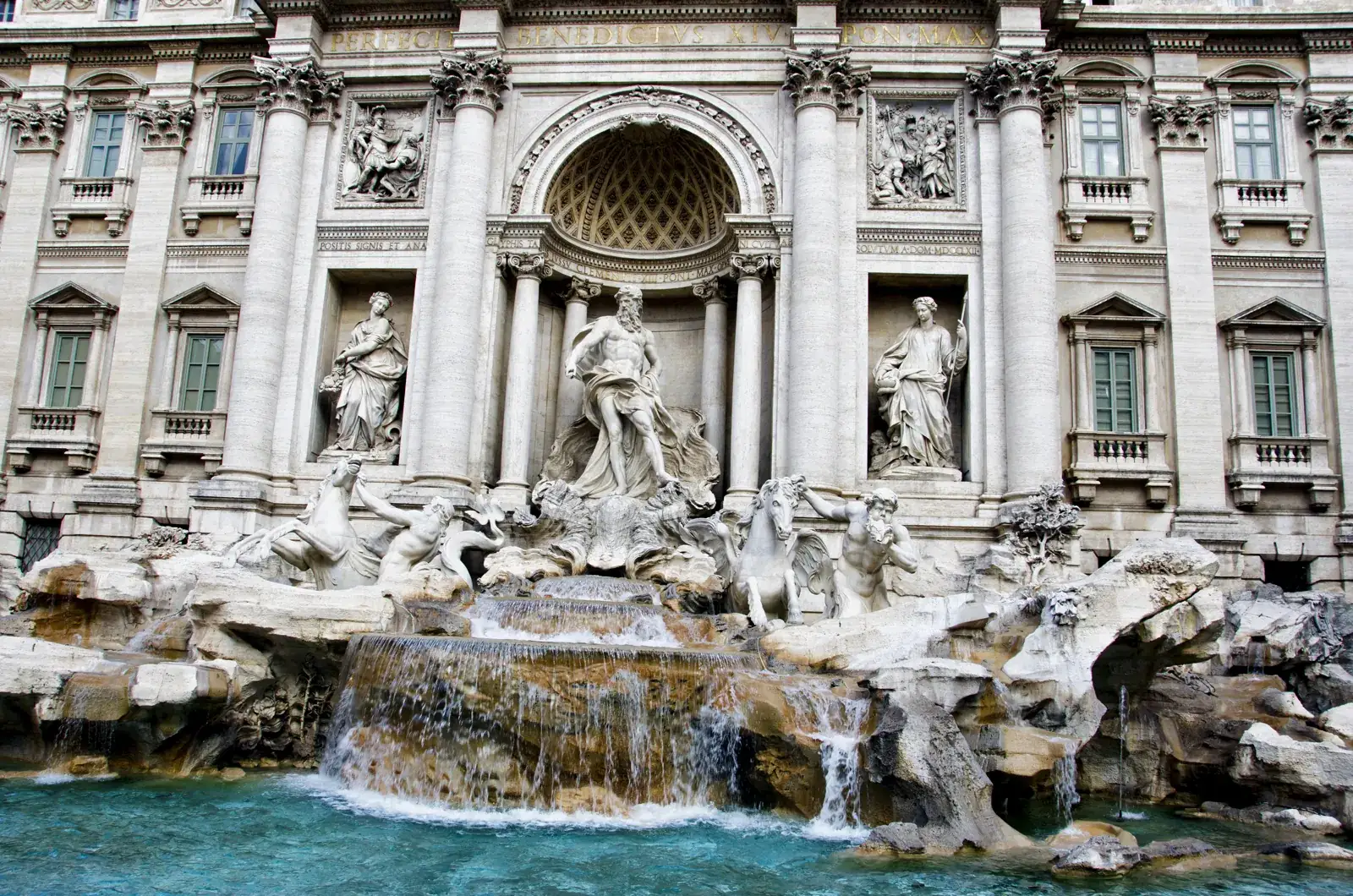
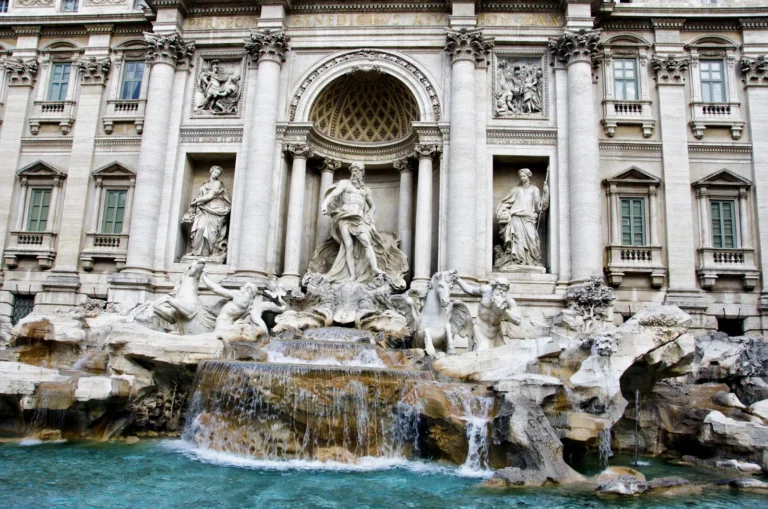
The Trevi Fountain in Rome
What to see in Rome: the top 10
The Colosseum
The Roman Forum and the Palatine
The Vatican Museums and the Sistine Chapel
St Peter’s Basilica and its dome
The Trevi Fountain
The Pantheon
Piazza Navona
The Spanish Steps and Trinità dei Monti
The Borghese Gallery and the Pincio gardens
Trastevere
The Colosseum, the Roman Forum and the Palatine
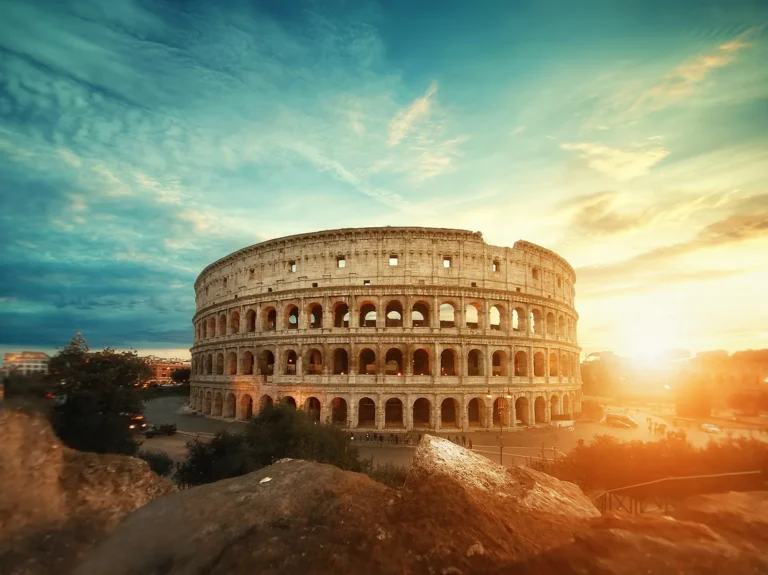
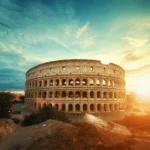
Inaugurated in AD 80 under Emperor Titus, the Flavian Amphitheatre, known as the Colosseum, staged gladiator fights and animal hunts in front of tens of thousands of spectators. Together with the Roman Forum, the political and religious centre of the ancient city, and the Palatine Hill, home of the imperial palaces, it forms the Colosseum Archaeological Park.
Tickets: the standard ticket covers the Colosseum, the Forum and the Palatine, with timed entry to the Colosseum. Some areas (the arena, the underground, the upper levels) require a special ticket in limited numbers. Buy them on the official Colosseum Archaeological Park website, several weeks ahead in high season, and check current prices and conditions there.
Touts: around the monument, touts sell much more expensive “skip-the-line” tours: compare with the official website before you buy.
Time needed: allow 1.5 to 2 hours for the Colosseum, and 2 to 3 hours for the Forum and the Palatine, which have little shade.
Tip: start with the Palatine and the Forum early in the morning, then enter the Colosseum at your time slot. The terraces of the Capitoline Hill offer a free view over the Forum.
The Vatican: museums, Sistine Chapel and St Peter’s Basilica
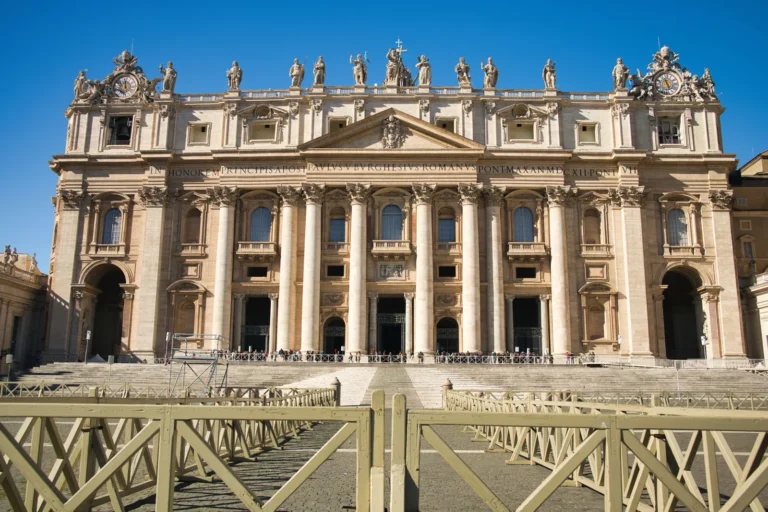
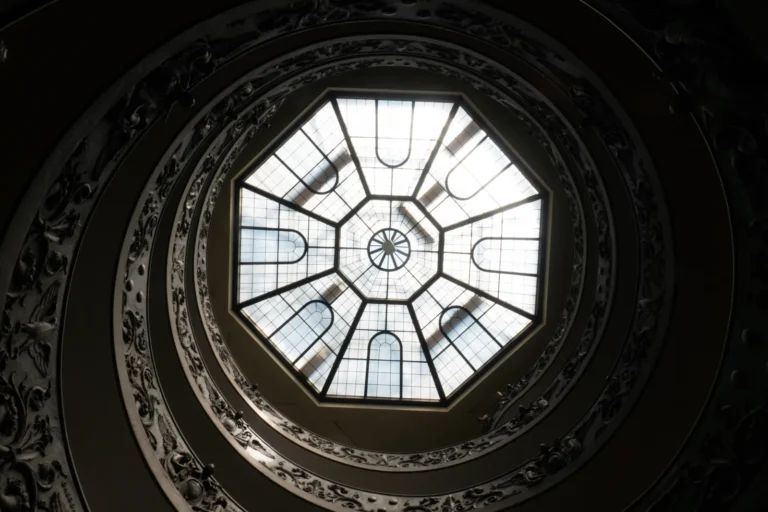
An enclave within Rome, Vatican City offers two separate visits. The Vatican Museums hold the popes’ collections: ancient sculpture in the Pio-Clementino Museum, the Gallery of Maps, the Raphael Rooms and then, at the end of the route, the Sistine Chapel, with Michelangelo’s ceiling and Last Judgement. St Peter’s Basilica, on Bernini’s colonnaded square, houses Michelangelo’s Pietà; you can climb to the dome. Torn between Rome and the Tuscan capital? Our comparison Florence or Rome: which to visit weighs up the two cities.
Tickets and hours: book a timed ticket on the museums’ official website, which lets you skip the queue, and check opening hours, closing days (including Sundays and religious holidays) and current prices there before you go.
Dress: sleeveless or low-cut tops, shorts above the knee, miniskirts and hats may be refused at the museums. Cover shoulders and knees for the basilica too.
Bags: large bags go to the museums’ cloakroom. If you are going on to the basilica, do not leave anything there.
Time needed: at least half a day for the museums, 1 to 2 hours for the basilica and the dome.
The Trevi Fountain
Completed in 1762 to designs by Nicola Salvi, Rome’s largest Baroque fountain shows Oceanus on a chariot drawn by sea horses, set against Palazzo Poli. Tradition says that throwing in a coin ensures you will return to Rome.
Paid access: since 2 February 2026, access to the steps down to the basin costs €2 for visitors, every day from 9 am to 10 pm, while the square around it remains free, according to Turismo Roma, the city’s tourist office (checked 26 October 2026). Residents, young children and people with disabilities are exempt. Hours may change: check the official site before you go.
Tip: the square is packed from mid-morning until late at night. Come early in the morning to see it more calmly.
Good to know: entering or bathing in public fountains in Rome is an offence (UK FCDO, GOV.UK).
The Pantheon and the historic centre
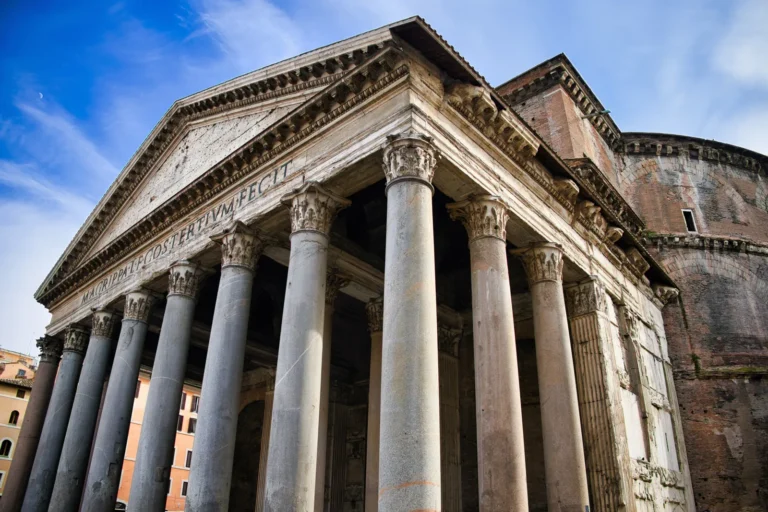
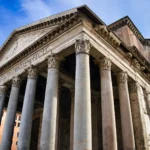
A Roman temple rebuilt under Hadrian and later turned into a church, the Pantheon is the best-preserved ancient monument in Rome, crowned by a dome with an oculus; admission is charged. A few minutes’ walk away, Piazza Navona keeps the shape of an ancient stadium and Bernini’s Fountain of the Four Rivers; Campo de’ Fiori hosts a morning market; the Spanish Steps lead up to the church of Trinità dei Monti.
This large park north of the centre offers a green break and a view over Piazza del Popolo from the Pincio terrace. The Borghese Gallery displays sculptures by Bernini and paintings by Caravaggio. Visitor numbers are limited per time slot: book before you come.
Hadrian’s Villa in Tivoli
About 30 km (19 mi) east of Rome, Tivoli has two villas listed as UNESCO World Heritage Sites. Hadrian’s Villa (Villa Adriana) was built by Emperor Hadrian around AD 126 as an official residence: it is one of the most important complexes of Roman architecture. You walk through baths, pools, the Canopus and its nymphaeum, a museum and the Maritime Theatre, a circular building surrounded by water. Villa d’Este, in the centre of Tivoli, is a 16th-century residence commissioned by Cardinal Ippolito II d’Este, famous for its gardens and monumental fountains.
Getting there: regional bus or train from Rome to Tivoli, then local bus or taxi to Hadrian’s Villa, below the town; by car, allow about 45 minutes outside rush hour.
Time needed: a day for both villas; allow 2 to 3 hours for Hadrian’s Villa, which is large and has little shade.
Tickets: sold on the official website of the Tivoli villas (levillae.com) and on site; check prices and hours there before you go.
Other sights
Castel Sant’Angelo: Hadrian’s mausoleum turned papal fortress, with a terrace facing St Peter’s
The Baths of Caracalla: huge ruins of public baths, less crowded than the Forum
The Appian Way (Via Appia Antica): the ancient Roman road, lined with tombs and catacombs, pleasant by bike
The Basilica of St John Lateran: the cathedral of Rome
The Capitoline Hill and its museums: the square designed by Michelangelo and the statue of the She-Wolf
Rome neighbourhoods
The historic centre (Pantheon, Navona, Campo de’ Fiori)
Lanes, squares and churches at every step. It is the most convenient area for doing everything on foot, but also the most expensive and the most touristy.
Monti
Between the Colosseum and Termini station, this former working-class district has become one of the most pleasant in Rome: shops, wine bars and small squares that come alive in the evening.
Trastevere
On the right bank of the Tiber: ivy-covered cobbled streets, trattorias and lively nightlife. Charming, but noisy on summer evenings and away from the metro.
Prati and the Vatican
A residential district of wide avenues, a short walk from the Vatican. Quieter than the centre, with good restaurants and the metro (line A).
Termini and Esquilino
Around the central station, there is a very wide choice of hotels, prices are lower and connections are ideal. The area is less charming and calls for more vigilance in the evening.
Testaccio and the Aventine
Testaccio is a working-class district known for its Roman cooking and covered market. The neighbouring Aventine, residential and green, has the Orange Garden and its view over the city.
Day 1: the Palatine, the Forum and the Colosseum in the morning, the Capitoline Hill, then on foot past the Trevi Fountain, the Pantheon and Piazza Navona; dinner in Trastevere
Day 2: the Vatican Museums and the Sistine Chapel at opening time, St Peter’s Basilica and its dome, Castel Sant’Angelo, then the Spanish Steps late in the day
3 days: Rome at a gentler pace
Days 1 and 2: the plan above
Day 3: the Borghese Gallery (booking required) and the Pincio gardens in the morning, Piazza del Popolo, then Monti, the Aventine and Testaccio in the afternoon
4 days: with Tivoli or ancient Rome
Days 1 to 3: the plan above
Day 4: a trip to Tivoli (Hadrian’s Villa and Villa d’Este), or the Baths of Caracalla and the Appian Way
Book your Vatican and Colosseum time slots first, then build the rest around them. Avoid scheduling the Vatican on a Sunday or a closing day.
Getting there: Rome airport transfers by train, bus, taxi and private transfer
Rome has two airports: Fiumicino (Leonardo da Vinci), the main one, and Ciampino, used mainly by low-cost airlines. Here are the official options, with prices published by the operators and by the airport authority (ADR).
From Fiumicino
Leonardo Express (Trenitalia): non-stop train to Termini station in about 32 minutes, departures every 15 minutes, €14. Children under 4 travel free, and one child aged 4 to 11 travels free with each paying adult. A “mini-group” fare offers 4 tickets for €40. Metrebus city tickets are not valid on it. The station is inside the airport.
FL1 regional train: it does not go to Termini but serves stations such as Tiburtina (metro B). Check timetables and prices on trenitalia.com.
Bus: several companies link the airport with the central stations. Prices and timetables are on each company’s website.
Official taxi: fixed fare of €55 to the historic centre (inside the Aurelian Walls), all supplements included, according to ADR. Fares are set by the city and can change.
From Ciampino
Shuttle bus + train: buses link the airport with Ciampino station, from where trains run to Termini.
City buses and direct coaches: city buses run to metro stations and several companies run direct coaches to Termini; check routes and prices on the operators’ websites.
Official taxi: fixed fare of €40 to the centre (inside the Aurelian Walls), all supplements included, according to ADR.
Option
Where to catch it
Official fare
Source
Leonardo Express
Fiumicino airport station
€14 (children: see conditions)
Trenitalia
FL1 train
Fiumicino airport station
On trenitalia.com
Trenitalia
Bus Fiumicino / Ciampino
Terminal bus stops
On each company’s website
Operators
Taxi Fiumicino → centre
Arrivals
€55 fixed
ADR
Taxi Ciampino → centre
Taxi rank
€40 fixed
ADR
Fares checked on 26 October 2026. The fixed fare only applies to destinations inside the Aurelian Walls.
Tip: only take official white taxis from the rank; before getting in, check that your hotel is inside the Aurelian Walls and mention the fixed fare. Beyond them, the meter applies. The UK FCDO also advises using only licensed taxis with a roof sign and company name and number on the side.
Booking an airport transfer in Rome
A private transfer booked in advance is useful if you arrive late, with family, with lots of luggage or in a group (the price is shared). Check the total price per vehicle, waiting time included if your flight is delayed, the meeting point and the cancellation terms.
Sources: Trenitalia, “Leonardo Express”; Aeroporti di Roma (ADR), Fiumicino and Ciampino taxi pages; checked 26 October 2026.
Where to stay in Rome
Area
Best for
Good to know
Historic centre (Pantheon, Navona)
A short first visit
Everything on foot, high prices
Monti
Couples, bar and boutique lovers
Close to the Colosseum and the metro
Trastevere
Atmosphere and nightlife
Noisy at night, little metro
Prati
Families, visiting the Vatican
Quiet, well connected by line A
Termini
Tight budgets, arriving by train
Very well connected, less charming
Aventine and Testaccio
A quieter stay
Residential, good local food
A tourist tax per night and per person is added to the room rate and paid on site; the amount depends on the category of accommodation.
Options range from B&Bs and apartments to grand hotels. Rooms in the historic centre are often small. For Easter, summer and the end-of-year holidays, book several months ahead.
Getting around Rome
On foot: the best way to discover the centre, where most sights are 10 to 30 minutes apart. Wear good shoes: the cobbles are slippery in the rain.
Metro: three lines (A, B and C), useful for the Vatican (line A), the Colosseum (line B) and Termini station. The historic centre itself is not served.
Bus and tram: a dense but often slow network. If you buy a ticket from a kiosk or machine, validate it before your journey; inspectors issue on-the-spot fines (GOV.UK). Some buses and trams accept contactless payment on board. Watch your belongings: the UK FCDO warns of pickpocketing on public transport and in main train and metro stations.
From the airports: see the section above.
Taxi: take only official white taxis, from ranks or via an app.
Car: pointless in the city. The centre is a limited traffic zone (ZTL) where cameras fine unauthorised vehicles, and Rome sometimes restricts traffic in the “fascia verde” to reduce pollution (GOV.UK); thefts from cars are common.
When to go to Rome
✓ Ideal~ Good, with caveats✕ AvoidAverage max. temperature · click a month to see where to go
✅ Best months: March, April, may, June, September, October
The best times are April to June and late September to October: 19 to 28 °C (66 to 82 °F) in the afternoon and little rain, according to the Rome-Ciampino normals. July and August average over 31 °C (88 °F); November is the wettest month. Winter is cool but quiet, ideal for museums. Month-by-month climate and festival calendar: see our article the best time to visit Rome.
Budget for a trip to Rome
Rough amounts per person per day, excluding flights:
Item
Budget
Comfort
Accommodation (sharing a double room)
about €40 to €70
about €100 to €180
Meals
about €25 to €40
about €50 to €90
Transport (metro, bus)
about €5 to €10
about €10 to €30
Sightseeing
about €15 to €30
about €30 to €70
Total per day
roughly €85 to €150 per person per day
roughly €190 to €370 per person per day
Rough estimates, varying with the season. Hotel prices peak at Easter, in summer and at Christmas.
To cut costs: make the most of free places (most churches, St Peter’s Square, the piazzas and gardens) and have lunch with a slice of pizza “al taglio” or in trattorias away from the most touristy streets. Coffee costs less at the bar than at a table.
US citizens: you may enter Italy for up to 90 days for tourism or business without a visa. Your passport must be valid at least 3 months beyond your stay, and you need proof of sufficient funds and a return ticket; a passport that has ever been reported lost or stolen may be refused (U.S. Department of State, travel.state.gov, last updated August 11, 2025).
UK citizens: no visa for up to 90 days in any 180-day period as a tourist. Your passport must have been issued less than 10 years before the day you arrive and be valid at least 3 months after the day you plan to leave the Schengen area; you may be asked for proof of accommodation, travel insurance, a return ticket and sufficient funds. The EU Entry/Exit System (EES) is being implemented: fingerprints and a photo may be taken at your first entry, free of charge (UK FCDO, GOV.UK, updated 21 October 2026).
ID: police can stop you at any time for an identity check: carry photo ID at all times (GOV.UK).
Theft: crime levels are generally low, but bag-snatching and pickpocketing are more common in city centres, at major tourist attractions and in main train and metro stations (UK FCDO, GOV.UK, updated 21 October 2026). Thefts from parked cars are common: do not leave luggage in a vehicle, even in the boot.
Tourist tax: many Italian cities charge a small tourist tax, usually paid at your hotel and often in cash; the rate varies by city and hotel category (GOV.UK).
Public offences: some cities, including Rome, fine people for sitting on monument steps, eating and drinking next to main churches and monuments, or entering public fountains (GOV.UK).
Health: UK travellers can use a GHIC or EHIC for state healthcare; whatever your nationality, take out travel insurance covering medical costs. See our travel insurance guide.
Emergencies: dial 112 (GOV.UK and travel.state.gov).
Practical tips for Rome
Pickpocketing: common on public transport, around Termini and in crowds at the sights. Keep sight of your belongings and leave valuables in the hotel safe (GOV.UK), but keep photo ID on you.
Dress: cover shoulders and knees in churches and at the Vatican.
Water: bring a refillable bottle.
Restaurants: a cover charge (“coperto”) is often added; tipping is not compulsory.
Mobile data: check your home carrier’s roaming charges before you go.
Emergencies: dial 112.
Mistakes to avoid in Rome
Buying tickets from a tout: the “skip-the-line” tours sold around the Colosseum cost much more; use the official websites.
Turning up at the Vatican without a booking or on a closing day: check the calendar on the museums’ official website.
Forgetting the dress code: cover shoulders and knees, or you may be refused entry to the Vatican Museums and churches.
Driving into the centre: the limited traffic zone (ZTL) is closed to unauthorised vehicles.
Letting your guard down: pickpocketing is common on public transport and around Termini.
Being surprised by the bill: the cover charge (“coperto”) is often added, and coffee costs more at a table than at the bar.
Rome: who is it for?
Our verdict by traveller type, based on the information in this guide:
Weekend break: yes: the essentials can be seen in 2 to 3 days.
Couples: yes: Trastevere in the evening, the Pincio gardens, Monti’s wine bars, the view from the Orange Garden.
Families: yes, staying in Prati, quiet and well connected by line A; book Vatican and Colosseum time slots to limit waiting.
Tight budgets: moderate: roughly €85 to €150 per person per day; make the most of free churches and squares and pizza “al taglio”.
Culture: yes, this is its strong point: the Colosseum, the Forum, the Vatican, the Pantheon, the Borghese Gallery, Hadrian’s Villa in Tivoli.
Beach and nature: no: Rome is a city destination; Villa Borghese park and the Appian Way for some fresh air.
Two days let you see the essentials: the Colosseum and the Forum, the historic centre and the Vatican. With 3 to 4 days, you can add the Borghese Gallery, Trastevere, the Aventine and a trip to Tivoli without rushing.
Should you book the Colosseum and the Vatican in advance?
Yes, especially from April to October and during holidays. The Vatican Museums sell timed tickets on their official website, and entry to the Colosseum is by time slot, via the official Colosseum Archaeological Park website.
Do you have to pay to see the Trevi Fountain?
Since 2 February 2026, access to the steps down to the basin costs €2 for visitors, from 9 am to 10 pm, according to Turismo Roma; the square remains free. Residents, young children and people with disabilities are exempt.
How do you get to Hadrian’s Villa from Rome?
The villa is near Tivoli, about 30 km (19 mi) east of Rome. Take a regional bus or train to Tivoli, then a local bus or taxi, or drive. Allow a day to combine it with Villa d’Este.
Are 3 days enough to visit Rome?
Yes for a first visit: 3 days let you see ancient Rome, the Vatican, the historic centre and the Borghese Gallery at a reasonable pace. Add a fourth day for Tivoli or the Appian Way. If you are torn with the lagoon city, our comparison Rome or Venice helps you choose.
What mistakes should you avoid in Rome?
Touts reselling tickets at higher prices near the Colosseum, the Vatican without a booking or on a closing day, sleeveless clothing in places of worship, driving into the ZTL and pickpocketing on the metro and buses.
Which area should you stay in in Rome?
The historic centre and Monti to do everything on foot, Trastevere for atmosphere, Prati for peace and quiet near the Vatican, Termini for a tight budget and arriving by train.


 FlightsKiwi.comCompare flights and airline combinations to Rome.Compare flights






 Amalfi Coast
 When to go
 Dolomites
 Lake Como
 Map
 Sardinia
 Sicily
 Lake Garda
 Puglia
 Venice
 Verona
 Tuscany
 Bologna
 Cinque Terre
 Florence
 Genoa
 Matera
 Milan
 Naples
 Turin