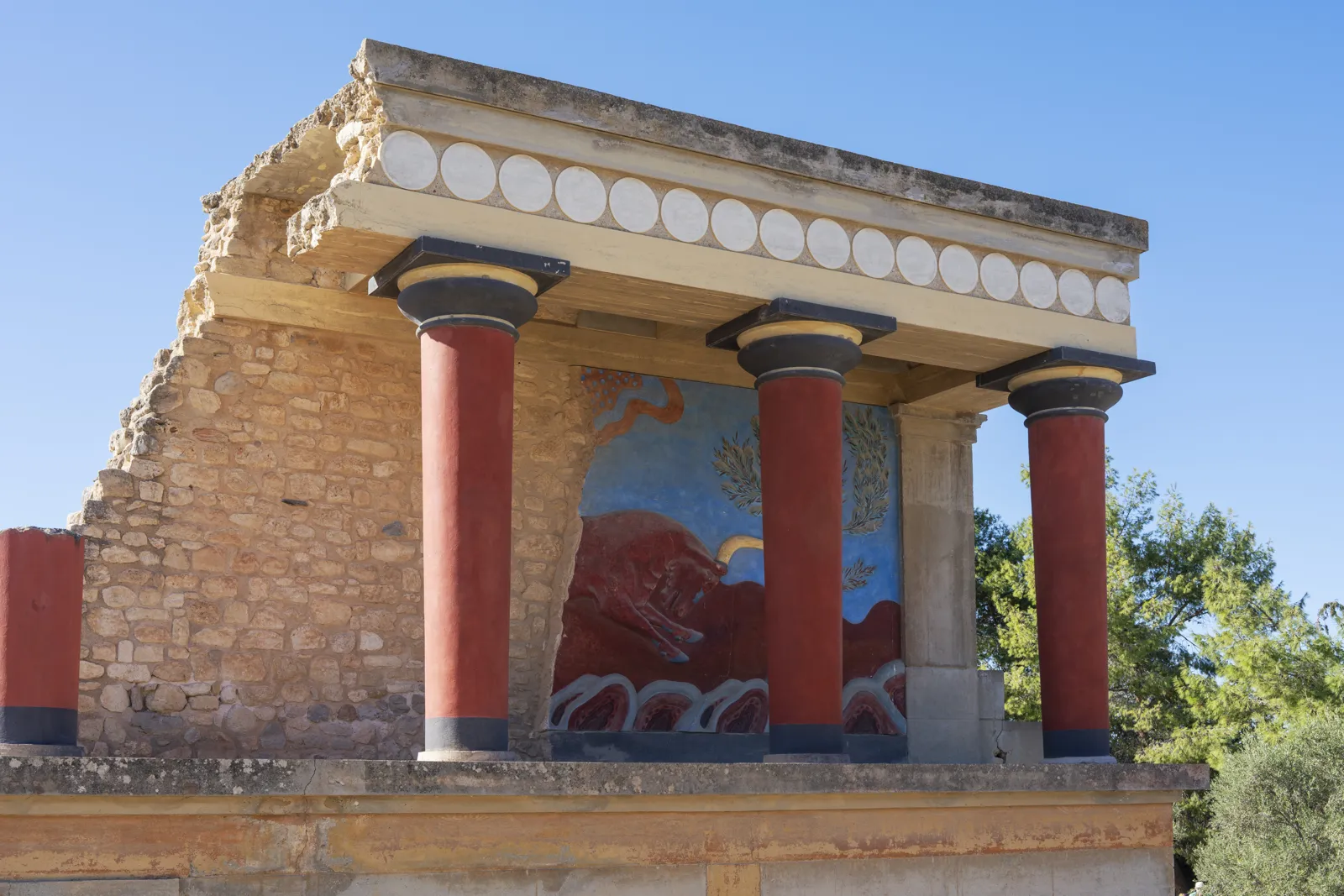
In short, this Sicily travel guide suggests a week for the east and south-east (Etna, Taormina, Syracuse, Noto) and two weeks to tour the island, ideally by car, between late April and June or in September. The largest island in the Mediterranean packs in Greek temples, Byzantine mosaics, Baroque churches and an active volcano, Etna. Sicily is best explored by car: distances are longer than they look and public transport serves some sites poorly. This guide helps you choose your stops, itinerary and season.
Above Catania, our guide visiting Mount Etna covers the cable car, the Tour 3000 and safety rules.

Our travel deals for Sicily
Affiliate links: we earn a commission, at no extra cost to you.
 FlightsKiwi.comCompare flights and airline combinations to Sicily.Compare flights
- Tickets and toursTiqetsEntry tickets and guided tours to book online; compare with the official price.See tickets


Sicily at a glance
- Regional capital Palermo
- Language Italian (and Sicilian)English is spoken in tourist areas
- Currency euro (€) · currencies
- Time zone Central European Time (UTC+1, UTC+2 in summer): one hour ahead of London, six hours ahead of New York
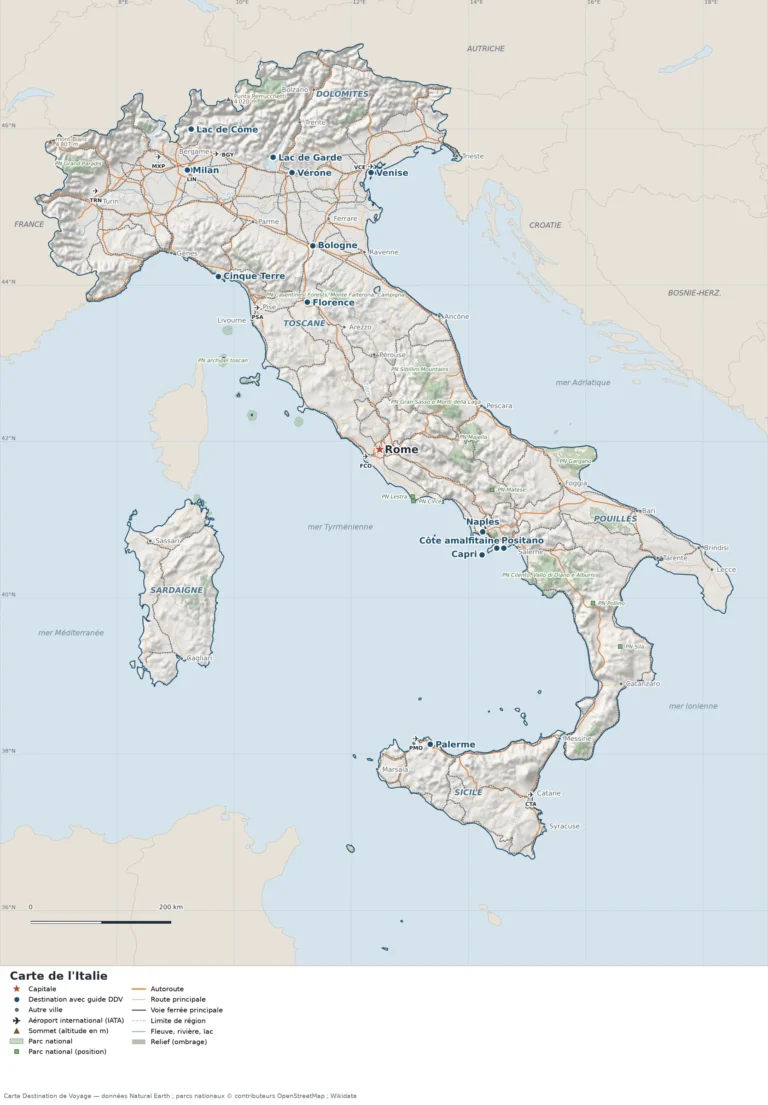
- Airports Catania (CTA) and Palermo (PMO); also Trapani and Comiso(from further afield, connect via Rome, Milan or another European hub)
- Entry Schengen area: no visa for up to 90 days for US citizens (tourism or business) and UK citizens (in any 180-day period) · US: travel.state.gov · UK: GOV.UK
- Electricity Italy uses a 220-volt system, according to the U.S. Department of State: check that your devices accept it and bring a plug adapter · plugs
- Budget see our budget section
When to go to Sicily
✅ Best months: March, April, may, June, September, October
The best times are late April to June and September to mid-October: warm without extremes, very little rain and a pleasant sea in June and September. In July and August, average highs exceed 35 °C (95 °F) on the Catania plain; November and December are the wettest months. All the details, month by month: the best time to visit Sicily.
What to see in Sicily: the highlights
Palermo and Monreale
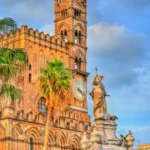
The regional capital blends Arab, Norman and Baroque heritage. The Arab-Norman route, a UNESCO World Heritage Site, includes the Palatine Chapel in the Norman Palace, the cathedral and, a few kilometres away in the hills, Monreale Cathedral with its golden mosaics. The Ballarò and Capo markets, the Quattro Canti and street food (arancine, panelle) are part of the visit. Allow 2 to 3 days. Ballarò market, the Quattro Canti and arancine: our Palermo travel guide details those 2 to 3 days in the city.
Cefalù
A small coastal town east of Palermo, overlooked by a rock and a Norman cathedral that is also part of the Arab-Norman route. Medieval lanes and a beach at the foot of the old town: a pleasant stop, very busy in summer.
Agrigento and the Valley of the Temples
On a ridge facing the sea, the Valley of the Temples holds the remains of the Greek city of Akragas, including the Temple of Concordia, one of the best-preserved Doric temples. The site is large and has little shade: come early in the morning or late in the afternoon. Further west, the white cliff of the Scala dei Turchi is a well-known photo stop.
Syracuse and Ortigia
A major Greek city in antiquity, Syracuse is visited in two parts: the Neapolis archaeological park (Greek theatre, the Ear of Dionysius) and the island of Ortigia, the historic centre, with its cathedral built on a Greek temple and its lanes by the water. Ortigia is also a good base for exploring the south-east.
Noto, Ragusa and the Val di Noto
Rebuilt after the 1693 earthquake, the towns of the Val di Noto (Noto, Ragusa, Modica, Scicli and others) form a Baroque ensemble listed as a World Heritage Site. Noto and its main street lined with palazzi, Ragusa Ibla on its hill, Modica and its chocolate: allow at least two days.
Taormina and Mount Etna
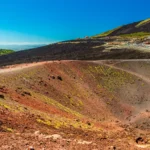
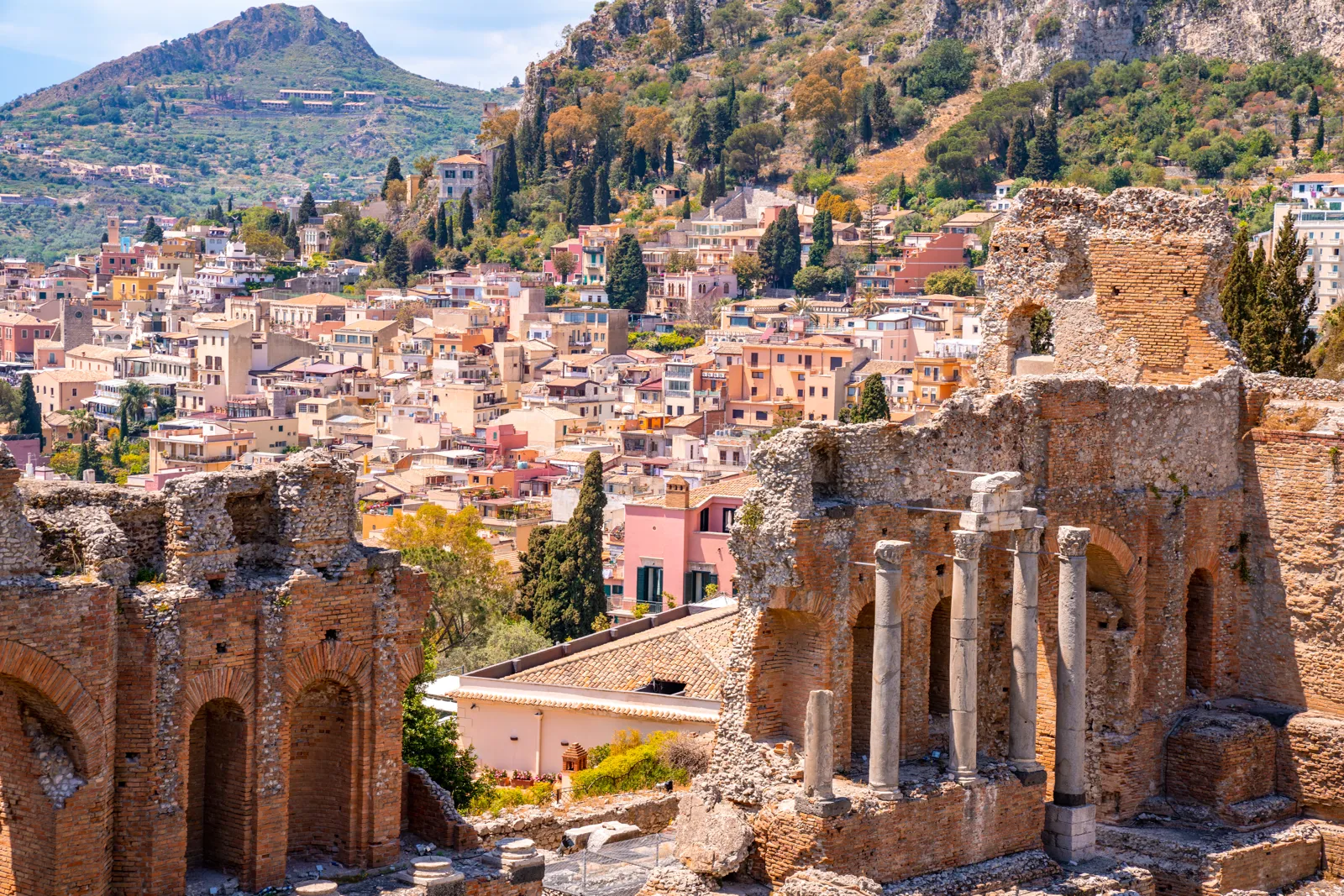
Perched above the sea, Taormina is famous for its ancient theatre with views of Etna and the coast. Europe’s highest active volcano can be visited by driving to the visitor areas on the southern (Rifugio Sapienza) or northern slopes, then on foot, by cable car or by off-road vehicle depending on which access points are open. The summit areas often require an authorised guide. Any visit to an active volcano is risky: eruptions can occur with little warning, so stay on authorised trails and follow posted instructions (U.S. Department of State, travel.state.gov).
The Aeolian Islands
Off the north-east of the island, the volcanic Aeolian archipelago (Lipari, Vulcano, Salina, Stromboli, Panarea, Filicudi, Alicudi) is a World Heritage Site. It is reached by ferry or hydrofoil, notably from Milazzo. Stromboli is one of the most active volcanoes in Europe: access to its upper slopes is regulated and may be closed depending on activity.
The west: Segesta, Erice, Trapani and the Zingaro
The temple of Segesta stands alone in the hills. The medieval village of Erice overlooks Trapani and its salt pans, from where boats leave for the Egadi Islands. The Zingaro nature reserve, between Scopello and San Vito Lo Capo, is a protected coastline accessible only on foot, with coves and no road.
Catania
The island’s second city and busiest airport, Catania is often the gateway to the trip. Largely rebuilt in lava stone after the 1693 earthquake, it is one of the Baroque towns of the Val di Noto listed as a World Heritage Site. The fish market (La Pescheria), Via Etnea and Cathedral Square can be seen in a day; the city is also the most convenient base for Etna.
Selinunte
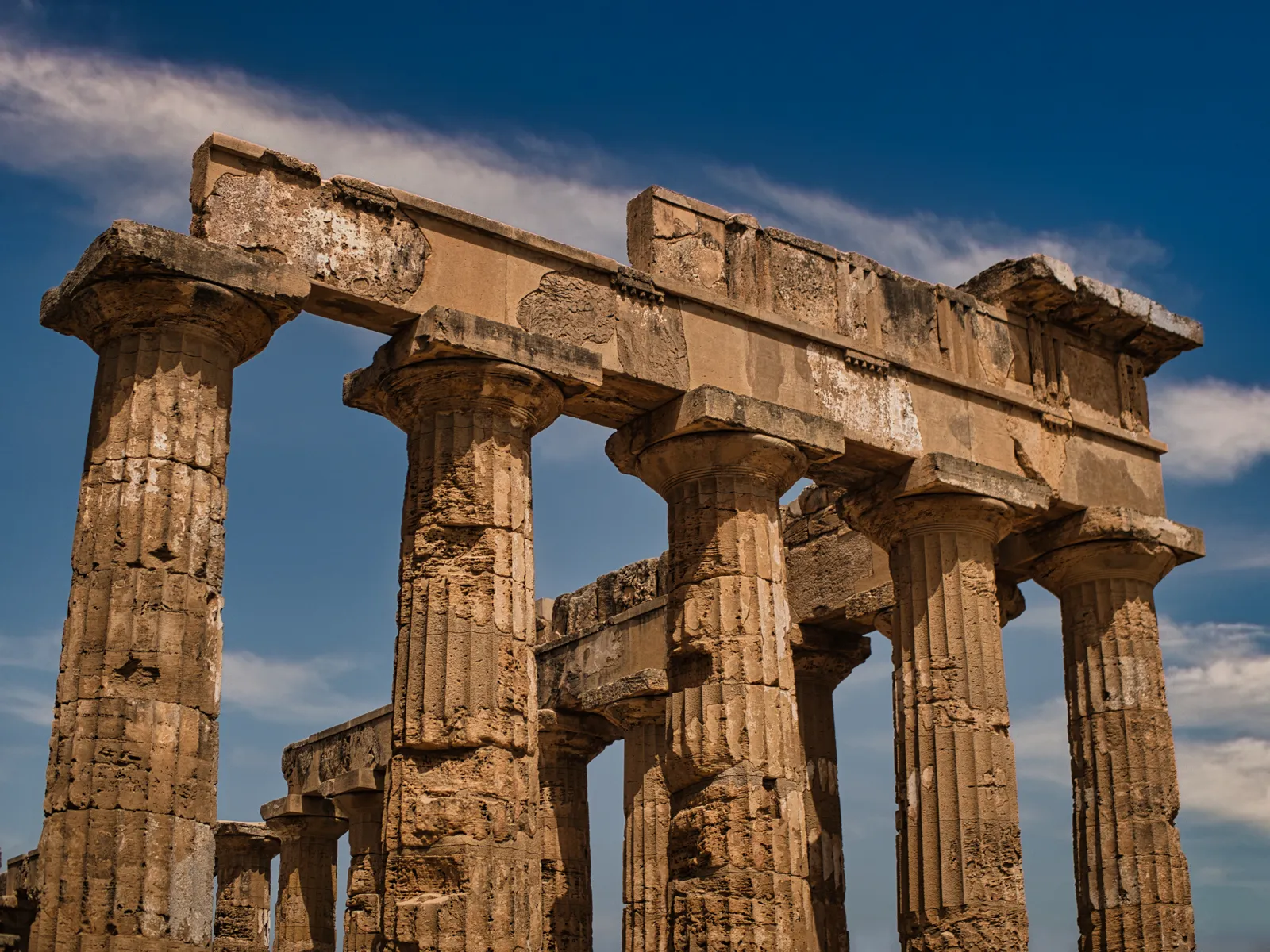
On the south-west coast, between Agrigento and Trapani, the Selinunte archaeological park preserves the remains of an ancient Greek city, temples and acropolis, by the sea. The site is large and less crowded than the Valley of the Temples: a logical stop on a tour of the island via the west.
Piazza Armerina
In the centre of the island, the Roman Villa del Casale preserves an exceptional set of late antique mosaics, a World Heritage Site. An easy stop between Agrigento and Catania.
Things to do in Sicily: 12 experiences not to miss
For a first trip, here are the essentials of what to see and do in Sicily, to tick off according to your interests and the length of your stay:
- See the Palatine Chapel and Monreale Cathedral on Palermo’s Arab-Norman route
- Taste street food at the Ballarò or Capo markets
- Wander through the old town of Cefalù
- Walk the Valley of the Temples in Agrigento early in the morning
- Explore Ortigia, the historic heart of Syracuse, and the Neapolis archaeological park
- Follow the Baroque route: Noto, Ragusa Ibla, Modica
- Climb Etna, with an authorised guide for the summit areas
- See the ancient theatre of Taormina, facing Etna and the sea
- Hike in the Zingaro reserve, between Scopello and San Vito Lo Capo
- See the mosaics of the Roman Villa del Casale at Piazza Armerina
- Visit the temples of Segesta and Selinunte
- Spend a few days in the Aeolian Islands, from June to September
Itinerary: Sicily road trips from 7 days to 2 weeks
7 to 10 days: the east and south-east
- Days 1-2: Catania and Etna
- Days 3-4: Taormina, then on to Syracuse
- Days 5-6: Syracuse and Ortigia
- Days 7-8: Noto, Modica and Ragusa
- Days 9-10: Piazza Armerina and Agrigento, back via Catania or departure from Palermo
2 weeks: around the island
- Days 1-3: Palermo, Monreale and Cefalù
- Days 4-5: Segesta, Erice, Trapani and its salt pans (or the Zingaro)
- Days 6-7: Agrigento and the Valley of the Temples, Scala dei Turchi
- Day 8: Piazza Armerina
- Days 9-11: Ragusa, Modica, Noto and Syracuse
- Days 12-14: Etna and Taormina, departure from Catania
With three weeks, add 3 to 4 days in the Aeolian Islands, preferably from June to September. Flying into Palermo and out of Catania (or vice versa) avoids backtracking, but one-way rental fees can be high.
Who is Sicily for?
Here is our verdict by traveller type, based on the stops, budget and conditions described in this Sicily guide.
| Profile | Our verdict |
|---|---|
| Culture and history | ✅ Greek temples of Agrigento, Segesta and Selinunte, Arab-Norman Palermo, the Baroque of the Val di Noto. |
| Volcanoes and hiking | ✅ Etna with an authorised guide for the summit areas, Stromboli, the Zingaro reserve. |
| Food | ✅ Street food at Palermo’s markets (arancine, panelle), trattorias and farm stays. |
| Beach | ✅ Cefalù, the Aeolian Islands from June to September, the coves of the Zingaro; the sea is pleasant in June and September. |
| Tight budgets | ✅ Roughly €75 to €130 per person per day; prices peak in August. |
| Without a car | ⚠️ Buses and coastal trains link the main cities, but the interior and some sites are poorly served. |
Budget for a trip to Sicily
Rough amounts per person per day, excluding flights:
| Item | Budget | Comfort |
|---|---|---|
| Accommodation (sharing a double room) | about €30 to €50 | about €70 to €140 |
| Meals | about €20 to €35 | about €40 to €70 |
| Transport (shared rental car, fuel, bus) | about €15 to €25 | about €25 to €45 |
| Sightseeing and activities | about €10 to €20 | about €20 to €40 |
| Total per day | roughly €75 to €130 per person per day | roughly €155 to €295 per person per day |
Street food (arancine, panelle, sfincione) and trattorias away from the most touristy streets let you eat well for little. Admission to the major sites (Valley of the Temples, Neapolis, Villa del Casale) makes up the largest part of the sightseeing budget.
Getting around Sicily
- Car: the most convenient way to tour. Motorways link Palermo, Catania and Messina; secondary roads are slower. Many historic centres are limited traffic zones (ZTL, marked in black on a yellow background); cameras record number plates and fines follow if you enter without a pass (GOV.UK). Thefts from parked cars are common, and thieves may try to make you stop by pointing out a fictional fault with your car: leave nothing in the vehicle (UK FCDO, GOV.UK).
- Bus: regional companies link the main cities, often faster than the train; services are less frequent on Sundays.
- Train: useful on some coastal lines (Palermo-Cefalù, Catania-Taormina-Messina, Catania-Syracuse), much less so inland.
- Boat: ferries and hydrofoils to the Aeolian and Egadi islands and the mainland; book in summer.
Where to stay in Sicily
| Base | Best for | Good to know |
|---|---|---|
| Palermo (historic centre) | Culture, food | Lively, difficult parking |
| Cefalù | Sea and old town | Very busy in summer |
| Ortigia (Syracuse) | Base for the south-east | ZTL: park on the outskirts |
| Noto or Ragusa | Baroque, countryside | Many farm stays nearby |
| Taormina or Giardini Naxos | Etna, sea | Taormina is expensive, Giardini more affordable |
| Farm stay (agriturismo) | Peace and quiet, local cooking | A car is essential |
Options range from B&Bs and farm stays to seaside hotels. On a tour, change base every 2 or 3 days rather than every night. In August, book several months ahead.
Entry requirements, health and safety
- US citizens: you may enter Italy for up to 90 days for tourism or business without a visa. Your passport must be valid at least 3 months beyond your stay, and you need proof of sufficient funds and a return ticket; a passport that has ever been reported lost or stolen may be refused (U.S. Department of State, travel.state.gov, last updated August 11, 2025).
- UK citizens: no visa for up to 90 days in any 180-day period as a tourist. Your passport must have been issued less than 10 years before the day you arrive and be valid at least 3 months after the day you plan to leave the Schengen area; you may be asked for proof of accommodation, travel insurance, a return ticket and sufficient funds. The EU Entry/Exit System (EES) is being implemented: fingerprints and a photo may be taken at your first entry, free of charge (UK FCDO, GOV.UK, updated 21 October 2026).
- ID: police can stop you at any time for an identity check: carry photo ID at all times (GOV.UK).
- Theft: crime levels are generally low, but bag-snatching and pickpocketing are more common in city centres, at major tourist attractions and in main train and metro stations (UK FCDO, GOV.UK, updated 21 October 2026).
- Volcanoes and earthquakes: there are several active volcanoes, including Mount Etna in eastern Sicily; volcanic activity can disrupt travel, including airport closures, and Catania airport can be affected during eruptions (travel.state.gov; GOV.UK). Many parts of Italy lie on a major fault line and minor tremors are frequent.
- Heat and wildfires: wildfires are a risk in the extended summer months: follow the advice of local authorities (GOV.UK). GOV.UK also lists dengue, biting insects and West Nile disease among health risks: use repellent.
- Health: UK travellers can use a GHIC or EHIC for state healthcare; whatever your nationality, take out travel insurance covering medical costs. See our travel insurance guide.
- Emergencies: dial 112 (GOV.UK and travel.state.gov).
Practical tips for Sicily
- Money: keep some cash for small shops, markets and some car parks; the tourist tax is often paid in cash at your accommodation (GOV.UK).
- Mobile data: check your home carrier’s roaming charges before you go.
- Opening hours: many shops and churches close in the early afternoon; Sicilians eat late.
- Dress: cover shoulders and knees in churches.
- Restaurants: a cover charge (“coperto”) is often added; tipping is not compulsory.
Food: try arancine (fried rice balls), panelle (chickpea fritters), caponata, pasta alla Norma (aubergine and salted ricotta), and for dessert cannoli and granita, often eaten with a brioche for breakfast.
Mistakes to avoid on a trip to Sicily
- Underestimating distances: secondary roads are slow; change base every 2 or 3 days rather than seeing everything from one hotel.
- Driving into a historic centre: limited traffic zones (ZTL) are camera-controlled; park on the outskirts.
- Leaving belongings in the car: GOV.UK warns that thefts from parked cars are common across Italy.
- Visiting ancient sites in the midday heat: in summer, arrive at opening time or late in the afternoon.
- Booking late for August or Easter: accommodation, rental cars and ferries to the Aeolian Islands go fast.
- Heading up Etna without checking: the open areas depend on the volcano’s activity and the authorities’ decisions.
Read also: for the climate month by month, see the best time to visit Sicily, then Sicily in April or Sicily in October for the shoulder seasons. If you are torn between islands, our comparisons Crete or Sicily and Sicily or Sardinia put them side by side.
Frequently asked questions
How many days do you need to visit Sicily?
A week lets you discover part of the island, for example the east and south-east (Etna, Taormina, Syracuse, Noto). Two weeks are needed for a full tour, and three to add the Aeolian Islands.
Do you need to rent a car in Sicily?
It is strongly recommended for a tour: sites such as the Villa del Casale, Segesta or the towns of the Val di Noto are poorly served. For a stay limited to Palermo or Catania, buses and trains are enough.
Can you climb to the summit of Etna?
Access to the summit areas depends on the volcano’s activity and the authorities’ decisions; it is generally done with an authorised guide. The visitor areas on the southern and northern slopes can be reached by car.
Which airport should you choose for Sicily?
Catania for the east and south-east (Etna, Taormina, Syracuse), Palermo for the west. For a tour of the island, fly into one and out of the other.
Is Sicily safe?
Generally yes: the UK FCDO describes crime levels in Italy as generally low. The main risks are pickpocketing, theft from cars, heat and wildfires in summer, and volcanic activity.
What is the most beautiful part of Sicily?
It depends on what you want: the south-east (Syracuse, Noto, Ragusa) for the Baroque and beaches, Palermo and the west for Arab-Norman monuments, Segesta and the Zingaro, the east for Etna and Taormina, the Aeolian Islands for volcanoes and the sea.
What pitfalls should you avoid in Sicily?
Limited traffic zones (ZTL) in historic centres, thefts from cars and the “fictional car fault” trick reported by GOV.UK, sightseeing in the midday heat in summer and booking late for August.
Our sources
- Entry requirements, health and safety checked on 26 October 2026: U.S. Department of State, Italy country information (last updated August 11, 2025) and UK FCDO, GOV.UK foreign travel advice for Italy (updated 21 October 2026)
- Climate normals: 1991-2020 normals for the Catania-Sigonella station published by NOAA (World Meteorological Organization data)
- Our methodology
Updated October 2026.
Other Mediterranean islands to compare: Malta and Sardinia. To combine Sicily with Rome or the rest of the country, see our Italy travel guide, our Rome guide and our other destinations in Europe.