For a Tuscany trip, allow a week for Florence, Pisa, Siena and the Chianti, and ten days to two weeks to add the Val d’Orcia, Lucca and the coast, ideally from late April to June or in September-October. This Tuscany travel guide covers Florence, Siena, Pisa and the hills of the Chianti and the Val d’Orcia: within a fairly compact area, Tuscany brings together some of Italy’s greatest art cities and some of the most photographed countryside in Europe. The cities are easily linked by train or bus; the countryside is best explored by car. This guide helps you choose your stops, your itinerary and your season.
Our travel deals for Tuscany
Affiliate links: we earn a commission, at no extra cost to you.
FlightsKiwi.comCompare flights and airline combinations to Tuscany.
Time zoneUTC+1, UTC+2 in summer (Europe/Rome)1 hour ahead of London, 6 hours ahead of New York most of the year
AirportsFlorence and Pisa
EntrySchengen area: no visa for up to 90 days for US citizens (tourism or business) and UK citizens (in any 180-day period) · travel.state.gov · GOV.UKPassport valid at least 3 months beyond your stay (US) or after leaving the Schengen area (UK)
Electricity220-volt system, according to the U.S. Department of State · plugsCheck that your devices accept it; you may need a plug adapter
✅ Best months: April, may, June, September, October
❌ Period to avoid: November
The best times are from late April to early June and from September to mid-October: pleasant temperatures, green countryside in spring, the grape harvest in autumn. July and August average over 32 °C (90 °F) in Florence and are very busy; November is the wettest month. Winter suits a cultural stay in Florence. All the details, month by month: when to go to Tuscany.
Where to go in Tuscany: the must-sees
Florence
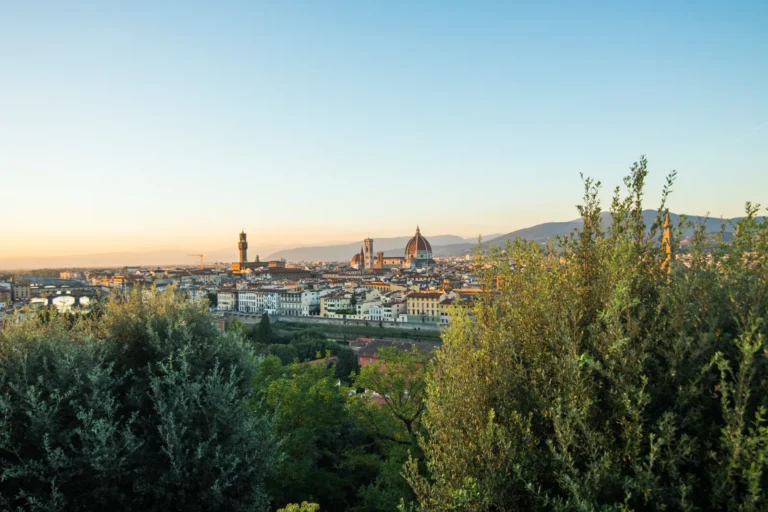
The cradle of the Renaissance, Florence has an exceptional concentration of masterpieces, and its historic centre is a UNESCO World Heritage Site. The cathedral of Santa Maria del Fiore and Brunelleschi’s dome, the Uffizi, the Accademia and Michelangelo’s David, the Ponte Vecchio, Palazzo Pitti and the Boboli Gardens are the classic stops. In the evening, the view from Piazzale Michelangelo overlooks the city. Allow at least 3 days and book the major museums in advance.
Siena
A medieval city built on three hills, Siena is organised around the shell-shaped Piazza del Campo, where the Palio is run. The cathedral, with its marble floor and the Piccolomini Library, the Palazzo Pubblico and the Torre del Mangia are the main visits. The historic centre is also a World Heritage Site. A night in town lets you enjoy it after the day-trippers have left.
Pisa
The Piazza dei Miracoli brings together the Leaning Tower, the cathedral, the baptistery and the monumental cemetery. The climb up the tower is by time slot, to be booked. Beyond the square, the university town, its Arno embankments and its churches deserve a few more hours.
Lucca
Surrounded by 16th- and 17th-century walls that you can walk or cycle along, Lucca is a calm and elegant city. Piazza dell’Anfiteatro, built on the remains of a Roman amphitheatre, the Guinigi Tower with oak trees on its roof, and many Romanesque churches are easily seen in a day from Florence or Pisa.
San Gimignano and Volterra
San Gimignano has kept some of its medieval towers, which form a skyline recognisable from afar; its centre is a World Heritage Site. It is very busy during the day. More austere Volterra, perched on a ridge, retains Etruscan and Roman remains and a tradition of alabaster work.
The Chianti
Between Florence and Siena, the Chianti alternates vineyards, olive groves, woods and villages such as Greve, Radda and Castellina. You explore it by car or by bike, stopping at estates for tastings, which often need booking in advance. If you are tasting, have a sober driver or join an organised tour.
The Val d’Orcia, Pienza and Montepulciano
South of Siena, the Val d’Orcia is the postcard Tuscan landscape: rolling hills, cypress-lined roads, isolated farmhouses. Pienza, an ideal small Renaissance town, Montalcino and its wine, Montepulciano on its ridge, and the hot springs of Bagno Vignoni or Bagni San Filippo make up a 2- to 3-day circuit.
Cortona, Arezzo and the east
Less visited, eastern Tuscany has fine stops: Arezzo and Piero della Francesca’s frescoes in the basilica of San Francesco, and Cortona perched above the Val di Chiana. A good option for linking Tuscany with Umbria.
The coast and the island of Elba
Versilia, in the north, lines up well-equipped beach resorts; the Maremma, in the south, is wilder, with the Maremma nature park and the Argentario promontory. The island of Elba, reached by ferry from Piombino, combines coves, hiking and memories of Napoleon’s exile.
Things to do in Tuscany: 12 ideas for a first trip
To visit Tuscany without missing anything essential, here is a checklist to tick off according to your interests and the length of your stay:
Climb Brunelleschi’s dome and see the David at the Accademia in Florence (booking required)
Spend half a day at the Uffizi, then cross the Ponte Vecchio to Palazzo Pitti and the Boboli Gardens
Watch Florence at sunset from Piazzale Michelangelo
Sit on Piazza del Campo in Siena and visit the cathedral
See the towers of San Gimignano early in the morning or late in the day
Follow the Chianti roads between Greve, Radda and Castellina, with a tasting at an estate
Explore the Val d’Orcia: Pienza, Montalcino, Montepulciano and its cypress-lined roads
Bathe in the thermal waters of Bagno Vignoni or Bagni San Filippo
See Piero della Francesca’s frescoes in Arezzo
Take the ferry from Piombino to Elba, from June to September
Tuscany itinerary: from 7 days to 2 weeks
4 to 5 days: Florence and a side trip
Two to three days in Florence (cathedral, Uffizi, Accademia, Ponte Vecchio), then a day in Siena or the Chianti, or a day in Pisa and Lucca by train. Without a car, this is the simplest option for a long weekend or a first taste of Tuscany.
7 to 10 days: a road trip between art cities and hills
Days 1-3: Florence
Day 4: Pisa and Lucca
Day 5: the Chianti, then San Gimignano
Days 6-7: Siena
Days 8-10: the Val d’Orcia (Pienza, Montalcino, Montepulciano), back to Florence
2 weeks: Tuscany in full
Days 1-4: Florence, with a trip to Fiesole
Days 5-6: Lucca and Pisa
Days 7-8: Volterra, San Gimignano and the Chianti
Days 9-10: Siena
Days 11-12: the Val d’Orcia and hot springs
Days 13-14: Cortona and Arezzo, or the Maremma and the coast depending on the season
To continue to the capital, Florence and Rome are linked by high-speed train: see our Rome guide. For the cities, the train is enough; for the countryside, rent a car only for the rural part of the trip, to avoid parking and ZTL problems in Florence. If Rome is on your list, check when to go to Rome so that this city stop falls in the right season.
Budget for a trip to Tuscany
Indicative amounts per person per day, excluding flights:
Item
Budget
Comfort
Accommodation (sharing a double room)
roughly €40 to €60
roughly €85 to €170
Meals
roughly €20 to €35
roughly €45 to €80
Transport (train, bus, shared car rental)
roughly €10 to €20
roughly €20 to €40
Sightseeing and tastings
roughly €15 to €25
roughly €25 to €45
Total per day
roughly €85 to €140 per person per day
roughly €175 to €335 per person per day
Indicative estimates: Florence and peak dates are considerably more expensive.
Florence’s major museums charge admission and their tickets account for a large share of the sightseeing budget. To eat cheaply, markets (such as Florence’s Central Market) and trattorias away from the most touristy streets are good options.
Getting around Tuscany
Train: convenient between Florence, Pisa, Lucca, Arezzo and the coast. For Siena, the bus is often more direct than the train.
Bus: regional routes serve Siena, San Gimignano, Volterra and many villages, with reduced frequencies on Sundays. Validate tickets bought from kiosks or machines before you travel: inspectors issue on-the-spot fines (GOV.UK).
Car: essential for the Chianti and the Val d’Orcia. The historic centres of Florence, Siena, Pisa and many villages are limited traffic zones (ZTL), closed to unauthorised vehicles and monitored by camera: park outside. The State Department notes that fines for driving in restricted zones are sent to drivers’ home addresses and that break-ins of rented vehicles are common: leave nothing visible.
Bike: pleasant on Lucca’s walls and in the hills, provided you are fit (lots of climbing).
Where to stay in Tuscany
Base
Best for
Good to know
Florence (historic centre)
Museums, first trip
Expensive, ZTL: no car
Siena
Base for the south and the Chianti
Pleasant in the evening
Lucca
Peace, base for Pisa and the coast
More affordable than Florence
Farm stay (agriturismo) in the Chianti
Wine, countryside
Car essential
Val d’Orcia (Pienza, Montepulciano)
Landscapes, hot springs
Book early in spring
Coast or Elba
Seaside in summer
Mainly June to September
Many Italian municipalities charge a tourist tax per night, usually paid at your accommodation, often in cash (GOV.UK).
There is a wide choice: hotels and B&Bs in town, agriturismi and villas in the countryside, often with a pool. For a circuit, choose two or three bases (Florence, Siena, the Val d’Orcia, for example) rather than a different hotel every night.
Entry requirements, health and safety
US citizens: Italy is in the Schengen area. You may enter for up to 90 days for tourism or business without a visa; your passport must be valid at least 3 months beyond your stay, and you need proof of sufficient funds and a return ticket (U.S. Department of State, travel.state.gov, last updated August 11, 2025).
UK citizens: no visa for up to 90 days in any 180-day period as a tourist. Your passport must have been issued less than 10 years before the day you arrive and be valid at least 3 months after the day you plan to leave the Schengen area. The EU Entry/Exit System (EES) is being implemented: fingerprints and a photo may be taken at your first entry, free of charge (UK FCDO, GOV.UK, updated 21 October 2026).
ID: under Italian law, police can stop you at any time for an identity check: carry photo ID at all times (GOV.UK).
Health: UK travellers can use a GHIC or EHIC for medically necessary state healthcare (GOV.UK); travel.state.gov advises being up to date on CDC-recommended vaccinations and recommends insurance that covers medical evacuation.
Theft: crime levels are generally low, but bag-snatching and pickpocketing are more common in city centres, at major tourist attractions and on public transport (GOV.UK); the State Department notes that break-ins of rented vehicles are common, so never leave luggage in a parked car.
Driving: UK travellers can use a UK photocard driving licence; hire companies may require an international driving permit (GOV.UK). The State Department refers US travellers to AAA for international driving permits.
Summer: GOV.UK lists dengue, biting insects and West Nile disease among the health risks in Italy; protect yourself from mosquitoes and from the heat. Wildfires are a risk in the extended summer months (GOV.UK).
In Florence: stay alert on the tram, at stations and at busy sights, and buy your tram ticket yourself at the machine.
Emergencies: 112 (police), 118 (ambulance), 115 (fire), according to GOV.UK; the State Department gives 112 for all emergencies.
Practical tips
Museums: book the Uffizi, the Accademia and the Florence cathedral dome in advance, as well as the climb up the Tower of Pisa.
Money: cards are widely accepted; keep some cash for markets and small shops. Use ATMs in well-lit public areas or inside a bank (travel.state.gov).
Mobile data: check your home carrier’s roaming charges before you leave; an eSIM is a simple way to get local data.
Dress: cover shoulders and knees in churches, including Florence cathedral.
Restaurants: a cover charge (« coperto ») is often added; tipping is not compulsory. Standing at the bar is often cheaper than sitting on a terrace.
Mistakes to avoid on a trip to Tuscany
Driving into a historic centre: the limited traffic zones (ZTL) of Florence, Siena, Pisa and many villages are camera-controlled; park outside.
Turning up at the Uffizi or the Accademia without a ticket: book in advance, as for the cathedral dome and the Tower of Pisa.
Keeping the car during your stay in Florence: rent it only for the countryside part of the trip.
Changing hotels every night: two or three bases (Florence, Siena, the Val d’Orcia) are enough to explore from.
Leaving belongings visible in the car: the State Department notes that break-ins of rented vehicles are common in Italy.
Sightseeing in the midday heat in summer: in July and August, plan visits early in the morning and late in the day.
What to eat and bring back from Tuscany
Tuscany has many products with protected designations of origin, which you can taste locally and take home in your luggage:
Wines: Chianti Classico, produced between Florence and Siena, Brunello di Montalcino and Vernaccia di San Gimignano, a white wine, all three with DOCG status (controlled and guaranteed designation of origin).
Finocchiona PGI: the Tuscan salami flavoured with fennel seeds.
Ricciarelli di Siena PGI: soft biscuits made with almonds, sugar and egg white.
Cantuccini Toscani PGI: the dry biscuits with whole almonds.
Pane Toscano PDO: the region’s traditional bread, served with cured meats and cheeses.
Zafferano di San Gimignano PDO: a small local saffron production, to buy in the town.
For a tasting, many estates in the Chianti and Montalcino welcome visitors, usually by appointment. If you are driving, choose a designated driver who does not drink. Before bringing food or wine home, check your home country’s customs allowances (e.g. CBP in the US, HMRC in the UK).
Who is Tuscany for?
Our view, traveller type by traveller type, based on the information in this guide:
Profile
Our verdict
Art and culture
Ideal: Florence, Siena, Pisa, Lucca, San Gimignano and the Arezzo frescoes.
Couples
Ideal: the Val d’Orcia, Chianti farm stays, estate tastings and the hot springs of Bagno Vignoni.
Road trip
Ideal: the countryside is best explored by car, avoiding the ZTLs in historic centres.
Families
Yes: cycling on Lucca’s walls, the beaches of Versilia and Elba in summer.
No car
Yes for the cities: Florence, Pisa, Lucca and Siena are linked by train or bus; the countryside needs a car.
Tight budget
Possible: roughly €85 to €140 per person per day; major museum tickets weigh on the budget, markets and trattorias lighten it.
Further reading
Our page when to go to Tuscany details the climate month by month. To prepare the most museum-heavy stop, see our Florence guide, and compare with the rest of the country with when to go to Italy. If you are aiming for late spring, our ideas for where to go in May suggest other destinations.
Frequently asked questions
How many days do you need to visit Tuscany?
A week lets you see Florence, Pisa, Siena and part of the countryside. Ten days to two weeks are needed to add the Val d’Orcia, Lucca, Volterra and perhaps the coast.
Do you need to rent a car in Tuscany?
Not for the cities, which are well linked by train and bus. For the Chianti and the Val d’Orcia, it is strongly recommended. Watch out for the camera-controlled limited traffic zones (ZTL) in historic centres.
Which airport should you choose for Tuscany?
Florence for a city-focused stay, Pisa for the coast, Lucca or a circuit. Both airports are linked to the cities by shuttles or trains.
Florence or Siena as a base?
Florence for a first, museum-focused trip; Siena for exploring the Chianti and the Val d’Orcia. Many travellers combine the two.
Is Tuscany safe?
Yes: according to GOV.UK, crime levels in Italy are generally low. The main risks are pickpocketing, especially on public transport and at major sights in Florence, theft from rental cars and the summer heat.
Where should you base yourself to visit Tuscany?
Florence for museums and a first trip without a car, Siena for exploring the Chianti and the Val d’Orcia, Lucca for Pisa and the coast, a farm stay in the hills for a countryside stay by car. For a circuit, combine two or three bases.
What is the most beautiful place in Tuscany?
It depends on what you like: Florence for Renaissance art, Siena for the medieval city, the Val d’Orcia for rolling hills and cypresses, the Chianti for vineyards, Elba for the sea.
What should you bring back from Tuscany?
A bottle of Chianti Classico, Brunello di Montalcino or Vernaccia di San Gimignano, some finocchiona (fennel salami), ricciarelli from Siena or almond cantuccini, or saffron from San Gimignano. If flying, pack liquids in your hold luggage and check your home country’s customs allowances.
What can you see in Tuscany in 4 or 5 days?
Florence for two to three days, then a day in Siena or the Chianti, or a day in Pisa and Lucca by train. Keep the Val d’Orcia and the coast for a longer stay, by car.
Our sources
Visit Tuscany (official tourism website of the Tuscany region), « Flavours » pages: Chianti Classico, Brunello di Montalcino, Vernaccia di San Gimignano, finocchiona PGI, ricciarelli di Siena PGI, cantuccini toscani PGI, pane toscano PDO, zafferano di San Gimignano PDO (consulted October 2026)
Climate normals: 1991-2020 normals for the Florence Peretola (airport) station published by NOAA (World Meteorological Organization data); 1991-2020 normals for the Pisa San Giusto station published by NOAA
For another trip to Italy, see also our guides to Sicily and Sardinia. To combine Tuscany with the rest of the country, see our Italy travel guide, our Rome guide and our other destinations in Europe.


 FlightsKiwi.comCompare flights and airline combinations to Tuscany.Compare flights



 Amalfi Coast
 When to go
 Dolomites
 Lake Como
 Map
 Sardinia
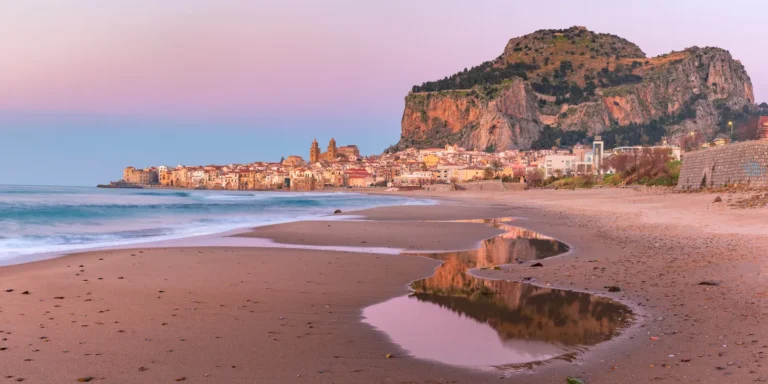 Sicily
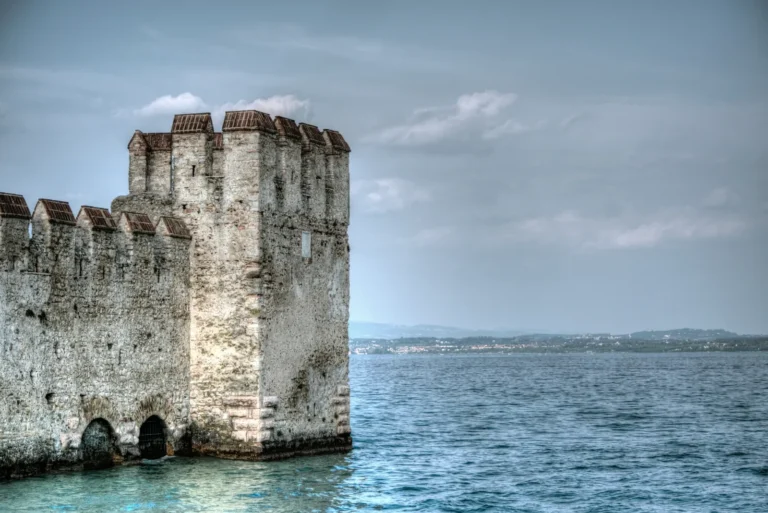 Lake Garda
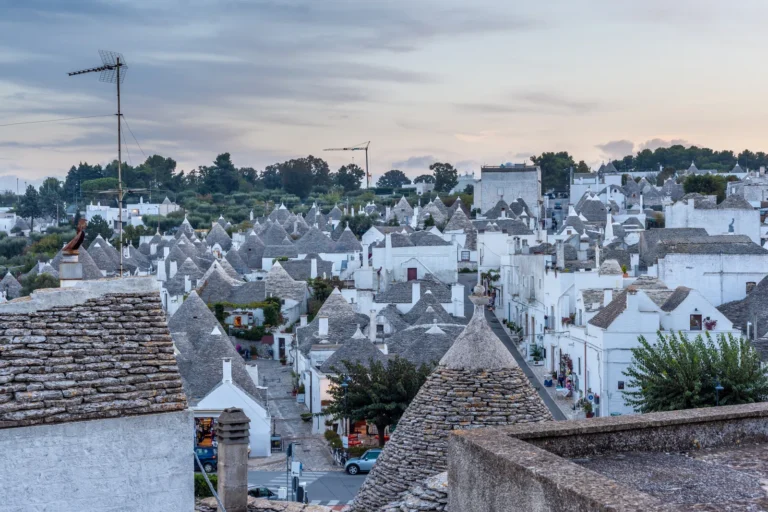 Puglia
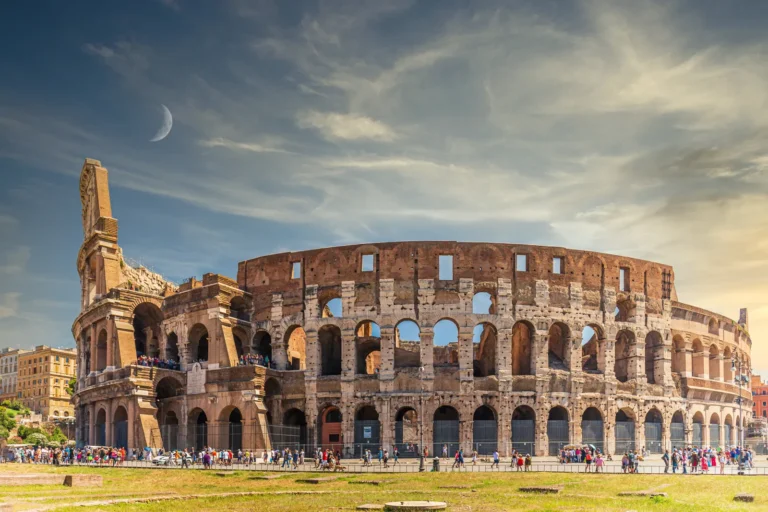 Rome
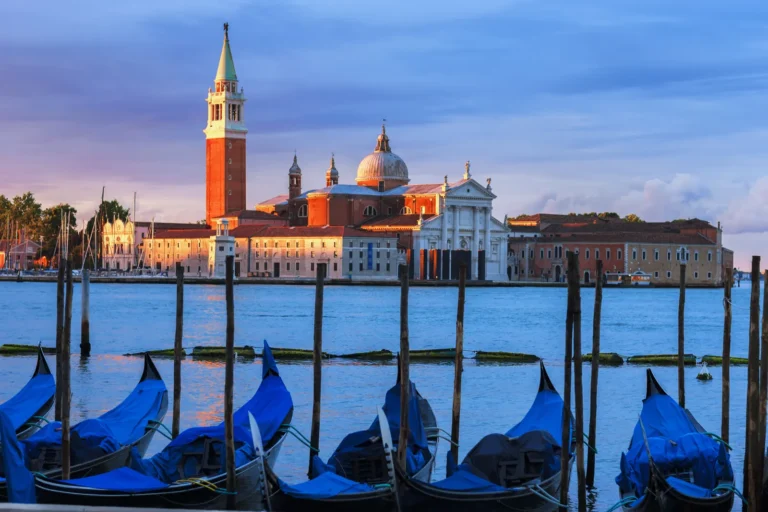 Venice
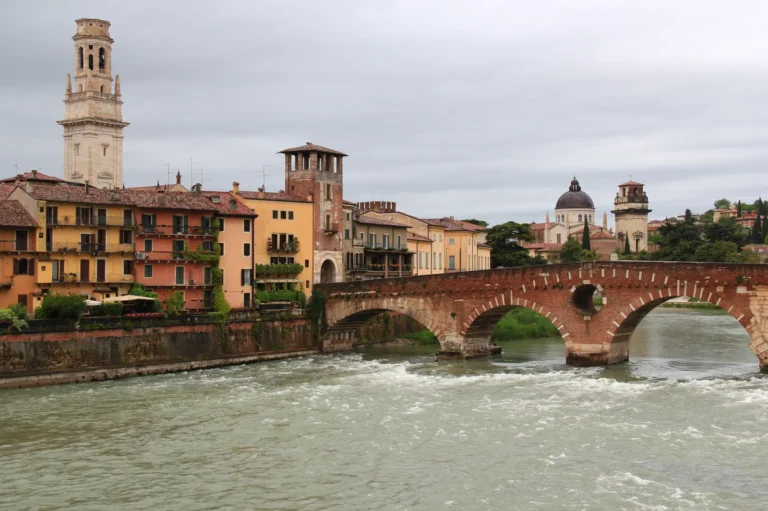 Verona
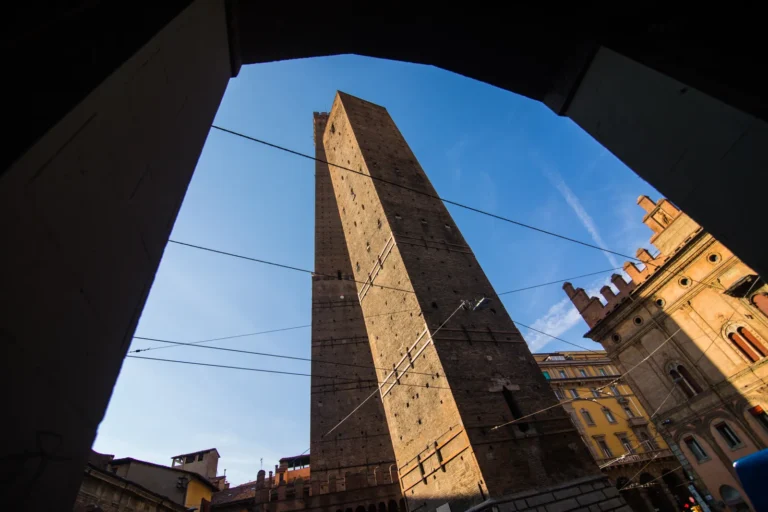 Bologna
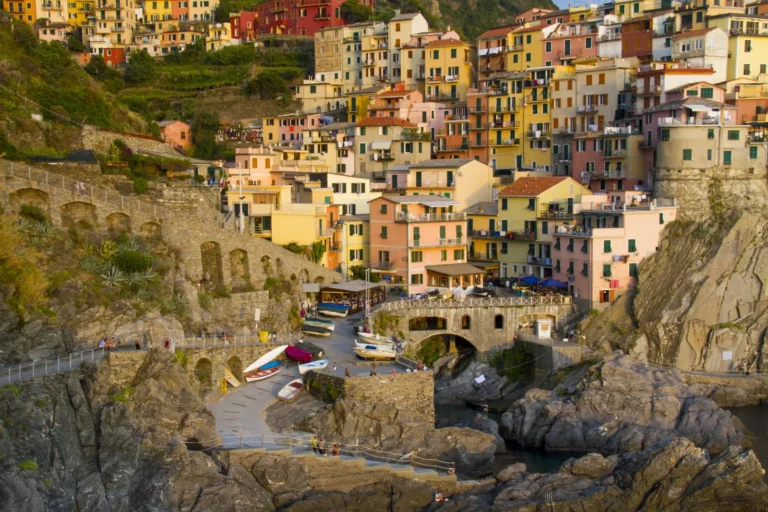 Cinque Terre
 Florence
 Genoa
 Matera
 Milan
 Naples
 Turin