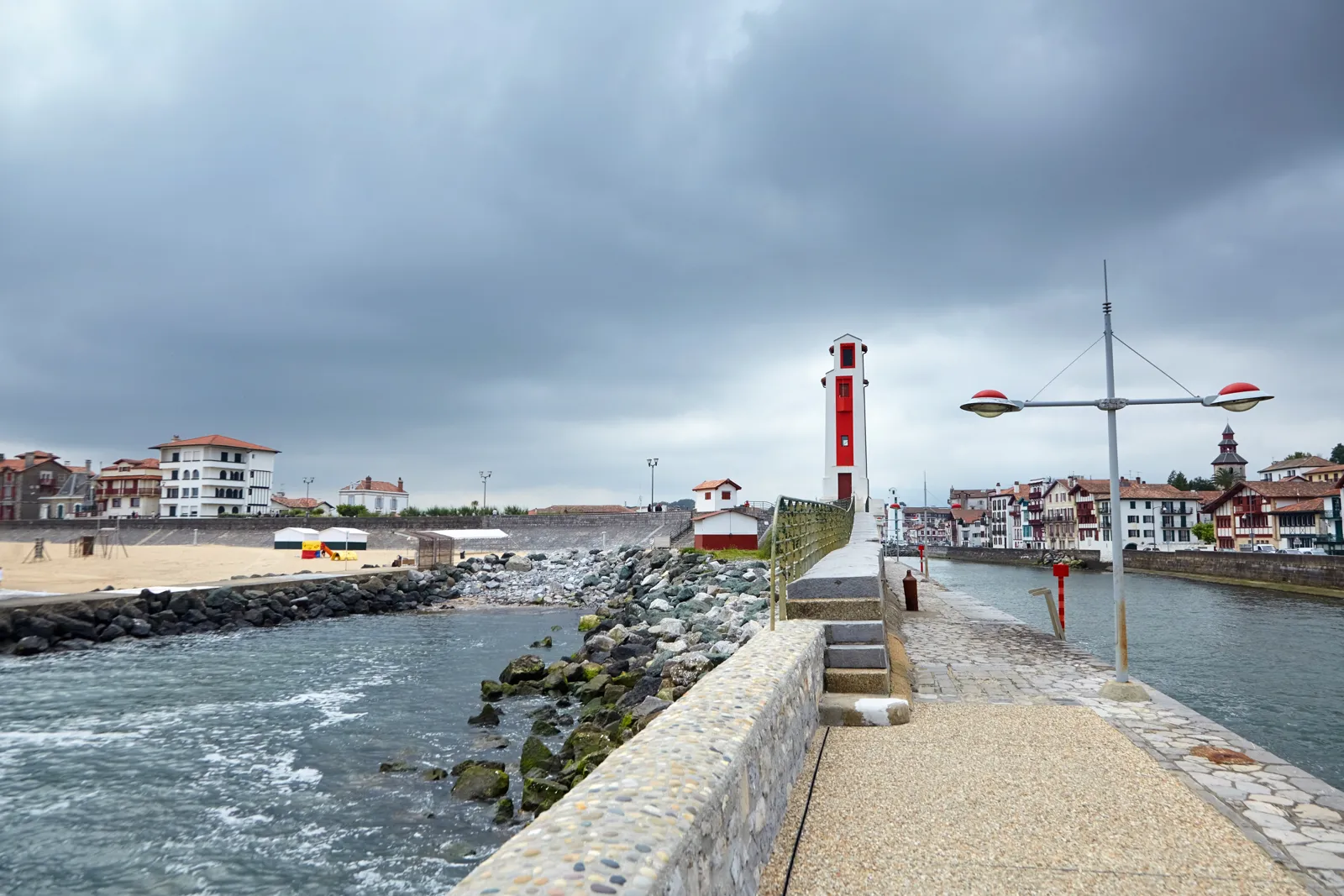
A California travel guide almost always starts with a road trip: the car links the cities, the coast and the national parks. California packs a large share of the images of the American West into a single state: the hills of San Francisco, Hollywood and the beaches of Los Angeles, the Big Sur coast road, the granite cliffs of Yosemite and the scorching desert of Death Valley. It is also the starting point for loops to Las Vegas and the Grand Canyon. This guide helps you choose what to see, build a 10-day to 3-week itinerary and estimate your budget.
In the Sierra Nevada, our guide to visiting Yosemite works out the real entry cost for international visitors and covers waterfalls, roads and climate.
Our travel deals for California
Affiliate links: we earn a commission, at no extra cost to you.
FlightsKiwi.comCompare flights and airline combinations to California.
✅ Best months: April, may, June, September, October
The California coast can be visited year-round, with dry summers and rain concentrated between November and March. For a loop combining cities, Yosemite and deserts, aim for April to June or September-October. San Francisco stays cool in summer (19 °C / 66 °F in the afternoon in July), while Death Valley exceeds an average high of 47 °C (117 °F) in July: it is best visited from November to March. Month-by-month climate, events and tips: see our article when to go to California.
What to see in California: the highlights
San Francisco
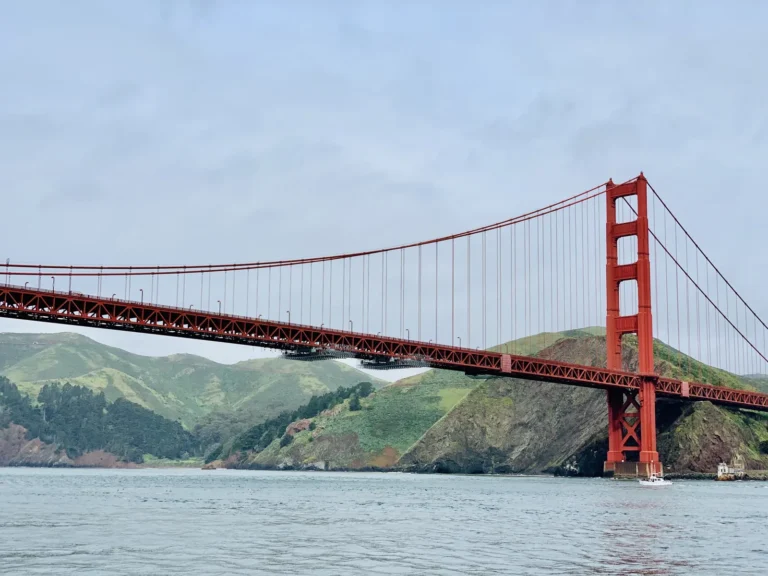
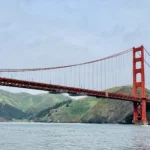
Built on some forty hills beside a bay, San Francisco is best explored on foot and by cable car, the cable-pulled trams that climb the steepest streets. The Golden Gate Bridge, opened in 1937, can be crossed on foot or by bike; the viewpoints of Battery Spencer, on the north side, and Crissy Field, on the city side, are the best known. A visit to the former Alcatraz prison, on its island in the middle of the bay, is only possible on the official ferries and often sells out: book it as soon as your dates are set. Because Alcatraz so often sells out, planning a trip to San Francisco means booking that visit first.
Neighborhoods: Chinatown, one of the oldest in the United States, North Beach and its Italian cafés, the Mission District and its murals, Haight-Ashbury, birthplace of the hippie movement
The classics: the Victorian « Painted Ladies » at Alamo Square, winding Lombard Street, the Ferry Building and its market, Fisherman’s Wharf and the sea lions of Pier 39
Nearby: the redwood forest of Muir Woods, the village of Sausalito, the Napa and Sonoma vineyards
Los Angeles and Hollywood
Los Angeles has no single center but dozens of neighborhoods linked by freeways. In Hollywood, the Walk of Fame lines up more than 2,700 stars along Hollywood Boulevard, in front of the TCL Chinese Theatre and its stars’ handprints; the neighborhood itself is lively but rather disappointing. For the famous Hollywood sign, the best viewpoint is Griffith Observatory, free, which also offers a panorama over the whole city at sunset. Griffith, Hollywood, beaches: our page on planning a trip to Los Angeles helps you organize these far-flung neighborhoods.
Beaches: Santa Monica and its pier, where a sign marks the end of Route 66, Venice Beach and its canals, Malibu further north
Museums: the hilltop Getty Center, free admission (paid parking), LACMA and the Broad for modern and contemporary art
With kids: Disneyland, in Anaheim, about 45 minutes from downtown without traffic, and Universal Studios
San Diego
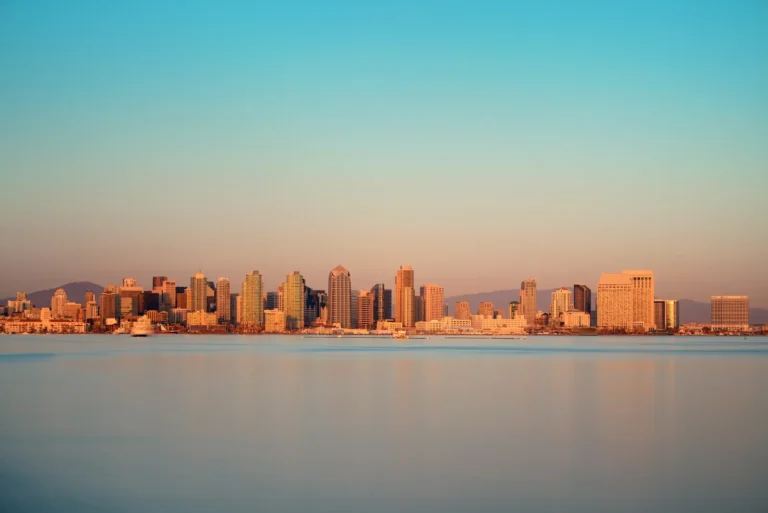
About two hours south of Los Angeles, near the Mexican border, San Diego is more laid-back. Balboa Park brings together gardens, museums and the San Diego Zoo. La Jolla, to the north, is known for its coves where seals and sea lions lounge, the Gaslamp Quarter for its restaurants, and Coronado Island for its beach and its 1888 hotel. Our guide to San Diego, things to do and where to stay covers these neighborhoods.
Big Sur and the coast road (Highway 1)
Between Monterey and San Simeon, Highway 1 follows about 140 km (87 mi) of cliffs plunging into the Pacific: this is Big Sur. The most photographed stops are Bixby Creek Bridge and McWay Falls, which drops onto a beach in Julia Pfeiffer Burns State Park. To the north, Monterey (with its large aquarium) and the village of Carmel round out the leg.
The road is narrow and winding: allow a full day. Sections of Big Sur are regularly closed after landslides, sometimes for months: check road conditions with Caltrans, California’s transportation department, just before you set off. Fill up before entering Big Sur: gas stations are few and expensive, and there is often no cell coverage.
Yosemite National Park
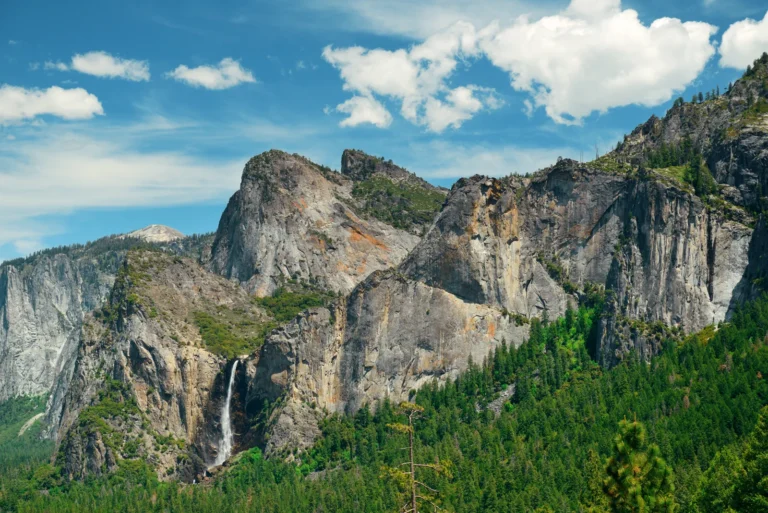
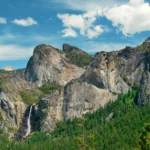
In the Sierra Nevada, about 4 hours’ drive from San Francisco, Yosemite is famous for its glacial valley framed by granite walls: El Capitan, Half Dome and the waterfalls, including Yosemite Falls, one of the highest in North America. Tunnel View takes in the whole valley. Mariposa Grove, in the south of the park, shelters giant sequoias. Glacier Point gives a panorama of Half Dome, and the Tioga Road crosses the high country, but both close for much of the year because of snow.
According to the park (nps.gov, checked 26 October 2026), Yosemite no longer uses a timed entry reservation system in 2026, but valley parking fills up in summer: arrive early. Since January 1, 2026, non-US residents aged 16 and over pay a $100 per-person fee on top of the standard entrance fee, unless they hold the $250 nonresident annual pass (National Park Service, nonresident fees, checked 26 October 2026).
Death Valley
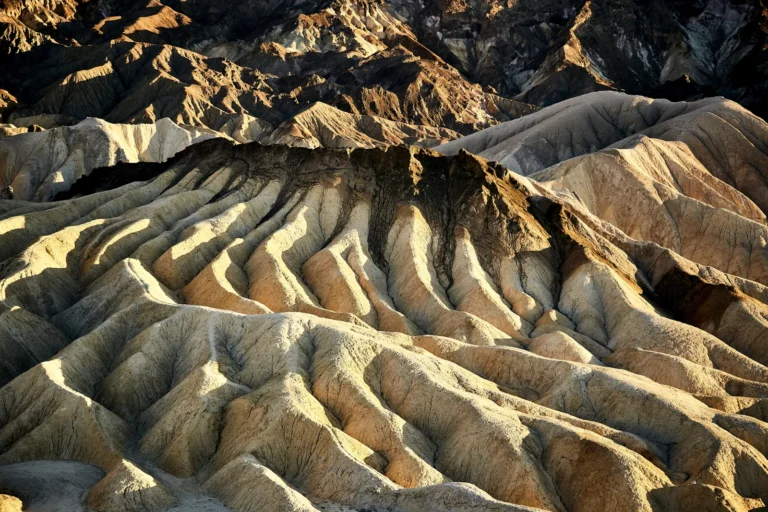
The largest national park outside Alaska is also the lowest point in North America: the Badwater salt flat lies 86 m (282 ft) below sea level. The main stops are made by car along the main road: Zabriskie Point at sunrise, Badwater, the colorful Artists Drive, the Mesquite Flat dunes and the Dante’s View lookout. The park can be crossed in a day between Las Vegas and the Sierra Nevada, as long as you set off with water and a full tank. With an average high of 47.4 °C (117 °F) in July, summer is dangerous: visit from November to March.
Sequoia and Kings Canyon
South of Yosemite, in the same Sierra Nevada, the neighboring Sequoia and Kings Canyon national parks protect giant sequoia forests, including the General Sherman, considered the largest tree in the world by volume. They fit easily between Los Angeles and Yosemite on a road trip. As at Yosemite, non-US residents pay the $100 nonresident fee here (NPS).
Joshua Tree and Palm Springs
East of Los Angeles, Joshua Tree National Park takes its name from the Joshua trees, twisted-branch yuccas growing in a desert strewn with boulder piles. It can be visited in a day from Palm Springs, a desert oasis town, and is often the first stop on the way to Las Vegas. Like Death Valley, it is best explored from fall to spring, as summer is very hot.
Las Vegas, the Grand Canyon and Route 66
Most West Coast itineraries leave California for Nevada and Arizona. These legs involve long hours of driving: build them into your schedule.
Las Vegas
About 4 hours’ drive from Los Angeles on the I-15, Las Vegas, in Nevada, is a city of giant casino-hotels lined up along the Strip, with their shows, fountains and replicas of Paris or Venice. Strip hotels often add resort fees to the advertised price. Between shows, fountains and resort fees, planning a trip to Las Vegas means comparing the real price of Strip hotels.
The Grand Canyon
Carved by the Colorado River, the Grand Canyon is most often visited from the South Rim, open year-round, about 4 h 30 min’ drive from Las Vegas. Viewpoints follow one another along the rim road and free shuttles serve the main overlooks. The Grand Canyon is one of the parks where non-US residents pay the $100 nonresident fee (NPS).
Route 66
Created in 1926, Route 66 linked Chicago with Santa Monica over nearly 4,000 km (2,500 mi). It was decommissioned in 1985, replaced by interstates, but long historic stretches can still be driven. In California, they cross the Mojave Desert around Barstow and the hamlet of Amboy; just across the border in Arizona, the village of Oatman, with its free-roaming burros, and the towns of Kingman, Seligman and Williams keep the atmosphere alive on the way to the Grand Canyon. It turns 100 in 2026. Driving the whole route takes at least two weeks; most travelers cover just a section between Las Vegas, the Grand Canyon and Los Angeles.
Days 1 to 3: San Francisco (Golden Gate, Alcatraz, neighborhoods), trip to Muir Woods or the Napa Valley
Days 4 and 5: Yosemite (valley, Tunnel View, Mariposa Grove; Glacier Point if the road is open)
Day 6: drive to Monterey and Carmel
Day 7: Big Sur on Highway 1, night near San Luis Obispo or Santa Barbara
Days 8 to 10: Los Angeles (Hollywood, Griffith Observatory, Getty Center, Santa Monica) and flight home
2 weeks: the grand West Coast loop
Days 1 to 3: Los Angeles
Day 4: Joshua Tree, then on to Las Vegas through the Mojave Desert and a stretch of Route 66
Days 5 and 6: Las Vegas, then the Grand Canyon (South Rim), via Seligman and Williams
Day 7: Grand Canyon, then back toward Las Vegas
Day 8: Death Valley, night near the park or on its western edge
Days 9 and 10: Yosemite, via the Tioga Road if it is open (usually from late May or June to November), otherwise via the southern Sierra Nevada, which takes much longer
Days 11 to 13: San Francisco
Day 14: flight home from San Francisco, or drive down Big Sur if you add a few days
3 weeks: the big California loop
Days 1 to 4: San Francisco and surroundings (Muir Woods, Sausalito, Napa or Sonoma)
Days 5 to 7: Yosemite
Days 8 and 9: Sequoia and Kings Canyon
Days 10 and 11: Death Valley (ideally November to March), or Las Vegas
Days 12 and 13: Joshua Tree and Palm Springs
Days 14 and 15: San Diego
Days 16 to 18: Los Angeles
Days 19 to 21: back north via Santa Barbara, Big Sur, Carmel and Monterey, then return to San Francisco
Driving times without traffic: Los Angeles – San Francisco, about 6 hours on the I-5, a full day via the coast; Los Angeles – San Diego, about 2 hours; San Francisco – Yosemite, about 4 hours; Las Vegas – Death Valley, about 2 hours.
Planning your California road trip: the checklist
UK travelers: approved ESTA (or US visa) before departure; check your passport validity
Accommodation near the national parks booked first, several months ahead
Alcatraz tickets booked as soon as your dates are set
Rental car booked: insurance, driver age, one-way fees checked
Highway 1 conditions at Big Sur and Tioga Road opening checked just before departure
Offline maps downloaded for Big Sur, Yosemite and the deserts
Travel insurance covering medical costs, hospitalization and repatriation
Who is California for?
Here is our verdict by traveler profile, based on the stops, budget and conditions covered in this California guide.
Profile
Our verdict
Road trip
✅ A car is essential outside the cities: Highway 1, national parks, extension to Las Vegas and the Grand Canyon.
Nature and parks
✅ Yosemite, Sequoia, Joshua Tree, Death Valley (November to March).
Families
✅ Disneyland, Universal Studios, San Diego Zoo, Monterey aquarium.
Couples
✅ Big Sur, Carmel, the Napa and Sonoma vineyards.
Culture and cities
✅ San Francisco, the Getty Center, LACMA and the Broad in Los Angeles, Balboa Park in San Diego.
Tight budget
❌ One of the most expensive regions in the United States: roughly US$145 to 255 per day in motels, plus park fees and tips.
Budget for a trip to California
California is one of the most expensive regions in the United States, especially for accommodation in San Francisco, Los Angeles and near the national parks. Indicative amounts per person per day, excluding international flights:
Item
Budget
Comfort
Accommodation (based on a shared double room)
about US$65 to 110 (motels, budget chains)
about US$145 to 280
Meals
about US$40 to 60
about US$85 to 145
Transport (shared rental car, fuel, parking)
about US$30 to 50
about US$50 to 100
Activities, parks, sights
about US$10 to 35
about US$35 to 90
Total per day
roughly US$145 to 255
roughly US$315 to 615
Indicative estimates, converted from euros at the European Central Bank rate of 23 October 2026. Gas is more expensive in California than in most other states, and hotel parking in San Francisco and Los Angeles is often charged extra.
Add the national parks pass or entrance fees (with the nonresident fee at Yosemite, Sequoia and the Grand Canyon for non-US residents), tips (about 18 to 20% in restaurants) and sales tax added at the register.
Getting around California
Rental car: essential once you leave the cities. Book before you go and check the included insurance, age conditions (a surcharge is common under 25) and one-way drop-off fees. UK travelers: GOV.UK says a UK photocard licence can be used, but you may also need the 1949 international driving permit, depending on the state and the rental company.
In San Francisco: a car is unnecessary and expensive to park; cable cars, Muni buses and streetcars and the BART regional rail are enough. Leave nothing visible in a parked car: GOV.UK advises against leaving items on display.
In Los Angeles: the Metro serves part of the city (Hollywood, Downtown, Santa Monica), but a car or ride-hailing remains more practical. Avoid the freeways at rush hour.
Domestic flights: useful for quickly linking San Francisco, Los Angeles, San Diego and Las Vegas.
Train: Amtrak trains run along part of the coast, slowly.
US citizens: a trip to California is domestic travel, with no entry formalities.
UK citizens: according to the UK FCDO (GOV.UK, updated 18 August 2026), you need an approved ESTA (only via the official ESTA website or ESTA Mobile app) or a US visa before you travel; some travel histories (Cuba since 12 January 2021, Iran, Iraq, Libya, North Korea, Somalia, Sudan, Syria or Yemen since March 2011) and arrests or criminal records can make you ineligible. Your passport must be valid for the length of your stay.
Health: medical treatment is expensive and some hospitals ask non-residents for a deposit; UK prescriptions are not valid in the US (GOV.UK). Take out insurance covering medical costs. Emergency number: 911.
Driving: GOV.UK says you can use a UK photocard driving licence, but you may also need the 1949 international driving permit (IDP), depending on the state, and car hire companies may set stricter conditions.
Natural hazards: according to GOV.UK, wildfires are a danger in many dry areas, particularly canyons, hills and forests, and high winds can spread them rapidly (see the CAL FIRE website for California); California is also among the states at higher risk of earthquakes. Follow the instructions of local authorities and evacuation orders.
Safety: according to GOV.UK, violent crime and gun crime rarely affect tourists, but take care in unfamiliar areas and avoid walking alone through quieter areas at night.
Practical tips for California
Money: cards are accepted almost everywhere; keep a few bills for tips. Gas stations sometimes ask for a US ZIP code with foreign cards: pay inside instead. Our currency converter helps you convert prices.
Tips and taxes: tipping is all but compulsory in restaurants (about 18 to 20%) and for services. Sales tax, which varies by city, is added at the register.
Mobile data: good coverage in cities, but almost none in Big Sur, Death Valley and parts of Yosemite: download offline maps. A US eSIM avoids roaming charges.
Driving: distances are deceptive, so build in extra time. Fill up before entering the deserts and the parks.
Alcohol: the legal age for buying and drinking alcohol is 21 across the US (GOV.UK); ID is often requested.
Ten days let you see San Francisco, Yosemite, the Big Sur coast and Los Angeles. With two weeks, you can add Las Vegas, the Grand Canyon and Death Valley, at the cost of long days on the road. Three weeks leave time to add San Diego and the Utah parks.
Do you need a visa to visit California?
US citizens need nothing: it is domestic travel. According to GOV.UK, UK citizens need an approved ESTA or a US visa before travelling, applied for only through the official ESTA website or app.
Do you need a reservation to enter Yosemite?
According to the National Park Service, Yosemite no longer uses a timed entry reservation system in 2026. In-park lodging, however, is booked months ahead, and non-US residents aged 16 and over pay a $100 fee per person, unless they hold the nonresident annual pass.
Can you do the West Coast without a car?
Partly: San Francisco and, to a lesser extent, Los Angeles can be visited without a car, and Amtrak trains run along the coast. But for Big Sur, Yosemite, Death Valley or the Grand Canyon, a rental car is by far the most practical option.
How much does a California road trip cost?
Allow roughly US$145 to 255 per person per day on a budget (motels, shared car) and US$315 to 615 for comfort, excluding international flights. Add national park fees, the nonresident fee for non-US residents, tips and sales tax.
What is the best time for a trip to California?
April to June and September-October for a loop combining cities, coast, Yosemite and deserts. Death Valley and Joshua Tree are best visited from November to March. Month-by-month details in our article when to go to California.
What should you see first in California?
For a first trip: San Francisco and the Golden Gate, Yosemite, the Big Sur coast road and Los Angeles. With more time, add San Diego, the giant sequoias of Sequoia, Death Valley and Joshua Tree, or a detour to Las Vegas and the Grand Canyon.
Between California and Nevada, our guide to visiting Death Valley covers entrance fees, climate and safety.
Our sources
Entry, safety and health information read on 26 October 2026: UK FCDO, foreign travel advice for the USA (GOV.UK, updated 18 August 2026)
Climate normals: NOAA (National Weather Service) 1991-2020 normals: Los Angeles (Downtown, Dodger Stadium station), San Francisco (Downtown), Fresno (Fresno Yosemite airport), Death Valley (Furnace Creek), converted to °C and mm; Las Vegas (Harry Reid airport): NOAA 1991-2020 normals
European Central Bank euro reference rates, 23 October 2026 (budget conversions)


 FlightsKiwi.comCompare flights and airline combinations to California.Compare flights






 Alaska
 Chicago
 Colorado
 eSIM
 Florida
 Hawaii
 Las Vegas
 Map
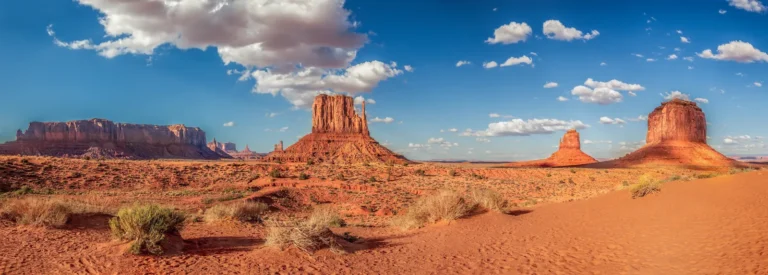 Monument Valley
 New York
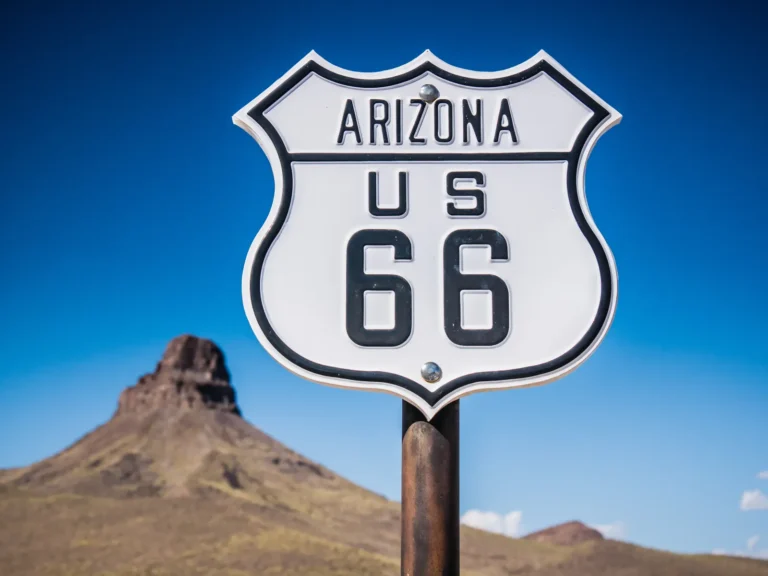 Route 66
 Texas
 Boston
 Philadelphia
 Seattle
 Washington, D.C.
 Grand Canyon
 Yellowstone