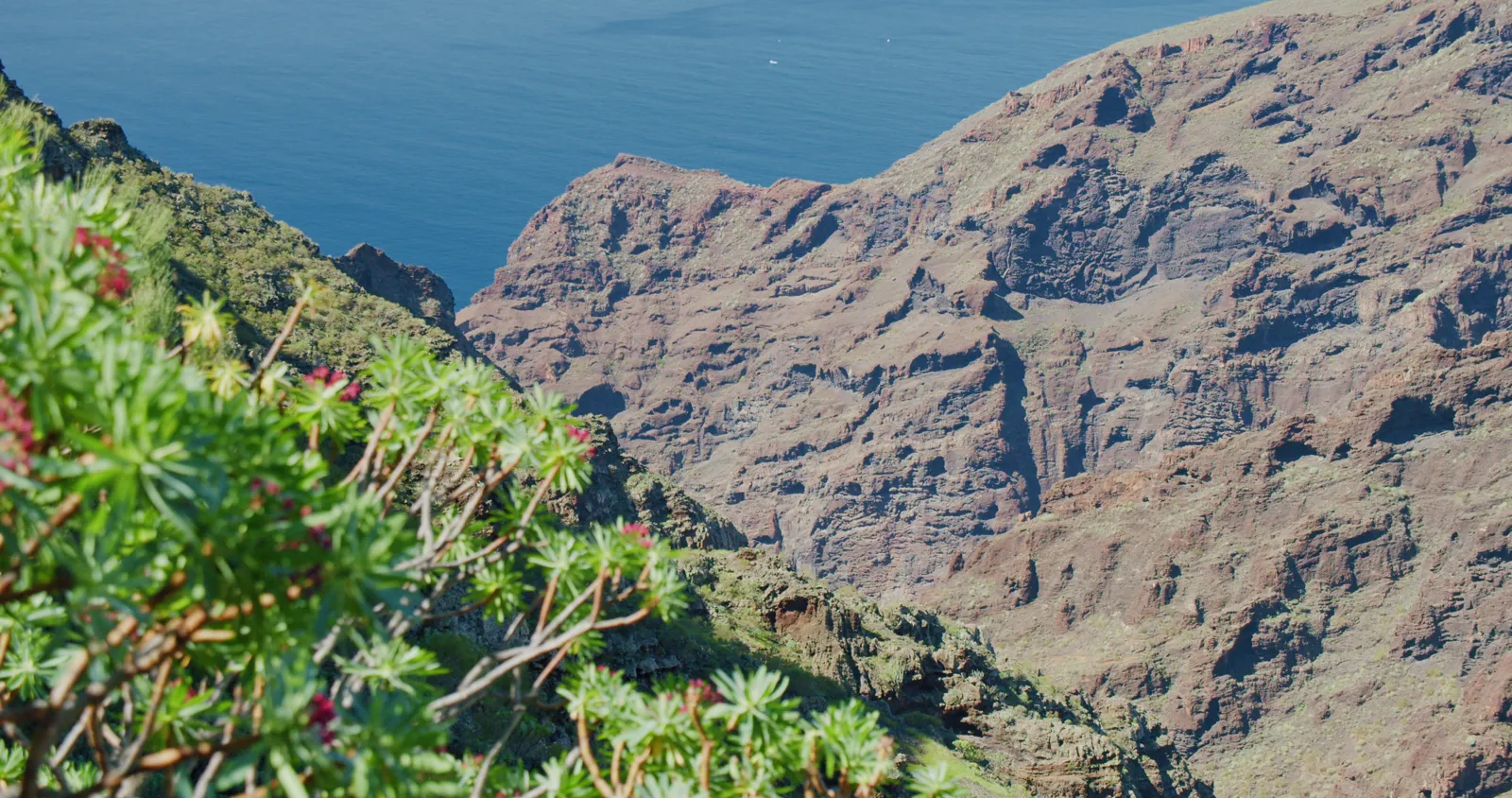
Hawaii is a volcanic archipelago in the middle of the Pacific, more than 3,800 km (2,361 mi) from California. Active volcanoes, golden or black sand beaches, forest-covered cliffs and coral reefs: each island has its own personality. This Hawaii travel guide helps you decide what to see and do, which islands to pick, how to build your itinerary and how to estimate your budget in one of the most expensive states in the US.

Our travel deals for Hawaii
Affiliate links: we earn a commission, at no extra cost to you.
 FlightsKiwi.comCompare flights and airline combinations to Hawaii.Compare flights
- eSIMAiraloData plan to install before you leave (eSIM-compatible phone).See plans


Hawaii at a glance
- Status 50th US state since 1959; capital: Honolulu (Oahu)
- Languages English and Hawaiian (official languages)
- Currency the US dollar (USD)
- Time zone UTC−10, no daylight saving: 10 hours behind London in winter, 5 hours behind New York in winter (time difference in the United States)
- Airports Honolulu (HNL) on Oahu receives most international and mainland flights; Kahului (Maui), Kona and Hilo (Big Island) and Lihue (Kauai) are mainly served by inter-island and mainland flights
- Entry US citizens: domestic travel; UK citizens: approved ESTA or US visa before travel (GOV.UK)
- Ideal length 2 weeks for 2 or 3 islands
- Budget roughly US$170–280 per person per day on a budget, US$340–670 for a comfortable trip, excluding international flights
When to go to Hawaii
✅ Best months: April, may, June, July, August, September, October
It is warm all year round in Hawaii: between 27 and 32 °C (81 and 90 °F) in the afternoon in Honolulu depending on the month. The best periods are April–May and September–October, dry and cheaper than summer and the holiday season. From November to March, it rains more, especially on the trade-wind coasts, but it is humpback whale season and the season of big waves on Oahu’s North Shore. For the month-by-month climate and an island comparison, read our article on when to go to Hawaii.
The Hawaiian islands: which one to choose?
The archipelago has eight main islands, six of which can be visited. The four most visited are Oahu, Maui, Big Island and Kauai; Lanai and Molokai, quieter, are reached by boat from Maui or by small plane.
| Island | Best for | Highlights |
|---|---|---|
| Oahu | First trip, city and beaches, relatively lower budget | Waikiki, Pearl Harbor, Diamond Head, North Shore |
| Maui | Couples, beaches, whales | Haleakalā, Road to Hana, south coast, whales in winter |
| Big Island | Nature, volcanoes, hiking | Volcanoes National Park, Mauna Kea, Kona, Waipio Valley |
| Kauai | Hiking, scenery, peace and quiet | Na Pali Coast, Waimea Canyon, Hanalei |
Things to do in Hawaii: the highlights
Oahu: Waikiki and Honolulu
Oahu is home to most of the archipelago’s population and receives most international flights. Waikiki, Honolulu’s beach district, is lined with hotels and lifeguarded beaches, ideal for learning to surf on gentle waves. Nearby, the Diamond Head crater can be climbed in about an hour for a view over the whole coast. According to the Hawaii Division of State Parks (checked 26 October 2026), non-residents need an entry reservation ($5 per person) and a parking reservation ($10 per vehicle) is required for cars; the park is open daily from 6 am to 6 pm. Downtown Honolulu is home to Iolani Palace, the former residence of the Hawaiian monarchs, and the Bishop Museum, devoted to the history and cultures of the Pacific.
Pearl Harbor
The historic site, west of Honolulu, commemorates the Japanese attack of December 7, 1941. The USS Arizona Memorial is reached by boat and run by the National Park Service: according to the NPS (checked 26 October 2026), reservations on Recreation.gov are strongly recommended (with a $1 non-refundable booking fee), and standby tickets are limited. Other sites on Ford Island and nearby (the battleship Missouri, the aviation museum, the submarine Bowfin) charge admission. Allow half a day to a full day.
Oahu’s North Shore and Hanauma Bay
The North Shore, around Haleiwa, is legendary for surfing: from November to February, winter swells build giant waves at spots such as Pipeline and Waimea Bay, to be watched from the beach. In summer, the sea calms down and is good for snorkeling. East of Waikiki, Hanauma Bay, a former crater open to the sea, is a nature preserve with controlled access: check the entry conditions and opening days with the City and County of Honolulu before you go.
On the windward coast, about 39 km (24 mi) from Waikiki, Kualoa Ranch is a 1,600-hectare (4,000-acre) private ranch and nature reserve where more than 200 films and TV series have been shot, including Jurassic Park and Jurassic World.
Maui: Haleakalā and the Road to Hana
The dormant Haleakalā volcano rises to 3,055 m (10,023 ft). Watching the sunrise above the clouds from the summit is the island’s most sought-after experience: according to the National Park Service (checked 26 October 2026), you need to reserve ahead on Recreation.gov to drive up for sunrise (3 am to 7 am slot), and it is very cold at the top. The Road to Hana, on the northeast coast, winds for about a hundred kilometers (60 mi) past waterfalls, narrow bridges, rainforest and black sand beaches: allow a full day and leave early. On the south coast, Kihei and Wailea have long sunny beaches, and from December to April humpback whales can be seen from the shore and on boat trips.
Maui: Lahaina, after the 2023 fire
In August 2023, a wildfire destroyed the historic town of Lahaina, on Maui’s west coast, and killed many people. Reconstruction is under way and access to some areas may remain restricted: check the situation before you go, and visit respectfully. The rest of the west coast (Kaanapali, Kapalua) is welcoming visitors again.
Big Island: Hawaiʻi Volcanoes National Park
Big Island, or the Island of Hawaiʻi, is the largest and youngest in the archipelago. Hawaiʻi Volcanoes National Park includes Kīlauea, one of the world’s most active volcanoes, and Mauna Loa. Depending on activity, you may see a steaming crater, recent lava flows, lava tubes and, on some nights, the glow of an eruption. Activity and open areas change often: check the park website before your visit. Allow at least one full day.
Big Island: Mauna Kea, Kona and the east coast
The summit of Mauna Kea (4,207 m / 13,802 ft), crowned with astronomical observatories, offers sunsets above the clouds; the final road requires a four-wheel-drive vehicle, and the altitude means you should go up gradually and avoid the ascent if you have heart or breathing problems, are pregnant or with young children. The west coast of Kona and Kohala, dry and sunny, has most of the beaches and hotels; you can swim with turtles and, at night, with manta rays on guided trips. To the east, Hilo, Akaka Falls and Waipio Valley reveal a green, rainy island.
Kauai: the Na Pali Coast and Waimea Canyon
Kauai, the oldest of the main islands, is also the greenest. The Na Pali Coast, inaccessible by car, can be explored by boat, by helicopter or on foot on the Kalalau Trail, from Hāʻena State Park. According to the Hawaii Division of State Parks (checked 26 October 2026), non-residents need an entry or parking reservation, bookable 30 days ahead, and a Nāpali Coast camping permit is required to hike beyond Hanakāpīʻai Valley; the park was due to reopen on 15 October 2026, while camping on Kauai remained closed. Waimea Canyon, to the west, unfolds red and green cliffs over miles, with many viewpoints along the Kokee road. In the north, Hanalei Bay and its taro fields form one of the best-known landscapes in the islands.
Itinerary ideas for Hawaii (10 days, 2 weeks)
10 days: Oahu and Maui
- Days 1 to 4: Oahu. Waikiki and Diamond Head, Pearl Harbor and downtown Honolulu, a day on the North Shore, snorkeling at Hanauma Bay.
- Day 5: inter-island flight to Maui, check in on the south coast (Kihei or Wailea).
- Days 6 to 9: Maui. Sunrise at Haleakalā, a day on the Road to Hana, beaches and snorkeling, a whale-watching trip in season.
- Day 10: departure from Kahului.
2 weeks: Oahu, Big Island and Maui or Kauai
- Days 1 to 4: Oahu, as above.
- Days 5 to 9: Big Island. Two nights in Hilo or Volcano for the volcanoes park, then the Kona coast: beaches, turtles, Mauna Kea at sunset.
- Days 10 to 14: Maui (Haleakalā, Road to Hana, south coast) or Kauai (Na Pali, Waimea Canyon, Hanalei, Poipu).
- Tip: on Big Island, fly into Hilo and out of Kona (or the reverse) to avoid a drive of several hours back and forth.
To reduce jet lag and fatigue, many travelers from Europe or the East Coast stop for two or three days in California on the way. See our United States travel guide for combination ideas.
Hawaii: which travelers is it for?
Our view by traveler profile, based on the information in this guide:
| Profile | Our view | Why |
|---|---|---|
| Couple | ✅ Ideal | Maui, its beaches and whales, sunrise at Haleakalā, the Road to Hana. |
| Family | ✅ Yes | Lifeguarded Waikiki beaches, ideal for learning to surf on gentle waves; Pearl Harbor and Hanauma Bay. |
| Nature and adventure | ✅ Ideal | Big Island’s volcanoes, Kauai’s Na Pali Coast and Waimea Canyon, Mauna Kea. |
| Surfing | ✅ Yes | Beginners in Waikiki; from November to February, giant waves on Oahu’s North Shore, to watch from the beach. |
| First trip | ✅ Yes | Oahu receives most international flights and suits a first stay, combined with a second island. |
| Tight budget | ❌ Difficult | One of the most expensive destinations in the US: roughly US$170–280 per day on a budget, excluding international flights. |
Budget for a trip to Hawaii
Hawaii is one of the most expensive destinations in the US: almost everything is imported, and accommodation is the biggest expense. Lodging taxes are high and many hotels add resort fees not included in the advertised price. Rough figures per person per day, based on a double room, excluding international flights:
| Item | Budget | Comfort |
|---|---|---|
| Accommodation | Roughly US$80–145 (hostel, motel, simple rental) | Roughly US$200–450 (oceanfront hotel, resort) |
| Meals | Roughly US$40–55 (supermarkets, food trucks, takeout) | Roughly US$90–170 (restaurants) |
| Transportation | Roughly US$35–55 (share of car rental and gas, bus on Oahu) | Roughly US$55–100 (larger car, inter-island flights) |
| Activities | Roughly US$15–35 (hikes, beaches, park fees) | Roughly US$65–170 (boat trips, helicopter, diving) |
To save money: travel in April–May or September–October, choose accommodation with a kitchen, and make the most of free beaches and hikes. Inter-island flights cost more when booked at the last minute.
Getting around Hawaii
- Between islands: flying is the only practical option; inter-island flights take roughly 30 to 50 minutes. There is no regular ferry between the main islands, except the Maui–Lanai link.
- On Oahu: TheBus serves Honolulu, Waikiki and much of the island; a car is still useful for the North Shore and the east coast, but parking is expensive in Waikiki.
- On Maui, Big Island and Kauai: a rental car is almost essential. Book early in high season, as supply is limited. Some contracts prohibit unpaved roads and the Mauna Kea summit road.
- Driving: narrow, winding roads (Road to Hana), one-lane bridges where you yield, low speed limits that are enforced. UK visitors can drive on a UK photocard licence but may also need the 1949 International Driving Permit, which must be obtained in the UK before travel; rental companies may require one (UK FCDO, GOV.UK, updated 18 August 2026).
Where to stay in Hawaii
- Oahu: Waikiki for a first stay (everything on foot, beaches, buses); the North Shore or Kailua for more peace, in a rental.
- Maui: Kihei for good value and sunshine, Wailea for resorts, Kaanapali and Kapalua in the west. Paia is handy for an early start on the Road to Hana.
- Big Island: Kona and the Kohala coast for beaches and sunshine; Hilo or Volcano village to visit the volcanoes park without long drives.
- Kauai: Poipu in the south for sunshine, Princeville and Hanalei in the north for greenery (rainier in winter), Kapaa and the east coast for a central location.
Entry requirements, health and safety
- US citizens: Hawaii is a US state, so a trip from the mainland is domestic travel, with no entry formalities.
- UK citizens: Hawaii applies US federal entry rules. According to the UK FCDO (GOV.UK, updated 18 August 2026), you need either an approved ESTA, applied for only through the official ESTA website or ESTA Mobile app, or a US visa before you travel. You may not be eligible for an ESTA if you have been arrested, have a criminal record, have previously overstayed, or have been to Iran, Iraq, Libya, North Korea, Somalia, Sudan, Syria or Yemen since March 2011 or to Cuba since 12 January 2021. Your passport must be valid for the length of your stay, and a valid ESTA does not guarantee entry.
- Agricultural declaration: according to Hawaii’s airports authority (airports.hawaii.gov, checked 26 October 2026), all arriving passengers must complete the Hawaii Department of Agriculture plants and animals declaration, including on flights from the mainland. For other goods, check your customs allowances (e.g. CBP in the US, HMRC in the UK).
- Health: medical treatment in the US is expensive and there are no special arrangements for British visitors; some hospitals ask non-residents for a deposit (GOV.UK). Travel insurance covering medical costs and evacuation is essential. Emergency number: 911. Protect yourself from the sun, which is intense all year.
- Natural hazards: according to the UK FCDO (GOV.UK, updated 18 August 2026), Hawaii is among the US areas at higher risk of earthquakes and has a large number of active volcanoes; the Pacific hurricane season normally runs from May to November and hurricanes can affect Hawaii. Follow the instructions of local authorities, including evacuation orders, and of the national park in volcanic areas.
- Swimming: currents and swells cause drownings every year. Swim near lifeguard stations, follow the flags and stay away from rocks in rough seas, especially on north shores in winter.
- Safety: do not leave passports or valuables in rental cars, especially in the trunk; vehicles of people who look like tourists may be targeted (GOV.UK). Leave nothing visible at trailheads and beach parking lots.
Practical tips for Hawaii
- Money: cards are accepted almost everywhere. Sales tax is added at the register and tipping is customary in restaurants (about 18 to 20%). Our currency converter helps you convert prices.
- Reef protection: Hawaii law (Act 104 of 2018) prohibits the sale of sunscreen containing oxybenzone or octinoxate without a prescription, according to Hawaii State Legislature documents (checked 26 October 2026); choose a mineral sunscreen. Do not touch coral or turtles, and keep your distance from monk seals, a protected species.
- Reservations: more and more sites work with fixed-date reservations: Haleakalā sunrise, Diamond Head, Hāʻena State Park (Kauai), the USS Arizona Memorial, and Hanauma Bay. Book as soon as your dates are set.
- Culture and etiquette: respect sacred sites (heiau) and private land marked « kapu » or « no trespassing ». Do not take lava rocks or sand.
- Internet: good coverage in towns, patchy on the Road to Hana, in the parks and at Na Pali: download offline maps. Visitors from abroad can use a US eSIM to avoid roaming charges.
Further reading to plan your trip
To choose the season island by island, see when to go to Hawaii; our page on the time difference in the United States details the time zones.
Many travelers stop on the West Coast on the way: see our California guide and our United States travel guide.
Frequently asked questions
Do you need a visa for Hawaii?
US citizens need no entry formalities, since Hawaii is a US state. UK citizens need an approved ESTA (applied for on the official ESTA website or app) or a US visa before travel, according to the UK FCDO (GOV.UK, updated 18 August 2026).
How do you get to Hawaii?
Most travelers fly into Honolulu (HNL), on Oahu, often via a connection on the US West Coast when coming from Europe. Maui, Big Island and Kauai also have airports served from the mainland and by inter-island flights. Check current routes when you book.
Which Hawaiian island is best for a first trip?
Oahu for convenience (many flights, Waikiki, Pearl Harbor, buses) and Maui for beaches and Haleakalā. If you love nature and volcanoes, add Big Island; for hiking and scenery, Kauai.
How many days do you need in Hawaii?
Allow at least 10 days for two islands, and two weeks for three. Count 3 to 4 days per island, plus the days spent flying between them.
How much does a trip to Hawaii cost?
Excluding international flights, roughly US$170–280 per person per day on a budget, and US$340–670 for a comfortable trip. Accommodation, taxes and resort fees and car rental make up most of the budget.
What is there to do in Hawaii?
See the craters of Hawaiʻi Volcanoes National Park on Big Island, watch the sunrise from the summit of Haleakalā and drive the Road to Hana on Maui, visit Pearl Harbor and swim at Hanauma Bay on Oahu, admire the Na Pali Coast and Waimea Canyon on Kauai and, in winter, watch humpback whales and the big waves of Oahu’s North Shore. Each place is detailed above.
Which filming locations can you see in Hawaii?
The best known is Kualoa Ranch, on Oahu’s windward coast, about 39 km (24 mi) from Waikiki: more than 200 films and TV series have been shot there, including Jurassic Park, Jurassic World and Kong: Skull Island.
Our sources
- Entry, safety, health and driving information read on 26 October 2026: UK FCDO, foreign travel advice for the USA (GOV.UK, updated 18 August 2026)
- Hawaii Division of State Parks (dlnr.hawaii.gov): Diamond Head State Monument and Hāʻena State Park, checked 26 October 2026
- National Park Service: Haleakalā sunrise reservations and Pearl Harbor National Memorial, checked 26 October 2026
- Hawaii airports (airports.hawaii.gov): agriculture inspection, checked 26 October 2026; Hawaii State Legislature (data.capitol.hawaii.gov): bills referring to Act 104 (2018) on sunscreen, checked 26 October 2026
- Climate normals: NOAA (National Weather Service) 1991–2020 normals, Honolulu (Oahu), Hilo (Big Island), Kahului (Maui) and Lihue (Kauai) airport stations
- Wikipedia (en), « Kualoa Ranch » article, checked October 2026
- European Central Bank euro reference rates, 23 October 2026 (budget conversions)
- Our methodology
Updated October 2026.
Hawaii is part of our United States travel guide; for a West Coast stopover, see our California guide, and for the best season, our page on when to go to Hawaii. Find our other destinations in the Americas section, or other Pacific islands with French Polynesia.