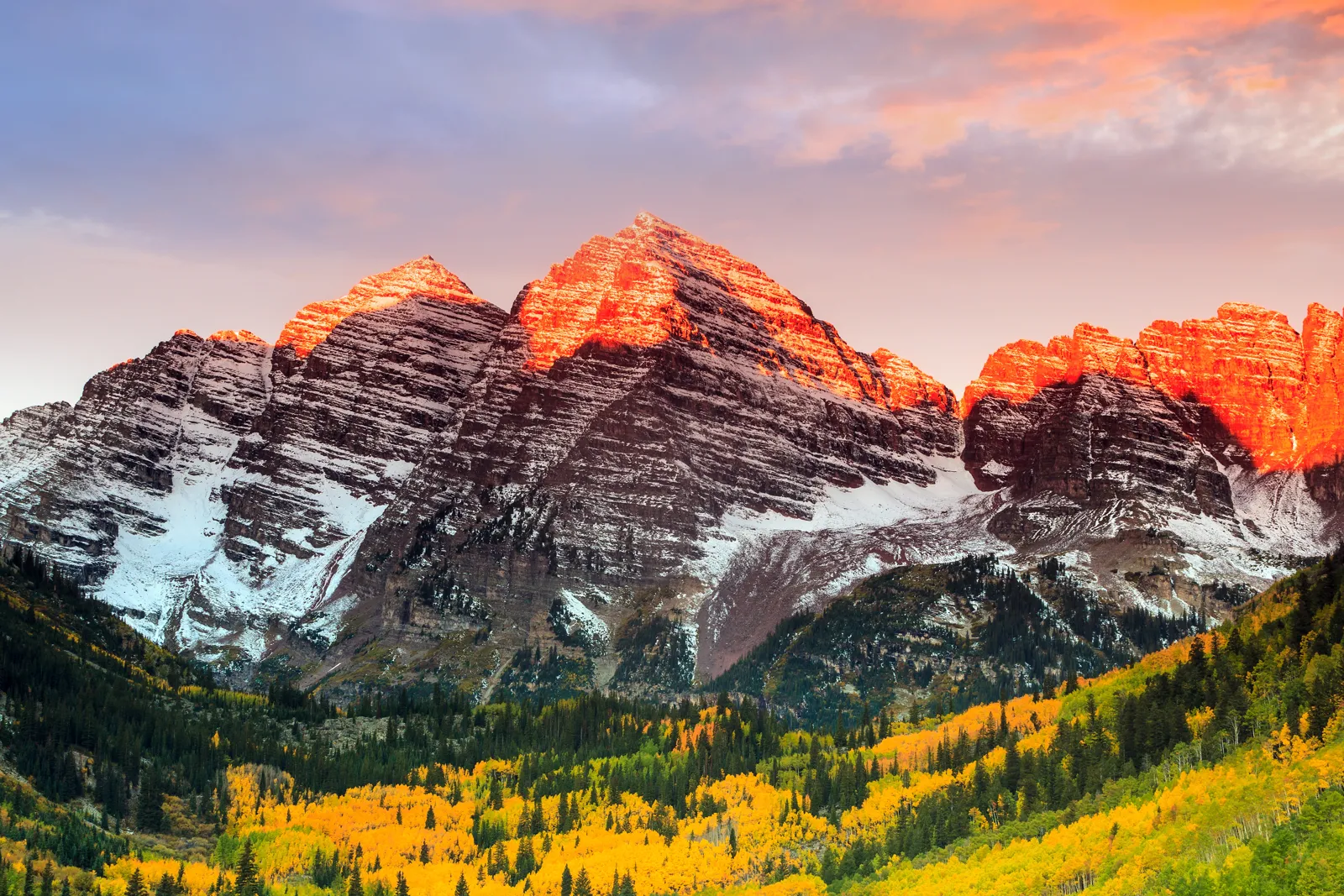
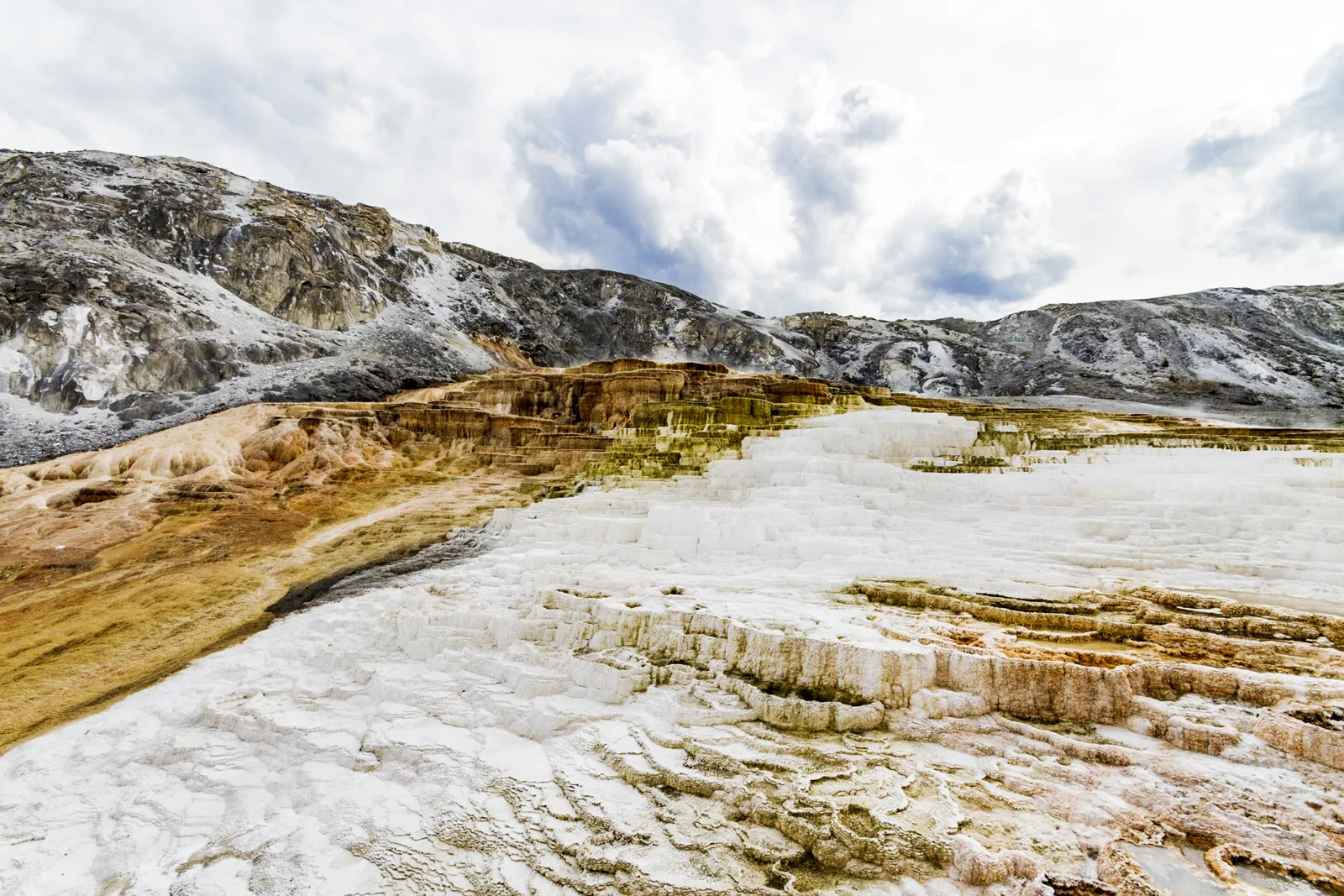
An Alaska travel guide starts with scale: this is the largest state in the US, separated from the rest of the country by Canada, with glaciers calving into the sea, the summit of Denali, brown bears, whales and, in winter, the northern lights. To visit Alaska, timing is everything: most parks, roads and tours only run fully from late May to mid-September. This guide covers when to go to Alaska based on official normals, the national parks and their seasons according to the National Park Service, itineraries and budget.

Our travel deals for Alaska
Affiliate links: we earn a commission, at no extra cost to you.
 FlightsKiwi.comCompare flights and airline combinations to Alaska.Compare flights
- eSIMAiraloData plan to install before you leave (eSIM-compatible phone).See plans


Alaska at a glance
- Location US state in the northwest of the continentBorders Yukon and British Columbia (Canada); largest city: Anchorage; capital: Juneau, reachable only by air or sea
- Airports Anchorage (ANC), Fairbanks (FAI), Juneau (JNU) · detailsFrom the UK, at least one connection, usually in the US or Canada
- Ideal length 10 to 15 days from Anchorage · detailsThe Kenai Peninsula and Denali
- Best time mid-June to late August for the parksLate August to March for the northern lights
- Time zone Alaska Time, UTC−9 (UTC−8 in summer): 4 hours behind New York · detailsLocal time now: –:–
- Entry domestic travel for US citizens; UK citizens need an approved ESTA or a visa · UK: GOV.UK
- Currency US dollar (USD) · currencies
- Budget see our budget section
What to see in Alaska: the highlights
Denali National Park
Denali National Park surrounds the highest peak in North America, Denali (6190 m (20,308 ft)), often hidden by clouds. In summer, private vehicles can only drive the first 15 miles (24 km (15 mi)) of the park road, to Savage River; beyond that, you travel by bus. In 2026, because of the Pretty Rocks landslide, transit buses only ran to about mile 43, according to the National Park Service; full-length bus service is expected to return in 2027, with reservations opening on 1 December 2026. Grizzlies, moose, caribou and Dall sheep can be seen there. According to the official park website (checked 26 October 2026), the entrance fee is $15 per person aged 16 and over for a 7-day permit; under-16s are free.
Anchorage
The gateway for most trips, Anchorage has the widest choice of hotels, car rentals and domestic flights. The Anchorage Museum covers Alaska’s history, art and Indigenous cultures, and the Alaska Native Heritage Center introduces the state’s different peoples. The Tony Knowles Coastal Trail, ideal by bike, follows Cook Inlet; moose sometimes wander into town. Plan one or two nights at the start and end of your trip.
The Kenai Peninsula and Kenai Fjords National Park
South of Anchorage, the Seward Highway follows Turnagain Arm, one of the most scenic roads in the state. At the end, Seward is the departure point for boat trips into the fjords of Kenai Fjords National Park: glaciers, sea lions, puffins, orcas and humpback whales, depending on the day. Exit Glacier, reachable on foot from the park’s only road, clearly shows how glaciers are retreating. According to the NPS (checked 26 October 2026), that road is not plowed in winter and is closed to cars, typically from about October to May; the visitor centers open from Memorial Day weekend to Labor Day. Homer, in the southwest of the peninsula, is known for halibut fishing and bear-viewing flights.
Prince William Sound and Valdez
From Whittier, reached by a single-lane tunnel off the Seward Highway, or from Valdez, day cruises take you to the foot of the tidewater glaciers of Prince William Sound, where sea otters and seals are often seen. Valdez, at the end of the Richardson Highway, is surrounded by mountains and waterfalls.
The Southeast: Juneau, Glacier Bay and the Inside Passage
Southeast Alaska, or the « Panhandle », is a maze of islands and fjords covered in temperate rainforest, with no road to the rest of the state. Juneau, the capital, is reached by plane, ferry or cruise ship: the Mendenhall Glacier, whale watching and the Mount Roberts Tramway are the main sights. Glacier Bay National Park has no road access: according to the NPS (checked 26 October 2026), it can only be reached by air or by sea, via Gustavus, about 30 minutes’ flight from Juneau, then about 10 miles by road to Bartlett Cove. A daily tour boat runs from the park up the bay to the tidewater glaciers. Skagway and Ketchikan complete the classic cruise ports of call.
Katmai and bear viewing
Katmai National Park, on the Alaska Peninsula, is famous for the brown bears that fish for salmon at Brooks Falls. It is reached by small floatplane. According to the NPS (checked 26 October 2026), the Brooks Camp visitor center, campground and ranger station operate from 1 June to 17 September, and Brooks Lodge offers meals and lodging through 17 September; every visitor must begin with a short bear safety talk, and a permit, booked on recreation.gov, is required for activities in the Brooks River corridor from 15 June to 31 October. The number of bears depends on the salmon run: check the park website before booking, as availability is limited and goes quickly.
Fairbanks and the Interior
The state’s second city, Fairbanks lies in the continental Interior, with an extreme climate: over 22 °C (72 °F) in the afternoon in July, but lows close to −27 °C (−17 °F) in January according to NOAA normals. It is the most popular base for watching the northern lights, from late summer to spring, away from city lights. Chena Hot Springs and the University of Alaska Museum of the North round out a stay. The Dalton Highway heads to the Arctic Circle and the Arctic: it is largely unpaved, isolated and often excluded from rental contracts.
Wrangell-St. Elias
The largest national park in the United States combines peaks, glaciers and the old mining town of Kennecott, near the hamlet of McCarthy, at the end of a long gravel road. It is a destination for independent travelers, best planned for midsummer; many arrive by small plane from Chitina or Glennallen.
Itinerary suggestions for Alaska
10 days: Anchorage, Kenai and Denali
- Days 1-2: Anchorage and its museums, then the Seward Highway along Turnagain Arm
- Days 3-4: Seward, a Kenai Fjords cruise, Exit Glacier
- Day 5: Whittier and a Prince William Sound cruise, or Homer
- Days 6-8: drive to Denali via Talkeetna; park bus and hikes
- Days 9-10: back to Anchorage, or on to Fairbanks for the flight home
2 to 3 weeks: the grand loop
- Anchorage, Kenai Fjords and Homer (5 days)
- Denali, then Fairbanks (4 to 5 days)
- Richardson Highway to Valdez, Wrangell-St. Elias and McCarthy (4 to 5 days)
- Option: fly to Katmai or King Salmon for the bears, or extend to the Southeast (Juneau, Glacier Bay) by plane or ferry
On a cruise, most ships follow the Inside Passage from Vancouver or Seattle: see our Vancouver guide and our cruise section. For a trip by car or camper van, see our road trip guide. You can also combine Alaska with the Canadian Rockies.
When to go to Alaska
The best time to visit Alaska is mid-June to late August: roads, Denali buses, cruises and lodgings are all running, days last more than 19 hours in Anchorage around the solstice, and highs reach 17 to 19 °C (63 to 66 °F) in Anchorage and over 22 °C (72 °F) in Fairbanks. Late May-early June and September are quieter, but some services are not yet open or have already closed. For the northern lights, aim for late August to March, when nights are dark, especially around Fairbanks. Note that August and September are the wettest months in Anchorage, and the Southeast is wet all year.
| Month | High | Low | Precipitation | Crowds | Prices | Verdict |
|---|---|---|---|---|---|---|
| January | −5.2 °C (23 °F) | −11.7 °C (11 °F) | 19 mm (0.7 in) | Low | Low | ❌ Long nights, cold; northern lights in Fairbanks |
| February | −2.6 °C (27 °F) | −9.3 °C (15 °F) | 22 mm (0.9 in) | Low | Low | ⚠️ Cold; northern lights, winter sports |
| March | 0.6 °C (33 °F) | −7.4 °C (19 °F) | 18 mm (0.7 in) | Low | Low → medium | ⚠️ Cold, lengthening days, northern lights |
| April | 7.3 °C (45 °F) | −1.2 °C (30 °F) | 11 mm (0.4 in) | Low | Low | ❌ Thaw, most services closed |
| May | 13.5 °C (56 °F) | 4.4 °C (40 °F) | 17 mm (0.7 in) | Medium | Medium | ⚠️ Dry, cool; parks opening in late May |
| June | 17.4 °C (63 °F) | 9.1 °C (48 °F) | 26 mm (1.0 in) | High | High | ✅ Very long days, wildlife, parks open |
| July | 19.0 °C (66 °F) | 11.6 °C (53 °F) | 46 mm (1.8 in) | Very high | Very high | ✅ Warmest month, peak season |
| August | 17.8 °C (64 °F) | 10.5 °C (51 °F) | 74 mm (2.9 in) | High | High | ✅ Peak season but more rain |
| September | 13.2 °C (56 °F) | 6.1 °C (43 °F) | 79 mm (3.1 in) | Medium | Medium | ⚠️ Fall colors, services closing |
| October | 5.6 °C (42 °F) | −0.7 °C (31 °F) | 46 mm (1.8 in) | Low | Low | ❌ Snow, parks and tours closed |
| November | −1.7 °C (29 °F) | −7.6 °C (18 °F) | 30 mm (1.2 in) | Low | Low | ❌ Cold, short days |
| December | −3.9 °C (25 °F) | −10.1 °C (14 °F) | 29 mm (1.1 in) | Low | Low | ❌ Long nights, very cold |
Alaska is huge: climates vary greatly between the south coast, the Interior and the Southeast. Here are three cities compared:
| Month | Anchorage (high / low, precipitation) | Fairbanks (high / low, precipitation) | Juneau (high / low, precipitation) |
|---|---|---|---|
| January | −5.2 °C (23 °F) / −11.7 °C (11 °F), 19 mm (0.7 in) | −17.4 °C (1 °F) / −27.3 °C (−17 °F), 15 mm (0.6 in) | 0.6 °C (33 °F) / −4.6 °C (24 °F), 153 mm (6.0 in) |
| March | 0.6 °C (33 °F) / −7.4 °C (19 °F), 18 mm (0.7 in) | −3.9 °C (25 °F) / −19.7 °C (−3 °F), 10 mm (0.4 in) | 4.0 °C (39 °F) / −3.0 °C (27 °F), 93 mm (3.7 in) |
| May | 13.5 °C (56 °F) / 4.4 °C (40 °F), 17 mm (0.7 in) | 16.7 °C (62 °F) / 3.7 °C (39 °F), 14 mm (0.6 in) | 14.2 °C (58 °F) / 4.6 °C (40 °F), 89 mm (3.5 in) |
| June | 17.4 °C (63 °F) / 9.1 °C (48 °F), 26 mm (1.0 in) | 22.1 °C (72 °F) / 10.1 °C (50 °F), 38 mm (1.5 in) | 16.9 °C (62 °F) / 8.2 °C (47 °F), 97 mm (3.8 in) |
| July | 19.0 °C (66 °F) / 11.6 °C (53 °F), 46 mm (1.8 in) | 22.6 °C (73 °F) / 11.7 °C (53 °F), 57 mm (2.2 in) | 17.8 °C (64 °F) / 10.1 °C (50 °F), 131 mm (5.2 in) |
| August | 17.8 °C (64 °F) / 10.5 °C (51 °F), 74 mm (2.9 in) | 19.1 °C (66 °F) / 8.7 °C (48 °F), 53 mm (2.1 in) | 17.2 °C (63 °F) / 9.5 °C (49 °F), 163 mm (6.4 in) |
| September | 13.2 °C (56 °F) / 6.1 °C (43 °F), 79 mm (3.1 in) | 12.9 °C (55 °F) / 2.3 °C (36 °F), 34 mm (1.3 in) | 13.4 °C (56 °F) / 6.7 °C (44 °F), 232 mm (9.1 in) |
| October | 5.6 °C (42 °F) / −0.7 °C (31 °F), 46 mm (1.8 in) | 1.2 °C (34 °F) / −7.6 °C (18 °F), 19 mm (0.7 in) | 8.5 °C (47 °F) / 2.8 °C (37 °F), 214 mm (8.4 in) |
- Summer (June-August): peak season. Everything is open, Denali buses are running and boats head out into the fjords. Mosquitoes are plentiful in the Interior; bring repellent. Prices and demand are at their highest: book several months ahead.
- Shoulder seasons (May and September): fewer people and lower prices. April and May are the driest months in Anchorage, but the peaks are still snow-covered and some services only open at the end of the month. September brings tundra colors and the first northern lights, but rain increases and services close as the weeks go by.
- Winter (October-April): cold, snow and short days. Denali stays open for winter activities, but most of its road is closed. This is the season for the northern lights, dog sledding and skiing. The famous Iditarod sled dog race starts in Anchorage in early March.
| Trip | Best time |
|---|---|
| Denali and wildlife | Mid-June to late August |
| Glacier and whale cruises | June to August |
| Brooks Falls bears (Katmai) | June to mid-September, depending on the salmon run |
| Northern lights | Late August to March, on cloudless nights |
| Inside Passage cruise | May to September |
| Tight budget | Late May-early June, September |
Torn between several far-north destinations? Compare with the best time to visit Canada, Iceland or Tromsø for the northern lights, and our ideas for trips in July and August.
Budget for a trip to Alaska
Alaska is an expensive destination: the season is short, accommodation is limited, and boat and plane tours are costly. Camper vans, camping and cabins bring the bill down. Indicative amounts per person per day, excluding long-haul flights:
| Item | Budget | Comfort |
|---|---|---|
| Accommodation (shared double room) | roughly US$45 to 90 (camping, hostel, van) | roughly US$170 to 280 |
| Meals | roughly US$45 to 60 | roughly US$90 to 135 |
| Transport (shared car or van rental, fuel) | roughly US$55 to 80 | roughly US$80 to 125 |
| Activities (Denali bus, cruises) | roughly US$20 to 45 | roughly US$65 to 170 |
| Total per day | roughly US$170 to 245 | roughly US$335 to 560 |
Getting around Alaska
- Car or camper van: the best option for Anchorage, Kenai, Denali and Fairbanks. The road network is limited, distances are long and gas stations far apart. Check your contract for banned roads (Dalton Highway, McCarthy Road, Denali Highway). UK drivers can use a photocard licence, possibly with a 1949 International Driving Permit depending on the state (GOV.UK, updated 18 August 2026).
- Train: the Alaska Railroad links Seward, Anchorage, Talkeetna, Denali and Fairbanks in summer, through fine scenery.
- Denali park buses: the only way to go beyond mile 15 in summer; book ahead.
- Ferry: the Alaska Marine Highway links the ports of the Southeast and Prince William Sound.
- Plane: essential for Juneau, Katmai, Kodiak or the Arctic; small bush planes serve remote places.
- Cruise: the easiest way to see the Southeast, with stops in Ketchikan, Juneau and Skagway.
Where to stay in Alaska
- Anchorage: the widest choice of hotels, useful at the start and end of a trip.
- Seward and Homer: hotels, B&Bs and campgrounds for the Kenai Peninsula.
- Denali: hotels and lodges near the park entrance, to be booked well in advance; park campgrounds by reservation.
- Fairbanks: for the Interior and the northern lights, with remote lodges outside town.
- Camping and vans: plenty of campgrounds in summer, but strictly follow food storage rules because of bears.
Entry requirements, health and safety
- US citizens: a trip to Alaska is domestic travel, with no entry formalities. If you drive through Canada, check Canada’s entry requirements.
- UK citizens: according to the UK FCDO (GOV.UK, updated 18 August 2026), you need an approved ESTA (Visa Waiver Program) or a visa before you travel, including for land and sea arrivals. Apply only through the official ESTA website or the ESTA Mobile app. Your passport must be valid for the length of your stay. If you connect through Canada, also check Canada’s entry requirements.
- Health: medical treatment is expensive and some hospitals ask non-US residents for a deposit; UK prescriptions are not valid in the US (GOV.UK). GOV.UK also notes that emergency medical assistance and search and rescue are limited in remote Arctic areas: insurance covering medical costs, search and rescue and repatriation is essential.
- Natural hazards: according to GOV.UK, Alaska is among the states at higher risk of earthquakes and has some of the largest numbers of active volcanoes in the US. Follow the instructions of local authorities, including evacuation orders.
- Nature: ask the parks how to behave around bears and moose, keep your distance from wildlife, leave your itinerary with someone and bring warm, waterproof clothing even in summer.
- Emergencies: 911; there is no mobile coverage on many roads.
Before you go, see our travel insurance guide.
Practical tips for Alaska
- Bookings: for summer, book accommodation, car, Denali buses and cruises several months ahead.
- National parks: according to the National Park Service (nonresident fees page, read on 24 October 2026), the America the Beautiful Non-Resident Annual Pass costs US$250; at Denali, entry alone costs $15 per person for 7 days.
- Gear: layers, a waterproof jacket, hiking boots, mosquito repellent and a sleep mask for the light nights of June.
- Tipping: in restaurants and for guides, allow 15 to 20% as a rule.
- Time zone: Alaska has its own time zone; see our page on time differences in the United States.
- Internet: limited coverage outside towns; download maps and bookings before you go. Visitors can use a US eSIM in covered areas.
Frequently asked questions
What is the best time to visit Alaska?
Mid-June to late August for the parks, wildlife and cruises. According to NOAA 1991-2020 normals, Anchorage reaches about 19 °C (66 °F) in the afternoon in July. For the northern lights, aim for late August to March.
How many days do you need in Alaska?
Allow 10 days for Anchorage, the Kenai Peninsula and Denali, and 2 to 3 weeks to add Fairbanks, Valdez, Wrangell-St. Elias or the Southeast.
Can you drive into Denali National Park?
Only the first 15 miles, to Savage River, in summer; beyond that, you need the park buses. Full-length bus service is expected to return in 2027.
How do you fly to Alaska?
Anchorage is the main gateway, with domestic flights from other US cities. From the UK, allow at least one connection, usually in the US or Canada; check current routes with the airlines.
When can you see the northern lights in Alaska?
From late August to March, when nights are dark. The Fairbanks area, in the Interior, is the most popular because skies are often clear in winter.
Do you need an ESTA for Alaska?
Alaska is part of the United States: US citizens need nothing, while UK citizens need an approved ESTA or a visa, according to GOV.UK (updated 18 August 2026). If you connect through Canada, check Canada’s entry requirements too.
Our sources
- National Park Service, official park websites, checked 26 October 2026: Denali fees and Denali transit buses, Kenai Fjords hours and seasons, Glacier Bay directions and Katmai, Brooks Camp; nonresident fees, read on 24 October 2026
- Entry requirements, health, safety and driving checked on 26 October 2026: UK FCDO, GOV.UK foreign travel advice for the USA (updated 18 August 2026)
- Climate: NOAA (US National Weather Service) 1991-2020 normals for the Anchorage, Fairbanks and Juneau airport stations, with Celsius and millimeter conversions
- Our methodology
Updated October 2026.
To extend your trip, see our United States travel guide, our guides to Yellowstone, California and Hawaii, and our other destinations in the Americas.