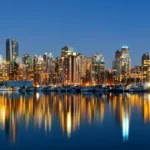
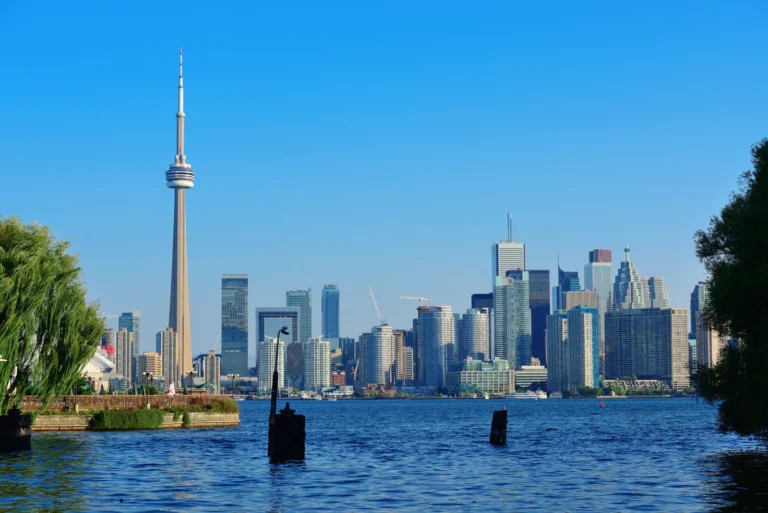
Vancouver lies between the Pacific Ocean and the Coast Mountains, in British Columbia. In a few minutes you go from the glass towers of downtown to the rainforest of Stanley Park, from the beaches of English Bay to the trails of the North Shore. This guide covers the things to do in Vancouver, which neighborhoods to explore and which day trips to plan, from Victoria to Whistler, for a 3 to 6 day stay. For Canada’s other big city, in the east, our guide to things to do in Toronto covers neighborhoods, sights and trips to Niagara.
Our travel deals for Vancouver
Affiliate links: we earn a commission, at no extra cost to you.
FlightsKiwi.comCompare flights and airline combinations to Vancouver.
Airport: Vancouver International Airport (YVR), in Richmond, linked to downtown by the Canada Line light rail in about 25 minutes (TransLink)
Ideal length: 3 to 4 days in the city, plus 2 to 3 days for Victoria or Whistler
Best time: June to September
Time zone: UTC−8 (one hour later in summer), 3 h behind New York, 8 h behind London
Entry: US citizens need no visa or eTA; UK citizens need an eTA to fly in (GOV.UK, IRCC)
Currency: the Canadian dollar
Language: English; French is little spoken day to day
Indicative budget: roughly CA$155 to 265 per person per day on a budget, CA$360 to 625 in comfort
Things to do in Vancouver: the highlights
Stanley Park and the Seawall
This park of more than 400 hectares (990 acres), at the tip of the downtown peninsula, combines a forest of giant conifers, beaches and views over the harbor and mountains. The Seawall that circles it can be done on foot or by bike in a few hours; bike rental shops are at the park entrance. Don’t miss the totem poles at Brockton Point, Third Beach at sunset and the Vancouver Aquarium.
Granville Island
Under the Granville Bridge, this former industrial area hosts a large covered public market, artisan studios, theaters and restaurants. The small water taxis crossing False Creek from downtown are the nicest way to get there. The market is very busy at weekends: come on a weekday or in the morning.
Gastown and Chinatown
Gastown is Vancouver’s historic district, with cobbled streets, brick buildings and its famous steam clock. It has designer boutiques, bars and restaurants. Neighboring Chinatown, one of the largest in North America, has the Dr. Sun Yat-Sen Classical Chinese Garden. Between the two, the streets around East Hastings have a lot of visible poverty and drug use: stay alert and stick to busy streets.
Capilano Suspension Bridge and Grouse Mountain
On the North Shore, the Capilano Suspension Bridge spans a wooded canyon high above the river; the private, paid site also has treetop walkways. A little higher, the Grouse Mountain gondola climbs to a lookout over the city, with trails in summer and ski runs in winter. The smaller Lynn Canyon suspension bridge is free, in a municipal park. Shuttles and public buses serve these sites.
The Museum of Anthropology and Kitsilano
On the University of British Columbia (UBC) campus, the Museum of Anthropology has a remarkable collection of Northwest Coast Indigenous art: totem poles, sculptures and ceremonial objects. On the way, Kitsilano is popular for its beach, its outdoor saltwater pool (in summer) and its cafés.
English Bay, the West End and Yaletown
The West End, a residential district between downtown and Stanley Park, leads to the beaches of English Bay and Sunset Beach, very lively in summer. Yaletown, a former warehouse district on False Creek, has become an area of restaurants and patios. The False Creek seawall links Yaletown, Granville Island and Kitsilano.
Victoria and Vancouver Island
The capital of British Columbia, Victoria is on Vancouver Island, reached by ferry from Tsawwassen, south of the city, or by floatplane from the harbor. Its Inner Harbour, the Parliament Buildings, the Royal BC Museum and Butchart Gardens, north of the city, take one or two days. Further away, Tofino, on the island’s west coast, draws surfers and lovers of wild nature. South of the border, Seattle can be reached from Vancouver by road or train.
Whistler and the Sea-to-Sky Highway
Highway 99, the Sea-to-Sky, follows the Howe Sound fjord to Squamish, where a gondola climbs to a lookout, then on to Whistler, about two hours from Vancouver. Whistler Blackcomb is one of the major ski areas in North America; in summer, it welcomes hikers and mountain bikers. In winter, highways are often closed by snowstorms and avalanches in British Columbia (GOV.UK), and some provinces require snow tires (U.S. Department of State): check road conditions before you go.
Vancouver’s neighborhoods
Downtown: central, many hotels, close to Canada Place, Gastown and the Canada Line
West End: residential, walking distance from Stanley Park and the beaches, quieter in the evening
Yaletown: modern, restaurants and patios, well connected
Gastown: historic charm and nightlife, but close to the difficult streets of East Hastings
Kitsilano: neighborhood feel and a beach, a few miles from downtown by bus
North Vancouver: at the foot of the mountains, linked to downtown by the SeaBus, handy for hiking
Itinerary: 3 to 6 days in Vancouver
Day 1: Stanley Park by bike along the Seawall, English Bay beach, sunset at Third Beach
Day 2: Gastown, Chinatown and the Dr. Sun Yat-Sen garden, then Granville Island by water taxi
Day 3: the North Shore: Capilano Suspension Bridge or Lynn Canyon, then Grouse Mountain; back by SeaBus
Day 4: UBC Museum of Anthropology, Spanish Banks and Kitsilano beaches
Days 5 and 6: a ferry trip to Victoria, or the Sea-to-Sky Highway to Squamish and Whistler
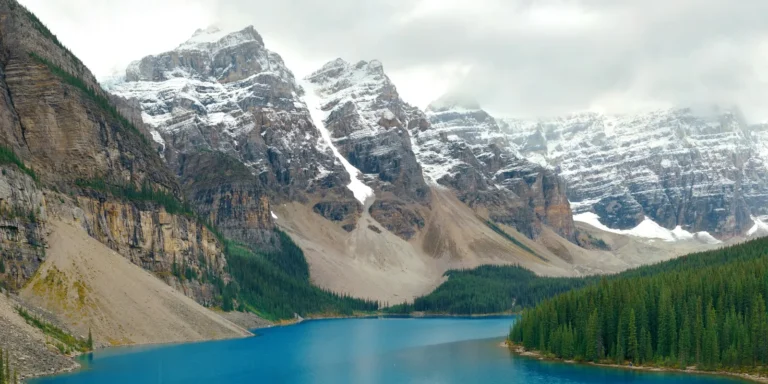
With only two days, focus on Stanley Park, Granville Island, Gastown and the North Shore. For a big trip in the West, Vancouver combines with the Canadian Rockies, a day’s drive away or by train.
Where to stay in Vancouver
For a first visit, Downtown, the West End and Yaletown are the most convenient: Stanley Park, the beaches and the airport’s Canada Line are close by. Kitsilano and North Vancouver suit those who prefer a neighborhood feel or direct access to trails. Vancouver is among the most expensive Canadian cities for accommodation, especially in summer. If your trip goes beyond Vancouver, check the best time to visit Canada for the regions you will visit.
Options range from hostels to chain hotels and luxury hotels facing the harbor. Short-term rentals are strictly regulated in British Columbia: check that the listing displays a license number. In summer, book several months ahead.
Getting around Vancouver
SkyTrain: automated light rail, including the Canada Line, which links the airport to Waterfront Station downtown in about 25 minutes, according to TransLink (checked 26 October 2026). Journeys starting at YVR-Airport station include a YVR AddFare.
SeaBus: this ferry links Waterfront, downtown, with Lonsdale Quay in North Vancouver.
Bus: an extensive network, useful for Kitsilano, UBC and the North Shore.
Bike: many bike lanes and bike-share; the Stanley Park Seawall is the signature route.
Water taxis: small shuttles on False Creek, to Granville Island and Yaletown.
Ferry and car: BC Ferries serves Vancouver Island; a car is useful for the Sea-to-Sky Highway and the parks, unnecessary in the city, where you may be fined for unlocked doors or visible valuables (U.S. Department of State).
Public transit (SkyTrain, SeaBus, buses) is run by TransLink. Fares depend on the zones you cross: check them on the official website.
When to go to Vancouver
✓ Ideal~ Good, with caveats✕ AvoidAverage max. temperature · click a month to see where to go
The best time is June to September: 19 to 22 °C (66 to 72 °F) in the afternoon and the lowest rainfall in July and August, according to Environment and Climate Change Canada normals. From November to January, about 170 mm (6.7 in) falls each month in the city, but it is ski season in the nearby mountains. Wildfires are common in western Canada, mostly from May to September, and can cause poor air quality (travel.state.gov). Month-by-month climate and events: our article on the best time to visit Vancouver.
Budget for a stay in Vancouver
Vancouver is an expensive city, especially for accommodation. Taxes are added to displayed prices and tips are expected in restaurants, bars and taxis. Indicative amounts per person per day, excluding flights, converted from our euro estimates at the European Central Bank rate of 23 October 2026 (€1 = CA$1.57) and rounded:
Item
Budget
Comfort
Accommodation (sharing a double room)
about CA$70 to 125
about CA$190 to 345
Meals (tip included)
about CA$55 to 80
about CA$100 to 170
Transport (SkyTrain, bus, SeaBus)
about CA$10 to 20
about CA$25 to 45
Sightseeing and activities
about CA$25 to 45
about CA$55 to 95
Total per day
roughly CA$155 to 265
roughly CA$360 to 625
Indicative estimates, varying with the season and the exchange rate. Accommodation prices peak from June to September.
To save money: many top sights are free (Stanley Park, the Seawall, the beaches, Lynn Canyon, Granville Island), food courts and the Granville Island market offer reasonably priced meals, and a day pass pays off quickly if you make several trips.
Who is Vancouver for?
Our verdicts by profile, based on the places, conditions and budget ranges in this guide:
Nature in the city: ideal: Stanley Park’s forest, English Bay and Kitsilano beaches, North Shore trails, all minutes from downtown.
Hiking and sports: a very good choice: Grouse Mountain, Lynn Canyon, the Sea-to-Sky Highway to Squamish and Whistler; skiing at Whistler Blackcomb in winter.
Families: yes: the Stanley Park Seawall by bike, the aquarium, water taxis to Granville Island, the Kitsilano saltwater pool in summer.
Couples: yes: sunset at Third Beach, a ferry or floatplane to Victoria and Butchart Gardens.
Culture: a good choice: the UBC Museum of Anthropology and its Indigenous art, historic Gastown, the Dr. Sun Yat-Sen Chinese garden.
Budget travelers: difficult: roughly CA$155 to 265 a day, with accommodation among the most expensive in Canada. The free top sights (Stanley Park, beaches, Lynn Canyon) help compensate.
Entry requirements, health and safety
US citizens: according to the U.S. Department of State (travel.state.gov, last updated August 11, 2025), no tourist visa is needed for stays under 180 days. You can enter with a US passport, passport card or NEXUS card, but flying back to the US requires a passport book or another approved document. US citizens are exempt from the eTA (IRCC, eTA facts page, modified 23 April 2024).
UK citizens: according to the UK FCDO (GOV.UK, updated 2 June 2026), no visa is needed for short visits (normally up to 6 months), but you need an eTA to fly in: CA$7 on the official Government of Canada site, valid for up to five years or until your passport expires (IRCC). Unofficial websites charge more.
Cannabis: legal in Canada, but taking it across the border is illegal (GOV.UK).
Health: treatment is very expensive and the public system does not offer free care to non-Canadians (travel.state.gov): insurance covering medical costs and evacuation is essential.
Safety: petty theft occurs, and thieves often target parked cars in big cities and tourist spots: leave nothing in the car (travel.state.gov).
Earthquakes and tsunamis: the UK FCDO advises familiarizing yourself with safety procedures in the event of an earthquake or tsunami; the Government of Canada publishes emergency preparedness information.
Wildfires and avalanches: wildfires are a particular summer risk in western Canada; avalanches occur in the mountains of British Columbia: follow avalanche advice and stay off closed trails (GOV.UK).
Wildlife: take particular care in areas where bears have been sighted (GOV.UK); follow the instructions posted at trailheads on the North Shore.
Emergencies: dial 911.
Practical tips for Vancouver
Language: English dominates; some services are offered in French, but don’t count on it day to day.
Money: cards and contactless payment are accepted almost everywhere. Tipping is expected in restaurants.
Taxes: federal and provincial sales taxes are added to prices displayed in shops and restaurants.
Internet: check whether your mobile plan covers Canada; a local eSIM or international plan avoids surprises.
Weather: even in summer, weather changes fast in the mountains; bring a warm layer and a rain jacket for hikes.
Three to four days cover Stanley Park, Granville Island, Gastown, the North Shore and the Museum of Anthropology. Add one or two days for Victoria or Whistler.
How do you get from the airport to downtown Vancouver?
The Canada Line SkyTrain links the airport to downtown (Waterfront Station) in about 25 minutes, according to TransLink. A YVR AddFare applies to journeys starting at the airport.
Do you need a visa or an eTA for Vancouver?
US citizens need neither a visa nor an eTA for stays under 180 days. UK citizens need no visa for short visits but need an eTA (CA$7) to fly to Canada (GOV.UK, IRCC).
How do you get to Victoria from Vancouver?
By BC Ferries from the Tsawwassen terminal, south of the city, to Swartz Bay, then by bus or car to downtown Victoria. Floatplanes also link the two harbors.
Is Vancouver safe?
Yes, overall. Watch your belongings, leave nothing in parked cars and avoid lingering in the streets around East Hastings, marked by poverty and drug use.
What can you do in Vancouver when it rains?
The UBC Museum of Anthropology, the Vancouver Aquarium in Stanley Park, the Granville Island covered market or the FlyOver Canada flight ride. From October to March, plan at least one indoor activity a day.
What is there to see outside downtown Vancouver?
The North Shore (Capilano Suspension Bridge, Lynn Canyon, Grouse Mountain), VanDusen Botanical Garden, the Kitsilano and Spanish Banks beaches, then Victoria by ferry or Whistler via the Sea-to-Sky Highway. For a longer trip, see our guide to the Canadian Rockies.
Vancouver or Montreal: which should you choose?
Vancouver for nature (ocean, forest, mountains) and a mild but rainy winter; Montreal for French-language culture, festivals and snowy winters. The two combine with a domestic flight.
Our sources
U.S. Department of State, Canada country information (travel.state.gov, last updated August 11, 2025), read on 26 October 2026
Government of Canada (IRCC): eTA facts, page modified 23 April 2024
TransLink: « Visiting Vancouver » and « Pricing and Fare Zones » (Canada Line journey time, YVR AddFare), checked 26 October 2026
Vancouver climate normals: 1991-2020 normals for the Vancouver International Airport station, Environment and Climate Change Canada (via the Wikipedia climate box)
Destination Canada, « Top 10 things to do in Vancouver », consulted on 5 October 2026
European Central Bank: euro reference rates of 23 October 2026 (budget conversion)


 FlightsKiwi.comCompare flights and airline combinations to Vancouver.Compare flights