⚠️ Before planning things to do in Istanbul: what the UK and US governments say about safety (October 2026)

Our travel deals for Istanbul
Affiliate links: we earn a commission, at no extra cost to you.
 FlightsKiwi.comCompare flights and airline combinations to Istanbul.Compare flights
- Airport transferKiwitaxiPrivate driver booked in advance at a fixed price.Book a transfer
- Tickets and toursTiqetsEntry tickets and guided tours to book online; compare with the official price.See tickets
- eSIMAiraloData plan to install before you leave (eSIM-compatible phone).See plans




- According to the UK FCDO (GOV.UK, updated 19 October 2026), terrorists are likely to try to carry out attacks in Turkey, mostly in the southeast, Ankara and Istanbul; there were attacks in Istanbul in 2022 and 2024, and a shooting near the Israeli Consulate in April 2026.
- Regular demonstrations take place in Istanbul and can turn violent, with tear gas and water cannon: avoid them (GOV.UK).
- Street robbery and pickpocketing are common in Istanbul’s main tourist areas (GOV.UK). The U.S. Department of State warns of restaurants and bars charging extremely high prices: ask for a priced menu before ordering.
- The U.S. Department of State restricts travel by its own staff to a list of southeastern provinces near the Syrian and Iraqi borders, far from Istanbul (travel.state.gov, last updated June 11, 2026).
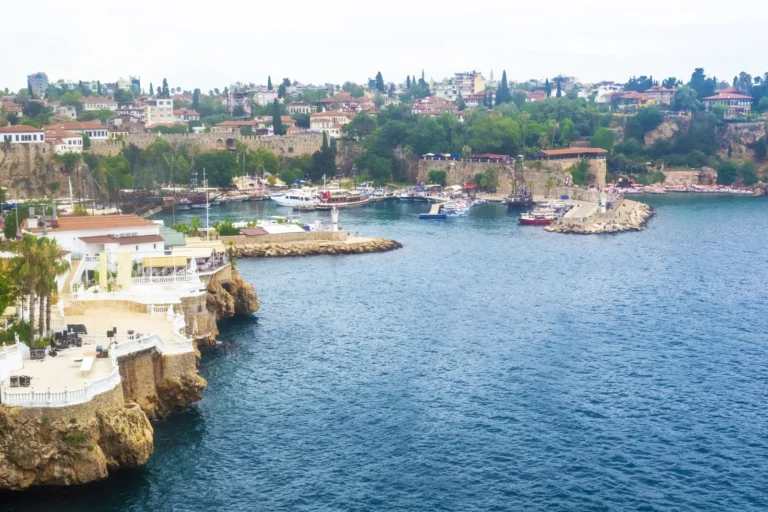
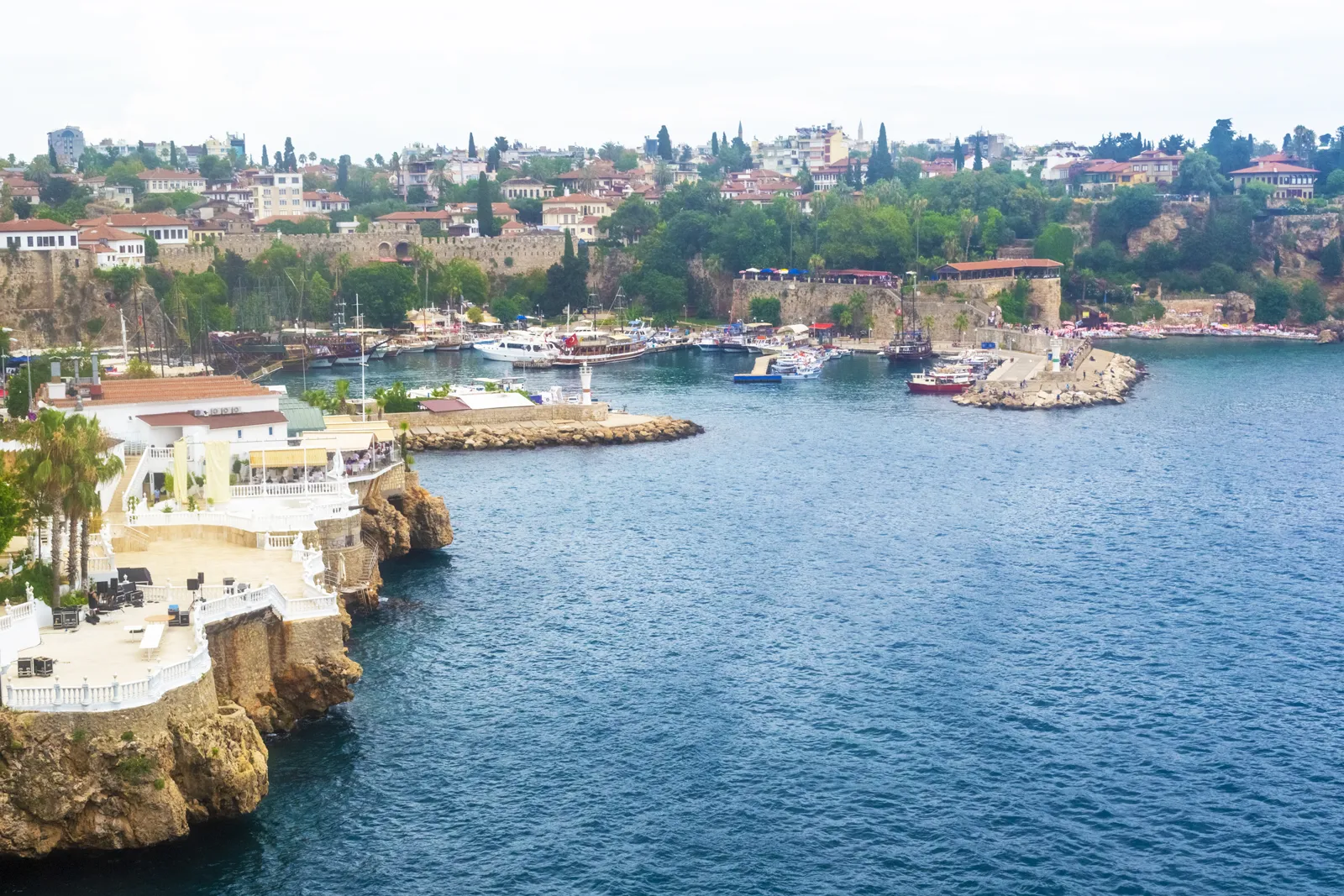
Things to do in Istanbul start with crossing from one continent to another by ferry, from the imperial mosques of Sultanahmet to the busy streets of Beyoğlu and the markets of the Asian shore. Formerly Byzantium and then Constantinople, the city was the capital of the Byzantine and Ottoman empires. This guide helps you choose your sights, your neighbourhood and your itinerary for a stay of 3 to 5 days. After those days in the city, the south of the country shows another face: our guide to visiting Antalya covers its old town and beaches.
Istanbul at a glance
- Airports Istanbul Airport (IST)(European side, far to the north) and Sabiha Gökçen (SAW, Asian side)
- Language Turkish; English is common in tourist areas
- Currency the Turkish lira (TRY) · currencies
- Time zone UTC+3, no daylight saving · details3 h ahead of London and 8 h ahead of New York in winterLocal time now: –:–
- Entry US and UK: visa-free up to 90 days in any 180 days · travel.state.gov · GOV.UK
- Electricity check the plug type with your adapter supplier · plugs
- Ideal length 4 to 5 days
- Best time April to June and September-October
- Budget see our budget section
Things to do in Istanbul: the highlights
Hagia Sophia (Ayasofya)
Built in the 6th century under Justinian, Hagia Sophia was a church, a mosque and then a museum, before being returned to Muslim worship in 2020. Foreign visitors enter by a paid route separate from that of worshippers, which presents the history of the building and its mosaics. Access arrangements have changed several times in recent years: check them before your visit. Modest dress is required, with a headscarf for women.
The Blue Mosque and the Hippodrome
Opposite Hagia Sophia, the Sultan Ahmed Mosque, known as the Blue Mosque for its Iznik tiles, stands out with its six minarets. It can be visited outside prayer times. Right next to it, the old Byzantine hippodrome keeps the Obelisk of Theodosius and the Serpent Column.
Just opposite, our guide to visiting the Blue Mosque in Istanbul covers the dress code and the visiting slots between prayers, calculated month by month.
Topkapı Palace
Residence of the Ottoman sultans for nearly four centuries, Topkapı is laid out in successive courtyards leading to a terrace over the Bosphorus. You can see the treasury, the relics and, with an extra ticket, the harem. Allow half a day, arrive at opening time and check the weekly closing day.
The Basilica Cistern
This Byzantine underground reservoir with hundreds of columns, two of them resting on Medusa heads, is one of the city’s most popular sights. Queues are long in summer. The smaller, lesser-known Şerefiye Cistern is a few minutes away.
The Grand Bazaar and the Spice Bazaar
The Grand Bazaar (Kapalıçarşı) has thousands of shops under its vaults: carpets, ceramics, lamps, jewellery. Haggling is customary. The Spice Bazaar (Mısır Çarşısı), near Eminönü, is smaller and devoted to spices, Turkish delight and dried fruit. Between the two, the shopping streets of Tahtakale are frequented mostly by locals.
The Süleymaniye Mosque
The work of the architect Sinan for Suleiman the Magnificent, the Süleymaniye overlooks the Golden Horn. It is often quieter than the Blue Mosque, and its gardens offer one of the finest views of the city and the Bosphorus.
Beyoğlu, Galata and İstiklal Avenue
Across the Galata Bridge, Galata Tower offers a panorama of the old city. Further up, pedestrian İstiklal Avenue leads to Taksim Square past covered arcades, churches and cafés. The waterfront district of Karaköy is known for its cafés and galleries, including the Istanbul Modern art museum.
A Bosphorus cruise
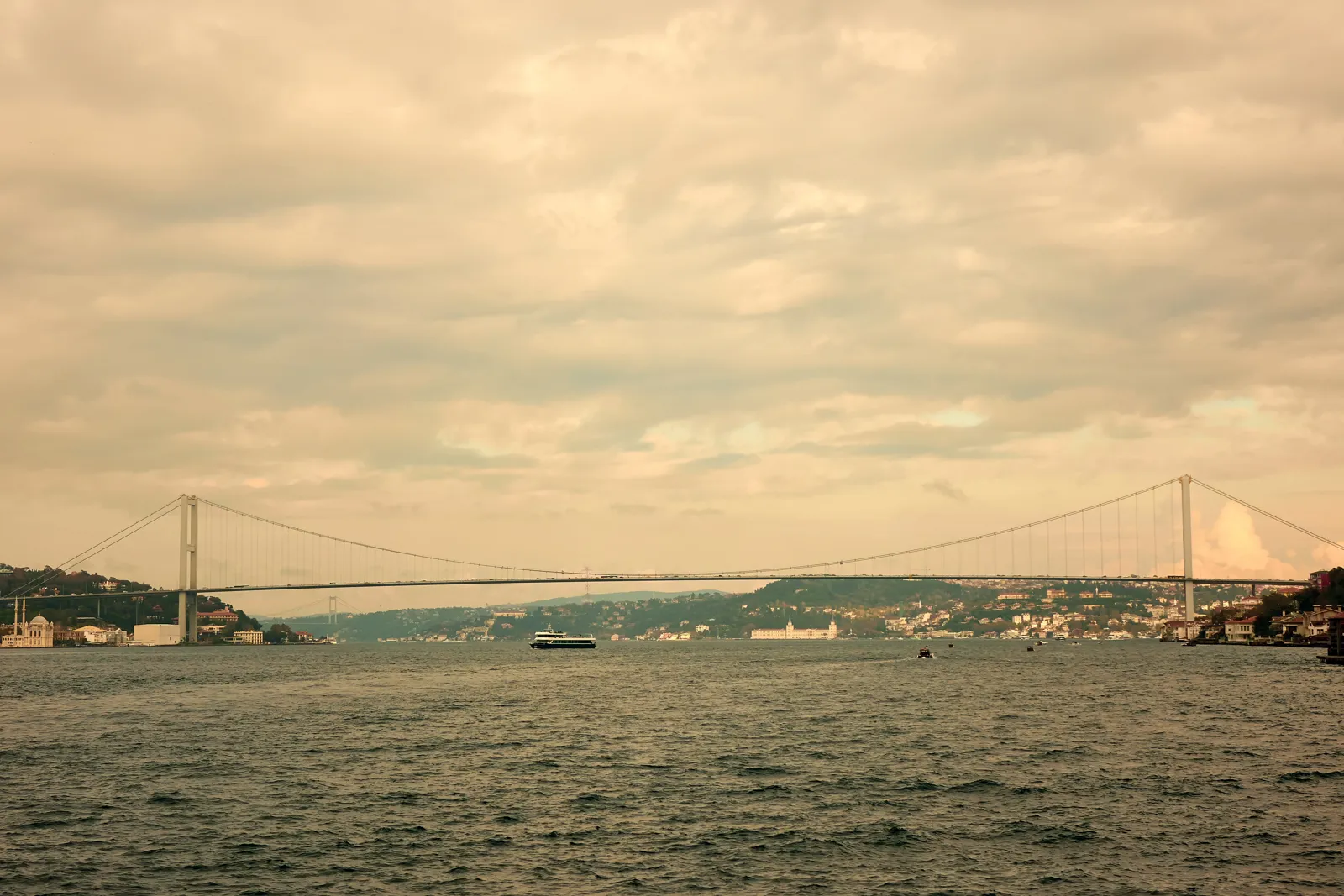
Public ferries (vapur) link Eminönü, Karaköy and Beşiktaş to the Asian shore for the price of a transport ticket: the simplest way to see the city from the water. Scheduled boats also sail up the Bosphorus to its mouth on the Black Sea, past Dolmabahçe Palace, the Ortaköy Mosque and the fortresses of Rumeli Hisarı and Anadolu Hisarı.
Balat, Fener and Chora
Along the Golden Horn, Balat and Fener are former Greek and Jewish quarters with colourful houses and the Ecumenical Patriarchate of Constantinople. Nearby, the Church of St Saviour in Chora, famous for its Byzantine mosaics and frescoes, has been returned to worship as a mosque: check visiting conditions.
The Asian shore: Kadıköy and Üsküdar
Twenty minutes away by ferry, Kadıköy is a lively district of markets, cafés and bars popular with locals. Üsküdar, more traditional, has views of the Maiden’s Tower (Kız Kulesi) and the old city at sunset.
The Princes’ Islands
In the Sea of Marmara, about 1 hour 30 minutes by ferry, these car-free islands are explored on foot, by bike or by electric vehicle. Büyükada, the largest, has large wooden houses and wooded hills. An ideal trip from May to September.
Itinerary: suggested routes in Istanbul
Istanbul in 3 days
- Day 1: Hagia Sophia, the Blue Mosque, the Hippodrome, the Basilica Cistern, then the Grand Bazaar
- Day 2: Topkapı Palace in the morning, the Spice Bazaar, Süleymaniye, the Galata Bridge at sunset
- Day 3: Galata Tower, İstiklal Avenue, ferry to Kadıköy and an evening on the Asian shore
Istanbul in 5 days
- Days 1 to 3: the itinerary above
- Day 4: Bosphorus cruise, Dolmabahçe Palace, Ortaköy
- Day 5: Balat, Fener and Chora, or a day on the Princes’ Islands
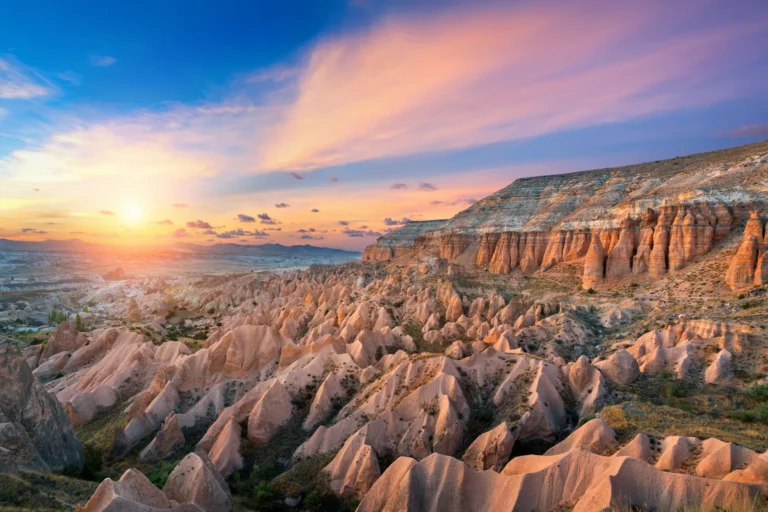
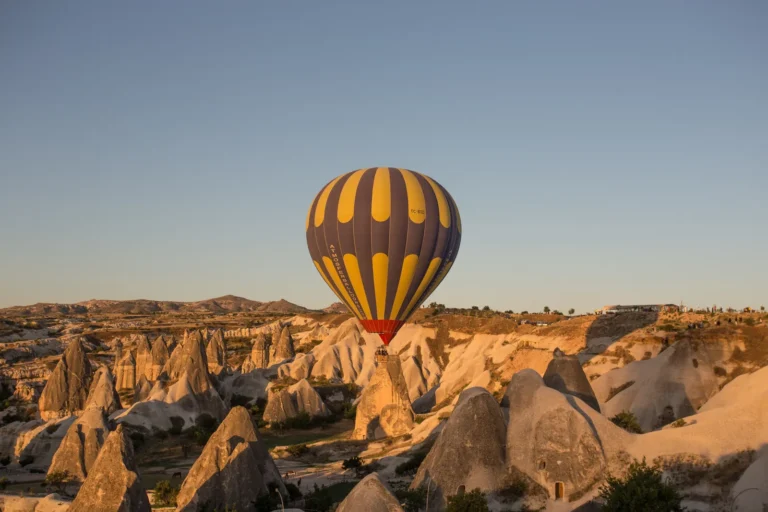
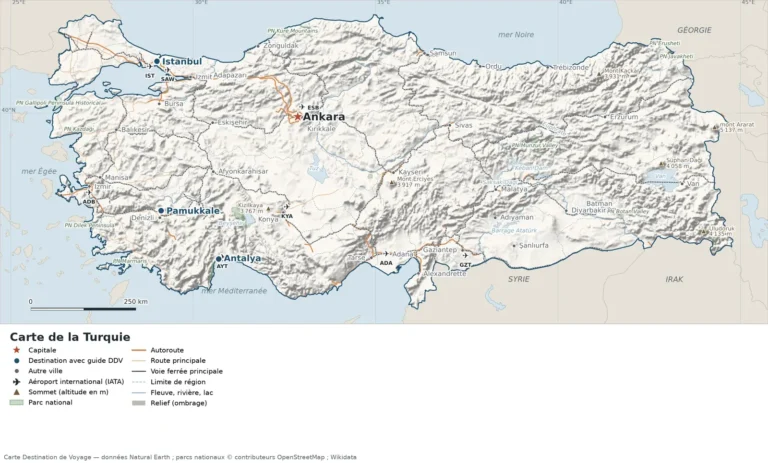
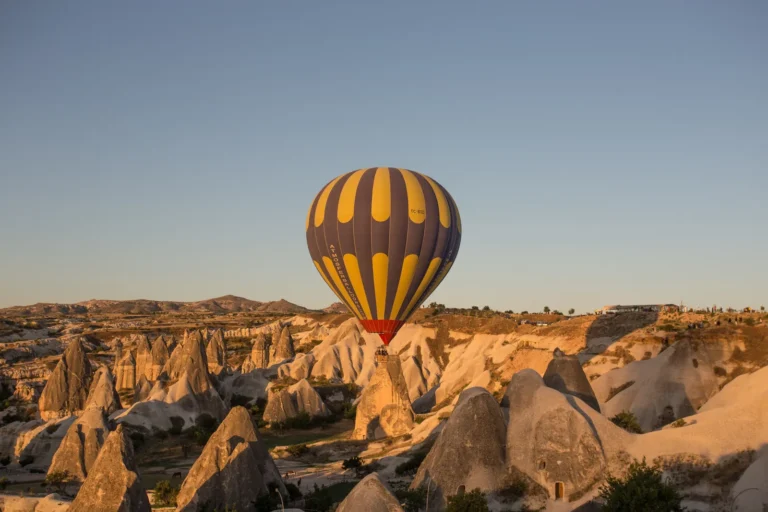
With a week or more, combine Istanbul with Cappadocia, a short domestic flight away. Our Turkey travel guide covers the other regions.
When to go to Istanbul
✅ Best months: April, may, June, September, October
❌ Period to avoid: January, December
The best periods are April to June and September to October: 16 to 26 °C (61 to 79 °F) in the afternoon and little rain, according to the Turkish State Meteorological Service normals. July and August are hot (28 °C / 82 °F), humid and very busy; winter is cool and wet, sometimes with snow. Month-by-month climate, tulips and festivals: see our page on the best time to visit Istanbul.
Budget for a stay in Istanbul
Prices in Turkish lira change very quickly with inflation; the amounts below are rough estimates per person per day, excluding flights, converted at the European Central Bank rate of 23 October 2026:
| Item | Tight budget | Comfort |
|---|---|---|
| Accommodation (shared double room) | roughly TRY 1,400 to 2,800 | roughly TRY 3,900 to 8,400 |
| Meals | roughly TRY 850 to 1,700 | roughly TRY 2,200 to 3,900 |
| Transport (Istanbulkart, ferries) | roughly TRY 150 to 450 | roughly TRY 550 to 1,400 |
| Sights | roughly TRY 850 to 1,400 | roughly TRY 1,700 to 2,200 |
| Total per day | roughly TRY 3,300 to 6,100 | roughly TRY 8,400 to 15,600 |
To cut costs: eat in lokantas (canteens serving dishes of the day), buy a simit or a balık ekmek (fish sandwich) in Eminönü, and use the public ferries rather than private cruises.
Getting around Istanbul
- Istanbulkart: a rechargeable card valid on the metro, tram, buses, funiculars and ferries; it can be used for several people.
- T1 tram: serves Sultanahmet, the Grand Bazaar, Eminönü and Karaköy.
- Metro and Marmaray: the Marmaray crosses the Bosphorus under the sea; the metro links Istanbul Airport to the city.
- Ferries: the most pleasant way to change shores.
- Taxis: ask for the meter or use an app; from the airport, Havaist buses and the metro are alternatives.
- Car: not recommended in the city, traffic is very heavy.
- ID: carrying photo ID is compulsory in Turkey, and the authorities may carry out ID checks in busy areas of Istanbul: keep your passport on you (GOV.UK).
Istanbul Airport is about 40 km (25 mi) northwest of the centre: allow at least an hour. Sabiha Gökçen is on the Asian side, further from Sultanahmet.
Istanbul Airport transfer: M11 metro, Havaist bus and taxi
This section covers Istanbul Airport (IST), on the European side north of the city. If you arrive at Sabiha Gökçen, on the Asian side, the options are different.
M11 metro
The M11 line links the airport with Gayrettepe, where you change to the M2 metro for Taksim and the old city. According to the airport, the section continuing the line from Arnavutköy to Halkalı, one of the city’s main interchanges, opened on 20 June 2026. You pay with the Istanbul network’s means of payment (Istanbulkart).
Havaist buses
Havaist runs several lines between the airport and different districts of the city, including Taksim. Buses leave from the transportation floor (level -2) and, on the way back, drop passengers at Departures entrance gates 1 to 4. Fares vary by line: check them on the Havaist website or app. The bus saves changes with luggage but is subject to traffic, unlike the metro.
Metro or bus: how to choose
If you are staying near an M2 metro station (Taksim, Şişli) or a connection at Halkalı, the M11 metro is the most predictable. If your hotel is near a Havaist stop, the direct bus saves you changes. With lots of luggage or in the middle of the night, a taxi or a booked transfer is more comfortable.
Taxi
Official taxis wait outside arrivals. Insist on the meter and a receipt. As the airport is far from the centre, traffic weighs heavily on the price and the journey time.
| Option | Where to catch it | Official fare | Source |
|---|---|---|---|
| M11 metro (+ M2 at Gayrettepe) | Istanbul Airport station | Network fare (Istanbulkart) | istairport.com |
| Havaist bus | Level -2 of the terminal | Depends on the line (Havaist website) | istairport.com |
| Taxi | Outside arrivals | Meter | — |
Booking a transfer in Istanbul
A private transfer booked in advance (a driver waiting on arrival, a price fixed at booking) makes most sense for a late arrival, bulky luggage, a family trip with young children or a group sharing the cost. Before booking, check what the price includes (tolls, luggage, waiting if your flight is late), the exact meeting point in the terminal, the cancellation terms and the name of the company that actually provides the ride.
Source: İGA Istanbul Airport, Airport transportation page (istairport.com), checked 26 October 2026.
Where to stay in Istanbul
- Sultanahmet: at the foot of the monuments, ideal for a short first visit, but quiet in the evening and very touristy.
- Sirkeci and Eminönü: close to the tram, the ferries and the bazaars.
- Beyoğlu, Galata and Karaköy: lively, with restaurants and nightlife; metro and funicular to the old city.
- Beşiktaş and Nişantaşı: modern, more residential districts.
- Kadıköy: on the Asian side, to live like a local, 20 minutes by ferry from the old city.
The streets of Beyoğlu and Galata are very steep: check access if you have heavy luggage. For spring, summer and New Year, book 2 to 3 months ahead.
Entry requirements, health and safety
US citizens
According to the U.S. Department of State (travel.state.gov, last updated June 11, 2026), ordinary passport holders are exempt from visas for up to 90 days in any 180-day period. Your passport must be valid for six months beyond your entry date, with enough space for entry and exit stamps; make sure you get both stamps.
UK citizens
According to the UK FCDO (GOV.UK foreign travel advice, updated 19 October 2026), British citizen passport holders can visit without a visa for up to 90 days in any 180-day period for tourism or business. Your passport must be valid for at least 150 days after the date you arrive and have at least 1 blank page. The US and UK sources give different validity rules: if in doubt, check with the Turkish embassy.
- Health: the GHIC and EHIC are not valid in Turkey and British prescriptions are not accepted in Turkish pharmacies: take out insurance covering medical costs and evacuation (GOV.UK, updated 19 October 2026). The U.S. Department of State advises carrying prescription medication in its original packaging with your prescription.
- Terrorism and demonstrations: terrorists are likely to try to carry out attacks, and Istanbul has been hit several times; avoid gatherings, especially political ones, and follow the authorities’ instructions (GOV.UK).
- Theft and scams: pickpockets in tourist areas; be wary of strangers who offer to change money or take you to a bar or restaurant, as drinks or food may be spiked (GOV.UK). People have died after drinking illegally produced or counterfeit alcohol in Istanbul (GOV.UK).
- Local laws: do not photograph military or official installations (GOV.UK); insulting the Turkish state, its flag or Atatürk is illegal, including on social media (U.S. Department of State).
- Earthquakes: a magnitude 6.2 earthquake in the Sea of Marmara in April 2025 was strongly felt in Istanbul; follow AFAD, the Disaster and Emergency Management Authority (GOV.UK).
- Emergencies: dial 112.
To choose suitable cover, see our travel insurance guide.
Practical tips for Istanbul
- Mosques: dress modestly (GOV.UK): shoulders and legs covered for everyone, a headscarf for women, shoes off; avoid prayer times and Friday midday.
- Money: cards are widely accepted; withdraw Turkish lira from bank ATMs and decline the conversion into your home currency offered by the terminal.
- Haggling: customary in the bazaars, not in shops with displayed prices.
- Tea and hospitality: tea (çay) is served everywhere; accepting tea from a shopkeeper does not commit you to buying.
- Mobile data: check your home carrier’s roaming charges; a local SIM or an eSIM is often cheaper.
- Short stay: Istanbul suits a long weekend; see our cheap weekend ideas.
Istanbul: for which travellers?
Our verdict by traveller profile, based on the information in this guide:
- Couples: yes: a Bosphorus cruise, sunset in Üsküdar, the Galata and Karaköy districts.
- Families: yes, staying in Sultanahmet or Sirkeci near the monuments and the tram; the streets of Beyoğlu are very steep.
- Tight budget: yes: roughly TRY 3,300 to 6,100 a day, with lokantas, public ferries and the Istanbulkart; entry fees for the major sites remain expensive.
- Culture: yes, it is the city’s strong point: Hagia Sophia, Topkapı, Süleymaniye, the Basilica Cistern, Chora.
- Weekend: yes: the essentials can be seen in 3 days.
- Beach: no: for the sea, continue to the Turkish coast.
Read also
The climate, tulip season and festivals are covered on our page best time to visit Istanbul. For a longer trip, compare with the best time to visit Turkey and the best time for Cappadocia, a short flight away. See also the time in Turkey (UTC+3 all year).
Frequently asked questions
How many days do you need to visit Istanbul?
Three days for Sultanahmet, Topkapı, the bazaars and Beyoğlu. Four to five days to add the Bosphorus, the Asian shore, Balat or the Princes’ Islands.
Do I need a visa for Istanbul?
No, for US and UK citizens staying up to 90 days in any 180 days. The U.S. Department of State asks for a passport valid six months beyond entry; the UK FCDO asks for 150 days and one blank page.
Is Istanbul dangerous?
The UK FCDO (updated 19 October 2026) says terrorists are likely to try to carry out attacks in Turkey, mostly in the southeast, Ankara and Istanbul, and that pickpocketing is common in tourist areas. Avoid gatherings, watch your belongings and be wary of approaches from strangers.
How do I get from Istanbul Airport to the centre?
By the M11 metro (change to the M2 at Gayrettepe), by Havaist bus or by taxi. The airport is about 40 km (25 mi) from the centre: allow at least an hour.
Can you visit Hagia Sophia?
Yes. A mosque again since 2020, it remains open to foreign visitors by a separate paid route. Check opening times and prices before your visit and wear modest clothing.
Our sources
- Entry, health and safety information read on 26 October 2026: U.S. Department of State, Turkey country information (travel.state.gov, last updated June 11, 2026), and UK FCDO, foreign travel advice for Turkey (GOV.UK, updated 19 October 2026)
- Istanbul climate normals: 1991-2020 normals for the Kireçburnu station (Sarıyer, on the Bosphorus), published by the Turkish State Meteorological Service (Meteoroloji Genel Müdürlüğü, MGM)
- İGA Istanbul Airport, Airport transportation (M11 metro, Havaist), checked 26 October 2026
- European Central Bank, euro reference rates of 23 October 2026 (budget conversion)
- Our methodology
Updated October 2026.
To extend your trip, see our Turkey travel guide, the page best time to visit Turkey, our Cappadocia guide and our other destinations in Europe.