
Compagnies, itinéraires et ports de départ : nos fiches croisière
(20 guides)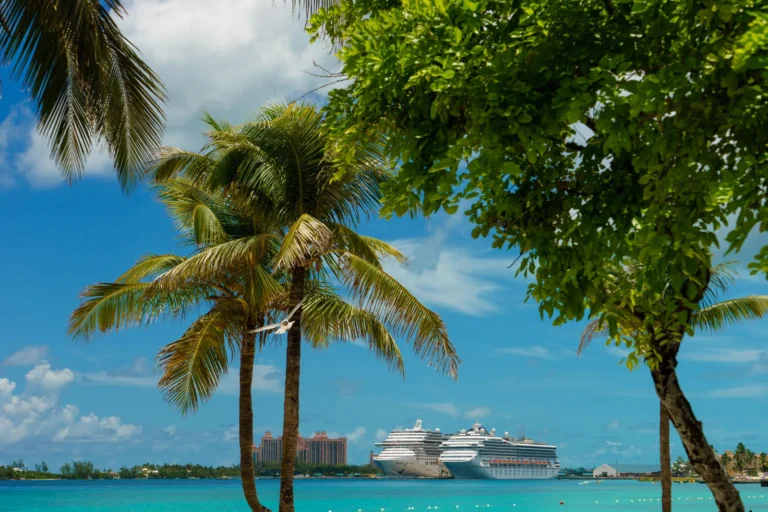 Bahamas cruisesGuide
 Caribbean cruisesGuide
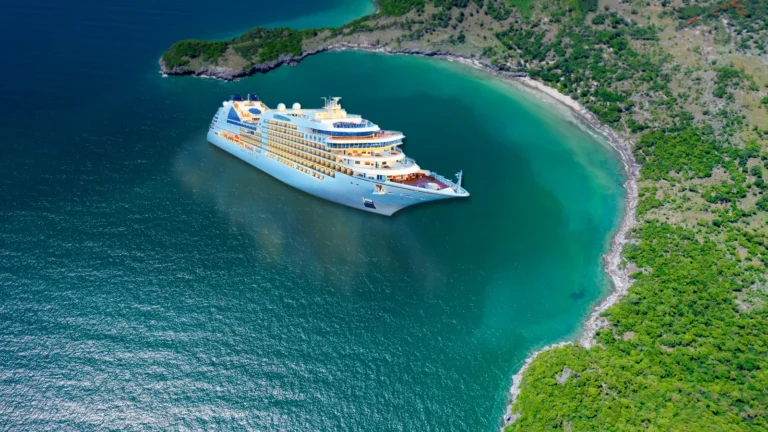 Cheap cruisesGuide
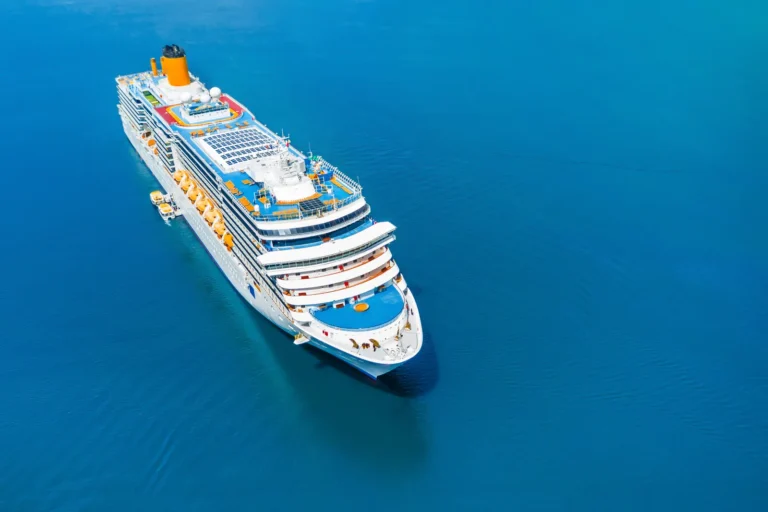 Cruise linesGuide
 Cruise shipsGuide
 Cruises from Le HavreGuide
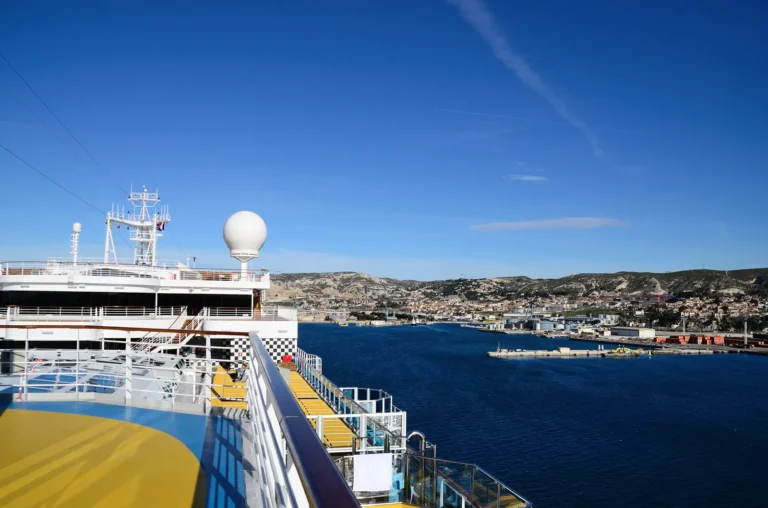 Cruises from MarseilleGuide
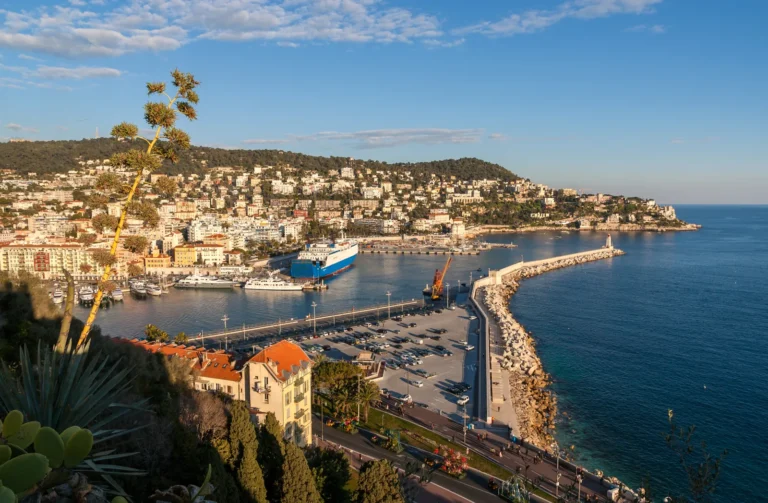 Cruises from NiceGuide
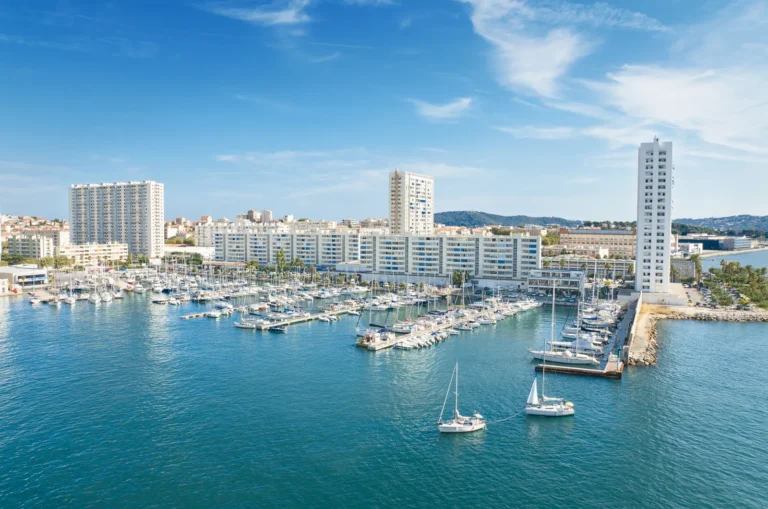 Cruises from ToulonGuide
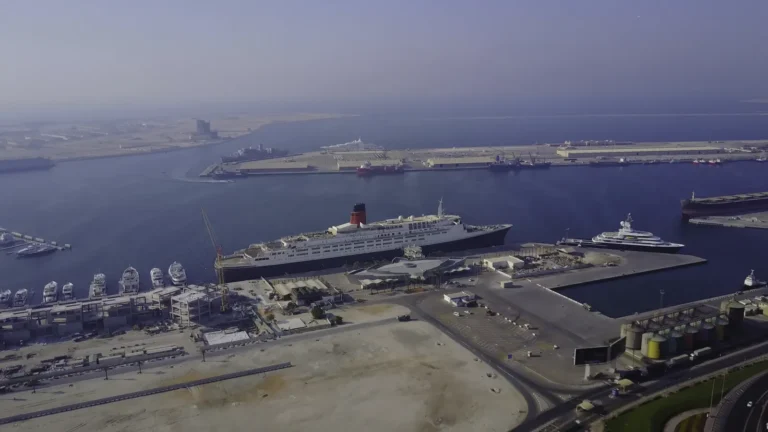 Dubai cruisesGuide
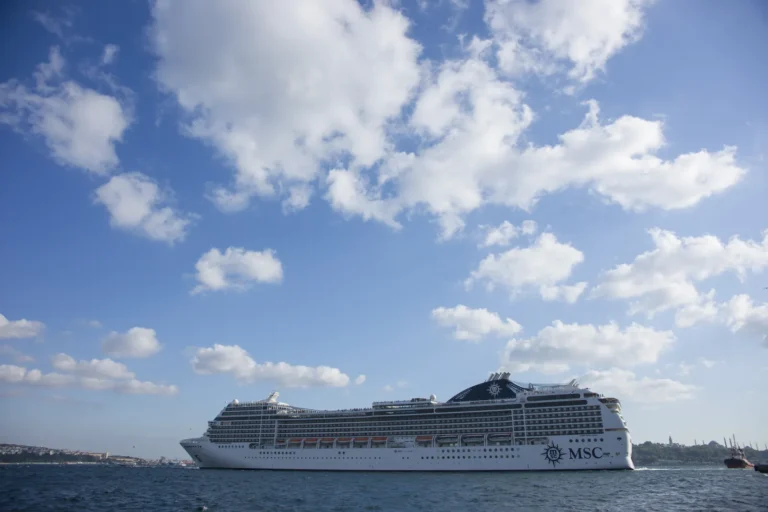 E.Leclerc VoyagesGuide
 Europe cruisesGuide
 GreeceGuide
 MediterraneanGuide
 Mini-cruisesGuide
 NileGuide
 Norway fjordsGuide
 River cruisesGuide
 Working on a cruise shipGuide
 World cruiseGuide
To choose a cruise, start from four questions: what type of sailing (sea, river, expedition or a two- or three-night break), which area in which season, which cabin, and what the real budget is once service charges, drinks, excursions and the journey to the port are added. The cruise line comes next: it sets the atmosphere on board, the language spoken and what the price includes.
This guide goes through each step in order. The amounts quoted (headline prices, service charges) were taken on 5 October 2026 from published offers on French booking sites, so they are in euros; they change often, so always check them when you book.
Choosing a cruise: the essentials
- Type: sea cruise (large ships, many activities), river cruise (small boats, stops in city centres), expedition cruise (remote regions) or mini-cruise (2 to 4 nights).
- Season: the Mediterranean and Northern Europe mostly from spring to autumn, the Caribbean in winter; the Atlantic hurricane season runs from 1 June to 30 November.
- Cabin: inside (the cheapest), outside with a porthole, balcony, suite.
- Real price: add the daily service charges (for example €12 per night per adult on one MSC offer we looked at), drinks, excursions and transport.
- Entry requirements: they depend on each port of call, not only on the departure port.
- Insurance: care on board is usually charged; check your health and cancellation cover.
Types of cruise
The word “cruise” covers very different trips. The format determines the size of the ship, the pace of the stops, the passengers and how much of the budget is already included.
| Type | Ship | Pace | Who it suits | Watch out for |
|---|---|---|---|---|
| Sea | Large ships: several thousand passengers (MSC Magnifica: 3,223 passengers according to the offer sheet we consulted) | Mostly sailing at night, one port per day, days at sea on longer trips | Families, first-time cruisers, fans of entertainment | Drinks, excursions and service charges often extra |
| River | Smaller boats, generally 100 to 200 passengers | Often sailing by day, stops in city centres | Travellers drawn to heritage and food | Smaller cabins, little entertainment |
| Expedition | Small ships designed for remote areas (polar regions, wild coasts) | Landings by tender depending on the weather | Travellers interested in nature | High budget, itinerary depends on conditions |
| Mini-cruise | Standard cruise liners | 2 to 4 nights, one or two ports | First taste, weekend | Little time ashore, the journey to the port has to be worth it |
| Themed | Varies | Programme built around a theme (food, history, Christmas markets…) | People passionate about a subject | Fixed dates, few departures |
For a first experience without a long journey, a mini-cruise from a port near you lets you try life on board before committing to a week-long budget. River cruises more often include the main excursions and drinks with meals, which makes the price easier to work out.
Choosing a cruise line
Cruise lines differ less by destination, which are often shared, than by atmosphere, the language spoken on board, the passengers they target and the way they charge for services. Before comparing prices, ask yourself:
- Language: are the announcements, shows and children’s activities offered in English?
- Passengers: does the line target families (kids’ clubs, cabins for 3 or 4), couples or seniors?
- Fare packages: most large lines sell several fare levels for the same cabin, with or without a drinks, excursion or internet package.
- Departure ports: leaving from a port you can reach without flying (for example Marseille or Le Havre in France) avoids a flight and its uncertainties.
- Ship size: a large ship offers more activities, a smaller one makes boarding and disembarking at ports easier.
Our detailed pages cover MSC Cruises and Costa Cruises, the two lines most present out of Marseille, with their fare packages and on-board charges.
Choosing a cabin
| Category | Description | Best if… |
|---|---|---|
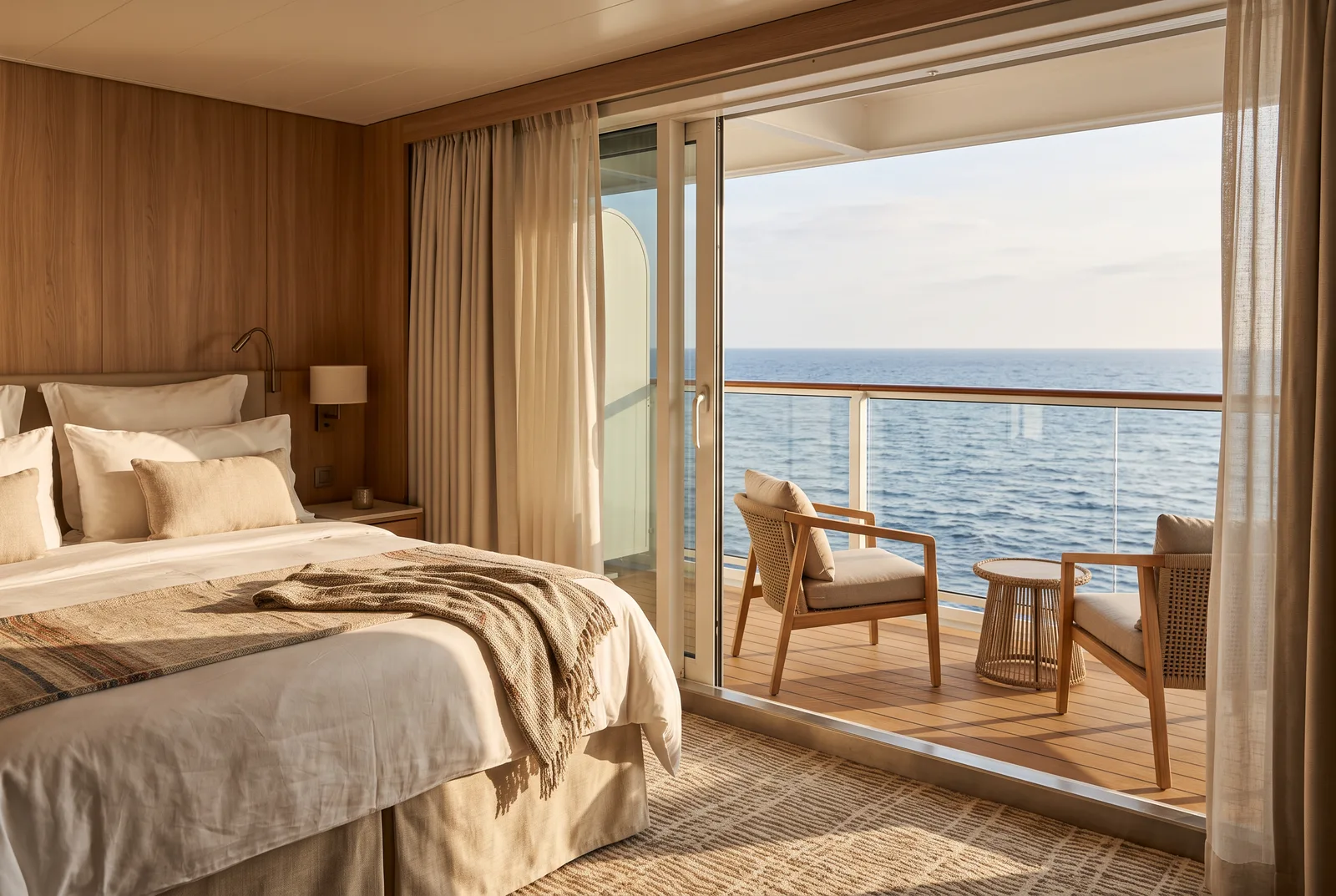
| Inside | No window, the cheapest | You spend your days ashore or on the decks |
| Outside | Porthole or window onto the sea | You want daylight without paying for a balcony |
| Balcony | Private outdoor space | Scenic itineraries (fjords, coasts), long cruises |
| Suite | More space, dedicated services depending on the line | Comfortable budget, long stay |
Position matters too: a cabin in the middle of the ship on a low deck moves less in rough seas, which helps if you are prone to seasickness. If possible, avoid cabins under a pool, nightclub or restaurant deck, which are often noisier. Some headline fares do not let you choose your cabin: the line assigns one in the category you booked.
Choosing the itinerary and the season
Each area has its main season. Cruise lines move their ships according to the period: the same destination may be missing from brochures for part of the year.
| Area | Main period | Good to know |
|---|---|---|
| Mediterranean | Spring to autumn, with some winter departures too | July–August and school holidays: more crowds and higher fares |
| Northern Europe, fjords | Mostly summer | Long days; cooler, changeable weather |
| Caribbean and French West Indies | Mostly winter (dry season) | Atlantic hurricane season: 1 June – 30 November, peaking from mid-August to mid-October |
| Nile (Egypt) | All year, more comfortable outside summer | Strong summer heat in the Nile valley |
| European rivers | Spring to autumn, Christmas markets at year end | Water levels can be low or high: the itinerary may be changed |
As for the itinerary, look at the number of days at sea, the length of each stop (a stop of a few hours leaves little time if the port is far from the centre) and the ports where you land by tender, which depend more on the weather.
What is included… and what is not
On a sea cruise, the base price generally covers accommodation, full board in the main restaurant and the buffet, water, coffee and tea with meals, shows and use of the facilities (pools, gym). The rest depends on the fare you choose.
| Item | Included? | Example found |
|---|---|---|
| Service charges (gratuities) | Rarely included: charged daily to the on-board account unless stated otherwise | MSC: €12 per night (adult, age 12 and over) and €6 (ages 2 to 11); Costa: an “on-board stay package” (forfait de séjour à bord) of €11 per night from age 15, €12 from 1 December 2026 |
| Drinks | No, unless you buy a drinks package or an “all inclusive” fare | Packages sold at booking or on board |
| Day trips | No, unless the fare includes them | Possible to organise yourself, watching the time you must be back on board |
| Port taxes | Depends on the offer | Included for adults on the MSC offer we consulted, not for under-18s |
| Journey to the port, flights | No, unless it is a fly-cruise package | Add to the budget, with parking if needed |
| Internet, à la carte restaurants, spa | No | Internet packages offered on board |
| Medical care on board | No | Charged: check your insurance |
Before comparing two offers, check line by line what appears under “price includes” and “price does not include”. A slightly more expensive offer that includes service charges can end up cheaper overall.
What budget should you plan?
To estimate the real cost, add up:
- the cabin price (shown per person, based on two occupants);
- port taxes if they are not included;
- service charges: number of nights × daily amount × number of passengers concerned;
- drinks (package or individual purchases);
- excursions;
- the journey to the port (train, car, parking) or flights;
- travel insurance.
Worked example on the service-charge line alone: for a 7-night Costa cruise departing after 1 December 2026, two adults pay 7 × €12 × 2 = €168 in on-board stay package, on top of the cabin price.
For headline prices, on 5 October 2026 the Voyages E.Leclerc site showed Mediterranean cruises from €215 per person (a 2-night mini-cruise from Marseille), Egypt from €457, the Caribbean and French West Indies from €744 and Northern Europe from €1,185. These are “from” prices, for specific dates and cabins. Our tips for cutting the bill are collected in our cheap cruise guide.
Where to book?
The same cruise is often sold by the cruise line itself (website, call centre), by online travel agencies and by networks of high-street agencies. The differences lie less in the cabin price than in what is added: booking fees, whether service charges are included, transfers, insurance, cancellation and payment terms. MSC Cruises, for example, offers a “price match guarantee” if you find the same cruise cheaper with one of its approved distributors within 48 hours of your option.
We detail the points to check with a mainstream retailer on our E.Leclerc Voyages cruises page.
Health on board
Ships have a medical centre, but consultations and treatment on board are generally not included in the cruise price. According to the US Centers for Disease Control and Prevention (CDC), respiratory infections account for the largest share of consultations on board, ahead of gastrointestinal illness, where the great majority of confirmed outbreaks are caused by norovirus.
- Wash your hands with soap and water, especially before meals and after using the toilet.
- Update your routine vaccinations and, depending on the ports of call, those recommended for the destination.
- Seasickness can affect up to one traveller in four despite stabilisers: a cabin in the middle of the ship on a low deck limits the movement you feel.
- Take enough of your medication, in your hand luggage.
- Check that your insurance covers care abroad and repatriation, including evacuation from the ship.
Entry requirements: they depend on the ports of call
It is not the departure port that sets the entry requirements but all the countries visited. MSC Cruises points out that passengers are solely responsible for the documents needed for the whole cruise and that boarding is refused, without refund, to those who cannot show them.
- Passport and ID: requirements vary by port of call and by cruise line; check your line’s travel-documents page for the whole itinerary.
- Ports outside your home region: a visa or electronic travel authorisation may be needed (for example, UK citizens need an ESTA for the United States, while US citizens do not).
- Minors: cruise lines apply their own policy (authorisation, minimum age on board).
- Check each country on the US State Department’s travel.state.gov (for US citizens) or GOV.UK foreign travel advice (for UK citizens), then on your line’s “travel documents” page.
Your first cruise: how it works
Check-in is often done online before departure. On the day, you drop your luggage at the terminal, go through the document check and security, then receive an on-board card that serves as both cabin key and payment method. Spending is charged to an on-board account, settled at the end of the cruise by bank card. A safety briefing, which you must attend, takes place at the start of the trip.
At ports of call, note the latest time to be back on board: on an independent excursion, being late is at your own risk and the ship can leave without you. Keep an ID document and your on-board card with you.
Our cruise guides
- Finding a cheap cruise: last minute, low season, inside cabin, hidden costs.
- Booking a cruise with E.Leclerc Voyages: what the site offers and how to compare.
- Working on a cruise ship: jobs, contracts, certificates, recruitment.
- Mediterranean cruise, Nile cruise, Caribbean cruise.
- Cruises from Marseille: terminals, access, parking.
- MSC Cruises and Costa Cruises: fare packages and on-board charges.
For a port of call or a destination, our country guides complement these pages: Greece, Croatia, Egypt, Guadeloupe, Martinique, Iceland.
To go further: our comparison of cruise lines, the biggest cruise ships, the world cruise and departures from Le Havre.
Cruise FAQ
What is the best cruise for a first time?
A cruise of 4 to 7 nights in the Mediterranean from a port you can reach without flying (for example Marseille) is the simplest formula: no flight and varied ports of call. A mini-cruise of 2 or 3 nights also lets you try life on board.
Are tips compulsory on a cruise?
Most lines charge daily service charges to the on-board account, for example €12 per night per adult with MSC or an on-board stay package of €11 (€12 from 1 December 2026) with Costa, according to the offers we consulted in October 2026. Some offers include them in the price: check the “price includes” section.
Which cabin should I choose on a cruise?
The inside cabin is the cheapest and suits you if you spend little time in your cabin. A balcony is worth it on scenic itineraries or long cruises. In the middle of the ship on a low deck, you feel the movement less.
Do I need a passport for a Mediterranean cruise?
It depends on the ports of call. Check each country on travel.state.gov (US citizens) or GOV.UK foreign travel advice (UK citizens), and on your cruise line’s travel-documents page.
Is medical care free on board?
Generally not: the medical centre charges for consultations and treatment. Insurance covering care abroad and repatriation is recommended.
When should I book a cruise?
Early, to have a choice of cabins and school-holiday dates; at the last minute, to benefit from reduced prices on imminent departures, with less choice. Both strategies are detailed in our cheap cruise guide.
What pitfalls should I avoid on a cruise?
The most common: comparing headline prices without adding service charges, drinks, excursions and the journey to the port; going on an independent excursion without watching the latest time back on board, because the ship can leave without you; not checking the documents required for each port of call.
Our sources
- Voyages E.Leclerc: cruise page, MSC Magnifica and Costa offer sheets (headline prices, inclusions, service charges), consulted on 5 October 2026.
- MSC Cruises: “Travel documents and visas”, “Fares & offers” and “Price match guarantee” pages, consulted on 5 October 2026.
- National Hurricane Center (NOAA): dates of the Atlantic hurricane season.
- CDC (Centers for Disease Control and Prevention), Yellow Book, chapter “Cruise Ship Travel”.
- Our approach: methodology.
Updated October 2026.