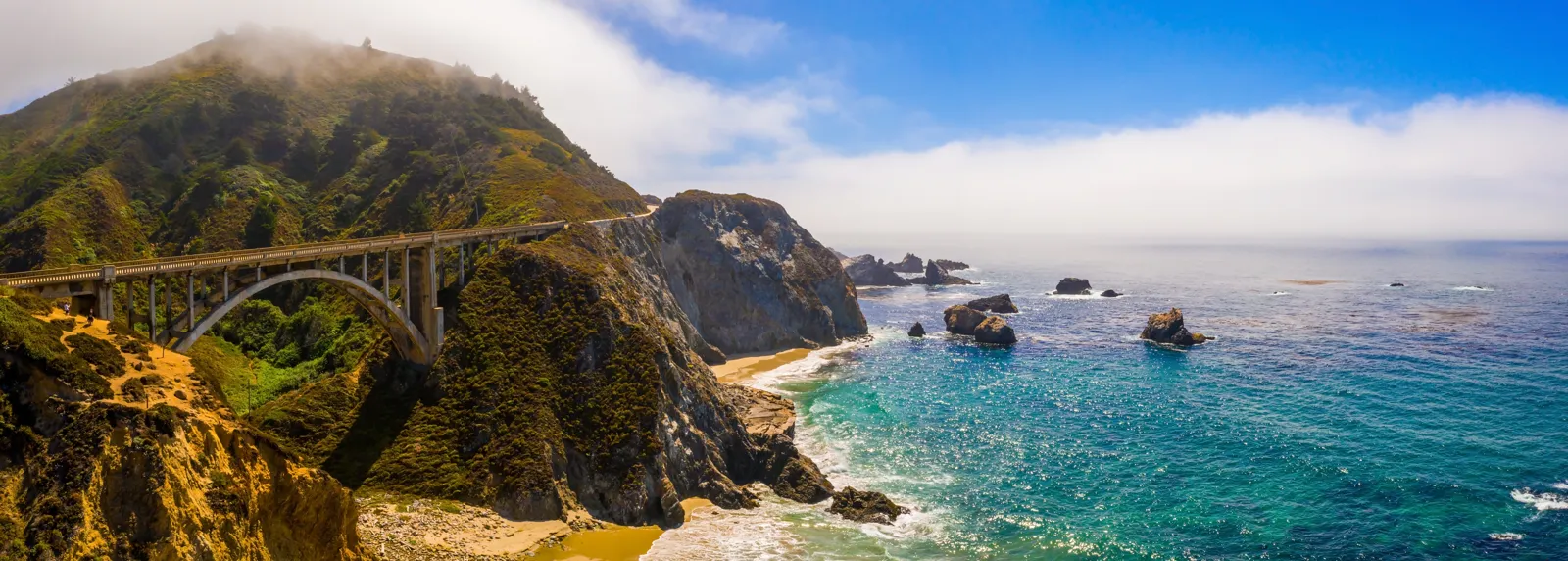
For a Sardinia travel guide in one line: allow a week to explore one area (for example Cagliari, the south and the Gulf of Orosei) and two weeks to tour the island by rental car, on a budget of roughly €80 to €135 per person per day for budget travellers, excluding flights. The second-largest island in the Mediterranean, Sardinia is best known for its beaches and clear water, but it also has wild mountains, thousands of nuraghi (Bronze Age stone towers) and cities with real character such as Cagliari and Alghero. The island is large and best explored by car. This guide helps you choose your stops, itinerary and season. Nuraghi, Cagliari and Alghero versus Corsican villages: our Corsica or Sardinia comparison helps you choose between the two neighbouring islands.

Our travel deals for Sardinia
Affiliate links: we earn a commission, at no extra cost to you.
 FlightsKiwi.comCompare flights and airline combinations to Sardinia.Compare flights
- Tickets and toursTiqetsEntry tickets and guided tours to book online; compare with the official price.See tickets


Sardinia at a glance
- Regional capital Cagliari
- Language Italian (and Sardinian)English is spoken in tourist areas
- Currency euro (€) · currencies
- Time zone Central European Time (UTC+1, UTC+2 in summer): one hour ahead of London, six hours ahead of New York
- Airports Cagliari (CAG), Olbia (OLB) and Alghero (AHO)(many routes are seasonal; from further afield, connect via Rome, Milan or another European hub)
- Ferry connections from Corsica and mainland ItalyVary by season
- Entry Schengen area: no visa for up to 90 days for US citizens (tourism or business) and UK citizens (in any 180-day period) · US: travel.state.gov · UK: GOV.UK
- Electricity Italy uses a 220-volt system, according to the U.S. Department of State: check that your devices accept it and bring a plug adapter · plugs
- Budget see our budget section
When to go to Sardinia
✅ Best months: April, may, June, September, October
❌ Period to avoid: November
The best times are late May to late June and September to early October: the sea is warm, it hardly rains and the beaches are less crowded than in August. July and August are hot (about 32 °C, or 90 °F, in Cagliari) and very busy; November is the wettest month. For hiking, choose May and October. All the details, month by month: the best time to visit Sardinia.
What to see in Sardinia: the highlights
Cagliari
The regional capital climbs a hill above a gulf. The fortified Castello district, with its ramparts and viewpoints, overlooks the city; the National Archaeological Museum displays, among other things, Nuragic bronze statuettes. Below, the long Poetto beach and the Molentargius lagoon, home to flamingos, are easy to reach. Allow 1 to 2 days; it is also a good base for the south of the island.
The south: Chia, Nora and Villasimius
South-west of Cagliari, the Chia coast alternates dunes, beaches and lagoons; the site of Nora, a Phoenician and later Roman city, has a theatre and mosaics by the sea. To the east, Villasimius and Costa Rei have long beaches of pale sand. These areas are busiest from May to October.
Su Nuraxi di Barumini and the nuraghi
The Nuragic civilisation left thousands of stone towers across the island. The Su Nuraxi complex at Barumini, a UNESCO World Heritage Site, is the best known: a central nuraghe surrounded by the remains of a village. Visits are usually guided. Other sites, such as the Santu Antine nuraghe near Torralba, round off a tour well.
The Gulf of Orosei and Cala Gonone
On the east coast, the limestone cliffs of the Gulf of Orosei shelter coves that can only be reached by boat or on foot, such as Cala Luna and Cala Goloritzé. From Cala Gonone, boats leave in season for the coves and the Bue Marino cave. Inland, the Supramonte and the Gorropu canyon draw hikers: some routes are demanding and call for a guide.
The Costa Smeralda and the La Maddalena archipelago
In the north-east, the Costa Smeralda is the most upmarket part of the island, with Porto Cervo and its marinas. The La Maddalena archipelago, a national park, can be explored on a boat trip from Palau, or by taking the ferry to the main island. In summer, book boat trips in advance.
Alghero and the north-west
Alghero keeps ramparts, lanes and even a variety of the Catalan language from its Catalan past. Nearby, Capo Caccia and Neptune’s Grotto can be reached by sea or by a long stairway cut into the cliff. Further north, La Pelosa beach near Stintino is famous for its shallow water; from 15 May to 15 October 2026, access is limited to 1,500 people a day, with compulsory paid booking (€3.50 per person per day; children under 12 do not need to book), according to the official site spiaggialapelosa.it (checked 26 October 2026), the only authorised booking site.
Bosa, Oristano and Tharros
Bosa is a small town of colourful houses on the River Temo, overlooked by a castle. Near Oristano, the Sinis peninsula has the ancient site of Tharros and beaches of tiny quartz grains. The area is quieter than the north and east coasts.
The interior: Barbagia and Nuoro
Barbagia, around Nuoro and the Gennargentu massif, is the Sardinia of mountain villages, pastoral traditions and masked carnivals. Orgosolo is known for its murals. The roads are winding: allow plenty of time.
Things to do in Sardinia: the top 10
To sum up what to see and do in Sardinia on a first trip, here are the experiences described above, to tick off as you like:
- Wander around the Castello district in Cagliari and see the Nuragic bronzes at the National Archaeological Museum
- Visit Su Nuraxi di Barumini, a Nuragic site listed as a UNESCO World Heritage Site
- Explore the coves of the Gulf of Orosei, such as Cala Luna or Cala Goloritzé, by boat or on foot
- Hike in the Supramonte or the Gorropu canyon, with a guide for the demanding routes
- Take a boat trip around the La Maddalena archipelago from Palau
- Walk along Alghero’s ramparts, then head to Neptune’s Grotto at Capo Caccia
- Swim at La Pelosa, near Stintino, after checking the summer access rules
- Discover the ruins of Nora and Tharros by the sea
- See the colourful houses of Bosa on the Temo
- Explore Barbagia: mountain villages, the murals of Orgosolo and masked carnivals
The best beaches in Sardinia
Each coast has its own style of beach. The wind often decides the day’s choice: when the mistral blows, head for the more sheltered east coast or the south.
- South: the dunes and lagoons of Chia, the long beaches of Villasimius and Costa Rei, and Poetto, Cagliari’s city beach.
- East coast: the coves of the Gulf of Orosei (Cala Luna, Cala Goloritzé), reachable only by boat or on foot.
- North-east: the coves of the La Maddalena archipelago and the Costa Smeralda, best explored by boat.
- North-west: La Pelosa, near Stintino, known for its shallow water; access is regulated in summer.
- West: the beaches of tiny quartz grains on the Sinis peninsula, near Oristano, quieter than the north and east coasts.
Taking sand, pebbles or shells from Italian beaches is illegal and can mean a large fine (UK FCDO, GOV.UK), and some beaches limit access in summer: check with the local municipality.
Itinerary: how many days in Sardinia?
7 to 10 days: the south and the east coast
- Days 1-2: Cagliari and Poetto
- Day 3: Nora and the Chia coast
- Day 4: Su Nuraxi di Barumini, then on to Ogliastra
- Days 5-7: Gulf of Orosei (boat, Cala Gonone, hiking)
- Days 8-10: Nuoro and Barbagia, back to Olbia or Cagliari
2 weeks: around the island
- Days 1-2: Cagliari
- Days 3-4: the south (Chia, Nora), then Barumini
- Days 5-6: Oristano, Tharros and Bosa
- Days 7-8: Alghero, Capo Caccia and Stintino
- Days 9-11: Palau, the La Maddalena archipelago and the Costa Smeralda
- Days 12-14: Gulf of Orosei, departure from Olbia
Flying into one airport and out of another (Cagliari and Olbia, for example) saves long drives back, but one-way rental fees can be high. If you are coming from Corsica, the Bonifacio-Santa Teresa Gallura crossing lets you combine the two islands: see also our Corsica travel guide. This combination via Bonifacio is easier to plan with the best time to visit Corsica, so that both crossings line up.
Which coast to choose for a first trip to Sardinia?
If you only have a week, focus on one or two areas rather than the whole island:
| Area | Best for | Good to know |
|---|---|---|
| South (Cagliari, Chia, Villasimius) | City, beaches, ancient sites | Good base for a first trip or an off-season stay |
| East coast (Gulf of Orosei, Ogliastra) | Coves, hiking, boat trips | Ideal for combining walking and swimming |
| North-east (Costa Smeralda, La Maddalena) | Coves, boat trips | The most expensive area, especially in August |
| North-west (Alghero, Stintino, Bosa) | City, cliffs, beaches | More exposed to the mistral |
| Interior (Barbagia, Nuoro) | Villages, traditions, mountains | Winding roads, a car is essential |
Budget for a trip to Sardinia
Rough amounts per person per day, excluding flights or ferry:
| Item | Budget | Comfort |
|---|---|---|
| Accommodation (sharing a double room) | about €35 to €55 | about €80 to €160 |
| Meals | about €20 to €35 | about €40 to €70 |
| Transport (shared rental car, fuel) | about €15 to €25 | about €25 to €45 |
| Activities (boats, sites, sunshades) | about €10 to €20 | about €25 to €50 |
| Total per day | roughly €80 to €135 per person per day | roughly €170 to €325 per person per day |
Farm stays (agriturismi) often serve set-price meals of local produce. Boat trips and renting sunshades on equipped beaches weigh on the budget in summer.
Getting around Sardinia
- Car: essential for a tour. A dual carriageway links Cagliari with Sassari and Porto Torres; elsewhere, roads are often winding and distances longer than they look. Many historic centres are limited traffic zones (ZTL, marked in black on a yellow background); cameras record number plates and fines follow if you enter without a pass (GOV.UK). Thefts from parked cars are common in Italy: leave nothing in the car (GOV.UK).
- Bus: a regional network links towns and many villages, but services are infrequent, especially on Sundays and out of season.
- Train: useful between Cagliari, Oristano, Sassari and Olbia, much less so for the coast.
- Boat: trips to La Maddalena, the Gulf of Orosei and Neptune’s Grotto; ferries to the small islands and Corsica. Trips may be cancelled in strong winds.
Where to stay in Sardinia
| Base | Best for | Good to know |
|---|---|---|
| Cagliari | City, south of the island | Open all year |
| Villasimius or Chia | Southern beaches | Mainly May to October |
| Cala Gonone or Santa Maria Navarrese | Coves, hiking | Base for the Gulf of Orosei |
| Palau or Santa Teresa Gallura | La Maddalena, Corsica | Cheaper than the Costa Smeralda |
| Alghero | City, north-west | Lively from April to October |
| Farm stay (agriturismo) | Peace and quiet, local food | A car is essential |
Options range from campsites and B&Bs to seaside resorts. For a tour of the island, change base every 2 or 3 days. In July and August, book several months ahead; out of season, check that the place is open.
Entry requirements, health and safety
- US citizens: you may enter Italy for up to 90 days for tourism or business without a visa. Your passport must be valid at least 3 months beyond your stay, and you need proof of sufficient funds and a return ticket; a passport that has ever been reported lost or stolen may be refused (U.S. Department of State, travel.state.gov, last updated August 11, 2025).
- UK citizens: no visa for up to 90 days in any 180-day period as a tourist. Your passport must have been issued less than 10 years before the day you arrive and be valid at least 3 months after the day you plan to leave the Schengen area; you may be asked for proof of accommodation, travel insurance, a return ticket and sufficient funds. The EU Entry/Exit System (EES) is being implemented: fingerprints and a photo may be taken at your first entry, free of charge (UK FCDO, GOV.UK, updated 21 October 2026).
- ID: police can stop you at any time for an identity check: carry photo ID at all times (GOV.UK).
- Mosquitoes, sun and heat: GOV.UK lists dengue, biting insects and West Nile disease among health risks in Italy; protect yourself from mosquitoes, the sun and the heat.
- Wildfires and sea: wildfires are a risk in the extended summer months: follow the advice of local authorities (GOV.UK). At sea, follow the beach flags (a red flag means you must not enter the water); some beaches have strong undercurrents.
- Theft: crime levels are generally low, but bag-snatching and pickpocketing are more common in city centres, at major tourist attractions and in main train and metro stations (UK FCDO, GOV.UK, updated 21 October 2026). Thefts from parked cars are common: do not leave luggage in a vehicle, even in the boot.
- Health: UK travellers can use a GHIC or EHIC for state healthcare; whatever your nationality, take out travel insurance covering medical costs. See our travel insurance guide.
- Emergencies: dial 112 (GOV.UK and travel.state.gov).
Practical tips for Sardinia
- Money: keep some cash for small shops, markets and some beach car parks; the tourist tax is often paid in cash at your accommodation (GOV.UK).
- Mobile data: check your home carrier’s roaming charges before you go; coverage can be weak inland.
- Beaches: taking sand, pebbles or shells is illegal. Some beaches limit access in summer.
- Opening hours: many shops close in the early afternoon; people eat late.
- Restaurants: a cover charge (“coperto”) is often added; tipping is not compulsory.
Sardinia: who is it for?
Our verdict by traveller type, based on the information in this guide (places, budget, seasons).
| Profile | Our verdict | Why |
|---|---|---|
| Couples | Very well suited | Coves of the Gulf of Orosei, sunsets in Alghero, quiet farm stays. |
| Families | Well suited | Southern beaches and La Pelosa, with shallow water; a car is essential. |
| Tight budgets | Well suited | Roughly €80 to €135 per person per day outside August; set-price meals at farm stays. |
| Hiking | Very well suited | Supramonte, Gorropu canyon, trails to Cala Goloritzé. |
| Culture | Well suited | Su Nuraxi di Barumini, Nora, Tharros, the villages of Barbagia. |
| Beach | Very well suited | Chia, Villasimius, Gulf of Orosei, La Maddalena, Sinis. |
Frequently asked questions
How many days do you need to visit Sardinia?
A week lets you discover part of the island, for example Cagliari, the south and the Gulf of Orosei. You need two weeks for a full tour, as the roads are slow.
Do you need to rent a car in Sardinia?
Yes for a tour: the beaches, Nuragic sites and inland villages are poorly served by public transport. For a stay limited to Cagliari or Alghero, it is not essential.
Which airport should you choose for Sardinia?
Cagliari for the south and Barumini, Olbia for the Costa Smeralda, La Maddalena and the Gulf of Orosei, Alghero for the north-west. For a tour of the island, fly into one and out of another.
Can you travel from Corsica to Sardinia?
Yes, ferries link Bonifacio and Santa Teresa Gallura. Timetables and frequencies vary with the season and the wind: check with the ferry companies.
Is Sardinia safe?
Generally yes: the UK FCDO describes crime levels in Italy as generally low. The main points to watch are theft in busy areas and from cars, heat and wildfires in summer, and sea conditions in strong winds.
How much does a week in Sardinia cost?
At roughly €80 to €135 per person per day on a budget, and €170 to €325 in comfort, a week costs roughly €560 to €945 per person on a budget, excluding flights or ferry. July-August and the Costa Smeralda are much more expensive.
What is the most beautiful part of Sardinia?
It depends on what you want: the Gulf of Orosei for coves and hiking, the La Maddalena archipelago for boat trips, the south (Chia, Villasimius) for long beaches and Cagliari, the north-west for Alghero and Bosa, the interior for villages and traditions.
Is Sardinia worth visiting?
Yes if you like the sea, nature and archaeology: the island combines beaches, mountains and thousands of nuraghi. It is best explored by car and takes time, as the roads are slow; in August, crowds and prices peak.
Read also: to choose your dates, read the best time to visit Sardinia. Torn between two islands? Our comparison Sicily or Sardinia sets out the differences. Sardinia also combines with Corsica, linked by ferry.
Our sources
- Entry requirements, health and safety checked on 26 October 2026: U.S. Department of State, Italy country information (last updated August 11, 2025) and UK FCDO, GOV.UK foreign travel advice for Italy (updated 21 October 2026)
- Climate normals: 1991-2020 normals for the Cagliari-Elmas station published by NOAA (World Meteorological Organization data)
- Official La Pelosa booking site, spiaggialapelosa.it: limited access to La Pelosa beach (2026 season), checked 26 October 2026
- Our methodology
Updated October 2026.
To combine Sardinia with the rest of the country, see our Italy travel guide, our Sicily guide and our other destinations in Europe. Other Mediterranean islands: nearby Corsica, Malta and the Balearic Islands. Before you go, also read our travel insurance guide.