This Corsica travel guide starts with timing: allow a week to discover part of the island (the south and the west coast, for example) and two weeks to go all the way round, with a budget of roughly €80 to €130 per person per day if you travel cheaply. Corsica is a mountain in the sea: within an hour’s drive, you go from a fine-sand beach to a hilltop village at 800 m (2,600 ft). The island combines a deeply indented coastline, citadel towns, a strong cultural identity and one of the best-known hiking trails in Europe. Roads are slow and winding: this guide helps you choose your stops, your itinerary and your season.

Our travel deals for Corsica
Affiliate links: we earn a commission, at no extra cost to you.
 FlightsKiwi.comCompare flights and airline combinations to Corsica.Compare flights

Corsica at a glance
- Main towns Ajaccio (Corse-du-Sud) and Bastia (Haute-Corse)
- Languages FrenchCorsican is widely present on signs and in daily life
- Currency the euro (€) · currencies
- Time zone UTC+1, UTC+2 in summer: 1 hour ahead of London, 6 hours ahead of New York
- Airports Ajaccio (AJA), Bastia (BIA), Calvi (CLY), Figari (FSC)Most international travellers connect via mainland France; ferries also sail from mainland French ports and Italy
- Entry Schengen area: no visa for up to 90 days for US and UK citizens · US: travel.state.gov · UK: GOV.UK
- Budget see our budget section
When to go to Corsica
✅ Best months: may, June, September, October
❌ Period to avoid: November
The best months are June and September: 25 to 27 °C (77 to 81 °F) in the afternoon on the coast, very little rain and a warm sea, without the July-August crowds. May and early October are good for hiking and sightseeing. November is the wettest month, and in winter, which is mild on the coast, many businesses close. Month-by-month climate, the GR20 season and a comparison by region: see our article on the best time to visit Corsica.
Where to go in Corsica: the highlights
Ajaccio
The main town of Corse-du-Sud stretches along the head of a gulf. Visit the house where Napoleon Bonaparte was born (Maison Bonaparte, a national museum), the cathedral, the Musée Fesch and its collection of Italian paintings, and the morning market near the harbour. In the late afternoon, the Route de la Parata leads to the headland facing the Sanguinaires islands. Ajaccio is a good base for the west coast.
Bonifacio
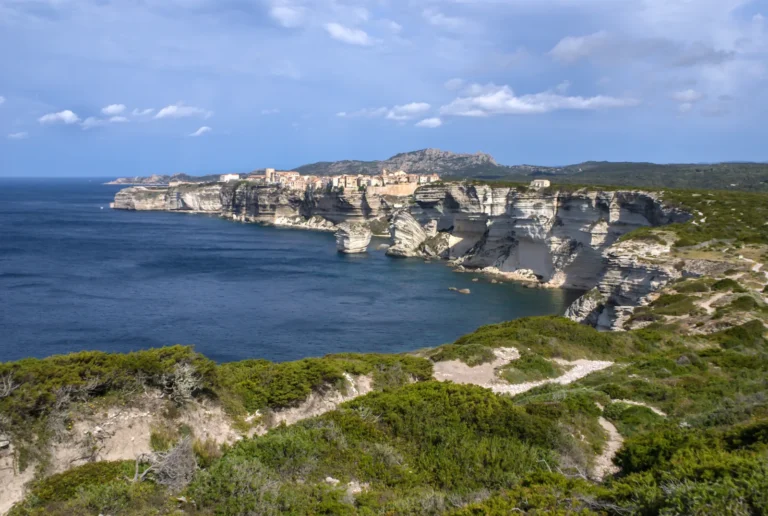
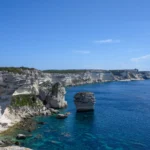
The upper town of Bonifacio sits on white limestone cliffs above the sea, at the southern tip of the island. Explore its lanes and ramparts on foot, the King of Aragon’s Staircase cut into the cliff and the marine cemetery. From the harbour, boats tour the cliffs and caves and serve the Lavezzi islands, a nature reserve with clear waters. In summer, arrive early: the town is very busy and parking is difficult.
Porto-Vecchio and the southern beaches
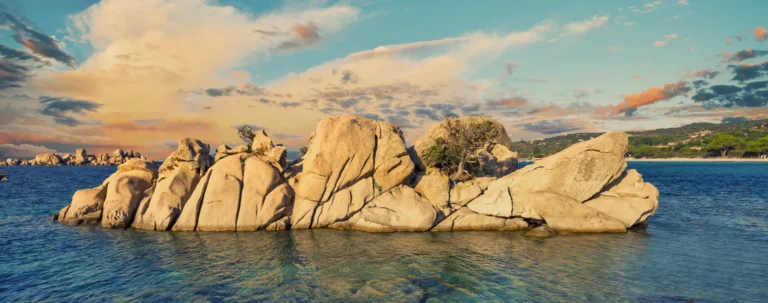
Porto-Vecchio, with its old town on the heights, is the gateway to the island’s best-known beaches: Palombaggia, Santa Giulia and Rondinara, with pale sand and turquoise water. In July and August they are very busy and the paid car parks fill up quickly. Inland, the Aiguilles de Bavella, a massif of red granite, are reached by a mountain road and offer fine hikes. Southern beaches, full car parks and the Bavella needles: our guide to visiting Porto-Vecchio helps you plan these days.
The Gulf of Porto, Piana and Scandola
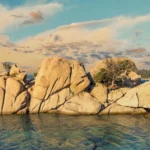
On the west coast, the Gulf of Porto brings together the Calanques de Piana, red granite rocks sculpted by erosion, the Gulf of Girolata and the Scandola nature reserve, accessible only by sea. The whole area is a UNESCO World Heritage Site. The road between Porto and Piana is spectacular but narrow; boat trips leave from Porto, Calvi or Cargèse.
Calvi and the Balagne
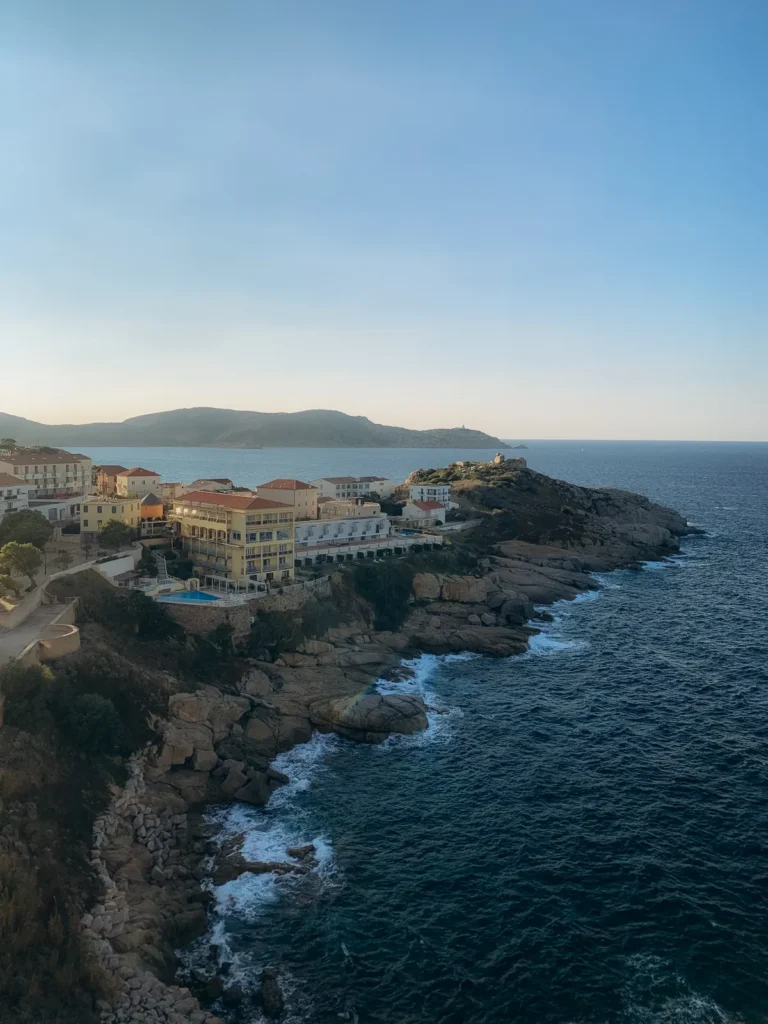
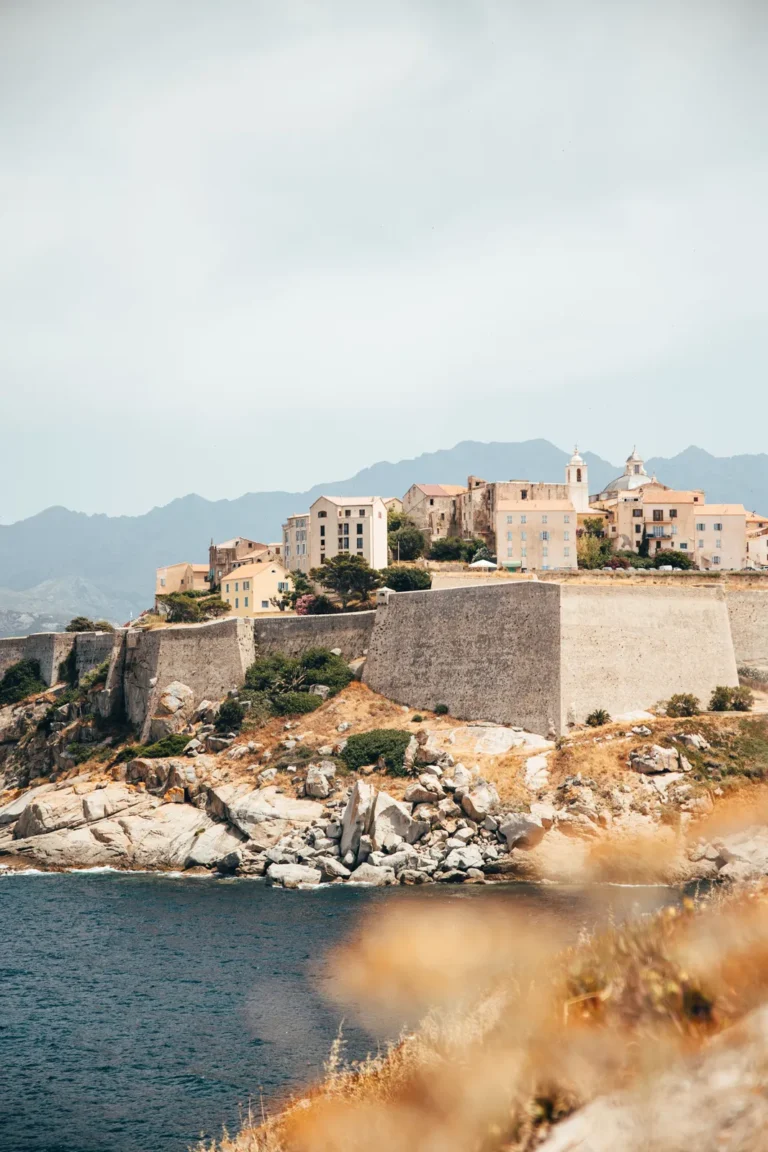
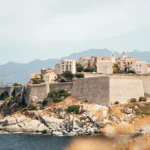
Calvi, in the north-west, pairs a Genoese citadel on a promontory with a long pine-fringed beach. Inland, the Balagne is lined with hilltop villages (Sant’Antonino, Pigna, Lumio) and craftspeople. L’Île-Rousse, about 20 km (12 mi) away, is another coastal stop. A little train links Calvi with L’Île-Rousse along the beaches. Citadel, Balagne villages and the train to L’Île-Rousse: our guide to visiting Calvi details these stops.
Bastia and Cap Corse
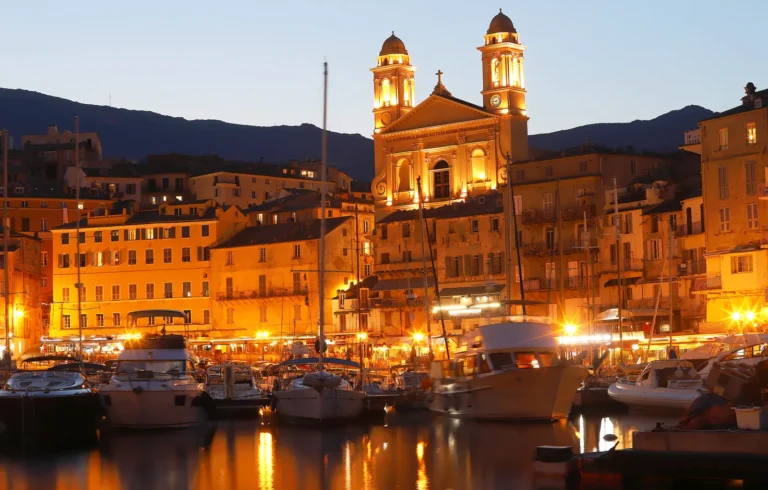
Bastia is the liveliest town on the island: the Vieux-Port, Place Saint-Nicolas and the citadel (Terra Nova) are easily explored on foot. To the north, Cap Corse is a peninsula about 40 km (25 mi) long, with small harbours, Genoese towers and villages clinging to the mountainside (Erbalunga, Nonza, Centuri). Drive round it in a day at least. West of Bastia, Saint-Florent and the Agriates desert lead to the Lotu and Saleccia beaches, reached by boat or on foot.
Corte and the centre of the island
Capital of independent Corsica in the 18th century, Corte is a university town dominated by its citadel, home to the Musée de la Corse. It is the starting point for the Restonica and Tavignano valleys, with hikes to mountain lakes and natural pools. The train between Ajaccio and Bastia stops in Corte.
Sartène and the south-west
Sartène, a granite town, is known for its traditions, including the Catenacciu procession on Good Friday. The surrounding area has several prehistoric sites, including standing stone alignments. On the coast, Propriano and the Gulf of Valinco have quieter beaches than Porto-Vecchio.
Things to do in Corsica: 10 experiences not to miss
To sum up what to see and do in Corsica on a first trip, here are the experiences described above, to tick off as you like:
- Walk the upper town of Bonifacio and take the King of Aragon’s Staircase, then tour the cliffs by boat
- Swim at Palombaggia, Santa Giulia or Rondinara, early in the morning in summer
- Go up to the Aiguilles de Bavella
- Discover the Scandola reserve by boat and cruise along the Calanques de Piana
- Watch the sunset from the Pointe de la Parata, facing the Sanguinaires islands
- Drive round Cap Corse, stopping at Erbalunga, Nonza and Centuri
- Wander through Calvi’s citadel and the hilltop villages of the Balagne
- Visit the citadel and the Musée de la Corse in Corte, then hike in the Restonica
- Take the scenic train between Ajaccio, Corte and Bastia
- Taste charcuterie, brocciu cheese and island wines at markets and producers
Itinerary: how many days in Corsica?
7 to 10 days: the south and the west coast
- Days 1 and 2: Ajaccio, the Parata and the Sanguinaires islands
- Day 3: drive to Sartène and Propriano
- Days 4 and 5: Bonifacio, the cliffs and the Lavezzi islands
- Days 6 and 7: Porto-Vecchio, the southern beaches and the Aiguilles de Bavella
- Days 8 to 10 (optional): back via Corte, then the Gulf of Porto and Piana before Ajaccio
2 weeks: around the island
- Days 1 and 2: Bastia
- Days 3 and 4: Cap Corse, then Saint-Florent and the Agriates
- Days 5 and 6: Calvi, L’Île-Rousse and the Balagne villages
- Days 7 and 8: Porto, Piana and a boat trip to Scandola
- Day 9: Ajaccio
- Days 10 and 11: Bonifacio and the Lavezzi
- Day 12: Porto-Vecchio and its beaches
- Days 13 and 14: Bavella, then Corte and the Restonica, back towards Bastia
Allow plenty of time for travel: on mountain roads, average speeds are often 40 to 50 km/h (25 to 31 mph). Flying into one airport and out of another saves backtracking.
Who is Corsica for?
Here is our view by traveller profile, based on the stops, budget and conditions described in this Corsica guide.
| Profile | Our view |
|---|---|
| Hiking | ✅ The GR20 for experienced hikers, the more accessible Mare e Monti and Mare a Mare trails, the Restonica valley. |
| Beach | ✅ Palombaggia, Santa Giulia, Rondinara, Saleccia; very busy in July and August. |
| Families | ✅ Calvi’s long beach, the quieter beaches of the Valinco, the Balagne train, many campsites. |
| Couples | ✅ Hilltop villages of the Balagne, Cap Corse, the Bonifacio cliffs by boat. |
| Culture | ✅ Genoese citadels, Maison Bonaparte, the Musée de la Corse in Corte, prehistoric sites around Sartène. |
| Tight budget | ⚠️ Fairly expensive in summer: roughly €80 to €130 per person per day camping or in gîtes, and prices can double in July and August. |
| Road trip | ⚠️ Essential for exploring the island, but roads are slow: 40 to 50 km/h (25 to 31 mph) on average in the mountains. |
Budget for a trip to Corsica
Corsica is a fairly expensive destination in summer, especially for accommodation and car hire. Estimated amounts per person per day, excluding flights or ferry crossing:
| Item | Tight budget | Comfort |
|---|---|---|
| Accommodation (based on a shared double room) | roughly €35 to €60 (campsite, hikers’ gîte, simple room) | roughly €90 to €180 |
| Meals | roughly €25 to €40 | roughly €50 to €80 |
| Transport (shared car hire, fuel) | roughly €15 to €25 | roughly €25 to €40 |
| Activities (boats, museums) | roughly €5 to €15 | roughly €20 to €50 |
| Total per day | roughly €80 to €130 | roughly €170 to €300 |
To cut costs: travel in May, June or September, book your car and ferry crossing early, choose campsites and gîtes, and shop at markets and town supermarkets rather than in grocery shops in tourist villages.
Getting around Corsica
- Car: the most practical way to explore the island. Roads are narrow and winding: allow long journey times, watch out for free-roaming animals (cows, pigs) and for overtaking on bends. UK photocard licences are valid in France; hire companies may require an international driving permit (IDP), a year of driving experience or a higher minimum age (GOV.UK).
- Train: the Chemins de fer de la Corse link Ajaccio, Corte and Bastia, with a branch to L’Île-Rousse and Calvi. The journey is slow but scenic.
- Bus: lines link the main towns, with reduced frequencies out of season.
- Boat: trips to Scandola, the Lavezzi or the Agriates; there is no regular ferry service between the island’s towns.
- On foot: the GR20 crosses the island from north to south; the Mare e Monti and Mare a Mare trails link the sea and the mountains for more accessible hikes.
Where to stay in Corsica
For a first trip, two or three bases are enough: Ajaccio or Porto for the west coast, Bonifacio or Porto-Vecchio for the south, Calvi or Bastia for the north. Inland villages (Corte, the Balagne) are quieter and often cheaper.
Options range from the many campsites to hikers’ gîtes and mountain huts, B&Bs, hotels and holiday rentals. For July and August, book several months ahead. Out of season, check that the place is open: many close from November to March.
Mistakes to avoid on a trip to Corsica
- Underestimating travel times: on mountain roads, average speeds are often 40 to 50 km/h (25 to 31 mph); do not plan too many stops.
- Booking too late for July and August: ferry crossings with a vehicle, rental cars and accommodation go early.
- Travelling without cash: some villages, markets and mountain huts do not accept cards.
- Taking a mountain road with an almost empty tank: filling stations are rare inland.
- Overestimating your level on the GR20: it is a demanding trail; the Mare e Monti and Mare a Mare trails are more accessible.
- Lighting a fire or throwing away a cigarette butt in summer: the wildfire risk is high.
- Coming out of season without checking opening times: many businesses close from November to March.
Entry requirements, health and safety
- US citizens: you may enter the Schengen area, including France, for up to 90 days for tourism or business without a visa. Your passport should be valid at least three months beyond your stay (six months recommended), and immigration officers may ask for proof of sufficient funds and a return ticket (U.S. Department of State, travel.state.gov, last updated August 11, 2025).
- UK citizens: no visa for up to 90 days in any 180-day period as a tourist; your passport must have been issued less than 10 years before you arrive and be valid at least 3 months after the day you plan to leave the Schengen area. Under the EU Entry/Exit System (EES), fingerprints and a photo may be taken at your first entry, free of charge (UK FCDO, GOV.UK, updated 22 October 2026).
- Health: UK travellers need a GHIC or a valid EHIC for medically necessary state healthcare; whatever your nationality, take out travel insurance that covers medical costs. Emergency number: 112 (GOV.UK).
- Wildfires: according to GOV.UK, the risk is highest in summer in the south of France, particularly along the Mediterranean coast and in Corsica. Check the Météo-France fire alert map, expect access to forests and tourist sites to be restricted at short notice, and remember that causing a wildfire, even by accident, is illegal (fine or prison). In case of fire, call 18 or 112.
- Mountains: the GR20 is a demanding trail, with rocky sections and long stages. GOV.UK advises checking forecasts and conditions, not hiking alone, leaving your itinerary with someone and making sure your insurance covers mountain rescue and helicopter evacuation. The main hospitals are in Ajaccio and Bastia; inland, help can take time to arrive.
- Sea: wind can whip up waves and dangerous currents; in summer, swim on lifeguarded beaches and follow the flags (GOV.UK).
- See our travel insurance guide.
Practical tips for Corsica
- Money: cards are accepted in towns, but keep some cash for villages, some markets and mountain huts.
- Mobile data: coverage is patchy in the mountains and in some valleys; check your home carrier’s roaming charges before you go.
- Etiquette: the Corsican language and identity matter to islanders; a few words of Corsican are appreciated. Respect private property and livestock.
- Fuel: filling stations are rare inland: fill up before mountain roads.
- Food: charcuterie, sheep’s and goat’s cheeses, brocciu, chestnuts and island wines: markets and producers are the best places to buy.
Read also: for the month-by-month climate and the GR20 season, see the best time to visit Corsica, and for a spring trip, Corsica in April. If you are hesitating with another Mediterranean island, our Sardinia guide covers its Italian neighbour, and our selection of where to go in June compares other destinations in the best month.
Frequently asked questions
How many days do you need to visit Corsica?
A week lets you discover part of the island properly, for example the south and the west coast. Allow two weeks to go all the way round, as the roads are slow.
Do you need a car in Corsica?
It is strongly recommended. Trains and buses link the main towns, but most beaches, villages and trailheads can only be reached by car.
Plane or ferry to get to Corsica?
Flying is faster: Corsica has four airports (Ajaccio, Bastia, Calvi and Figari), with most international travellers connecting via mainland France. Ferries from mainland French ports or Italy let you bring your own car, which avoids the cost of hiring one on the island.
What is the most beautiful part of Corsica?
It depends on what you want: the south (Bonifacio, Porto-Vecchio) for beaches, the west coast (Piana, Scandola) for scenery, Cap Corse and the Balagne for villages, Corte and the centre for the mountains.
Can you visit Corsica out of season?
Yes: May, June and September to mid-October are actually the best option. In winter the island is quiet and mild on the coast, but many hotels and restaurants are closed.
What budget for a week in Corsica?
On a tight budget, allow roughly €80 to €130 per person per day, or about €560 to €910 for a week, excluding flights or ferry crossing. For more comfort, plan on roughly €170 to €300 per day. Accommodation and car hire are the biggest costs, especially in July and August.
What are the downsides of Corsica?
Slow, winding roads, high prices and big crowds in July and August, the need for a car to get beyond the main towns, a high wildfire risk in summer and many businesses closed from November to March.
Our sources
- Météo-France: 1991-2020 climate normals for the Ajaccio (airport), Bastia and Calvi stations
- Entry requirements, health and safety checked on 26 October 2026: U.S. Department of State, France country information (last updated August 11, 2025) and UK FCDO, GOV.UK foreign travel advice for France (updated 22 October 2026).
- Our methodology
Updated October 2026.
To combine Corsica with other French regions, see our France travel guide, our French Riviera page, our guide to Sardinia, just south of the Strait of Bonifacio, and our other destinations in Europe.
Our guides: Corsica (7 guides)
Cities, islands and regions
When to go
Other destinations in the region
 Château de Chantilly
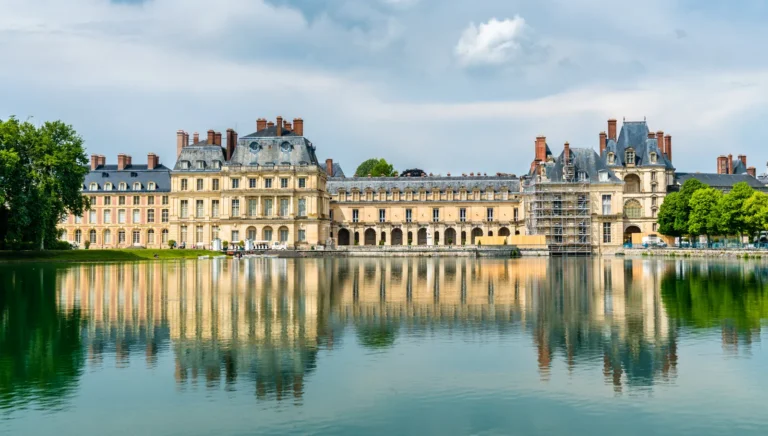 Château de Fontainebleau
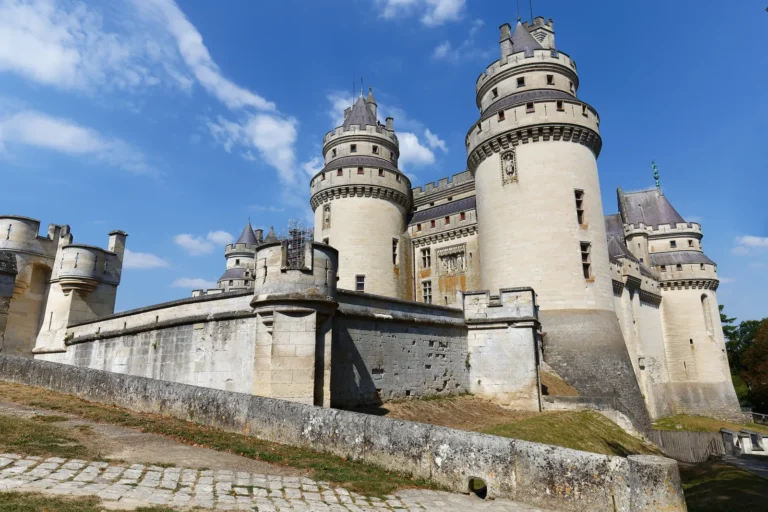 Château de Pierrefonds
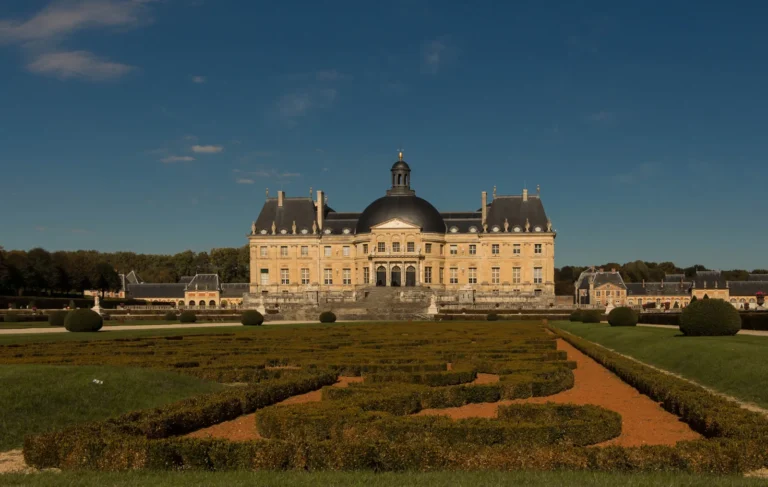 Vaux-le-Vicomte
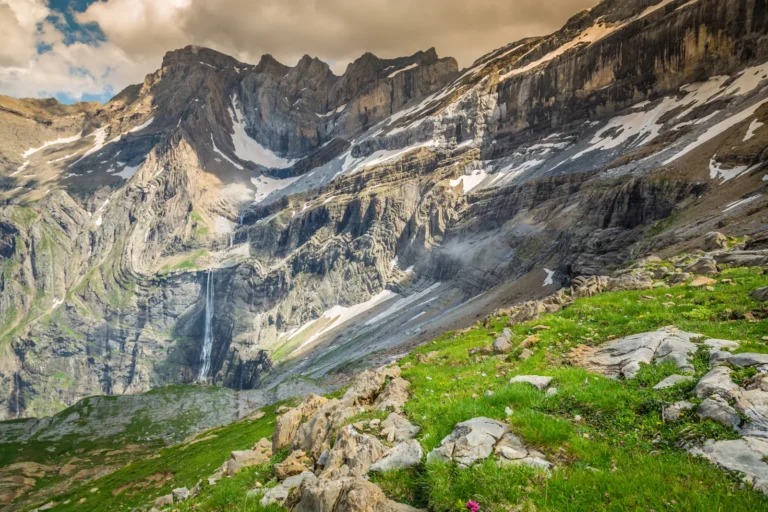 Cirque de Gavarnie
 Dune du Pilat
 French Riviera
 Futuroscope
 Gorges du TarnNoirmoutierLa Flèche ZooLa Palmyre Zoo
 Loire Valley
 Map
 Millau ViaductNausicaá
 Pic du MidiPuy du Fou
 Rainiest cities
 Sunniest cities
 Alsace
 Annecy
 Ardèche
 Auvergne
 Brittany
 Carcassonne
 Chamonix
 Collioure
 Grenoble
 La Rochelle
 Lille
 Lyon
 Metz
 Montpellier
 Nantes
 Nîmes
 NormandyPerpignan
 Provence
 Sète
 Basque Country
 DordogneÎle d'Oléron
 Île de RéThoiry Zoo
 Albi
 Arcachon
 Bordeaux
 Dijon
 Reims
 Rocamadour
 Toulouse
 Troyes
 Lourdes
 Paris