This French Riviera travel guide covers the Côte d’Azur from Saint-Tropez to Menton, between the sea and mountains that drop almost straight into the water. People come for the light, the colourful old towns, the hilltop villages, the modern art museums and, of course, the sea. The region is very busy and expensive in summer, but easy to explore by train along the coast. This guide helps you choose your base, prioritise the sights and plan a 5- to 7-day trip.

Our travel deals for French Riviera
Affiliate links: we earn a commission, at no extra cost to you.
 FlightsKiwi.comCompare flights and airline combinations to French Riviera.Compare flights

French Riviera: key points
- Gateway: Nice Côte d’Azur airport, linked to central Nice by tram, and Nice-Ville station
- Ideal length: 5 to 7 days for a first visit
- Best time: May-June and September; winter for the towns, without the crowds
- Practical base without a car: Nice, from where trains serve Cannes, Antibes, Villefranche, Monaco and Menton
- Entry: Schengen rules; US and UK citizens visa-free for up to 90 days (see below)
- Budget: one of the most expensive regions of France in summer; accommodation is the biggest expense
When to go to the French Riviera
✅ Best months: April, may, June, September
❌ Period to avoid: November
The best months are May, June and September: 21 to 25 °C (70 to 77 °F) in the afternoon on average in Nice, little rain and fewer people than in high summer. July and August are hot (nearly 28 °C, 82 °F), dry and very busy. Winter is mild (13 to 14 °C, 55 to 57 °F, in the afternoon) and suits city visits, while October and November bring the heaviest rain. Full month-by-month details are in our article on when to go to the French Riviera.
What to see on the French Riviera: the highlights
Nice
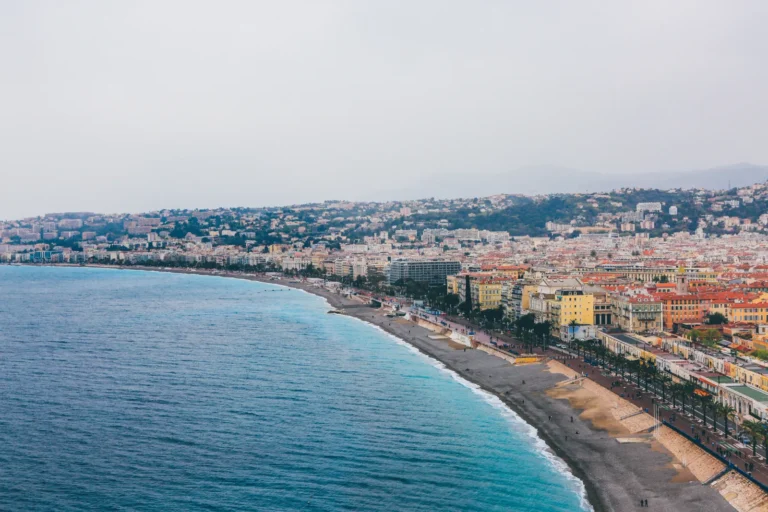
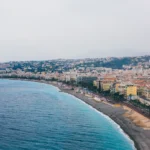
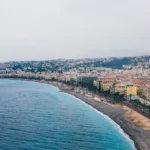
The largest city on the coast is also the best base. The Promenade des Anglais runs along the Baie des Anges for about 7 km (4 mi), above pebble beaches. Behind it, Vieux-Nice (the old town) lines up its narrow streets with ochre façades, Baroque churches and the Cours Saleya, with its morning flower market. Climb Castle Hill (Colline du Château) for the view over the bay and the harbour. Nice is also a city of museums: the Matisse Museum, on Cimiez hill, and the Marc Chagall National Museum, at its foot. Since 2021, the city has been a UNESCO World Heritage site for its heritage as a winter resort.
- Try: socca (a chickpea-flour pancake), pissaladière, pan bagnat and salade niçoise
- Practical: the centre is walkable; the tram links the airport, the centre and the port
Villefranche-sur-Mer and Cap Ferrat
A few minutes from Nice by train, Villefranche-sur-Mer overlooks a deep natural harbour, with a stepped old town, a citadel and the Saint-Pierre chapel decorated by Jean Cocteau. Right next door, the Saint-Jean-Cap-Ferrat peninsula can be explored on foot along a coastal path, between pines and coves. The Villa Ephrussi de Rothschild and its gardens overlook the sea on either side of the isthmus.
Èze and the Corniches
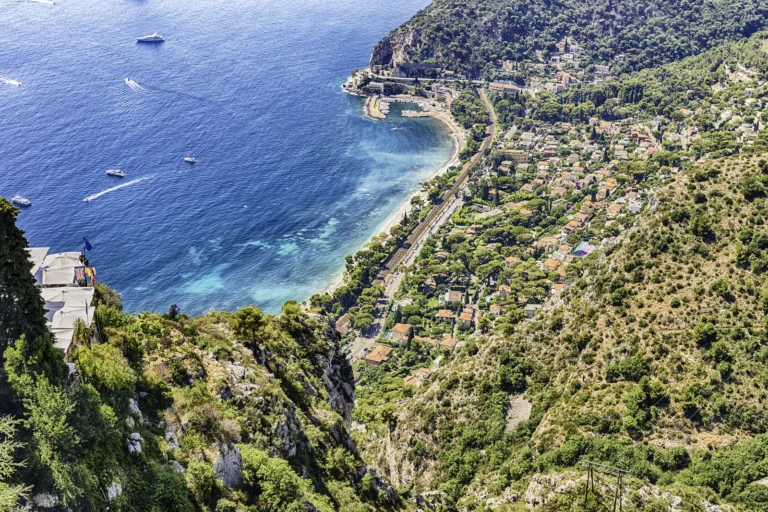
Between Nice and Monaco, three cliff roads, the Corniches, follow the coast at different heights. Èze, a medieval village perched on a rocky outcrop above the sea, is the most visited stop: pedestrian lanes, stone houses and an exotic garden at the top, with a wide panorama over the coast. The Nietzsche path runs down from the village to Èze-sur-Mer, by the water; allow about an hour going down, longer coming up. Come early in the morning: the village is very popular with groups. Further along the coast, see our page on things to do in Monaco.
Monaco
The principality, an independent state enclosed within the coast, is easy to visit as a day trip from Nice, by train or bus. On the Rock, the old town gathers the Prince’s Palace, the cathedral and the Oceanographic Museum, built into the cliff. Below, Port Hercule and the Monte-Carlo district, with its casino, show the luxury side of Monaco. Check the times of the changing of the guard in front of the palace before you go.
Menton
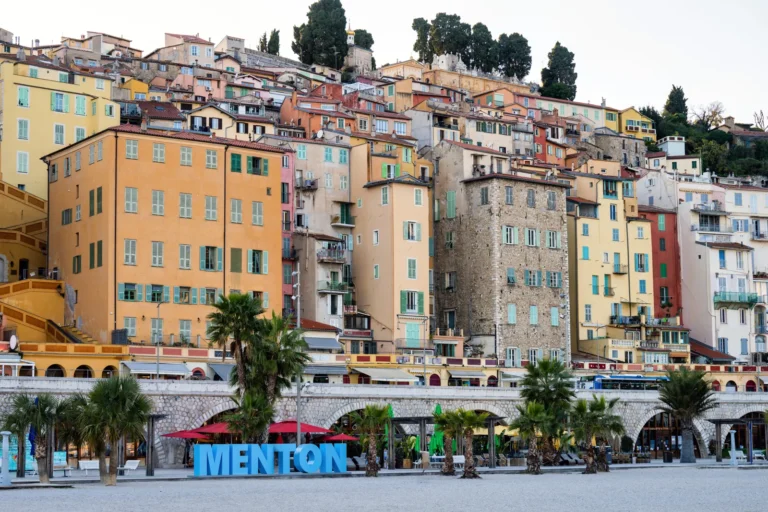
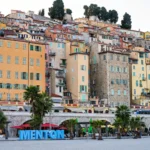
The last town before Italy, Menton is known for its mild winters. Its colourful old town climbs in steps to the Saint-Michel basilica. The town is famous for its gardens, including the Serre de la Madone garden, for the Jean Cocteau Museum and for the Lemon Festival (Fête du Citron) in February. Ventimiglia, in Italy, is only a few minutes away by train: its Friday market draws many visitors.
Antibes and Juan-les-Pins
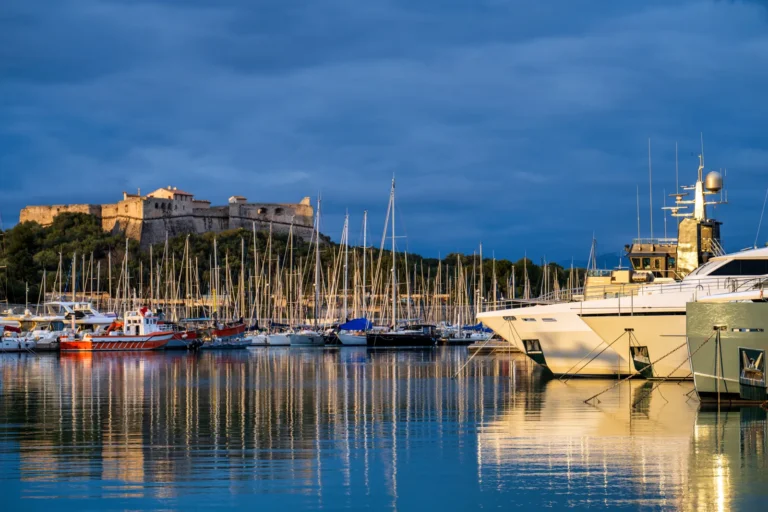
Antibes combines a fortified old town, a large marina and the Picasso Museum, housed in the Château Grimaldi on the ramparts. The covered Provençal market is held in the morning. Cap d’Antibes can be explored along a rocky coastal path, between villas and coves. On the other side of the cape, Juan-les-Pins has real sandy beaches and hosts the Jazz à Juan festival every summer.
Cannes and the Lérins Islands
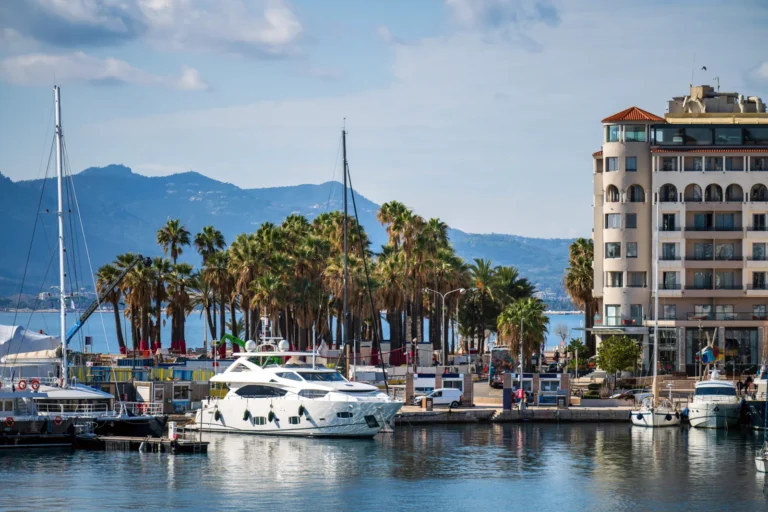
Cannes is known for La Croisette and its Palais des Festivals. Beyond the grand hotel façades, climb up to Le Suquet, the old town, for the view over the bay, then wander through the Forville market. The highlight of a visit is often the crossing to the Lérins Islands, about fifteen minutes by boat: Sainte-Marguerite, with its pine woods and Fort Royal, and Saint-Honorat, home to a community of monks who make wine. The festival city has its own page: visit Cannes, with the shuttles to the Lérins Islands.
The Esterel and Saint-Tropez
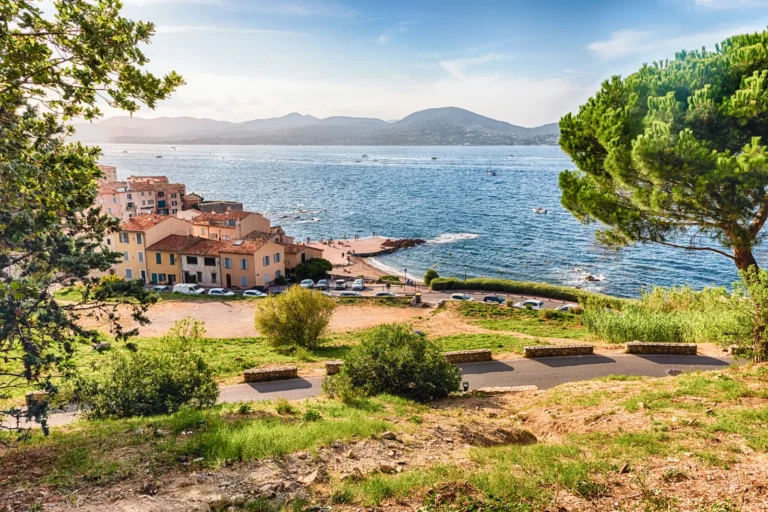
Between Mandelieu and Saint-Raphaël, the Corniche d’Or follows the Esterel massif, whose red rocks plunge into a deep blue sea. It is one of the finest coastal roads in France and excellent hiking country outside summer. Further west, in the Var, Saint-Tropez has kept its small harbour, now frequented by yachts, a citadel with a view over the gulf and famous beaches such as Pampelonne, in the neighbouring municipality of Ramatuelle. In summer, the access road is often jammed: boats link Saint-Tropez with Sainte-Maxime and Saint-Raphaël in season. The harbour, citadel and beaches are covered in our guide to things to do in Saint-Tropez.
The hinterland: hilltop villages, Grasse and the Mercantour
A few kilometres from the sea, the hinterland has a completely different feel. Saint-Paul-de-Vence, a fortified village loved by artists, has the Fondation Maeght on its doorstep. In Vence, the Chapel of the Rosary was designed entirely by Matisse. Grasse, the historic capital of perfume, is visited through its perfume houses and the International Perfume Museum. The Gorges du Loup, Gourdon and Tourrettes-sur-Loup complete a fine driving loop. Further north, the Mercantour National Park offers real high mountains, with the Vallée des Merveilles and its rock engravings, best explored with a guide.
Itinerary: 7 days on the French Riviera
7 days from Nice, by train and bus
- Day 1: Nice, Vieux-Nice, Cours Saleya, Castle Hill, Promenade des Anglais
- Day 2: Nice, the Matisse and Chagall museums, Port Lympia
- Day 3: Villefranche-sur-Mer and the Cap Ferrat path, Villa Ephrussi de Rothschild
- Day 4: Èze in the morning, Monaco in the afternoon
- Day 5: Menton, with a possible hop to Ventimiglia
- Day 6: Antibes, Cap d’Antibes, Juan-les-Pins beach
- Day 7: Cannes and the Lérins Islands
With a car: replace one town day with a loop through the hinterland (Saint-Paul-de-Vence, Vence, Tourrettes-sur-Loup, Gourdon, Grasse), and add two days to the west for the Esterel corniche and Saint-Tropez, staying in Saint-Raphaël or around the Gulf of Saint-Tropez.
Where to stay on the French Riviera
Choosing your base matters more than the hotel itself. Without a car, stay near a station on the coastal line.
- Nice: the most practical and best-connected base. Vieux-Nice and the port area are lively but noisy; the area between the station and Place Masséna is central and often cheaper; the Carré d’Or, near the sea, is more upmarket.
- Antibes and Juan-les-Pins: a good halfway base between Nice and Cannes, with sandy beaches at Juan-les-Pins.
- Cannes: handy for the Lérins Islands and the Esterel, but very expensive during the Festival and conferences.
- Menton and Villefranche: quieter, suited to a relaxing stay.
- Hinterland: B&Bs and self-catering cottages around Vence, Grasse or Saint-Paul-de-Vence, where a car is essential.
- Gulf of Saint-Tropez: accommodation is very expensive in Saint-Tropez itself; Sainte-Maxime, Saint-Raphaël or the campsites on the peninsula are more affordable.
Getting around the French Riviera
- Train: the coastal TER line links Saint-Raphaël, Cannes, Antibes, Nice, Villefranche, Monaco and Menton as far as Ventimiglia. It is the easiest way to avoid traffic jams and parking problems.
- Bus and tram: in Nice, tram line 2 serves the airport and the centre (Côte d’Azur France tourist board, checked 26 October 2026); buses link Nice with Èze, Monaco and the hinterland villages.
- Boat: shuttles to the Lérins Islands from Cannes, and seasonal services in the Gulf of Saint-Tropez.
- Car: useful for the hinterland, the Esterel and Saint-Tropez, but a chore on the coast in summer: traffic jams and expensive, often full car parks. Driving rules for US and UK licence holders are on travel.state.gov and GOV.UK.
Budget for a stay on the French Riviera
| Item (per person per day) | Tight budget | Comfortable |
|---|---|---|
| Accommodation (sharing a double room) | About €40 to 70 | About €100 to 200 |
| Meals | About €25 to 40 | About €60 to 100 |
| Local transport | About €5 to 15 | About €15 to 40 (rental car) |
| Sightseeing and activities | About €5 to 15 | About €20 to 50 |
| Rough total | Roughly €75 to 140 per person per day | Roughly €195 to 390 per person per day |
To cut costs, travel out of season, use the train, picnic and make the most of the many gardens, trails and old towns that are free to visit. A sunbed on a private beach costs money, whereas public beaches are free.
Entry requirements, health and safety
- US citizens: France is in the Schengen area, which you may enter for up to 90 days for tourism or business without a visa. Immigration officers may ask for proof of sufficient funds and a return ticket, and France does not recognise the 12-page US emergency passport for visa-free entry (U.S. Department of State, travel.state.gov, last updated August 11, 2025).
- UK citizens: no visa for up to 90 days in any 180-day period as a tourist. Your passport must have been issued less than 10 years before the day you arrive and be valid at least 3 months after the day you plan to leave the Schengen area. The EU Entry/Exit System (EES) may require fingerprints and a photo at your first entry (UK FCDO, GOV.UK, updated 22 October 2026).
- ID: you must be able to prove your identity when asked by the police, or within 4 hours at a police station (GOV.UK, updated 22 October 2026).
- Health and emergencies: UK travellers need a GHIC or a valid EHIC for medically necessary state healthcare, which is not a substitute for travel insurance; the European emergency number is 112 (GOV.UK).
- Wildfires: the risk is highest in the south, particularly along the Mediterranean coast and in Corsica, in hot, dry weather; causing one, even by accident, is illegal. Call 18 (fire) or 112 (GOV.UK, updated 22 October 2026).
- Street crime: the UK FCDO advises sensible precautions against street and car crime, noting that pickpockets can work in gangs (GOV.UK, updated 22 October 2026); stay alert on coastal trains and in crowded places.
Practical tips for the French Riviera
- Beaches: most are pebbly between Nice and Menton, so water shoes are useful. Sandy beaches are found mainly in Cannes, Juan-les-Pins and around the Gulf of Saint-Tropez.
- Heat and forests: in summer, access to some forest areas may be restricted or banned depending on the fire risk: check before hiking in the Esterel or the Var.
- Autumn rain: if Météo-France issues an orange or red warning for rain and flooding, avoid valleys and riverbanks.
- Electricity: 220 V, 50 Hz, type E sockets; US plugs need an adapter (france.fr, checked 26 October 2026).
Who is the French Riviera for?
- Travelling without a car: yes for the coast: from Nice, the TER line serves Cannes, Antibes, Villefranche, Monaco and Menton. The hinterland and Saint-Tropez need a car, a bus or a boat.
- Culture and art: yes: the Matisse and Chagall museums in Nice, the Picasso Museum in Antibes, the Fondation Maeght, the Chapel of the Rosary in Vence.
- Hiking: yes outside summer: the coastal paths of Cap Ferrat and Cap d’Antibes, the Nietzsche path at Èze, the Esterel massif, the Mercantour.
- Beach: yes, with a choice to make: pebbles between Nice and Menton, sand in Cannes, Juan-les-Pins and around the Gulf of Saint-Tropez.
- Tight budget: not ideal in summer: it is one of the most expensive regions of France, roughly €75 to 140 per person per day on a tight budget. The train, picnics and the off season bring the bill down.
- Winter: yes for the towns: mild winters (13 to 14 °C, 55 to 57 °F, in the afternoon), and Menton with its Lemon Festival in February.
Read also
To choose between the sea and off-season sightseeing, see when to go to the French Riviera, with the month-by-month climate. If you are continuing beyond Menton and Ventimiglia, see also when to go to Italy.
Frequently asked questions
How many days do you need to visit the French Riviera?
Allow 5 to 7 days to see Nice, Villefranche, Èze, Monaco, Menton, Antibes and Cannes by train. Add two or three days with a car for the hinterland, the Esterel and Saint-Tropez.
Where to stay to visit the French Riviera without a car?
Nice is the most practical base: Nice-Ville station serves the whole coastal line, from Cannes to Menton, and buses leave for Èze and the hinterland.
Can you visit the French Riviera by train?
Yes for the coast between Saint-Raphaël and Menton, served by the TER line. For the hinterland and Saint-Tropez, which has no station, you need a car, a bus or a boat.
What are the best beaches on the French Riviera?
For sand, head for Juan-les-Pins, the beaches of Cannes, Pampelonne beach in Ramatuelle or the coves of the Esterel. Between Nice and Menton, beaches are mostly pebbly, with often very clear water.
When is the best time to go to the French Riviera?
May, June and September offer the best balance between warmth, sea and crowds. Summer is very hot and busy, winter mild and quiet.
Our sources
- Climate normals: Météo-France 1991-2020 normals, Nice station (Nice Côte d’Azur airport)
- Côte d’Azur France tourist board, Nice tramway, checked 26 October 2026
- Entry requirements, health and safety checked on 26 October 2026: U.S. Department of State, France country information (last updated August 11, 2025) and UK FCDO, GOV.UK foreign travel advice for France (updated 22 October 2026)
- France tourism board (france.fr), electricity requirements, checked 26 October 2026
- Our methodology
Updated October 2026.
To discover other regions, see our France travel guide, or cross the border with our Italy guide.
Our guides: French Riviera (7 guides)
Cities, islands and regions
When to go
Other destinations in the region
 Château de Chantilly
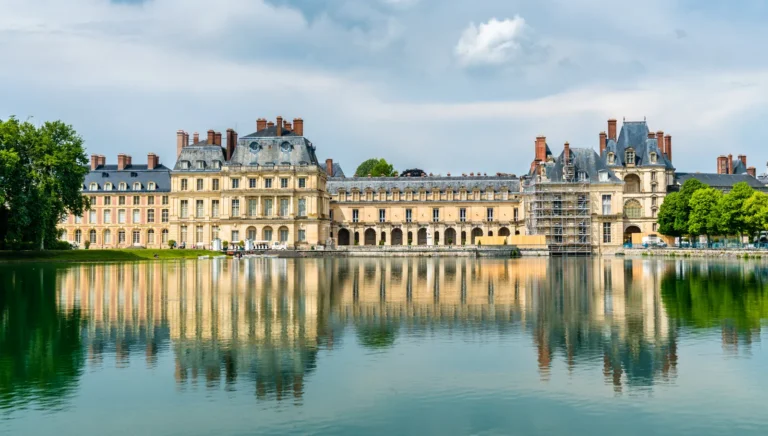 Château de Fontainebleau
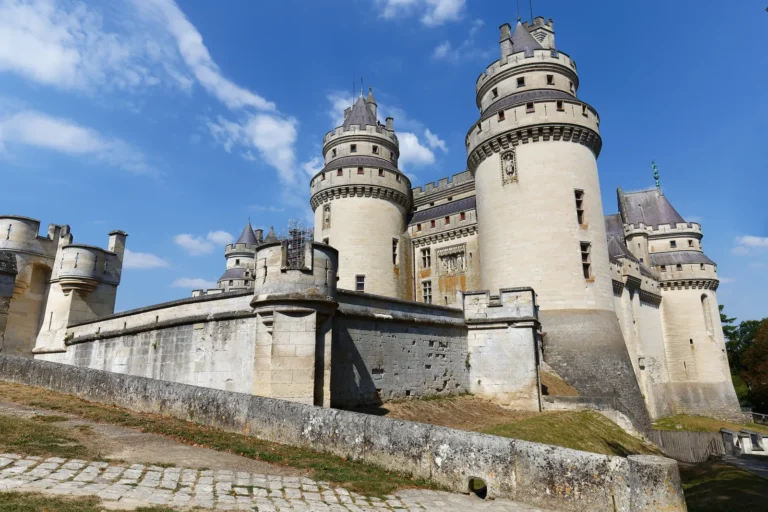 Château de Pierrefonds
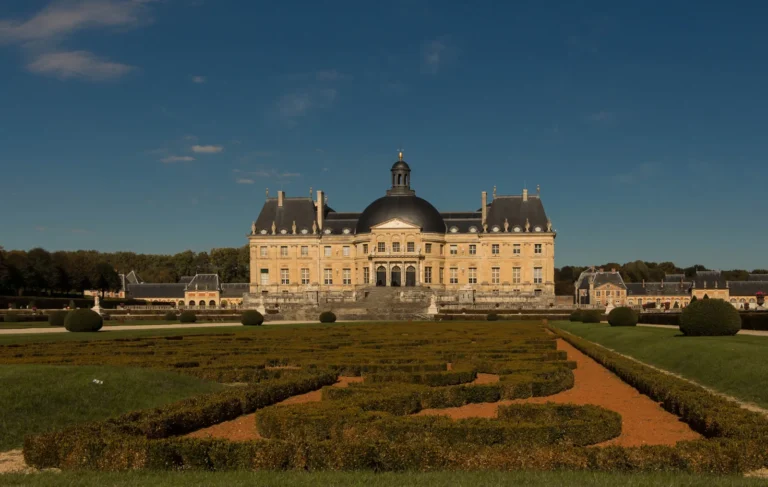 Vaux-le-Vicomte
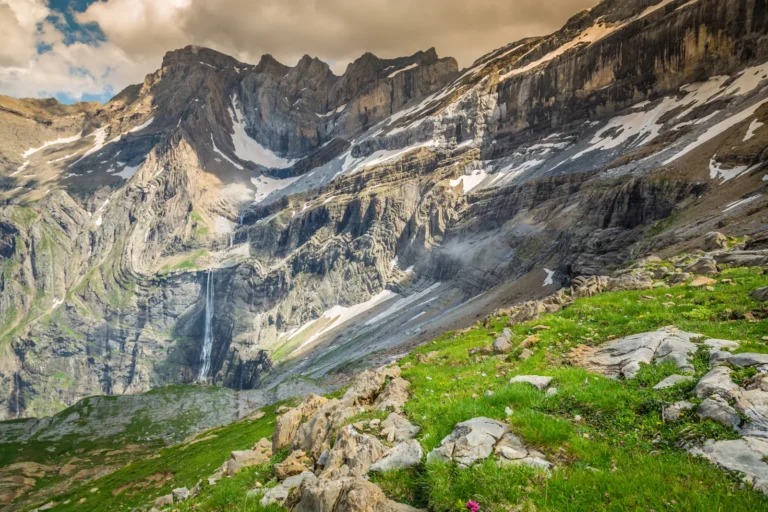 Cirque de Gavarnie
 Corsica
 Dune du Pilat
 Futuroscope
 Gorges du TarnNoirmoutierLa Flèche ZooLa Palmyre Zoo
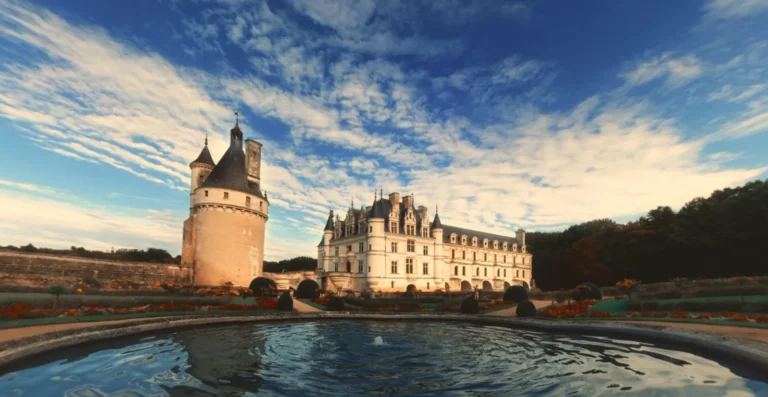 Loire Valley
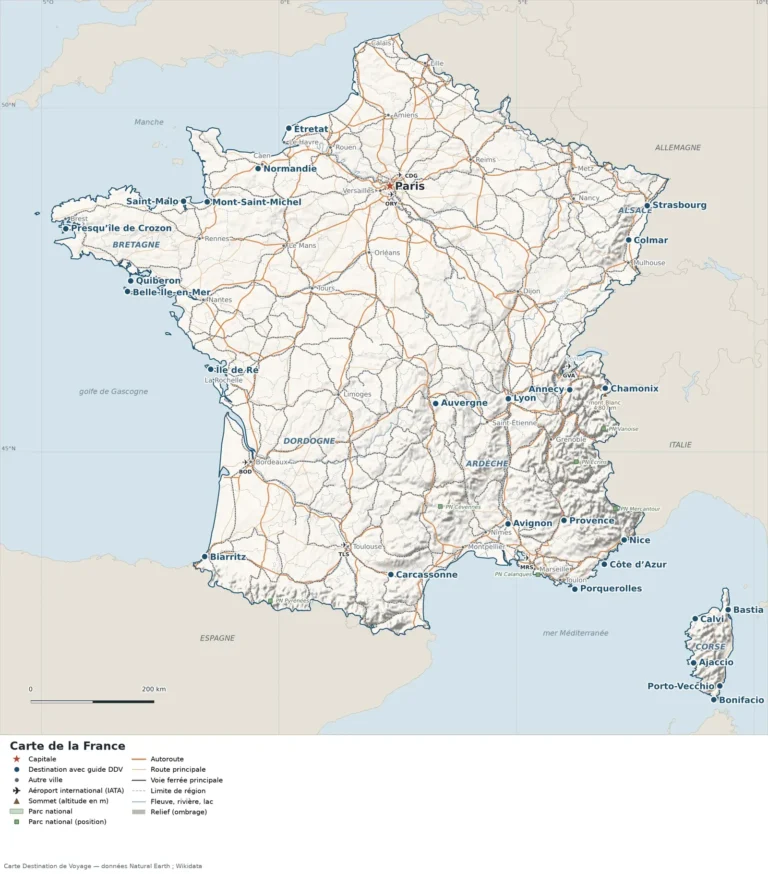 Map
 Millau ViaductNausicaá
 Pic du MidiPuy du Fou
 Rainiest cities
 Sunniest cities
 Alsace
 Annecy
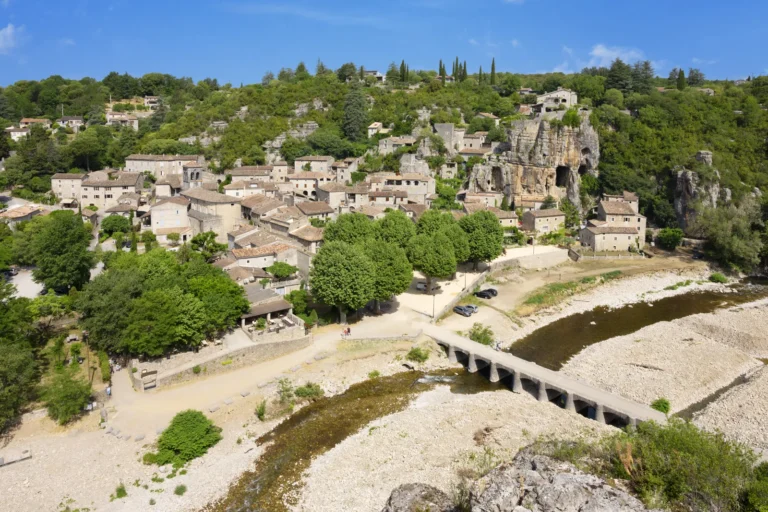 Ardèche
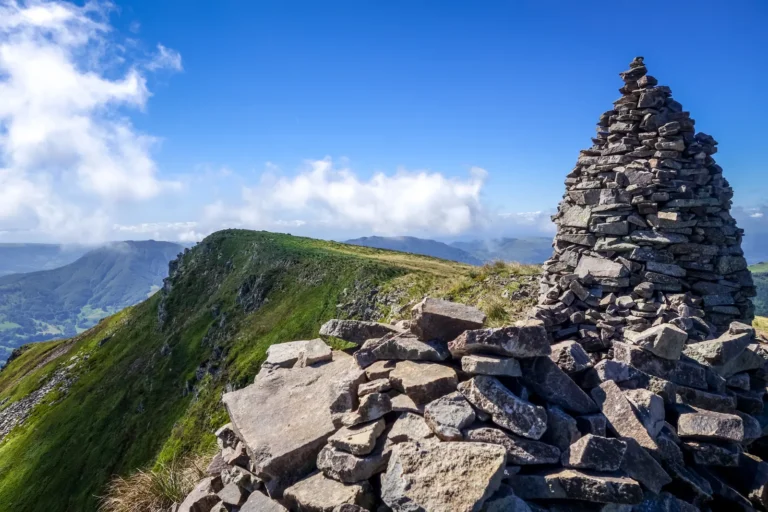 Auvergne
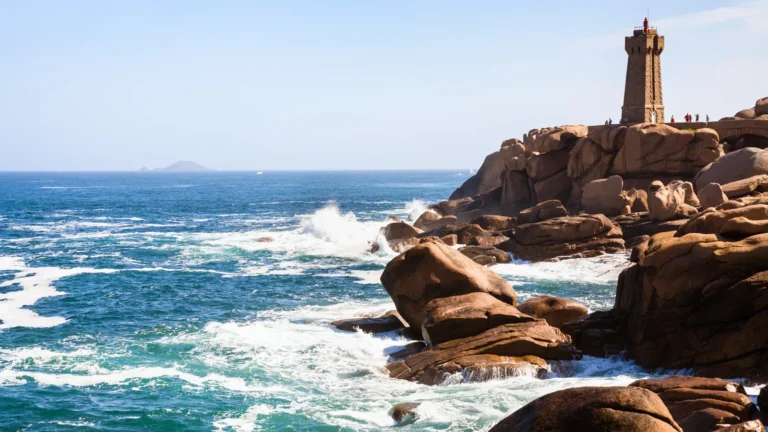 Brittany
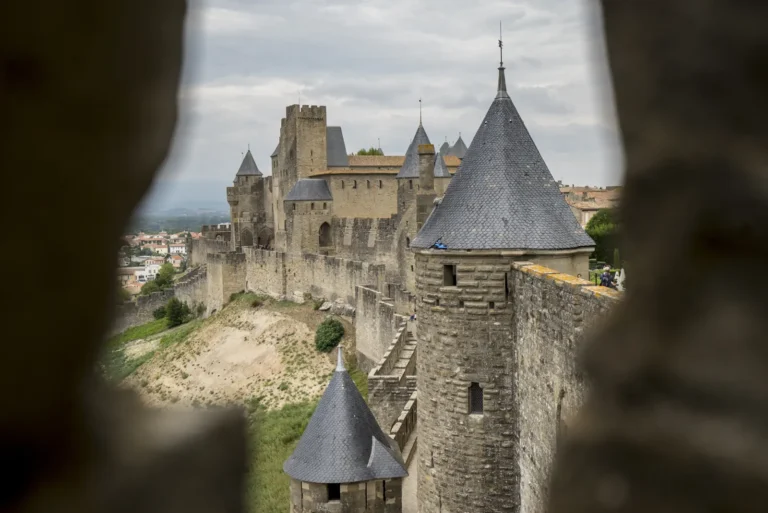 Carcassonne
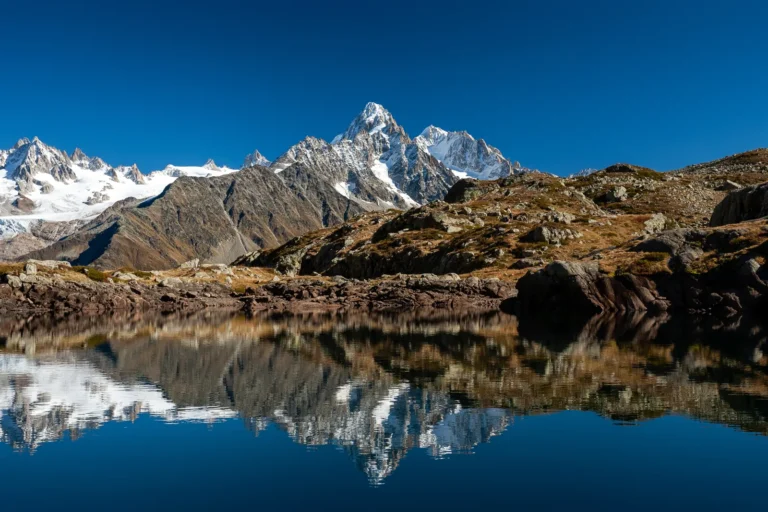 Chamonix
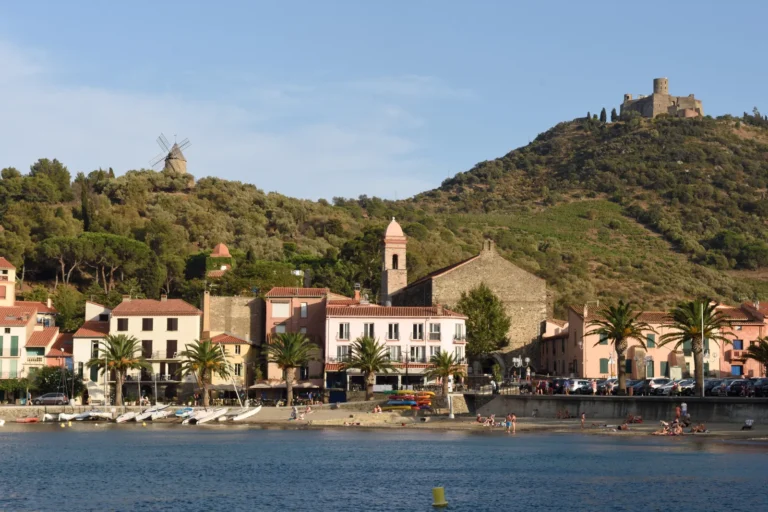 Collioure
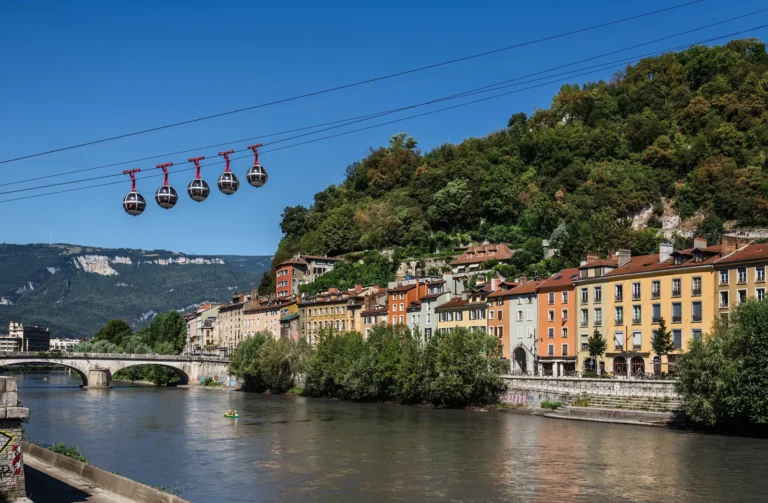 Grenoble
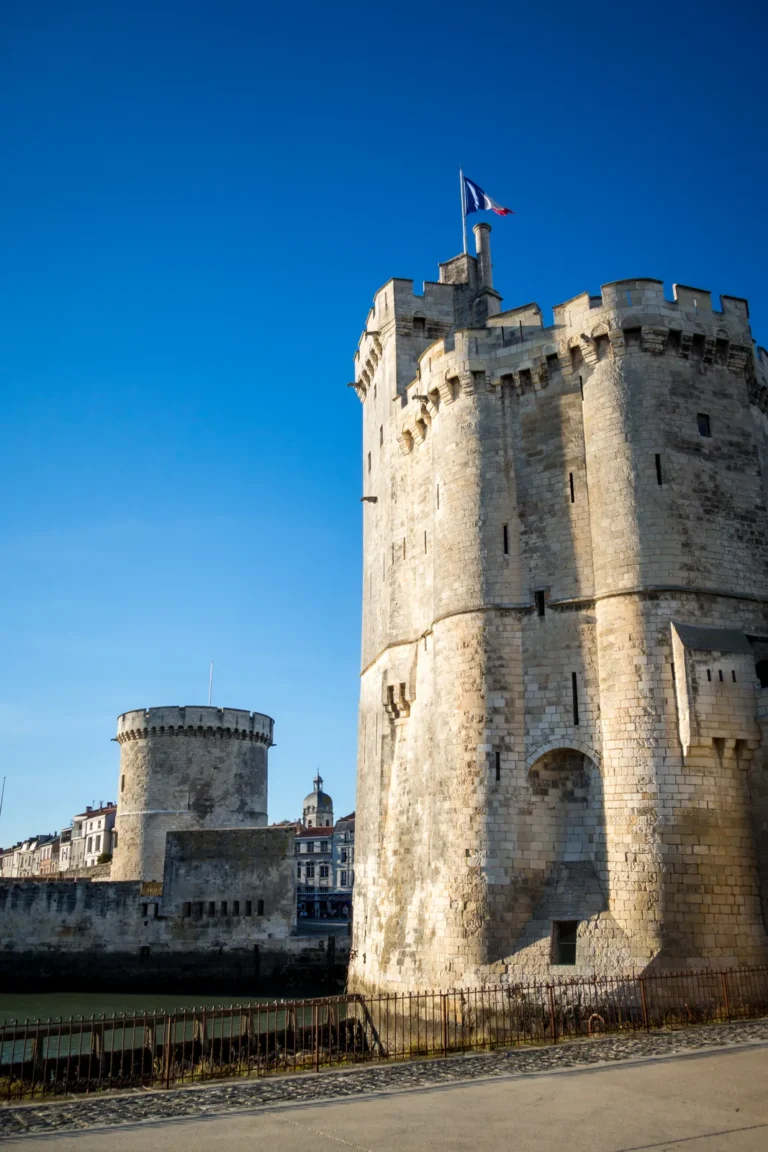 La Rochelle
 Lille
 Lyon
 Metz
 Montpellier
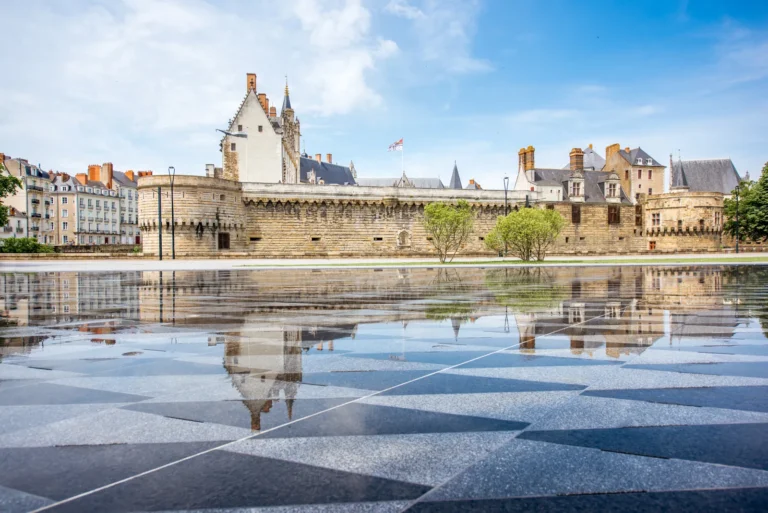 Nantes
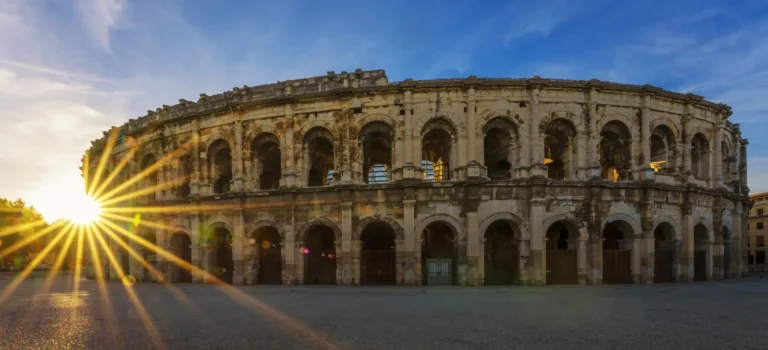 Nîmes
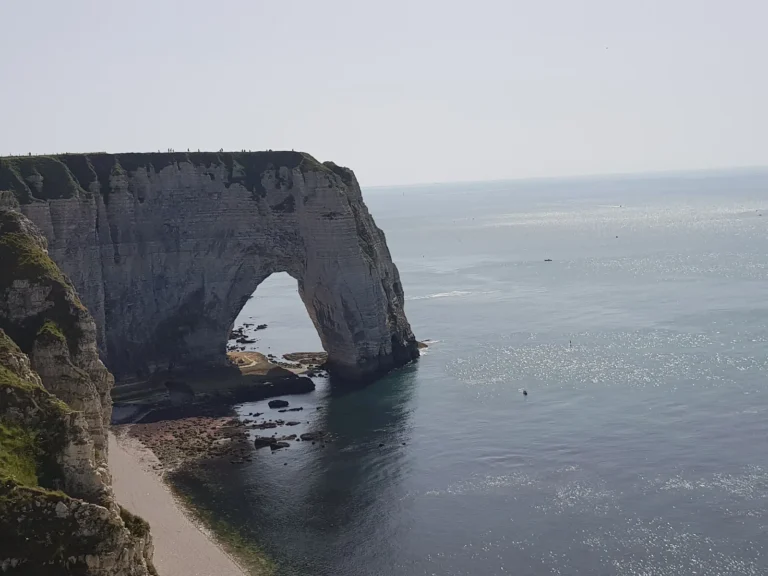 NormandyPerpignan
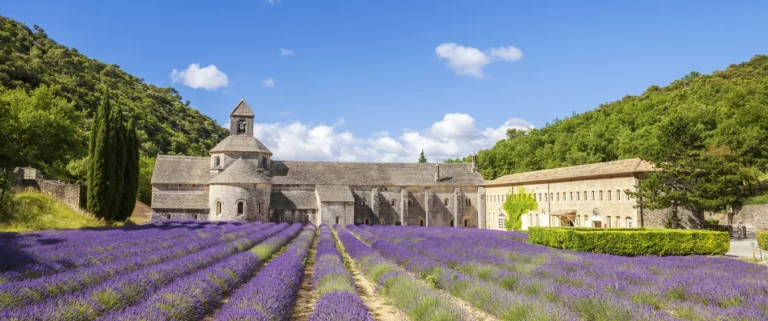 Provence
 Sète
 Basque Country
 DordogneÎle d'Oléron
 Île de RéThoiry Zoo
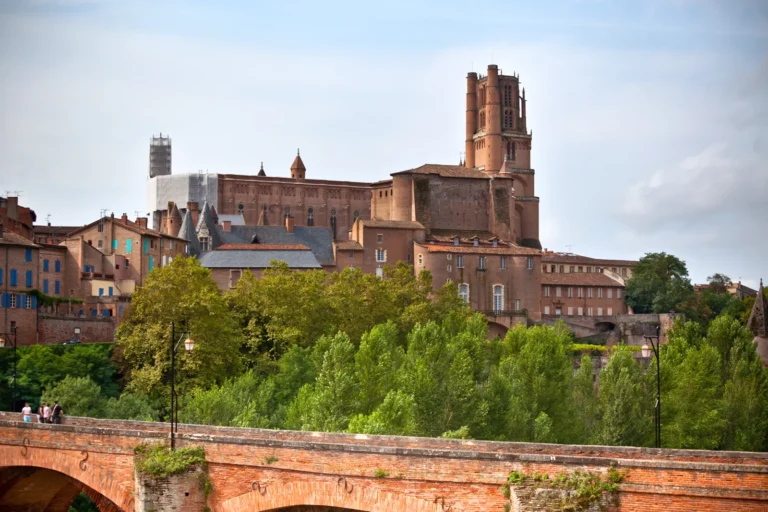 Albi
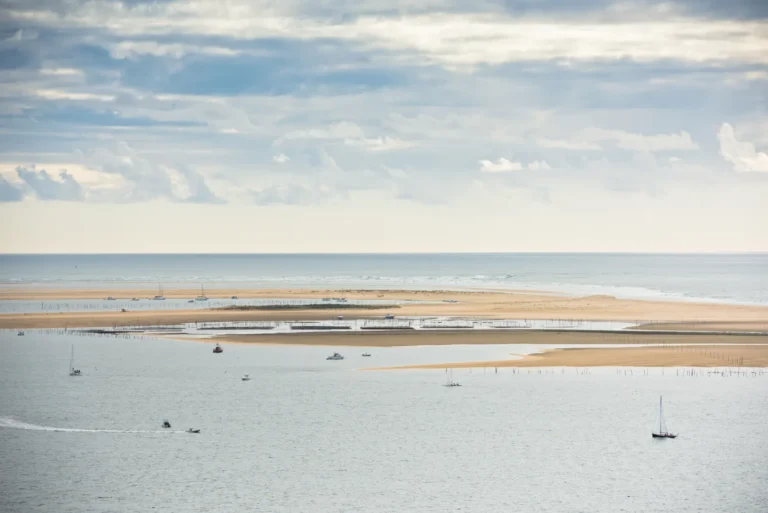 Arcachon
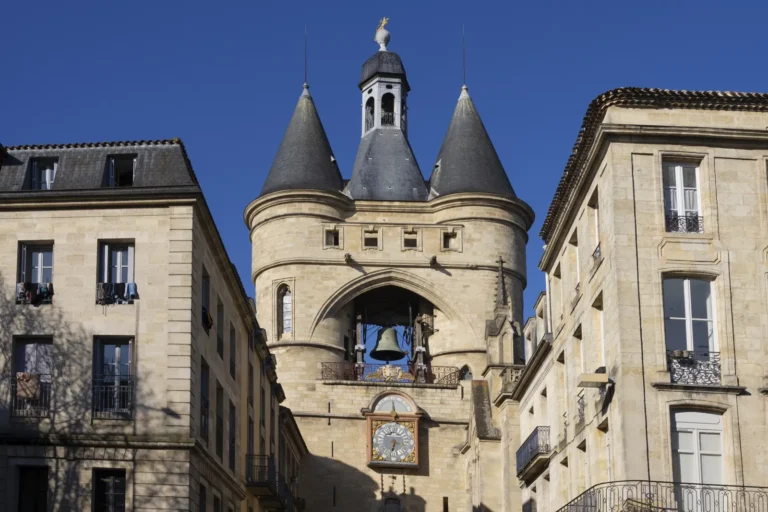 Bordeaux
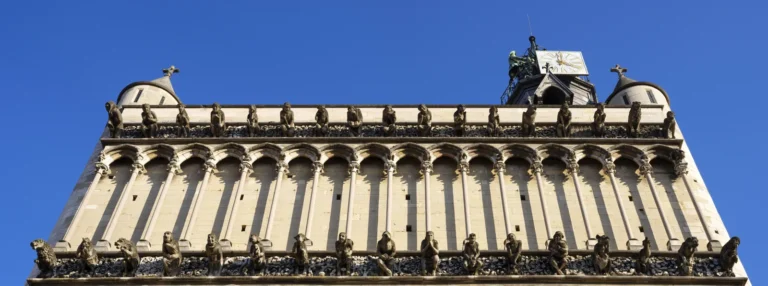 Dijon
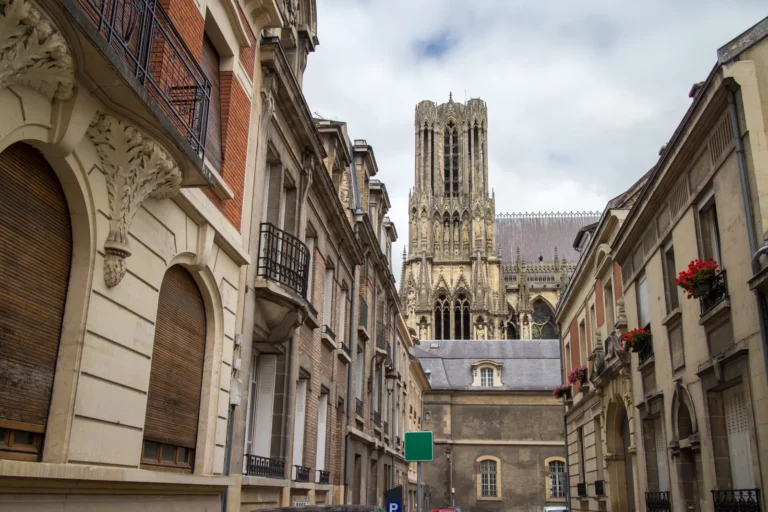 Reims
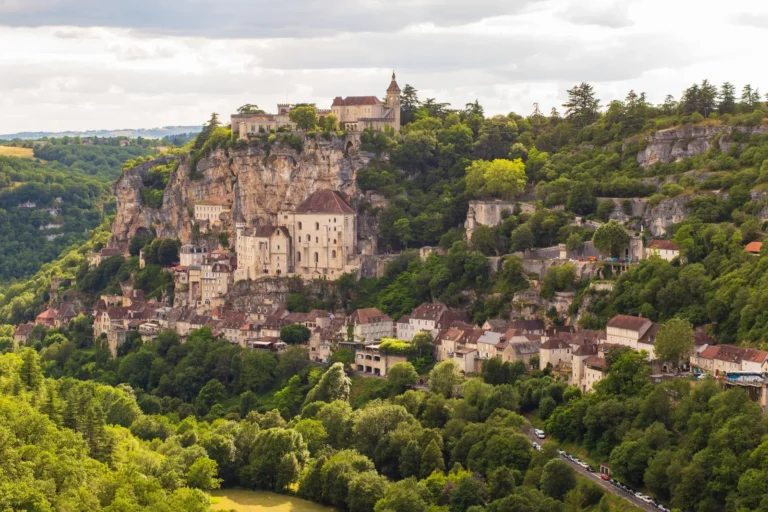 Rocamadour
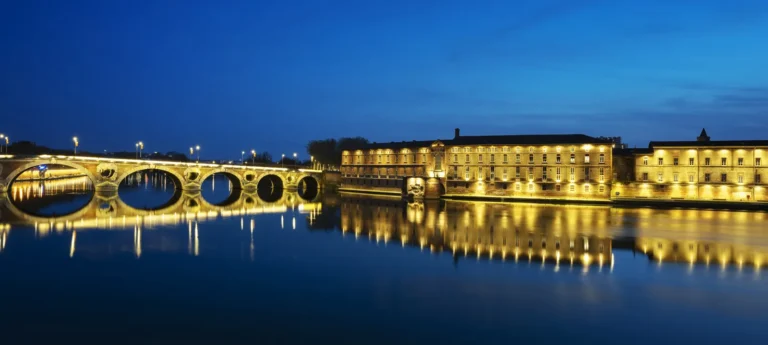 Toulouse
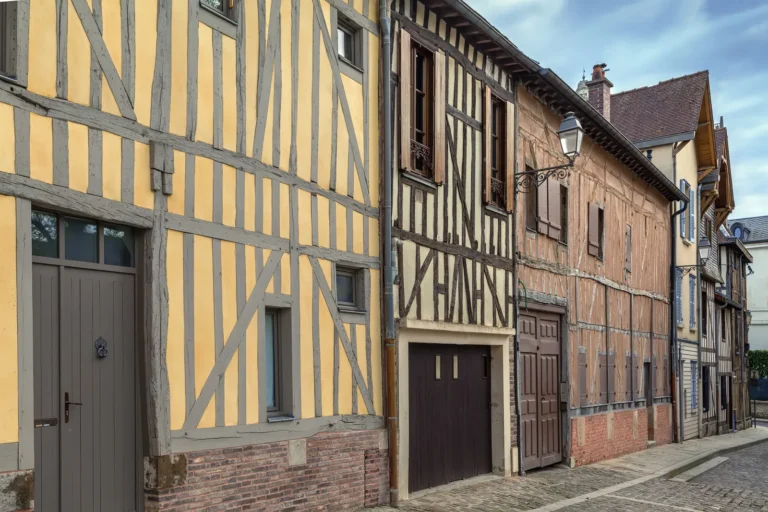 Troyes
 Lourdes
 Paris