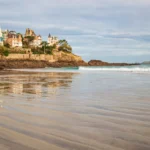
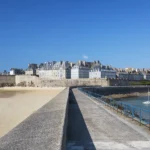
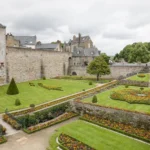
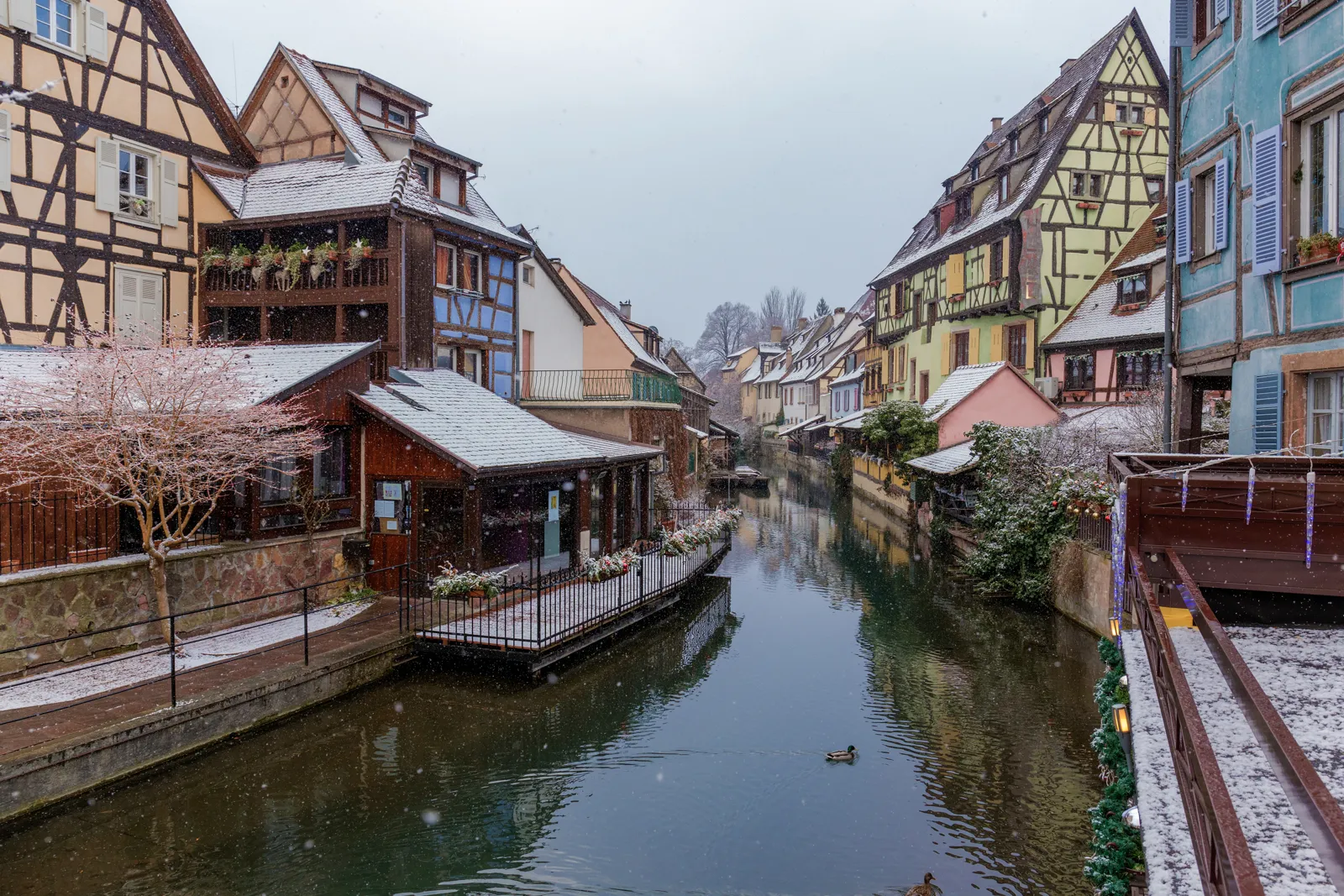
Looking for things to do in Brittany? Follow the Pink Granite Coast and the customs officers’ path, walk inside the ramparts of Saint-Malo, wander among the Carnac standing stones, sail the Gulf of Morbihan and taste crêpes and Cancale oysters. To visit Brittany in good conditions, aim for June and September: long days, little rain and fewer people than in August. For those long June and September days in southern Brittany, our guide to things to do in Quiberon covers the Côte Sauvage and boats to the islands.
Brittany means more than 2,000 km (1,240 mi) of coastline, islands, fishing ports, medieval towns and an interior of moors and forests. Distances are short, but the region is large: better to choose one area (north, Finistère, south) than try to see everything in a week. This guide brings together the must-see places, itineraries, the budget, transport and the month-by-month climate, based on official Météo-France normals. Just outside Brittany, the Mont is a trip of its own: our guide to visiting Mont-Saint-Michel covers access, shuttles and the abbey.
Our travel deals for Brittany
Affiliate links: we earn a commission, at no extra cost to you.
FlightsKiwi.comCompare flights and airline combinations to Brittany.
The best months are June and September, followed by May and July-August. The climate is oceanic: mild winters, temperate summers (20 to 25 °C, or 68 to 77 °F, in the afternoon) and rain spread throughout the year, but much heavier from October to January, especially in the west. The weather changes quickly, often within a single day: always take a windproof jacket.
Month
High
Low
Rain
Crowds
Prices
Verdict
January
9.2 °C (49 °F)
3.3 °C (38 °F)
66.6 mm (2.6 in)
Very low
Low
❌ Cool, damp, many coastal businesses closed
February
10.2 °C (50 °F)
2.9 °C (37 °F)
51.6 mm (2.0 in)
Low (school holidays)
Low
⚠️ Quiet, possible spring tides, storms
March
13.2 °C (56 °F)
4.5 °C (40 °F)
48.9 mm (1.9 in)
Low
Low
⚠️ First fine days, unsettled weather
April
16.0 °C (61 °F)
6.0 °C (43 °F)
51.2 mm (2.0 in)
Medium (Easter)
Medium
⚠️ Mild spring, cold sea
May
19.3 °C (67 °F)
9.3 °C (49 °F)
58.1 mm (2.3 in)
Medium (public holidays)
Medium
✅ Gorse and moors in bloom, ideal for walking
June
22.6 °C (73 °F)
12.1 °C (54 °F)
50.9 mm (2.0 in)
Medium
Medium to high
✅ Longest days, still few people
July
24.8 °C (77 °F)
13.7 °C (57 °F)
44.0 mm (1.7 in)
High
High
✅ Driest, festivals, lively coasts
August
24.7 °C (76 °F)
13.8 °C (57 °F)
43.5 mm (1.7 in)
Very high
Very high
⚠️ Good weather but crowds and peak prices
September
21.9 °C (71 °F)
11.4 °C (53 °F)
56.6 mm (2.2 in)
Medium
Medium
✅ Warmest sea, crowds gone
October
17.2 °C (63 °F)
9.3 °C (49 °F)
73.1 mm (2.9 in)
Low
Medium to low
⚠️ Mild but rain returns
November
12.5 °C (55 °F)
5.9 °C (43 °F)
73.2 mm (2.9 in)
Very low
Low
❌ Wet and windy
December
9.6 °C (49 °F)
3.6 °C (38 °F)
73.3 mm (2.9 in)
Very low
Low
❌ Short and damp days, Christmas markets in the cities
Temperatures and precipitation: Météo-France 1991-2020 normals, Rennes-Saint-Jacques station. Crowds and prices: estimate based on tourist seasons.
The table uses the Rennes station, the most representative of the east of the region. The west coast is wetter and cooler in summer, but milder in winter:
Station
July high
January high
Rain per year
Rennes (Ille-et-Vilaine)
24.8 °C (77 °F)
9.2 °C (49 °F)
691 mm (27.2 in)
Lorient (Morbihan, south)
22.5 °C (73 °F)
9.7 °C (49 °F)
943 mm (37.1 in)
Brest (Finistère, west)
20.8 °C (69 °F)
9.7 °C (49 °F)
1,230 mm (48.4 in)
Ploumanac’h (Pink Granite Coast)
20.1 °C (68 °F)
9.9 °C (50 °F)
—
1991-2020 normals, Météo-France climate data sheets. Rainfall is not published for Ploumanac’h.
Spring (April-May): moors in bloom, quiet trails, moderate prices outside public holiday weekends. Cold sea (few people swim before June).
Summer (June-August): the season for beaches, islands and festivals. July and August are the driest months, but also the most expensive; the islands and sites such as Saint-Malo or the Pointe du Raz are very busy.
Fall (September-October): September is often the best compromise (warm sea, calm). October gets wetter, especially in Finistère (129 mm, or 5.1 in, in Brest).
Winter (November-March): mild but damp and windy: storm season, spectacular on the headlands. Many seaside hotels and restaurants close; the cities stay lively.
For coastal hiking, choose May-June and September. For swimming, July to mid-September. For spring tides, check the tide tables: the highest coefficients often occur around the equinoxes (March and September). More seasonal ideas: our selections of where to go in May, in June and in September.
Things to do in Brittany: the highlights
Saint-Malo, Dinard and Cancale
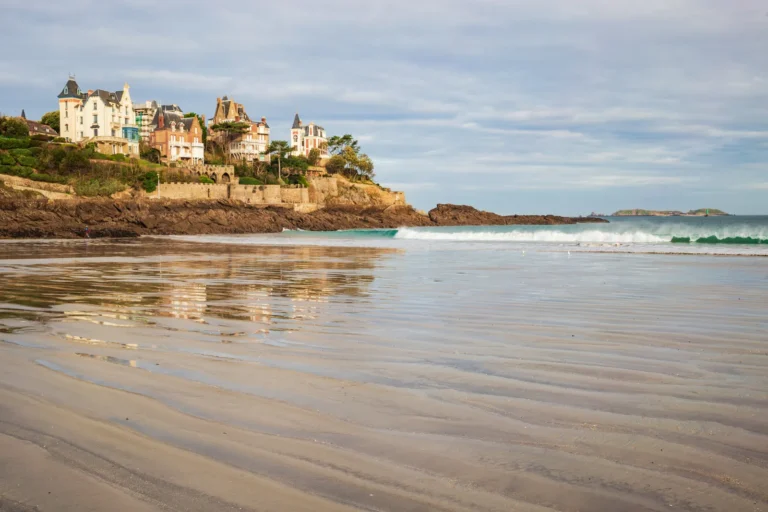
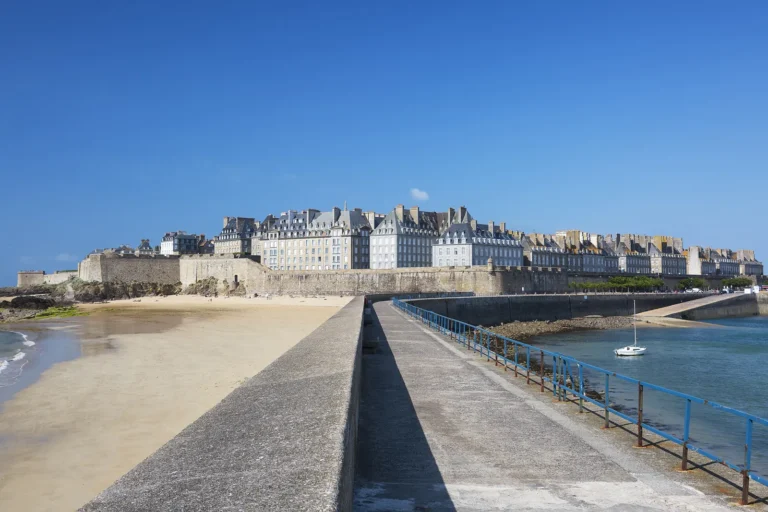
Saint-Malo, the corsair city, is best discovered by walking around its ramparts, from which you can see the Grand Bé, reachable on foot at low tide (check the tide times so you are not cut off). Across the water, Dinard lines up its seaside villas. To the east, Cancale is famous for its oysters, eaten facing the oyster beds. The area has some of the biggest tidal ranges in Europe: the sea can go out a very long way.
Dinan and the Rance valley
Dinan has kept its ramparts, half-timbered houses and the Rue du Jerzual, which runs down to the port on the Rance. You can reach Dinard along the towpath or by boat. It is an excellent stop between Rennes and the coast. The villas and the Promenade du Clair de Lune are covered in our guide to visiting Dinard.
The Pink Granite Coast and the Trégor
Between Perros-Guirec, Ploumanac’h and Trégastel, the customs officers’ path winds between huge blocks of pink granite. From Perros-Guirec, boats head to the Sept-Îles reserve, home to a gannet colony. Further east, Paimpol and the car-free Île de Bréhat complete the stay.
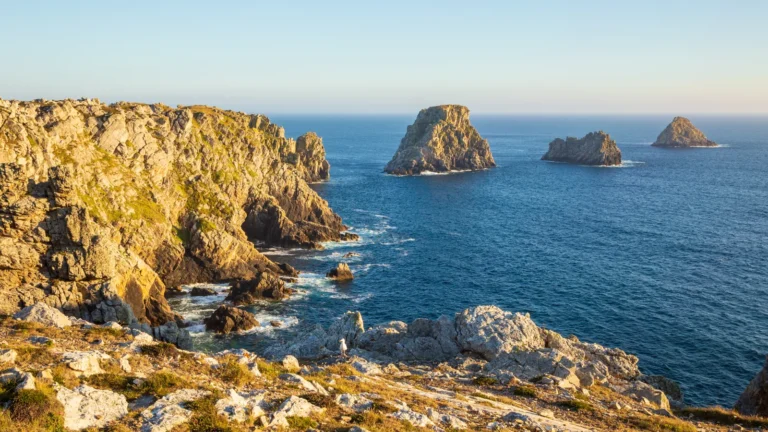
Finistère: Pointe du Raz, Crozon and Locronan
Finistère is the « end of the world ». The Pointe du Raz, a Grand Site de France, overlooks the Raz de Sein strait. The Crozon peninsula alternates cliffs, coves and beaches (Morgat, Pointe de Pen-Hir). Locronan, a granite town, is one of the most visited villages. Brest is home to Océanopolis, a large ocean discovery park, and Quimper to its Saint-Corentin Cathedral and its faience. Offshore, Ouessant and Molène are reached by boat from Brest or Le Conquet.
Concarneau and Pont-Aven
Concarneau’s walled town, ringed by ramparts on an islet in the harbor, is explored on foot. A few kilometers away, Pont-Aven was a center for painters around Paul Gauguin in the late 19th century; the Pont-Aven museum is devoted to them.
Carnac, Quiberon and Belle-Île
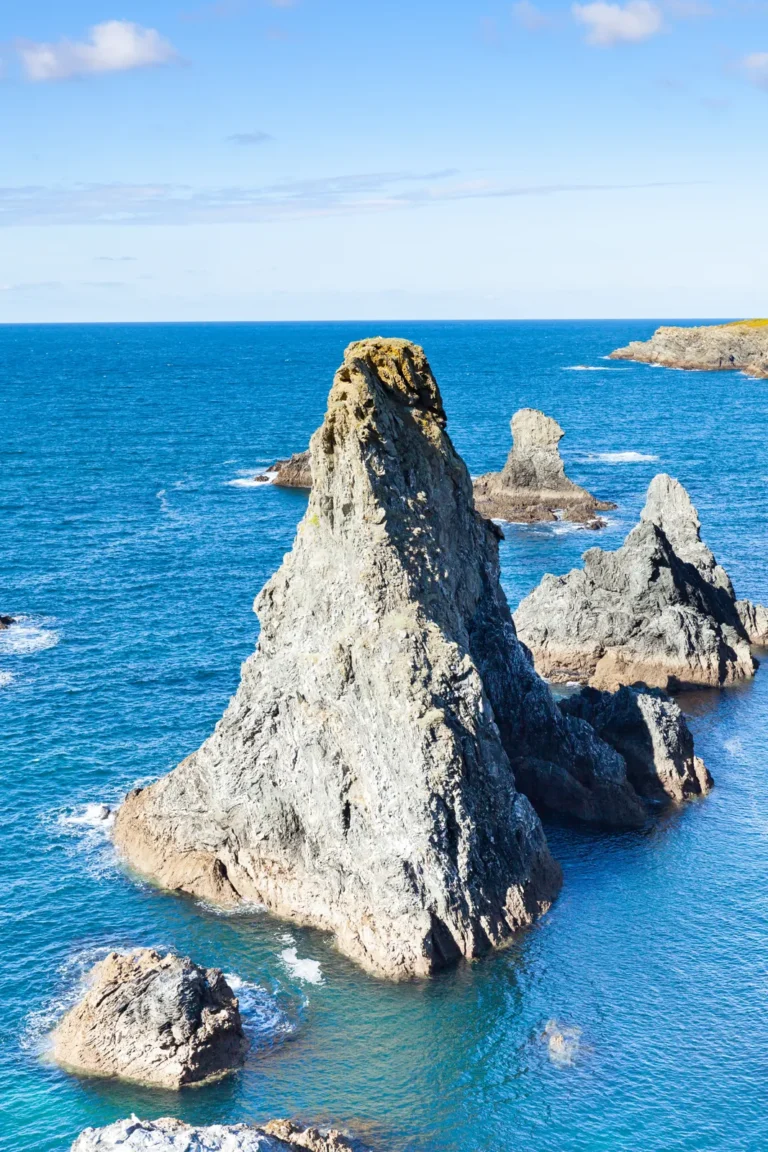
The Carnac alignments gather thousands of Neolithic standing stones over several kilometers. Some sites are protected and only accessible on guided tours depending on the season. The Quiberon peninsula offers a wave-battered wild coast (dangerous swimming) and, on the bay side, sheltered beaches. From Quiberon, boats leave for Belle-Île-en-Mer, the largest Breton island, to explore by bike or on foot (Port-Coton needles, Sauzon, Vauban citadel at Le Palais). Port-Coton, Sauzon and the citadel at Le Palais: our guide to things to do on Belle-Île-en-Mer helps you spread these stops over two days or more.
Vannes and the Gulf of Morbihan
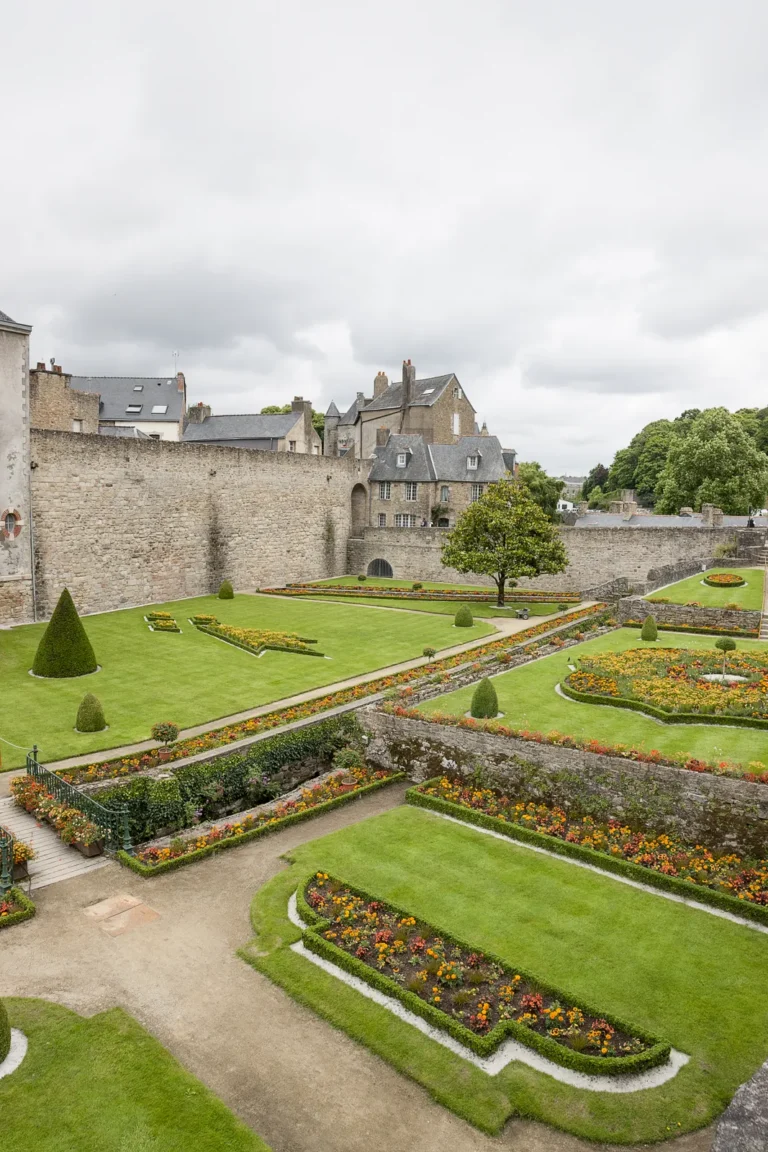
Vannes combines ramparts, gardens and half-timbered houses. The Gulf of Morbihan is a small inland sea dotted with islands, including Île aux Moines and Île d’Arz, reached by boat. Cruises and kayaking are the best ways to discover it; the Gavrinis cairn, a megalithic monument decorated with carvings, is visited from Larmor-Baden. On the gulf, our page on visiting Vannes presents the ramparts and the old town.
Rennes and the Brocéliande forest
Rennes is a student city with an old center of half-timbered houses, the Parliament of Brittany and one of the largest markets in France, on Saturday mornings on Place des Lices. About 40 km (25 mi) to the west, the Paimpont forest, linked to the Arthurian legend of Brocéliande, is explored on waymarked trails (Val sans Retour, Merlin’s tomb). To the east, Vitré and Fougères have two fine castles.
Days 6 and 7: Paimpol, Île de Bréhat and the Pink Granite Coast
Days 8 to 10 (optional): Morlaix, Roscoff and Île de Batz, returning via Brest
2 weeks: around Brittany
Days 1 and 2: Rennes, then Saint-Malo
Day 3: Dinan and Cap Fréhel
Days 4 and 5: the Pink Granite Coast and Bréhat
Day 6: Roscoff and the parish closes
Days 7 and 8: Brest and the Crozon peninsula
Day 9: Pointe du Raz and Locronan
Day 10: Quimper and Concarneau
Days 11 and 12: Carnac, Quiberon, Belle-Île
Days 13 and 14: Vannes, the Gulf of Morbihan, then Brocéliande before Rennes
If you have a week and love the sea, southern Brittany (Concarneau – Carnac – Gulf of Morbihan) is the other good choice, with more beaches and often sunnier days. In Finistère, another nature option deserves its own trip: our guide to things to do on the Crozon peninsula details headlands and beaches.
Budget for a trip to Brittany
Item (per person per day)
Tight budget
Comfort
Accommodation (shared double room)
roughly €30 to 50 (campsite, hostel, simple B&B)
roughly €80 to 150
Meals
roughly €20 to 35 (crêperie, market)
roughly €45 to 70
Local transport
roughly €10 to 20 (bus, regional train, bike)
roughly €25 to 40 (shared rental car)
Activities (boats, museums)
roughly €5 to 15
roughly €20 to 40
Total
roughly €70 to 120
roughly €150 to 250
Rough estimates, excluding travel from home. Accommodation prices rise sharply in July-August.
A crêperie remains the cheapest meal; island crossings are a separate expense (budget for the return boat trip to each island).
Getting around Brittany
Train: TGV high-speed trains link Paris with Rennes, Saint-Malo, Vannes, Lorient, Quimper and Brest; regional TER trains also serve Saint-Brieuc, Morlaix, Lannion and Dinan. See our guide to cheap train travel.
Bus: the BreizhGo regional network complements the train to the coast and some islands (ferry links).
Car: the most practical for the headlands, small ports and parish closes. The main expressways are the N12 and N165.
Bike: greenways, the Nantes-Brest canal and a network of cycle routes: the region is well suited to cycle touring.
On foot: the GR34, or customs officers’ path, follows almost the entire coastline.
Where to stay in Brittany
For a first trip, choose two or three bases: Saint-Malo or Dinan for the northeast, Perros-Guirec or Paimpol for the Trégor, Crozon, Quimper or Concarneau for Finistère, Vannes or Carnac for the south. Campsites are numerous and well equipped, as are B&Bs and gîtes. In July-August, book several months ahead, especially on the islands where supply is limited.
Entry requirements, health and safety
US citizens (travel.state.gov, last updated August 11, 2025): you may enter the Schengen area, including France, for up to 90 days for tourism or business without a visa; your passport should be valid at least three months beyond your stay, and officers may ask for proof of sufficient funds and a return ticket.
UK citizens (GOV.UK, updated 22 October 2026): no visa for up to 90 days in any 180-day period as a tourist; your passport must have been issued less than 10 years before you arrive and be valid at least 3 months after you leave the Schengen area. The EU Entry/Exit System (EES) is being implemented: fingerprints and a photo may be taken at your first entry, free of charge.
Health: take out travel insurance that covers medical costs; UK residents can also use a GHIC or a valid EHIC (GOV.UK). The State Department advises being up to date on CDC-recommended vaccinations.
Tides: on the foreshore and on islands reachable on foot (Grand Bé, Callot, Tombelaine on the Normandy side), check tide times and coefficients: the sea comes back in fast.
Swimming: according to GOV.UK, local sea conditions can be dangerous even for strong swimmers and some beaches have strong undercurrents, especially along the Atlantic coast; most beaches have lifeguards and flag systems. On wild coasts (Quiberon, Finistère headlands), favor supervised beaches.
Coastal path: stay on the trail, away from cliff edges, especially in strong winds.
Emergencies at sea: according to the French Ministry for the Sea (mer.gouv.fr, checked 26 October 2026), dial 196 from the shore to reach the CROSS sea rescue center, free, 24/7.
Emergencies: 112 (European emergency number), 15 for medical emergencies (travel.state.gov, GOV.UK).
If your trip includes water sports, read our guide to travel insurance.
Practical tips for Brittany
Money: cards are accepted almost everywhere; carry a little cash for markets.
Mobile data: coverage is sometimes weak on some islands and headlands; check your home carrier’s roaming charges.
Weather: wear layers and take a raincoat even in summer.
It rains all year, more in fall and winter, especially in Finistère.
Frequently asked questions
What can you do in Brittany in a week?
Choose one area: the north (Saint-Malo, Dinan, Pink Granite Coast), Finistère (Crozon, Pointe du Raz, Quimper) or the south (Concarneau, Carnac, Gulf of Morbihan). Trying to see everything in seven days means a lot of time on the road.
What is the best month to visit Brittany?
June and September: long days, little rain (about 50 to 57 mm, or 2.0 to 2.2 in, in Rennes according to Météo-France) and fewer people than in August. July is the driest month.
What is the sunniest part of Brittany?
The south, around the Gulf of Morbihan, is generally sunnier than the tip of Finistère: Vannes-Séné gets about 1,980 hours of sunshine a year according to Météo-France. Brest is the wettest station in the table (1,230 mm, or 48.4 in, a year).
Can you visit Brittany without a car?
Yes, by combining high-speed and regional trains, regional buses and boats: Rennes, Saint-Malo, Vannes, Quimper, Brest and several islands are accessible. A car remains useful for the headlands and small ports.
Is Mont-Saint-Michel in Brittany?
No, it is in Normandy, on the border with Brittany. It is easy to visit from Saint-Malo or Rennes.
Can you swim in Brittany?
Yes, mainly from July to mid-September. The water stays cool, even in summer; the sheltered beaches of the south and the north coast are the most pleasant.


 FlightsKiwi.comCompare flights and airline combinations to Brittany.Compare flights