Things to do in Warsaw: stroll through the Old Town, rebuilt after 1945, and its Market Square, visit the Royal Castle, understand the city’s history at the Warsaw Rising Museum and the POLIN Museum, go up to the terrace of the Palace of Culture and Science, walk in Łazienki Park in Chopin’s footsteps, then cross the Vistula to explore Praga. To visit Warsaw, allow 2 to 3 days; the best time is May to September.
Poland’s capital was more than 80% destroyed during the Second World War. Its historic centre, rebuilt as it was, is a UNESCO World Heritage Site; around it, the city mixes socialist architecture, glass towers and large parks. This guide covers the highlights, two itineraries, budget, transport, where to stay and the month-by-month climate from IMGW data, with a Warsaw–Krakow comparison in figures that you will not find elsewhere.
Our travel deals for Warsaw
Affiliate links: we earn a commission, at no extra cost to you.
Learn the languageTargumiLearn a few words of Polish before you go — 30% off via our link.
CountryPoland (capital), about 1.8 million inhabitants
LanguagePolishEnglish is common among young people and in tourism. To learn a few words before you go, try Targumi’s online Polish lessons with native teachers (30% off via our link).
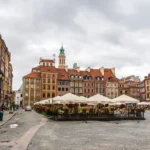
The Old Town Market Square (Rynek Starego Miasta) is lined with townhouses with painted façades, with the Mermaid statue, symbol of Warsaw, in the middle. The whole district was rebuilt after the war from plans, photographs and old paintings, which is why it was added to the UNESCO list in 1980. Continue to the Barbican and the walls, which link the Old Town to the New Town (Nowe Miasto).
The Royal Castle and Castle Square
Once the residence of Poland’s kings and later the seat of Parliament, the Royal Castle (Zamek Królewski) was also rebuilt and reopened in the 1980s. You can visit the royal apartments, the state rooms and painting collections. In front, the Column of Sigismund III Vasa marks Castle Square (plac Zamkowy), the starting point of the Royal Route.
St. John’s Cathedral and St. Anne’s Church
Close by, St. John’s Cathedral, in brick Gothic style, hosted coronations and holds tombs of the Dukes of Masovia. A little further on, the bell tower of St. Anne’s Church is open to visitors: its terrace offers one of the best views over the Old Town roofs and the Vistula.
The Royal Route
From Castle Square, Krakowskie Przedmieście and then Nowy Świat form the Royal Route: palaces, churches, the University of Warsaw, cafés and musical benches that play extracts of Chopin. It continues south to Łazienki Park and Wilanów Palace.
The Warsaw Rising Museum
This museum traces the 63 days of the August 1944 uprising against the German occupiers through objects, testimonies, films and reconstructions. It is the essential visit to understand why the city was razed and then rebuilt. Allow at least two hours.
The POLIN Museum and the former Jewish quarter
Before the war, Warsaw had one of the largest Jewish communities in Europe. The POLIN Museum of the History of Polish Jews tells the story of a thousand years of Jewish presence in Poland. Right opposite stands the Monument to the Ghetto Heroes; nearby are fragments of the ghetto wall and the Jewish cemetery on Okopowa Street.
The Palace of Culture and Science
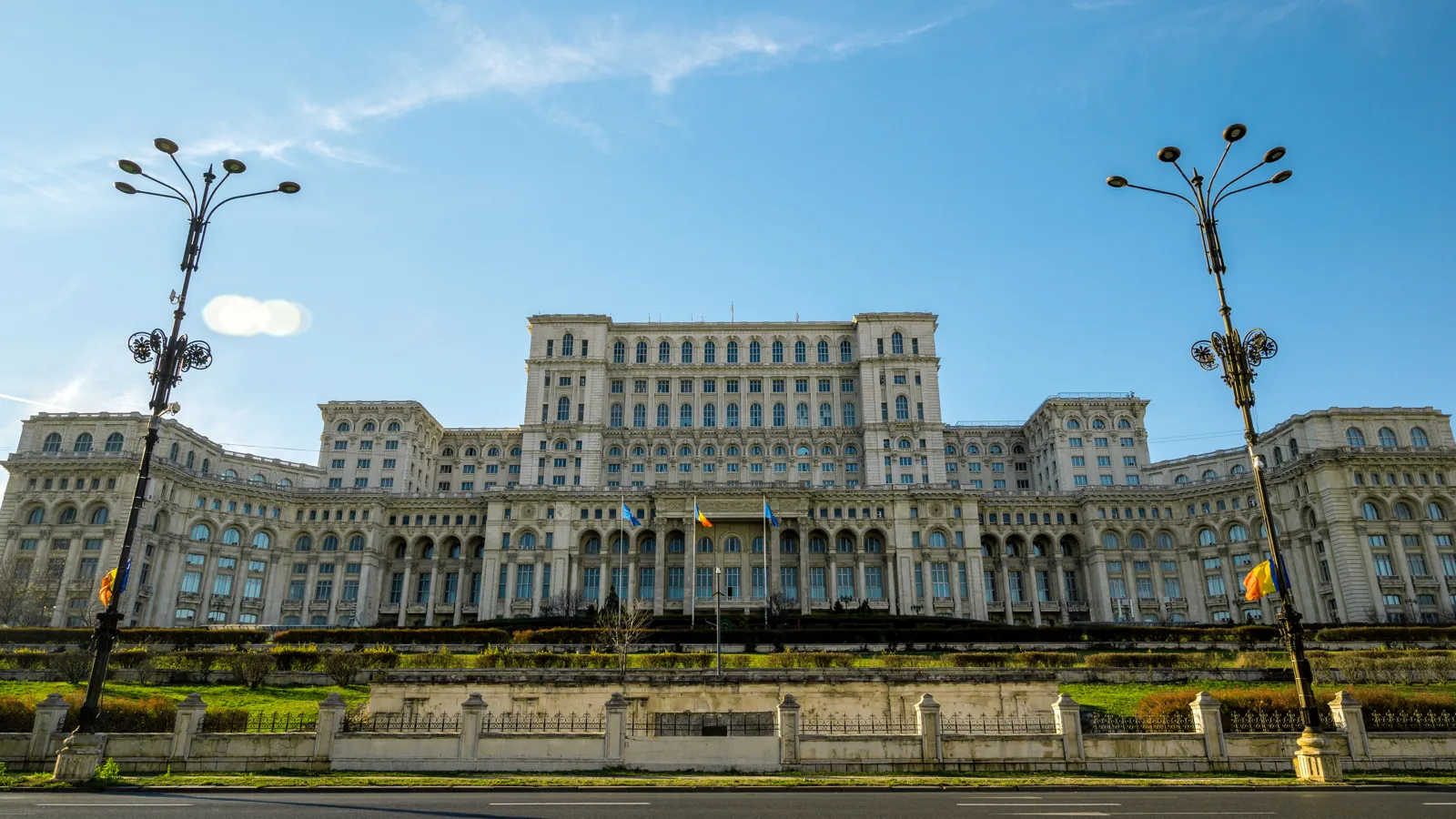
A gift from the Soviet Union completed in 1955, this skyscraper dominates the city centre. Its viewing terrace on the 30th floor looks out over the whole city. The building also houses theatres, cinemas and museums. The modern towers of the business district now surround it.
Łazienki Park and Chopin concerts
Warsaw’s finest park surrounds the Palace on the Isle, the summer residence of Poland’s last king. Peacocks, squirrels, an orangery and pavilions follow one another. Near the Chopin Monument, free piano concerts are held on Sundays in summer (check the programme with the city). Chopin grew up in Warsaw: the Chopin Museum and the Holy Cross Church, where his heart rests, complete the trail.
Wilanów Palace
South of the city, the Baroque residence of King John III Sobieski is often called the « Polish Versailles ». The palace, its interiors and its formal and landscape gardens take half a day; buses run there from the centre.
Praga and the Vistula riverbanks
On the right bank, the Praga district suffered less destruction: pre-war buildings, inner courtyards, artists’ studios, bars and the Neon Museum, set in a former factory. On the left bank, the boulevards along the Vistula and the Copernicus Science Centre, very popular with families, are pleasant in the warmer months.
Itinerary: Warsaw in 2 or 3 days
Warsaw in 2 days
Day 1, morning: Old Town, Market Square, Barbican, St. John’s Cathedral and the Royal Castle
Day 1, afternoon: the Royal Route on foot to Nowy Świat, then the Palace of Culture terrace at sunset
Day 2, morning: the Warsaw Rising Museum (allow plenty of time)
Day 2, afternoon: Łazienki Park and the Chopin Museum; pierogi for dinner at a milk bar or a Polish restaurant
Warsaw in 3 days
Days 1 and 2: as above
Day 3: the POLIN Museum and former Jewish quarter in the morning, Praga and the Neon Museum in the afternoon, or Wilanów Palace for a more classic day
With a fourth day, you can reach Krakow by express train and combine the two cities over a week. For more short-break ideas, see our cheap weekend breaks.
Warsaw or Krakow? The comparison in figures
These are the two most visited cities in Poland. Krakow appeals with its intact medieval centre and its day trips (Wieliczka, Auschwitz-Birkenau); Warsaw with its history museums, its capital-city feel and its parks. For the weather, we cross-checked the official normals of both cities and calculated sunrise and sunset times: the differences are small, but not zero. The full verdict, budget included, is in our comparison Warsaw or Krakow: which to choose.
Month
High °C (Warsaw / Krakow)
Low °C
Rain mm
Day length on the 15th
Sunset on the 15th
January
1.0 / 1.6
−4.0 / −4.7
31 / 38
8 h 15 / 8 h 33
15:52 / 16:06
February
2.6 / 3.7
−3.3 / −3.7
29.8 / 32
9 h 58 / 10 h 07
16:48 / 16:58
March
7.4 / 8.4
−0.6 / −0.8
29 / 38
11 h 50 / 11 h 51
17:39 / 17:44
April
14.6 / 15.1
4.0 / 3.7
35.1 / 46
13 h 55 / 13 h 47
19:33 / 19:33
May
19.8 / 19.8
8.8 / 8.5
55.5 / 79
15 h 43 / 15 h 26
20:23 / 20:19
June
23.1 / 23.2
12.4 / 12.2
63.9 / 77
16 h 45 / 16 h 21
20:58 / 20:51
July
25.2 / 25.3
14.5 / 13.8
82.2 / 98
16 h 18 / 15 h 57
20:50 / 20:44
August
24.7 / 25.0
13.8 / 13.4
60.6 / 73
14 h 41 / 14 h 29
20:01 / 19:59
September
19.1 / 19.5
9.5 / 9.2
50.4 / 66
12 h 41 / 12 h 38
18:51 / 18:54
October
12.9 / 14.0
5.0 / 4.7
40.2 / 51
10 h 41 / 10 h 47
17:42 / 17:49
November
6.5 / 7.6
1.3 / 0.6
36 / 41
8 h 47 / 9 h 03
15:44 / 15:56
December
2.3 / 2.7
−2.5 / −3.4
36.1 / 33
7 h 44 / 8 h 06
15:23 / 15:38
Destination de Voyage calculation: temperatures and rain from IMGW 1991–2020 normals (Warsaw Chopin and Kraków-Balice airport stations); sunrise and sunset calculated for the 15th of each month of 2026 with the NOAA solar algorithm (refraction included) and the Europe/Warsaw time zone, day length = sunset − sunrise. Accurate to within a minute or two depending on the year. Fahrenheit and inch equivalents for Warsaw are in the table below.
Rain: Warsaw gets about 550 mm (21.7 in) a year against 672 mm (26.5 in) in Krakow, roughly 18% less. The gap is widest in summer: in July, 82.2 mm against 98 mm.
Winter: in January, highs are almost identical (1.0 °C against 1.6 °C, 34 °F against 35 °F), but nights are slightly less cold in Warsaw (−4.0 °C against −4.7 °C, 25 °F against 24 °F).
Day length in December: further north, Warsaw has shorter winter days: 7 h 44 of daylight on 15 December against 8 h 06 in Krakow. The sun sets at 15:23.
Summer: it is the reverse: 16 h 45 of daylight on 15 June in Warsaw, 24 minutes more than in Krakow. The sun rises around 04:14.
In practice: in November–December, start sightseeing early and keep museums for late afternoon, when it is dark by 15:30.
When to go to Warsaw
The best months are May, June and September, with 19 to 23 °C (66 to 74 °F) in the afternoon and long days. July and August are the warmest (average high of 25.2 °C, 77 °F, in July) but also the wettest, often in the form of thunderstorms. Winter is continental: from December to February, highs stay around 1 to 3 °C (34 to 37 °F) and nights are below freezing. Only 550 mm (21.7 in) of rain falls each year.
Month
High °C (°F)
Low °C (°F)
Rain mm (in)
Sunshine (h)
Crowds
Prices
Verdict
January
1.0 (34)
−4.0 (25)
31.0 (1.2)
44.6
Low
Low
❌ Cold, frost, very short days
February
2.6 (37)
−3.3 (26)
29.8 (1.2)
66.5
Low
Low
❌ Cold, often grey
March
7.4 (45)
−0.6 (31)
29.0 (1.1)
139.4
Low
Low
⚠️ End of winter, still cool
April
14.6 (58)
4.0 (39)
35.1 (1.4)
210.1
Moderate
Medium
⚠️ Fickle spring, parks turning green
May
19.8 (68)
8.8 (48)
55.5 (2.2)
272.4
Moderate to high
Medium
✅ Mild, parks in bloom
June
23.1 (74)
12.4 (54)
63.9 (2.5)
288.8
High
High
✅ Long days, Chopin concerts
July
25.2 (77)
14.5 (58)
82.2 (3.2)
295.4
High
High
✅ Warm; the wettest month (thunderstorms)
August
24.7 (76)
13.8 (57)
60.6 (2.4)
280.2
High
High
✅ Warm, café-terrace life
September
19.1 (66)
9.5 (49)
50.4 (2.0)
193.1
Moderate
Medium
✅ Mild, fewer crowds
October
12.9 (55)
5.0 (41)
40.2 (1.6)
122.6
Moderate
Medium
⚠️ Cool, autumn colours
November
6.5 (44)
1.3 (34)
36.0 (1.4)
50.6
Low
Low
❌ Grey, early nightfall
December
2.3 (36)
−2.5 (28)
36.1 (1.4)
33.6
Moderate
Medium
⚠️ Cold, but Christmas markets
Temperatures, precipitation and sunshine: 1991–2020 normals from the Institute of Meteorology and Water Management (IMGW-PIB), Warsaw Chopin (airport) station. Crowds and prices: estimates based on tourist seasons.
Spring (April–May): spring arrives late; April stays cool (14.6 °C, 58 °F) but May is already pleasant, with more than 270 hours of sunshine.
Summer (June–August): the best season for the parks, the Vistula and open-air concerts. Bring an umbrella for thunderstorms.
Autumn (September–October): September is an excellent compromise; October is cool but colourful.
Winter (November–March): cold and short on daylight, but ideal for museums and low prices. A Christmas market sets up in the Old Town at the end of the year: see our selection of Christmas markets in Europe and our ideas for where to go in December.
To compare with other regions of the country, see our page on when to go to Poland.
Budget for visiting Warsaw
Item (per person per day)
Budget
Comfort
Accommodation (shared double room)
about PLN 90 to 175 (hostel, apartment)
about PLN 265 to 485 (4-star hotel)
Meals
about PLN 65 to 110 (milk bars, pierogi, canteens)
about PLN 155 to 265 (restaurants)
Transport
about PLN 9 to 22 (ticket or day pass)
about PLN 22 to 65 (taxis, ride-hailing)
Sights
about PLN 22 to 65 (museums, often free one day a week)
about PLN 90 to 130 (several museums, guided tour)
Total
roughly PLN 265 to 395 per person per day
roughly PLN 525 to 880 per person per day
Indicative estimates excluding flights, converted at the European Central Bank rate of 23 October 2026. Check free-entry days on museum websites.
Is Warsaw expensive? Meals, transport and museums are generally cheaper than in Western European capitals; accommodation in the centre, however, can approach Western European prices in high season.
Getting around Warsaw
From Chopin Airport: according to the official site of Warsaw Chopin Airport (checked 26 October 2026), trains S2, S3 and RL serve the airport station, with connections at Warszawa Centralna, Śródmieście, Wschodnia and Zachodnia, and bus 175 runs to plac Piłsudskiego (night bus N32 to Centrum). The trip to the Centrum stop takes about 30 minutes by public transport; the airport advises buying at least a 75-minute ticket.
From Modlin Airport: used by some low-cost airlines, it is about 40 km (25 mi) away; shuttles and trains run to the centre.
In the city: two metro lines, trams and buses form a dense network, with time-based tickets sold at machines. Validate your ticket at the start of the journey: you will be fined if inspectors find you with an unvalidated ticket (UK FCDO, GOV.UK, updated 11 August 2026).
On foot and by bike: the Old Town and the Royal Route are best on foot; bike sharing operates in the warmer months.
To Krakow and Gdańsk: PKP Intercity express trains from the central station (Warszawa Centralna).
Where to stay in Warsaw
Neighbourhood
Best for
Strengths
Old Town and Nowe Miasto
First visit, couples
Everything on foot, historic setting; pricier, quiet at night
Śródmieście (centre, around Centralna)
No car, short stay
Station, metro, hotels in every category
Powiśle and Nowy Świat
Atmosphere, nightlife
Bars, Vistula riverbanks, walking distance from the Old Town
Praga
Low budget, curious travellers
Alternative vibe, lower prices; a few metro stops from the centre
Book early for June and for weekends at the end of the year.
Entry requirements, health and safety
US citizens: according to the U.S. Department of State (travel.state.gov, last updated August 20, 2026), Poland applies Schengen rules. Your passport should be valid for at least three months beyond your period of stay, and you need sufficient proof of funds and a return ticket.
UK citizens: according to the UK FCDO (GOV.UK, updated 11 August 2026), you can stay without a visa for up to 90 days in any 180-day period. Your passport must have been issued less than 10 years before the day you arrive and be valid for at least 3 months after the day you plan to leave the Schengen area; you may be asked for a return or onward ticket. The EU Entry/Exit System (EES) is being implemented.
Health: UK travellers need a GHIC or EHIC for medically necessary state healthcare, and GOV.UK lists biting insects and ticks among health risks. Take out insurance covering medical costs and repatriation; see our travel insurance guide.
Safety: the U.S. Department of State advises going out at night in a group in busy areas such as Warsaw’s Old Town, warns that adult entertainment venues have presented foreign customers with inflated bills, and notes pickpockets at tourist sites, stations and on public transport. The UK FCDO reports spiked drinks and overcharging by card in bars and nightclubs, and that access to parts of the borders with Belarus and Ukraine is restricted.
Emergencies: 112 (GOV.UK and travel.state.gov).
Practical tips for Warsaw
Money: when a card terminal offers to charge you in your home currency or in euros, choose złoty to avoid an unfavourable conversion.
Mobile data: check your provider’s roaming charges, or see our eSIM guide.
Museums: many close one day a week and offer a free day; check their websites.
Remembrance: be discreet and respectful at the memorial sites of the ghetto and the uprising.
Frequently asked questions
How many days do you need in Warsaw?
Two days are enough for the Old Town, the Royal Castle, the Warsaw Rising Museum and Łazienki Park. Allow three days to add the POLIN Museum, Praga or Wilanów Palace.
Is Warsaw worth visiting?
Yes, especially if you are interested in 20th-century history: its museums are among the richest in Europe on the war and the reconstruction. Travellers looking above all for a medieval centre will prefer Krakow.
What is the best time to visit Warsaw?
May, June and September: 19 to 23 °C (66 to 74 °F) in the afternoon according to IMGW 1991–2020 normals. July and August are warmer but stormier; winter is cold and dark.
Warsaw or Krakow: which to choose?
Krakow for an original historic centre and day trips (Wieliczka, Auschwitz-Birkenau), Warsaw for history museums and a capital-city atmosphere. The two are linked by express train.
Which airport serves Warsaw?
Mainly Warsaw Chopin Airport, linked to the centre by train and bus in about 30 minutes; some low-cost airlines use Modlin, about 40 km (25 mi) away.
Do US and UK citizens need a visa for Warsaw?
No, not for short stays: Poland is in the Schengen area. UK citizens can stay up to 90 days in any 180-day period (GOV.UK); US citizens need a passport valid at least three months beyond their stay (travel.state.gov). Check the details before you travel.
Our sources
IMGW-PIB (Polish Institute of Meteorology and Water Management): 1991–2020 normals for the Warsaw Chopin (airport) and Kraków-Balice stations, via the climate table of the Wikipedia article « Warsaw »
Destination de Voyage calculation: sunrise and sunset (NOAA solar algorithm, IANA time zone Europe/Warsaw)
Warsaw Chopin Airport, public transport page (lotnisko-chopina.pl), checked 26 October 2026
Entry, health and safety information read on 26 October 2026: U.S. Department of State, Poland country information (travel.state.gov, last updated August 20, 2026), and UK FCDO, foreign travel advice for Poland (GOV.UK, updated 11 August 2026)
European Central Bank reference rates of 23 October 2026 (budget conversion)


 Learn the languageTargumiLearn a few words of Polish before you go — 30% off via our link.See the course