Things to do in Quiberon start with the Côte Sauvage trail, between cliffs, arches and coves, then a swim on the sheltered beaches of the bay, a stroll around Port-Maria and Port-Haliguen, a taste of tinned sardines and niniches, and a boat trip to Belle-Île, Houat or Hoëdic. About 14 km (9 mi) long, the Quiberon peninsula, in the Morbihan department of southern Brittany, can be explored in two or three days, more if you add the islands. For another Breton peninsula, in Finistère, our guide to the Crozon peninsula covers its headlands, beaches and Ménez-Hom.
A former island joined to the mainland by a sand spit, the peninsula is only 22 m (72 ft) wide at the Penthièvre isthmus. It has two municipalities, Saint-Pierre-Quiberon in the north and Quiberon in the south. Its two shores could not be more different: to the west, the ocean pounds the Côte Sauvage (« wild coast »), a protected site that belongs to the Grands Sites de France network; to the east, the calm, sheltered Bay of Quiberon has the family beaches and the harbours. This guide covers the sights, safety rules, budget, transport and the month-by-month climate based on Météo-France.

Our travel deals for Quiberon
Affiliate links: we earn a commission, at no extra cost to you.
 FlightsKiwi.comCompare flights and airline combinations to Quiberon.Compare flights

Quiberon at a glance
- Department Morbihan (southern Brittany), at the tip of the Bay of Quiberon
- Municipalities Quiberon and Saint-Pierre-Quiberon
- Getting there TGV to Auray · detailsThen coach or, in summer, the « Tire-Bouchon » train
- Islands from the harbour Belle-Île-en-Mer, Houat and Hoëdic
- Entry Schengen rules: US and UK citizens visa-free up to 90 days · details
- Swimming on the bay side onlySwimming is dangerous on the Côte Sauvage
- Currency euro · currencies
- Electricity 220 V, 50 Hz, type E sockets; US plugs need an adapter (france.fr, checked 26 October 2026)
- Suggested length 2 to 3 days, 4 to 5 with Belle-Île
- Budget see our budget section
Things to do in Quiberon: the highlights
The Côte Sauvage
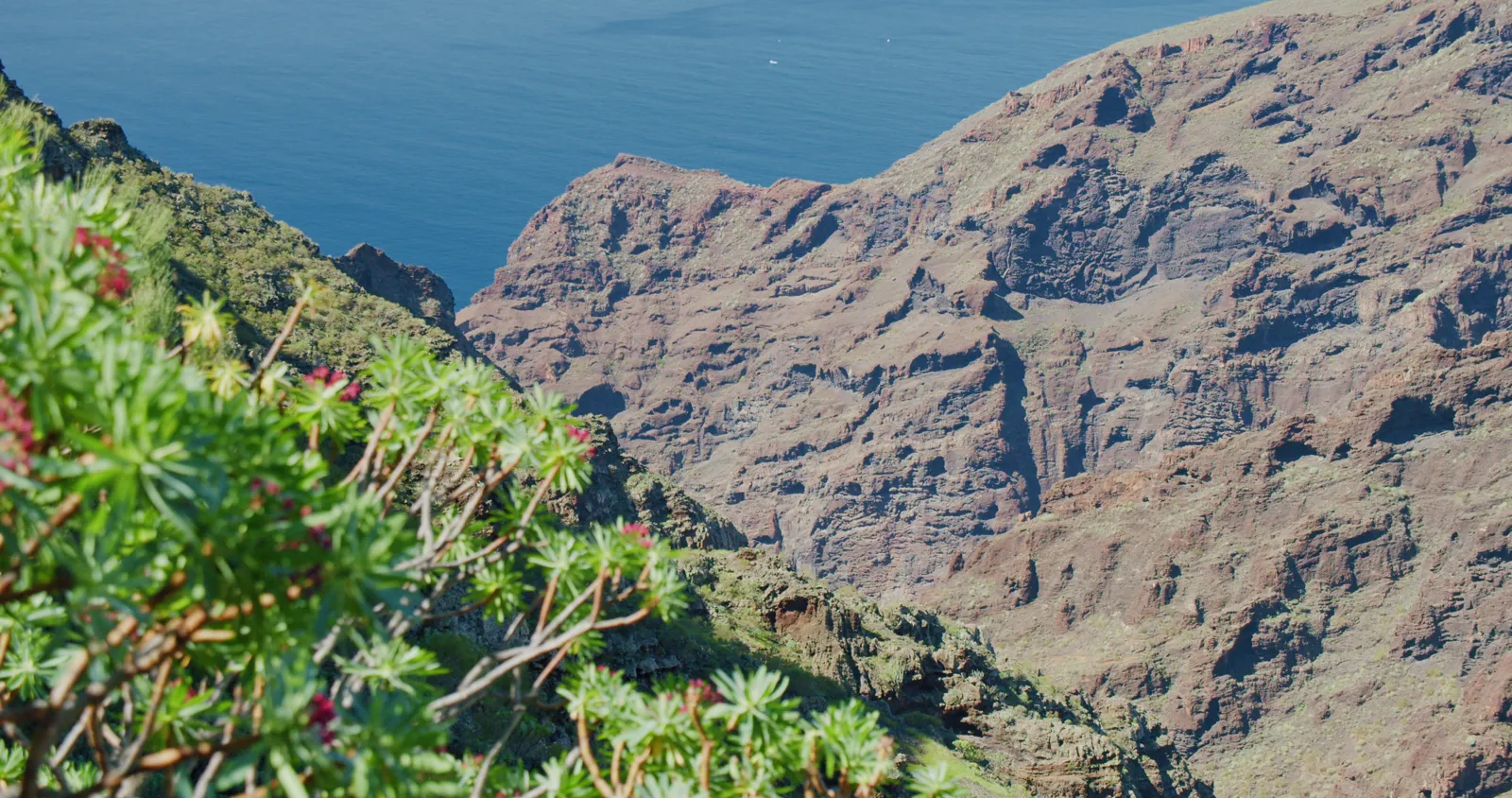
This is the main reason to come. On the west side, a trail follows the cliffs for several kilometres, from Port-Bara to the Pointe du Conguel by way of the Port-Blanc arch and Port-Rhu. The coast road lets you stop at the main viewpoints, but the best of it is seen on foot. The sandy coves are tempting, yet swimming there is very dangerous (currents, breakers, rocks), as signs remind you. Stay on the path and away from the edge, especially in strong wind.
Pointe du Conguel and Pointe du Percho
At the southern tip, the Pointe du Conguel faces Belle-Île, Houat and Hoëdic; the path loops round the headland through the heathland. At the north end of the Côte Sauvage, the Pointe du Percho, in Saint-Pierre-Quiberon, offers one of the finest views of the peninsula. These two headlands are the best places for a sunset.
Port-Maria and central Quiberon
Port-Maria is both the fishing harbour and the ferry terminal for the islands. Around it, the Grande Plage and the shopping streets form the heart of the resort, very lively in summer. This is where you will find most of the restaurants, shops and the market.
Port-Haliguen and the bay
On the east coast, Port-Haliguen is the quieter marina. From there, the beaches of the bay run north to Saint-Pierre-Quiberon: fine sand, calm water, beach clubs and sailing schools. This is the shore to choose with children.
Fish canneries and local specialities
Quiberon keeps up a tradition of fish canning: La Belle-Iloise and La Quiberonnaise are based here and run shops; ask locally about visits. For something sweet, the niniche, a long caramel lollipop, is the town’s speciality, and salted-butter caramel is everywhere. Crêperies and seafood restaurants complete the picture.
Megaliths
Several menhirs and small stone rows dot the peninsula, especially in Saint-Pierre-Quiberon. They are modest compared with the great alignments of Carnac, just to the north, which you can combine on the same day.
Surfing, sailing, diving and thalassotherapy
The west coast attracts experienced surfers; the spots on the Penthièvre isthmus are easier for learning with a school. On the bay side, clubs offer sailing, catamaran, kayak and paddleboard, and dive clubs head out to sea. Quiberon is also a well-known thalassotherapy (seawater spa) resort, open all year.
The islands: Belle-Île, Houat and Hoëdic
From Port-Maria, the Océane company (part of the regional BreizhGo network) sails to Belle-Île-en-Mer and to the small islands of Houat and Hoëdic. A day trip to Belle-Île is possible, but the island deserves at least two days. Houat and Hoëdic can be explored on foot or by bike in a day. In summer, book your crossings, especially with a vehicle, and check timetables on the operator’s website. Our guide to Belle-Île-en-Mer covers Sauzon, Le Palais and the coastal path.
When to go to Quiberon
The best months are June and September, with July and August for swimming if you don’t mind crowds. The climate is mild and oceanic: the sea limits temperature swings, summers are temperate (about 22 °C, 72 °F, in the afternoon in July-August) and winters are rarely cold. Most rain falls from October to January. Wind is the most variable factor: surfers love it, but it makes the Côte Sauvage dangerous in rough weather.
When to go to Quiberon: key points
- Best periods: June and September
- Swimming: July to September, on the bay side
- Hiking the Côte Sauvage: April to October
- Warmest month: August, average high of 21.9 °C (71 °F)
- Driest month: July, 34.6 mm (1.4 in) on average
- Wettest month: November, 86.6 mm (3.4 in)
- Avoid if possible: mid-July to mid-August if you want peace and quiet
| Month | High °C (°F) | Low °C (°F) | Rain mm (in) | Crowds | Prices | Verdict |
|---|---|---|---|---|---|---|
| January | 9.7 (49) | 5.8 (42) | 77.9 (3.1) | Very low | Low | ❌ Resort asleep, storms possible |
| February | 9.9 (50) | 5.5 (42) | 59.7 (2.4) | Low | Low | ⚠️ Spa and waves, many shops closed |
| March | 12 (54) | 6.8 (44) | 52.3 (2.1) | Low | Low | ⚠️ Windy walks, longer days |
| April | 14.3 (58) | 8.3 (47) | 50.9 (2.0) | Medium (Easter) | Medium | ✅ Côte Sauvage in flower, few people |
| May | 17.2 (63) | 11 (52) | 42.3 (1.7) | Medium (public holidays) | Medium | ✅ Hiking and sailing, busy long weekends |
| June | 20 (68) | 13.5 (56) | 37.6 (1.5) | Medium | Medium to high | ✅ Long days, pre-summer prices |
| July | 21.8 (71) | 15.2 (59) | 34.6 (1.4) | Very high | Very high | ⚠️ Swimming and Tire-Bouchon, but crowds and traffic jams |
| August | 21.9 (71) | 15.5 (60) | 40.1 (1.6) | Very high | Very high | ⚠️ The warmest, booking essential |
| September | 20.1 (68) | 13.9 (57) | 49.9 (2.0) | Medium | Medium | ✅ Sea still pleasant, quieter peninsula |
| October | 16.4 (62) | 11.9 (53) | 74.4 (2.9) | Low | Medium to low | ⚠️ Mild, rain and storms return |
| November | 13 (55) | 8.9 (48) | 86.6 (3.4) | Very low | Low | ❌ The wettest month |
| December | 10.5 (51) | 6.6 (44) | 83.3 (3.3) | Very low | Low | ❌ Calm and damp, except for a spa stay |
- Spring (March to May): 12 to 17 °C (54 to 63 °F) in the afternoon, and the heathland of the Côte Sauvage is in flower. Ideal for walking; the sea is still cold.
- Summer (June to August): 20 to 22 °C (68 to 72 °F), the driest months. Swimming is pleasant on the bay side. In July-August, the only access road is often jammed: arrive early or by train.
- Autumn (September to November): September extends the summer with fewer people. From October, rain and storms return; the waves on the Côte Sauvage become spectacular.
- Winter (December to February): mild (about 10 °C, 50 °F, in the afternoon) but damp and windy. Many shops close; the thalassotherapy centres stay open.
To compare with other early-summer destinations, see our selection of where to go in June.
Itinerary ideas for Quiberon
One day in Quiberon
- Morning: the Côte Sauvage trail from Port-Blanc to the Pointe du Conguel
- Lunch: Port-Maria
- Afternoon: a beach on the bay side or a cannery shop, then Port-Haliguen
- Evening: sunset at the Pointe du Percho
3 to 4 days between Quiberon, Belle-Île and Carnac
- Day 1: the Côte Sauvage on foot, Port-Maria
- Day 2: Belle-Île for the day (Le Palais, Sauzon, the Port-Coton needles) or a night on the island
- Day 3: Houat or Hoëdic, or water sports in the bay
- Day 4: the Carnac alignments and La Trinité-sur-Mer
To continue to the Gulf of Morbihan, the Pink Granite Coast or Saint-Malo, see our Brittany guide.
Budget for a stay in Quiberon
| Item (per person per day) | Tight budget | Comfortable |
|---|---|---|
| Accommodation (sharing a double room) | about €35 to 60 (campsite, simple room) | about €90 to 180 |
| Meals | about €25 to 35 (crêperies, picnic) | about €45 to 80 |
| Local transport | about €5 to 10 (bike, coach) | about €10 to 20 |
| Activities (boat to the islands, surf lessons) | about €15 to 20 | about €20 to 40 |
| Total | roughly €80 to 120 per person per day | roughly €160 to 280 per person per day |
Getting around Quiberon
- Train: the nearest TGV station is Auray. In summer (daily in July and August, plus some weekends in June and September), the TER BreizhGo « Tire-Bouchon » train links Auray with Quiberon, stopping at Plouharnel-Carnac, Penthièvre and Saint-Pierre-Quiberon, among others (TER BreizhGo, ter.sncf.com, checked 26 October 2026); the rest of the year, coaches take over. See our tips for travelling cheaply by train.
- Car: a single road crosses the isthmus, and traffic jams are frequent in summer. Car parks near the ferry terminal fill up quickly on days when boats leave for the islands.
- Bike: the peninsula is compact and fairly flat; there are bike rental shops in Quiberon and Saint-Pierre.
- On foot: the centre, Port-Maria and the southern Côte Sauvage are all within walking distance.
Where to stay in Quiberon
Central Quiberon, near Port-Maria, is the most convenient without a car and for catching the boat. Port-Haliguen and the east coast are quieter, with rentals and hotels close to the beaches. Saint-Pierre-Quiberon and the isthmus have many campsites. For July-August, book several months ahead; out of season, some establishments close.
Entry requirements, health and safety
- US citizens: France is in the Schengen area, which you may enter for up to 90 days for tourism or business without a visa. Immigration officers may ask for proof of sufficient funds and a return ticket, and France does not recognise the 12-page US emergency passport for visa-free entry (U.S. Department of State, travel.state.gov, last updated August 11, 2025).
- UK citizens: no visa for up to 90 days in any 180-day period as a tourist. Your passport must have been issued less than 10 years before the day you arrive and be valid at least 3 months after the day you plan to leave the Schengen area. The EU Entry/Exit System (EES) may require fingerprints and a photo at your first entry (UK FCDO, GOV.UK, updated 22 October 2026).
- ID: you must be able to prove your identity when asked by the police, or within 4 hours at a police station (GOV.UK, updated 22 October 2026).
- Health and emergencies: UK travellers need a GHIC or a valid EHIC for medically necessary state healthcare, which is not a substitute for travel insurance; the European emergency number is 112 (GOV.UK).
- Swimming: sea conditions can be dangerous even for strong swimmers, and some beaches have strong undercurrents, especially along the Atlantic coast. Learn the flag system and follow lifeguards’ advice (GOV.UK, updated 22 October 2026).
- Côte Sauvage: swimming is strongly discouraged; do not climb down onto the rocks in heavy seas and keep away from the cliff edges.
- Tides: check tide times before exploring coves and rocks.
- Lifeguarded beaches: in summer, on the bay side; follow the flags.
For surfing, sailing or diving, check what your travel insurance covers.
Practical tips for Quiberon
- Crossings: book boats to Belle-Île in summer and arrive early to park.
- Windbreaker: even in summer, the wind quickly cools the Côte Sauvage.
- With children: choose the beaches on the bay side and the beach clubs; see our ideas for family holidays.
- Internet: mobile coverage is good on the peninsula, patchier on the small islands.
Frequently asked questions
What to do in Quiberon in one day?
Walk the Côte Sauvage trail to the Pointe du Conguel in the morning, have lunch at Port-Maria, spend the afternoon on a beach on the bay side and finish with the sunset at the Pointe du Percho.
Can you swim on the Côte Sauvage?
It is strongly discouraged: currents, breakers and rocks make swimming dangerous. Swim on the Bay of Quiberon side, on beaches with lifeguards in summer.
How do you get to Quiberon without a car?
By TGV to Auray, then by coach or, in summer, on the Tire-Bouchon train, which runs daily in July and August and on some weekends in June and September.
What is the best time to visit Quiberon?
June and September: about 20 °C (68 °F) in the afternoon according to Météo-France’s 1991-2020 normals, little rain and fewer people than in July-August. April and May are good for hiking.
How many days do you need in Quiberon?
Two to three days for the peninsula, four or five if you add Belle-Île and Houat or Hoëdic.
Which islands can you visit from Quiberon?
Belle-Île-en-Mer, served from Port-Maria, and the small islands of Houat and Hoëdic.
Our sources
- Météo-France: climate data sheet, 1991-2020 statistics, Quiberon station (via Wikipedia, « Quiberon » article)
- Wikipedia: « Presqu’île de Quiberon » and « Ligne d’Auray à Quiberon » articles, consulted on 14 October 2026
- TER BreizhGo, Tire-Bouchon page, checked 26 October 2026
- Entry requirements, health and safety checked on 26 October 2026: U.S. Department of State, France country information (last updated August 11, 2025) and UK FCDO, GOV.UK foreign travel advice for France (updated 22 October 2026)
- France tourism board (france.fr), electricity requirements, checked 26 October 2026
- Our methodology
Updated October 2026.
For more ideas, see our France travel guide.