The best time to visit Italy is April to June and September to October: it is mild to warm, it rains little, and you avoid both the heat and the crowds of July–August. Summer remains the season for the sea, especially in the south and the islands, but it is also the most expensive, the hottest and the busiest. Climate-wise, Italy is Mediterranean on the coasts and more continental in the north: in Rome, October is still mild (22 °C, or 72 °F, in the afternoon) but rain increases, and November is the wettest month. To place Rome, the north and Sicily in relation to one another, open our map of Italy.
Italy stretches over more than 1,000 km (620 mi) from north to south, and its climate changes a lot from one region to another. The north (Milan, Venice, the Po plain) has cold, damp winters and heavy summers. The center (Rome, Florence, Tuscany) is Mediterranean, with a rainy autumn. The south and the islands (Naples, Sicily) are the mildest in winter and the driest in summer. Here is how to choose your month, based on the official 1991–2020 climate normals.

Our travel deals for Italy
Affiliate links: we earn a commission, at no extra cost to you.
 FlightsKiwi.comCompare flights and airline combinations to Italy.Compare flights

When to go to Italy at a glance
- Best times April to June and September to October
- For the art cities (Rome, Florence, Venice) April–May and late September–October, when it is 20 to 26 °C (68 to 79 °F) in the afternoon
- For the beach June to September; Sicily and the south extend the season into October
- Avoid if possible mid-July to late August in the cities (heat above an average of 31 °C, or 88 °F, crowds) and the week of August 15 (Ferragosto) on the coasts
- Wettest October–November, in Rome as in Naples
- Best value March, early May, late October and November (outside holiday weekends)
- Winter ideal for Rome without the crowds, the Venice Carnival and skiing in the Alps and the Dolomites
When to go to Italy by priority
- Best weather: April–May and late September–October for the art cities; June to September for the sea
- Cheapest: November to March, outside Christmas, Carnival and Easter
- Fewest crowds: January, February and November; March and late October for a good balance of weather and prices
- Events: Venice Carnival (February, variable dates), Palio of Siena on July 2 and August 16, Ferragosto on August 15, Venice Film Festival in late August – early September
Italy: the calendar at a glance
✅ Best months: March, April, may, June, September, October
Climate and weather in Italy month by month
The table below gives the normals for Rome (Ciampino airport station), the entry point for most trips and representative of the center of the country. The north, the south and Sicily are compared below.
| Month | Avg. max | Avg. min | Rain | Crowds | Prices | Verdict |
|---|---|---|---|---|---|---|
| January | 12.0 °C (54 °F) | 3.4 °C (38 °F) | 66 mm (2.6 in) | Low | Low | ⚠️ Cool and fairly rainy, museums without the crowds |
| February | 13.0 °C (55 °F) | 3.4 °C (38 °F) | 63 mm (2.5 in) | Low (Carnival in Venice) | Low | ⚠️ Cool, good for a city break |
| March | 15.8 °C (60 °F) | 5.9 °C (43 °F) | 59 mm (2.3 in) | Medium | Medium | ✅ Mild by the end of the month, few people |
| April | 18.8 °C (66 °F) | 8.6 °C (47 °F) | 69 mm (2.7 in) | High (Easter) | Medium to high | ✅ Pleasant spring, showers possible |
| May | 22.3 °C (72 °F) | 12.6 °C (55 °F) | 57 mm (2.2 in) | High | High | ✅ The best compromise |
| June | 28.1 °C (83 °F) | 16.7 °C (62 °F) | 30 mm (1.2 in) | High | High | ✅ Hot and dry, beach in the south |
| July | 31.0 °C (88 °F) | 19.3 °C (67 °F) | 20 mm (0.8 in) | Very high | Very high | ⚠️ Heat in the city, heat waves possible |
| August | 31.6 °C (89 °F) | 19.8 °C (68 °F) | 30 mm (1.2 in) | Very high (Ferragosto) | Very high | ⚠️ The hottest, coasts packed |
| September | 26.7 °C (80 °F) | 16.0 °C (61 °F) | 65 mm (2.6 in) | High | High | ✅ Warm sea, heat easing |
| October | 22.2 °C (72 °F) | 12.4 °C (54 °F) | 88 mm (3.5 in) | Medium | Medium | ✅ Mild, but rain increasing |
| November | 16.9 °C (62 °F) | 8.5 °C (47 °F) | 108 mm (4.3 in) | Low | Low | ⚠️ The wettest month in Rome |
| December | 12.7 °C (55 °F) | 4.7 °C (40 °F) | 98 mm (3.9 in) | Low (holidays) | Low to medium | ⚠️ Cool and damp, Christmas atmosphere |
These averages smooth out the extremes. In summer, heat waves often push temperatures above 35 °C (95 °F) in the cities, and the U.S. Department of State (travel.state.gov, last updated August 11, 2025) notes that high temperatures, especially in summer, are common in the south: plan visits early in the morning or late in the day, especially for archaeological sites.
Italy’s seasons: pros and cons
Spring (March to May): the art cities’ season
Spring is the most pleasant time to visit. In Rome, highs go from 16 °C (61 °F) in March to 22 °C (72 °F) in May; Florence and Tuscany follow the same curve. The countryside is green, terraces reopen and days lengthen. Showers remain frequent in April (nearly 70 mm, or 2.7 in, in Rome), but they are often brief.
- Pros: ideal temperatures for walking in the cities, flowering nature, prices still moderate outside Easter and holiday weekends
- Cons: sea still cold for most swimmers, heavy crowds at Easter and over the April 25 and May 1 holiday weekends
- Our tip: May is the best month for a first trip combining Rome, Florence and Venice
Summer (June to August): the sea and the islands
Summer is dry and hot across almost the whole country: more than 30 °C (86 °F) in the afternoon in Rome, Naples and Palermo in July–August, and barely a few millimeters of rain in the south. It is the season of the Amalfi Coast, Puglia, Sardinia and Sicily. But it is also the season of Italian and European holidays: beaches are full, prices at their highest, and the heat makes city visits punishing. The north does not escape the heat: the Po plain is heavy and humid, and summer thunderstorms are frequent (82 mm (3.2 in) in August in Milan).
- Pros: warm sea, near-guaranteed fine weather in the south, festivals and open-air evenings, pleasant mountains (lakes, Dolomites)
- Cons: heat waves, crowds, high prices, beaches often paid (« lidos ») on the best-known coasts
- Ferragosto: around August 15, many Italians go on vacation: coasts packed, some shops closed in the cities
- Who is it for? Travelers who want the sea above all: aim for June or early September if your dates allow
Autumn (September to November): the shoulder season and the grape harvest
September is often the best month for combining cities and beach: the sea has kept the summer’s warmth, the air drops below 27 °C (81 °F) in Rome, and crowds recede once schools are back. October stays mild (22 °C, or 72 °F, in Rome, 24 °C, or 75 °F, in Palermo), but it is the start of the rainy season: 88 mm (3.5 in) in Rome, 136 mm (5.4 in) in Naples. November is the wettest month in the center and the south.
- Pros: soft light, grape harvest and truffle season in Piedmont and Tuscany, falling prices from October
- Cons: sometimes violent thunderstorms from October, the first high tides (« acqua alta ») in Venice, seaside businesses closing
- Our tip: late September and early October are perfect for Tuscany, Umbria and Sicily
Winter (December to February): Rome without the crowds, and the mountains
Winter is cool but rarely cold in the center and south: 12 to 13 °C (54 to 55 °F) in the afternoon in Rome, 15 °C (59 °F) in Palermo. The north is much colder, with lows close to 0 °C (32 °F) in Milan and Venice, and sometimes fog on the Po plain. It is the season for skiing in the Alps and the Dolomites, and for the Venice Carnival.
- Pros: museums and monuments without waiting, low prices outside the holidays, Christmas markets in the north, skiing
- Cons: short days, frequent rain, seaside resorts closed, possible acqua alta in Venice
- Who is it for? A cultural city break in Rome, Florence or Naples, a ski trip, or small budgets
When to go to Italy by region
The north has a more continental climate, the center and south a Mediterranean one. The south and Sicily are the hottest and driest in summer; the north gets its rain mainly in spring and autumn. Comparison of the normals for five cities:
| Month | Rome | Milan | Venice | Naples | Palermo |
|---|---|---|---|---|---|
| January | 12.0 °C (54 °F) / 66 mm (2.6 in) | 7.3 °C (45 °F) / 36 mm (1.4 in) | 7.5 °C (46 °F) / 40 mm (1.6 in) | 13.4 °C (56 °F) / 92 mm (3.6 in) | 15.1 °C (59 °F) / 71 mm (2.8 in) |
| February | 13.0 °C (55 °F) / 63 mm (2.5 in) | 10.0 °C (50 °F) / 38 mm (1.5 in) | 9.2 °C (49 °F) / 57 mm (2.2 in) | 13.9 °C (57 °F) / 95 mm (3.7 in) | 15.3 °C (60 °F) / 65 mm (2.6 in) |
| March | 15.8 °C (60 °F) / 59 mm (2.3 in) | 15.5 °C (60 °F) / 42 mm (1.7 in) | 13.2 °C (56 °F) / 61 mm (2.4 in) | 16.4 °C (62 °F) / 78 mm (3.1 in) | 16.7 °C (62 °F) / 59 mm (2.3 in) |
| April | 18.8 °C (66 °F) / 69 mm (2.7 in) | 19.3 °C (67 °F) / 58 mm (2.3 in) | 17.4 °C (63 °F) / 71 mm (2.8 in) | 19.4 °C (67 °F) / 99 mm (3.9 in) | 19.8 °C (68 °F) / 44 mm (1.7 in) |
| May | 22.3 °C (72 °F) / 57 mm (2.2 in) | 23.9 °C (75 °F) / 70 mm (2.8 in) | 22.0 °C (72 °F) / 80 mm (3.1 in) | 23.6 °C (74 °F) / 59 mm (2.3 in) | 24.0 °C (75 °F) / 26 mm (1.0 in) |
| June | 28.1 °C (83 °F) / 30 mm (1.2 in) | 28.1 °C (83 °F) / 67 mm (2.6 in) | 26.0 °C (79 °F) / 64 mm (2.5 in) | 27.7 °C (82 °F) / 33 mm (1.3 in) | 28.1 °C (83 °F) / 12 mm (0.5 in) |
| July | 31.0 °C (88 °F) / 20 mm (0.8 in) | 30.7 °C (87 °F) / 44 mm (1.7 in) | 28.5 °C (83 °F) / 58 mm (2.3 in) | 30.4 °C (87 °F) / 29 mm (1.1 in) | 30.9 °C (88 °F) / 5 mm (0.2 in) |
| August | 31.6 °C (89 °F) / 30 mm (1.2 in) | 29.9 °C (86 °F) / 82 mm (3.2 in) | 28.4 °C (83 °F) / 66 mm (2.6 in) | 31.0 °C (88 °F) / 36 mm (1.4 in) | 31.4 °C (89 °F) / 13 mm (0.5 in) |
| September | 26.7 °C (80 °F) / 65 mm (2.6 in) | 25.5 °C (78 °F) / 73 mm (2.9 in) | 23.8 °C (75 °F) / 73 mm (2.9 in) | 26.8 °C (80 °F) / 89 mm (3.5 in) | 27.9 °C (82 °F) / 42 mm (1.7 in) |
| October | 22.2 °C (72 °F) / 88 mm (3.5 in) | 19.0 °C (66 °F) / 82 mm (3.2 in) | 18.5 °C (65 °F) / 72 mm (2.8 in) | 23.0 °C (73 °F) / 136 mm (5.4 in) | 24.3 °C (76 °F) / 77 mm (3.0 in) |
| November | 16.9 °C (62 °F) / 108 mm (4.3 in) | 12.4 °C (54 °F) / 112 mm (4.4 in) | 12.9 °C (55 °F) / 72 mm (2.8 in) | 18.3 °C (65 °F) / 152 mm (6.0 in) | 19.8 °C (68 °F) / 94 mm (3.7 in) |
| December | 12.7 °C (55 °F) / 98 mm (3.9 in) | 7.4 °C (45 °F) / 46 mm (1.8 in) | 8.3 °C (47 °F) / 50 mm (2.0 in) | 14.3 °C (58 °F) / 112 mm (4.4 in) | 16.3 °C (61 °F) / 81 mm (3.2 in) |
The north: Milan, Venice, the lakes and the Dolomites
The north has the coldest winters in the country: about 7 °C (45 °F) in the afternoon in January in Milan and Venice, with lows around 0 °C (32 °F). Summer there is hot (29 to 31 °C, or 84 to 88 °F) and often stormy. In Venice, spring and autumn are the most pleasant for strolling, but autumn and winter bring acqua alta, the high tides that flood part of the city: the UK FCDO (GOV.UK, updated 21 October 2026) says high waters are a common occurrence in Venice and can cause flooding in parts of the city, so check the tide forecast before you go. The lakes (Como, Garda, Maggiore) are ideally visited from May to September; the Dolomites in winter for skiing and from late June to mid-September for hiking.
The center: Rome, Florence, Tuscany and Umbria
Rome is very hot in July–August (an average high of 31 °C, or 88 °F, often more in the city) and rainy in October–November. The best windows for Rome, Florence, Siena or the Tuscan villages are April–May and late September–October. Winter is mild and quiet: a good option for the Vatican Museums or the Uffizi without waiting. For details, see when to go to Rome.
The south: Naples, the Amalfi Coast and Puglia
Naples is as hot as Rome in summer, but clearly wetter from autumn to spring: more than 130 mm (5.1 in) in October and 150 mm (6.0 in) in November. The Amalfi Coast and Capri are at their best from May to June and in September, before part of the hotels close in late autumn. Puglia, drier, suits the beach from June to September.
The islands: Sicily and Sardinia
Sicily is the mildest region in winter (15 °C, or 59 °F, in the afternoon in January in Palermo, with lows around 9 °C, or 48 °F) and the driest in summer: 5 mm (0.2 in) of rain in July. It is the best choice for a beach in May or October (24 °C, or 75 °F, in the afternoon). Sardinia has a similar climate, with a beach season from June to September. For Etna and Stromboli, find out about volcanic activity: the UK FCDO (GOV.UK, updated 21 October 2026) says there are several active volcanoes in southern Italy and that airspace can be affected during eruptions, so follow the instructions of the local authorities.
Which region by month?
This table summarizes the best period for each major region, based on the normals and the seasons detailed above.
| Region | Jan | Feb | Mar | Apr | May | Jun | Jul | Aug | Sep | Oct | Nov | Dec |
|---|---|---|---|---|---|---|---|---|---|---|---|---|
| Venice and Milan | ⚠️ | ⚠️ | ⚠️ | ✅ | ✅ | ✅ | ⚠️ | ⚠️ | ✅ | ✅ | ⚠️ | ⚠️ |
| Italian lakes | ⚠️ | ⚠️ | ⚠️ | ⚠️ | ✅ | ✅ | ✅ | ✅ | ✅ | ⚠️ | ⚠️ | ⚠️ |
| Dolomites | ✅ | ✅ | ✅ | ⚠️ | ⚠️ | ⚠️ | ✅ | ✅ | ⚠️ | ⚠️ | ⚠️ | ✅ |
| Rome, Florence, Tuscany | ⚠️ | ⚠️ | ⚠️ | ✅ | ✅ | ✅ | ⚠️ | ⚠️ | ✅ | ✅ | ⚠️ | ⚠️ |
| Naples and Amalfi Coast | ⚠️ | ⚠️ | ⚠️ | ⚠️ | ✅ | ✅ | ⚠️ | ⚠️ | ✅ | ⚠️ | ⚠️ | ⚠️ |
| Puglia | ⚠️ | ⚠️ | ⚠️ | ⚠️ | ⚠️ | ✅ | ✅ | ✅ | ✅ | ⚠️ | ⚠️ | ⚠️ |
| Sicily | ⚠️ | ⚠️ | ⚠️ | ⚠️ | ✅ | ✅ | ✅ | ✅ | ✅ | ✅ | ⚠️ | ⚠️ |
| Sardinia | ⚠️ | ⚠️ | ⚠️ | ⚠️ | ⚠️ | ✅ | ✅ | ✅ | ✅ | ⚠️ | ⚠️ | ⚠️ |
Details by destination: when to go to Rome, to Venice, to Tuscany, to Sicily and the Amalfi Coast.
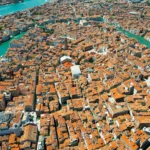
When to go to Italy depending on your plans
| Your plans | Best time | Where? |
|---|---|---|
| First trip (art cities) | April–May, late September–October | Rome, Florence, Venice |
| Beach and swimming | June to September (into October in the south) | Sicily, Sardinia, Puglia, Amalfi Coast |
| Off-season beach | Late May, early October | Sicily, southern Sardinia |
| Road trip in Tuscany and Umbria | May–June, September–October | Val d’Orcia, Chianti, Siena, Assisi |
| Italian lakes | May to September | Como, Garda, Maggiore |
| Mountain hiking | Late June to mid-September | Dolomites, Cinque Terre (spring and autumn) |
| Skiing | December to March | Dolomites, Piedmont and Aosta Valley Alps |
| Small budget | November to March outside the holidays | Rome, Naples, Sicily |
| Honeymoon | May–June or September | Amalfi Coast, Venice, Sicily |
| Family trip | June, early September, spring holidays | Italian lakes, Puglia, Sardinia |
Major events to plan your trip around
| When | Event | Where |
|---|---|---|
| February (variable dates) | Venice Carnival | Venice |
| March or April (variable date) | Easter and Holy Week | Rome and the Vatican, processions in the south |
| April 25 | Liberation Day (public holiday) | Whole country |
| June 2 | Republic Day (parade) | Rome |
| July 2 and August 16 | Palio of Siena | Siena |
| Summer | Opera season at the Verona Arena | Verona |
| August 15 | Ferragosto (heavy crowds on the coasts) | Whole country |
| Late August – early September | Venice Film Festival | Venice (Lido) |
| December | Christmas markets | Trentino-Alto Adige, northern towns |
Italy month by month
Italy in January: Cool (12 °C, or 54 °F, in the afternoon in Rome, 7 °C, or 45 °F, in Milan) and fairly rainy. Museums without waiting, low prices, ski season in the Dolomites.
Italy in February: Close to January. The Venice Carnival draws many people: book early if you are targeting those dates.
Italy in March: Spring arrives in the center and south (16 °C, or 61 °F, in Rome, 17 °C, or 62 °F, in Palermo). Few tourists, unless Easter falls in March.
Italy in April: Mild (19–20 °C, or 66–68 °F) but still changeable. Very heavy crowds in Rome around Easter and the April 25 holiday weekend.
Italy in May: One of the best months: 22 to 24 °C (72 to 75 °F), green nature, long days. The sea becomes swimmable toward the end of the month in Sicily.
Italy in June: The start of summer: 28 °C (82 °F) almost everywhere, little rain in the center and south. A good month for combining cities and beach.
Italy in July: High season: an average of 31 °C (88 °F) in Rome and Palermo, heat waves possible. Favor the sea, the lakes or the mountains.
Italy in August: The hottest and busiest month, with the Ferragosto peak on the 15th. Frequent thunderstorms in the north.
Italy in September: Warm sea, heat easing (27 °C, or 81 °F, in Rome), crowds receding after mid-September. An excellent month for the south.
Italy in October: Mild (22 to 24 °C, or 72 to 75 °F, in the center and south) but rainier. Grape harvest and autumn colors in Tuscany and Piedmont.
Italy in November: The wettest month in Rome (108 mm (4.3 in)) and Naples (152 mm (6.0 in)). Low prices, truffle season.
Italy in December: Cool and damp, but a festive atmosphere, nativity scenes in Naples and Christmas markets in the north.
When to book your trip to Italy
For July–August, Easter, spring holiday weekends and the Venice Carnival, book flights and accommodation 3 to 6 months ahead, especially on the Amalfi Coast, in Venice and on the islands. For the most in-demand museums (the Vatican, the Uffizi Gallery, Leonardo’s Last Supper in Milan), book your tickets online several weeks ahead. In May, June, September and October, 1 to 2 months is generally enough, and in winter you can often book at the last minute.
Planning your trip to Italy
- Entry requirements: see our page on the entry requirements for Italy.
- Time difference: Italy is on Central European Time (UTC+1, UTC+2 in summer): 1 hour ahead of London and generally 6 hours ahead of New York.
- Currency: the euro.
- Health: the UK FCDO (GOV.UK, updated 21 October 2026) lists dengue and West Nile disease among the health risks in Italy: protect yourself from mosquitoes. For healthcare abroad, the FCDO refers to the NHS page on getting healthcare abroad, and the U.S. Department of State (travel.state.gov, last updated August 11, 2025) advises being up to date on the vaccinations recommended by the U.S. CDC.
To go further, see our complete Italy travel guide, or compare with the best time to visit Greece.
Also worth reading as you plan: visiting Rome, visiting Venice, when to go to Spain, when to go to Croatia.
Frequently asked questions
What is the best month to visit Italy?
May and September are the most balanced months: 22 to 27 °C (72 to 81 °F) in the afternoon in Rome, little rain and fewer people than in July–August. April, June and early October are also good options, especially for the art cities.
When should you go to Italy for warm weather and swimming?
From June to September. Sicily and the south extend the season: in Palermo it is still 24 °C (75 °F) in the afternoon in October and it barely rains from June to August, according to the 1991–2020 normals.
Can you visit Rome in July or August?
Yes, but the heat is strong: an average high of 31 °C (88 °F) in Rome, often more during heat waves. Visit early in the morning, book museum tickets in advance and plan a break during the hot hours. Around August 15, some shops close.
What is the cheapest time to go to Italy?
From November to March, outside Christmas, Carnival and Easter. For a stay that combines cities and mild weather, March and late October offer a good balance of weather and prices.
When should you go to Venice?
April–May and September–October are the most pleasant. Carnival, in February, is very busy. In autumn and winter, acqua alta can flood part of the city: check the tide forecast before you go.
Is the weather good in Italy in winter?
It is cool but rarely cold in the center and south (12 to 15 °C, or 54 to 59 °F, in the afternoon in Rome, Naples and Palermo), with frequent rain. The north is colder, around 7 °C (45 °F) in Milan and Venice. Winter suits cultural visits and skiing, not the beach.
Is the weather good in Italy in October?
Generally yes: in Rome, highs are around 22 °C (72 °F) in October (Ciampino normals) and 22 to 24 °C (72 to 75 °F) in the center and south, but rain increases (about 88 mm, or 3.5 in, in Rome). It is a good month for the art cities and the grape harvest in Tuscany, with fewer people than in summer.
What is the best time to visit northern Italy?
May–June and September suit Venice, the lakes and Tuscany best: mild temperatures and fewer crowds than in summer. July–August remain the hiking season in the Dolomites, and December to March the ski season.
Our sources
- NOAA (World Meteorological Organization data): 1991–2020 normals for the Rome-Ciampino and Milan-Linate stations
- ISPRA (Istituto Superiore per la Protezione e la Ricerca Ambientale): 1991–2020 normals for Venice and Naples-Capodichino
- World Meteorological Organization: 1991–2020 normals for Palermo-Boccadifalco (a station of the Aeronautica Militare)
- Health, safety and local information read on 26 October 2026: UK FCDO, foreign travel advice for Italy (GOV.UK, updated 21 October 2026), and U.S. Department of State, Italy country information (travel.state.gov, last updated August 11, 2025)
- Our methodology
Updated November 2026.