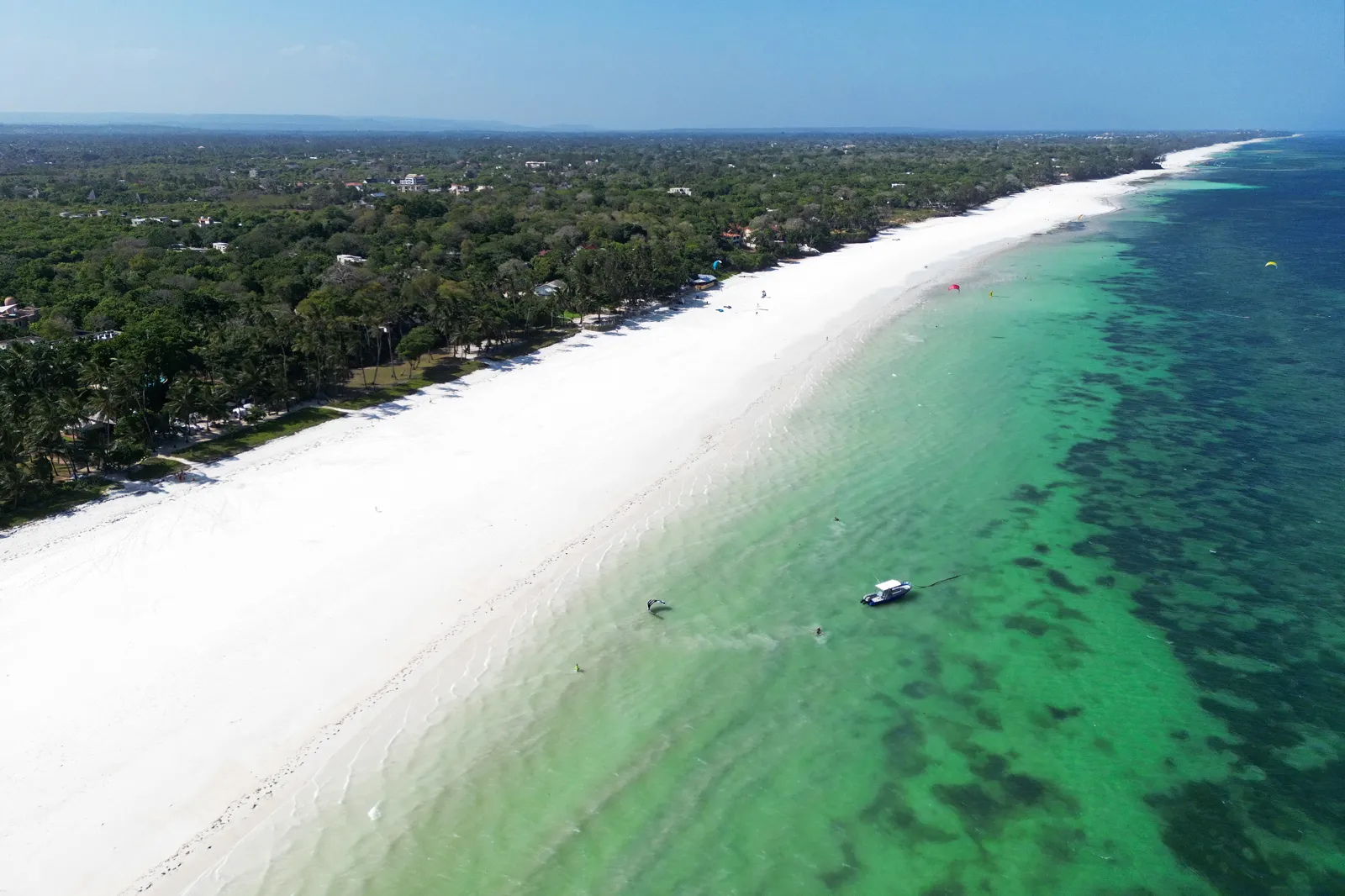
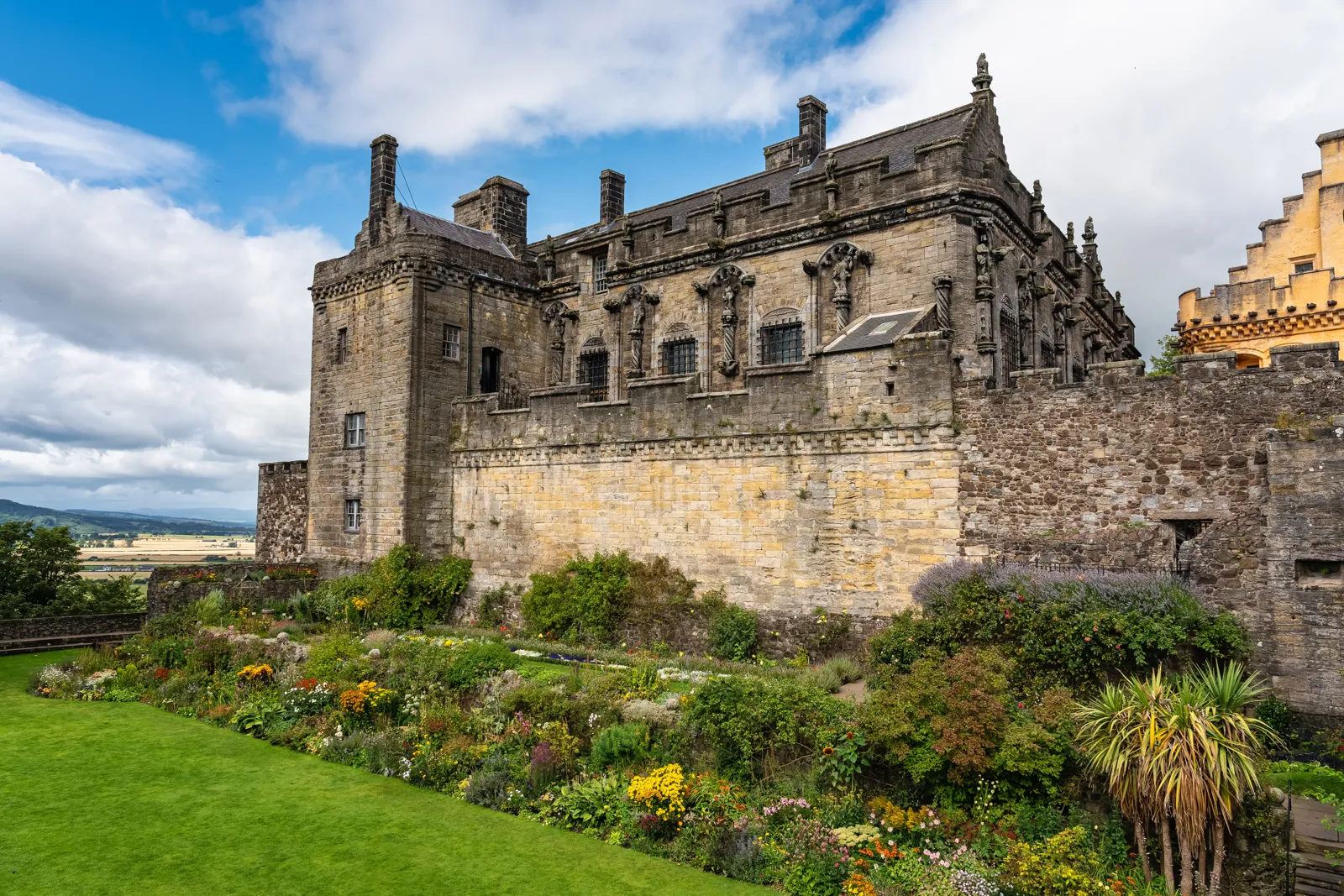
Akureyri, the largest town in Iceland outside the Reykjavik region, stretches along the head of Eyjafjörður, one of the long fjords of the north, surrounded by mountains. People stop here for its small centre, its botanical garden and its museums, and above all to fan out to Lake Mývatn, the Goðafoss and Dettifoss waterfalls, the islands of Hrísey and Grímsey or, in winter, the Hlíðarfjall ski area. This Akureyri travel guide covers what to do, how to get there and what weather to expect month by month, based on the official normals of the Icelandic Meteorological Office.
For the full itinerary, see our Iceland travel guide, the calendar for when to go to Iceland and the page on car rental in Iceland.

Our travel deals for Akureyri
Affiliate links: we earn a commission, at no extra cost to you.
 FlightsKiwi.comCompare flights and airline combinations to Akureyri.Compare flights
- eSIMAiraloData plan to install before you leave (eSIM-compatible phone).See plans


Akureyri at a glance
- Time zone UTC+0 all year, no daylight saving time: same time as London in winter, 1 hour behind in summer; 4 to 5 hours ahead of New York
- Climate 2.7 °C (37 °F) average maximum in January, 15.1 °C (59 °F) in July; a fairly dry town (1991–2020 normals)
- Light more than 23 hours of daylight in mid-June, barely more than 3 hours in mid-December (calculated)
- Entry Schengen area; no visa for short stays for US and UK citizens (U.S. Department of State, last updated May 14, 2026; UK FCDO, updated 11 August 2026)
- Things to do centre and Innbær, botanical garden, museums, swimming pool, Hlíðarfjall, Hrísey, Mývatn
Things to do in Akureyri: the highlights
The centre, Ráðhústorg and the old Innbær district
Akureyri’s centre is organised around the town hall square (Ráðhústorg), near the north-west corner of Pollurinn, the sheltered basin at the head of the fjord, known for its calm winds and natural harbour. To the south, between the hill and the water, Innbær is the oldest district in the town: it is where Danish trade began in the 18th century, followed by permanent settlement in 1778. On the hill, the Brekkan district overlooks the centre.
The botanical garden
On the Brekkan hill, the botanical garden is one of the town’s curiosities: thanks to a climate that is relatively mild for the latitude, its plants grow outdoors, without a greenhouse. It is best visited from late spring to early autumn, when the snow has melted.
The museums
Akureyri has several museums for a town of its size: the Akureyri Museum (Minjasafnið), devoted to local history, the art museum (Listasafnið), the house of the writer Jón Sveinsson (Nonnahús), that of the poet Davíð Stefánsson, an industry museum, a motorcycle museum and an aviation museum. Useful in bad weather, they help you understand the town’s fishing and trading past. Check opening hours on their websites: many reduce their opening days out of season.
Hlíðarfjall: skiing above the fjord
Just west of the town, the Hlíðarfjall ski area overlooks Akureyri. In town, snow covers the ground on average 22 days in January and 18.1 in December (1991–2020 normals), but daylight is short: check opening hours and slope lighting on the ski area’s website.
The islands of Hrísey and Grímsey
The municipality of Akureyri includes two islands. Hrísey, at the mouth of Eyjafjörður, is the second-largest island off Iceland; its village is in the south and the north is partly private. Grímsey, much farther north, is served by air from Akureyri. Check ferry and flight times with the operators.
Mývatn, Goðafoss and the north-east
Akureyri is the most practical base for the north: the Goðafoss waterfall, Lake Mývatn and its pseudo-craters, Dettifoss, Húsavík. These excursions are made by car or on an organised tour. In winter, check road conditions on road.is before every departure, as the U.S. State Department recommends. Our Iceland travel guide describes these sites.
Akureyri in 2 days
- Day 1: centre and Ráðhústorg, botanical garden, Innbær and a museum, swimming pool late in the day.
- Day 2: excursion to Goðafoss and Mývatn, or Hrísey in summer; skiing at Hlíðarfjall in winter.
When to go to Akureyri: climate month by month
Akureyri has a subpolar climate, more continental than Reykjavik because the town lies at the head of a long fjord: summers are a little warmer, winters colder, and the town is sheltered from southerly winds, so it is relatively dry. The table combines the official normals with our calculations.
| Month | Avg. max | Avg. min | Rain | Rainy days (≥ 1 mm) | Day/night gap | Sunrise / sunset (15th) | Daylight |
|---|---|---|---|---|---|---|---|
| January | 2.7 °C (37 °F) | −3.5 °C (26 °F) | 60 mm (2.4 in) | 11.1 | 6.2 °C (11 °F) | 11:00 am / 3:43 pm | 4 h 43 min |
| February | 2.6 °C (37 °F) | −3.6 °C (26 °F) | 52 mm (2.0 in) | 10.2 | 6.2 °C (11 °F) | 9:16 am / 5:37 pm | 8 h 21 min |
| March | 3.5 °C (38 °F) | −2.6 °C (27 °F) | 47 mm (1.9 in) | 9.9 | 6.1 °C (11 °F) | 7:32 am / 7:11 pm | 11 h 39 min |
| April | 6.6 °C (44 °F) | −0.3 °C (31 °F) | 26 mm (1.0 in) | 6.7 | 6.9 °C (12 °F) | 5:34 am / 8:52 pm | 15 h 18 min |
| May | 10.3 °C (51 °F) | 3.2 °C (38 °F) | 24 mm (0.9 in) | 5.9 | 7.1 °C (13 °F) | 3:39 am / 10:40 pm | 19 h 01 min |
| June | 13.7 °C (57 °F) | 6.6 °C (44 °F) | 21 mm (0.8 in) | 4.9 | 7.1 °C (13 °F) | 1:43 am / 12:45 am | 23 h 02 min |
| July | 15.1 °C (59 °F) | 8.5 °C (47 °F) | 34 mm (1.3 in) | 7.7 | 6.6 °C (12 °F) | 2:54 am / 11:38 pm | 20 h 44 min |
| August | 14.8 °C (59 °F) | 7.9 °C (46 °F) | 41 mm (1.6 in) | 8.1 | 6.9 °C (12 °F) | 4:51 am / 9:39 pm | 16 h 48 min |
| September | 11.8 °C (53 °F) | 5.4 °C (42 °F) | 53 mm (2.1 in) | 9.4 | 6.4 °C (12 °F) | 6:32 am / 7:41 pm | 13 h 09 min |
| October | 6.6 °C (44 °F) | 1.1 °C (34 °F) | 74 mm (2.9 in) | 11.7 | 5.5 °C (10 °F) | 8:06 am / 5:48 pm | 9 h 42 min |
| November | 3.6 °C (38 °F) | −2.1 °C (28 °F) | 68 mm (2.7 in) | 10.9 | 5.7 °C (10 °F) | 9:55 am / 3:57 pm | 6 h 03 min |
| December | 2.6 °C (37 °F) | −3.6 °C (26 °F) | 73 mm (2.9 in) | 12.0 | 6.2 °C (11 °F) | 11:31 am / 2:43 pm | 3 h 13 min |
Reading the table: June is the driest month (21 mm / 0.8 in) and the sunniest (190 hours of sunshine according to the Icelandic Meteorological Office); July is the mildest (15.1 °C / 59 °F maximum). In mid-June the sun rises around 1:43 am and sets around 12:45 am: true night does not exist. In December, by contrast, the day lasts 3 h 13 min and monthly sunshine is only 0.3 hours, the town lying in the shadow of the mountains. October is the wettest month (74 mm / 2.9 in).

Snow, sun and day length: our cross-table
| Month | Days with snow on the ground | Hours of sunshine (month) | Day length on the 15th (calculated) |
|---|---|---|---|
| January | 22.0 | 6 | 4 h 43 min |
| February | 16.9 | 34 | 8 h 21 min |
| March | 16.1 | 78 | 11 h 39 min |
| April | 5.7 | 128 | 15 h 18 min |
| May | 0.3 | 171 | 19 h 01 min |
| June | 0.0 | 190 | 23 h 02 min |
| July | 0.0 | 152 | 20 h 44 min |
| August | 0.0 | 138 | 16 h 48 min |
| September | 0.1 | 90 | 13 h 09 min |
| October | 3.9 | 48 | 9 h 42 min |
| November | 12.4 | 15 | 6 h 03 min |
| December | 18.1 | 0 | 3 h 13 min |
Key points: from May to September, snow is almost absent in town; from November to March it covers the ground on more than one day in two. For the northern lights you need dark nights: they return from September and disappear after April.
Getting to Akureyri and getting around
Akureyri Airport is, with Keflavík, one of the airports in Iceland that receives international flights, but most of its traffic is domestic. According to the official Visit Akureyri website (checked 12 November 2026), several airlines fly directly to Akureyri and the flight from Reykjavik takes about 40 minutes. Most visitors from abroad therefore arrive via Keflavík, then continue by domestic flight or by road No. 1, the Ring Road, which serves Akureyri. The same site lists a free city bus; check the current service there. The centre is walkable.
Rental car or excursions?
A car is the most flexible option for Mývatn and the north-east, provided you follow official advice in winter: road conditions on road.is and alerts on safetravel.is. The U.S. State Department (travel.state.gov, last updated May 14, 2026) says travellers should monitor weather and road safety year-round through safetravel.is and road.is, and take extreme care driving in rural areas in winter, when daylight is limited and conditions change rapidly; a valid US licence can be used for up to 90 days (minimum age 17). The UK FCDO (updated 11 August 2026) says a UK photocard licence can be used for up to 30 days, that weather can change quickly, that some highland roads require 4-wheel drive and are open only for part of the summer, and that sand and ash blown by strong winds can damage rental cars in ways insurance may not cover. Our page on car rental in Iceland details the rules. Otherwise, organised excursions leave from Akureyri. Before booking a rental or transfer, compare the direct rental company and resellers: insurance, excess, cancellation terms, winter equipment.
Where to stay in Akureyri
The centre, around Ráðhústorg, lets you do everything on foot and reach the buses. Innbær and the streets near the botanical garden are quieter. For a ski-oriented stay, stay close to the Hlíðarfjall road. In summer, accommodation is in high demand from travellers touring the island: book early.
Entry requirements, health and safety
Rules checked in the official sources read on 26 October 2026. Rules can change: confirm with the Iceland embassy before you travel.
US citizens
According to the U.S. Department of State (travel.state.gov, last updated May 14, 2026), The page points to the Icelandic Directorate of Immigration for current visa information. It does not state the day limit for short stays, so check the EU’s official Schengen information (travel-europe.europa.eu) for the 90-days-in-any-180 rule and for the EU Entry/Exit System (EES) and ETIAS. For onward travel in the Schengen area, it says your passport should be valid for at least three months beyond your stay and that you need proof of sufficient funds and a return ticket.
UK citizens
According to the UK FCDO (GOV.UK, updated 11 August 2026), you can travel to the Schengen area, which includes Iceland, without a visa for up to 90 days in any 180-day period, as a tourist or to visit family and friends. Your passport must have been issued less than 10 years before arrival and must expire at least 3 months after the day you plan to leave the Schengen area. At the border you may be asked for a return or onward ticket and proof of enough money for your stay. The EU’s Entry/Exit System (EES) may require you to register fingerprints and a photo on your first entry; there is no fee.
The two sources agree that US and UK visitors can make short stays without a visa; the exact day count and passport wording differ, so follow the stricter reading and confirm with the embassy. See also our guide to entry requirements.
Safety and local rules
- Weather and nature: the U.S. State Department says Iceland is prone to extreme weather, volcanoes, earthquakes, avalanches and landslides and points to the Icelandic Association for Search and Rescue (safetravel.is; its app lets you send your location to emergency services). The UK FCDO adds that going too close to the ocean, cliff edges and hot springs are common causes of accidents.
- Volcanic activity: the UK FCDO reports a series of eruptions on the Reykjanes peninsula in the south-west since December 2023; the north of the country, including Akureyri, is far from that area.
- Emergencies: dial 112 for ambulance, fire and police.
- ID: the UK FCDO says you do not have to carry your passport but it is sensible to carry some form of ID.
Staying connected
Roaming conditions for US and UK plans depend on your operator. See our Iceland eSIM page and the travel eSIM guide.
If you… then…
| If you… | Then… |
|---|---|
| Want the driest, sunniest weather | Aim for June: 21 mm (0.8 in) and 190 hours of sunshine (normals) |
| Dream of the midnight sun | Come in mid-June: more than 23 hours of daylight (calculated) |
| Are looking for the northern lights | Come between September and April, when nights are dark |
| Want to ski | Hlíðarfjall from December to March, with very short days |
| Drive in winter | Check road.is and safetravel.is before every trip (U.S. Department of State) |
| Aim for the highlands | Check road openings and conditions first; some tracks need 4-wheel drive (UK FCDO) |
Frequently asked questions
What can you do in Akureyri in one day?
The centre and Ráðhústorg, the botanical garden, the old Innbær district and a museum, then the swimming pool late in the day.
When should you go to Akureyri?
June to August for relative mildness (14–15 °C / 57–59 °F maximum in July–August) and long days; September to April for the northern lights and, in winter, skiing.
Is Akureyri cold in winter?
The average maximum stays around 2.6 to 3.5 °C (37 to 38 °F) from December to March and the minimum around −3.5 °C (26 °F) (1991–2020 normals). Snow covers the ground on average 22 days in January.
How do you get from Reykjavik to Akureyri?
By domestic flight (about 40 minutes, according to Visit Akureyri) or by road No. 1. In winter, check road conditions on road.is.
Are the buses free in Akureyri?
The official Visit Akureyri site lists a free city bus (checked 12 November 2026); check the current service on that site.
Do you need a visa for Akureyri?
Not for short stays by US or UK citizens: the UK FCDO (updated 11 August 2026) gives 90 days in any 180 in the Schengen area, and the U.S. State Department (last updated May 14, 2026) refers to the Icelandic Directorate of Immigration for visa information.
Our sources
- UK FCDO, Iceland foreign travel advice (GOV.UK, updated 11 August 2026): entry requirements, safety and security, road travel; read 26 October 2026
- U.S. Department of State, Iceland country information (travel.state.gov, last updated May 14, 2026): entry and exit requirements, safety, transportation; read 26 October 2026
- Visit Akureyri, official tourist site (visitakureyri.is): flights and city bus, read 12 November 2026
- World Meteorological Organization, 1991–2020 climate normals, Akureyri station (04063), Icelandic Meteorological Office (NOAA/NCEI archive)
- Wikipedia articles “Akureyri” (FR and EN) and “Akureyri Airport” (EN)
- Astronomical calculations: NOAA solar algorithm, applied by Destination de Voyage to the coordinates of Akureyri (15th of each month, year 2027)
- Our methodology
Updated November 2026.