Bujumbura: safety advice from the FCDO and the State Department
Both governments publish detailed warnings for Burundi. The UK FCDO (GOV.UK, updated 21 May 2026) advises against all travel to parts of Ntahangwa commune in Bujumbura: the RN5 road north of Melchior Ndadaye International Airport towards Cibitoke, and the area west of the Rusizi River towards the border with the DRC, including Rusizi National Park (Rusizi Delta Nature Reserve).
The FCDO also advises against all travel to the communes of Mugina, Cibitoke, Bukinyayana, Bubanza and Mpanda, and on the RN6 and RN10 roads running west from Kayanza through Kibira National Park towards Cibitoke.
For the rest of the city, the FCDO says not to walk in the streets or use public transport after dark, even in the city center, and to exercise increased caution around the former Central Market and bus station on Chaussée Prince Louis Rwagasore, where a grenade attack took place on 10 May 2024.
The U.S. Department of State (travel.state.gov, last updated October 1, 2026) reports grenade and small-arms violence, says the part of Bujumbura Rural province that borders the DRC is vulnerable to armed violence, and refers readers to its Travel Advisory for Burundi, which you should read before booking.
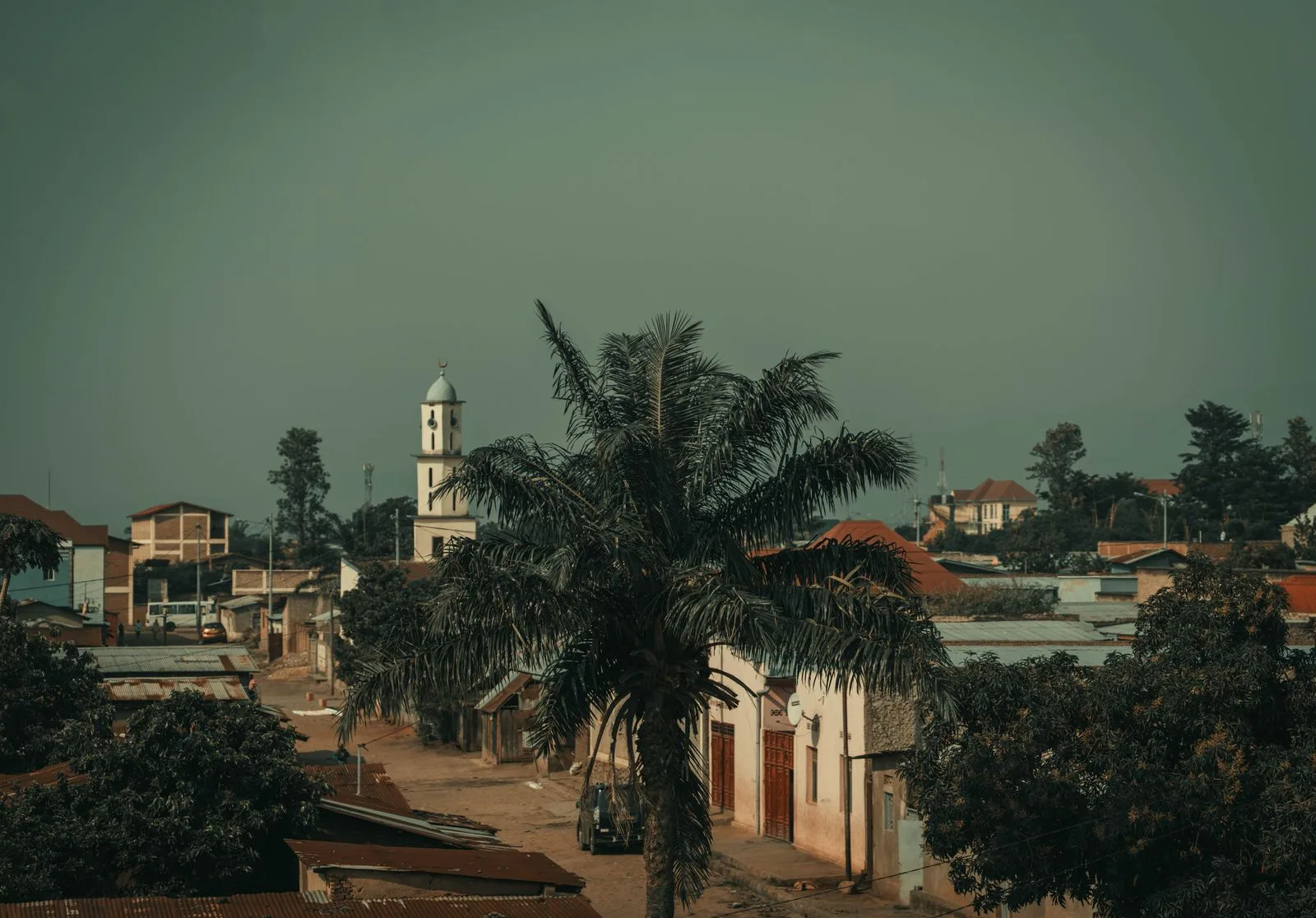
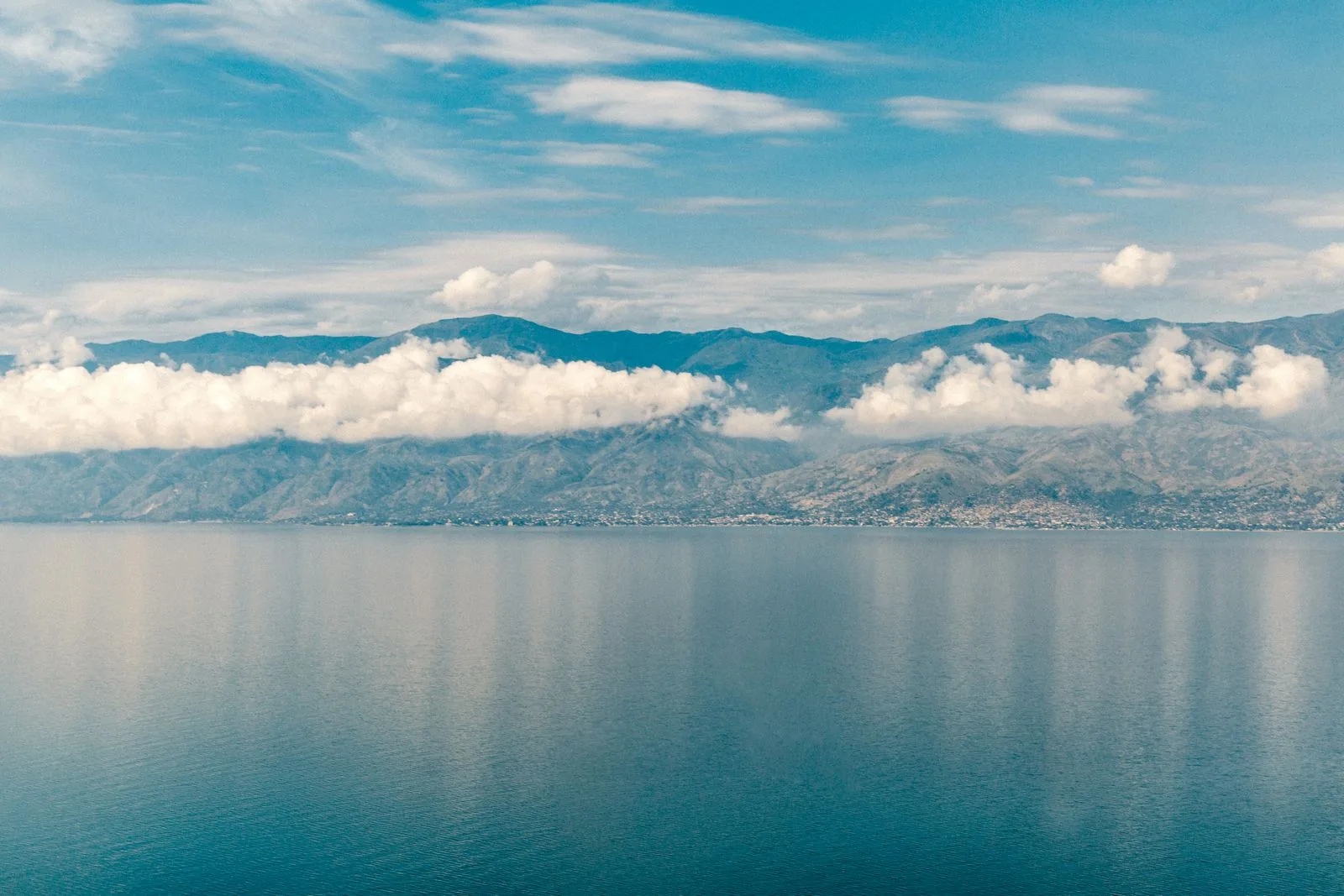
Bujumbura, Burundi’s economic capital and largest city, stretches between the mountains and the northeastern shore of Lake Tanganyika. Most travelers arrive here, through the international airport on the edge of the city. This Bujumbura travel guide is built around one constraint: the city is best explored by car with a driver rather than on foot, and in daylight.
Since a law passed on 4 February 2019, Gitega has been the political capital, but Bujumbura remains the economic center, with more than a million inhabitants (1,143,202 in 2023, according to figures reproduced by Wikipedia). For the rest of the country, see our Burundi travel guide.
Bujumbura at a glance
Statuseconomic capital of Burundi, on Lake Tanganyika
LanguagesKirundi, French and English (the official languages of Burundi)
CurrencyBurundian franc (BIF); the FCDO describes Burundi as largely cash-based and recommends US dollars dated after 2006 (GOV.UK, updated 21 May 2026)
Time zoneUTC+2 all year, so 2 hours ahead of London and 7 hours ahead of New York in winter (1 hour and 6 hours in summer) (time difference in Burundi)
AirportMelchior Ndadaye International Airport, the only international airport in Burundi (FCDO); check airlines and routes when you book
Entryvisa required for US and UK citizens; apply online first, then collect the visa on arrival ($90 for 30 days); yellow fever certificate required (travel.state.gov, GOV.UK)
Climatehot all year; dry season from June to August
Our travel deals for Bujumbura
Affiliate links: we earn a commission, at no extra cost to you.
FlightsKiwi.comCompare flights and airline combinations to Bujumbura.
Lake Tanganyika, one of the great lakes of East Africa, runs along the whole city, and beaches and restaurants line the shore. Go by day, by car, and stay in the developed areas: the lakeshore west of the city leads to the border with the DRC, which the FCDO describes as unstable. The FCDO also advises avoiding swimming in the lake because of the risk of wildlife attacks and waterborne diseases.
Downtown and the markets
The administrative and commercial center has the banks, ministries, cafés and shops. The FCDO advises avoiding large gatherings, taking increased caution around the former Central Market and bus station, and not carrying large amounts of money: keep any visit short, preferably accompanied, and carry as little as possible.
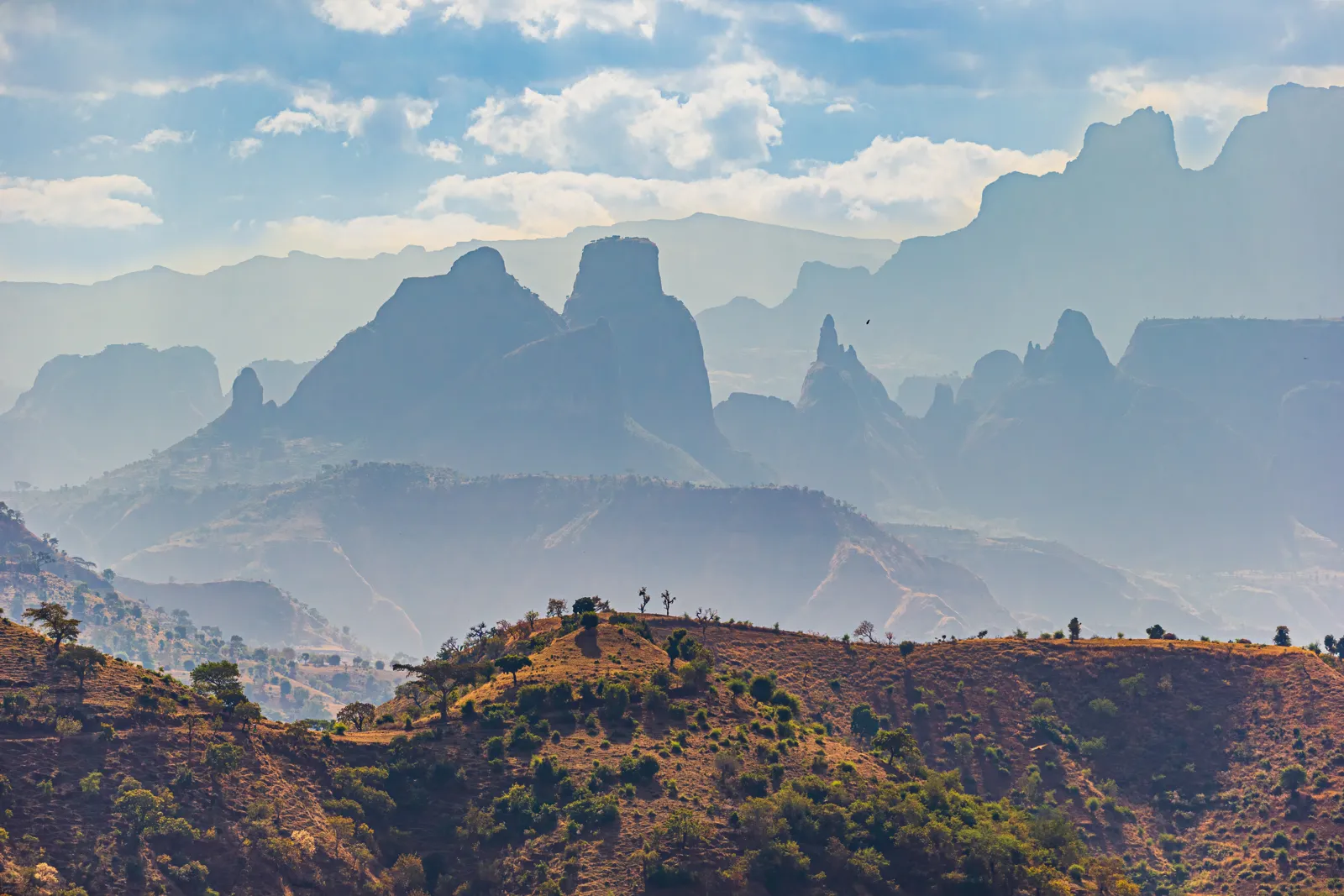
Bujumbura backs onto the mountains that rise above the lake. The roads climbing east offer views over the city and the plain. The FCDO advises against traveling by road outside Bujumbura after dark, so go up early and come back well before sunset (between 5:53 pm and 6:23 pm depending on the month, according to our calculation below).
Heading inland
Bujumbura is the base for Gitega, the political capital and home of the National Museum, the Gishora drum sanctuary, the source of the Nile at Rutovu and the Karera falls. Plan these trips in daylight with a driver, and allow for the fuel shortages the FCDO reports across the country. Avoid the RN6 and RN10 roads through Kibira National Park (see the warning box above). More detail is in our Burundi travel guide.
What we do not recommend
The Rusizi Nature Reserve, often offered as an excursion, lies on the river that marks the border with the DRC, and the FCDO advises against all travel to Rusizi National Park and to the area west of the Rusizi River. We therefore do not recommend it, nor Gatumba, nor the northwestern areas covered by the FCDO warning.
Bujumbura climate
Bujumbura is hot all year: 28.9 to 30.9 °C (84 to 88 °F) in the afternoon and 17.2 to 19.6 °C (63 to 67 °F) at night, according to the official normals. What changes is the rain: from June to August, less than 15 mm (0.6 in) falls per month, against more than 100 mm (3.9 in) in January, March, April and December. Destination de Voyage calculation from these normals: June, July and August add up to 25 mm (1.0 in), less than February alone (85.7 mm / 3.4 in).
Month
Avg. max
Avg. min
Rain
Rainy days
Day/night gap
Sunrise / sunset on the 15th
Day length
January
29.1 °C (84 °F)
19.2 °C (67 °F)
100 mm (3.9 in)
16
9.9 °C (18 °F)
6:02 am / 6:20 pm
12 h 18 min
February
29.7 °C (85 °F)
19.3 °C (67 °F)
86 mm (3.4 in)
19
10.4 °C (19 °F)
6:10 am / 6:23 pm
12 h 13 min
March
29.3 °C (85 °F)
19.3 °C (67 °F)
118 mm (4.6 in)
18
10.0 °C (18 °F)
6:07 am / 6:15 pm
12 h 8 min
April
29.2 °C (85 °F)
19.6 °C (67 °F)
112 mm (4.4 in)
18
9.6 °C (17 °F)
6:01 am / 6:03 pm
12 h 2 min
May
29.9 °C (86 °F)
19.1 °C (66 °F)
57 mm (2.2 in)
10
10.8 °C (19 °F)
6:00 am / 5:57 pm
11 h 58 min
June
29.9 °C (86 °F)
17.6 °C (64 °F)
9 mm (0.4 in)
2
12.3 °C (22 °F)
6:05 am / 6:00 pm
11 h 56 min
July
29.2 °C (85 °F)
17.2 °C (63 °F)
3 mm (0.1 in)
1
12.0 °C (22 °F)
6:10 am / 6:06 pm
11 h 57 min
August
30.0 °C (86 °F)
17.4 °C (63 °F)
13 mm (0.5 in)
2
12.6 °C (23 °F)
6:07 am / 6:07 pm
12 h 0 min
September
30.9 °C (88 °F)
18.6 °C (65 °F)
33 mm (1.3 in)
8
12.3 °C (22 °F)
5:55 am / 6:00 pm
12 h 5 min
October
30.1 °C (86 °F)
19.1 °C (66 °F)
59 mm (2.3 in)
15
11.0 °C (20 °F)
5:43 am / 5:53 pm
12 h 11 min
November
29.1 °C (84 °F)
19.1 °C (66 °F)
97 mm (3.8 in)
19
10.0 °C (18 °F)
5:38 am / 5:55 pm
12 h 16 min
December
28.9 °C (84 °F)
19.1 °C (66 °F)
100 mm (3.9 in)
19
9.8 °C (18 °F)
5:47 am / 6:07 pm
12 h 19 min
Temperatures, rain and rainy days: 1961–1990 normals for Bujumbura station, Geographical Institute of Burundi (IGEBU), published by the World Meteorological Organization (World Weather Information Service). Sunrise, sunset and day length: Destination de Voyage calculation using the NOAA solar algorithm (15th of each month, 2027).
In practice, daylight lasts about 12 hours all year. Since the FCDO advises against walking after dark and against road travel outside Bujumbura at night, the useful window for trips and visits is short and almost fixed: plan to be back at your hotel before sunset.
Getting to Bujumbura and getting around
Melchior Ndadaye International Airport is on the edge of the city. Ask your hotel or a driver you know to meet you, and complete the online airport entry visa application before you travel: the FCDO says you will receive a validation certificate that you need to get your visa on arrival (see the entry requirements below).
In town, the FCDO advises against walking or using public transport after dark, even in the city center. Use a car with a driver, keep the doors locked and the windows closed, and park in well-lit places, ideally in a guarded car park. Roadblocks and document checks are common and not always official: carry a copy of your passport and visa, although you may need to show the originals. The FCDO also notes that access into and out of Bujumbura is controlled by police at night.
Where to stay in Bujumbura
Choose a hotel with good security and guarded parking (the FCDO recommends staying in hotels that have good security). Use the room safe for your passport and tickets, and carry photocopies; the FCDO also advises keeping copies of your passport and visa separately.
Entry requirements, health and safety
US citizens: according to the U.S. Department of State (travel.state.gov, Burundi page last updated October 1, 2026), you need a passport and can obtain a 30-day visa on arrival at Bujumbura airport for USD 90. It can be extended in the country, and a three-month visa can be requested from the Burundian Embassy in Washington, DC. Visa applicants should carry a WHO card showing yellow fever vaccination.
UK citizens: according to the FCDO (GOV.UK, updated 21 May 2026), you must have a visa. Apply online ahead of travel: visas are issued on arrival, and a one-month visa costs $90, payable online or in cash on arrival and valid for single and multiple entries. You must complete the Airport entry visa application before arriving, and the validation certificate you receive is needed to get the visa. Your passport must expire at least 6 months after your arrival date and have one blank page.
Both: a yellow fever vaccination certificate is required to enter Burundi (FCDO). Check the official Burundian visa information or your nearest Burundian embassy before you travel, as procedures can change.
Crime and security: the FCDO describes the crime rate as high (muggings, bag-snatching, pickpocketing, burglary, car break-ins and armed carjackings), says terrorist attacks cannot be ruled out, and notes that grenade attacks are common. Avoid large gatherings.
Health: the FCDO lists malaria, dengue, Zika, yellow fever and mpox among the risks, notes that an outbreak of cholera continues in Burundi, and says altitude sickness is a risk in parts of the country. Emergency number: 112 for an ambulance, or the Red Cross on 109 (FCDO). The State Department reports that emergency response and appropriate medical treatment are not always available and encourages medical evacuation insurance.
Laws: same-sex sexual acts are illegal (FCDO); drug offenses carry severe penalties; it is illegal to photograph government buildings, military installations and key infrastructure such as airports and border controls (State Department).
Safety checklist for Bujumbura
A driver booked for your airport arrival and for every outing.
No walking, even short distances, especially in the evening (FCDO).
Be back at your hotel before dark; avoid road travel outside Bujumbura after dark (FCDO).
Carry little cash and no visible valuables; take care when withdrawing or exchanging money, and not at night (FCDO).
Avoid political gatherings and crowded places, including the former Central Market and bus station area: the FCDO notes that grenade attacks have targeted crowded places in the city.
Keep a photocopy of your passport and visa, and be ready for roadblocks (FCDO and State Department).
Take travel insurance that includes medical evacuation (State Department).
Frequently asked questions about Bujumbura
Is Bujumbura the capital of Burundi?
It is the economic capital. Since a law passed on 4 February 2019, the political capital has been Gitega.
Is Bujumbura dangerous?
The FCDO describes the crime rate in Burundi as high, advises against walking or using public transport after dark even in the city center, and advises against all travel to parts of Ntahangwa commune, including the RN5 north of the airport and the area west of the Rusizi River. Use a driver and be back at your hotel before dark.
When is the best time to go to Bujumbura?
June to August, the dry season: 2.7 to 13.4 mm (0.1 to 0.5 in) of rain per month (1961–1990 normals).
Can you swim in Lake Tanganyika at Bujumbura?
The FCDO advises avoiding swimming in Lake Tanganyika because of the risk of wildlife attacks and waterborne diseases.
What language is spoken in Bujumbura?
Kirundi is the everyday language; French and English are also official languages.


 FlightsKiwi.comCompare flights and airline combinations to Bujumbura.Compare flights