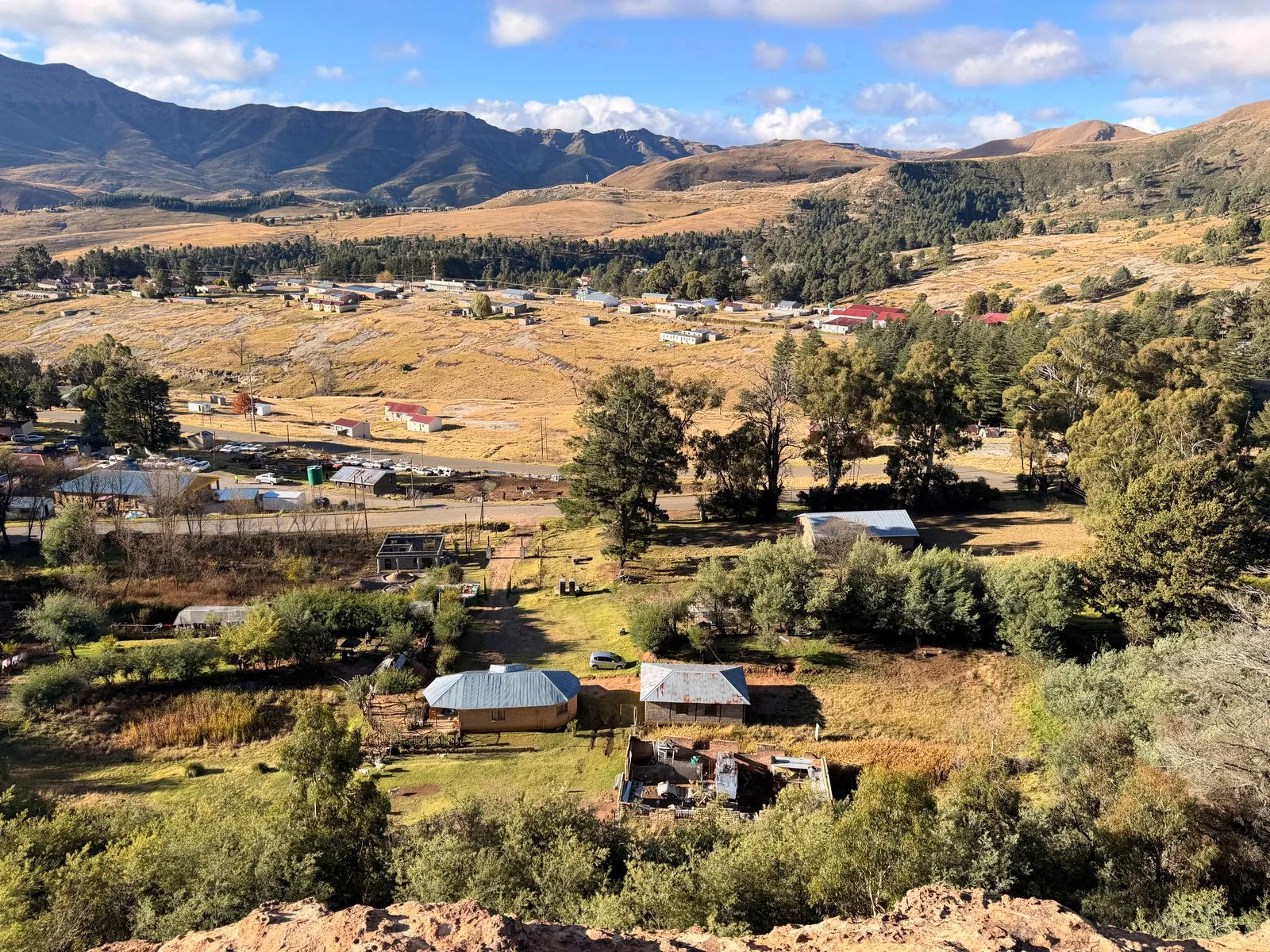
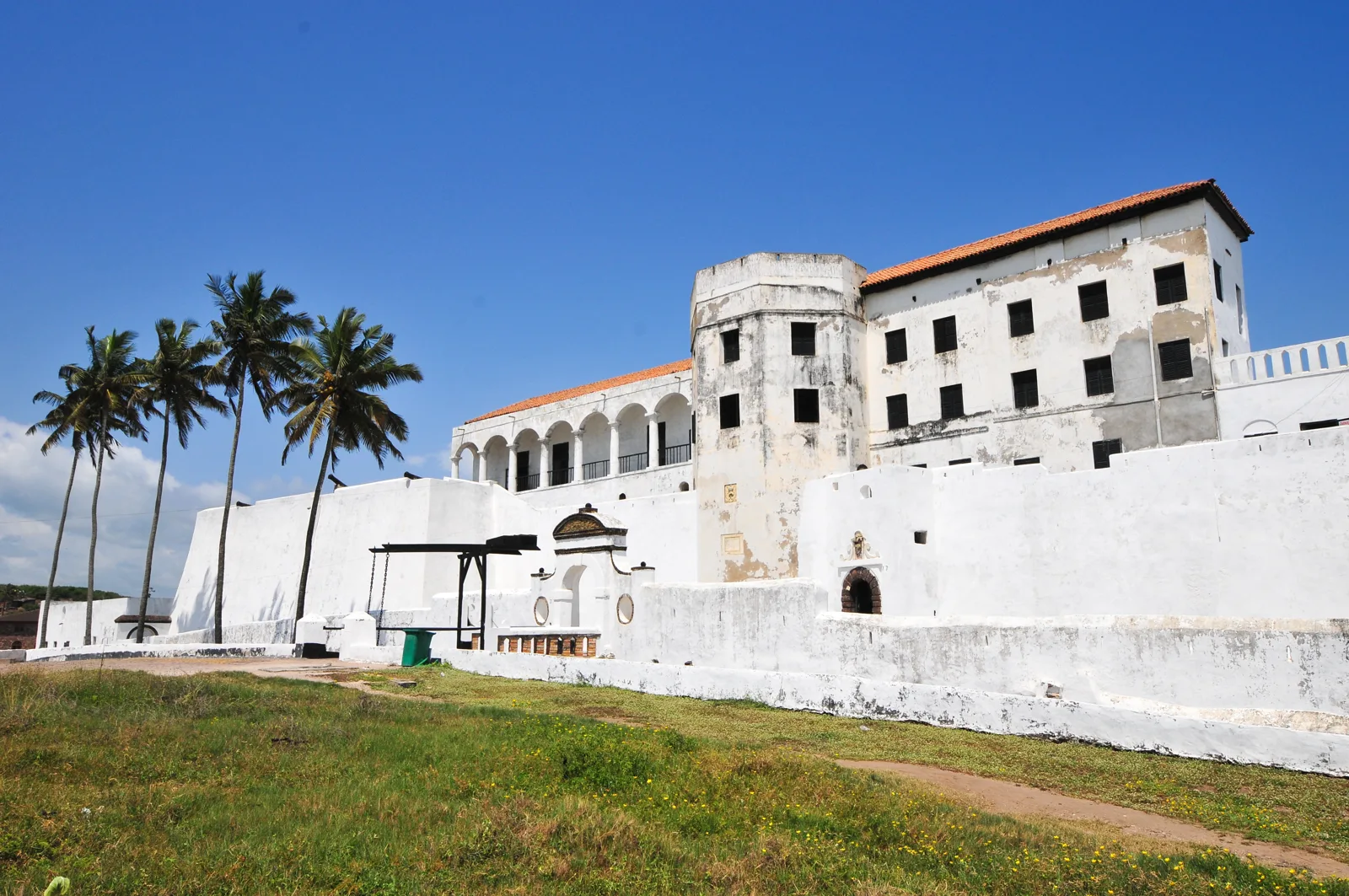
Windhoek has been the capital of Namibia since independence in 1990. Perched at about 1,650 m (5,413 ft) on the central plateau, the city mixes German colonial heritage, modern districts and the Katutura township. It is also the gateway to almost every trip in Namibia, before heading to Sossusvlei, Etosha or the coast. Visiting Windhoek means seeing the Lutheran church, the Alte Feste, the Tintenpalast and the Independence Memorial Museum, then preparing your road trip. This guide covers what to see in one or two days, when to come according to the Namibian weather service normals, how to handle your arrival (visa, transfer, rental car) and what the UK FCDO and the U.S. State Department say about safety in the city.
To place Windhoek in a trip, see our Namibia travel guide, the when to go to Namibia calendar and the map of Namibia.

Our travel deals for Windhoek
Affiliate links: we earn a commission, at no extra cost to you.
 FlightsKiwi.comCompare flights and airline combinations to Windhoek.Compare flights
- Airport transferKiwitaxiPrivate driver booked in advance at a fixed price.Book a transfer
- eSIMAiraloData plan to install before you leave (eSIM-compatible phone).See plans



Windhoek at a glance
- Best time May to September, the dry season; cold nights in June–July (average low of 7 °C / 45 °F)
- Time zone UTC+2 all year: 2 hours ahead of London in winter and 1 in summer; 7 hours ahead of New York in winter and 6 in summer
- Entry visa required since 1 April 2025, available on arrival at Windhoek airport or online (N$1,600 for travelers over 11, according to the FCDO); passport valid for 6 months, at least 3 blank pages (travel.state.gov, GOV.UK)
- Safety street crime; the FCDO says muggers often target tourists in Windhoek, and the State Department says violent crime increased there over the last year
- Recommended stay one to two days, often at the start and end of a tour
- Main sights Lutheran church, Alte Feste, Tintenpalast, Independence Memorial Museum, Independence Avenue
What to see in Windhoek: the highlights
The Lutheran church (Christuskirche)
Completed in 1910, Windhoek’s Lutheran church, known as the Christuskirche, is the symbol of the capital. It overlooks the city on Robert Mugabe Avenue, next to the Alte Feste and not far from the Tintenpalast: the three monuments can be visited in a single walk.
The Alte Feste and the National Museum
The Alte Feste (« old fort ») marks the founding of colonial Windhoek: its foundation stone was laid on 18 October 1890. The building houses part of the National Museum, devoted to history (wagons, household items from the colonial era). In its courtyard stands the Reiterdenkmal, an equestrian statue celebrating the German victory over the Herero and Nama during the genocide of 1904–1907, moved from its original site in 2013.
The Independence Memorial Museum
In the center, the Independence Memorial Museum is devoted to anti-colonial resistance and the national liberation struggle. It complements a visit to the Alte Feste and gives the keys to the country’s recent history.
The Tintenpalast and its gardens
The Tintenpalast, or « ink palace », built in 1912–1913, is the seat of both houses of the Namibian Parliament. It stands in the middle of the Parliament Gardens, north of Robert Mugabe Avenue.
Independence Avenue and Post Street
The main thoroughfare, called Kaiserstrasse for a century, was renamed Independence Avenue in 1990. With the pedestrian Post Street, it concentrates the shops and restaurants of the center. It is the place to buy crafts before your tour, or to do your last shopping.
Katutura and the city’s districts
The city consists of the center, residential districts, the Khomasdal district and the Katutura township, where most inhabitants live. Katutura was born from the forced closure of the Old Location, the former Black district, under South African apartheid. The FCDO advises not entering townships at night unless you are with someone with local knowledge: go on a guided visit.
Heroes’ Acre
Outside the city, Heroes’ Acre is the national memorial to the heroes and fighters of independence. It is reached by car or with a driver.
Windhoek in 1 or 2 days
- Day 1 (arrival): visa at the airport, transfer, rental car pick-up; late afternoon on Independence Avenue and Post Street.
- Day 2: Christuskirche, Alte Feste, Independence Memorial Museum and the Tintenpalast gardens in the morning; a guided visit to Katutura or Heroes’ Acre in the afternoon.
- End of the tour: one night before your return flight, so you do not drive at night: the FCDO advises avoiding driving at night outside towns.
Where to stay in Windhoek
Most travelers stay in the center or in nearby residential districts, often in guesthouses, or in quieter lodges on the outskirts. Points to check: secure parking (essential with a loaded rental car), whether the property can book you a taxi (both governments advise against hailing taxis in the street), and heating or blankets in June–July, when the night drops to about 7 °C (45 °F).
Arriving in Windhoek: airport, visa, transfer
International flights arrive at Hosea Kutako International Airport, east of the city; Eros Airport, south of the center, mainly serves small planes. Check routes with airlines and the airport. On arrival, the visa can be issued on the spot: the State Department says visitors arriving in Windhoek or Walvis Bay can buy tourist visas on arrival, or you can apply online first. Check the dates on your entry stamp: the FCDO warns that officials check them when you leave, and that overstaying or having an incorrect or missing entry stamp can lead to detention, arrest or a fine.
Transfer or rental car?
To get to the center, there are two options: a transfer booked in advance (often offered by your accommodation) or the rental car, which you pick up directly for the tour. The FCDO advises not hailing taxis in the street in Windhoek and asking your hotel, guesthouse or tour operator to recommend a reputable company; the State Department also suggests hiring taxis through a hotel. Before booking a rental, check the excess, the cover for tires and windshield, the speed limit imposed on gravel roads and the equipment (two spare tires). The FCDO says most insurance policies will not cover accidents that do not involve other vehicles or animals.
When to go to Windhoek: climate month by month
Altitude gives Windhoek a temperate semi-arid climate: warm days all year, cool to cold nights in the austral winter (June–August), and thundery rain concentrated between December and March. The table combines the official normals with our calculations.
| Month | Avg. max | Avg. min | Rain | Day/night gap | Sunrise / sunset on the 15th | Day length |
|---|---|---|---|---|---|---|
| January | 30.5 °C (87 °F) | 17.8 °C (64 °F) | 91 mm (3.6 in) | 12.7 °C (23 °F) | 6:19 am / 7:41 pm | 13 h 22 min |
| February | 29.1 °C (84 °F) | 17.2 °C (63 °F) | 87 mm (3.4 in) | 11.9 °C (21 °F) | 6:40 am / 7:30 pm | 12 h 50 min |
| March | 27.9 °C (82 °F) | 16.1 °C (61 °F) | 70 mm (2.8 in) | 11.8 °C (21 °F) | 6:53 am / 7:07 pm | 12 h 14 min |
| April | 26.2 °C (79 °F) | 13.2 °C (56 °F) | 32 mm (1.3 in) | 13.0 °C (23 °F) | 7:04 am / 6:38 pm | 11 h 34 min |
| May | 23.7 °C (75 °F) | 10.0 °C (50 °F) | 6 mm (0.2 in) | 13.7 °C (25 °F) | 7:16 am / 6:19 pm | 11 h 2 min |
| June | 21.0 °C (70 °F) | 7.1 °C (45 °F) | 1 mm (0.0 in) | 13.9 °C (25 °F) | 7:29 am / 6:14 pm | 10 h 46 min |
| July | 21.3 °C (70 °F) | 7.0 °C (45 °F) | 0 mm (0.0 in) | 14.3 °C (26 °F) | 7:31 am / 6:23 pm | 10 h 52 min |
| August | 23.9 °C (75 °F) | 9.0 °C (48 °F) | 1 mm (0.0 in) | 14.9 °C (27 °F) | 7:16 am / 6:36 pm | 11 h 20 min |
| September | 27.6 °C (82 °F) | 12.6 °C (55 °F) | 4 mm (0.2 in) | 15.0 °C (27 °F) | 6:48 am / 6:45 pm | 11 h 57 min |
| October | 29.7 °C (85 °F) | 15.0 °C (59 °F) | 11 mm (0.4 in) | 14.7 °C (26 °F) | 6:19 am / 6:55 pm | 12 h 36 min |
| November | 30.4 °C (87 °F) | 16.2 °C (61 °F) | 26 mm (1.0 in) | 14.2 °C (26 °F) | 6:00 am / 7:12 pm | 13 h 12 min |
| December | 31.6 °C (89 °F) | 17.3 °C (63 °F) | 33 mm (1.3 in) | 14.3 °C (26 °F) | 6:01 am / 7:32 pm | 13 h 31 min |
Reading the table: from May to September, less than 7 mm (0.3 in) of rain falls per month: this is the dry season, ideal for the road. In June–July, the afternoon peaks around 21 °C (70 °F) but the night drops to 7.0 °C (45 °F), a day/night gap of more than 14 °C (26 °F). From January to March, 70 to 90 mm (2.8 to 3.5 in) fall per month, in the form of thunderstorms. Destination de Voyage calculation: in June, the sun rises at about 7:29 am and sets at about 6:14 pm, less than 11 hours of daylight; plan your stages to arrive before nightfall.
For the coast, the desert and Etosha, see our when to go to Namibia page.
Safety: what the FCDO and the State Department say
We read the UK FCDO (GOV.UK, updated 10 December 2025) and the U.S. Department of State (travel.state.gov, last updated May 28, 2026) on 12 November 2026. Neither flags an area to avoid in the capital. Main points:
- Street crime: the FCDO says muggers often target tourists in Windhoek, with attacks that can be violent and can take place at any time of day, including in busy city-center locations. The State Department says violent crime and property crime increased in Windhoek over the last year, and that criminals sometimes brandish knives and guns. Avoid walking alone, especially after dark.
- Cash: keep valuables and cash out of sight or use the hotel safe, and do not change large sums of money in busy public areas (FCDO). Keep your credit card in sight when it is processed, as card skimming has been reported at some hotels and lodges.
- Vehicles: gangs sometimes try to enter vehicles at busy intersections in Windhoek and theft from vehicles, particularly at service stations, is common (FCDO). Keep doors locked and windows shut, keep valuables out of sight and do not leave the vehicle unattended at fuel stops.
- On the road: avoid driving at night outside towns, as wildlife and livestock are serious hazards (FCDO); from January to April many gravel roads deteriorate, so do not exceed 80 km/h (50 mph) and carry 2 spare tires and plenty of water. The State Department says road accidents, particularly on gravel roads, are the most serious threat to visitors.
- Police checkpoints: carry photo ID (a copy of the passport photo page is advised, kept separately from the original) and have your vehicle and rental documents ready (FCDO, State Department).
- Emergency numbers: 10111, 999 or 112 for ambulance, fire and police (FCDO). The State Department lists Tourist Protection Units for Windhoek and Swakopmund.
Entry requirements
- US citizens: according to the U.S. Department of State (travel.state.gov, Namibia page last updated May 28, 2026), since April 1, 2025 US citizen tourists must obtain a visa before entering Namibia. You are recommended to apply in advance through the online visa on arrival portal; visitors arriving in Windhoek or Walvis Bay can also buy tourist visas on arrival. Your passport must be valid for at least six months beyond your planned departure date, with at least three completely blank pages. Be ready to show accommodation confirmation, proof of funds, your itinerary, proof of insurance and your approved eVisa form if applicable. A yellow fever card is required if you travel from a yellow fever endemic country.
- UK citizens: according to the FCDO (GOV.UK, updated 10 December 2025), you need a visa since 1 April 2025, either on arrival at a port of entry or online as an e-visa; the cost is 1,600 Namibian dollars for travelers over 11 years old (800 for ages 6 to 11, free under 6). Your passport must expire at least 6 months after your arrival date and have at least 3 blank pages. Travelers with children aged 17 and under must carry the full birth certificate with both parents’ details.
- Both: the State Department says the visa on arrival system is new and implementation details are subject to change: check the Namibian embassy’s website for the latest information.
- Health: the FCDO says there are good medical facilities in Windhoek, but private hospitals may insist on payment first, and some travel insurance policies are not recognized by some Namibian hospitals; altitude sickness is a risk in parts of Namibia.
Staying connected
An eSIM installed before you leave gives you data as soon as you land, for GPS and taxi apps. Note that mobile coverage does not extend across the whole country; away from the main roads, carry offline maps. See our travel eSIM guide.
If you… then…
| If you… | Then… |
|---|---|
| Land late in the day | Sleep in Windhoek: the FCDO advises avoiding driving at night outside towns |
| Travel in June–July | Pack a fleece: the night drops to about 7 °C (45 °F) |
| Have only half a day | Christuskirche, Alte Feste, Independence Memorial Museum and Tintenpalast, all close together |
| Want to see Katutura | Go on a guided visit: the FCDO advises not entering townships at night without local knowledge |
| Pick up a rental car | Check the excess, tires, windshield, spare tires and the speed limit on gravel roads |
| Withdraw cash | Be alert when withdrawing money, and avoid doing so in busy public areas or at night |
Frequently asked questions about Windhoek
Is Windhoek dangerous?
The FCDO says muggers often target tourists in Windhoek and the State Department reports an increase in violent crime there. By day, with simple precautions, visiting the center is fine; avoid walking alone after dark and do not hail taxis in the street.
Do you need a visa for Namibia?
Yes, since 1 April 2025 for US and UK citizens. It can be issued on arrival at Windhoek airport or obtained online first.
How long should you stay in Windhoek?
One to two days are enough, often split between the arrival and the end of your tour.
Is it cold in Windhoek?
In June–July, the night drops to an average of about 7 °C (45 °F), while the afternoon reaches 21 °C (70 °F) (Namibia Meteorological Service normals).
When does it rain in Windhoek?
Mostly from December to March, in the form of thunderstorms; from May to September it hardly rains.
Where is Windhoek airport?
Hosea Kutako International Airport is east of the city; plan a transfer or a rental car.
Our sources
- UK FCDO, foreign travel advice for Namibia (GOV.UK, updated 10 December 2025), read on 12 November 2026
- U.S. Department of State, Namibia country information (travel.state.gov, last updated May 28, 2026), read on 12 November 2026
- Namibia Meteorological Service: « Tabulation of Climate Statistics for Selected Stations in Namibia », Windhoek station, checked 27 October 2026
- Wikipedia « Windhoek » (French and English versions: history, monuments, districts, airports)
- Astronomical calculations: NOAA solar algorithm, applied by Destination de Voyage to the coordinates of Windhoek (15th of each month, 2027)
- Our methodology
Updated November 2026.