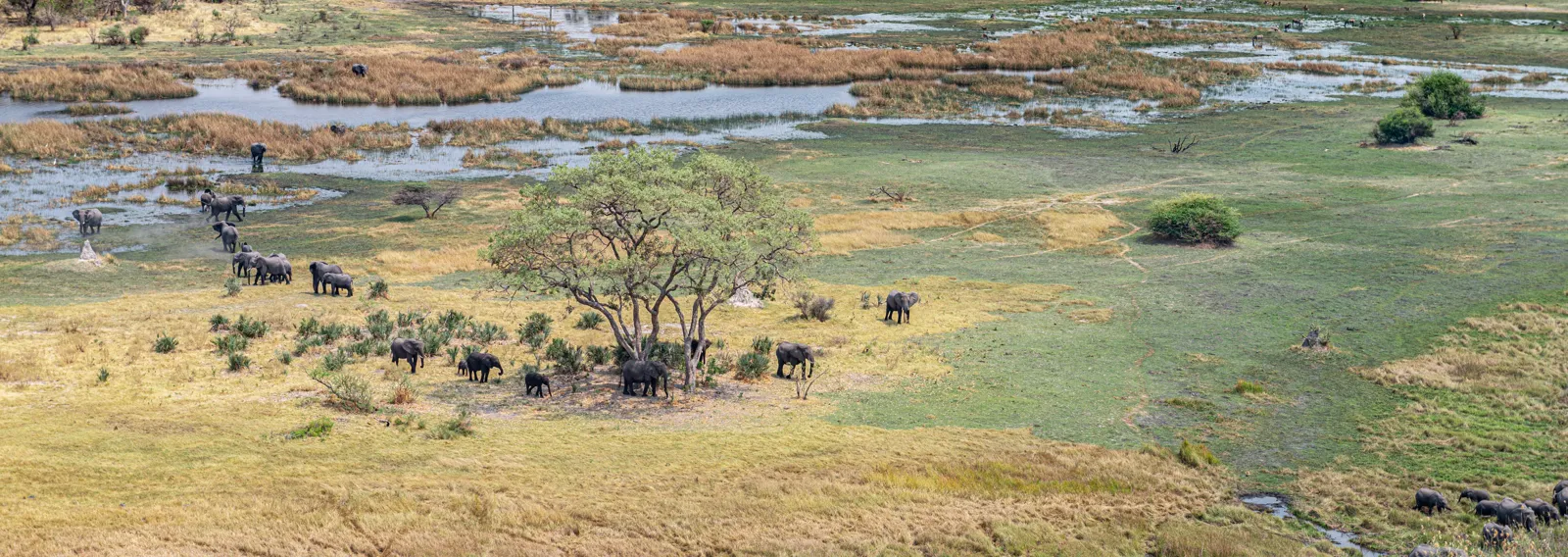
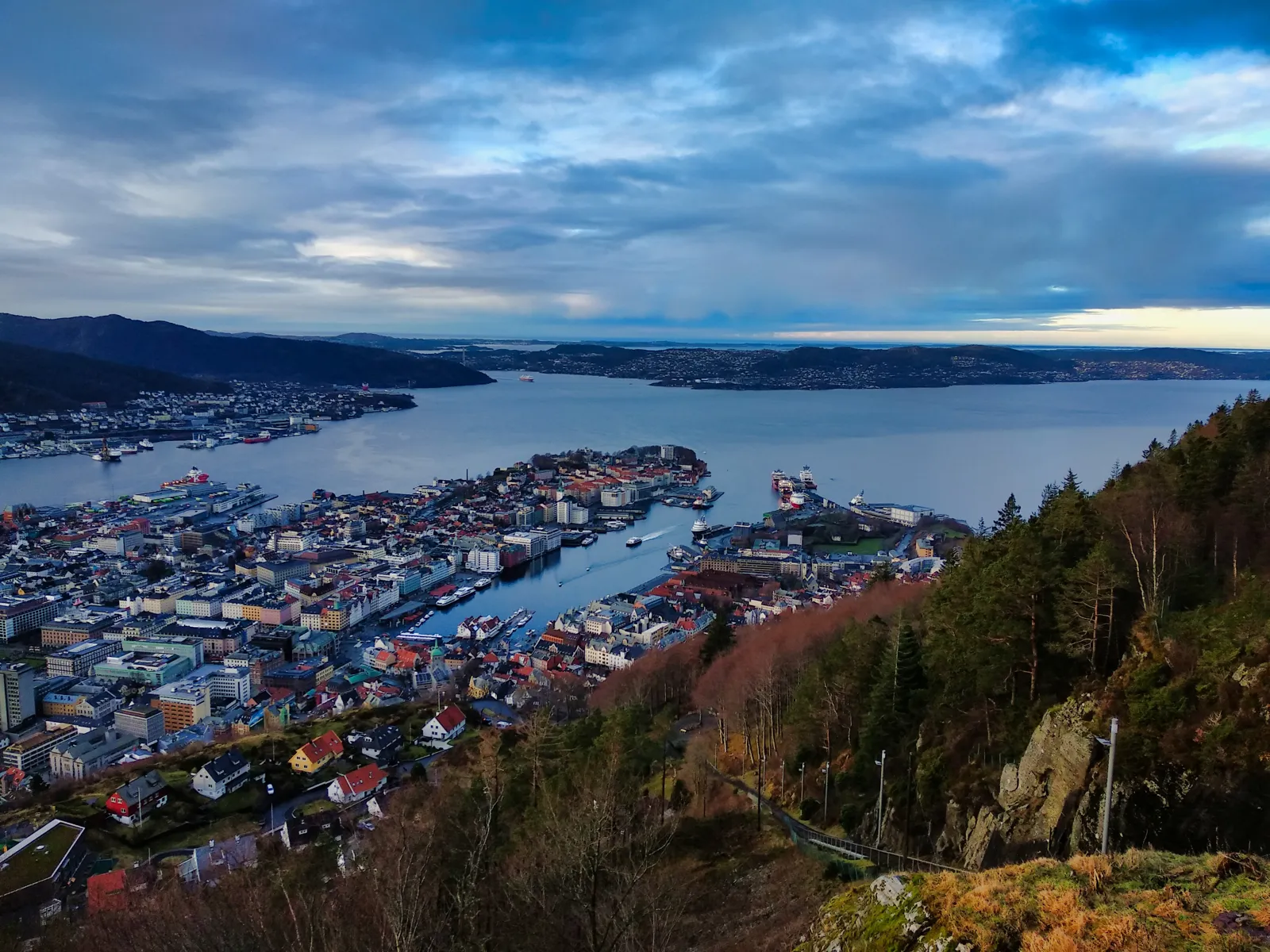
Arusha, in northern Tanzania, is the starting point for most safaris on the « northern circuit » (Tarangire, Lake Manyara, Ngorongoro, Serengeti) and the gateway to Mount Meru. The capital of the region of the same name, it also hosts international institutions, including the headquarters of the East African Community. Visitors often spend one or two nights here before or after a safari. This Arusha travel guide covers what to do in Arusha, the neighboring national park, entry requirements, the safety advice of the UK FCDO and the U.S. State Department, and the climate month by month.
To place Arusha in a trip, see our Tanzania travel guide, the when to go to Tanzania calendar, our guides to Serengeti and Ngorongoro, and the Kilimanjaro climb.

Our travel deals for Arusha
Affiliate links: we earn a commission, at no extra cost to you.
 FlightsKiwi.comCompare flights and airline combinations to Arusha.Compare flights
- Airport transferKiwitaxiPrivate driver booked in advance at a fixed price.Book a transfer
- eSIMAiraloData plan to install before you leave (eSIM-compatible phone).See plans



Arusha at a glance
- Time zone UTC+3 (East Africa Time) all year: 3 hours ahead of London in winter and 2 in summer; 8 hours ahead of New York in winter and 7 in summer
- Entry visa required for US and UK citizens, applied for online or obtained on arrival; passport valid for at least 6 months; mandatory Tanzanian government travel insurance for visitors (travel.state.gov, GOV.UK)
- Safety the FCDO advises against all but essential travel only within 20 km of the Mozambique border (far to the south); in Arusha, avoid walking at night, and note that home invasions have been reported (State Department)
- Airports Kilimanjaro International Airport (international) and Arusha Airport (domestic flights to the parks and Zanzibar)
- Main sights Arusha National Park and Mount Meru, the Clock Tower, the natural history museum, markets, coffee plantations
What to do in Arusha
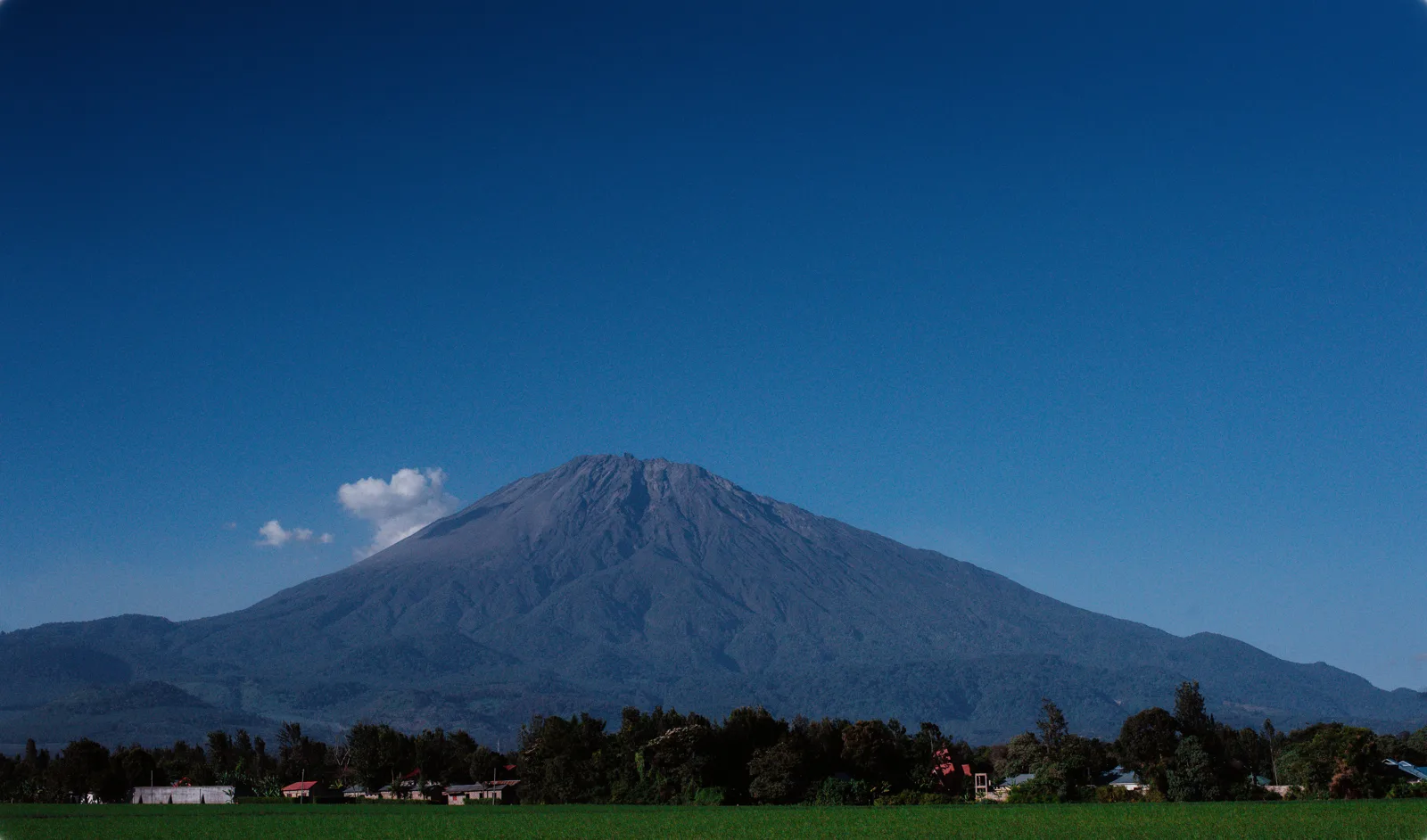
Arusha National Park and Mount Meru
This national park lies at the foot of Mount Meru, a volcano neighboring Kilimanjaro. It has three sectors: Ngurdoto Crater, covered in forest where monkeys and buffalo live; the Momella lakes, frequented by flamingos and other waterbirds; and the slopes of Meru. You can see giraffes, zebras, buffalo, elephants and black-and-white colobus monkeys, but no lions. In clear weather, Kilimanjaro is visible. Entrance fees and rules: check the official site of Tanzania National Parks (TANAPA).
Climbing Mount Meru
Less busy than Kilimanjaro, Meru can serve as preparation. The FCDO (GOV.UK, updated 20 October 2026) says that if you are trekking or climbing you should only use a reputable travel company, stick to established routes, always walk in groups and be well prepared and equipped for the terrain and low temperatures. The State Department asks climbers to be aware of the symptoms of altitude sickness and to take precautions before traveling. For Kilimanjaro, see our Kilimanjaro guide.
Downtown: the Clock Tower, museums and the Arusha Declaration
The Clock Tower marks the center; this area appears in Howard Hawks’s film Hatari!, shot partly in Arusha National Park in the early 1960s. The Arusha natural history museum is in town, and a monument and a museum commemorate the Arusha Declaration, delivered on 5 February 1967 by President Julius Nyerere. Arusha also hosted the International Criminal Tribunal for Rwanda, whose work is now continued by the International Residual Mechanism for Criminal Tribunals.
Markets, crafts and coffee
The city’s markets sell fabrics, carvings and Maasai crafts: bargain with a smile. The region produces coffee, as well as cotton and sisal, and several plantations in the surrounding area offer visits. It is a good way to fill the arrival or departure day of a safari. The State Department says pickpockets and bag snatchers target Westerners in tourist areas, so keep valuables out of sight.
Arusha, base for northern safaris
Arusha is the usual starting point for safaris to Tarangire National Park, Lake Manyara, Ngorongoro Crater and the Serengeti. Arusha Airport (code ARK) has domestic flights to the major parks and Zanzibar, which avoids part of the road journey.
Road safety matters: the FCDO says road users often drive dangerously and that accidents resulting in death and serious injury are common, and advises avoiding driving outside major towns and cities at night. For a safari, choose a licensed operator that provides an experienced driver-guide and a well-maintained vehicle, and plan your trips by day. The FCDO advises using only reputable tour operators, not buying safari tours from touts, and notes that the Tanzania Association of Tour Operators (TATO) keeps a list of licensed companies.
Booking a safari or a transfer
Before booking, compare the local agency directly and resellers: what is included (park fees, accommodation, meals, water), vehicle type, number of passengers per vehicle, insurance and cancellation terms. For arrival, book your transfer from Kilimanjaro airport in advance, especially for an evening flight; the FCDO advises arranging taxis through a hotel or travel operator and asking to see the driver’s ID.
Where to stay in Arusha
The center, around the Clock Tower, is convenient for a transit night. Many travelers prefer the lodges and hotels in the surrounding area, quieter, on the slopes of Meru or toward the coffee plantations, where agencies pick up their clients. Nights are cool at altitude: check that the room has blankets and hot water. Make sure doors and windows are locked, especially at night: the State Department reports home invasions, sometimes violent, in Arusha.
When to go to Arusha: climate month by month
Northern Tanzania has two rainy seasons: the short rains around November–December and the long rains from March to May. June to October is the dry season. The table uses the normals of Kilimanjaro Airport station, the nearest official station, also used by our when to go to Tanzania page.
| Month | Avg. max | Avg. min | Rain | Rainy days | Day/night gap | Sunrise / sunset on the 15th | Day length |
|---|---|---|---|---|---|---|---|
| January | 33.1 °C (92 °F) | 18.9 °C (66 °F) | 43 mm (1.7 in) | 3.8 | 14.2 °C (26 °F) | 6:33 am / 6:51 pm | 12 h 18 min |
| February | 33.7 °C (93 °F) | 19.0 °C (66 °F) | 39 mm (1.5 in) | 3.2 | 14.7 °C (26 °F) | 6:40 am / 6:53 pm | 12 h 13 min |
| March | 32.8 °C (91 °F) | 19.9 °C (68 °F) | 94 mm (3.7 in) | 6.3 | 12.9 °C (23 °F) | 6:38 am / 6:45 pm | 12 h 8 min |
| April | 29.8 °C (86 °F) | 20.0 °C (68 °F) | 132 mm (5.2 in) | 11.6 | 9.8 °C (18 °F) | 6:32 am / 6:34 pm | 12 h 2 min |
| May | 27.4 °C (81 °F) | 18.7 °C (66 °F) | 73 mm (2.9 in) | 9.1 | 8.7 °C (16 °F) | 6:30 am / 6:28 pm | 11 h 58 min |
| June | 26.4 °C (80 °F) | 16.3 °C (61 °F) | 9 mm (0.4 in) | 2 | 10.1 °C (18 °F) | 6:35 am / 6:31 pm | 11 h 56 min |
| July | 26.2 °C (79 °F) | 15.1 °C (59 °F) | 4 mm (0.2 in) | 1 | 11.1 °C (20 °F) | 6:40 am / 6:37 pm | 11 h 57 min |
| August | 27.4 °C (81 °F) | 15.4 °C (60 °F) | 6 mm (0.2 in) | 0.8 | 12.0 °C (22 °F) | 6:37 am / 6:37 pm | 12 h 0 min |
| September | 29.6 °C (85 °F) | 16.0 °C (61 °F) | 5 mm (0.2 in) | 0.7 | 13.6 °C (24 °F) | 6:26 am / 6:31 pm | 12 h 5 min |
| October | 31.3 °C (88 °F) | 17.6 °C (64 °F) | 24 mm (0.9 in) | 3.2 | 13.7 °C (25 °F) | 6:13 am / 6:24 pm | 12 h 11 min |
| November | 31.9 °C (89 °F) | 19.1 °C (66 °F) | 51 mm (2.0 in) | 4.6 | 12.8 °C (23 °F) | 6:09 am / 6:25 pm | 12 h 16 min |
| December | 32.3 °C (90 °F) | 19.1 °C (66 °F) | 44 mm (1.7 in) | 4.3 | 13.2 °C (24 °F) | 6:18 am / 6:37 pm | 12 h 19 min |
Reading the table: April is the wettest month (132 mm / 5.2 in over 11.6 rainy days on average), and June to September are the driest (less than 10 mm / 0.4 in per month). In July and August the average low drops to 15.1–15.4 °C (59–60 °F). Close to the equator, day length stays near 12 hours all year and the sun sets at about 6:24 pm to 6:53 pm: a safari starts early and ends before dark.
Note: the station is at Kilimanjaro Airport, outside the city and at a different altitude; temperatures in Arusha, and even more on the slopes of Meru, may differ from these values. We did not find official normals published for the city itself.
Entry requirements and safety: what the FCDO and the State Department say
We read the UK FCDO (GOV.UK, updated 20 October 2026) and the U.S. Department of State (travel.state.gov, last updated September 3, 2026) on 26 October 2026. See also our travel formalities guides.
- US citizens: according to the State Department, tourists must obtain a one-year multiple-entry visa for $100. You can apply and pay for an e-visa online in advance and present the « grant notice » on arrival, or get a tourist visa on arrival. You need a passport with at least one blank page and six months’ validity, a round-trip ticket and proof of sufficient funds. Proof of yellow fever vaccination is required for travelers arriving from endemic countries, including 12+ hour airport transits and layovers.
- UK citizens: according to the FCDO, you must have a tourist or business visa. Apply for an e-visa before you travel (it is no longer possible to get a visa from the Tanzanian High Commission in London); you can also get a single-entry visa on arrival at the main ports of entry, but not a multiple-entry one. Your passport must expire at least 6 months after arrival and have at least one blank page, and you must be ready to show your return or onward ticket.
- Both: all visitors to mainland Tanzania and Zanzibar, except residents, must have mandatory Tanzanian government-provided inbound travel insurance even if they already have a personal policy, valid up to 92 days; you may be refused entry without it (FCDO). The FCDO also says all travelers must fill out the Travellers Health Surveillance Form before departing or on arrival, and pass body-temperature checks at entry points. Check the visa validity after immigration.
- Areas of concern: the FCDO advises against all but essential travel only to any area within 20 km of the border with Mozambique’s Cabo Delgado province, far to the south of Arusha. The State Department asks travelers to review its Travel Advisory for Tanzania and reports violence in the Mtwara region.
- Around Arusha: the FCDO advises avoiding walking or cycling at night or alone, and keeping car doors locked, windows up and valuables out of sight; the State Department reports home invasions in Arusha, advises using taxis or a hired driver from a reputable source and avoiding dala-dalas, bajajis and boda-bodas. Emergency number: 112 (FCDO).
If you… then…
| If you… | Then… |
|---|---|
| Go on safari in the north | Plan a night in Arusha on arrival and organize your trips by day |
| Are preparing for Kilimanjaro | Consider Mount Meru for acclimatization, with a reputable company and suitable insurance |
| Have only half a day | Arusha National Park (Momella lakes, Ngurdoto) or a coffee plantation |
| Want to avoid rain | Aim for June to October; April is the wettest month |
| Arrive in the evening | Book the airport transfer and do not walk in town at night |
| Continue to Zanzibar | Look at domestic flights from Arusha or Kilimanjaro airport |
Frequently asked questions about Arusha
What is there to do in Arusha?
Visit Arusha National Park (Momella lakes, Ngurdoto Crater, Mount Meru), the center around the Clock Tower, the natural history museum, the craft markets and a coffee plantation.
How long should you stay in Arusha?
One or two nights are usually enough before or after a safari; allow more for climbing Mount Meru.
Which airport for Arusha?
International flights arrive at Kilimanjaro International Airport; Arusha Airport (ARK) has domestic flights to the parks and Zanzibar.
Do you need a visa for Tanzania?
Yes: US and UK citizens need a visa, applied for online or obtained on arrival, with a passport valid for at least 6 months. Visitors must also buy Tanzanian government travel insurance.
When is the best time to go to Arusha?
The dry season, June to October, according to the 1991–2020 normals of Kilimanjaro Airport station; the long rains fall from March to May.
Is Arusha safe?
The FCDO advises against travel only near the Mozambique border, far to the south, but both governments report crime. Avoid walking at night, keep doors locked and use taxis arranged through your hotel.
Our sources
- UK FCDO, foreign travel advice for Tanzania (GOV.UK, updated 20 October 2026), read on 26 October 2026
- U.S. Department of State, Tanzania country information (travel.state.gov, last updated September 3, 2026), read on 26 October 2026
- World Meteorological Organization: 1991–2020 climate normals, Kilimanjaro Airport station (63791), NOAA/NCEI archive
- Wikipedia « Arusha » and « Arusha National Park »
- Astronomical calculations: NOAA solar algorithm, applied by Destination de Voyage to the coordinates of Arusha (15th of each month, 2027)
- Our methodology
Updated November 2026.