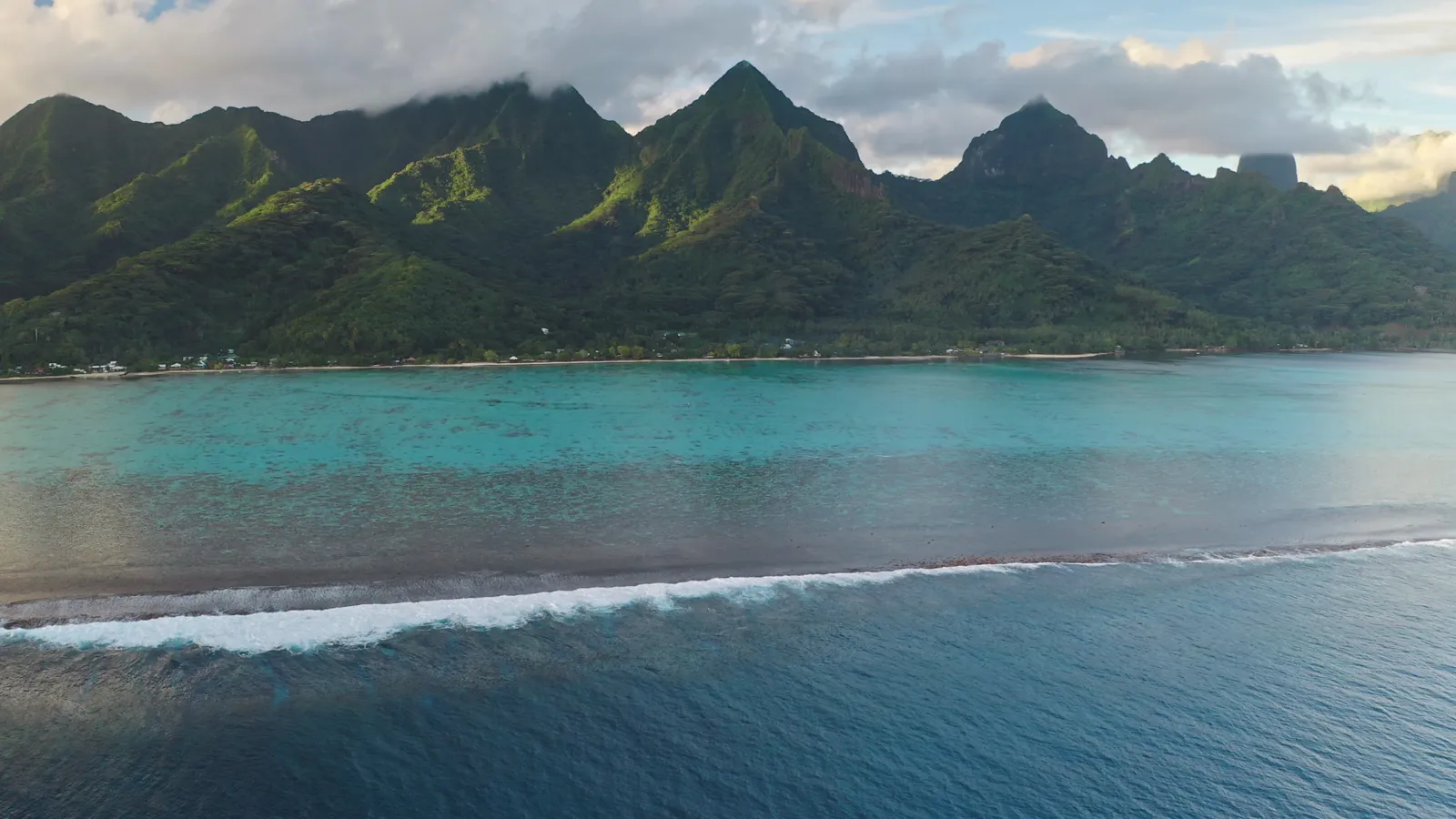
Elafonissi (Elafonísi) is a small island and lagoon in southwest Crete, in the Chania regional unit, famous for its pinkish sand and very shallow water. In good weather you can reach the island on foot by crossing the lagoon. The island is a protected nature reserve: access is free, but protection rules apply. This page explains what makes the site unique, how to visit without damaging it, what time to go depending on the light, and what to know before the drive.
Elafonissi fits into a stay in the west of the island: see our Crete travel guide for the bases (Chania, Paleochora) and our page on the best time to visit Crete for water temperature and wind.

Our travel deals for Elafonissi
Affiliate links: we earn a commission, at no extra cost to you.
 FlightsKiwi.comCompare flights and airline combinations to Elafonissi.Compare flights

Elafonissi: key facts
- Where: southwest tip of Crete, municipality of Kissamos, Chania regional unit (Wikipedia)
- Access: free beach; the island is reached on foot through the lagoon when the sea is calm
- Status: island classified as a nature reserve; the area is part of the European Natura 2000 network
- Why the sand is pink: deposits of pigmented micro-organisms, brought by tides and waves (Wikipedia)
- Services: limited and seasonal; bring water and shade
- Best time: early morning or late afternoon, on a day without strong wind
Elafonissi in brief
The name means « deer island » in Greek. The island is separated from the Cretan coast by a stretch of sea so shallow that you cross it on foot, sometimes with water up to your knees. On the main beach on the land side and on the island, the sand takes on a pink tint in places, more marked at the water’s edge. According to Wikipedia, it comes from deposits of pigmented micro-organisms living in symbiosis with the local algae.
A place of remembrance
At the highest point of the island, a plaque recalls the massacre on Easter Sunday, April 18, 1824, during the Greek War of Independence: several hundred Greeks who had taken refuge on the island, mostly women and children, were killed by Ottoman soldiers, and the survivors were sold as slaves. A large wooden cross also commemorates the wreck of the steamship Imperatrix on February 22, 1907: 38 people died in a lifeboat. After this wreck a lighthouse was built on the island, destroyed during World War II.
What to do at Elafonissi
- Walk across the lagoon: this is the experience of the site. Wear water shoes: sea urchins and rocks border some passages.
- Explore the island: paths between the dunes, coves on the other side, memorial plaque and the Imperatrix cross.
- Swim with children: the shallow, often calm lagoon suits them well; stay alert as soon as the wind picks up.
- Snorkeling: around the rocks, on the open-sea side, in calm seas only.
- Photograph the pink sand: the tint stands out best at the water’s edge, in low-angle light.
Protection rules: what to respect
The island is a nature reserve and the area falls under Natura 2000, the European network of protected sites. In practice, at such a busy site, each visitor’s behavior matters. The basic rules, common to protected natural areas in Greece:
- Do not take away sand or shells: they are the very material of the pink beach.
- Stay on the paths and do not trample the dunes and their vegetation.
- Do not camp or light fires.
- Take all your waste with you.
- Follow the signs on site, which take precedence over any advice found online.
What this means for your day: bring a bag to carry your waste out, a parasol or a light anti-UV tent that you will take back with you, and water shoes to cross the lagoon without stepping on vegetation or rocks. If an area is marked off or closed (dunes, nesting zones), go around it even if it looks deserted: the signs on site are the only up-to-date reference. Finally, keep in mind that the site is fragile because it is so heavily visited: a visit early or late in the day benefits both the visitor and the reserve.
When to go to Elafonissi: light and wind
The site is very open and has no natural shade. The table gives sunrise and sunset on the 15th of each month: it helps you plan an early-morning arrival, when the lagoon is calmest, or a late-day visit for the light on the sand.
| Month | Sunrise | Sunset | Day length |
|---|---|---|---|
| January | 7:34 am | 5:36 pm | 10 h 02 min |
| February | 7:12 am | 6:07 pm | 10 h 55 min |
| March | 6:37 am | 6:33 pm | 11 h 56 min |
| April | 6:54 am | 7:58 pm | 13 h 04 min |
| May | 6:22 am | 8:22 pm | 14 h 01 min |
| June | 6:10 am | 8:42 pm | 14 h 31 min |
| July | 6:22 am | 8:41 pm | 14 h 19 min |
| August | 6:45 am | 8:15 pm | 13 h 30 min |
| September | 7:08 am | 7:33 pm | 12 h 25 min |
| October | 7:31 am | 6:51 pm | 11 h 20 min |
| November | 7:00 am | 5:19 pm | 10 h 20 min |
| December | 7:26 am | 5:14 pm | 9 h 48 min |
The takeaway: in June and July the sun sets after 8:30 pm; arriving in the late afternoon leaves several hours for swimming, once some of the visitors have left. Wind is the other key factor: on a windy day the lagoon turns cloudy and the beach becomes uncomfortable. For water temperature and climate month by month, see the best time to visit Crete, for example October for the shoulder season.
Getting there
Elafonissi is at the end of a mountain road in the southwest of the island, beyond the Chrysoskalitissa monastery. You get there by rental car, on an organized excursion from Chania, Rethymno or Kissamos, or by boat from Paleochora depending on the season. We give no journey times or bus schedules, for lack of a readable official source on the day we checked: the roads of western Crete are slow and winding, so allow plenty of margin.
Excursion, rental car or boat?
An organized excursion spares you the driving on narrow roads and takes care of parking, but imposes the group’s schedule, often in the middle of the day. A car lets you choose the time, a major advantage here. The boat from Paleochora is a seasonal option. Whatever the option, check the time actually spent on site, the arrival time, what is included (parasol, meal) and the cancellation terms in case of wind.
Common mistakes
- Arriving at noon in high summer: little shade, many people, flat light.
- Setting off without water or sun protection: services are limited.
- Filling a bottle with pink sand: it is effectively forbidden and damages the site.
- Crossing to the island in strong wind or rough seas.
- Underestimating the road: allow generous time and avoid driving back at night if you do not know the road.
What to see around Elafonissi
On the way, the Chrysoskalitissa monastery overlooks the sea. Further north, Kissamos is the gateway to the Balos lagoon; further east, Paleochora is a quiet base. For the east of the island, see our guides to Heraklion and Knossos, and our page on traveling to Greece. See entry requirements for Greece on our country page.
Frequently asked questions
Why is the sand at Elafonissi pink?
According to Wikipedia, the color comes from deposits of pigmented micro-organisms, brought by tides and waves, that live in symbiosis with the local algae.
Can you walk to Elafonissi island?
Yes, in good weather: the lagoon that separates the island from the coast is shallow enough to cross on foot.
Is there a fee to visit Elafonissi?
The beach is free to access. Services on site (parking, snack bars) may be paid and change with the season.
Can you take pink sand away?
No: the island is a nature reserve and the site falls under Natura 2000. Taking sand damages the beach.
What is the best time of day for Elafonissi?
Early morning for a calm lagoon, or late afternoon: in June and July the sun sets after 8:30 pm according to our NOAA calculation.
Is Elafonissi suitable for children?
Yes, families enjoy the shallow lagoon, as long as you watch the wind and bring shade.
Our sources
- French Wikipedia article « Elafonísi » (location, nature reserve, pink sand, 1824 massacre, wreck of the Imperatrix), consulted on 27 October 2026
- English Wikipedia article « Elafonisi » (municipality of Kissamos, Chania regional unit), consulted on 27 October 2026
- Greek press (iefimerida.gr) on Natura 2000 status and visitor numbers
- Astronomical calculations: NOAA solar algorithm, applied by Destination de Voyage to the coordinates of Elafonissi (Wikipedia) (15th of each month, year 2027, clear horizon)
- Our methodology
Updated November 2026.