Connemara, in the west of County Galway, is the postcard image of wild Ireland: bogs, lakes, the Twelve Bens mountains, the indented coast of the Wild Atlantic Way and villages where Irish is still spoken. To visit Connemara, allow 2 to 4 days by car from Galway, preferably from May to September: the days are long and rain is a little less frequent.
This guide covers the highlights, a 3-day loop, walks and the official climate month by month, with an original calculation: day length and the number of rainy days to expect over a one-week stay.
Our travel deals for Connemara
Affiliate links: we earn a commission, at no extra cost to you.
FlightsKiwi.comCompare flights and airline combinations to Connemara.
Time zonesame time as London all year (UTC+0, UTC+1 in summer); 5 hours ahead of New York · detailsLocal time now: –:–
AirportsDublin and Shannon · detailsthen by road west via Galway
EntryUS citizens: valid passport, visa-free for up to 90 days; UK citizens: no passport legally required under the Common Travel Area, but carriers may ask for one · US: travel.state.gov · UK: GOV.UK
Things to do in Connemara: the highlights
Kylemore Abbey
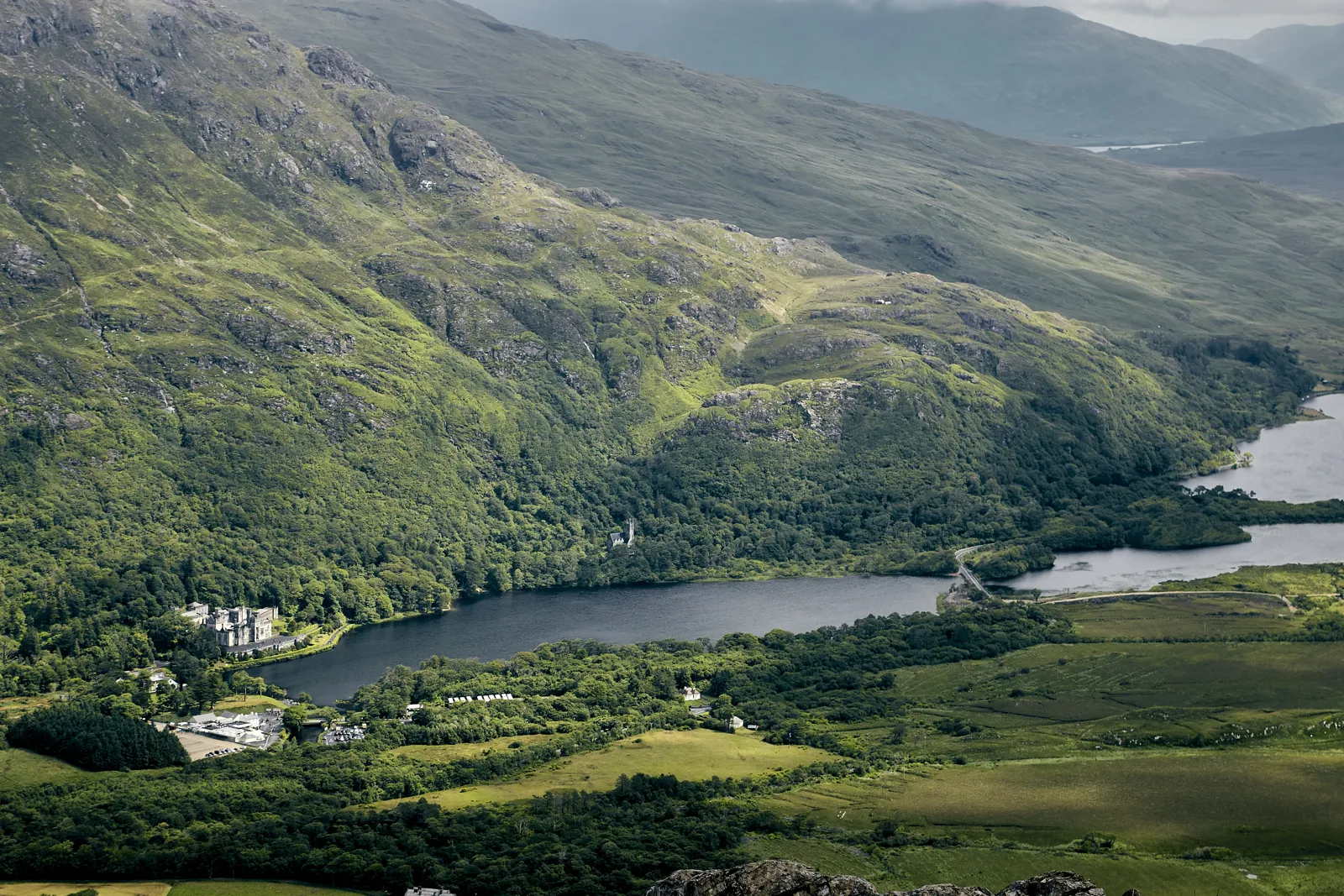
Kylemore Abbey and its lake.
A 19th-century Gothic Revival castle built on a lakeshore at the foot of the mountains, it became a Benedictine abbey. You can visit a few restored rooms, the neo-Gothic church and a large Victorian walled garden. It is the busiest site in the area: come at opening time.
Connemara National Park
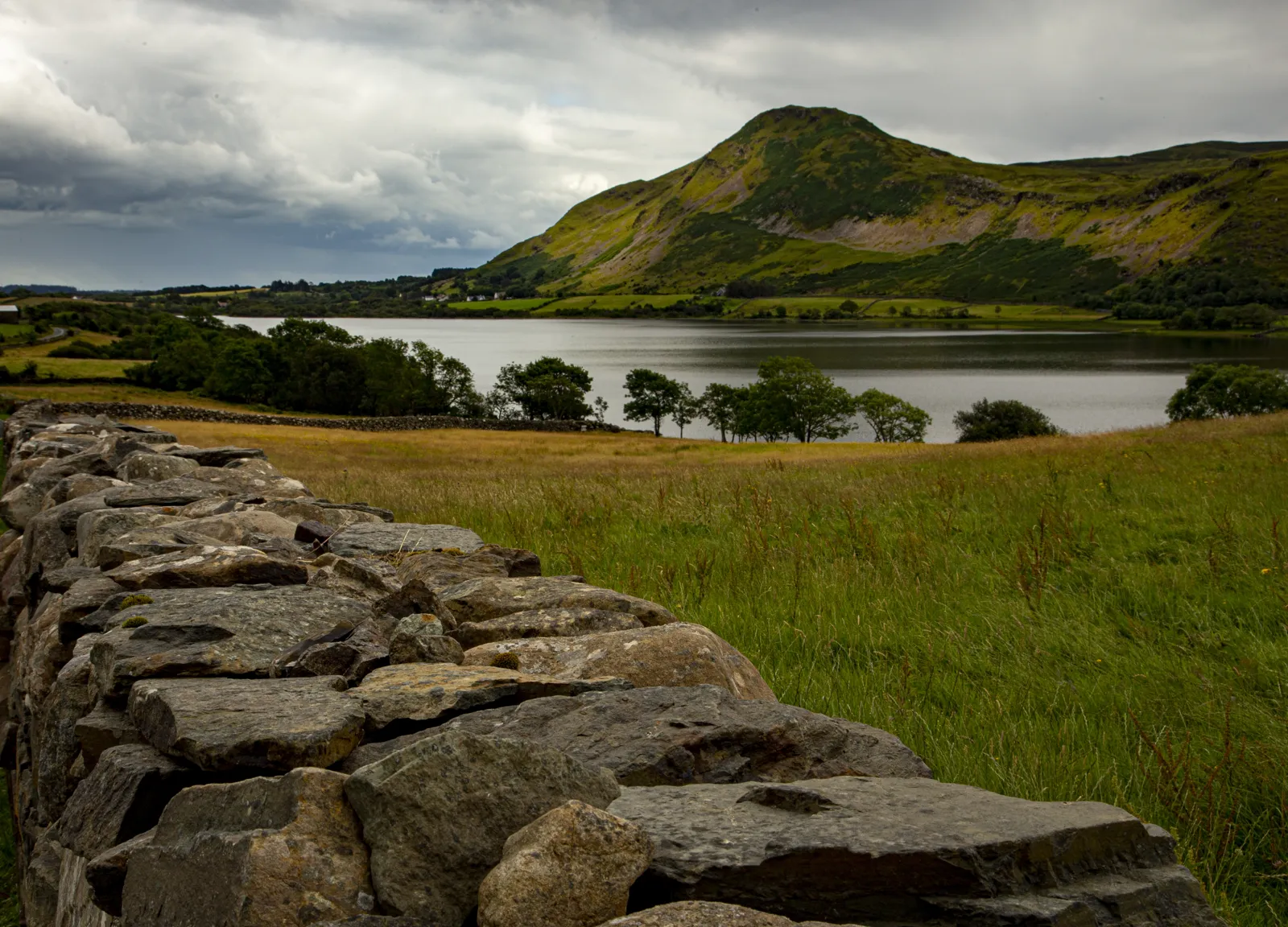
The hills of Connemara National Park.
Near Letterfrack, it covers mountains, bogs and meadows where Connemara ponies graze. The Diamond Hill trail climbs to a summit of about 440 m (1,444 ft) with views of the coast, the islands and Kylemore.
Clifden and the Sky Road
Clifden, the main town, is the base, with pubs playing traditional music. The Sky Road, a loop west of town, runs along the cliffs above Clifden Bay.
Killary Harbour and Leenane
A long inlet of the sea hemmed in by mountains, often described as Ireland’s only fjord. Cruises run in season; the village of Leenane lies at the head of the fjord.
The Inagh Valley and the Twelve Bens
The R344 road crosses the Lough Inagh valley, between the Twelve Bens and the Maumturk Mountains: one of the finest drives in the region. The Twelve Bens are for experienced hikers only, with a map and a checked weather forecast.
Roundstone and Dog’s Bay
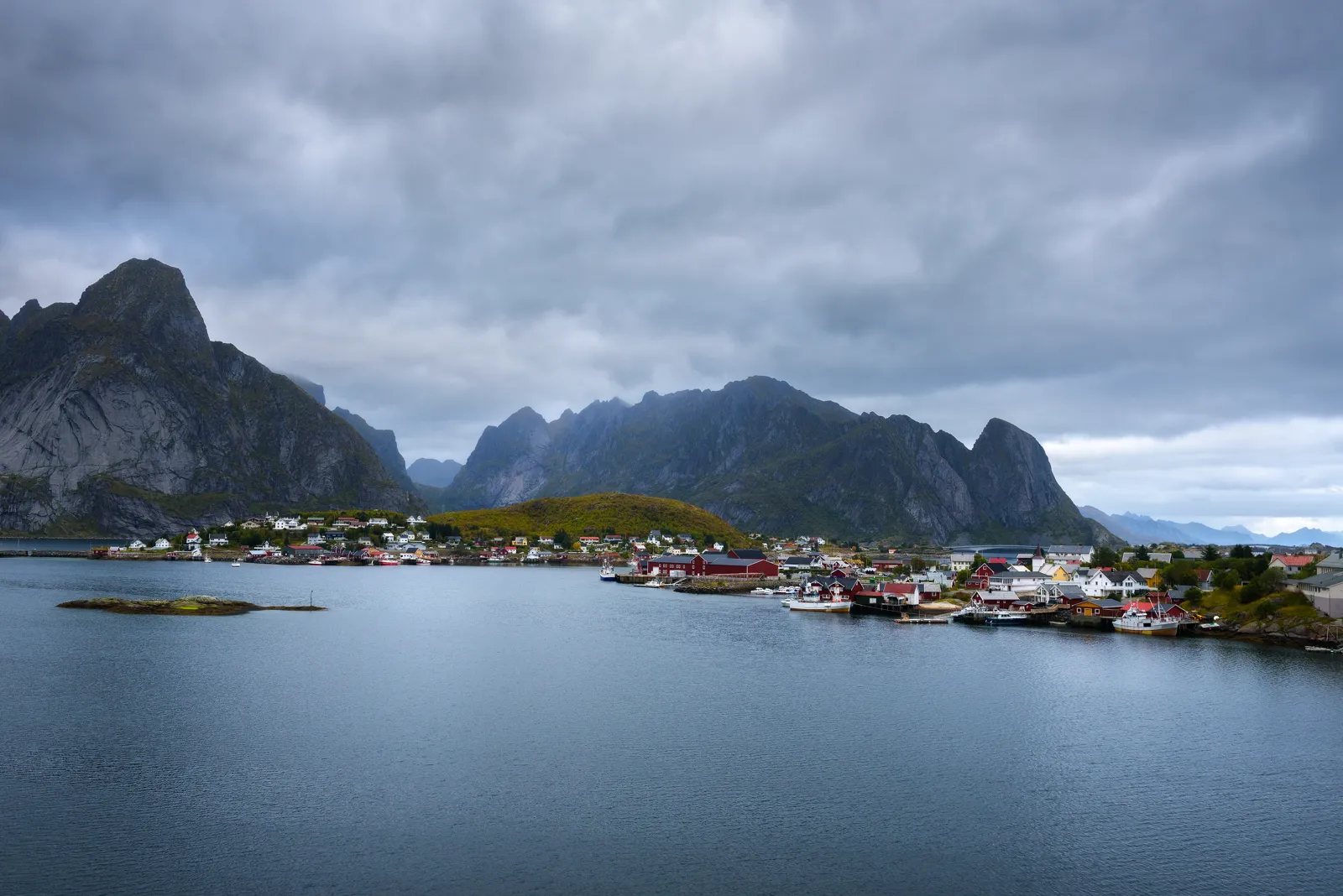
Bertraghboy Bay, near Roundstone.
A small fishing port at the foot of Errisbeg. A few kilometres away, Dog’s Bay and Gurteen are two back-to-back white sand beaches; the water stays cool even in summer.
Derrigimlagh bog
South of Clifden, a waymarked loop crosses the bog where Alcock and Brown completed the first non-stop transatlantic flight in 1919, near the remains of Marconi’s radio station.
Inishbofin and the Aran Islands
Inishbofin is reached by ferry from Cleggan; the Aran Islands from Rossaveal, on the south coast of Connemara. Crossings depend on the weather: check the day before.
Itinerary: a 3-day loop in Connemara
Day 1: Galway → Oughterard → Inagh Valley → Kylemore Abbey → night in Letterfrack or Clifden
Day 2: Connemara National Park (Diamond Hill) in the morning; the Sky Road and Clifden’s pubs in the evening
Day 3: Derrigimlagh → Ballyconneely → Roundstone and Dog’s Bay → back to Galway along the south coast (Gaeltacht)
With an extra day: Killary Harbour by boat and Leenane, or a crossing to Inishbofin. Connemara combines with Dublin for a first one-week trip to Ireland.
When to go to Connemara
The best time is May to September, with May and June the sunniest months and among the least rainy. It rains all year on this Atlantic-facing coast: even in June, the normals count more than 12 days of rain a month. Winter is mild (never very cold near the sea) but very wet, windy and dark, with days of 7 to 8 hours in December.
Month
High °C (°F)
Low °C (°F)
Rain mm (in)
Rain over 7 days
Sun (h/day)
Sunless days
Day length
Verdict
January
8.9 (48)
3.9 (39)
137 (5.4)
≈ 4.5 d
1.4
9.5
8 h 03
❌ Dark, very wet
February
9.2 (49)
3.9 (39)
110 (4.3)
≈ 4.5 d
2.5
6.0
9 h 52
⚠️ Wet, windy
March
10.5 (51)
4.9 (41)
91 (3.6)
≈ 3.8 d
3.5
5.3
11 h 49
⚠️ Cool, changeable
April
12.2 (54)
6.0 (43)
74 (2.9)
≈ 3.2 d
5.3
2.5
14 h 01
✅ Spring, less rain
May
14.6 (58)
8.2 (47)
71 (2.8)
≈ 3.0 d
6.3
2.0
15 h 54
✅ The sunniest
June
16.3 (61)
10.6 (51)
73 (2.9)
≈ 2.9 d
5.6
2.4
17 h 00
✅ Longest days
July
17.6 (64)
12.3 (54)
86 (3.4)
≈ 3.4 d
4.4
2.7
16 h 31
✅ Mild, high season
August
17.7 (64)
12.4 (54)
100 (3.9)
≈ 3.6 d
4.6
2.8
14 h 49
✅ Mild, high season
September
16.5 (62)
11.0 (52)
103 (4.1)
≈ 3.7 d
4.0
3.3
12 h 43
⚠️ Mild, more rain
October
13.8 (57)
8.7 (48)
131 (5.2)
≈ 4.2 d
3.0
5.4
10 h 37
⚠️ Wet, autumn colours
November
11.0 (52)
6.3 (43)
140 (5.5)
≈ 4.9 d
1.7
7.7
8 h 37
❌ The wettest
December
9.2 (49)
4.6 (40)
127 (5.0)
≈ 4.7 d
1.2
10.4
7 h 31
❌ Dark, very wet
Temperatures, rainfall, rainy days (≥ 1 mm), sunshine and sunless days: World Meteorological Organization 1991-2020 normals, Belmullet station (Atlantic coast of County Mayo, north of Connemara), supplied by Met Éireann and archived by NOAA (NCEI). Destination de Voyage calculations: rain over 7 days (rainy days × 7 / days in the month); sun per day (monthly hours / days in the month); day length on the 15th of the month in Clifden (NOAA solar algorithm).
What our calculation shows: over a week in May or June, expect about 3 days of rain (often showers) and 5.5 to 6.5 hours of sunshine a day, with 16 to 17 hours of daylight. From November to January, rain affects nearly 5 days out of 7, with less than 2 hours of sunshine a day. Always pack a waterproof and warm layers, whatever the month. For the rest of the country, see when to go to Ireland.
Getting around Connemara
Car: the most practical option. Cars drive on the left in Ireland, and roads off the main highways are often narrow, uneven and winding (travel.state.gov). US citizens may use their US driver’s license for a temporary stay of up to one year, though some rental companies may also ask for an International Driving Permit. Stone walls and sheep on the road: drive slowly.
Bus: services link Galway with Clifden, with limited timetables; few services to isolated sites.
Organised tours: day tours leave from Galway, useful without a car.
Bike: the Sky Road and the Roundstone coast can be cycled, keeping an eye on the wind.
Where to stay in Connemara
Base
Who for?
Strengths
Clifden
First visit
Restaurants, pubs, the Sky Road, at the centre of the loop
Letterfrack
Hikers
National park and Kylemore a few minutes away
Leenane
Peace, nature
Killary Harbour, mountains
Roundstone
Coast and beaches
Fishing port, Dog’s Bay
Galway
No car, lively city
Day tours, more choice
Accommodation is limited in the villages: book early for July-August.
Entry requirements, health and safety
US citizens: you need a valid passport and can enter visa-free for tourism or business stays of up to 90 days. There is no minimum passport validity requirement, but the State Department recommends a passport valid for the duration of your stay, evidence of sufficient funds and a return ticket, as an increased number of US citizens have been refused entry or granted a limited stay. Ireland is not a full member of the Schengen area (U.S. Department of State, travel.state.gov, last updated March 26, 2026).
UK citizens: under the Common Travel Area, British nationals are not legally required to show a passport to enter Ireland and need no visa, but some airlines and ferry operators require a passport as ID: check with your carrier. Ireland is not in the Schengen area, so the EU Entry/Exit System does not apply (GOV.UK, updated 4 September 2026).
Health: British people who live in the UK can access state healthcare when visiting Ireland (GOV.UK); whatever your nationality, take out travel insurance covering medical costs. The State Department states that tap water is drinkable.
Theft: take precautions against bag-snatching and pickpocketing, lock your vehicle and use secure car parks (GOV.UK); the State Department notes that rental cars are frequently targeted.
Emergencies: dial 112 or 999.
Northern Ireland: it is part of the UK; travel.state.gov notes that drivers there are subject to UK traffic laws. Check the UK entry rules for your nationality before crossing.
Outdoors: in the mountains and on the coast, the weather changes fast: follow marked routes, wear suitable gear and take care on cliffs and beaches with currents.
Clothing: waterproof jacket, fleece and waterproof walking shoes, even in summer.
Midges: in summer, tiny biting midges come out in the evening near lakes; repellent is useful.
Pubs: traditional music sessions often start in the evening; ask locally.
Mobile data: check your home carrier’s roaming charges; coverage is weak in some valleys. See our eSIM guide.
Frequently asked questions
How many days do you need to visit Connemara?
Two days for the essentials (Kylemore, the national park, the Sky Road, Roundstone); three to four days to add Killary Harbour, Inishbofin or a proper hike.
How do you get to Connemara?
Fly into Dublin or Shannon, then drive west via Galway. Check current flight options from your home airport when booking.
Can you visit Connemara without a car?
Yes, but it is limited: Galway-Clifden buses with reduced timetables and organised day tours from Galway.
What is the best month for Connemara?
May and June: the sunniest according to Met Éireann normals, with days of 16 to 17 hours and a little less rain.
What should you not miss in Connemara?
Kylemore Abbey, the national park and Diamond Hill, the Sky Road in Clifden, Killary Harbour and the Inagh Valley.
Our sources
Climate: World Meteorological Organization 1991-2020 normals, Belmullet station (Atlantic coast of County Mayo, north of Connemara), supplied by Met Éireann and archived by NOAA (NCEI)
Destination de Voyage calculations: rain over 7 days, hours of sunshine per day, day length in Clifden (NOAA solar algorithm)


 FlightsKiwi.comCompare flights and airline combinations to Connemara.Compare flights