The best time to visit Egypt is from October to April: temperatures are bearable for the Cairo pyramids and the temples of Luxor and Aswan, and it almost never rains. The heart of winter (December to February) is ideal for Upper Egypt, while the Red Sea (Hurghada, Sharm el-Sheikh) is at its best in spring and autumn, when the water is warm without the furnace of summer. Egypt has a desert climate: it almost never rains, and it is the heat that decides the right season.
Conversely, from June to September the heat becomes extreme in the Nile Valley: afternoon highs average more than 41 °C (106 °F) in Luxor and Aswan. The « right » month therefore depends mostly on your plans: a cultural tour, a Nile cruise or a beach stay. Here is how to choose, based on the official 1991–2020 climate normals of the Egyptian Meteorological Authority, published by the World Meteorological Organization.

Our travel deals for Egypt
Affiliate links: we earn a commission, at no extra cost to you.
 FlightsKiwi.comCompare flights and airline combinations to Egypt.Compare flights
- eSIMAiraloData plan to install before you leave (eSIM-compatible phone).See plans


When to go to Egypt at a glance
- Best time overall October to April
- Luxor, Aswan and Nile cruise November to February; March and October are already hot but still workable
- Cairo and Giza October–November and March–April, milder than winter (nights around 10 °C (50 °F) in January)
- Red Sea and diving April–May and October–November; possible all year
- Avoid June to August in Upper Egypt (more than 41 °C (106 °F) in Luxor and Aswan)
- Sandstorms (khamsin) possible in spring, mostly from March to May
- High season and high prices late December – early January, February and Easter school-holiday periods
When to go to Egypt by priority
- Best weather: October to April; November to February for Luxor, Aswan and the Nile cruise; April–May and October–November for the Red Sea
- Cheapest: May to September, outside the August holidays: low prices, but extreme heat in the Nile Valley
- Fewest crowds: May, June, July and September, the months with the lowest visitor numbers
- Events: Coptic Christmas on January 7; sunlight reaching the back of the Abu Simbel sanctuary around February 22 and October 22; Ramadan on variable dates
Egypt: the calendar at a glance
🔎 Month by month: Egypt in January · Egypt in February · Egypt in March · Egypt in April · Egypt in October · Egypt in November · Egypt in December
✅ Best months: January, February, March, November, December
❌ Period to avoid: June, July, August
Climate and weather in Egypt, month by month
The table below gives the normals for Luxor, in Upper Egypt: this is the region where climate matters most for a trip, because most sites (Karnak, the Valley of the Kings, the temples of Edfu and Kom Ombo) are visited in the open air. Cairo, Aswan and the Red Sea are covered further down.
| Month | Avg. max | Avg. min | Rain | Crowds | Prices | Verdict |
|---|---|---|---|---|---|---|
| January | 22.8 °C (73 °F) | 7.1 °C (45 °F) | 2.8 mm (0.1 in) | Very high | High | ✅ Mild by day, cool nights |
| February | 25.3 °C (78 °F) | 8.9 °C (48 °F) | 0.4 mm (0.0 in) | Very high | High | ✅ Ideal for the temples |
| March | 29.7 °C (85 °F) | 12.8 °C (55 °F) | 1.7 mm (0.1 in) | High | High (Easter) | ✅ Hot in the afternoon, khamsin possible |
| April | 35.0 °C (95 °F) | 17.5 °C (64 °F) | 0.3 mm (0.0 in) | High, then moderate | Moderate to high | ⚠️ Strong heat, sandstorms possible |
| May | 39.1 °C (102 °F) | 22.1 °C (72 °F) | 0.8 mm (0.0 in) | Low | Low | ⚠️ Already close to 40 °C (104 °F) |
| June | 41.2 °C (106 °F) | 25.0 °C (77 °F) | 0.0 mm (0.0 in) | Very low | Very low | ❌ Extreme heat |
| July | 41.4 °C (107 °F) | 25.7 °C (78 °F) | 0.0 mm (0.0 in) | Low | Low | ❌ The hottest month |
| August | 41.2 °C (106 °F) | 25.6 °C (78 °F) | 0.1 mm (0.0 in) | Moderate (holidays) | Moderate | ❌ Extreme heat |
| September | 39.3 °C (103 °F) | 23.3 °C (74 °F) | 0.5 mm (0.0 in) | Low | Low | ⚠️ Still very hot |
| October | 35.5 °C (96 °F) | 19.6 °C (67 °F) | 1.1 mm (0.0 in) | Moderate to high | Moderate | ⚠️ Hot early in the month, pleasant by the end |
| November | 29.1 °C (84 °F) | 13.4 °C (56 °F) | 0.5 mm (0.0 in) | High | High | ✅ Excellent, clear skies |
| December | 24.2 °C (76 °F) | 8.6 °C (47 °F) | 0.0 mm (0.0 in) | Very high (holidays) | Very high in late Dec. | ✅ Mild and dry |
Note: rain is almost nonexistent in Upper Egypt, less than 3 mm (0.1 in) a month on average. The real criterion is the heat, and the gap between day and night: in January it is close to 23 °C (73 °F) in the afternoon but around 7 °C (45 °F) in the early morning, when trips leave for the Valley of the Kings or balloon flights. These 7 °C (45 °F) mornings before the Valley of the Kings or the balloon are described in detail on our Egypt in January page.
The seasons in Egypt: pros and cons
Egypt has a hot desert climate, with two main seasons: a mild, dry winter from about November to March, and a long, scorching summer from May to September. April and October serve as transitions. Spring is also khamsin season, a hot, sand-laden wind from the desert. Our Egypt in March page details this last month of the ideal season.
Winter (November to February): temple high season

This is the period most travelers aim for. In Luxor and Aswan, highs stay between 23 to 29 °C (73 to 84 °F), ideal for back-to-back sightseeing. In Cairo, winter is cooler: 19 °C (66 °F) in the afternoon in January and about 10 °C (50 °F) at night, with the few millimeters of rain of the year.
- Pros: bearable heat everywhere, clear light, perfect conditions for a Nile cruise between Luxor and Aswan
- Cons: very busy sites (Valley of the Kings, Karnak, Abu Simbel), prices at their highest over the year-end holidays and school-holiday periods in Europe
- Good to know: pack a jacket for evenings, early-morning departures and nights on a boat
- Red Sea: the air stays mild (22 °C (72 °F) in the afternoon in January in Hurghada) but the water is cooler; a thick wetsuit is useful
Spring (March to May): rising heat and khamsin
Temperatures climb fast: close to 30 °C (86 °F) in Luxor in March, 35 °C (95 °F) in April and 39 °C (102 °F) in May. It is also khamsin season: episodes of hot, sandy wind lasting from a few hours to a few days, which can veil the sky, push temperatures up suddenly and sometimes disrupt domestic flights or boat trips.
- Pros: March and April remain pleasant in Cairo (24 to 28 °C (75 to 82 °F)), long days, a warming Red Sea, crowds easing after Easter
- Cons: strong heat from April in Upper Egypt, risk of sandstorms, Easter holidays in high demand
- Our tip: March is a very good compromise for a full tour; in April–May, favor the Red Sea and visit temples early in the morning
Summer (June to September): the furnace
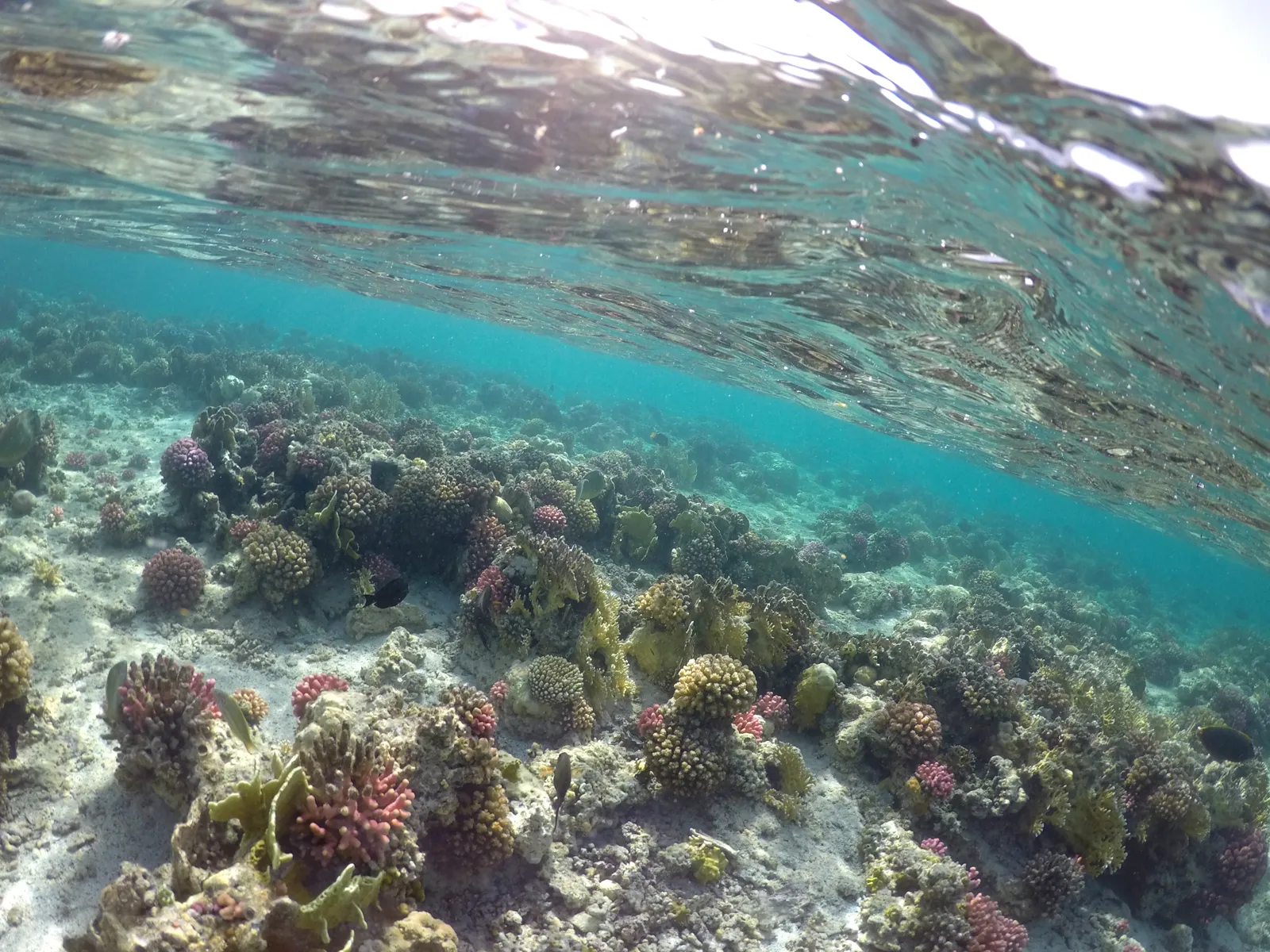
From June to August, Luxor and Aswan exceed 41 °C (106 °F) for the average maximum, with nights staying around 25 to 28 °C (77 to 82 °F). Visiting temples in the middle of the day becomes grueling, even risky. Cairo is a little less hot (35 °C (95 °F)) but more humid and polluted. On the Red Sea it is about 37 °C (99 °F) in the afternoon, with the sea breeze.
- Pros: the lowest prices of the year in Upper Egypt, almost empty sites, a warm and generally calm Red Sea for diving
- Cons: heat that is dangerous for sightseeing, schedules to adapt (visits from 6 a.m. to 10 a.m.), some cruises run less often
- Who is it for? Beach stays and divers, or travelers ready to see everything at dawn
Autumn (October): the season returns
October marks the transition: still an average of 35 °C (95 °F) in Luxor, but a rapid drop over the weeks. By early November conditions are ideal again. The sea, still warm, suits a tour-and-beach combination. This rapid drop in temperatures in Luxor is detailed week by week on our Egypt in October page, useful for planning a tour-and-beach combination.
When to go to Egypt by region
The country is almost entirely desert, but temperature differences are large between the north, tempered by the Mediterranean, very continental Upper Egypt, and the Red Sea coast, softened by the sea. Comparison of the normals for five cities:
| Month | Cairo | Luxor | Aswan | Hurghada | Sharm el-Sheikh |
|---|---|---|---|---|---|
| January | 18.9 °C (66 °F) / 10.1 °C (50 °F) | 22.8 °C (73 °F) / 7.1 °C (45 °F) | 23.2 °C (74 °F) / 10.0 °C (50 °F) | 22.2 °C (72 °F) / 11.6 °C (53 °F) | 22.2 °C (72 °F) / 13.8 °C (57 °F) |
| March | 23.8 °C (75 °F) / 13.2 °C (56 °F) | 29.7 °C (85 °F) / 12.8 °C (55 °F) | 30.3 °C (87 °F) / 15.5 °C (60 °F) | 26.2 °C (79 °F) / 15.1 °C (59 °F) | 26.4 °C (80 °F) / 17.3 °C (63 °F) |
| April | 28.1 °C (83 °F) / 15.9 °C (61 °F) | 35.0 °C (95 °F) / 17.5 °C (64 °F) | 35.5 °C (96 °F) / 20.1 °C (68 °F) | 29.9 °C (86 °F) / 18.7 °C (66 °F) | 30.4 °C (87 °F) / 20.6 °C (69 °F) |
| July | 35.0 °C (95 °F) / 23.8 °C (75 °F) | 41.4 °C (107 °F) / 25.7 °C (78 °F) | 41.9 °C (107 °F) / 27.8 °C (82 °F) | 37.4 °C (99 °F) / 27.8 °C (82 °F) | 38.3 °C (101 °F) / 28.3 °C (83 °F) |
| October | 30.0 °C (86 °F) / 20.0 °C (68 °F) | 35.5 °C (96 °F) / 19.6 °C (67 °F) | 36.4 °C (98 °F) / 22.3 °C (72 °F) | 32.1 °C (90 °F) / 22.2 °C (72 °F) | 32.5 °C (91 °F) / 24.1 °C (75 °F) |
| November | 24.9 °C (77 °F) / 15.6 °C (60 °F) | 29.1 °C (84 °F) / 13.4 °C (56 °F) | 29.8 °C (86 °F) / 16.2 °C (61 °F) | 27.8 °C (82 °F) / 17.7 °C (64 °F) | 27.8 °C (82 °F) / 19.6 °C (67 °F) |
| December | 20.5 °C (69 °F) / 11.7 °C (53 °F) | 24.2 °C (76 °F) / 8.6 °C (47 °F) | 24.5 °C (76 °F) / 11.4 °C (53 °F) | 23.8 °C (75 °F) / 13.4 °C (56 °F) | 23.9 °C (75 °F) / 15.6 °C (60 °F) |
Cairo, Giza and Saqqara
The north has the coolest winter: 19 °C (66 °F) in the afternoon in January, with a few rare showers (less than 7 mm (0.3 in) a month from November to March). The best windows are October–November and March–April. In summer it is about 35 °C (95 °F) with more noticeable humidity than in Upper Egypt. Air pollution can be heavy, especially in autumn and during sandstorms. To make the most of this autumn window in Cairo, our page on the weather in Egypt in November gives temperatures region by region.
Luxor, Aswan and the Nile cruise
This is the hottest region of the country. The ideal season runs from November to February, when highs are between 23 to 30 °C (73 to 86 °F). Aswan is slightly hotter than Luxor, with milder nights (10 °C (50 °F) in January against 7 °C (45 °F)). For a cruise from Luxor to Aswan, aim for this period; in March and October it remains possible if you schedule visits early in the morning. The excursion to Abu Simbel, far to the south, requires a departure before dawn in summer. Luxor, Aswan and Abu Simbel are strung along the Nile on our map of Egypt.
The Red Sea: Hurghada, Marsa Alam and Sharm el-Sheikh
The coast benefits from the sea’s influence: less hot than the Nile Valley in summer (about 37 to 38 °C (99 to 100 °F)), milder in winter (22 °C (72 °F) in the afternoon in January, 12 to 14 °C (54 to 57 °F) at night). Rain is almost absent. The most pleasant months for the beach and diving are April–May and October–November. Winter suits fans of gentle sunshine, but the wind can make evenings and boat trips chilly.
The oases and the Western Desert
The White Desert and Siwa oasis are best visited from November to February: summer there is scorching and winter nights are cold when camping. According to the UK FCDO (GOV.UK, updated 4 August 2026), travel to much of the Western Desert is advised against except for essential trips, with exceptions that include Siwa, the White Desert and the oases of Bahariya, Farafra, Dakhla and Kharga; the FCDO advises against all travel within 20 km (12 mi) of the Egypt–Libya border. Check the current advice before organizing an excursion.
Region-by-region summary: the right month depending on the part of the country you are heading for. For the oases and the Western Desert, read the current UK FCDO advice (GOV.UK) before any excursion.
| Month | Cairo and Giza | Luxor, Aswan, Nile | Red Sea | Oases and desert |
|---|---|---|---|---|
| January | ✅ Cool, sunny | ✅ Mild by day | ⚠️ Mild, windy | ✅ Cold nights |
| February | ✅ Mild | ✅ Ideal | ⚠️ Mild, windy | ✅ Cold nights |
| March | ✅ Mild | ✅ Hot in the afternoon | ⚠️ Mild, windy | ⚠️ Heat building |
| April | ✅ Mild | ⚠️ Strong heat | ✅ Beach, diving | ⚠️ Hot |
| May | ⚠️ Hot | ⚠️ Close to 40 °C (104 °F) | ✅ Beach, diving | ❌ Scorching |
| June | ⚠️ Hot (35 °C (95 °F)) | ❌ Extreme heat | ⚠️ Very hot | ❌ Scorching |
| July | ⚠️ Hot (35 °C (95 °F)) | ❌ Hottest | ⚠️ Very hot | ❌ Scorching |
| August | ⚠️ Hot (35 °C (95 °F)) | ❌ Extreme heat | ⚠️ Very hot | ❌ Scorching |
| September | ⚠️ Hot | ⚠️ Very hot | ⚠️ Very hot | ❌ Scorching |
| October | ✅ Pleasant | ⚠️ Pleasant late in the month | ✅ Beach, diving | ⚠️ Hot |
| November | ✅ Pleasant | ✅ Excellent | ✅ Beach, diving | ✅ Ideal |
| December | ✅ Cool, sunny | ✅ Mild and dry | ⚠️ Mild, windy | ✅ Cold nights |
✅ favorable conditions, ⚠️ possible with reservations, ❌ to avoid. Summary based on the normals cited on this page and the regional advice above.

When to go to Egypt by trip type
| Trip | Best time | Where? |
|---|---|---|
| First trip (pyramids and temples) | November to February, or March | Cairo, Luxor, Aswan |
| Nile cruise | November to February | Luxor – Aswan (Edfu, Kom Ombo) |
| Beach and relaxation | April–May, October–November | Hurghada, Marsa Alam, Sharm el-Sheikh |
| Diving and snorkeling | April to November (warmest water from June to October) | Red Sea |
| Budget | May to September (except August holidays) | Red Sea; Upper Egypt at dawn |
| Tour + beach combined | October–November, March–April | Cairo, Luxor, then Hurghada |
| Family trip | Autumn, February and Easter school holidays | Cairo, cruise, Hurghada |
| Honeymoon | November, or March | Nile cruise then Red Sea |
| Desert and oases | November to February | White Desert, Siwa (check the current advice) |
Major events to build into your trip
| Date | Event | Location |
|---|---|---|
| January 7 | Coptic (Orthodox) Christmas | Nationwide, especially Cairo |
| Around February 22 and October 22 | Abu Simbel solar phenomenon: sunlight reaches the back of the sanctuary | Abu Simbel |
| Lunar month, moving forward about 11 days a year | Ramadan: reduced hours, lively evenings | Nationwide |
| End of Ramadan | Eid al-Fitr (public holidays, heavy local travel) | Nationwide |
| About 70 days after Eid al-Fitr | Eid al-Adha (public holidays) | Nationwide |
| Monday after Coptic Easter | Sham el-Nessim, spring festival | Nationwide, parks and Nile banks |
| Late December – early January | Year-end holidays (highest prices) | Upper Egypt, Red Sea |
Traveling during Ramadan? It is perfectly possible. Tourist sites stay open, sometimes with reduced hours, and hotels and cruise boats serve meals as usual. In towns, some restaurants close during the day, and it is polite not to eat or drink conspicuously in public. In the evening, after the fast is broken, the atmosphere is very lively.
Egypt month by month: what to expect
January: Midwinter: 19 °C (66 °F) in Cairo, 23 °C (73 °F) in Luxor, cool nights (7 °C (45 °F) in Luxor). Perfect for temples and the cruise. Avoid the first week (holidays) if you want gentler prices.
February: One of the best months for Upper Egypt: 25 °C (77 °F) in Luxor, clear skies. Abu Simbel solar phenomenon around the 22nd. School holiday periods in Europe: book early.
March: Still excellent: 24 °C (75 °F) in Cairo, close to 30 °C (86 °F) in Luxor. First khamsin episodes possible. A good time to combine a tour with the Red Sea.
April: The heat sets in (35 °C (95 °F) in Luxor), sandstorms possible. Pleasant in Cairo and on the Red Sea. Heavy crowds during the Easter holidays.
May: Close to 40 °C (104 °F) in Upper Egypt: dawn visits are a must. A very good month for the Red Sea, with warming water and falling prices.
June: The furnace begins: more than 41 °C (106 °F) in Luxor and Aswan. Lowest prices. Best kept for beach stays and diving.
July: The hottest month (41.4 °C (107 °F) in Luxor, 35 °C (95 °F) in Cairo). Warm Red Sea, about 37 °C (99 °F) in the afternoon in Hurghada. Avoid cultural tours.
August: Same heat as July, with the crowds of the European school holidays on the Red Sea. Diving in warm water.
September: Still 39 °C (102 °F) in Luxor. Fewer people, low prices. A good month for diving; a tour is possible if you visit very early.
October: Transition: hot early in the month, more and more pleasant afterward. Abu Simbel solar phenomenon around the 22nd. Excellent for combining temples and beach.
November: One of the most balanced months: 25 °C (77 °F) in Cairo, 29 °C (84 °F) in Luxor, sea still warm. High season begins.
December: Mild and dry everywhere (24 °C (75 °F) in Luxor). Quiet until mid-December, then very heavy crowds and very high prices over the holidays.
When to book your trip to Egypt
For the year-end holidays, February and Easter school-holiday periods, book flights and cruises 3 to 5 months ahead: the best-rated cruise boats and the hotels of Luxor and Aswan fill up fast. Outside those periods, 1 to 2 months is usually enough, and summer often brings low rates on the Red Sea.
Planning your trip to Egypt
- Entry requirements: for visa rules, passport validity and arrival procedures, see our page on the entry requirements for Egypt.
- Time difference: Egypt is on UTC+2 and has observed daylight saving time again since 2023, moving to UTC+3 in summer (from the last Friday of April to the last Thursday of October, according to Ahram Online).
- Currency: the Egyptian pound (EGP). Carry cash for tips, which are very common. Use our currency converter to estimate your budget.
- Health: check the current vaccine recommendations for Egypt before you travel (GOV.UK, updated 4 August 2026). The UK FCDO lists dengue among the health risks, so protect yourself from mosquito bites. According to the U.S. State Department (travel.state.gov, last updated August 11, 2025), tap water is not safe to drink in many areas, while bottled water is generally safe.
- Heat and weather: the U.S. State Department notes that sandstorms are common in spring and that heatwaves can be extreme in summer, sometimes exceeding 104 °F (40 °C). Visit open-air sites early in the morning, before the midday heat.
For more, see our complete Egypt travel guide. Not sure about another winter sun destination? Also see when to go to Cape Verde.
Also worth reading: our Egypt travel guide (what to see, tours, budget), as well as when to go to Jordan, when to go to Morocco and when to go to Oman to compare with other desert-climate destinations.
Frequently asked questions
What is the best time to visit Egypt?
October to April. For a tour centered on Luxor, Aswan and a Nile cruise, November to February is the ideal period (23 to 30 °C (73 to 86 °F) in the afternoon). For the Red Sea, favor April–May and October–November.
What is the best month to visit Egypt?
November and February are often considered the most balanced: moderate heat in Upper Egypt, dry weather, and the Red Sea still pleasant in November. March is also a very good choice, outside the Easter holiday period.
When should you not go to Egypt?
Avoid June, July and August for a cultural tour: the average afternoon temperature exceeds 41 °C (106 °F) in Luxor and Aswan. The year-end holidays are the most expensive and busiest period.
Can you visit Egypt in summer?
Yes, for a stay on the Red Sea (Hurghada, Marsa Alam, Sharm el-Sheikh), where the sea tempers the heat and the diving is excellent. For the temples, you then have to see everything between about 6 a.m. and 10 a.m.
What is the khamsin?
It is a hot, dry wind from the desert that blows mostly in spring, from March to May. It lifts sand and dust, reduces visibility and can raise the temperature by several degrees for a few hours or a few days.
Is it cold in Egypt in winter?
Days stay mild (19 °C (66 °F) in Cairo, 23 °C (73 °F) in Luxor in January), but nights are cool: about 7 °C (45 °F) in Luxor and 10 °C (50 °F) in Cairo. Pack a sweater and a jacket, especially for early-morning departures.
When is the best time for a Nile cruise?
From November to February: this is the mildest period in Luxor and Aswan (23 to 29 °C (73 to 84 °F) in the afternoon in Luxor, according to the 1991–2020 normals). March and October are already hot but remain workable. From June to August it is more than 41 °C (106 °F) in the afternoon: the cruise becomes grueling.
When should you visit the Giza pyramids?
Cairo and Giza are best visited in October–November and March–April: it is milder than in summer and nights are less cool than in January. In summer, aim for the opening of the site, early in the morning.
What is the cheapest time to visit Egypt?
Prices are lowest from May to July and in September, when the heat keeps visitors away from Upper Egypt (close to 40 °C (104 °F) or more in the afternoon in Luxor). For a compromise between price and comfort, aim for late October, or the Red Sea in May.
When should you go to Hurghada, Marsa Alam or Sharm el-Sheikh?
The most pleasant months for the beach and diving on the Red Sea are April–May and October–November. Summer remains possible (about 37 to 38 °C (99 to 100 °F) in the afternoon, less than in the Nile Valley); winter is mild by day (22 °C (72 °F) in the afternoon in January in Hurghada), but the water is cooler and the wind chills boat trips.
Can you swim in Egypt in winter?
Yes, on the Red Sea, but the water is then at its coolest: a thick wetsuit is useful for diving and snorkeling. For truly warm water, aim for June to October; for a compromise between air and water temperature, April–May and October–November.
Our sources
- Egyptian Meteorological Authority, via the World Meteorological Organization’s 1991–2020 climate normals (NOAA archive): Cairo (airport), Luxor, Aswan, Hurghada and Sharm el-Sheikh stations
- Health, safety and weather information read on October 26, 2026: UK FCDO, foreign travel advice for Egypt (GOV.UK, updated 4 August 2026), and U.S. Department of State, Egypt country information (travel.state.gov, last updated August 11, 2025)
- Our methodology
Updated November 2026.