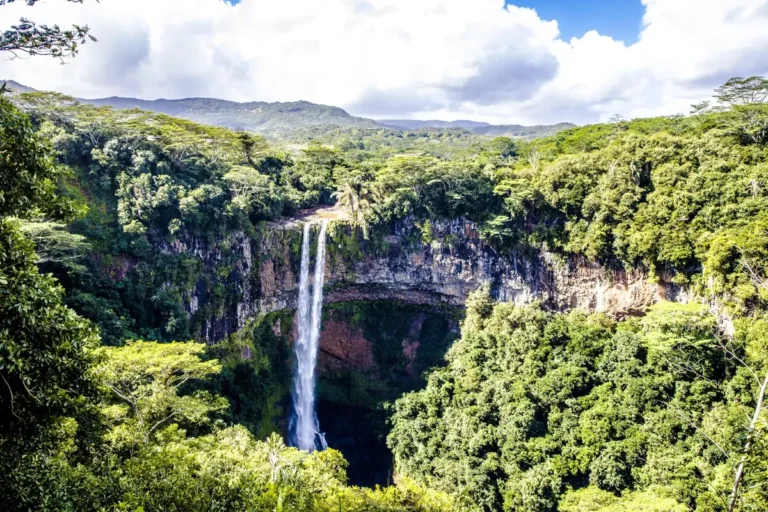
The best time to visit Kenya is the long dry season, from late June to early October: skies are clear, the lower vegetation makes it easier to spot animals, and this is generally when the Great Migration of wildebeest reaches the Masai Mara reserve. January and February, the short dry season, are the other good window, hotter and a little less crowded. Avoid April and May if possible, in the heart of the long rains.
Crossed by the equator, Kenya has no marked summer or winter, but two rainy seasons separated by two dry seasons. Temperatures depend mostly on altitude: temperate highlands, a hot and humid coast all year. Here is how to choose when to go to Kenya, based on the normals published by the Kenya Meteorological Department on the World Meteorological Organization’s information service. If neighboring Tanzania also tempts you, our comparison to choose between Kenya and Tanzania sets parks, seasons and budgets side by side.
⚠️ Safety note (UK FCDO, GOV.UK, updated 16 October 2026). Because of the risk of terrorism from groups based in Somalia, the UK FCDO advises against all travel to Mandera County, parts of Wajir and Garissa counties, and Lamu County except Lamu Island and Manda Island, and against all but essential travel to Garissa Town, Tana River County north of the Tana River as far as Saka, and within 15 km of the east coast between the Tana River and the Galana River. Check the current advice before you go. Masai Mara, Tsavo, Mombasa and Lamu are marked on our map of Kenya.

Our travel deals for Kenya
Affiliate links: we earn a commission, at no extra cost to you.
 Learn the languageTargumiLearn a few words of Swahili before you go — 30% off via our link.See the course
- FlightsKiwi.comCompare flights and airline combinations to Kenya.Compare flights
- eSIMAiraloData plan to install before you leave (eSIM-compatible phone).See plans



When to go to Kenya at a glance
- Best overall time late June to early October (long dry season), then January–February
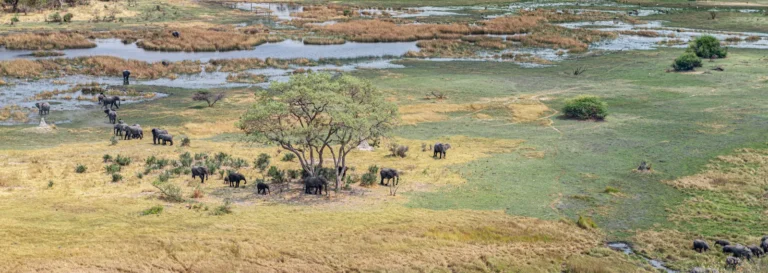
- Great Migration in the Masai Mara generally July to October, with dates that vary every year depending on the rains
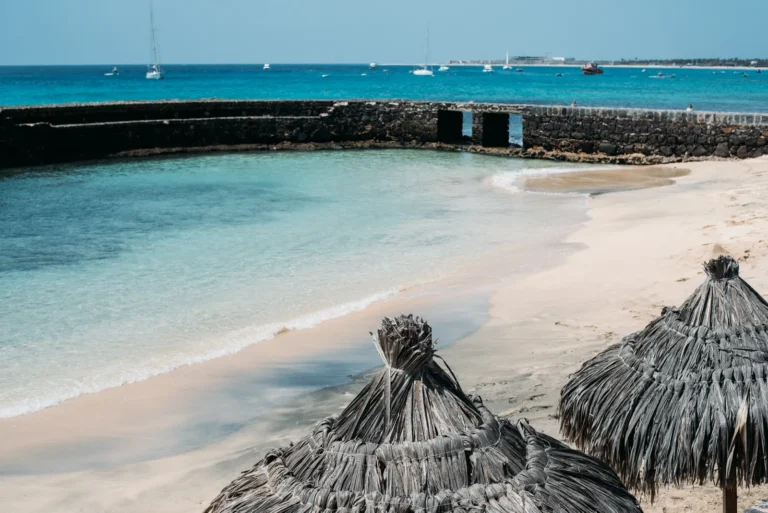
- Beaches (Diani, Watamu, Lamu) December to March; July to September is still decent
- Avoid April and May (long rains, muddy tracks, very wet coast in May)
- Short rains November and December, mostly as showers
- Best value June, late October, January–February outside holidays
- High season and high prices July to September and the year-end holidays
When to go to Kenya by priority
- Best weather: late June to early October (long dry season), then January–February
- Cheapest: June, late October and January–February outside holidays; April–May are the cheapest, but in the heavy rains
- Fewest crowds: April, May and November; in the dry season, June and late September
- Events: Great Migration in the Masai Mara generally July to October (dates vary with the rains), Mashujaa Day on October 20, Jamhuri Day on December 12
- Other destinations: see our ideas for where to go in September
Kenya: the calendar at a glance
✅ Best months: January, February, June, July, August, September, October
❌ Period to avoid: April, may
Climate in Kenya: temperatures and rain month by month
The table below gives the normals for Nairobi (about 1600 m (5,249 ft) above sea level), the arrival point for most trips and representative of the rainfall pattern on the highlands. The coast, the Masai Mara and Tsavo are detailed further down.
| Month | Avg. max | Avg. min | Rain | Crowds | Prices | Verdict |
|---|---|---|---|---|---|---|
| January | 24.5 °C (76 °F) | 11.5 °C (53 °F) | 64 mm (2.5 in) | High (early January), then moderate | High, then moderate | Short dry season, sunny ✅ |
| February | 25.6 °C (78 °F) | 11.6 °C (53 °F) | 57 mm (2.2 in) | Moderate | Moderate | Dry, very good for safaris ✅ |
| March | 25.6 °C (78 °F) | 13.1 °C (56 °F) | 93 mm (3.7 in) | Moderate | Moderate | Long rains arrive late in the month ⚠️ |
| April | 24.1 °C (75 °F) | 14.0 °C (57 °F) | 219 mm (8.6 in) | Low | Low | The wettest month ❌ |
| May | 22.6 °C (73 °F) | 13.2 °C (56 °F) | 177 mm (7.0 in) | Low | Low | Long rains, very wet coast ❌ |
| June | 21.5 °C (71 °F) | 11.0 °C (52 °F) | 35 mm (1.4 in) | Moderate | Moderate | Start of the dry season, cool ✅ |
| July | 20.6 °C (69 °F) | 10.1 °C (50 °F) | 18 mm (0.7 in) | Very high | Very high | Dry, migration arrives in the Mara ✅ |
| August | 21.4 °C (71 °F) | 10.2 °C (50 °F) | 24 mm (0.9 in) | Very high | Very high | Dry, high safari season ✅ |
| September | 23.7 °C (75 °F) | 10.5 °C (51 °F) | 28 mm (1.1 in) | High | High | Dry, migration often still present ✅ |
| October | 24.7 °C (76 °F) | 12.5 °C (55 °F) | 55 mm (2.2 in) | Moderate | Moderate | Good compromise, showers possible late in the month ✅ |
| November | 23.1 °C (74 °F) | 13.1 °C (56 °F) | 154 mm (6.1 in) | Low | Low | Short rains, often as showers ⚠️ |
| December | 23.4 °C (74 °F) | 12.6 °C (55 °F) | 101 mm (4.0 in) | Moderate, then high (holidays) | Moderate, then very high | End of the short rains, holidays ⚠️ |
Worth noting: in July–August, it is dry but cool in Nairobi, around 21 °C (70 °F) in the afternoon and 10 °C (50 °F) at night. Pack a fleece for dawn game drives.
The seasons in Kenya: pros and cons
There are the long rains (roughly March to May), the short rains (roughly October to December), the long dry season (June to early October) and the short dry season (January–February). The start and intensity of the rains vary markedly from year to year.
Long dry season (June to early October): the high safari season
This is the most sought-after period. From July to September, less than 30 mm (1.2 in) falls a month in both Nairobi and Narok, the gateway to the Masai Mara. The grasses dry out and animals gather around water points. It is also the coolest season on the plateaus.
- Pros: ideal viewing conditions, passable tracks, Great Migration generally present in the Masai Mara
- Cons: highest rates at lodges and camps, many vehicles around the Mara River crossings, cool mornings and evenings
- Coast: decent, with moderate showers (65 to 80 mm (2.6 to 3.1 in) a month in Mombasa from June to September)
- Our tip: June and late September offer the same safari conditions as August, with fewer people and softer prices
Short rains (late October to December): nature turns green
The rains generally return in late October or early November. In Nairobi, November is the second-wettest month (154 mm (6.1 in)), mostly as late-afternoon showers. In Narok, near the Masai Mara, they stay moderate: about 75 mm (3.0 in) a month in November and December.
- Pros: green landscapes, falling prices (outside the year-end holidays), migratory birds that have arrived from Europe
- Cons: some tracks become muddy, sometimes overcast skies, less predictable game-drive days
- Who is it for? Flexible travelers who prioritize prices and the absence of crowds
Short dry season (January–February): heat and clear skies
This is the second good window of the year: about 25 to 27 °C (77 to 81 °F) in the afternoon in Nairobi and Narok, 32 °C (90 °F) on the coast. The Great Migration is then in Tanzania, but the resident wildlife of the Masai Mara, Amboseli or Tsavo remains abundant.
- Pros: a very good period to combine safari and beach, often clear skies to see Kilimanjaro from Amboseli, more reasonable crowds than in summer
- Cons: humid heat on the coast, high prices over the year-end holidays and until early January
- Who is it for? Those who want a safari followed by a few beach days, and winter-vacation travelers
Long rains (March to May): the green season
In Nairobi, April receives an average of 219 mm (8.6 in) of rain, more than the four months from June to September combined. On the coast, the peak comes in May: 240 mm (9.4 in) in Mombasa, nearly 300 mm (11.8 in) in Malindi, 329 mm (13.0 in) in Lamu. The U.S. Department of State (travel.state.gov, last updated July 30, 2026) notes that during the rainy season some unpaved roads are impassable even with four-wheel-drive vehicles, and urges travelers to consult local officials about road conditions.
- Pros: the lowest prices of the year, almost empty parks, very green landscapes
- Cons: difficult or even impassable tracks in some parks, possible flooding, some camps and lodges close or reduce activity, unpleasant beach in May
- Who is it for? Small budgets prepared to accept rainy days, preferably in March or at the end of the season
When to go to Kenya by region
The highlands (Nairobi, Masai Mara, Laikipia) are temperate, the southeast plains (Tsavo) hotter and drier, the coast around 28 to 33 °C (82 to 91 °F) all year. Comparison of five stations:
| Month | Nairobi | Narok (Masai Mara) | Voi (Tsavo) | Mombasa (south coast) | Lamu (north coast) |
|---|---|---|---|---|---|
| January | 24.5 °C (76 °F) / 64 mm (2.5 in) | 26.9 °C (80 °F) / 79 mm (3.1 in) | 31.6 °C (89 °F) / 34 mm (1.3 in) | 32.0 °C (90 °F) / 33 mm (1.3 in) | 30.9 °C (88 °F) / 6 mm (0.2 in) |
| February | 25.6 °C (78 °F) / 57 mm (2.2 in) | 27.2 °C (81 °F) / 67 mm (2.6 in) | 32.9 °C (91 °F) / 29 mm (1.1 in) | 32.3 °C (90 °F) / 15 mm (0.6 in) | 31.3 °C (88 °F) / 4 mm (0.2 in) |
| March | 25.6 °C (78 °F) / 93 mm (3.7 in) | 26.9 °C (80 °F) / 95 mm (3.7 in) | 33.3 °C (92 °F) / 79 mm (3.1 in) | 32.6 °C (91 °F) / 56 mm (2.2 in) | 32.1 °C (90 °F) / 25 mm (1.0 in) |
| April | 24.1 °C (75 °F) / 219 mm (8.6 in) | 24.8 °C (77 °F) / 135 mm (5.3 in) | 31.8 °C (89 °F) / 100 mm (3.9 in) | 31.2 °C (88 °F) / 163 mm (6.4 in) | 31.1 °C (88 °F) / 130 mm (5.1 in) |
| May | 22.6 °C (73 °F) / 177 mm (7.0 in) | 23.1 °C (74 °F) / 92 mm (3.6 in) | 29.9 °C (86 °F) / 30 mm (1.2 in) | 29.3 °C (85 °F) / 240 mm (9.4 in) | 29.0 °C (84 °F) / 329 mm (13.0 in) |
| June | 21.5 °C (71 °F) / 35 mm (1.4 in) | 22.4 °C (72 °F) / 26 mm (1.0 in) | 29.0 °C (84 °F) / 6 mm (0.2 in) | 28.4 °C (83 °F) / 80 mm (3.1 in) | 28.0 °C (82 °F) / 164 mm (6.5 in) |
| July | 20.6 °C (69 °F) / 18 mm (0.7 in) | 22.3 °C (72 °F) / 17 mm (0.7 in) | 28.1 °C (83 °F) / 3 mm (0.1 in) | 27.7 °C (82 °F) / 70 mm (2.8 in) | 27.4 °C (81 °F) / 75 mm (3.0 in) |
| August | 21.4 °C (71 °F) / 24 mm (0.9 in) | 23.3 °C (74 °F) / 24 mm (0.9 in) | 28.0 °C (82 °F) / 8 mm (0.3 in) | 27.9 °C (82 °F) / 66 mm (2.6 in) | 27.5 °C (82 °F) / 40 mm (1.6 in) |
| September | 23.7 °C (75 °F) / 28 mm (1.1 in) | 25.2 °C (77 °F) / 25 mm (1.0 in) | 29.2 °C (85 °F) / 15 mm (0.6 in) | 28.8 °C (84 °F) / 72 mm (2.8 in) | 28.3 °C (83 °F) / 39 mm (1.5 in) |
| October | 24.7 °C (76 °F) / 55 mm (2.2 in) | 25.9 °C (79 °F) / 31 mm (1.2 in) | 31.1 °C (88 °F) / 26 mm (1.0 in) | 29.6 °C (85 °F) / 97 mm (3.8 in) | 29.5 °C (85 °F) / 40 mm (1.6 in) |
| November | 23.1 °C (74 °F) / 154 mm (6.1 in) | 25.4 °C (78 °F) / 74 mm (2.9 in) | 31.4 °C (89 °F) / 106 mm (4.2 in) | 30.6 °C (87 °F) / 92 mm (3.6 in) | 30.8 °C (87 °F) / 39 mm (1.5 in) |
| December | 23.4 °C (74 °F) / 101 mm (4.0 in) | 25.9 °C (79 °F) / 76 mm (3.0 in) | 30.6 °C (87 °F) / 119 mm (4.7 in) | 31.6 °C (89 °F) / 75 mm (3.0 in) | 31.2 °C (88 °F) / 28 mm (1.1 in) |
The Masai Mara and the southwest
The reserve sits on a high plateau: it is about 22 to 27 °C (72 to 81 °F) in the afternoon all year, but minimums drop to around 9 to 10 °C (48 to 50 °F) in Narok for much of the year. The driest period runs from June to October (less than 35 mm (1.4 in) a month). According to the Embassy of Kenya, the Great Migration is generally present there from July to October. The Mara River crossings, the most sought-after scenes, have no fixed date: they depend on the rains and on herd movements, sometimes from one week to the next. For the rest of the cycle, from November to June, the herds are in Tanzania: see our article when to go to Tanzania.
Nairobi, Laikipia and Mount Kenya
A temperate highland climate, with rain peaks in April and November. The best windows are January–February and June to October, including for climbing Mount Kenya, where nights are cold all year.
Amboseli and Tsavo
On the lower southeast plains, it is hotter (28 to 33 °C (82 to 91 °F) in the afternoon in Voi) and markedly drier: 30 mm (1.2 in) or less a month from May to October. Rain falls mostly in November–December and March–April. At Amboseli, Kilimanjaro, on the Tanzanian side, is most often visible early in the morning or late in the day, and more easily in the dry season.
The coast: Mombasa, Diani, Watamu, Malindi and Lamu
The driest period runs from December to March: 15 mm (0.6 in) in February in Mombasa, less than 10 mm (0.4 in) in Lamu in January and February. Rains are heavy from April to June, peaking in May. From July to October, 40 to 100 mm (1.6 to 3.9 in) falls a month depending on the location, often as showers: the beach remains possible. The coast north of Malindi and the mainland part of Lamu County are covered by travel warnings (see the safety note above).
The west and Lake Victoria (Kisumu)
A humid, little-visited region: in Kisumu, more than 75 mm (3.0 in) falls every month (213 mm (8.4 in) in April), with 28 to 31 °C (82 to 88 °F) in the afternoon.
Region-by-region summary: the right month depending on the part of the country you are visiting (KMD normals quoted above).
| Month | Masai Mara | Amboseli and Tsavo | Coast (Mombasa, Diani, Watamu) |
|---|---|---|---|
| January | Short dry season ✅ | Dry and hot ✅ | Dry and hot ✅ |
| February | Dry ✅ | Dry and hot ✅ | The driest ✅ |
| March | Rain late in the month ⚠️ | Rain ⚠️ | Dry ✅ |
| April | Long rains ❌ | Long rains ❌ | Heavy rain ❌ |
| May | Rain, muddy tracks ⚠️ | Dry ✅ | Peak of the rains ❌ |
| June | Dry, softer prices ✅ | Dry ✅ | Rain ⚠️ |
| July | Migration arrives ✅ | Dry ✅ | Showers, beach possible ⚠️ |
| August | Migration ✅ | Dry ✅ | Showers, beach possible ⚠️ |
| September | Migration, fewer crowds ✅ | Dry ✅ | Showers, beach possible ⚠️ |
| October | End of the dry season ✅ | Dry ✅ | Showers ⚠️ |
| November | Short rains ⚠️ | Rain ⚠️ | Showers ⚠️ |
| December | Showers, holidays ⚠️ | Rain ⚠️ | Start of the dry season ✅ |
✅ favorable conditions, ⚠️ possible with reservations, ❌ to avoid. Summary based on the normals quoted on this page and the regional advice above.

When to go to Kenya by trip type
| Your trip | Best time | Where? |
|---|---|---|
| See the Great Migration | July to September (sometimes October) | Masai Mara |
| First safari | Late June to early October, or January–February | Masai Mara, Amboseli, Lake Nakuru |
| Safari and beach | January–February, or July to September | Masai Mara or Tsavo, then Diani or Watamu |
| Beach only | December to March | Diani, Watamu, Lamu |
| See Kilimanjaro | Dry seasons, early in the morning | Amboseli |
| Climbing Mount Kenya | January–February, July to September | Mount Kenya National Park |
| Small budget | June, late October–November, March | Masai Mara, Naivasha, Nakuru |
| Family trip | Summer vacation (July–August) or February | Masai Mara, Ol Pejeta, Diani |
| Honeymoon | September–October, or January–February | Masai Mara then Lamu or Diani |
Major events to plan your trip around
| Date | Event | Location |
|---|---|---|
| Generally July to October | Great Migration of wildebeest and Mara River crossings | Masai Mara |
| June 1 | Madaraka Day (national day) | Nationwide |
| October 20 | Mashujaa Day (Heroes’ Day) | Nationwide |
| December 12 | Jamhuri Day (Independence Day) | Nationwide |
| Late December – early January | Year-end holidays (prices at their highest) | Parks and coast |
Kenya month by month: what to expect
Kenya in January: Short dry season: sunny, 24 to 27 °C (75 to 81 °F) on the plateaus, 31 to 32 °C (88 to 90 °F) on the coast. Ideal for a safari-and-beach combination.
Kenya in February: The driest month in Mombasa (15 mm (0.6 in)), still dry in the parks. An excellent window, cheaper than summer.
Kenya in March: The long rains arrive, generally in the second half. The start of the month is still pleasant and prices drop.
Kenya in April: The wettest month in Nairobi (219 mm (8.6 in)) and Narok (135 mm (5.3 in)). Difficult tracks, some camps closed, prices at their lowest.
Kenya in May: Rains ease on the plateaus but peak on the coast (240 mm (9.4 in) in Mombasa, 329 mm (13.0 in) in Lamu). To be avoided for the beach.
Kenya in June: Dry weather returns, vegetation still green, cool mornings. A good safari before the high season, at softer prices.
Kenya in July: The driest month in Nairobi and the Masai Mara. Migration generally arrives in the Mara during the month. High season: book early.
Kenya in August: Ideal safari conditions, migration generally present in the Masai Mara, but crowds are at their maximum around the crossing points.
Kenya in September: Still dry and very good for safaris, with slightly fewer people than in August. One of our favorite months for the Masai Mara.
Kenya in October: End of the dry season, prices falling. The herds gradually head back toward Tanzania. First showers possible late in the month.
Kenya in November: Short rains: frequent showers in Nairobi (154 mm (6.1 in)), more moderate in the Masai Mara. Green landscapes, quiet parks and low rates.
Kenya in December: Rains ease during the month. Quiet until mid-December, then crowds and prices at their highest over the holidays.
When to book your trip to Kenya
For a July–September safari in the Masai Mara, book 6 months ahead or more: the camps best placed for the migration and the small domestic flights fill up fast. The same logic applies to the year-end holidays. For January–February, June or October, 3 to 4 months is generally enough. Before you leave, you can pick up some basic Swahili with Targumi’s online lessons, with 30% off via our link.
Planning your trip to Kenya
- Entry requirements: rules depend on your nationality; see our guide to the entry requirements for Kenya.
- Currency: the Kenyan shilling (KES). Use our currency converter to estimate your budget.
- Health: the UK FCDO (GOV.UK, updated 16 October 2026) lists malaria and dengue among the health risks in Kenya, and notes that altitude sickness is a risk when hiking in high-altitude areas, including on Mount Kenya. See a doctor or travel health clinic before you go.
For more detail, see our complete Kenya travel guide.
Frequently asked questions
What is the best month to visit Kenya?
For a safari, July, August and September: dry weather, animals easy to spot and the Great Migration generally present in the Masai Mara. January and February are a good alternative, ideal for combining safari and beach.
When can you see the Great Migration in Kenya?
In the Masai Mara, generally from July to October. The Mara River crossings have no fixed date: they depend on the rains and on herd movements, and vary from year to year. For the rest of the year, the herds are in the Serengeti, in Tanzania.
What is the rainy season in Kenya?
Kenya has two rainy seasons: the long rains, from March to May, peaking in April on the plateaus (219 mm (8.6 in) in Nairobi) and in May on the coast, and the short rains, from October–November to December, often as showers.
When is the best time to go to Kenya for the beach?
From December to March, the driest period on the coast: 33 mm (1.3 in) in January and 15 mm (0.6 in) in February in Mombasa, and less than 10 mm (0.4 in) in Lamu in those two months. Avoid May, the wettest month on the coast.
What is the cheapest time to go to Kenya?
April, May and November, during the rainy seasons, but some lodges close and tracks can be difficult. June and late October are good compromises.
Is it hot in Kenya in July?
On the coast, yes (about 28 °C (82 °F) in the afternoon). At altitude, in Nairobi and the Masai Mara, it is 21 to 22 °C (70 to 72 °F) in the afternoon and 9 to 10 °C (48 to 50 °F) at night.
What is the weather like in Kenya in August?
August is in the middle of the dry season: in Nairobi, about 21 °C (70 °F) in the afternoon, 10 °C (50 °F) at night and 24 mm (0.9 in) of rain; in the Masai Mara (Narok), 23 °C (73 °F) and 24 mm (0.9 in). On the coast, in Mombasa, it is about 28 °C (82 °F). It is the high safari season, with the migration generally present in the Masai Mara.
Our sources
- Kenya Meteorological Department (KMD), climate normals published on the World Meteorological Organization’s World Weather Information Service: stations of Nairobi, Narok, Voi, Mombasa, Malindi, Lamu and Kisumu
- UK FCDO, foreign travel advice for Kenya (GOV.UK, updated 16 October 2026, read on 26 October 2026), and U.S. Department of State, Kenya country information (travel.state.gov, last updated July 30, 2026): safety, health, rainy-season roads
- Embassy of Kenya in Italy: timing of the Great Migration in the Masai Mara
- Our methodology
Updated November 2026.
To plan what comes next, see our Kenya travel guide (what to see, itineraries, budget). To extend your trip with a beach stay, see when to go to Zanzibar.