Nicosia, capital of the Republic of Cyprus and the island’s most populous city, is the last divided capital in Europe: since 1974 the UN-patrolled “Green Line” has separated the southern part from the northern part. Its old town, enclosed by Venetian walls, can be visited on foot, and people cross from one side to the other along Ledra Street. This Nicosia travel guide covers what to see, how to cross the Green Line according to the US and UK governments, where to stay and what weather to expect month by month.
Time zoneUTC+2 (Eastern European Time; UTC+3 in summer): 2 hours ahead of London and 7 hours ahead of New York in standard time
Climate37.5 °C (100 °F) average maximum in July, 15.8 °C (60 °F) in January (WMO 1991–2020 normals)
Green Linecross only at designated crossing points, with a valid passport
Entryno visa for stays of up to 90 days for US and UK citizens (U.S. Department of State, last updated August 13, 2026; UK FCDO, updated 14 August 2026)
Main sightsVenetian walls, Ledra Street, Cyprus Museum, St John’s Cathedral, Selimiye Mosque
What to see in Nicosia
The old town and the Venetian walls
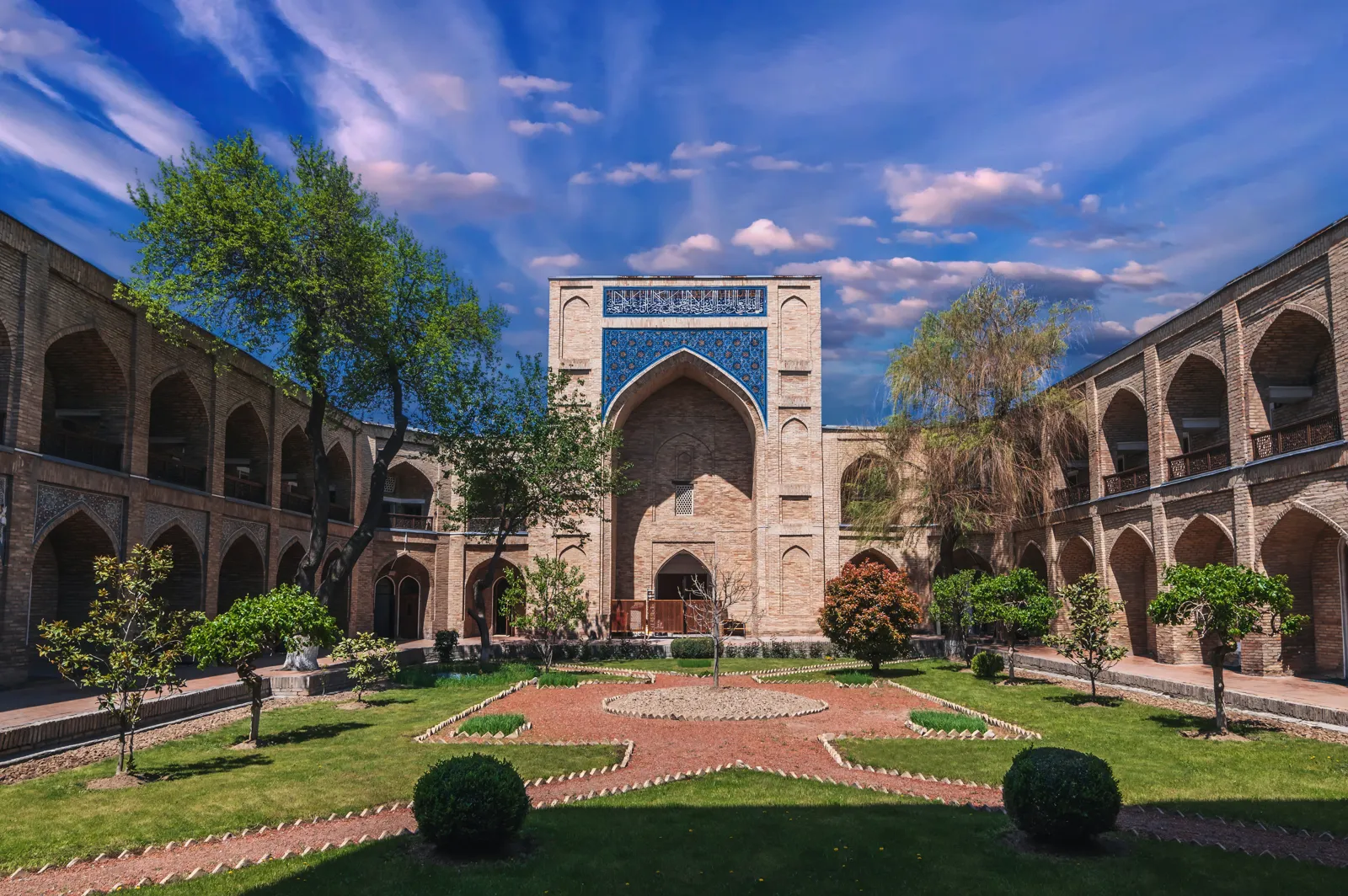
Seat of the kings of Cyprus from 1192, Nicosia passed to the Venetians in 1489, who surrounded it with walls, then to the Ottomans in 1570. The circular rampart still shapes the old town, which the Green Line cuts in two. On the south side, the Laiki Geitonia district and its restored lanes can be explored on foot.
Ledra Street and the crossing point
A pedestrian shopping street in the south of the city, Ledra Street reopened on 3 April 2008 after 44 years of separation by a wall. At its end, the Ledra/Lokmaci crossing point, for pedestrians only, lets you reach the northern part of the city in a few steps on presentation of a valid passport.
The Cyprus Museum and St John’s Cathedral
The Cyprus Museum, built from 1908 to 1924, presents the island’s archaeological collections. In the old town, St John the Theologian Cathedral, the Byzantine Museum and the Ethnographic Museum complete a visit to the south, as does the house of the dragoman Hadjigeorgakis Kornesios.
The north: Selimiye and the Ottoman monuments
In the north, the former Cathedral of Saint Sophia, now the Selimiye (Aya Sofya) Mosque, houses the tombs of the Lusignan kings. Before crossing the line, read the rules below: no photography of military installations, and consular support is limited in the north.
Nicosia in 1 or 2 days
Day 1: walls and Laiki Geitonia in the morning, Cyprus Museum, Ledra Street late in the day.
Day 2: cross on foot at Ledra/Lokmaci, Selimiye and the old town in the north, back to the south in the late afternoon.
In summer, average maximums exceed 37 °C (99 °F): visit early in the morning and keep the museums for the middle of the day.
Where to stay in Nicosia
The old town in the south, inside the walls, is the most practical base for visiting on foot and for reaching the Ledra crossing point. The modern districts south of the walls have more business hotels. In the north, the U.S. State Department (travel.state.gov, last updated August 13, 2026) says immigration officials at Larnaca Airport have occasionally turned around non-EU citizens who announced they would stay in hotels or villas that the Republic of Cyprus considers to be on land belonging to displaced Greek Cypriots; the Cypriot embassy publishes a list of such properties, so check it before booking in the north.
Getting to Nicosia and getting around
Nicosia has no airport in service on the southern side: you generally arrive through Larnaca International Airport, linked to the capital by motorway. The U.S. State Department tells US citizens to enter and exit the Republic of Cyprus only at Larnaca and Paphos airports and at the seaports of Limassol, Larnaca and Paphos, and says the Republic does not consider entry at Ercan Airport in the north a legal entry. The UK FCDO (GOV.UK, updated 14 August 2026) warns that entering through the north is treated as illegal entry and can lead to fines or refusal of entry or exit. The State Department adds that there are few public buses and no rail lines on the island and that taxis are widely available.
Transfer from Larnaca airport
Taxis, pre-booked transfers or a rental car: compare the operator’s official site and resellers (night-time hours, cancellation, luggage). If you rent a car, note that traffic drives on the left in Cyprus. Cars hired in the Republic often have no insurance cover in the north; the UK FCDO says you will not be allowed through a crossing without the correct insurance documents and that cover for the north can be bought at some crossing points, including Agios Dometios.
When to go to Nicosia: climate month by month
Inland, Nicosia is much hotter than the coast in summer and a little cooler at night in winter.
Month
Avg. max
Avg. min
Rain
Day/night gap
Sunrise / sunset (15th)
Daylight
January
15.8 °C (60 °F)
5.7 °C (42 °F)
53 mm (2.1 in)
10.1 °C (18 °F)
6:54 am / 4:57 pm
10 h 03 min
February
16.6 °C (62 °F)
5.8 °C (42 °F)
42 mm (1.7 in)
10.8 °C (19 °F)
6:33 am / 5:28 pm
10 h 55 min
March
20.0 °C (68 °F)
7.6 °C (46 °F)
29 mm (1.1 in)
12.4 °C (22 °F)
5:57 am / 5:53 pm
11 h 56 min
April
24.7 °C (76 °F)
10.8 °C (51 °F)
21 mm (0.8 in)
13.9 °C (25 °F)
6:15 am / 7:18 pm
13 h 04 min
May
29.8 °C (86 °F)
15.3 °C (60 °F)
26 mm (1.0 in)
14.5 °C (26 °F)
5:42 am / 7:43 pm
14 h 00 min
June
34.4 °C (94 °F)
19.8 °C (68 °F)
15 mm (0.6 in)
14.6 °C (26 °F)
5:31 am / 8:02 pm
14 h 31 min
July
37.5 °C (100 °F)
22.6 °C (73 °F)
5 mm (0.2 in)
14.9 °C (27 °F)
5:43 am / 8:01 pm
14 h 18 min
August
37.4 °C (99 °F)
22.5 °C (72 °F)
1 mm (0.0 in)
14.9 °C (27 °F)
6:05 am / 7:35 pm
13 h 30 min
September
34.0 °C (93 °F)
19.4 °C (67 °F)
11 mm (0.4 in)
14.6 °C (26 °F)
6:29 am / 6:54 pm
12 h 25 min
October
29.2 °C (85 °F)
15.9 °C (61 °F)
24 mm (0.9 in)
13.3 °C (24 °F)
6:52 am / 6:12 pm
11 h 20 min
November
22.7 °C (73 °F)
10.8 °C (51 °F)
39 mm (1.5 in)
11.9 °C (21 °F)
6:20 am / 4:40 pm
10 h 20 min
December
17.7 °C (64 °F)
7.3 °C (45 °F)
64 mm (2.5 in)
10.4 °C (19 °F)
6:47 am / 4:35 pm
9 h 48 min
Temperatures and rainfall: WMO 1991–2020 normals for the Athalassa station (17607), in Nicosia, supplied by the Cyprus Department of Meteorology to the World Meteorological Organization (NOAA/NCEI archive). Day/night gap, sunrise, sunset and day length: Destination de Voyage calculations (NOAA solar algorithm, 15th of each month, Cyprus time).
Reading the table: from June to September the maximum reaches 34 °C (93 °F) or more and it hardly rains (5 mm / 0.2 in at most per month in July and August). The day/night gap reaches nearly 15 °C (27 °F) in summer (calculated). April–May (24.7 and 29.8 °C / 76 and 86 °F) and October–November (29.2 and 22.7 °C / 85 and 73 °F) are the best windows for walking in town. December is the wettest month (64 mm / 2.5 in).
Entry requirements, health and safety
Rules checked in the official sources read on 26 October 2026. Rules can change: confirm with the Cyprus embassy or high commission before you travel.
US citizens
According to the U.S. Department of State (travel.state.gov, last updated August 13, 2026), US citizens may enter the Republic of Cyprus for up to 90 days for tourism or business without a visa; a temporary residency visa is needed for longer stays. The page points to the Embassy of the Republic of Cyprus for current visa information and notes that Cyprus is in the EU but not in the Schengen area. If you travel on through Schengen countries, it says your passport should be valid for at least three months beyond your stay and that you need proof of funds and a return ticket.
UK citizens
According to the UK FCDO (GOV.UK, updated 14 August 2026), you can travel to Cyprus without a visa for up to 90 days. Your passport must have been issued less than 10 years before arrival, must expire at least 3 months after the day you plan to leave, and must have at least one blank page. You may be asked to show a return or onward ticket and proof of enough money. Cyprus is not in the Schengen area, so your time there does not count towards your Schengen 90 days and the EU Entry/Exit System does not apply. Make sure your passport is stamped on entry and exit.
Crossing to the north
The U.S. State Department says you can cross the UN buffer zone into the Turkish Cypriot-administered area by showing a valid US passport at a recognised checkpoint and that you can stay there for less than 90 days; the UK FCDO says you can use any crossing point and that time in the north counts towards your 90 days. Both warn against entering the buffer zone anywhere other than a designated crossing point, and against entering the Republic of Cyprus through the north. The UK FCDO says it can provide only limited consular support in the north, and the UK government does not recognise the self-declared “Turkish Republic of Northern Cyprus”. See also our guide to entry requirements.
Safety
Terrorism: the UK FCDO says terrorist attacks in Cyprus cannot be ruled out and could be indiscriminate, including in places visited by foreign nationals.
Wildfires: the UK FCDO reports a high risk of wildfires from April to October and advises registering your phone for emergency alerts; the emergency number is 112.
Crime and drugs: the UK FCDO says crime against tourists is not common, but advises sensible precautions, keeping an eye on your drinks, and notes a zero-tolerance policy on illegal drugs, including cannabis.
Demonstrations: the UK FCDO advises avoiding protests, which can disrupt local transport.
Buffer zone: the State Department says never to attempt to enter the UN buffer zone anywhere other than a designated crossing point.
Crossings in Nicosia: the UK FCDO says only pedestrians can use the Ledra Palace and Ledra/Lokmaci crossing points; some crossings allow vehicles (Agios Dometios is cited for buying insurance).
Photography: do not photograph military installations; the UK FCDO says you could be arrested for taking photographs near sensitive areas such as military buildings, and the State Department says police on both sides enforce this strictly.
Bringing goods back south: the UK FCDO says there are controls on goods bought in the north and taken across the Green Line; the Republic enforces a 40-cigarette per person limit, and goods can be confiscated and fines imposed.
Staying connected
Mobile roaming conditions for US and UK plans depend on your operator, and they may differ in the north of the island: check with your carrier before using data there. Our travel eSIM guide details the options.
If you… then…
If you…
Then…
Want to visit both sides
Cross on foot at Ledra/Lokmaci with a valid passport
Come in July–August
Sightsee early in the morning: more than 37 °C (99 °F) in the afternoon
Prefer to walk in the cool
April–May or October–November
Cross by car
Check insurance for the north before you go; you cannot cross without the right documents
Plan to stay in the north
Check the list of disputed properties before booking a hotel
Frequently asked questions
Can you cross from south Nicosia to north Nicosia?
Yes, at the designated crossing points with a valid passport. The UK FCDO says only pedestrians can use Ledra Palace and Ledra/Lokmaci, and the US State Department says never to enter the buffer zone anywhere else.
Is Nicosia safe?
The sources we read list no area of Cyprus to avoid for tourism, but the UK FCDO says terrorist attacks cannot be ruled out, advises avoiding protests and notes limited consular support in the north. Entering the buffer zone outside a crossing point and photographing military zones are forbidden.
What is the best time to visit Nicosia?
April–May and October–November, with afternoon highs of roughly 23 to 30 °C (73 to 86 °F). Summer averages above 37 °C (99 °F) at the maximum (WMO 1991–2020 normals).
Which airport for Nicosia?
Usually Larnaca. Both the US and UK governments say to enter the Republic of Cyprus through its own airports and ports rather than Ercan in the north, which the Republic does not treat as a legal entry.
Do you need a visa for Nicosia?
Not for stays of up to 90 days, for US citizens (U.S. Department of State, last updated August 13, 2026) or UK citizens (UK FCDO, updated 14 August 2026). Time in the north counts towards the 90 days, according to the UK FCDO.
How long should you stay in Nicosia?
One day for the old town in the south and Ledra Street, two to add the north and the museums.
Our sources
UK FCDO, Cyprus foreign travel advice (GOV.UK, updated 14 August 2026): entry requirements, safety and security, regional risks; read 26 October 2026
U.S. Department of State, Cyprus country information (travel.state.gov, last updated August 13, 2026): entry and exit requirements, safety and security, transportation; read 26 October 2026
World Meteorological Organization, 1991–2020 climate normals, Athalassa station (17607), Nicosia, Cyprus Department of Meteorology (NOAA/NCEI archive)
Wikipedia articles “Nicosie” (FR) and “Nicosia” (EN), read 27 October 2026
Astronomical calculations: NOAA solar algorithm, applied by Destination de Voyage to the coordinates of Nicosia (15th of each month, year 2027)


 FlightsKiwi.comCompare flights and airline combinations to Nicosia.Compare flights