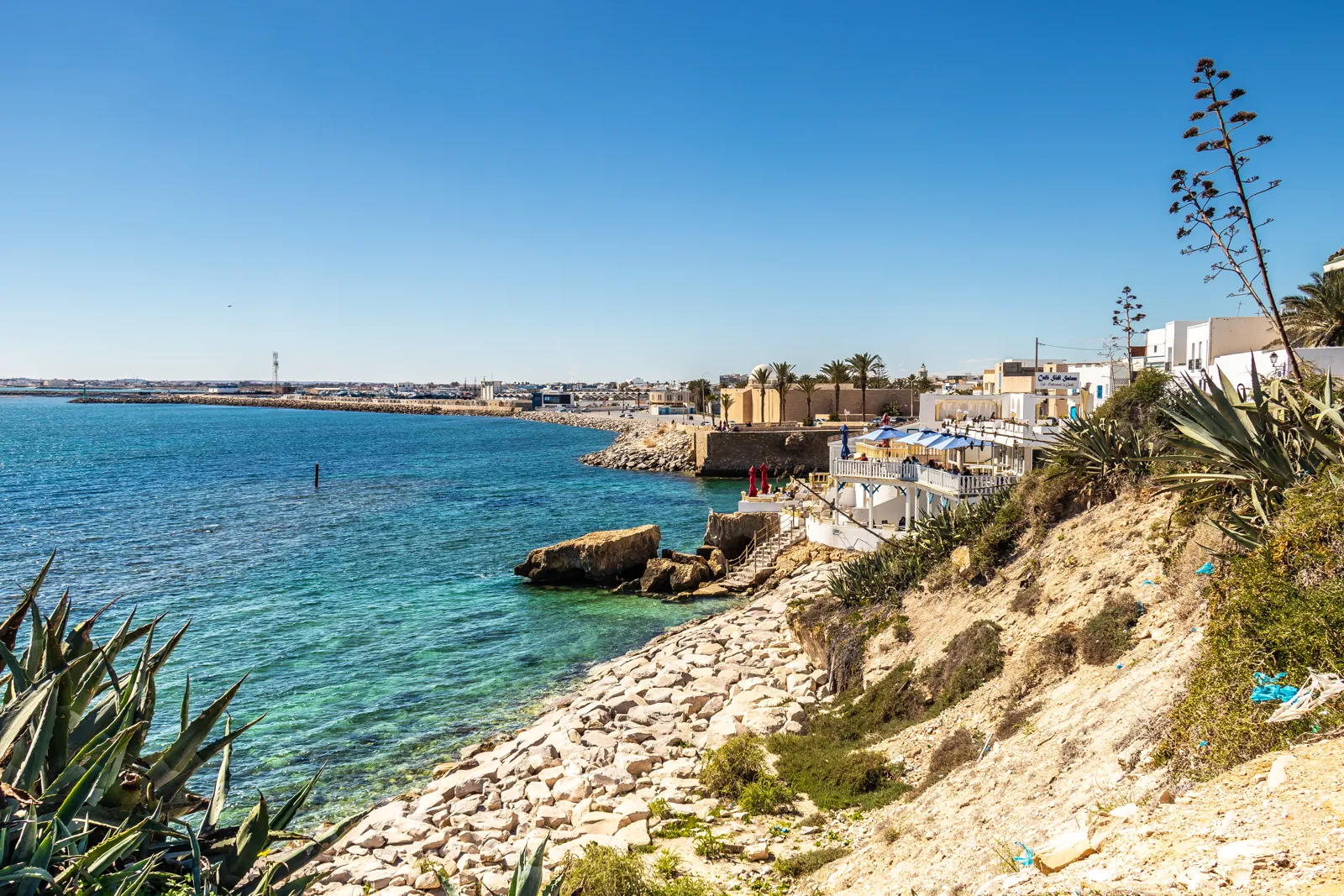
Limassol (Lemesos), on the south coast of Cyprus, is the island’s second-largest urban area and its main port: a seaside and commercial city with an old town packed around a castle where, according to tradition, Richard the Lionheart married Berengaria of Navarre in 1191. Built between two ancient cities, Amathus to the east and Kourion to the west, it is also a base for the Troodos vineyards and Kolossi Castle. This Limassol travel guide covers what to see, how to arrive without an airport in town, when to come according to official normals and what the US and UK governments say about entry and safety.
Time zoneUTC+2 (Eastern European Time; UTC+3 in summer): 2 hours ahead of London and 7 hours ahead of New York in standard time
Best periodsMay to June and September to October; in July and August the average maximums at the neighbouring coastal stations exceed 30 °C (86 °F)
Entryno visa for stays of up to 90 days for US and UK citizens; UK citizens need a passport issued less than 10 years before arrival (U.S. Department of State, last updated August 13, 2026; UK FCDO, updated 14 August 2026)
Arrivalthere is no airport in Limassol; both governments say to enter the Republic of Cyprus through its own airports and ports, such as Larnaca or Paphos, not through Ercan in the north
Main sightscastle and old town, Old Port and seafront, Amathus, Kourion, Kolossi Castle, Akrotiri salt lake
What to see in Limassol: the highlights
Limassol Castle and the old town
The castle stands near the Old Port, in the heart of the historic centre. Excavations have shown that it rests on an early Christian basilica (4th–7th century) and a Byzantine building of the 10th–11th centuries. A first castle is said to have been raised by Guy de Lusignan in 1193; dismantled by the Venetians in 1567–1568, it was incorporated into the Ottoman fort completed in 1590, whose underground hall and first floor served as a prison until 1950. It now houses the Cyprus Medieval Museum (check hours and prices on the Department of Antiquities website). Around it, the old town once had mostly Greek quarters to the east and Turkish quarters to the west, with a mixed area around the castle; the Armenian community lives around the Surp Kevork church.
The Old Port, the seafront and the shopping streets
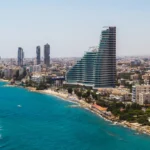
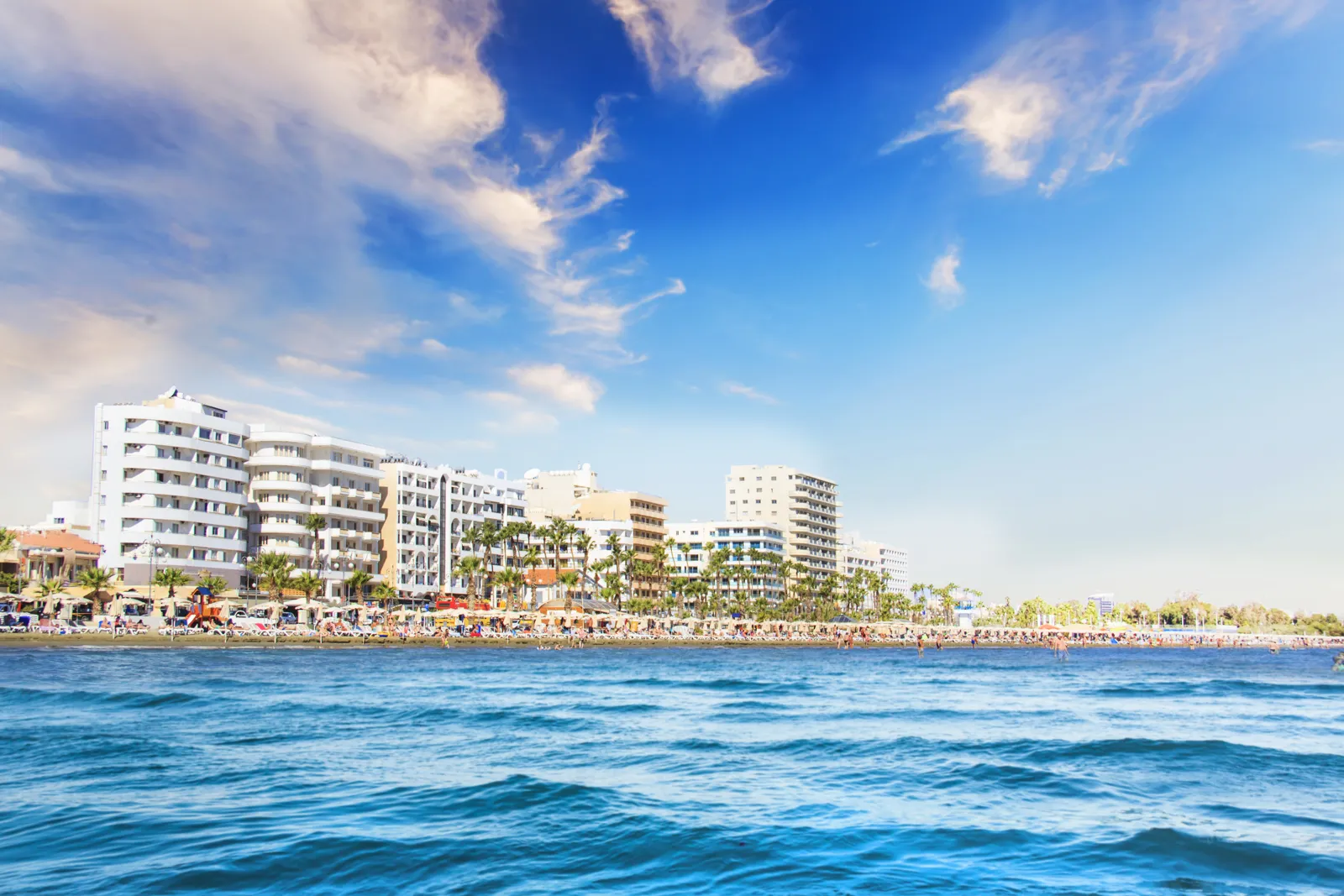
The Old Port, a short walk from the castle, opens onto the coast: from the Old Port to the Amathus area, hotels, restaurants and nightlife are concentrated. Anexartisias Street and Makariou Avenue are the city’s main shopping streets.
The beaches
Limassol has many beaches; one organised by the Cyprus Tourism Organisation operates in the Dasoudi area, east of the centre. Check facilities and lifeguard cover on site before you swim.
Amathus, to the east
The remains of the city-kingdom of Amathus lie on the coast near Agios Tychonas, about 9.7 km (6 mi) east of Limassol. Its sanctuary of Aphrodite was the second most important in Cyprus after Paphos. Some of the finds are displayed in the Limassol museum.
Kourion and Kolossi Castle, to the west
Kourion, an ancient city inhabited until the early Middle Ages, is the headline excursion: a restored Greco-Roman theatre facing the sea, used for open-air performances, mosaics, baths, the House of the Gladiators, the House of Achilles and, 3 km (2 mi) away, the Sanctuary of Apollo Hylates. The site lies in the British sovereign base area of Akrotiri. On the way, Kolossi Castle, 14 km (9 mi) west of Limassol, is a square keep 21 m (69 ft) high built in 1454 by the Hospitallers; the area is also home to Commandaria, a sweet wine whose name comes from the Grand Commandery of the Templars.
The Akrotiri salt lake
South-west of the city, Limassol (or Akrotiri) Salt Lake, 10.65 km² (4.1 sq mi), is the largest inland body of water on the island. It dries out in summer; in winter, BirdLife International estimates that it hosts 2,000 to 20,000 flamingos. Like Kourion, it lies in the British sovereign base area.
Around Limassol
Limassol’s wine producers draw on the southern slopes of the Troodos, where you can drive up to the wine villages. Paphos to the west and Larnaca to the east are linked by motorway (A6 and A5); the A1 runs to Nicosia.
Limassol in 1 or 2 days
Day 1: castle and Medieval Museum, old town and Old Port, then the seafront as far as the beach late in the day.
Day 2: Kourion in the morning, Kolossi Castle on the way back, Akrotiri salt lake in winter; or Amathus and a beach to the east.
Where to stay in Limassol
To do everything on foot, stay in the historic centre, near the castle and the Old Port. Seaside hotels line the east coast, from the Old Port towards Amathus, for a beach holiday. With a car, Limassol is a central base between Paphos, the Troodos and Larnaca.
Getting to Limassol and getting around
Limassol has no airport: the island’s two international airports are Larnaca, to the north-east, and Paphos, to the north-west. The U.S. Department of State (travel.state.gov, last updated August 13, 2026) tells US citizens to enter and exit the Republic of Cyprus only at Larnaca and Paphos airports and at the seaports of Limassol, Larnaca and Paphos, and says the Republic does not consider entry at Ercan Airport in the north a legal entry. The UK FCDO (GOV.UK, updated 14 August 2026) warns that entering through the north is treated as illegal entry. Limassol port, the island’s largest, receives cruise ships. Check current flights on the airports’ websites and with the airlines.
Public transport on the island is limited: the U.S. State Department says there are few public buses and no rail lines, and that taxis are widely available. Check bus connections to the airports and within the city with the operators.
Airport transfer and car rental
From Larnaca or Paphos, a taxi or a pre-booked transfer are the usual options; a transfer avoids waiting after a late arrival. For Kourion, Kolossi and the Troodos, a rental car is the most flexible solution. Traffic drives on the left in Cyprus, and the State Department notes that secondary roads, especially in mountain areas, tend to be narrow, winding and less well maintained. Before booking, compare the rental company and resellers: excess, insurance, and whether you may cross to the north. The UK FCDO says cars hired in the Republic often have no insurance cover in the north.
When to go to Limassol: climate month by month
Limassol has a hot Mediterranean climate: hot, dry summers and mild, rainy winters. No Limassol station appears in the World Meteorological Organization’s 1991–2020 normals; the table therefore gives those of the two official coastal stations on either side of the city, Paphos to the west and Larnaca to the east, with sunrise and sunset calculated for Limassol.
Month
Paphos max / min
Paphos rain
Larnaca max / min
Larnaca rain
Limassol sunrise / sunset (15th)
Daylight
January
17.3 / 8.6 °C (63 / 47 °F)
90 mm (3.5 in)
17.1 / 7.8 °C (63 / 46 °F)
83 mm (3.3 in)
6:54 am / 4:59 pm
10 h 05 min
February
17.6 / 8.5 °C (64 / 47 °F)
60 mm (2.4 in)
17.5 / 7.6 °C (64 / 46 °F)
47 mm (1.9 in)
6:33 am / 5:30 pm
10 h 57 min
March
19.2 / 9.6 °C (67 / 49 °F)
34 mm (1.3 in)
19.9 / 9.1 °C (68 / 48 °F)
30 mm (1.2 in)
5:59 am / 5:55 pm
11 h 56 min
April
21.8 / 11.9 °C (71 / 53 °F)
15 mm (0.6 in)
23.0 / 12.1 °C (73 / 54 °F)
16 mm (0.6 in)
6:16 am / 7:19 pm
13 h 03 min
May
24.9 / 15.2 °C (77 / 59 °F)
11 mm (0.4 in)
27.0 / 16.4 °C (81 / 62 °F)
12 mm (0.5 in)
5:45 am / 7:43 pm
13 h 58 min
June
28.1 / 18.5 °C (83 / 65 °F)
2 mm (0.1 in)
30.6 / 20.1 °C (87 / 68 °F)
2 mm (0.1 in)
5:34 am / 8:02 pm
14 h 28 min
July
30.4 / 21.0 °C (87 / 70 °F)
0 mm (0.0 in)
33.0 / 22.6 °C (91 / 73 °F)
1 mm (0.0 in)
5:45 am / 8:01 pm
14 h 16 min
August
31.0 / 21.7 °C (88 / 71 °F)
0 mm (0.0 in)
33.3 / 23.0 °C (92 / 73 °F)
0 mm (0.0 in)
6:08 am / 7:36 pm
13 h 28 min
September
29.4 / 19.8 °C (85 / 68 °F)
4 mm (0.2 in)
31.4 / 20.6 °C (89 / 69 °F)
5 mm (0.2 in)
6:30 am / 6:55 pm
12 h 25 min
October
27.0 / 17.2 °C (81 / 63 °F)
22 mm (0.9 in)
28.3 / 17.5 °C (83 / 64 °F)
16 mm (0.6 in)
6:53 am / 6:13 pm
11 h 21 min
November
23.1 / 13.4 °C (74 / 56 °F)
58 mm (2.3 in)
23.3 / 13.2 °C (74 / 56 °F)
42 mm (1.7 in)
6:21 am / 4:43 pm
10 h 22 min
December
19.3 / 10.4 °C (67 / 51 °F)
98 mm (3.9 in)
18.9 / 9.7 °C (66 / 49 °F)
95 mm (3.7 in)
6:47 am / 4:38 pm
9 h 51 min
Temperatures and rainfall: 1991–2020 normals for the Pafos Airport (17600) and Larnaka Airport (17609) stations, Cyprus Department of Meteorology, published by the World Meteorological Organization (NOAA/NCEI archive). Sunrise, sunset and day length: Destination de Voyage calculations (NOAA solar algorithm, 15th of each month, local time, coordinates of Limassol).
Reading the table: from June to August, 1.9 mm (0.1 in) of rain falls in Paphos and 3.2 mm (0.1 in) in Larnaca: summer is almost dry. August is the hottest month at both stations (31.0 °C / 88 °F average maximum in Paphos, 33.3 °C / 92 °F in Larnaca) and December the wettest (98 and 95 mm / 3.9 and 3.7 in). Our page on when to go to Cyprus quotes, for Limassol itself, from the Meteorological Service (period not specified), 17.6 °C (64 °F) maximum in January, 33.2 °C (92 °F) in August and 100 mm (3.9 in) in December, close values. In April, minimums at both stations stay around 12 °C (54 °F): pack a jacket for the evening. May, June, September and October are the best compromises between sightseeing and swimming; winter suits sightseeing and the salt lake flamingos.
The big events
The Limassol Carnival lasts about ten days; its main parade takes place on the Sunday before Clean Monday, 50 days before Orthodox Easter. In early October the Cyprus wine festival is held in Limassol’s municipal gardens; in May and June come the flower festival (Anthestiria) and Kataklysmos. Dates change every year: check with the municipality or the tourist office.
Entry requirements, health and safety
Rules checked in the official sources read on 26 October 2026. Rules can change: confirm with the Cyprus embassy or high commission before you travel.
US citizens
According to the U.S. Department of State (travel.state.gov, last updated August 13, 2026), US citizens may enter the Republic of Cyprus for up to 90 days for tourism or business without a visa; a temporary residency visa is needed for longer stays. The page points to the Embassy of the Republic of Cyprus for current visa information and notes that Cyprus is in the EU but not in the Schengen area. If you travel on through Schengen countries, it says your passport should be valid for at least three months beyond your stay and that you need proof of funds and a return ticket.
UK citizens
According to the UK FCDO (GOV.UK, updated 14 August 2026), you can travel to Cyprus without a visa for up to 90 days. Your passport must have been issued less than 10 years before arrival, must expire at least 3 months after the day you plan to leave, and must have at least one blank page. You may be asked to show a return or onward ticket and proof of enough money. Cyprus is not in the Schengen area, so your time there does not count towards your Schengen 90 days and the EU Entry/Exit System does not apply. Make sure your passport is stamped on entry and exit.
Crossing to the north
The U.S. State Department says you can cross the UN buffer zone into the Turkish Cypriot-administered area by showing a valid US passport at a recognised checkpoint and that you can stay there for less than 90 days; the UK FCDO says you can use any crossing point and that time in the north counts towards your 90 days. Both warn against entering the buffer zone anywhere other than a designated crossing point, and against entering the Republic of Cyprus through the north. The UK FCDO says it can provide only limited consular support in the north, and the UK government does not recognise the self-declared “Turkish Republic of Northern Cyprus”. See also our guide to entry requirements.
Safety
Terrorism: the UK FCDO says terrorist attacks in Cyprus cannot be ruled out and could be indiscriminate, including in places visited by foreign nationals.
Wildfires: the UK FCDO reports a high risk of wildfires from April to October and advises registering your phone for emergency alerts; the emergency number is 112.
Crime and drugs: the UK FCDO says crime against tourists is not common, but advises sensible precautions, keeping an eye on your drinks, and notes a zero-tolerance policy on illegal drugs, including cannabis.
Demonstrations: the UK FCDO advises avoiding protests, which can disrupt local transport.
Salt lake and Kourion: both lie in the Akrotiri British sovereign base area; follow local signs and rules there.
Staying connected
Mobile roaming conditions for US and UK plans depend on your operator, and they may differ in the north of the island: check with your carrier before using data there. Our travel eSIM guide details the options.
If you… then…
If you…
Then…
Like antiquity
Kourion and its theatre facing the sea, then Amathus to the east
Want to see flamingos
Come in winter to the Akrotiri salt lake; it dries out in summer
Want a beach without extreme heat
Aim for June or September–October
Like wine
Wine festival in early October, Commandaria around Kolossi, Troodos villages
Arrive without a car
Check bus and taxi options from Larnaca or Paphos before you travel
Hesitate over another base
Paphos for the west, Larnaca for the east and Nicosia
Frequently asked questions
What can you see in Limassol in one day?
The castle and its Medieval Museum, the old town, the Old Port and the seafront; Kourion and Kolossi need another half day.
Is there an airport in Limassol?
No. You arrive via Larnaca or Paphos. The US and UK governments both say to enter the Republic of Cyprus through its own airports and ports rather than through Ercan in the north.
What is the hottest month in Limassol?
August: 31.0 °C (88 °F) average maximum in Paphos and 33.3 °C (92 °F) in Larnaca, the two official stations either side of the city (WMO 1991–2020 normals).
Do you need a visa for Limassol?
Not for stays of up to 90 days, for US citizens (U.S. Department of State, last updated August 13, 2026) or UK citizens (UK FCDO, updated 14 August 2026). UK citizens need a passport issued less than 10 years before arrival and valid for 3 months after departure.
Where did Richard the Lionheart marry?
According to tradition, at Limassol Castle, where he married Berengaria of Navarre and had her crowned queen of England in 1191.
When is the Limassol Carnival?
Its main parade takes place 50 days before Orthodox Easter, so the date changes every year.
Our sources
UK FCDO, Cyprus foreign travel advice (GOV.UK, updated 14 August 2026): entry requirements, safety and security, regional risks; read 26 October 2026
U.S. Department of State, Cyprus country information (travel.state.gov, last updated August 13, 2026): entry and exit requirements, safety and security, transportation; read 26 October 2026
World Meteorological Organization, 1991–2020 climate normals, Pafos Airport (17600) and Larnaka Airport (17609) stations, Cyprus Department of Meteorology (NOAA/NCEI archive)
Wikipedia articles “Limassol”, “Kourion”, “Château de Limassol”, “Château de Kolossi”, “Amathonte” (FR) and “Limassol”, “Limassol Castle”, “Kolossi Castle”, “Amathus”, “Akrotiri Salt Lake”, “Limassol Carnival Festival” (EN)
Astronomical calculations: NOAA solar algorithm, applied by Destination de Voyage to the coordinates of Limassol (15th of each month, year 2027)


 FlightsKiwi.comCompare flights and airline combinations to Limassol.Compare flights