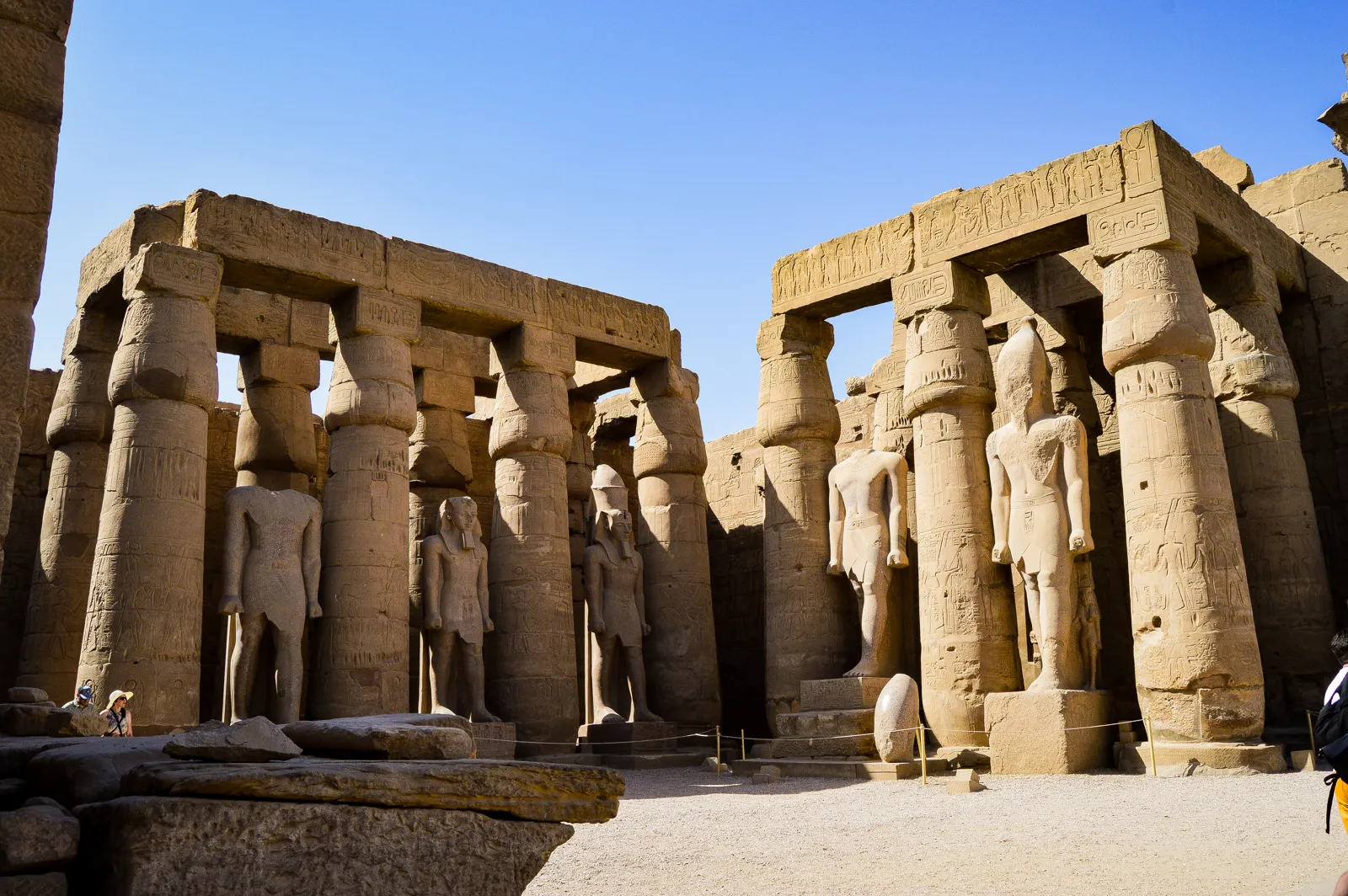
Paphos (Pafos), on the south-west coast of Cyprus, combines a seaside town around its harbour, Kato Paphos, with an ancient site that has been a UNESCO World Heritage Site since 1980: the Roman mosaics of the archaeological park, the Tombs of the Kings and, at Kouklia, the sanctuary of Aphrodite at Old Paphos. Here are the things to do in Paphos, with the official opening hours and prices of the sites, the rules for a trip to the north of the island, the climate month by month and a two- or three-day itinerary.
For the whole island, see our Cyprus travel guide, our calendar of the best time to visit Cyprus and our Malta or Cyprus comparison.

Our travel deals for Paphos
Affiliate links: we earn a commission, at no extra cost to you.
 FlightsKiwi.comCompare flights and airline combinations to Paphos.Compare flights
- Airport transferKiwitaxiPrivate driver booked in advance at a fixed price.Book a transfer


Paphos: key facts
- Kato Paphos Archaeological Park: €4.50; daily, 08:30-17:00 from 16 September to 15 April and 08:30-19:30 from 16 April to 15 September — checked on 26 October 2026 on visitcyprus.com
- Tombs of the Kings: €2.50, same seasonal hours — checked on 24 October 2026 on visitcyprus.com
- Palaipafos (Kouklia): €4.50; Tuesday to Sunday, 08:30-17:00, closed on Mondays — checked on 24 October 2026 on visitcyprus.com
- Department of Antiquities multi-site card: €8.50 (1 day), €17 (3 days), €25 (7 days)
- Entry: US and UK citizens: visa-free for up to 90 days; Cyprus is not in the Schengen area (travel.state.gov, GOV.UK)
Things to do in Paphos: the highlights
Kato Paphos Archaeological Park
This is the main visit. The park preserves ancient Nea Paphos and four large Roman villas, known as the Houses of Dionysos, Theseus, Aion and Orpheus, whose mosaic floors show scenes from Greek mythology. You also see the odeon and Saranta Kolones castle (« Forty Columns »). The site is partly wheelchair accessible — checked on 26 October 2026 on visitcyprus.com. The site is in full sun: in summer, come at opening time or late in the day.
The Tombs of the Kings
North of Kato Paphos, this necropolis groups monumental underground tombs carved out of the rock, from the Hellenistic and Roman periods; despite the name, no kings were buried here. The site is wheelchair accessible only for a view from above — checked on 24 October 2026 on visitcyprus.com.
| Site | Price | Hours (16 Sept – 15 April) | Hours (16 April – 15 Sept) |
|---|---|---|---|
| Kato Paphos Archaeological Park | €4.50 | Daily, 08:30-17:00 | Daily, 08:30-19:30 |
| Tombs of the Kings | €2.50 | Daily, 08:30-17:00 | Daily, 08:30-19:30 |
| Palaipafos – Kouklia (sanctuary of Aphrodite) | €4.50 | Tuesday – Sunday, 08:30-17:00 | Tuesday – Sunday, 08:30-17:00 |
Multi-site card: the Department of Antiquities sells entry cards valid for 1 day (€8.50), 3 days (€17) or 7 days (€25), covering its museums and ancient monuments. With the archaeological park, the Tombs of the Kings and Kouklia (€11.50 with separate tickets), the one-day card only pays off if you do all three sites on the same day, bearing in mind that Kouklia is closed on Mondays.
The harbour, the fort and the promenade
The fishing harbour of Kato Paphos is overlooked by a small medieval fort. The seafront promenade, which links the harbour with the hotels, is where people go in the evening and at sunset; see below for the calculated time for each month.
Ktima, the upper town
Ktima is the residential and administrative district of Paphos, on the plateau above the coast. Here you find the municipal market, shopping lanes and local life, away from the seaside bustle of Kato Paphos.
Kouklia and the sanctuary of Aphrodite
East of Paphos, the village of Kouklia stands on the site of Palaipafos, Old Paphos, one of the main city-kingdoms of Cyprus. Its sanctuary of Aphrodite, described as the goddess’s most famous, dates back to the 12th century BC and remained a place of worship until the 3rd-4th centuries AD. Together with the Kato Paphos park, it is one of the sites in the 1980 UNESCO inscription — checked on 24 October 2026 on visitcyprus.com.
Aphrodite’s Rock (Petra tou Romiou)
On the coast south-east of Kouklia, this rock is linked to the legend of Aphrodite’s birth from the sea foam. It is a classic photo stop on the road to Limassol.
The Akamas Peninsula and Coral Bay
North of Paphos, the coast becomes wilder towards the Akamas Peninsula, a natural area of hiking trails, coves and gorges. The resort of Coral Bay, on the way, has an organised sandy beach. For trails and protection rules, check with the Department of Forests: the UK FCDO (GOV.UK, updated 14 August 2026) warns of a high risk of wildfires from April to October and advises registering your phone for emergency alerts.
Booking sights and tours
The archaeological sites are paid at the entrance, at the official prices above: there is no need for a middleman for a self-guided visit. Resellers mainly offer guided tours, boat trips and excursions to Akamas, Kourion or the Troodos: check whether site entry fees are included and where you are picked up.
Itinerary: Paphos in 2 or 3 days
- Day 1: the archaeological park at opening time, the harbour and the fort, sunset on the promenade.
- Day 2: the Tombs of the Kings in the morning, Ktima and its market in the afternoon.
- Day 3: Kouklia (not on Mondays) and Aphrodite’s Rock, or a day out to Coral Bay and Akamas.
When to go to Paphos
The table uses the official normals for Paphos airport. We have added the rainfall over a one-week stay, the hours of sunshine per day and the sunset time.
| Month | Max | Min | Rainfall | Rainfall over 7 days | Sunshine (h/day) | Sunset on the 15th |
|---|---|---|---|---|---|---|
| January | 17.3 °C (63 °F) | 8.6 °C (47 °F) | 90 mm (3.5 in) | 20 mm (0.8 in) | 5.8 | 17:02 |
| February | 17.6 °C (64 °F) | 8.5 °C (47 °F) | 60 mm (2.4 in) | 15 mm (0.6 in) | 6.8 | 17:32 |
| March | 19.2 °C (67 °F) | 9.6 °C (49 °F) | 34 mm (1.3 in) | 8 mm (0.3 in) | 7.9 | 17:57 |
| April | 21.8 °C (71 °F) | 11.9 °C (53 °F) | 15 mm (0.6 in) | 4 mm (0.2 in) | 9.3 | 19:22 |
| May | 24.9 °C (77 °F) | 15.2 °C (59 °F) | 11 mm (0.4 in) | 3 mm (0.1 in) | 10.9 | 19:46 |
| June | 28.1 °C (83 °F) | 18.5 °C (65 °F) | 2 mm (0.1 in) | 0 mm (0.0 in) | 12.4 | 20:05 |
| July | 30.4 °C (87 °F) | 21.0 °C (70 °F) | 0 mm (0.0 in) | 0 mm (0.0 in) | 12.3 | 20:04 |
| August | 31.0 °C (88 °F) | 21.7 °C (71 °F) | 0 mm (0.0 in) | 0 mm (0.0 in) | 11.5 | 19:38 |
| September | 29.4 °C (85 °F) | 19.8 °C (68 °F) | 4 mm (0.2 in) | 1 mm (0.0 in) | 10.4 | 18:57 |
| October | 27.0 °C (81 °F) | 17.2 °C (63 °F) | 22 mm (0.9 in) | 5 mm (0.2 in) | 9.0 | 18:16 |
| November | 23.1 °C (74 °F) | 13.4 °C (56 °F) | 58 mm (2.3 in) | 13 mm (0.5 in) | 7.3 | 16:45 |
| December | 19.3 °C (67 °F) | 10.4 °C (51 °F) | 98 mm (3.9 in) | 22 mm (0.9 in) | 5.8 | 16:40 |
How to read it: from June to September almost no rain falls (less than 5 mm, or 0.2 in, a month) and the sun shines more than 12 hours a day in June and July; highs stay around 28 to 31 °C (82 to 88 °F). April-May and October are the best months for combining open-air archaeological sites with swimming. From December to February, a week brings 15 to 22 mm (0.6 to 0.9 in) of rain on average, with highs of 17 to 19 °C (63 to 66 °F). The sun sets around 20:05 in mid-June and around 16:40 in mid-December.
Note: our page on the best time to visit Cyprus quotes the Cyprus Department of Meteorology normals for Paphos (period not specified): a high of 17.0 °C (63 °F) in January, 29.9 °C (86 °F) in July and 94 mm (3.7 in) in December. The WMO 1991-2020 normals used here give 17.3 °C (63 °F), 30.4 °C (87 °F) and 98 mm (3.9 in): the difference comes from the reference periods. See also Cyprus in April, October and November.
Getting there and getting around Paphos
Paphos has an international airport; routes vary with the season and the airlines, so check them on the airport operator’s website (Hermes Airports) and with the airlines. Cyprus has a second international airport at Larnaca, further east.
- Airport transfer: taxi, bus or pre-booked transfer; check the fare before you get in.
- Car hire: the most flexible option for Kouklia, Akamas and the rest of the island. Traffic drives on the left (U.S. State Department).
- To the north of the island: car insurance bought in the Republic of Cyprus is not valid in the north; separate insurance can be bought at the crossing points (see below).
Where to stay in Paphos
Kato Paphos, around the harbour and along the seafront, has most of the hotels and the nightlife, close to the archaeological park. Ktima, the upper town, is more residential. To the north, Coral Bay is a quieter resort, handy for Akamas, but you need a car or the buses to get into town.
If you… then…
| If you… | Then… |
|---|---|
| Come for the archaeology | April-May or October; the park at opening time, Kouklia on a weekday (closed on Mondays) |
| Come for the beach | June to September, based in Kato Paphos or Coral Bay |
| Travel without a car | Stay in Kato Paphos, within walking distance of the harbour and the park |
| Want to see the north of the island | Use an official crossing point and buy separate car insurance for the north |
| Come in winter | Pack a raincoat: December and January are the wettest months |
Entry requirements, health and safety
US citizens: according to the U.S. Department of State (travel.state.gov, last updated August 13, 2026), you may enter the Republic of Cyprus for up to 90 days for tourism or business without a visa; your passport should be valid for at least three months beyond your stay. Enter and leave only via Larnaca or Paphos airports or the ports of Limassol, Larnaca and Paphos: entry at Ercan Airport in the north is not considered legal.
UK citizens: according to the UK FCDO (GOV.UK, updated 14 August 2026), you can travel to Cyprus without a visa for up to 90 days; Cyprus is not in the Schengen area. Your passport must have been issued less than 10 years before you arrive, be valid for at least 3 months after the day you plan to leave and have at least one blank page. Time spent in the north counts towards the 90 days. Entry requirements checked on 26 October 2026.
The north and the buffer zone: the island has been divided since 1974. You can cross between south and north at the designated crossing points (UK FCDO; the U.S. State Department says a valid US passport is shown at the checkpoints). Never try to enter the UN buffer zone anywhere other than a designated crossing point (U.S. State Department). Cars hired in the Republic of Cyprus often have no insurance cover in the north, and you will not be let through without the right insurance documents; at some crossing points you can buy it (UK FCDO). The FCDO can provide only limited consular support in the north. Health: UK travellers need a GHIC or EHIC for medically necessary state healthcare (UK FCDO); everyone should have travel insurance covering medical costs. Emergencies: 112.
Practical tips for Paphos
- Wildfires: the risk is high from April to October; register your phone for emergency alerts and call 112 if you are in danger (UK FCDO). Respect the bans in natural areas such as Akamas.
- Heat: visit open-air sites at opening time; the archaeological park has little shade.
- Phone: check your home carrier’s roaming charges, especially if you cross to the north.
- Currency: the euro.
Frequently asked questions
What can you see in Paphos in one day?
The Kato Paphos Archaeological Park and its mosaics in the morning, the harbour and the fort in the afternoon, then sunset on the promenade; add the Tombs of the Kings if you have time.
How much does the Paphos Archaeological Park cost?
€4.50; the Tombs of the Kings cost €2.50 (prices checked on visitcyprus.com in October 2026).
What is the best month to visit Paphos?
April-May and October to combine sightseeing and swimming; June to September for the beach, with almost no rain; December and January are the wettest months.
Do you need a visa for Paphos?
No for US and UK citizens staying up to 90 days, according to travel.state.gov and GOV.UK; your passport must be valid at least three months beyond your stay.
Can you visit the north of Cyprus from Paphos?
Yes, through the designated crossing points, with your passport; by car, you need separate insurance for the north, sold at some crossing points. Consular support there is limited.
Is the Kouklia site open on Mondays?
No: Palaipafos-Kouklia opens Tuesday to Sunday, 08:30 to 17:00.
Our sources
- visitcyprus.com (Cyprus Deputy Ministry of Tourism): Archaeological Park of Kato Pafos (checked 26 October 2026), Tombs of the Kings and Palaipafos – Kouklia pages (accessed 24 October 2026)
- Entry requirements, health and safety read on 26 October 2026: U.S. Department of State, Cyprus country information (travel.state.gov, last updated August 13, 2026) and UK FCDO, foreign travel advice for Cyprus (GOV.UK, updated 14 August 2026)
- English Wikipedia article « Paphos » (UNESCO 1980, Ktima and Kato Paphos, Roman villas, Aphrodite’s Rock)
- 1991-2020 normals for Paphos International Airport, World Meteorological Organization (NOAA archive), as reproduced in the English Wikipedia article « Paphos »
- Astronomical calculations: NOAA solar algorithm, applied by Destination de Voyage to the coordinates of Paphos harbour (15th of each month, year 2027)
- Our methodology
Updated October 2026.