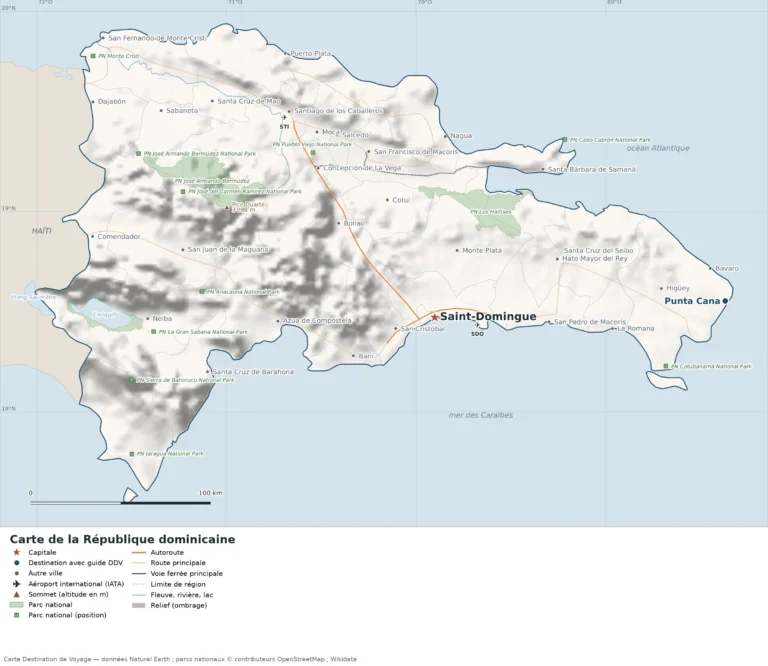
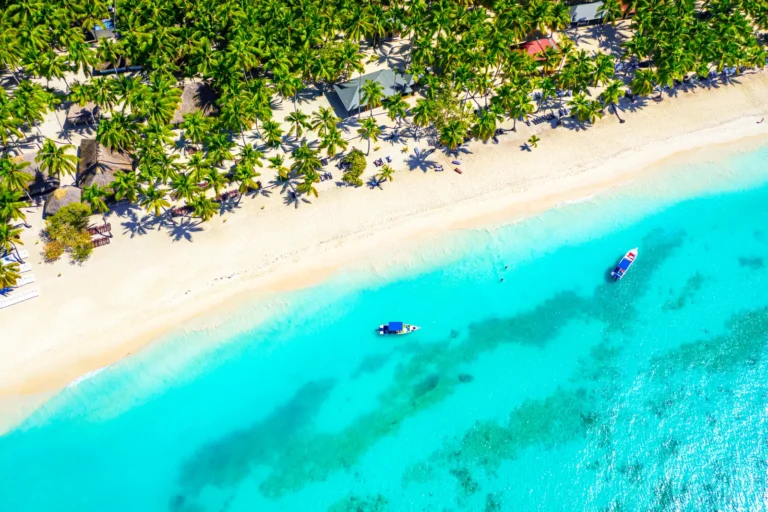
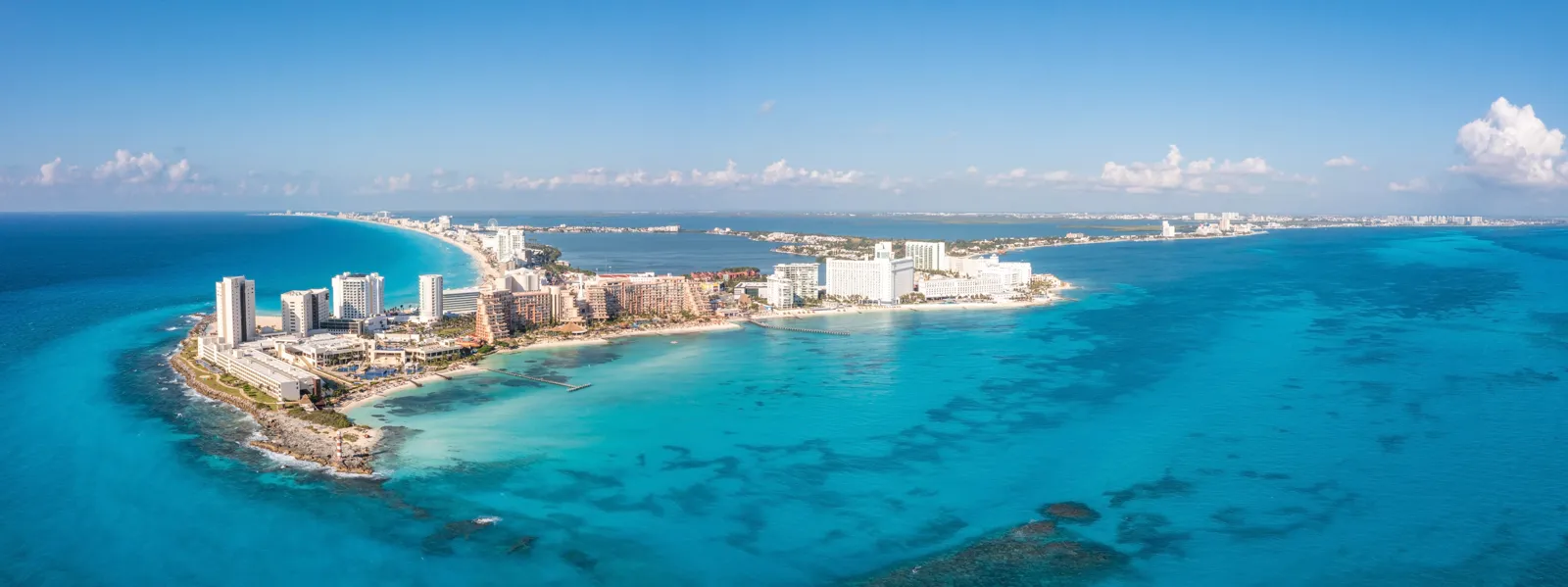
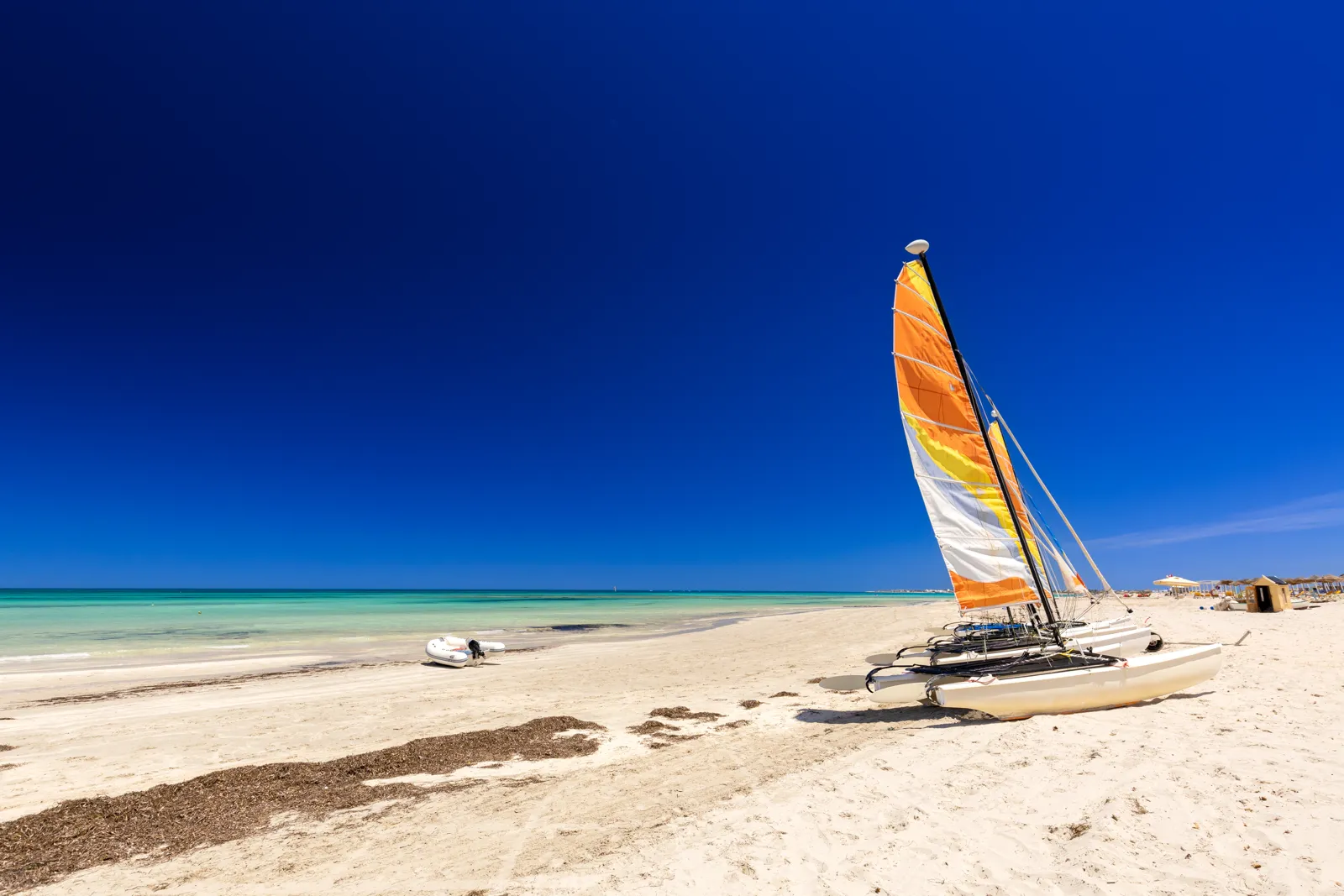
The things to do in Punta Cana, on the eastern tip of the Dominican Republic, often come down to long, pale-sand beaches lined with coconut palms and large all-inclusive hotels. But the area also has plenty to get you out of the resort: Saona Island, the cenotes of the Cap Cana park, the village of Altos de Chavón or, further away, the colonial city of Santo Domingo. In practice, « Punta Cana » covers the whole coast from Uvero Alto in the north to Cap Cana in the south, Bávaro included. This guide helps you choose your area, your excursions and your budget.

Our travel deals for Punta Cana
Affiliate links: we earn a commission, at no extra cost to you.
 FlightsKiwi.comCompare flights and airline combinations to Punta Cana.Compare flights
- Airport transferKiwitaxiPrivate driver booked in advance at a fixed price.Book a transfer
- Tickets and toursTiqetsEntry tickets and guided tours to book online; compare with the official price.See tickets
- eSIMAiraloData plan to install before you leave (eSIM-compatible phone).See plans




Punta Cana at a glance
- Airports Punta Cana International Airport (PUJ), 15 to 45 minutes by road from most hotels
- Ideal length 7 to 10 days, including 2 or 3 excursions
- Best time December to April
- Time zone UTC−4, no daylight saving
- Entry US and UK: no visa for tourist stays of up to 30 days; online eTicket for entry and exit (travel.state.gov · GOV.UK)
- Currency Dominican peso (DOP); US dollars often accepted in tourist areas
- Indicative budget roughly US$80 to 135 per person per day on a budget, US$200 to 390 in comfort (all-inclusive)
Things to do in Punta Cana: the highlights
Bávaro and Punta Cana beaches
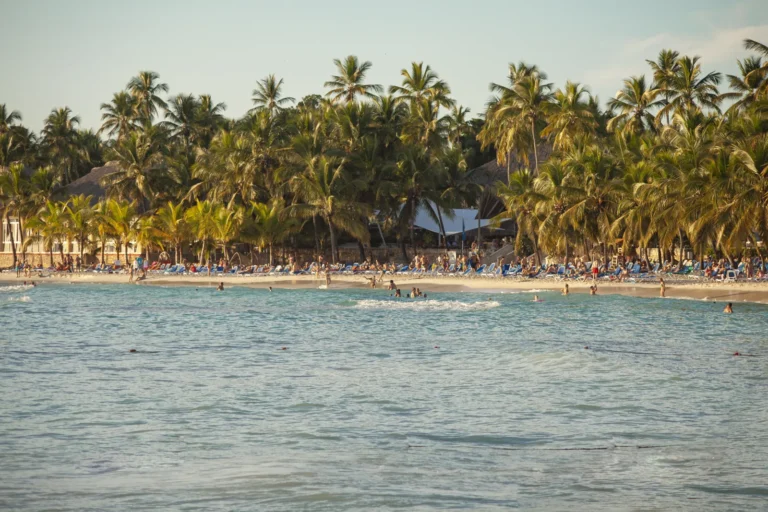
The east coast has dozens of kilometres of beaches, largely protected by a coral reef that calms the sea. Bávaro, the longest and liveliest, has most of the hotels, with water sports, catamaran trips and restaurants. Further south, Los Corales and Cabeza de Toro are smaller. Access to many beaches is through the resorts.
Macao and Uvero Alto
North of Bávaro, Macao beach is not lined with hotels: it is one of the wildest in the area, with bigger waves that attract beginner surfers. Further north again, Uvero Alto has newer, more isolated resorts on a more exposed stretch of coast.
Cap Cana, Juanillo and Scape Park
South of the airport, Cap Cana is a vast residential estate with a marina, golf course and Juanillo beach, known for its calm. Scape Park, a private adventure park, lets you swim in Hoyo Azul, a turquoise cenote at the foot of a cliff, and offers zip lines and hikes. Next door, the Indigenous Eyes (Ojos Indígenas) ecological reserve, run by a local foundation, protects a dry forest dotted with freshwater pools.
Saona Island
This is the most popular excursion. Saona Island is part of Parque Nacional del Este, in the southeast of the country. Boats leave from Bayahibe, about 1 hour 15 minutes by road from Bávaro. The day usually combines a crossing by catamaran or speedboat, a swim in a shallow « natural pool », then lunch on one of the island’s beaches. Compare programmes: road time, the number of passengers and time on the island vary a lot between operators. The UK FCDO notes that recreational tour providers may not meet UK safety standards: check them and make sure you are insured for boat tours and water sports.
Catalina Island and Altos de Chavón
Off La Romana, Catalina Island is popular for snorkelling and diving, with a coral wall close to shore. On the coast, Altos de Chavón is a village built in the 1970s in the style of a 16th-century Mediterranean town, above the gorge of the Chavón River, with an amphitheatre and a small archaeological museum.
Higüey and its basilica
About 45 minutes by road, Higüey, capital of La Altagracia province, is home to the Basilica of Our Lady of Altagracia, the most visited shrine in the country, in modern concrete architecture. On 21 January, the patron saint’s day, the town hosts a large pilgrimage. A quick visit also shows you an everyday Dominican town, far from the hotels.
Santo Domingo and the Colonial Zone
The capital is about 2.5 to 3 hours away by road. Its Colonial Zone, a UNESCO World Heritage Site, has the first cathedral and the first European buildings in the Americas, around Calle Las Damas and the Alcázar de Colón. It is a long day trip: if you have time, stay overnight. Keep your usual precautions there (see the safety section below).
Samaná Bay and the whales
From about January to March, humpback whales gather in Samaná Bay, in the northeast of the country, to breed. Day trips leave from Punta Cana by coach and then boat, or by light aircraft. The journey is long: allow a full day. Choose an operator that follows the whale-watching rules in force.
Where to stay in Punta Cana: the areas
- Bávaro: the widest choice of hotels, restaurants and activities; convenient for a first visit
- Los Corales and El Cortecito: small streets with apartments, modest hotels and restaurants: the best option if you want to skip the all-inclusive
- Cap Cana: a smarter, quieter estate, villas and upscale hotels, Juanillo beach
- Uvero Alto: newer, isolated resorts, ideal for resting, further from the airport (about 45 minutes)
- Bayahibe: 1 hour 15 minutes by road, a fishing village and hotels at the departure point for Saona and Catalina
Itinerary suggestions
7 days: beach and excursions around Punta Cana
- Days 1 and 2: settle in at Bávaro, beach, water sports
- Day 3: Saona Island trip from Bayahibe
- Day 4: Macao beach and Scape Park (Hoyo Azul) or the Indigenous Eyes reserve
- Day 5: Higüey and Altos de Chavón
- Days 6 and 7: rest, snorkelling or diving, then departure
10 to 14 days: Punta Cana, Santo Domingo and Samaná
- Days 1 to 4: Bávaro and a Saona trip
- Days 5 and 6: Bayahibe, diving at Catalina, Altos de Chavón
- Days 7 and 8: Santo Domingo and its Colonial Zone
- Days 9 to 12: the Samaná peninsula (whales from January to March, Las Terrenas beaches)
- Days 13 and 14: back to Punta Cana for a last beach day
For a full tour of the country, see our Dominican Republic travel guide.
All-inclusive or independent?
Most travellers choose an all-inclusive hotel: meals, drinks and often non-motorised water sports are included, which simplifies the budget. Quality varies a lot from one resort to another: look at the renovation date, the number of à la carte restaurants, the beach in front of the hotel (sand, seaweed, rocks) and the distance from the airport. An independent stay, in an apartment in Los Corales or Bayahibe, often costs less and lets you eat in local restaurants, but you need to plan transport.
| Criterion | All-inclusive | Independent |
|---|---|---|
| Budget | Predictable, often good value for families | Variable, often lower for a couple |
| Meals | Hotel buffets and restaurants | Local restaurants, Dominican food |
| Getting around | Shuttles and organised excursions | Taxis, car rental, guaguas (minibuses) |
| Best for | Families, honeymoons, rest | Independent travellers, long stays |
Getting around Punta Cana
- Transfers and taxis: most hotels offer an airport transfer. Agree on the fare before getting in. The UK FCDO advises using an authorised airport or hotel taxi service or a registered provider, as many taxis are in poor condition.
- Ride-hailing: ride-hailing apps are widely available, according to GOV.UK; check availability at the airport and in your area.
- Guaguas: local minibuses link Bávaro, Higüey and nearby towns cheaply; they are crowded but inexpensive.
- Long-distance buses: companies link Punta Cana with Santo Domingo several times a day.
- Car rental: useful for independence, but driving is challenging; avoid driving at night. UK drivers can use a UK photocard licence for up to 3 months (GOV.UK). GOV.UK also warns of a high death rate from motorbike and scooter accidents, and that motorbike taxis (motoconchos) are often driven badly and do not always provide a helmet.
When to go to Punta Cana
✅ Best months: January, February, March, April, December
❌ Period to avoid: September, October
The best time is December to April, peaking from February to April: 29 to 30 °C (84 to 86 °F) in the afternoon and 50 to 65 mm (2.0 to 2.6 in) of rain a month, according to 1991–2020 normals published by NOAA. June to November is hurricane season, with more frequent rain, especially in September (135 mm, 5.3 in). Month-by-month climate and advice: our article when to go to Punta Cana.
Budget for a trip to Punta Cana
The budget depends mainly on the choice between all-inclusive and independent travel. Indicative amounts per person per day, excluding flights, in US dollars (European Central Bank rate of 23 October 2026):
| Item | Budget | Comfort |
|---|---|---|
| Accommodation (shared double room) | about US$35 to 65 (apartment, small hotel) | about US$135 to 280 (all-inclusive) |
| Meals | about US$20 to 40 | included (all-inclusive) |
| Local transport | about US$5 to 15 | about US$10 to 35 (taxis, transfers) |
| Day trips | about US$15 to 35 (daily average) | about US$45 to 80 |
| Total per day | roughly US$80 to 135 per person per day | roughly US$200 to 390 per person per day |
To cut costs: travel in May, June or from September to mid-November, compare flight + hotel packages, book excursions directly with registered operators rather than through beach touts, and carry pesos for small purchases.
Entry requirements, health and safety
- US citizens: according to the U.S. Department of State (travel.state.gov, last updated August 11, 2025), a visa is required only for visits longer than 30 days. A $10 tourist card fee is included in airline charges and allows stays of up to 30 days, extendable through the Migration Department; overstays are fined on departure, from about $56 for one month to more than $1,660. You need a round-trip ticket, enough funds and an address where you will stay.
- UK citizens: according to the UK FCDO (GOV.UK, updated 7 August 2026), you can visit for tourism without a visa for 30 days and pay to extend your stay up to 120 days. Until 31 December 2026, your passport only needs to be valid for the duration of your visit. You may be refused entry without proof of onward or return travel.
- eTicket: both sources state that you must complete the online entry and exit form (eTicket), which includes the customs declaration, for every entry and exit, on eticket.migracion.gob.do.
- Health: GOV.UK lists dengue among health risks: use insect protection. Tap water is not drinkable (GOV.UK). Some resorts have exclusive agreements with medical providers, which can limit your choices and add costs (travel.state.gov), and visitors who cannot pay hospital bills may be stopped from leaving the country (GOV.UK): take out insurance covering medical costs and evacuation.
- Safety: the U.S. Department of State advises « exercise increased caution » (Level 2) due to crime (advisory of June 11, 2025): violent crime is a concern despite more police in tourist areas; do not display wealth. It notes that security outside resort areas is unpredictable, especially at night, and that sexual assaults have been reported at major resorts. GOV.UK warns of bank card cloning: keep your card in view when paying. Do not leave drinks unattended, and do not swim alone because of dangerous currents.
- Hurricanes and earthquakes: the hurricane season normally runs from June to November, and earthquakes are a risk (GOV.UK). Follow the instructions of the local authorities.
- Emergencies: 911. According to GOV.UK, 911 does not cover the whole country; outside Santo Domingo, you can call the tourist police (Politur) on +1 809 200 3500.
Practical tips for Punta Cana
- Money: cards are accepted in hotels and most restaurants. Use ATMs inside banks or shopping centres.
- Water: drink bottled or filtered water.
- Sun: the sun is strong all year: sunscreen, a hat and breaks in the shade.
- Touts: excursion sellers are everywhere on the beach: check what is included and do not pay a cash deposit without a receipt.
- Mobile data: hotel Wi-Fi is patchy; a local eSIM lets you use GPS and ride-hailing apps. Plans are compared on our page eSIM for the Dominican Republic.
Who is Punta Cana for?
Our view, profile by profile, based on the information in this guide:
| Profile | Our verdict |
|---|---|
| Families | Ideal: all-inclusive hotels with a predictable budget and a sea often calmed by the coral reef, notably at Bávaro. |
| Honeymoon, rest | Ideal: Cap Cana and Juanillo beach, or the isolated resorts of Uvero Alto. |
| Diving and snorkelling | Yes: the coral wall off Catalina Island, the natural pools of Saona Island. |
| Culture | Possible: Altos de Chavón, Higüey and Santo Domingo’s Colonial Zone, 2.5 to 3 hours by road; ideally with a night there. |
| Independent travellers, low budget | Possible: an independent stay in Los Corales, El Cortecito or Bayahibe, roughly US$80 to 135 per person per day, planning your transport. |
Read also
The month-by-month climate is detailed on our page when to go to Punta Cana. See also our page on time in the Dominican Republic. To venture beyond the east coast, our Dominican Republic travel guide and the page when to go to the Dominican Republic cover Samaná and the rest of the country.
Frequently asked questions
How many days do you need in Punta Cana?
A week lets you enjoy the beach and take two or three excursions (Saona, Scape Park, Altos de Chavón). Allow 10 to 14 days to add Santo Domingo and Samaná Bay.
What is the best beach in Punta Cana?
It depends on what you are looking for: Bávaro for atmosphere and activities, Juanillo (Cap Cana) for calm, Macao for a beach without hotels and with waves. Saona Island has the wildest beaches, on a day trip.
Is Punta Cana safe?
The U.S. Department of State advises increased caution in the Dominican Republic due to crime and notes that security outside resort areas is unpredictable, especially at night. Do not display valuables, and be careful outside the hotels in the evening.
Do you need a visa for Punta Cana?
Not for US or UK citizens on a tourist stay of up to 30 days, according to travel.state.gov and GOV.UK. The online eTicket form is mandatory on entry and exit.
What currency should you use in Punta Cana?
The official currency is the Dominican peso. US dollars are often accepted in tourist areas, but prices in pesos are usually better in local shops.
Our sources
- Punta Cana climate: 1991–2020 normals for the Punta Cana International Airport station, published by NOAA (World Meteorological Organization climate normals)
- Entry, health and safety information read on 26 October 2026: U.S. Department of State, Dominican Republic country information (travel.state.gov, last updated August 11, 2025) and travel advisory (June 11, 2025); UK FCDO, foreign travel advice for the Dominican Republic (GOV.UK, updated 7 August 2026)
- European Central Bank reference rates of 23 October 2026 (budget conversion)
- Our methodology
Updated October 2026.
To extend your trip, see our Dominican Republic travel guide, the page when to go to the Dominican Republic, our guides to Cuba and Jamaica, and our other destinations in the Caribbean. For family trips, read our guide to family travel.