This Jamaica travel guide covers the beaches of Negril and Montego Bay, the Blue Mountains and their coffee plantations, the waterfalls of the north coast and reggae culture, from Kingston to Nine Mile. Jamaica is also a country where crime is very high in some urban neighbourhoods, so a good trip depends on sensible choices of accommodation and transport. Here is the essential information: what to do, where to go, itineraries, budget and safety.
⚠️ Safety warning. According to the UK FCDO (GOV.UK, updated 6 May 2026), crime and homicide rates are high in Jamaica; gang violence and shootings mostly occur in inner-city areas and tourist areas are not usually affected. The FCDO advises particular caution in and around Kingston, Spanish Town, Savanna-la-Mar and parts of Montego Bay (Flankers, Barrett Town, Glendevon, Rose Heights and Mount Salem). The U.S. Department of State (travel.state.gov, last updated July 2, 2026) describes violent crime as a serious problem throughout the island, particularly in Kingston and Montego Bay, and advises avoiding walking or driving at night. Hurricane Melissa hit Jamaica in October 2025: GOV.UK notes that western parishes suffered significant damage and that access to healthcare is still limited in the worst affected areas. Details in the safety section below.
To locate the towns, regions, relief, national parks and airports, see our map of Jamaica.
Jamaica at a glance
CapitalKingston
LanguageEnglish (official)Jamaican Patois is widely spoken
CurrencyJamaican dollar (JMD) · currenciesUS dollars accepted in tourist areas
Time zoneUTC−5
AirportsMontego Bay Sangster International (MBJ), Kingston Norman Manley International (KIN) · details
EntryUS and UK: no visa for tourist stays of up to 90 days; C5 immigration and customs form · travel.state.gov · GOV.UK
Electricitycheck voltage and plug type before you travel · plugs
Budgetroughly US$80–135 per person per day on a budget, US$225–390 for comfort · details
When to go to Jamaica
The best time is from December to April, during the dry season: around 30 °C (86 °F) in the afternoon and little rain, especially on the south coast. February and March are the driest months. From May to November, heat and humidity rise, showers become more frequent and the hurricane season runs from June to November (GOV.UK, updated 6 May 2026), with the highest risk from August to October; prices are lower then. The north-east, around Port Antonio, gets rain all year round. All the details, month by month and with official climate data, are in our article on when to go to Jamaica.
Things to do in Jamaica: the highlights
Negril and Seven Mile Beach
At the western tip of the island, Negril combines two landscapes: the long Seven Mile Beach, lined with hotels of every size, and the limestone cliffs of the West End, where you swim from ladders and jetties. The area is known for its sunsets. Cliff jumping, notably from the terrace of Rick’s Café, carries a real risk of serious injury: it is best avoided.
Montego Bay
Jamaica’s second city and main international airport, Montego Bay is the gateway for most travellers. Large resorts stretch along the bay and to the east (Rose Hall, Ironshore). Doctor’s Cave Beach, the Montego Bay Marine Park and Rose Hall Great House are the classic visits. The UK FCDO (updated 6 May 2026) advises caution in parts of Montego Bay including Flankers, Barrett Town, Glendevon, Rose Heights and Mount Salem.
Ocho Rios and the north coast
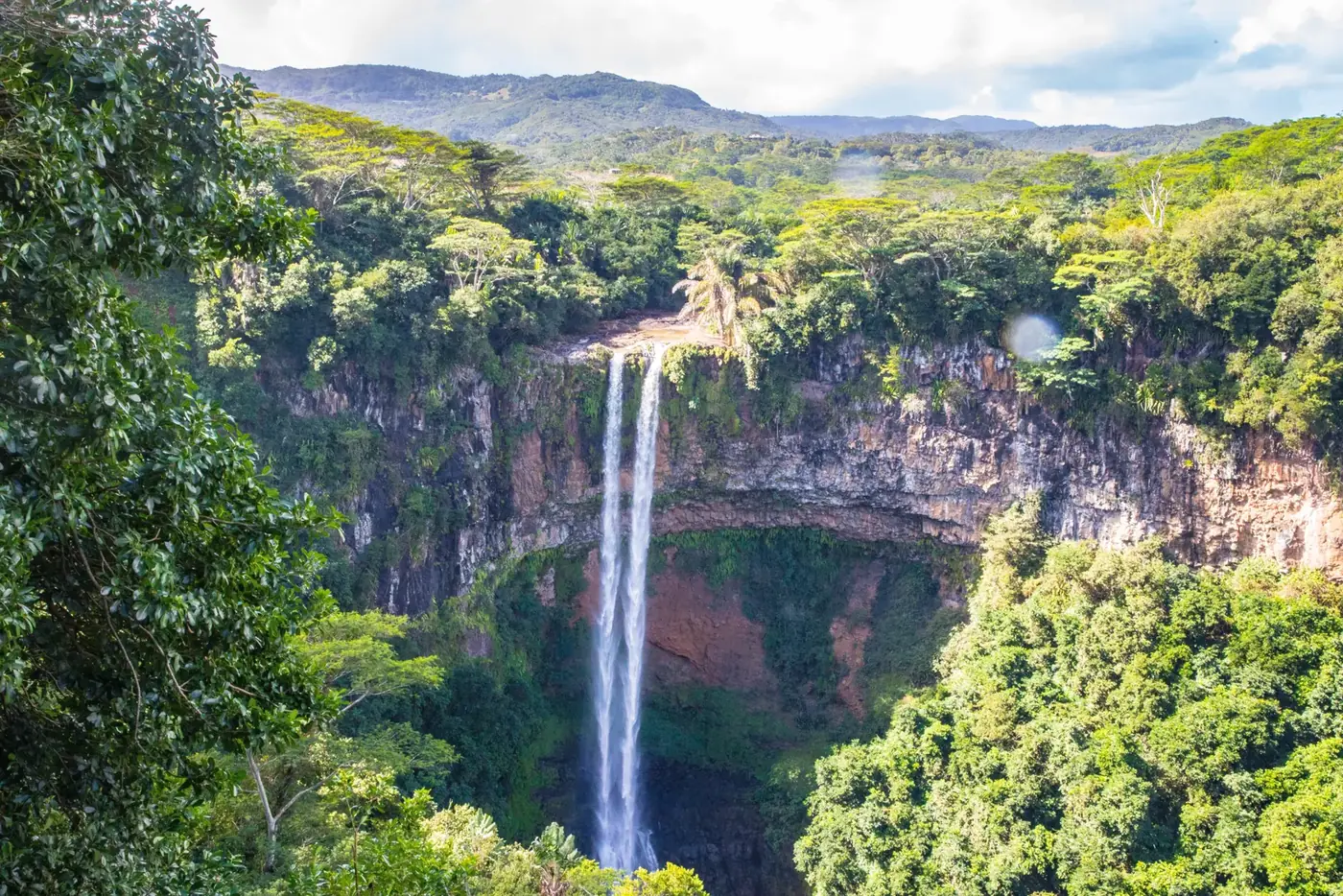
Ocho Rios is the base for trips to Dunn’s River Falls, terraced waterfalls you climb on foot with a guide, as well as to botanical gardens and plantations. Nearby, Nine Mile, Bob Marley’s birthplace and the site of his mausoleum, is visited on an organised trip. Cruise ship calls make some sites very busy in the middle of the day: go early.
Kingston
The capital is the country’s cultural heart: the Bob Marley Museum, in his former home and studios, Devon House, a 19th-century mansion known for its ice cream, and the National Gallery, devoted to Jamaican art. Kingston calls for particular caution: stay in New Kingston and well-frequented areas, do not walk at night, and visit Trench Town, the cradle of reggae, only with a trusted local guide. GOV.UK (updated 6 May 2026) advises visitors who do not know Kingston not to drive in the city.
The Blue Mountains
North of Kingston, this range rises to Blue Mountain Peak (about 2,250 m / 7,380 ft). Its slopes produce the famous Blue Mountain coffee, and the area is a UNESCO World Heritage Site. People come for the plantations, hikes through the cloud forest and the sunrise climb to the summit. Trails are poorly waymarked: hiking with a guide is advisable, except in Holywell park.
Port Antonio and the north-east coast
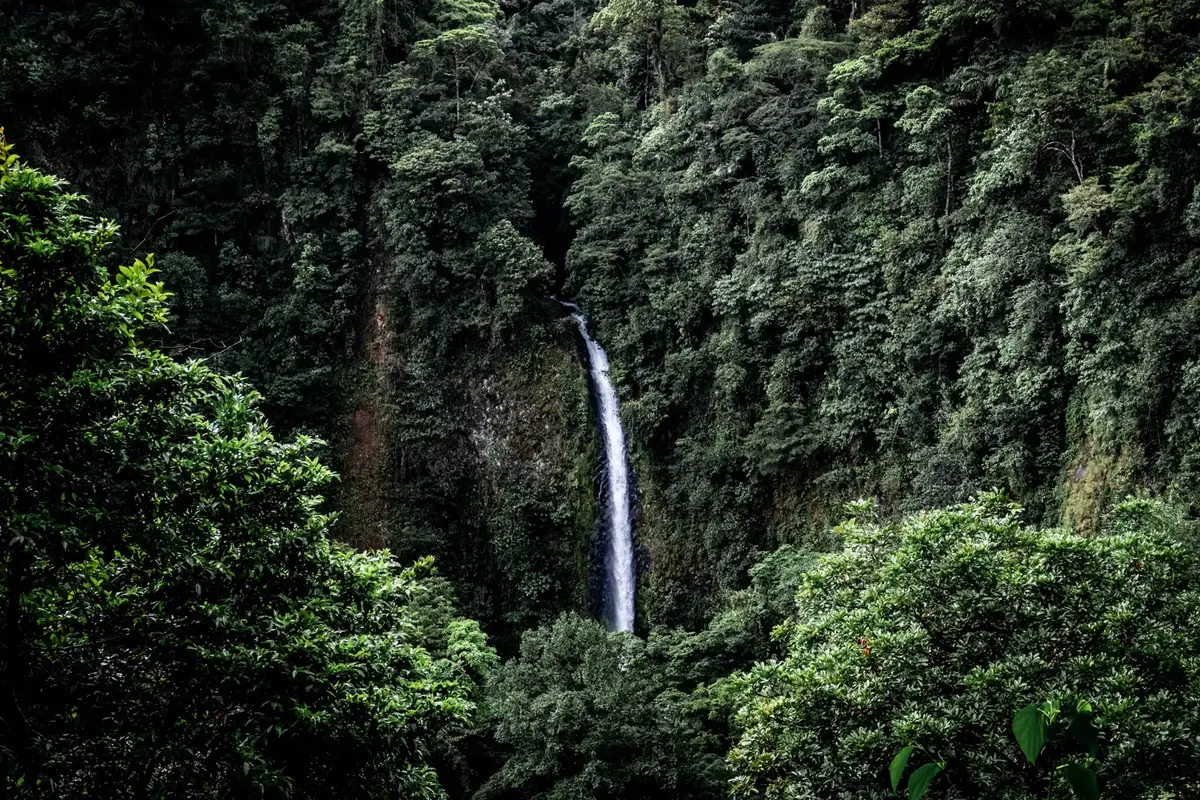
Quieter and greener than the rest of the island, the Port Antonio area offers the Blue Lagoon, Frenchman’s Cove beach, bamboo rafting on the Rio Grande and the Reach Falls. Expect rain: it is the wettest region of the country, even in the dry season.
Treasure Beach, Black River and the south coast
The south coast appeals to those looking for a more rural Jamaica: small guesthouses in Treasure Beach, boat trips on the Black River to see crocodiles, and YS Falls inland. Facilities are more basic and distances longer: people usually get there with a private driver or on an excursion.
Itinerary ideas for Jamaica
8 to 10 days: north and west coasts
Days 1 and 2: arrival in Montego Bay, beach and Marine Park
Days 3 to 5: Negril, Seven Mile Beach and the West End cliffs
Day 6: trip to the south coast (Black River, YS Falls)
Days 7 and 8: Ocho Rios, Dunn’s River Falls, Nine Mile
Days 9 and 10: back to Montego Bay, departure
2 weeks: round the island
Days 1 to 3: Montego Bay then Negril
Days 4 and 5: Treasure Beach and Black River
Days 6 to 8: Kingston (Bob Marley Museum, Devon House) and the Blue Mountains with a guide
Days 9 to 11: Port Antonio, Blue Lagoon, Rio Grande, Reach Falls
Days 12 to 14: Ocho Rios and Nine Mile, back to Montego Bay
Roads are often in poor condition and slow: plan short stages. The U.S. Department of State (last updated July 2, 2026) describes night driving as extremely hazardous and advises avoiding public buses. The UK FCDO (updated 6 May 2026) advises caution in and around Spanish Town, which lies between Kingston and the west of the island.
Budget for a trip to Jamaica
Jamaica is not a cheap destination: hotels, transfers and excursions are often priced in US dollars, at rates similar to other Caribbean islands. Indicative amounts per person per day, based on two travellers, excluding international flights:
roughly US$45–80 (restaurants), or included in all-inclusive
Transport
roughly US$15–30 (established bus companies, ride-hailing)
roughly US$45–90 (private driver, transfers)
Activities
roughly US$10–35 (beaches, waterfalls)
roughly US$55–110 (guided excursions, diving)
Total per day
roughly US$80–135
roughly US$225–390
Indicative estimates, varying by season: rates are highest from mid-December to April and noticeably lower from May to November.
All-inclusive resorts in Negril, Montego Bay and Ocho Rios simplify logistics and reduce travel, which also helps with safety. Small guesthouses on the south coast or in Port Antonio let you see more of the country on a more modest budget.
Getting around Jamaica
Getting there: most international flights land at Montego Bay; Kingston has the second international airport. GOV.UK (updated 6 May 2026) notes sporadic violence in the Mountain View area, one of the two routes between Kingston and Norman Manley airport; most people use the Humming Bird route via South Camp Road.
Official taxis: the U.S. Department of State (last updated July 2, 2026) advises using only licensed taxis with red-and-white PP licence plates or transport recommended by your hotel. GOV.UK recommends Jamaica Tourist Board (JTB) approved taxis, whose drivers carry photo ID and display a blue JTB sticker on the windscreen, and notes that ride-hailing apps such as Uber now operate in some areas, including Kingston.
To avoid: public buses, which the U.S. Department of State describes as often overcrowded and frequently a venue for crime; GOV.UK advises avoiding buses at night. Do not accept rides from strangers.
Long-distance buses: modern coaches run by established companies link the main towns.
Car hire: traffic drives on the left. According to GOV.UK, you can drive in Jamaica on a UK photocard licence for up to 6 months; many roads are badly maintained with poor signage, and drivers and front-seat passengers must wear seatbelts. The U.S. Department of State reports carjackings, including of rental cars, potholes and roads made impassable by heavy rain. Only two highways, the toll roads of Highway 2000, are roughly comparable to US standards.
Organised trips and transfers: the simplest way to combine several regions, through your hotel or a reputable agency.
Where to stay in Jamaica
Most travellers stay on the north and west coasts: Negril for the beach and cliffs, Montego Bay (seafront, Rose Hall) for proximity to the airport, Ocho Rios for excursions. Large all-inclusive resorts sit alongside smaller hotels and villas. Port Antonio and Treasure Beach offer quieter guesthouses and boutique hotels. In Kingston, stay in New Kingston, where the main hotels are. In the Blue Mountains, a few lodges and guesthouses welcome hikers.
GOV.UK (updated 6 May 2026) notes that most hotels and resorts are well guarded but burglaries can occur: use the hotel safe, including for your passport, and lock doors and windows. It also advises not walking in isolated areas or on deserted beaches, even during the day.
Entry requirements for Jamaica
US citizens: according to the U.S. Department of State (travel.state.gov, last updated July 2, 2026), you need a valid U.S. passport and proof of onward departure. No visa is required for tourist stays of up to 90 days. Cruise passengers may use another WHTI-compliant document, but a passport is strongly recommended in case you have to fly home. Departure tax is usually included in the airfare.
UK citizens: according to the UK FCDO (GOV.UK, updated 6 May 2026), you do not need a visa and are usually granted entry for up to 90 days; the date you must leave is stamped in your passport. Your passport must be valid for the duration of your stay and have 2 blank pages. Arrival and departure taxes are usually included in the ticket price. A yellow fever certificate is required only if you arrive from a country listed as a transmission risk.
C5 form: GOV.UK states that you must make a customs declaration before entering Jamaica and should complete the Immigration and Customs Form C5 online, where possible, before you arrive.
Customs: according to GOV.UK, it is illegal to bring meat and dairy products into Jamaica, and cash or travellers’ cheques worth US$10,000 or more must be declared. The U.S. Department of State warns that importing a firearm, firearm parts or ammunition without authorisation leads to arrest, with a mandatory minimum sentence of 15 years even for a single cartridge; bringing mace, pepper spray or knives without authorisation also leads to arrest. For what you can bring home, check your home country’s customs allowances (e.g. CBP in the US, HMRC in the UK).
Health and safety
Health: the U.S. Department of State (last updated July 2, 2026) lists dengue and chikungunya among prevalent diseases: use repellent and cover up. It notes that private hospitals and doctors require payment up front, that Medicare and Medicaid do not apply overseas and strongly recommends insurance covering medical evacuation. GOV.UK (updated 6 May 2026) adds that the standard of medical facilities varies, that treatment can be expensive and that access to healthcare is limited in the areas worst affected by Hurricane Melissa.
Crime: see the warning at the top of this page. Both sources advise not walking at night, staying away from isolated places, not displaying valuables and not resisting a robbery. The U.S. Department of State notes that gated resorts are not immune to violent crime and that sexual assault is a serious problem, including at resorts; GOV.UK recommends using reputable, licensed providers for excursions and taxis.
Drugs: according to GOV.UK, smoking marijuana (ganja) is illegal in Jamaica; possession of up to 2 ounces brings a fine of 500 Jamaican dollars, and severe penalties apply to all other drug offences.
LGBT+ travellers: GOV.UK and the U.S. Department of State both note that male same-sex sexual activity is illegal and that attitudes are often hostile; criminals have used dating apps to lure and rob visitors.
Scams: the U.S. Department of State warns about the « Lotto Scam », in which victims are told to pay fees to release a Jamaican lottery prize: never send money and never travel to Jamaica to collect a « prize ».
Natural hazards: the hurricane season normally runs from June to November (GOV.UK); follow local news and official forecasts. GOV.UK also gives advice on earthquakes.
Emergency numbers: police 119, ambulance and fire 110 (GOV.UK, updated 6 May 2026).
Practical tips for Jamaica
Money: US dollars are accepted in most hotels and tourist sites, but Jamaican dollars are better value for small purchases. Cards are accepted in hotels and tourist restaurants. Do not carry large sums; GOV.UK advises using ATMs in daylight and in well-lit places. Our currency converter helps you estimate your spending.
Internet and phone: hotels usually offer wifi. An eSIM or a local SIM card is useful for ride-hailing apps and navigation; check your carrier’s roaming charges before you leave.
Etiquette: Jamaicans value politeness: say hello before asking for information. Always ask before photographing someone.
Touts: vendors and « guides » can be insistent in tourist areas; a polite but firm refusal usually works.
Tipping: customary in restaurants and for guides; some all-inclusive hotels include or forbid tips, so ask.
Medicines: the U.S. Department of State advises carrying prescription medication in its original packaging with your doctor’s prescription, and checking that it is legal in Jamaica.
Jamaica: who is it for?
Our verdict by type of traveller, based on the information in this guide:
Beach and relaxation: yes: Seven Mile Beach in Negril, Montego Bay, Frenchman’s Cove; prefer hotel beaches and avoid deserted beaches.
Couples: yes, in Negril for the sunsets or in quieter Port Antonio and Treasure Beach.
Families: yes, in an all-inclusive resort in Negril, Montego Bay or Ocho Rios, which simplifies logistics and limits travel.
Budget travellers: difficult: roughly US$80–135 per day, with hotels and excursions often priced in US dollars; guesthouses on the south coast or in Port Antonio are more affordable.
Nature and hiking: yes: the Blue Mountains with a guide, Dunn’s River Falls, Reach Falls, bamboo rafting on the Rio Grande.
Reggae culture: yes: the Bob Marley Museum in Kingston, Nine Mile on an organised trip, Trench Town only with a local guide.
Read also
The dry season, the rains and the hurricane calendar are detailed month by month on our page when to go to Jamaica. To compare with other islands, our comparison Guadeloupe or Martinique covers two islands of the French Antilles, and our hub of destinations in the Caribbean brings together the other guides.
Frequently asked questions
Do I need a visa for Jamaica?
No, not for US or UK citizens on a tourist stay of up to 90 days. According to the U.S. Department of State (last updated July 2, 2026), US citizens need a valid passport and proof of onward departure. According to the UK FCDO (updated 6 May 2026), a UK passport must be valid for the duration of the stay with 2 blank pages, and the C5 immigration and customs form should be completed online before arrival.
Is Jamaica dangerous for tourists?
Crime is high, especially in parts of Kingston and Montego Bay; the UK FCDO (updated 6 May 2026) also advises caution in Spanish Town and Savanna-la-Mar, while noting that tourist areas are not usually affected by gang violence. Stay in secure accommodation, use licensed taxis or transport arranged by your hotel, and do not walk around at night.
Can you rent a car in Jamaica?
Yes, but driving is demanding: traffic drives on the left, many roads are poorly maintained and the U.S. Department of State (last updated July 2, 2026) describes night driving as extremely hazardous and reports carjackings of rental cars. UK travellers can use a UK photocard licence for up to 6 months (GOV.UK). A private driver or organised transfers are simpler.
Which region should I choose for a first trip to Jamaica?
Negril and Montego Bay for the beach, Ocho Rios for the waterfalls and Nine Mile. Add Port Antonio for nature, and the Blue Mountains with a guide if you enjoy hiking.
When is the best time to visit Jamaica?
From December to April, during the dry season. February and March are the driest months. The hurricane season runs from June to November.
Montego Bay or Negril: where should I stay?
Montego Bay, where most international flights land, is convenient for a short resort stay, with Rose Hall and the Montego Bay Marine Park nearby. Negril, at the western tip, offers the long Seven Mile Beach and the West End cliffs. In both cases, follow official safety advice, especially about getting around at night.
How much does a week in Jamaica cost?
Excluding flights, allow roughly US$80–135 per person per day on a budget, or about US$560–945 for 7 days, and US$225–390 per day for comfort (about US$1,575–2,730). Prices are highest from mid-December to April and noticeably lower from May to November.
Our sources
NOAA (World Meteorological Organization climate normals, 1991-2020) for the Kingston (Norman Manley airport) and Montego Bay stations; Meteorological Service of Jamaica (published normals, period not specified) for Port Antonio
Transparency: this page contains affiliate links, labelled as such. If you book through them we may earn a commission at no extra cost to you; it does not influence our content or recommendations. How we fund the site.